Japan Winter Itinerary: 7-, 10- and 14-Day Routes for 2026
Compare 7-, 10- and 14-day japan winter itinerary routes through Tokyo, the Alps, and Hokkaido, with 2026 yen prices and transit trade-offs.
On this page
Last updated September 2026, this japan winter itinerary framework compares three tested routes for December through February travel. Route choice matters more here than in any other season, since Tokyo's mild chill and Hokkaido's nights near -10°C (14°F) call for different packing and pacing. Each plan below lists day-by-day stops, transit costs in yen, and the gear that keeps a snow-heavy trip comfortable.
How to Choose Your Japan Winter Itinerary
Three route types cover most of what a japan winter itinerary needs to solve for. Start with cold tolerance, since some travelers want deep snow and others prefer a milder trip. Budget matters too, because lift tickets and ski rentals cost more than temple entry fees. Interest in skiing or snow-festival photography versus classic city sightseeing shapes the choice just as much. Classic Winter track runs 7 to 9 days through Tokyo, Mt. Fuji, Kyoto, and Osaka, and suits first-time visitors who want landmark sights without deep snow logistics. Alpine Snow Route stretches to 10 days and adds Nagano, Hakuba, Takayama, and Shirakawa-go for skiers and photographers chasing the powder locals call Japow. Ultimate Snow Festival Route runs a full 14 days, folding Hokkaido's Sapporo and Otaru into the Alps circuit for festival-focused travelers. Read the full Japan in Winter: Snow, Festivals, and Travel Logistics for 2026 overview first for the complete seasonal picture beyond these three routes. Check the Best Time To Visit Japan: A Seasonal & Monthly Travel Guide guide too if your dates are still flexible, since shifting a week either way changes which festivals and snow conditions apply. Travelers set on visiting outside winter can instead compare the 7-day Japan itinerary built for other seasons.
| Track | Length | Best For | Anchor Stops |
|---|---|---|---|
| Classic Winter | 7-9 days | First-time visitors, city sightseeing | Tokyo, Mt. Fuji, Kyoto, Osaka |
| Alpine Snow Route | 10 days | Skiers and photographers chasing powder | Nagano, Hakuba, Takayama, Shirakawa-go |
| Ultimate Snow Festival Route | 14 days | Festival-focused travelers combining regions | Sapporo, Otaru, Nagano/Alps corridor, Tokyo |
The 10-Day Japanese Alps and Snow Monkey Itinerary
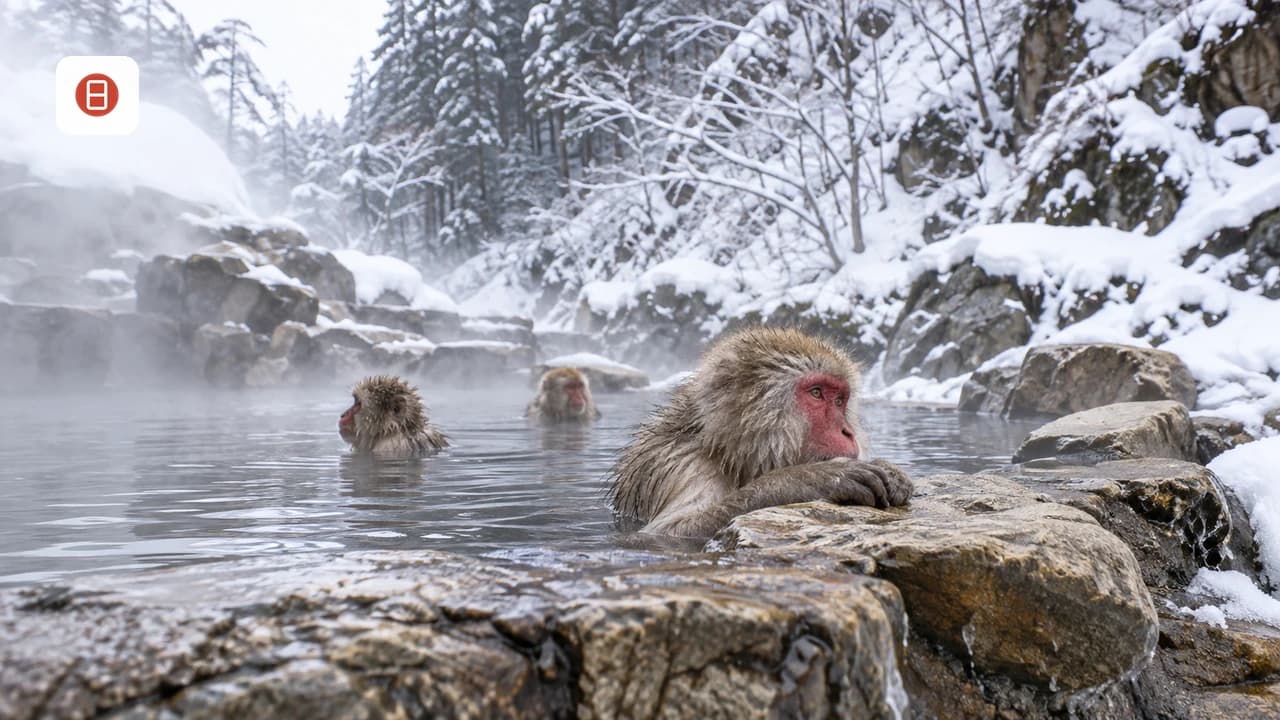
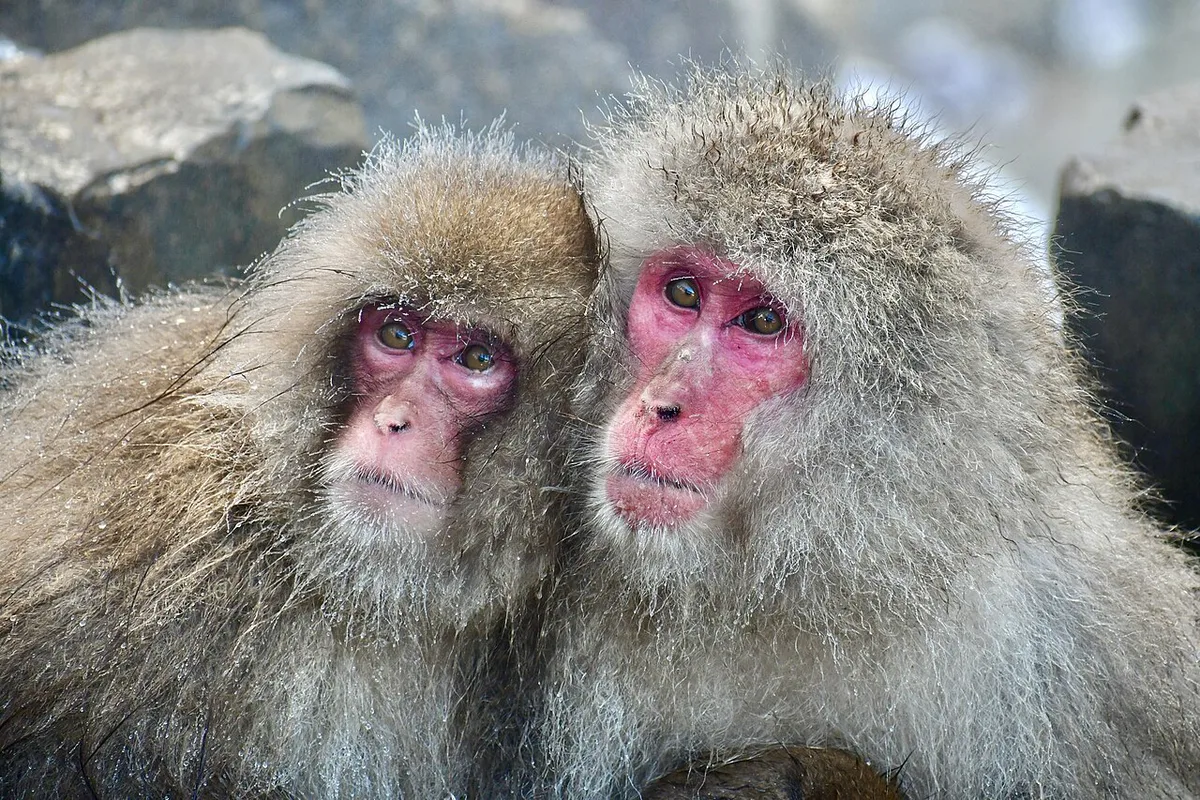
This 10-day loop starts in Tokyo, spends the middle stretch in the mountains, and returns to the capital for a flight home. Days 1 through 3 center on Nagano city and Jigokudani Snow Monkey Park, reached via the Nagaden Snow Monkey Express Bus from stand #23 at Nagano Station's East Exit, a 50-minute ride. A 2-day Snow Monkey Pass costs around ¥3,500 and covers the bus plus park entry, cheaper than buying transport and tickets separately. Days 4 through 6 shift to Hakuba Valley, where non-skiers can still ride the Happo-one or Iwatake gondolas for mountain views instead of hitting the slopes. A one-day Hakuba Valley lift pass starts around ¥6,100, and travelers skipping the pass can shuttle between resort areas for about ¥500 per ride. Days 7 through 9 move to Takayama and its day-trip partner Shirakawa-go, home to UNESCO-listed gassho-zukuri farmhouses built with steep roofs to shed heavy snow. Day 10 returns to Tokyo, and the route choice there, a 6-hour direct bus or a Shinkansen transfer through Nagoya, depends on whether saving time or saving yen matters more. Travelers who want a non-winter version of this pacing can compare it against the 10-day Japan itinerary built for other seasons.
The 50-minute ride gets travelers to the Snow Monkey park's base, but allow an extra 30 to 40 minutes for the steep forest trail, particularly after fresh snow.
- Days 1-3: Nagano city and Jigokudani Snow Monkey Park via the Nagaden Snow Monkey Express Bus (about 50 minutes)
- Days 4-6: Hakuba Valley for skiing, or gondola rides at Happo-one/Iwatake for non-skiers
- Days 7-9: Takayama's old town plus a day trip to Shirakawa-go's gassho-zukuri farmhouses
- Day 10: Return to Tokyo by direct bus (about 6 hours) or Shinkansen via Nagoya
The 14-Day Deep Winter Itinerary: Hokkaido and the Alps
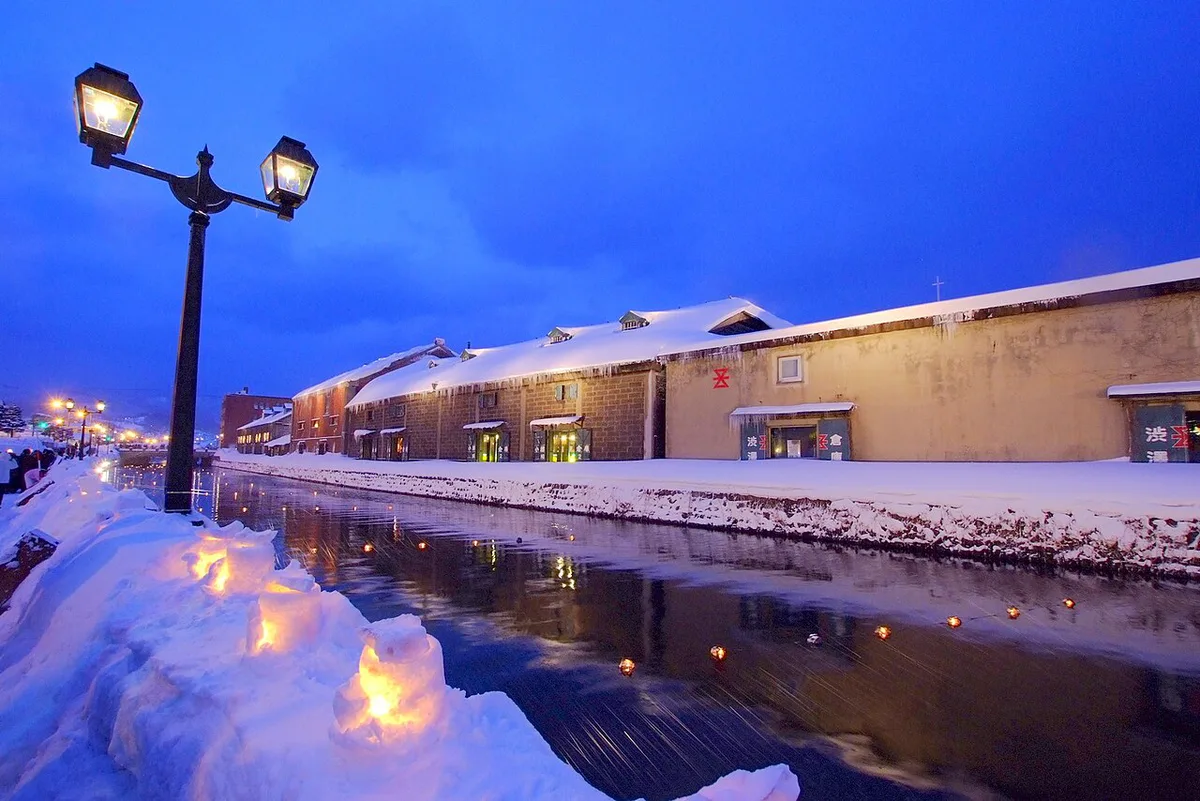
This 14-day version front-loads Hokkaido before finishing in the Alps and Tokyo. Days 1 through 4 cover Sapporo and a day trip to Otaru. Time the visit for early-to-mid February to catch the Sapporo Snow Festival guide, a one-week event. Confirm exact dates on the festival's official site before booking flights. Otaru adds a contrasting stop built around its canal district. Otaru's own Snow Light Path festival lights candles and snow lanterns along that waterfront, typically in early February; confirm current dates before building a trip around it. Days 5 through 10 head south to the Alps. Fly into Nagoya, then ride the Wide View Hida Express, a scenic train through gorges and mountain settlements en route to Takayama. A stop in Matsumoto along the way adds a look at its castle. Days 11 through 14 close in Tokyo, with a Mt. Fuji day trip worth prioritizing here. Winter's clear, dry air gives some of the best sightings of the mountain all year. Those skipping the Hokkaido leg can compare the 2-week Japan itinerary built for other seasons. Anyone treating Hokkaido as a standalone trip should start with the Hokkaido in Winter: 10 Essential Experiences and Itinerary Guide guide before merging it into a longer route.
- Days 1-4: Sapporo and a day trip to Otaru, timed for the Sapporo Snow Festival
- Days 5-10: Nagoya to Takayama via the Wide View Hida Express, with a Matsumoto stop
- Days 11-14: Tokyo, including a Mt. Fuji day trip for winter's clearer mountain views
Winter Logistics: Transport, Costs, and Weather Delays
Deciding on a JR Pass for this kind of trip comes down to how much Shinkansen distance the route actually covers. A Tokyo-to-Nagano bus takes about 4 hours and costs less than the roughly 100-minute Shinkansen ride. A pass only pays off when enough other long rail legs stack into the same trip. South of Nagano, several connections run on buses that a rail pass does not cover at all, including Nagano to Hakuba and much of the Takayama corridor. Snow is a double-edged planning factor. It creates the scenery, but it can also delay bullet trains and highway buses by 40 minutes or more during heavy snowfall. Build slack into any same-day connection made during winter. Consider forwarding heavy luggage ahead by Takkyubin between hotels, since hauling suitcases through snow-packed station stairs and icy sidewalks adds real time and risk to travel days. Confirm current advisories and any weather-driven schedule changes on Japan's official tourism site before departure. For trip planning basics beyond winter specifics, see the core Japan travel guide. For a Tokyo-based trip without multi-city logistics, see Winter Day Trips From Tokyo Travel Guide.
| Route | Bus | Train | Trade-off |
|---|---|---|---|
| Tokyo to Nagano | About 4 hours, lower fare | Shinkansen, about 100 minutes | JR Pass only helps if other long rail legs are booked too |
| Nagano to Hakuba | About 1.5 hours, the only direct option | No direct rail link | Buy the ticket on arrival in Nagano |
| Hakuba to Takayama | Train to Matsumoto (about 1.5 hours) then bus (about 2.5 hours) | No single-mode option; the Matsumoto stop is common to both | Matsumoto Castle breaks up the trip |
| Takayama to Tokyo | Direct bus, about 6 hours | Shinkansen transfer via Nagoya, faster but pricier | Buy bus tickets early; seats sell out |
Essential Winter Gear and Survival Tips
Layering matters more than any single heavy coat. Uniqlo-style Heattech thermals work well as a base layer under a sweater and waterproof outer shell. Convenience stores sell disposable kairo heat packs that slip into pockets or gloves for a few hours of warmth. Waterproof boots with real tread are worth the extra weight in a bag, since icy sidewalks and packed snow outside train stations cause most winter falls. Slip-on ice spikes, sold at local drugstores and outdoor shops, add grip over regular boots without the bulk of full snow boots. Indoor heating runs high across hotels, trains, and shops, so expect to shed layers constantly moving between a heated interior and freezing air outside. That swing is part of why layering beats one thick coat. Low humidity during the season also dries out nasal passages and skin faster than most travelers expect, so pack tissues and a heavier face cream than usual. See the full winter clothing packing guide for a category-by-category list. Cross-check it against the broader Japan Packing List: Seasonal & Essential Travel Guide for non-clothing items.
Hokkaido's February nights near -10°C (14°F) are drastically colder than Tokyo's 6°C (43°F), making waterproof boots with tread essential rather than recommended for icy terrain.
- Base layer: Heattech-style thermals under a sweater
- Outer layer: waterproof jacket plus a foldable umbrella for heavy snowfall
- Footwear: waterproof boots with grip, plus slip-on ice spikes for icy days
- Extras: disposable kairo heat packs, tissues, and a heavier face cream for dry air
Regional Trade-Offs: Nagano vs. Hokkaido, Shirakawa-go, and Onsen Etiquette
Nagano and Hokkaido solve different problems, so pick based on what a short trip cannot fit in. Nagano sits close enough to Tokyo for a loop that also touches Hakuba and Takayama. Hokkaido requires its own flight and effectively a dedicated four-plus days to justify New Chitose Airport connections. A single week rarely covers both well, so add Hokkaido only once the trip runs 10 days or longer. Shirakawa-go's day-trip crowds from Takayama build fast around midday, but the UNESCO gassho-zukuri houses under snow are worth the bus ride regardless. Arriving on an early departure thins the crowd noticeably. Winter is also when outdoor rotenburo baths make the most sense. Soaking in hot water while snow falls around the rim is the appeal locals and repeat visitors point to most. Hakone and Kinosaki-style onsen towns lean into that contrast. For deeper festival and seasonal context beyond these two routes, see the Japan Winter Festivals: A Complete 2026 Guide by Region roundup. It covers regional events like the Yokote Kamakura Festival, Akita: Complete Visitor Guide for 2027, which fits neither itinerary above. Kyoto's own snow days are rarer and less reliable than the Alps or Hokkaido, so treat any snowfall there as a bonus rather than the trip's basis. See the Kyoto in Winter: 8 Best Things to Do & Travel Guide guide for specifics on timing that visit.
Family and Multigenerational Winter Travel
Multigenerational trips add constraints that solo itineraries skip past. Packed snow and icy cobblestones in Takayama's old town make stroller use difficult, so a soft carrier works better than wheels for the youngest travelers. Older relatives who prefer familiar food can struggle in smaller Alps towns, where menus lean heavily on ramen, soba, and set-course kaiseki. Osaka and Tokyo offer far more variety, including international restaurant options for anyone who wants a break from Japanese cuisine most nights. Build in slower mornings around New Year, since most non-chain restaurants, banks, and museums close nationwide from January 1 through 3. Confirm hours ahead if traveling with a group that cannot easily adjust plans on the fly. Shorter daylight also means earlier dinners work better than late ones once everyone has been out in the cold most of the day.
Season Comparison: December vs. January vs. February
Winter in Japan is not one flat temperature band, and timing inside December through February changes both cost and crowding. December runs milder by winter standards, with the season's Tokyo-area range hitting highs near 14°C (57°F) before cooling into the new year. January is the coldest month nationwide, with Tokyo's average daily temperature dropping to about 6°C (43°F) and Hokkaido nights falling toward -2°C to -4°C (28°F to 25°F). February brings the steepest price and booking swing of the three months. That one-week festival run pulls hotel demand sharply upward. Hokkaido nights can also drop near -10°C (14°F) during the same stretch. Ski passes and hotel rooms both cost more from late December through February than in the shoulder weeks before Christmas. A one-day Hakuba Valley lift pass alone starts around ¥6,100 during that peak window. Check specific-month planning notes on the Japan in December: Weather, Illuminations, and What to Pack guide. Festival timing gets more depth on the Japan in February: Weather, Snow Festivals, and Travel Tips (2026) guide.
| Period | Tokyo Temperature | Hokkaido/Alps Reference | What's Happening |
|---|---|---|---|
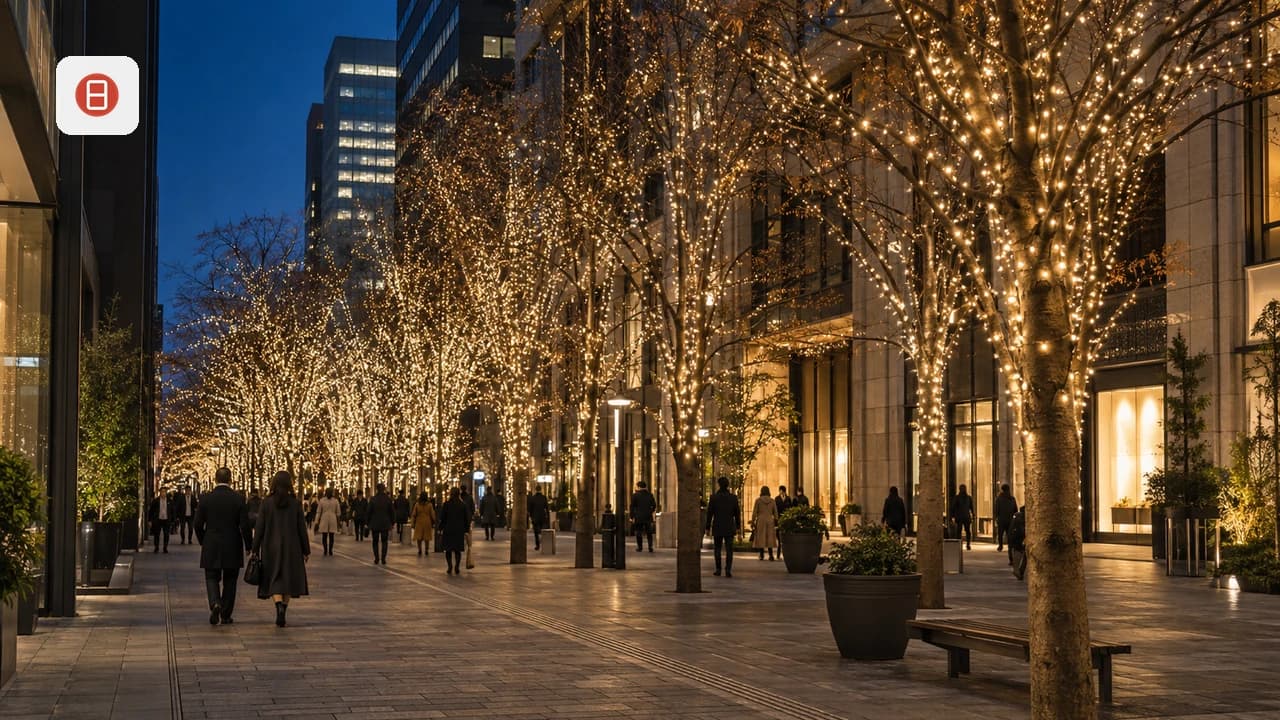
| December | Highs near 14°C (57°F) | Milder than peak winter | Illuminations still up; lighter pre-New Year crowds |
| January | Average daily 6°C (43°F) | Nights near -2°C to -4°C (28°F to 25°F) | Coldest month nationwide; most non-chain shops closed Jan 1-3 |
| February | Similar to January, within the season's 2°C (36°F) low | Sapporo nights near -10°C (14°F) | Sapporo Snow Festival week; peak ski and lodging demand |
Snow Monkey Park: Plan for the Final Winter Walk
The Snow Monkey Express Bus gets you close, but it does not drop visitors at the hot spring. From the Kanbayashi Onsen bus stop, allow roughly 30 to 40 minutes to walk the forest path to Jigokudani Yaen-Koen. The route can be snowy, muddy, or icy in winter.
Wear waterproof footwear with grip. Carrying slip-on ice spikes is sensible after fresh snow or an overnight freeze. The trail is not suitable for strollers or travelers with limited mobility, so groups should consider this before committing to a same-day Nagano visit.
- Leave Nagano early to allow for the walk and weather delays.
- Bring water and use the restroom before starting the trail.
- Do not feed, touch, or block the monkeys for photographs.
The monkeys are wild and may not be bathing at every visit. Treat the park as a wildlife-viewing stop, rather than a guaranteed photo session.
Frequently Asked Questions
Is a 7-day Japan winter itinerary enough for Hokkaido?
Seven days works better for a Classic Winter loop through Tokyo, Mt. Fuji, Kyoto, and Osaka than for a Hokkaido-inclusive trip. Reaching Sapporo and Otaru and returning south eats several days in flights and transfers alone. Extend to 10 or 14 days if Hokkaido and the Alps both need to fit.
What is the best month for a Japan winter itinerary?
December runs milder, with Tokyo highs near 14°C (57°F) and lighter crowds before the New Year holiday. January is the coldest month, averaging about 6°C (43°F) in Tokyo and dropping well below freezing in Hokkaido and the Alps. February suits festival-focused trips, since the Sapporo Snow Festival runs for about one week early-to-mid month.
How do you get to Snow Monkey Park from Tokyo?
Take a Shinkansen or highway bus from Tokyo to Nagano first, then transfer to the Nagaden Snow Monkey Express Bus from stand #23 at Nagano Station's East Exit. That bus ride to Jigokudani Snow Monkey Park Travel Guide takes about 50 minutes. A 2-day Snow Monkey Pass costs around ¥3,500 and covers both the bus and park entry.
Is the JR Pass worth it for a winter trip to the Alps?
It depends on how many long Shinkansen legs the route covers. A Tokyo-to-Nagano bus takes about 4 hours and costs less than the roughly 100-minute Shinkansen ride, so a pass mainly pays off on longer point-to-point rail trips. Several Alps connections, including Nagano to Hakuba and much of the Takayama corridor, run on buses a rail pass does not cover anyway. Run the math against the specific stops planned before buying one.
What should you wear for winter in Japan?
Layer Uniqlo-style Heattech thermals under a sweater and a waterproof outer shell, and carry disposable kairo heat packs for pockets and gloves. Waterproof boots with real tread matter most, since icy sidewalks near train stations cause most winter falls. Pack an umbrella for heavy, wind-driven snowfall, plus tissues and heavier face cream for the season's dry air.
Free guide: Japan's Hidden Gems
12 under-the-radar places beyond Tokyo & Kyoto — with the best season to visit each and a local tip you won't find in the guidebooks.
You might also like


Continue reading
More guides you'll find useful