Japan Christmas Traditions: A Traveler's Guide to the 2026 Festive Season
Japan christmas traditions explained: why Dec 25 is a workday, KFC's 1974 origin, illuminations, markets, and 2026 booking windows for travelers.
On this page
Last updated September 2026. Japan christmas traditions run on romance and commerce, not religion, so the season looks different than it does back home. December 25 is a normal workday, and fewer than 1 percent of the population identifies as Christian. Christmas Eve carries the emotional weight that many countries reserve for December 25 itself.
Is Christmas a Holiday in Japan? The Fast Answer
You won't find office closures or a school holiday on December 25 in Japan. Schools and offices treat it as an ordinary weekday, and fewer than 1 percent of the population identifies as Christian. Postwar department stores built the modern holiday from scratch. Gift promotions and light displays in the 1950s and 1960s reframed December as a season of prosperity rather than worship. That framing also shaped the Christmas cake tradition covered later in this guide. By the 1980s, television dramas and magazines had turned Christmas Eve into a romantic occasion, closer to Valentine's Day than to a family gathering. New Year, not Christmas, remains Japan's family holiday, built around shrine visits and a shared meal. If you're planning a wider itinerary, check general Japan trip-planning advice for entry requirements and regional timing.
| Aspect | Christmas in the West | Christmas in Japan |
|---|---|---|
| Focus | Family gathering | Couples and friends |
| Nature | Religious observance | Secular, commercial festival |
| December 25 status | Public holiday in many countries | Normal workday |
| Main family holiday | Christmas Day | New Year (Oshogatsu) |
The Big Three Modern Japan Christmas Traditions
Three customs define Japan's Christmas season for most residents and visitors alike. Each tradition traces back to a marketing decision rather than religious history. That history is part of why they still work as a lens on how Japan reshapes foreign holidays into something distinctly its own. Booking logistics for each one follow in the next three sections.
- Kentucky Fried Chicken as the default holiday dinner, ordered weeks ahead.
- Kurisumasu keki, a strawberry sponge cake, standing in for Western fruitcake.
- December 24 outranking December 25 as the date that actually matters.
Kentucky Fried Chicken: Japan's Unlikely Christmas Dinner
KFC Japan turned Christmas into a marketing case study in 1974 with its Kurisumasu ni wa Kentakkii campaign, meaning Kentucky for Christmas. That slogan stuck, and the chain has held the holiday-dinner slot ever since. Company lore traces the idea to Takeshi Okawara, an early KFC Japan manager who pitched a Christmas party bucket after overhearing foreign customers say they missed turkey for the holidays. An estimated 3.6 million Japanese households now order a KFC meal each Christmas season, a figure widely repeated in Japan travel coverage. Demand runs high enough that planning ahead pays off. Pre-orders for the seasonal party sets typically open about six weeks before December 25. Walk-in lines on December 24 and 25 can run for hours. You can check the current holiday lineup and order windows on KFC Japan's official site each fall. A separate resource covers ordering KFC's Christmas set without reading Japanese. Without a reservation, you can still walk in on the day itself, just with a longer wait and a narrower menu.
KFC's pre-order about 6 weeks before December 25 opens months before Christmas markets run mid-December—book fried chicken orders first for guaranteed access.
Japanese Christmas Cake and the Kouhaku Color Code
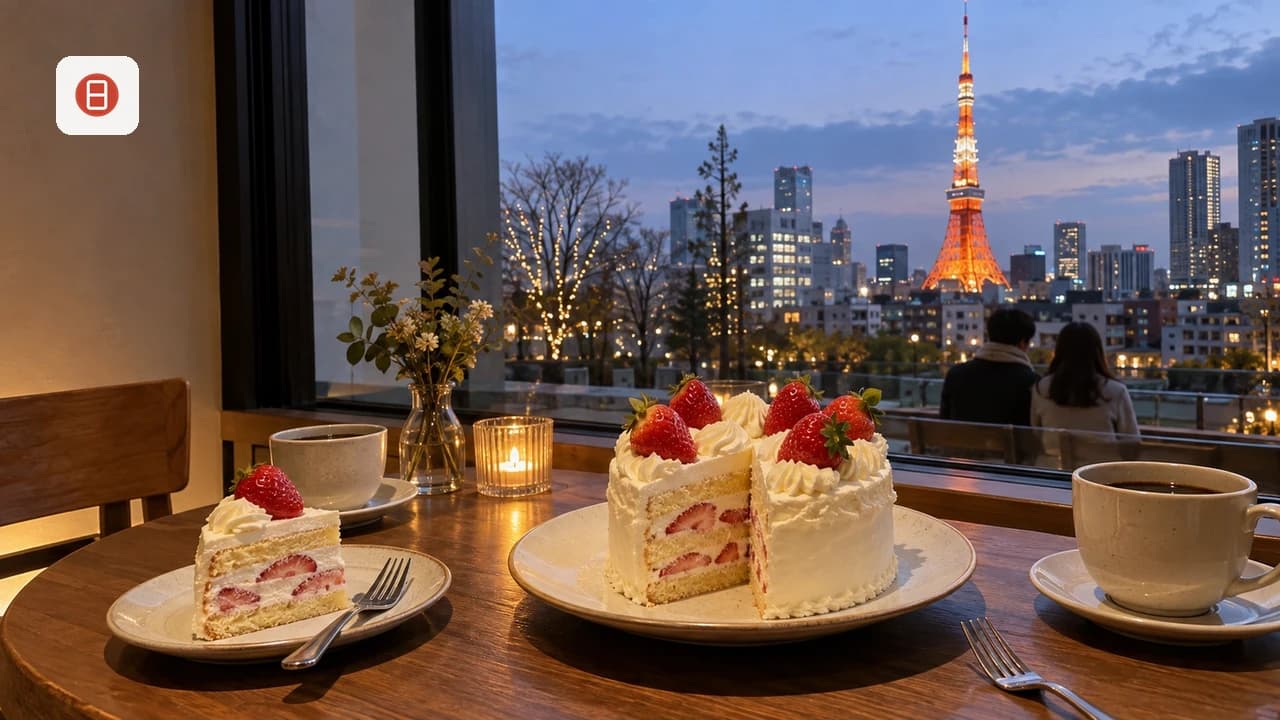
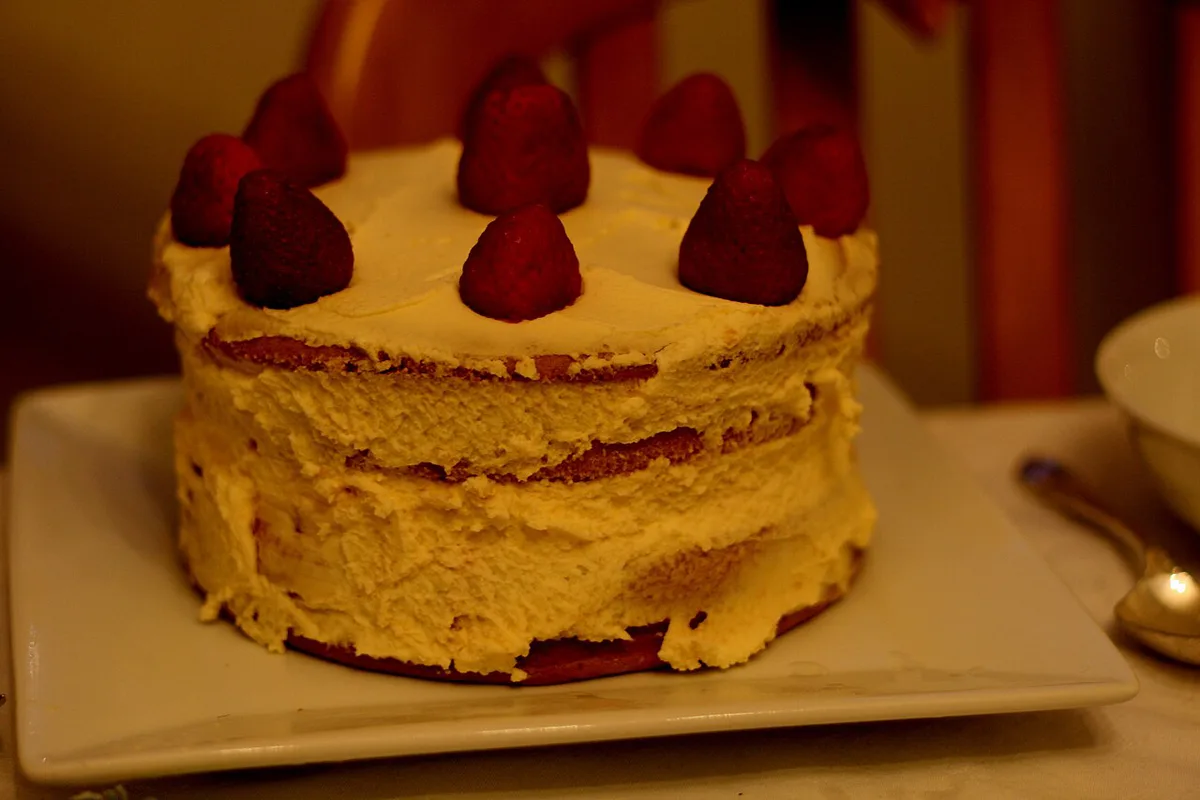
Kurisumasu keki, Japan's Christmas cake, is a light sponge layered with whipped cream and topped with strawberries, not the dense fruitcake served elsewhere. You'll find it sold on nearly every street corner from Hokkaido to Kyushu each December. Red and white together form kouhaku, a color pairing tied to celebration and good fortune in Japanese culture. That symbolism explains why this particular cake beat out other Western desserts. Most households pre-order a cake a few days ahead. Convenience stores, department store basements, and specialty bakeries all carry versions, so a reservation mainly matters for a specific size or design. Matcha, chocolate, and fruit-topped variations have also become common alongside the classic strawberry version.
Christmas Eve: Japan's Most Romantic Night of the Year
December 24 functions as Japan's answer to Valentine's Day, and restaurant reservations in Tokyo and Osaka reflect that shift. Couples plan dinners, hotel stays, and evening walks through illuminated streets well ahead of the date. Popular restaurants book out weeks in advance, so reserve as soon as fall arrives if you have a specific venue in mind. Gift-giving on Christmas Eve stays modest and mostly limited to partners, close friends, and children, unlike the wider gift exchanges common in December elsewhere. If you're traveling solo, December 24 can feel quieter than expected, since much of the evening energy centers on couples rather than groups. Public illuminations, temple visits, and group day tours make solid alternatives, and none of them require a reservation months out. Christmas Day itself is calmer, with shops and trains running a normal schedule and dinner tables far easier to find than on the 24th.
Winter Illuminations: The Visual Heart of the Season
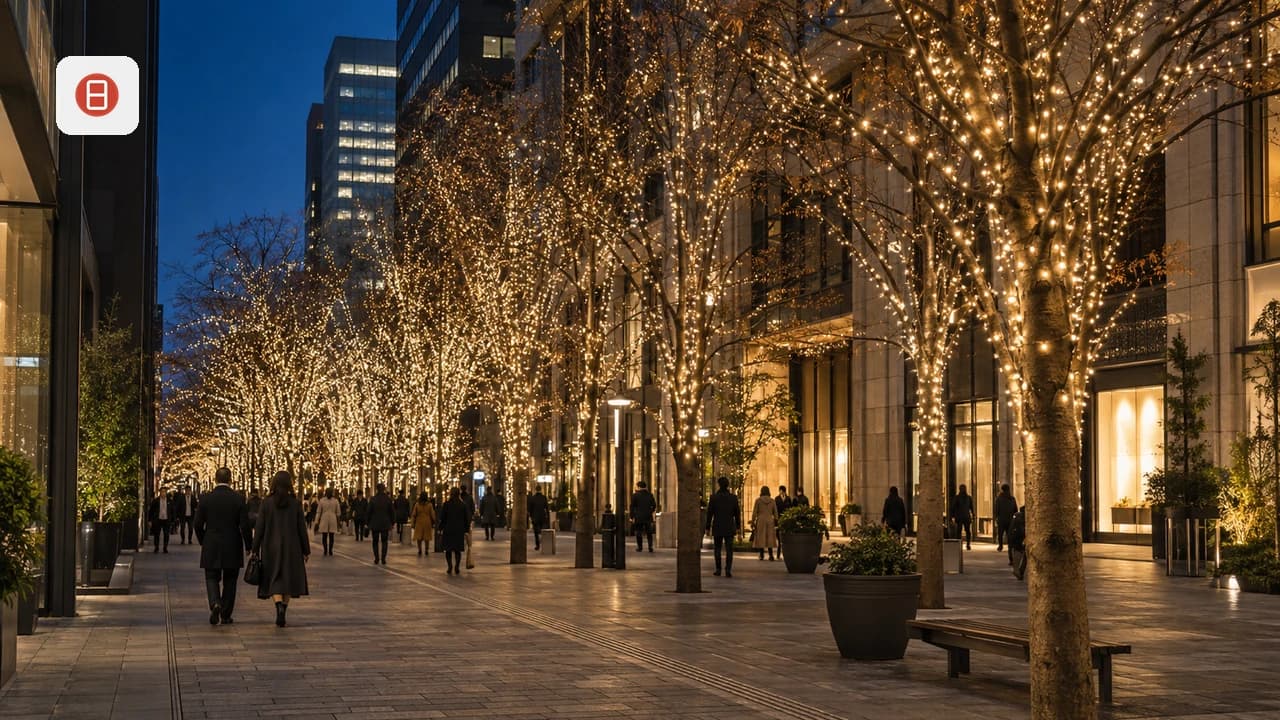
Illuminations carry more of Japan's Christmas atmosphere than any single tradition, running from mid-November through February in most cities. Tokyo's Shinjuku, Shibuya, and Roppongi districts light up with large-scale displays each winter. City-by-city listings for the full season sit in Japan's national illumination calendar. Additional displays appear at Tokyo Station and at Nabana no Sato near Nagashima, both mentioned often in seasonal illumination roundups. Osaka's Midosuji Avenue runs under lights for roughly 4 kilometers, about 2.5 miles, each winter. Kobe stages its own Luminarie light event each winter, covered separately at Kobe's Luminarie light tunnels. Sendai runs an annual display covered at Sendai's Pageant of Starlight. Huis Ten Bosch runs a separate large-scale show each winter, detailed at Huis Ten Bosch's Kingdom of Lights. That display extends its lighting well past New Year. Confirm current dates on Huis Ten Bosch's official site before booking. Plan around an early sunset. Tokyo's sun sets between 4:30 PM and 5:00 PM in December, so the lights are already worth seeing by early evening.
Christmas Markets Worth Building a Trip Around
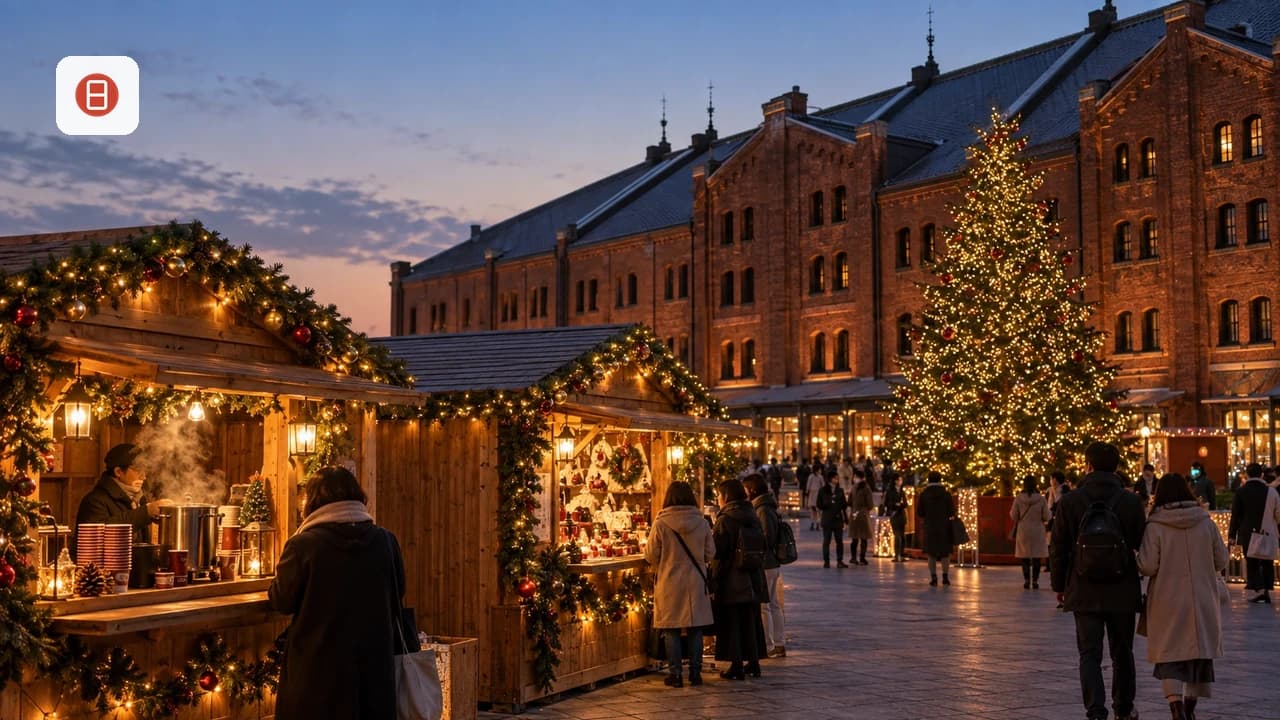
German-style Christmas markets have become a fixture of the season, offering mulled wine, ornaments, and stalls modeled on European originals. Hibiya Park in Tokyo has hosted a market sponsored by German tourism organizations. In recent years it has run December 16 through 25, roughly 11 AM to 11 PM daily. Confirm the exact 2026 dates closer to your visit. Full dates and hours for the season's main locations sit in Japan's Christmas market calendar. Stalls typically sell stollen, hot chocolate, and tree ornaments alongside the mulled wine. Yokohama runs a market with similar German-inspired stalls near its waterfront, covered at Yokohama's Red Brick Warehouse market. Fukuoka hosts a comparable market paired with its own illumination program, detailed at Fukuoka's Christmas market district. Weekday afternoons are the easiest time to visit. Weekend evenings draw the biggest crowds, and stalls and photo spots fill up fast.
Regional Highlights: Tokyo Disney Resort, Hakodate, and Beppu
Tokyo Disneyland and Tokyo DisneySea run a seasonal event called Christmas Fantasy each year. Expect themed decorations, parades, and a seasonal food menu, though the exact lineup shifts annually. Confirm the current 2026 event dates and offerings before visiting, since park calendars change year to year. Hokkaido offers a different kind of Christmas trip, built around snow rather than city lights. Hakodate pairs reliable snowfall with its own lights event, covered at Hakodate's Christmas Fantasy lights. Sapporo runs its own large-scale winter lighting event at Odori Park each year. Beppu stages its own Christmas fireworks show each year, with viewing points and timing covered at Beppu's Christmas fireworks show.
From Merry Christmas to Joya no Kane in 24 Hours
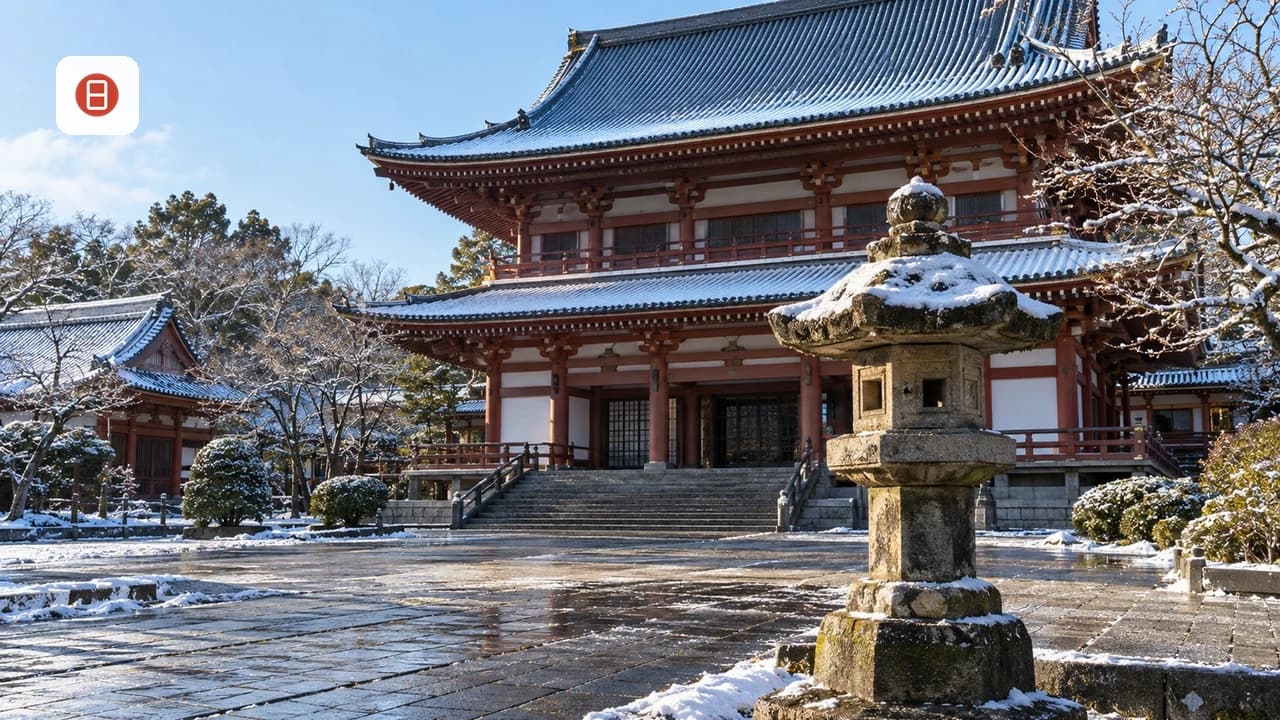
Japan's mood shifts fast once December 25 ends. Decorations disappear overnight in most public spaces, since staff swap Christmas displays for New Year setups before December 26 begins. If you want to photograph a specific illumination or market stall, treat December 25 as the last guaranteed day to see it. New Year, called Oshogatsu, is Japan's real family holiday, celebrated over five days from December 31 through January 4. Temples across the country ring in the new year with Joya no Kane, a Buddhist bell-ringing ritual with roots going back to the 12th century. Bells are struck 108 times, a number tied to earthly desires in Buddhist teaching, and the ritual is meant to clear them before the year turns. Zojoji Temple, Sensoji Temple, and Kyoto's Chion-in and Nanzenji temples are common places to watch it. A wider look at combining both traditions in one trip sits at the full holiday season overview.
Planning Logistics: Weather, Closures, and Booking Windows
Weather varies enough by region to change what a December trip in Japan looks like. December in Tokyo stays dry and sunny for most of the month. The Japanese Alps and Hokkaido see heavy snow, good news if you're planning to ski alongside the holiday lights. Nothing closes for Christmas itself. Shops, restaurants, and trains all run normal December 25 schedules. Real closures land later, when many stores, restaurants, and attractions shut between December 29 and January 4 for New Year. New Year travel demand is heavy nationwide, so trains and hotels book up fast around that transition. Costs shift too. High-end restaurants often swap their usual menu for a fixed-price Christmas course priced well above a normal night out. Check the restaurant's own site for the current 2026 menu and price before booking. For broader seasonal travel advisories, Japan National Tourism Organization's site is a useful cross-check before you finalize dates. Set a calendar reminder for these windows well before you depart.
December 25 remains a normal workday, but real closures land between December 29 and January 4—many shops and restaurants shut for New Year instead.
- Hotels in Tokyo and Osaka for Christmas week: book roughly 3 to 4 months ahead.
- KFC Christmas party sets: pre-order about 6 weeks before December 25.
- High-end Christmas Eve dinner reservations: book about 1 month ahead.
Frequently Asked Questions
Is Christmas a holiday in Japan?
No, December 25 is not a national holiday in Japan. Schools and offices generally run on a normal schedule, and fewer than 1 percent of the population is Christian. New Year, not Christmas, is the country's main family holiday, built around shrine visits and a shared meal.
Why do Japanese people eat KFC on Christmas?
KFC Japan's 1974 marketing campaign, called Kentucky for Christmas, linked fried chicken to the holiday at a time when few other Western-style meal options existed. That idea stuck, and an estimated 3.6 million households now order a KFC meal each Christmas season. Pre-orders for the seasonal party sets typically open about six weeks ahead, and walk-in lines on December 24 and 25 can run for hours.
When do Christmas lights start in Japan?
Illuminations typically begin in mid-November and run through February in many cities. Some large-scale events, including Huis Ten Bosch's Kingdom of Lights, extend even later into the new year. Tokyo's early sunset, between 4:30 PM and 5:00 PM in December, means you can already see the lights by early evening.
What is open on Christmas Day in Japan?
Everything runs close to normal on December 25. Shops, restaurants, and train lines all keep their regular schedules. Real closures come later, between December 29 and January 4, when many businesses shut for New Year. If you're visiting specifically for Christmas week, plan around that later closure window instead.
Is Christmas Eve or Christmas Day more important in Japan?
Christmas Eve, December 24, carries far more cultural weight than Christmas Day itself. Couples treat it as a romantic occasion similar to Valentine's Day, complete with restaurant reservations and evening light displays. December 25 then passes as an ordinary workday with no particular fanfare.
Free guide: Japan's Hidden Gems
12 under-the-radar places beyond Tokyo & Kyoto — with the best season to visit each and a local tip you won't find in the guidebooks.
You might also like


Continue reading
More guides you'll find useful