Christmas Markets in Japan (2026): Dates, Tickets, and Where to Go
Plan your visit to Japan's best Christmas markets, with 2026 dates, ticket advice for Tokyo and Yokohama, regional highlights, and tips to dodge the crowds.
On this page
Last updated September 2026. Christmas markets in Japan now run from Tokyo's bay district to Hokkaido's harbor, mixing German-style wooden stalls with Japanese winter illuminations through late December. This guide covers 2026 dates, entry fees, and transit for the major markets, alongside Japanese Christmas traditions shaping the season.
Quick Comparison: Christmas Markets in Japan for 2026
Japan's Christmas markets cluster in Tokyo, but Yokohama, Fukuoka, and Hokkaido each run versions of their own. For the full seasonal picture, see the Christmas in Japan overview. This table lines up dates, fees, and the detail that sets each one apart. Use it to shortlist two or three markets before checking exact 2026 dates city by city.
| Market | Location | 2026 Dates | Entry Fee | Highlight |
|---|---|---|---|---|
| Tokyo Christmas Market | Shin-Toyosu & Shiba Park, Tokyo | Nov 20–Dec 25 (Shin-Toyosu); Dec 4–25 (Shiba Park) | ¥1,000–¥2,000 | German pyramid; first year at Shin-Toyosu |
| Yokohama Red Brick Warehouse | Yokohama | Nov 21–Dec 25 (2025 dates; 2026 TBC) | ¥500 | Harbor-front stalls; Art Rink open to February |
| Roppongi Hills | Roppongi, Tokyo | Nov 22–Dec 25 (2025 dates; 2026 TBC) | Free | ~2,000 German-style items; running since 2007 |
| Azabudai Hills | Azabudai, Tokyo | Nov 22–Dec 25 (2025 dates; 2026 TBC) | Free | 17 food stalls; luxury-district design |
| Fukuoka Christmas Market | Hakata & Tenjin, Fukuoka | Late Nov–late Dec (check official dates) | Varies by site | Two-district format across downtown Fukuoka |
Tokyo Christmas Market: From Hibiya to Shin-Toyosu
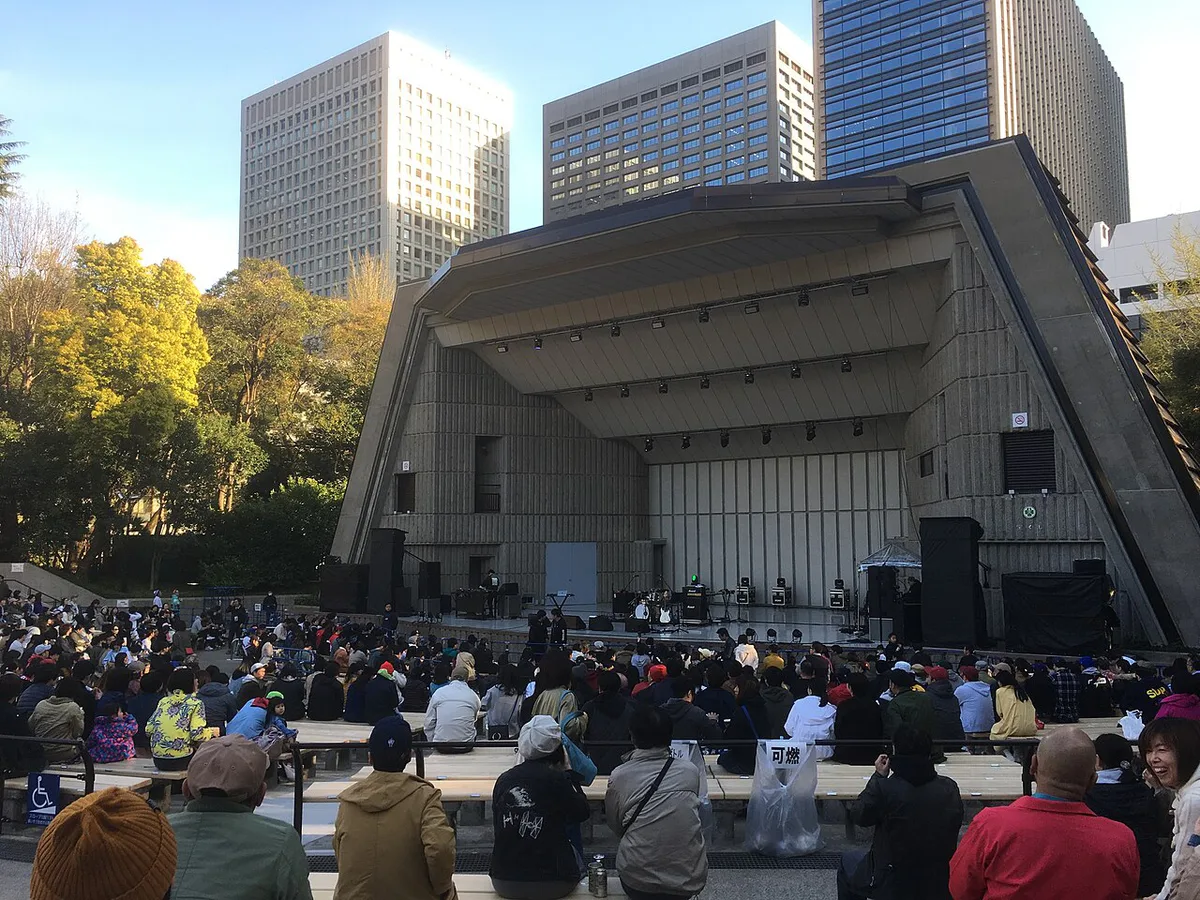
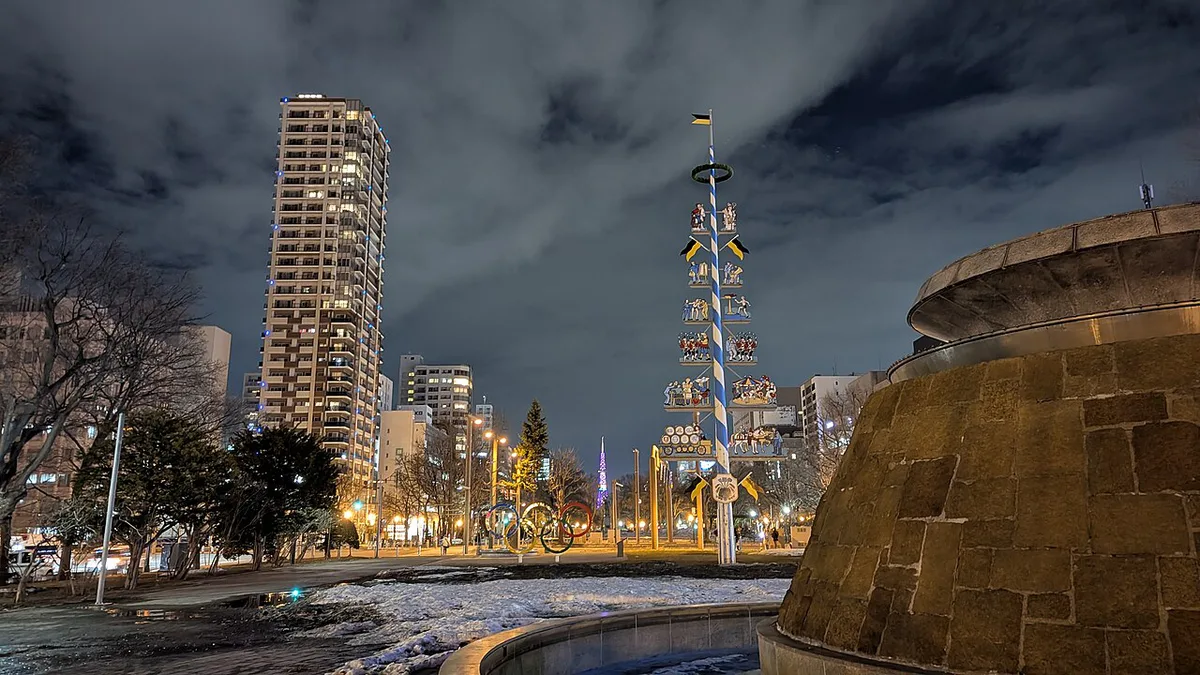
Tokyo's flagship market has moved more than once since it opened in Hibiya. It later relocated to Meiji Jingu Gaien, and for 2026 the main site shifts again to Shin-Toyosu. That new venue sits a two-minute walk from Shin-Toyosu Station on the Yurikamome line. A second, shorter run continues at Shiba Park near Onarimon Station, close to Tokyo Tower, from December 4 to 25. The market carries backing from the German Tourism Association and the German Embassy, a partnership organizers highlight each year. Recent editions featured 14-meter German pyramids shipped from Germany. Confirm whether the new Shin-Toyosu site keeps that scale once organizers post final details. Weekday admission runs ¥1,000, rising to ¥1,500 on weekends and holidays and ¥2,000 on December 24 and 25. That two-tier jump is the ticket trap most first-time visitors miss. Advance-ticket perks for 2026 were not yet posted at the time of writing, so check the official site before your visit.
Yokohama Red Brick Warehouse Christmas Market
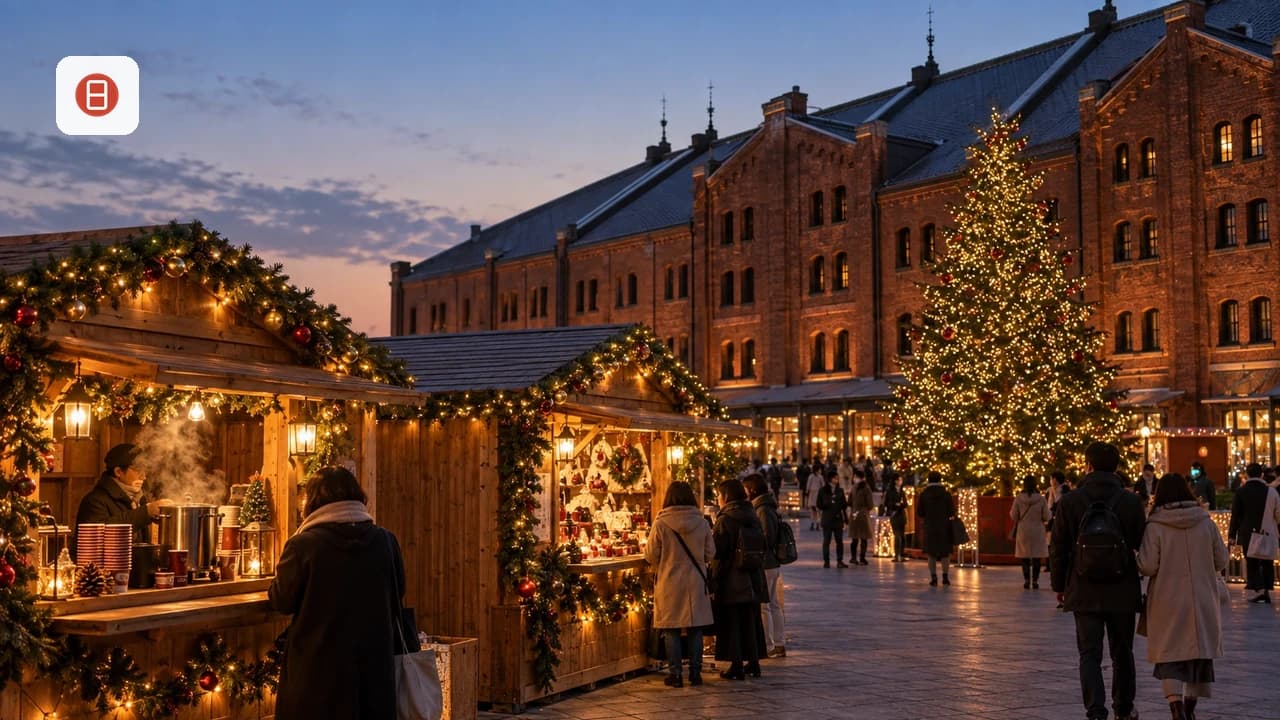
Yokohama's Red Brick Warehouse market sets up against a pair of brick warehouse buildings by the bay, with wooden stalls circling a lit Christmas tree. The 2025 edition ran November 21 to December 25, with 2026 dates still pending confirmation. It sits roughly 50 minutes by train from Shibuya Station, making it a realistic half-day trip rather than an overnight stay. Adult entry costs ¥500 at the door, and the adjoining Art Rink stays open through February for skating separate from the market. For updated dates, hours, and transit, see the Yokohama Christmas market guide.
Roppongi Hills vs Azabudai Hills: Traditional and Modern Luxury
Roppongi Hills has run a German-style market since 2007, among the longest-running of Tokyo's Christmas markets. Stalls under the O-Yane Plaza glass canopy sell around 2,000 Christmas items, from ornaments to wooden crafts, alongside sausages and stollen. The nearby Keyakizaka Illumination frames Tokyo Tower in blue and white light after dark. Azabudai Hills takes a different approach. It opened in 2023 and ran its market for a third time in 2025. Seventeen food stalls circle a tall fir tree wrapped in string lighting. Both markets close on December 25, matching the citywide pattern for markets rather than illuminations. Roppongi fits visitors chasing a traditional German-market look. Azabudai fits those wanting a newer, higher-design backdrop for photos.
More Tokyo Christmas Markets Worth a Stop
Beyond the four biggest names, several neighborhood markets add convenient stops if your itinerary already runs through the area.
- Tokyo Skytree Solamachi: free entry, open 11 a.m. to 10 p.m. from early November to December 25, with roughly 530,000 lights across Skytree Town.
- Yebisu Garden Place: free entry from November 8 to December 25 in 2025, built around a chandelier illumination alongside the market stalls.
- Marunouchi Street Park: free, along Naka-dori; the 2025 edition had 19 stalls plus chalet-style stands on Gyoko-dori.
- Tokyo Tower Christmas Market: free, December 5 to 25 in 2025, lit by roughly 42,000 LEDs around the stalls that year.
Saitama's Tamaari Town and Cocoon City: A Quieter Alternative
Saitama offers a lower-crowd alternative just outside central Tokyo. Tamaari Town Christmas Market sits a three-minute walk from JR Saitama-Shintoshin Station, about 30 minutes from central Tokyo. Its centerpiece is a six-meter Christmas tree surrounded by 150 illuminated zelkova trees. Stalls sell roast chicken and other comfort food alongside mulled wine. Cocoon City sits on the station's west side, across from Tamaari Town, and runs a shorter window anchored by a 10-meter Christmas tree. Visiting both in one afternoon is realistic since they face each other.
Regional Christmas Markets Beyond Tokyo
Tokyo and Yokohama draw the most coverage, but the market format has spread across Japan. Fukuoka, Hakodate, and Nagasaki each run their own versions, and two more cities add illumination displays instead of markets.
Yokohama's ¥500 market undercuts Tokyo's ¥1,000 weekday price, but the 50 minutes round trip makes it better as a dedicated outing than a quick add-on.
- Fukuoka: a multi-site market across Hakata and Tenjin. See the Fukuoka Christmas market guide for dates by district.
- Hakodate: a floating Christmas tree anchors the harbor, covered in the Hakodate Christmas Fantasy guide.
- Huis Ten Bosch, Nagasaki: a Kingdom of Lights illumination runs alongside the park's own holiday events. Confirm hours on the Huis Ten Bosch official site.
- Route notes for that illumination are in the Kingdom of Lights guide.
- Kobe: the Kobe Luminarie is a light-tunnel illumination, not a market, running the same winter window.
- Sendai: the Sendai Pageant of Starlight is another illumination worth combining with a market stop further north.
- Beppu: skip the stalls for fireworks instead, covered in the Beppu Christmas fireworks guide.
Getting to Each Market by Train
Transit determines how many markets you can realistically fit into one day. Here is how to reach the venues covered above.
- Tokyo Christmas Market (Shin-Toyosu): a 2-minute walk from Shin-Toyosu Station on the Yurikamome line.
- Tokyo Christmas Market (Shiba Park): near Onarimon Station, close to Tokyo Tower.
- Yokohama Red Brick Warehouse: about 50 minutes by train from Shibuya Station.
- Tokyo Skytree Solamachi: at Oshiage Station on the Tokyo Skytree Line.
- Tamaari Town and Cocoon City: a 3-minute walk from JR Saitama-Shintoshin Station, about 30 minutes from central Tokyo.
Tickets, Hours, and the Ticket Trap
Each Japan Christmas market publishes its own hours and ticket rules on its official site. Tokyo's flagship runs through tokyochristmas.net. In recent years the flagship market opened at 11 a.m. most days and closed at 9:30 p.m., with last orders 30 minutes before close. Opening night in past editions started later, at 4 p.m. Both online advance sales and at-the-gate purchase are typically available. Check the official site to see which options apply to your date. Some past ticket purchases bundled a souvenir mug with the entry fee. Whether that perk returns for 2026 has not been confirmed, so check the listing before you buy. Roppongi Hills, Azabudai Hills, and the Saitama markets charge no entry at all. Tokyo's flagship is the one paid market among the venues covered here.
Crowd Management: When to Go and When to Skip It
Weekend evenings after 5 p.m. draw the thickest crowds at every major Tokyo market, especially in the two weeks before Christmas. Weekday afternoons before 4:30 p.m. are the reliable low-crowd window, before commuters and after-work visitors arrive. December 23 through 25 are the busiest three days across the board. Tokyo's flagship market charging its top ¥2,000 rate only on December 24 and 25 confirms how much demand organizers expect on those dates. Free markets such as Roppongi Hills and Azabudai Hills absorb weekend crowds better than Tokyo's ticketed flagship, since there is no gate to create a bottleneck. If a weekday visit is not possible, arrive right at opening to beat the queue at ticketed venues.
What to Eat and Buy
Food at Japan's Christmas markets splits into two lineups. German-style venues serve the classics, while venues built by Japanese organizers add local dishes instead. Christmas dinner in Japan follows a separate tradition from the market stalls. Many households order a KFC Christmas dinner set instead of a whole turkey. The KFC Christmas in Japan guide covers how that tradition started. Check current holiday menus on the KFC Japan official site before ordering.
- Standard German stall food: sausages, pretzels, stollen, and Glühwein.
- Saitama's Japanese-style additions: roast chicken, clam chowder, and dumplings.
- Souvenirs at German-style markets: handcrafted ornaments and wooden trinkets.
- Souvenirs at Japanese-run stalls: mass-produced character goods and seasonal charms.
Christmas Markets vs Winter Illuminations: Know the End Dates
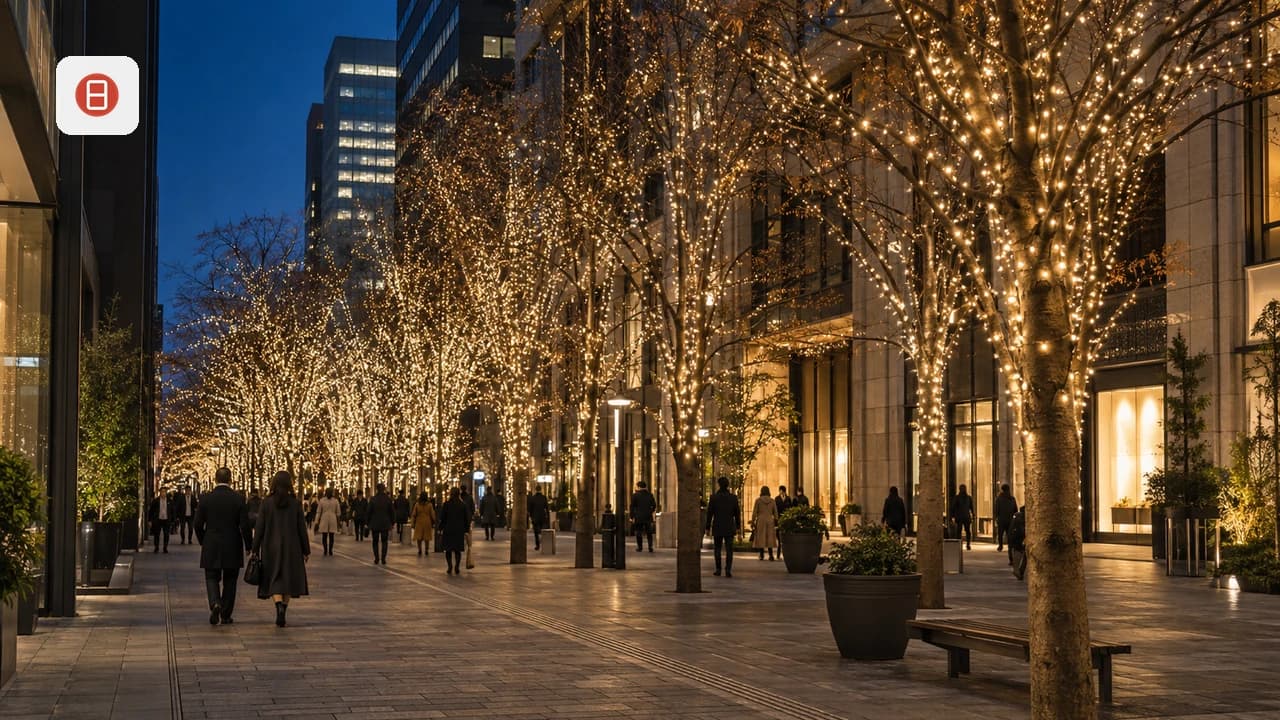
Christmas markets and winter illuminations run on different clocks, and mixing them up is the easiest planning mistake to make. Every market on this list closes by December 25, most of them on that exact date. Illuminations run far longer. Yebisu Garden Place's lighting continues into early March, and Tokyo Dome City's illumination runs into early March as well. That gap matters if you are booking a trip for early January expecting market stalls. The Japan winter illuminations guide covers which light displays stay up after the markets close.
Common Mistakes to Avoid
These mistakes recur across nearly every market covered in this guide.
- Showing up at 7 p.m. on a Saturday without a ticket: expect the longest lines of the week at any paid venue.
- Confusing a Christmas market with a winter illumination: markets close December 25, but many illuminations run into February or March.
- Assuming every stall takes cards: small vendors at several markets remain cash-only, so carry some yen.
- Skipping the free markets to save time: Roppongi Hills, Azabudai Hills, and the Saitama sites cost nothing to enter.
Which Japan Christmas Market Is Right for You?
Match the market to the trip rather than the other way around. Couples wanting a European backdrop for photos should prioritize Yokohama's Red Brick Warehouse or the Shiba Park side of Tokyo's flagship market. Families are better served by free, lower-key venues. Roppongi Hills, Azabudai Hills, and Saitama's Tamaari Town all offer food built for kids. Solo travelers on a tight schedule get the best return from Tokyo Skytree or Yebisu Garden Place, both markets built around a single train line. For broader trip planning beyond the holiday season, the Japan trip-planning guide covers transit passes and seasonal timing across the country. The Japan National Tourism Organization site is a good starting point for winter travel planning nationwide. Whichever market you pick, book the paid ones in advance and budget for the December 24 and 25 price jump at Tokyo's flagship venue.
Families can reach Saitama's free, lower-key markets in just 30 minutes from central Tokyo and visit both in one afternoon.
Hakodate Christmas Fantasy: A Harbor-Side Alternative
Hakodate Christmas Fantasy is a waterfront holiday event rather than a large German-style market. Its focal point is a decorated tree floating in the harbor beside the Kanemori Red Brick Warehouse area. The setting is especially effective after dark, when the tree reflects on the water and the historic warehouse district is lit up.
Use the Hakodate Tram to reach Jujigai, then walk downhill toward the bay. The event area is easy to combine with Motomachi’s sloping streets, the ropeway to Mount Hakodate, and dinners around the Bay Area. Hakodate is a better fit for travelers already visiting Hokkaido than for a Tokyo day trip.
- Closest tram stop: Jujigai
- Best time: around dusk, before the waterfront becomes busiest
- Plan for cold wind off the harbor and wear an extra layer
Annual programs can include illumination ceremonies and short fireworks displays, but schedules vary. Check the official Hakodate event listing before building an evening around a specific performance.
Frequently Asked Questions
Is the Tokyo Christmas Market entry fee worth it?
Weekday admission is ¥1,000, inexpensive next to most ticketed winter events in Tokyo. Weekend and holiday pricing rises to ¥1,500, and December 24 and 25 cost ¥2,000. Past editions sometimes bundled a souvenir mug with the ticket, though that perk was unconfirmed for 2026 at the time of writing. In our editorial assessment, the fee is reasonable outside the December 24–25 peak, when crowds are heaviest and value per yen drops.
Do Japanese Christmas markets stay open after December 25?
No. Nearly every market covered here, including Tokyo's flagship, Yokohama's Red Brick Warehouse, and the Saitama sites, closes on December 25 sharply. That is different from some European markets, which can run into the new year. Winter illuminations are the exception: displays like Yebisu Garden Place's and Tokyo Dome City's continue into early March. Confirm which category an event falls into before planning a late-December or January trip around it.
What is the best time to visit to avoid crowds?
Weekday afternoons before 4:30 p.m. see the lightest crowds at every major market. Weekend evenings after 5 p.m., especially in the two weeks before Christmas, draw the thickest lines. December 23 through 25 are the busiest three days across the board. Tokyo's flagship market charges its top ¥2,000 rate only on those dates, which tracks with the expected demand. If a weekday trip is not possible, arrive at opening to beat the queue.
How do you get to the Yokohama Red Brick Warehouse Christmas Market?
Yokohama Red Brick Warehouse sits roughly 50 minutes by train from Shibuya Station. It works as a realistic half-day add-on to a Tokyo-based trip rather than an overnight destination. The 2025 edition ran November 21 to December 25. Confirm 2026 dates on the official listing closer to the season. Pair the visit with the Yokohama Christmas market guide for hours and nearby stops.
Are Roppongi Hills and Azabudai Hills free to enter?
Yes, both are free. Roppongi Hills has run its German-style market since 2007, with about 2,000 items for sale under the O-Yane Plaza canopy. Azabudai Hills opened in 2023 and offers 17 food stalls around a central tree instead. Neither requires an advance ticket, unlike Tokyo's flagship market.
How much does it cost to visit a Christmas market in Japan?
Entry is the cheapest part of a paid visit. Tokyo's flagship market charges ¥1,000 on weekdays, rising to ¥1,500 on weekends and ¥2,000 on December 24 and 25. Yokohama's Red Brick Warehouse charges ¥500 at the door. Food and drink prices are not centrally published, so budget stall by stall once inside. Free markets such as Roppongi Hills, Azabudai Hills, and the Saitama sites cost nothing beyond whatever you spend on food.
Free guide: Japan's Hidden Gems
12 under-the-radar places beyond Tokyo & Kyoto — with the best season to visit each and a local tip you won't find in the guidebooks.
You might also like


Continue reading
More guides you'll find useful