Yamagata Imoni Festival and Dining Guide
A practical Yamagata imoni guide covering Murayama vs Shonai styles, joining a riverside imoni-kai, and timing the September festival on the Mamigasaki River.
On this page
Last updated August 2026. This Yamagata imoni guide breaks down the taro-and-beef stew that defines Yamagata autumn, from soy-based Murayama style to miso-based Shonai style. Riverside imoni-kai gatherings run each fall along the Mamigasaki River, and Yamagata City hosts Japan's biggest imoni festival every September.
What Is Imoni? A Quick Primer for This Yamagata Imoni Guide
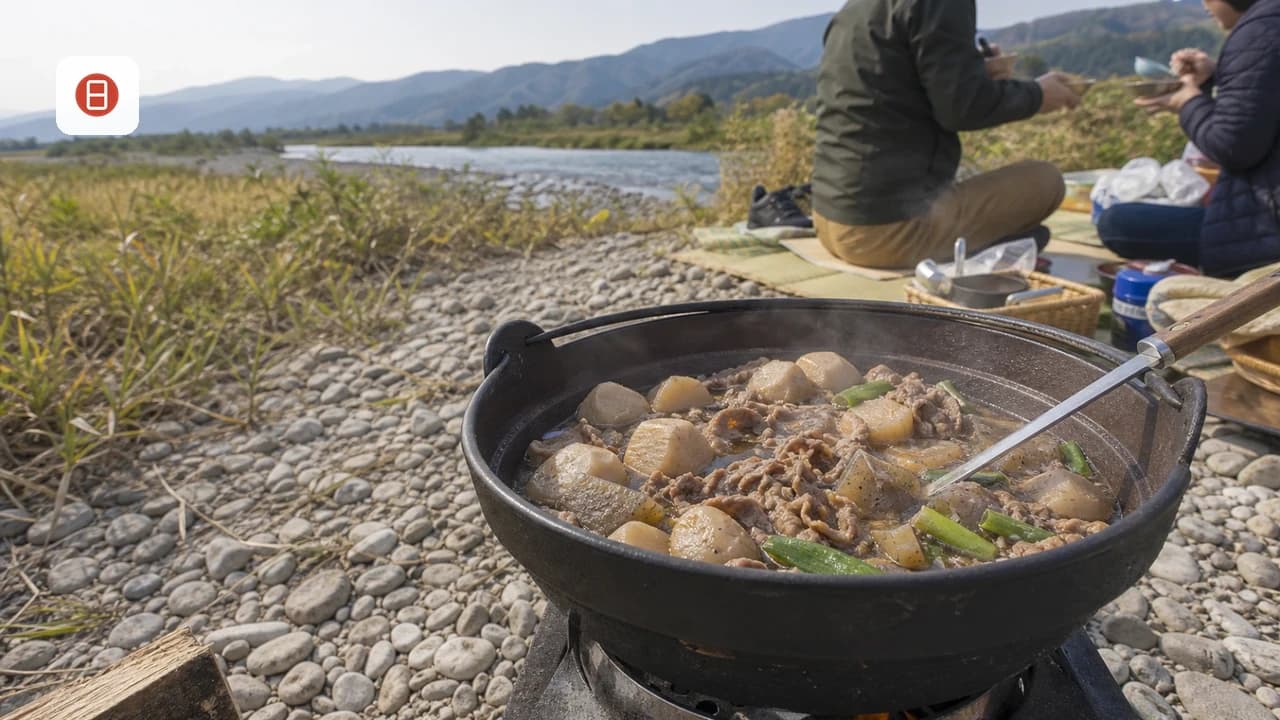
Imoni is a simmered stew built on sato-imo, a variety of taro root, cooked with meat, konnyaku, and leeks until the broth turns rich and cloudy. The finished broth carries a heavy umami character, built up from the meat, taro starch, and vegetables simmering together for close to an hour. It ranks among Yamagata's signature dishes, alongside the wider Yamagata food scene. Locals eat it at home, order it in restaurants, and cook it outdoors at riverside imoni-kai parties from September through November. The dish changes character by region. Yamagata City serves a soy-based bowl with beef, while the Shonai coast serves a miso-based bowl with pork.
Murayama vs Shonai: The Two Styles of Yamagata Imoni
Regional imoni divides broadly into two camps, and choosing where to eat depends on which one is wanted. Murayama-style imoni, centered on Yamagata City, uses a soy sauce base with Yamagata beef and a touch of sugar for sweetness. Shonai-style imoni, associated with the coastal area around Tsuruoka and Sakata, uses a miso base with pork instead of beef. Sendai, just across the prefecture line in Miyagi, adds a third variation with miso and beef, useful context for a wider Tohoku trip.
The defining contrast is recipe style: Murayama imoni uses beef and soy sauce, while Shonai imoni uses pork and miso. Do not assume every pot uses a specific wagyu brand or cattle-fattening period.
| Style | Region | Broth Base | Protein | Flavor Profile |
|---|---|---|---|---|
| Murayama | Yamagata City and inland areas | Soy sauce | Yamagata beef | Sweet-savory, beef-forward |
| Shonai | Coastal area (Tsuruoka, Sakata) | Miso | Pork | Rich and salty |
| Sendai (Miyagi, for reference) | Neighboring Miyagi Prefecture | Miso | Beef | Savory, distinct from both Yamagata styles |
Imoni Season vs. Imoni Availability: What Changes When
Not every version of imoni depends on the calendar in the same way. The festival, the riverside parties, and the restaurant bowl each run on a different schedule, and mixing them up is an easy planning mistake.
- September only: the citywide imoni festival on the Mamigasaki River, held on a single day that shifts year to year.
- September through November: riverside imoni-kai parties, organized informally by groups renting pots and burners for the afternoon.
- Year-round: restaurant bowls and private culinary tours, available regardless of season since the ingredients are not exclusively autumn produce.
Japan's Biggest Imoni Festival on the Mamigasaki River
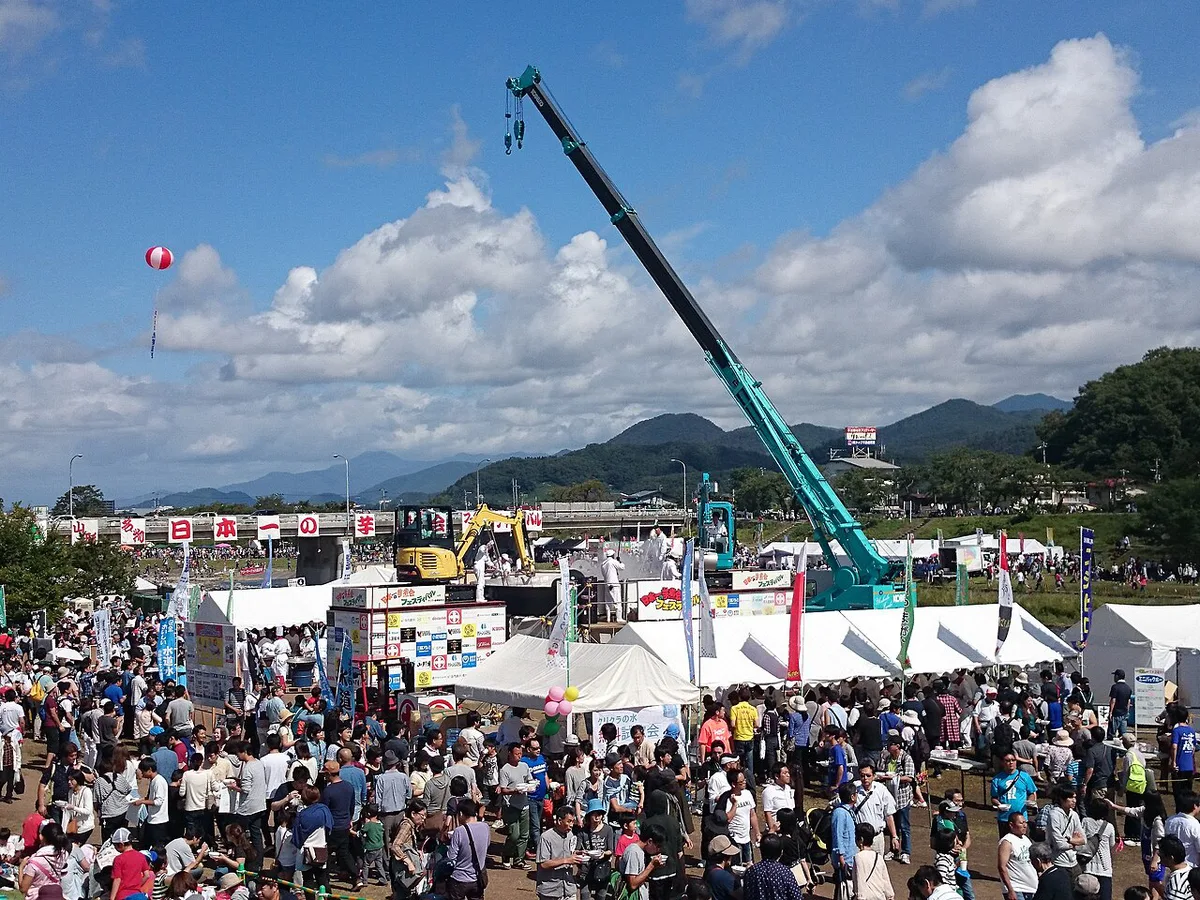
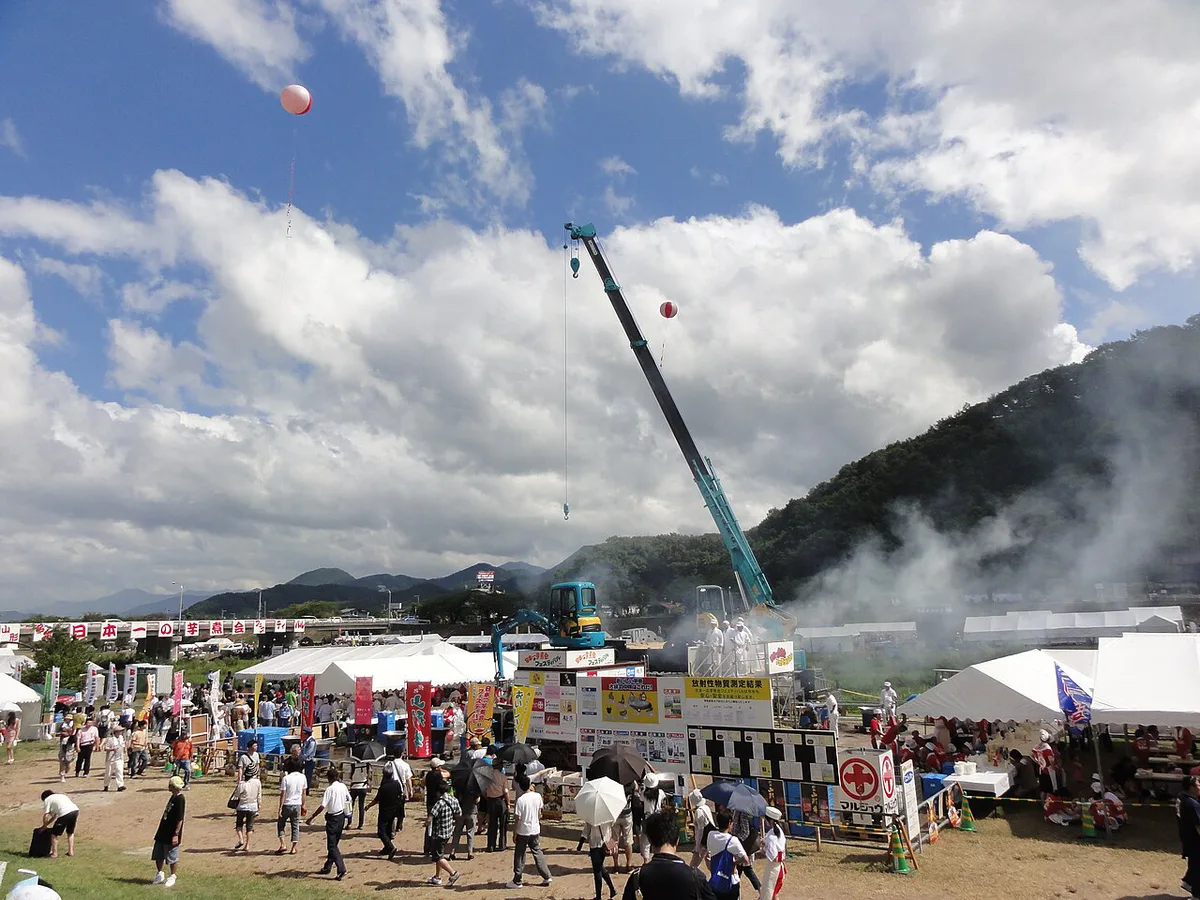
Yamagata City hosts the Japan's Biggest Imoni Festival along the Mamigasaki River. The 38th edition is scheduled for Sunday, September 20, 2026, with about 30,000 servings planned. Organizers use a cauldron more than six meters across and specially adapted excavators for stirring. Future dates change, so use the current organizer page for later trips.
Festival Survival Tips: Tickets, Timing, and What to Bring
The 2026 festival offers advance electronic tickets as well as same-day numbered tickets while supplies last. Advance tickets begin at a ¥600 contribution and same-day tickets at ¥700, with same-day distribution scheduled from 8:30 and serving from 9:20. Ticket availability can end early, so use the organizer's current instructions. Check the current access plan and any weather notice before travel.
How to Join a Riverside Imoni-kai Outside Festival Season
An imoni-kai is simply a group cookout: friends, coworkers, or classmates haul a big pot to a riverbank and simmer imoni together. The tradition is said to date back roughly 300 years. One theory ties it to imomeigetsu, an autumn Shinto ritual where taro was offered to the gods. Another links it to the boat culture of the Mogami River, where crews cooked large shared pots. These riverside parties run from September through November, separate from the single-day festival. Local supermarkets and DIY stores typically rent out the large pots, propane burners, and ladles needed for a group cook-up. Visitors do not need to own equipment to join one. Community sessions sometimes welcome outside visitors, so it is worth asking locally rather than assuming access is closed. Kajo Park and Bunshokan both sit close to the festival grounds, and both are covered in the Yamagata attractions guide.
Year-Round Ways to Try Imoni: Restaurants and Private Culinary Tours
Imoni is not limited to autumn if a restaurant meal is enough. Restaurants across Yamagata City serve versions of the stew across the year, since the ingredients are all available outside the festival window too. For a hands-on version, a private culinary tour starts with a local market visit. It then teaches market-to-table cooking with a Japanese chef and an English-speaking guide. One such operator lists rates starting from ¥12,000 per person, with a minimum of two participants and solo travelers paying the two-person rate. A typical session runs about three hours, split between the market visit, cooking, and eating together. Reserve at least three business days ahead, per that operator's stated policy.
Private-tour booking terms are separate from the festival. The 2026 festival uses advance electronic tickets or same-day numbered tickets, while a private culinary operator may require several business days' notice.
- Ingredients plus cooking and dining utensils
- An English-speaking interpreter-guide
- A local market excursion for fresh ingredients
- Hands-on guidance from an experienced local cook
What's in the Pot: Ingredients and the Yamagata Beef Factor
Sato-imo taro forms the base of imoni, with konnyaku, burdock root, leeks, and sometimes Chinese cabbage. Murayama-style pots use beef with sugar and soy sauce, while Shonai-style pots use pork and miso. The recipe does not by itself establish a particular cattle brand, grade, or fattening period. Many groups finish the leftover broth with curry roux and udon noodles for a second course. Pair a bowl with something from the Yamagata sake and wine guide.
Costs, Timing, and Where to Stay Near Yamagata's Imoni Scene
Costs scale with how hands-on the experience gets, from a festival bowl to a full private lesson. The table below lines up typical price ranges. Yamagata Station puts visitors closest to the festival grounds and the Murayama restaurants covered above. Kaminoyama Onsen, Tendo Onsen, and Zao Onsen all appear on the official festival page's list of nearby sights. Any of them work as a hot-spring base a short trip from the city. JR East trains and local buses connect both areas. JR East's travel service center at Yamagata Station is the easiest first stop for current schedules.
| Experience | Typical Price | What's Included |
|---|---|---|
| 2026 festival serving | Advance contribution from ¥600; same-day from ¥700 | Advance electronic ticket or same-day numbered ticket |
| Restaurant meal | ~¥1,500-3,000 | A sit-down bowl with rice and side dishes in Yamagata City |
| Private culinary tour | From ¥12,000 per person | Market visit, hands-on cooking, and an English-speaking guide (2-person minimum) |
Common Mistakes to Avoid at Yamagata's Imoni Festival
A few planning slips show up again and again among first-time visitors.
- Arriving without checking ticket status: both advance and same-day ticket quantities are limited.
- Mixing up the styles: Murayama means soy and beef; Shonai means miso and pork.
- Underdressing: riverbanks cool fast once the sun sets, so pack a layer beyond a light jacket.
- Skipping advance booking: private tours need about three business days' notice, so walk-ups are unlikely to work.
Pair Imoni With the Rest of Yamagata's Food Kingdom
Imoni sits alongside several other dishes that define Yamagata's food identity. Chilled ramen, another Yamagata original, pairs well with imoni once the seasons flip. See the Yamagata Ramen Guide: 5 Regional Styles and Top Shops for 2026 for where to order it. Soba is another regional strength, especially along the routes covered in the Yamagata Soba Guide: Ita Soba, Where to Eat & Soba-Making Workshops. Yamagata also produces a large share of Japan's cherries and La France pears. The Yamagata fruit and desserts guide covers both in more depth. Together, these dishes are why food writers often call Yamagata Japan's Food Kingdom, and imoni is the most seasonal of the group.
How This Guide Was Verified
Food availability, access details, seasonal rules, and the time-sensitive claims in this guide were checked on August 22, 2026 against the official sources below. Independent restaurant menus, prices, opening days, and sell-outs can change, so confirm the operator's same-day notice before making a special trip.
Frequently Asked Questions
What exactly is imoni?
Imoni is a Yamagata stew built on sato-imo, a variety of taro root, simmered with meat, konnyaku, and leeks. The Murayama version uses a soy sauce base with Yamagata beef, and the Shonai version uses a miso base with pork instead.
When is the Yamagata imoni festival in 2026?
The 38th Yamagata Imoni Festival is scheduled for Sunday, September 20, 2026 on the Mamigasaki River. Check the organizer page for weather or operational changes before travel.
What's the difference between a restaurant imoni and a riverside imoni-kai?
A restaurant bowl is a fixed menu item, served any time of year in a normal dining room. A riverside imoni-kai is a group cookout, organized informally on a riverbank, usually only from September through November.
How much does it cost to try imoni?
For the 2026 festival, an advance ticket requires a contribution of at least ¥600 and a same-day numbered ticket at least ¥700. Restaurant and private-tour prices are operator-specific, so confirm their current menus and booking pages.
Can visitors join a riverside imoni-kai without knowing a local group?
Community imoni-kai sessions sometimes welcome outside visitors, so it is worth asking locally rather than assuming access is closed. A private culinary tour is a more reliable option for visitors without a local contact, since it is bookable in advance.
Is imoni available outside of Yamagata City?
Yes. The Shonai coast, including areas around Tsuruoka and Sakata, serves its own miso-and-pork version, and neighboring Miyagi Prefecture around Sendai serves a miso-and-beef variation.
Is imoni suitable for vegetarians?
Standard imoni is not vegetarian, since both the Murayama and Shonai versions build their broth around meat. Travelers with dietary restrictions should confirm ingredients directly with a restaurant or tour operator before booking.
Free guide: Japan's Hidden Gems
12 under-the-radar places beyond Tokyo & Kyoto — with the best season to visit each and a local tip you won't find in the guidebooks.
You might also like


Continue reading
More guides you'll find useful