Yamagata Ramen Guide: 5 Regional Styles and Top Shops
A 2026 Yamagata ramen guide to the prefecture's five regional styles, signature shops, ticket-machine ordering, and how to reach each town by train.
On this page
Last updated August 2026: Yamagata is not one ramen style but several regional traditions tied to different parts of the prefecture. Ordering methods, prices, and hours vary by shop, so confirm the intended venue rather than assuming every counter uses a ticket machine or stays below one price.
Yamagata Ramen Guide: Why the Prefecture Calls Itself Japan's Ramen Capital
Yamagata Prefecture sits in the Tohoku region of northern Honshu. Its cold, snowy winters shaped a ramen culture built around hot, hearty bowls. Yamagata City and Niigata City have traded the title of Japan's top ramen-spending city for over a decade. In the most recent household ramen spending rankings, Yamagata spent ¥22,389 a year per household. Niigata came in second at ¥16,292. Yamagata City alone counts roughly 230 ramen shops for about 240,000 residents. That is one of the highest shop-to-resident ratios of any Japanese city. Japan's national tourism board also credits Yamagata City with the country's highest ramen consumption per household. Niigata first took the top spending spot from Yamagata in 2021. Yamagata has campaigned to reclaim the ranking ever since. The rivalry traces back to the 1923 Great Kanto Earthquake. Tokyo's displaced ramen chefs relocated to Yamagata and taught their noodle techniques to local soba cooks. Those cooks folded the new techniques into the prefecture's existing noodle culture. For the wider culinary picture beyond noodles, including Yonezawa beef and seasonal fruit, see the Yamagata food guide.
The Big Five: Yamagata's Regional Ramen Styles
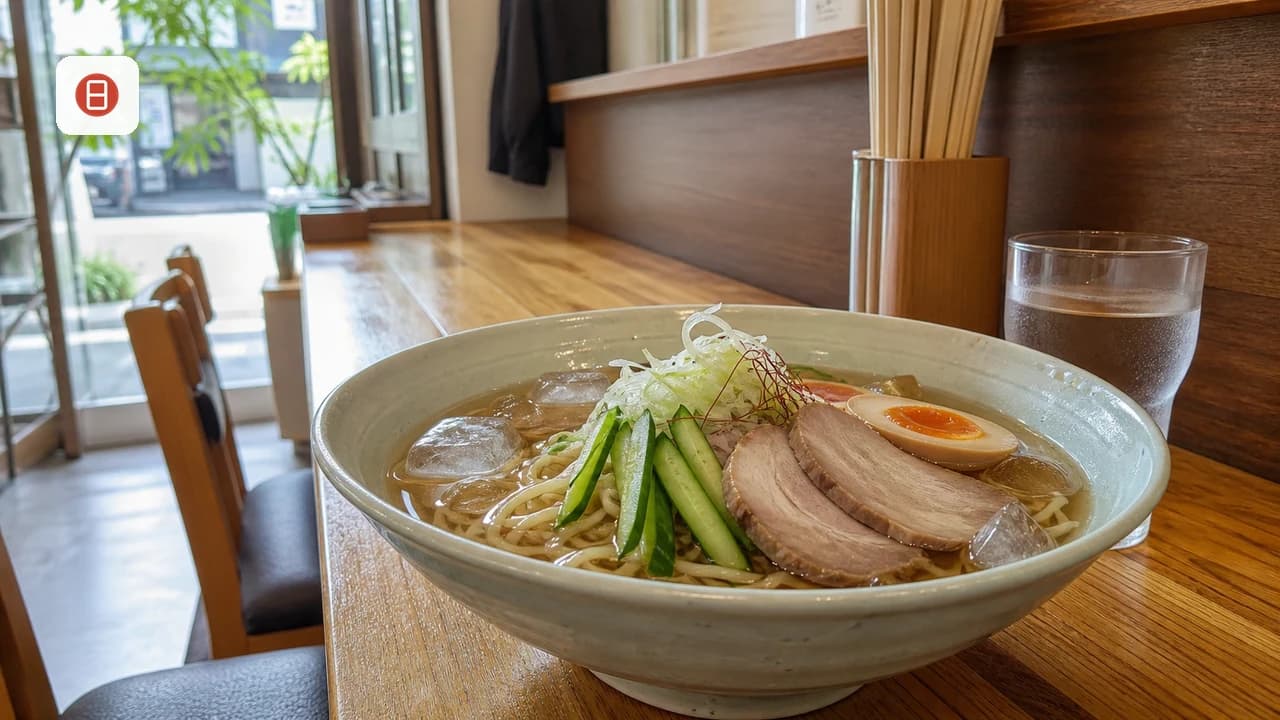
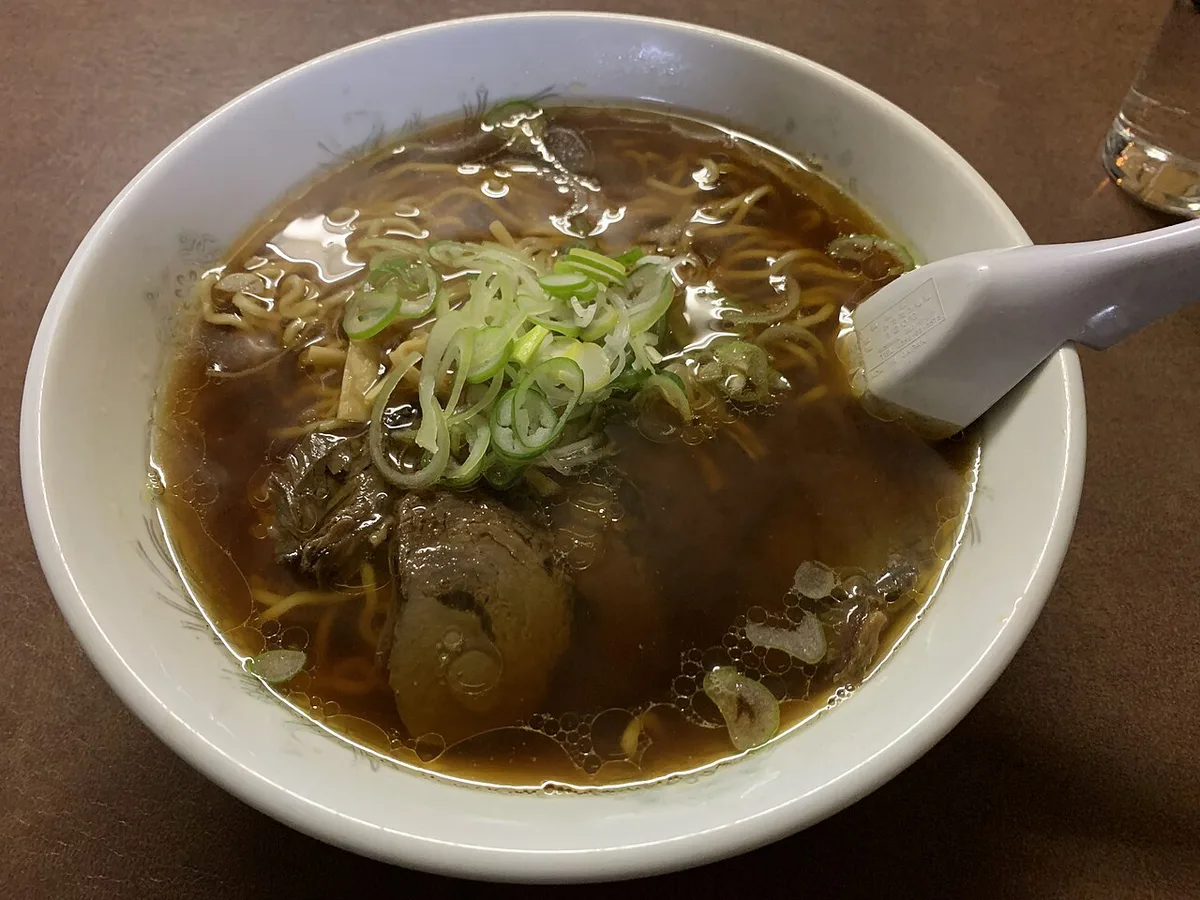
Ask five different Yamagata cities what ramen means, and each one answers differently. The prefecture's noodle culture split geographically. Distinct broths, noodle shapes, and toppings developed in Sakata, Shinjo, Yamagata City, Nanyo, and Yonezawa. Several shops build their broth from beef bones rather than the pork or chicken bases used almost everywhere else in Japan. That is a point of regional pride. Do not expect crossover between styles. A trip to Sakata will not turn up spicy miso, and a stop in Yonezawa will not turn up cold ramen. Each city specializes in one style. Sakata's wantanmen leans on a flying fish, or tobiuo, stock. That stock gives the broth a delicate, slightly smoky sweetness beneath the dumplings. Yamagata City's hiyashi ramen relies on vegetable and sesame oil instead of pork or chicken fat. Animal fat congeals once the broth is chilled over ice, so shops avoid it. Nanyo's spicy miso version centers on a visible red chili-miso ball. The ball dissolves into the broth as the bowl is stirred, adding heat gradually rather than all at once. Yonezawa's noodles are pressed and hand-shrunk into a frizzy, high-water-content strand. That strand pairs with a lighter, more refined broth than the other four styles. Beyond the five geographic styles, some Yamagata shops also serve karamiso tsukemen. In that version, noodles are dipped into a separate bowl of spicy miso broth instead of served submerged.
| Style | City | Signature Shop | Best For |
|---|---|---|---|
| Wantanmen (dumpling) | Sakata | Wantanmen no Mangetsu | Silky pork-and-shrimp dumplings in a light, fish-forward broth |
| Tori motsu (chicken giblet) | Shinjo | Chuukasoba Suehiro | Adventurous eaters who want offal in a clear soy broth |
| Hiyashi (cold) | Yamagata City | Sakaeya Honten | Year-round cold ramen, including winter |
| Akayu spicy miso | Nanyo | Ryu Shanghai Honten | Cold-weather bowls with a fiery miso core |
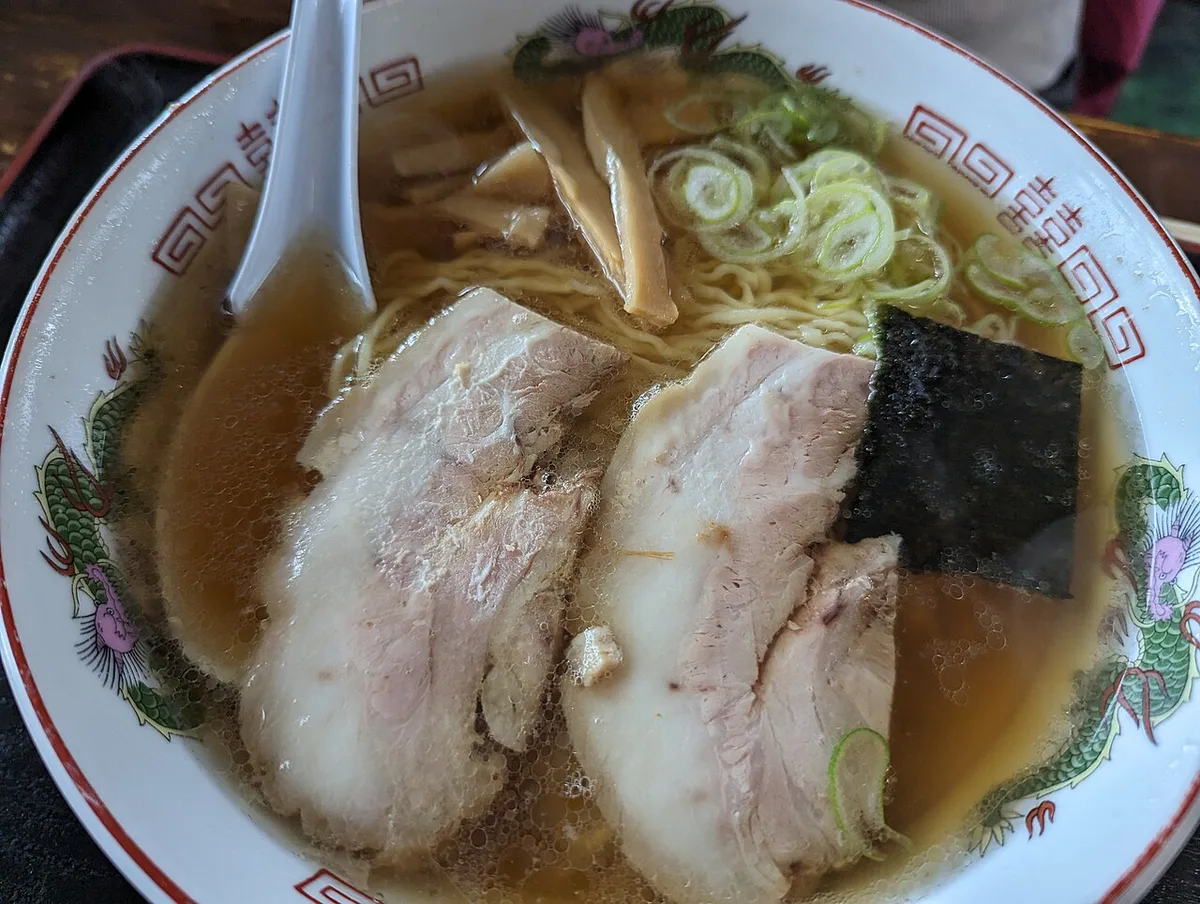
| Chuukasoba (hand-pressed) | Yonezawa | Hirama or Kumabun | Light, refined broth and frizzy thin noodles |
Why the Best Bowls Often Hide Inside Soba Shops
Many of Yamagata's strongest ramen bowls come from shops that still list soba, not ramen, in their name. That overlap dates to the same wave of displaced Tokyo chefs who taught their techniques inside existing soba restaurants after 1923. They folded ramen into menus rather than opening standalone ramen shops. Restaurants kept their original soba signage even as ramen became the bigger draw. A sign reading soba-ya does not rule out a serious ramen menu. Travelers researching the connection can cross-reference the Yamagata Soba Guide: Ita Soba, Where to Eat & Soba-Making Workshops for the noodle dish that shared kitchens with ramen for a century.
Planning a Ramen Crawl: Shinkansen Routes and the Coastal Gap to Sakata
The Tsubasa Shinkansen connects Tokyo Station to Yamagata City in about two and a half hours. The same line continues on to Akayu and Yonezawa. Yamagata City's ramen district clusters near Yamagata Station. That makes a first stop walkable straight off the platform. Ryu Shanghai Honten in Akayu is about a 21-minute walk from Akayu Station. Yonezawa's chuukasoba shops sit a short taxi or bus ride from Yonezawa Station on the same line. Sakata is the outlier: it sits on the Sea of Japan coast. Reaching it from Yamagata City takes roughly two hours by train or bus, not a Shinkansen transfer. Treat Sakata as a separate day trip, ideally with an overnight stay. Do not try to fold it into a Yamagata City loop. Kenchan Ramen operates locations in both Yamagata City and Sakata. Its heavier, rustic noodle style is a reliable backup in either stop. Nanyo and Yonezawa sit close enough together for a single afternoon. An evening built around Yamagata's sake and wine pairs naturally with a midday ramen stop in either city. A Yamagata City ramen stop also pairs easily with a day trip to Yamadera and Ginzan Onsen. Both are reachable from the same rail hub.
Sakata lies roughly two hours from Yamagata City by train or bus without Shinkansen service, isolating its signature wantanmen broth built on flying fish stock from the other four regional styles.
Ordering Etiquette, Ticket Machines, and the Soup-Out Rule
Most Yamagata ramen shops use a ticket machine at the entrance instead of table service. At Men Endo, a Yamagata City shop featured by the Guardian, the ticket machine lists regular shoyu ramen in small, medium, and large portions, plus a soupless dish called maji soba. The machine format is typical across the prefecture, not unique to one shop. Diners select a dish and size on the machine and pay in cash. They hand the printed ticket to the counter staff before sitting down. Machines rarely offer English. Point at a photo menu on the wall, or match a ticket button's kanji to a printed sign, when a translation app is not on hand. Expect fast turnover: ramen in Yamagata is built for solo diners. Lingering over a bowl is uncommon once the food arrives. Local officials describe ramen as the default answer to any dinner-plan question in Yamagata, ahead of any other cuisine. Slurping is normal and signals enjoyment rather than bad manners. Many well-regarded shops sell out of that day's broth and close early, sometimes by around 2:00 p.m. Arriving for lunch rather than dinner is the safer bet. If a shop has already closed for the day, Yamagata's other signature dish is an easy backup. It is a taro-and-meat stew called imoni. See the Yamagata Imoni Guide: Riverside Stew, Regional Styles, and Festival Tips for where to find it. For context, a Yamagata University study covered by the Guardian found a link between frequent ramen meals and a higher mortality risk. That risk applies to eating ramen three or more times a week over years, not to sampling a few bowls on a short trip. A soy-marinated soft-boiled egg, known as ajitama, is a common topping upgrade worth ordering if it is available.
Where to Eat: Shop-by-Shop Picks Across the Five Styles
Each style has a shop most locals point to first. The list below sticks to shops directly tied to the origin of each style, or repeatedly named across ramen guides to the prefecture.
- Sakaeya Honten (Yamagata City) — credited as the shop that invented hiyashi, or cold, ramen; about an 18-minute walk from Yamagata Station, closed Wednesdays, with bowls priced up to ¥999.
- Ryu Shanghai Honten (Akayu, Nanyo) — the shop that originated the spicy miso style; about a 21-minute walk from Akayu Station, closed Wednesdays, with bowls priced around ¥900 to ¥999.
- Wantanmen no Mangetsu (Sakata) — the benchmark dumpling-ramen shop near Sakata Station, with bowls priced up to ¥999; check current hours before visiting.
- Kenchan Ramen, with locations in Yamagata City and Sakata — a cult-favorite local chain known for heavy, rustic noodles; the Yamagata City location is about a 25-minute walk from Kita-Yamagata Station, closed Mondays, with bowls from ¥999 to ¥1,999 depending on location.
- Chuukasoba Suehiro (Shinjo) — a starting point for chicken-giblet tori motsu ramen, with giblets available as an optional topping for diners who prefer to skip the offal.
- Hirama and Kumabun (Yonezawa) — both known for hand-pressed, frizzy noodles in a light broth; check current hours before visiting, since both are small, independently run shops.
Budgeting a Yamagata Ramen Trip
Ramen in Yamagata stays inexpensive by design. Most bowls across the shops above run ¥900 to ¥999. Some Kenchan Ramen locations and tsukemen options reach ¥1,000 to ¥1,999. Ticket machines display each price before ordering, so there is no guesswork at the counter. That affordability is part of why local households eat out so often. Guardian reporting put average Yamagata household ramen spending at roughly ¥2,000 a month, close to ¥22,389 a year. Save room afterward: Yamagata's cherries and other local fruit desserts are sold within walking distance of most ramen districts in season.
| Shop | City | Typical Price | Closed Day |
|---|---|---|---|
| Sakaeya Honten | Yamagata City | Up to ¥999 | Wednesday |
| Ryu Shanghai Honten | Nanyo (Akayu) | ¥900–999 | Wednesday |
| Wantanmen no Mangetsu | Sakata | Up to ¥999 | Check current hours |
| Kenchan Ramen (Yamagata City) | Yamagata City | ¥1,000–1,999 | Monday |
| Kenchan Ramen Honten | Sakata | Up to ¥999 | Monday |
Mistakes to Avoid on a Yamagata Ramen Crawl
Each of Yamagata's five ramen cities specializes in one style. Mixing up the map is the most common planning mistake. The list below covers errors that can cost a meal or a wasted trip.
Some popular shops can sell out before their posted closing time. Check the chosen restaurant's current notice and route rather than assuming a prefecture-wide 2:00 PM cutoff.
- Do not travel to Sakata expecting spicy miso: that style belongs to Nanyo and Akayu, roughly two hours away by road or rail.
- Do not go to Yonezawa expecting cold ramen: hiyashi is a Yamagata City specialty, not a Yonezawa one.
- Do not assume every shop takes cards: many still run on a ticket machine and cash only, so carry yen before arriving.
- Do not save the best-known shops for dinner: several sell out of broth and close by early-to-mid afternoon.
- Do not skip shops with soba in the name: many of the strongest ramen bowls in Yamagata are served inside former or dual-purpose soba restaurants.
How This Guide Was Verified
Food availability, access details, seasonal rules, and the time-sensitive claims in this guide were checked on August 22, 2026 against the official sources below. Independent restaurant menus, prices, opening days, and sell-outs can change, so confirm the operator's same-day notice before making a special trip.
Frequently Asked Questions
What makes Yamagata ramen different from ramen elsewhere in Japan?
Yamagata is not a single style but five distinct regional ones, from Sakata's dumpling-topped wantanmen to Yonezawa's hand-pressed chuukasoba. Some shops also build broth from beef bones instead of the pork or chicken bases used almost everywhere else in the country.
Is cold ramen, or hiyashi, only available in summer in Yamagata?
No, hiyashi ramen is served year-round in Yamagata City, including winter. Shops use vegetable and sesame oil rather than animal fat, so the broth stays smooth once it is poured over ice.
How do you get from Yamagata City to Sakata for wantanmen ramen?
Sakata sits on the Sea of Japan coast and is not on the Yamagata Shinkansen line. Plan on roughly two hours by train or bus from Yamagata City. Consider treating Sakata as its own day trip.
What time do the best Yamagata ramen shops close?
Hours and sell-out policies are venue-specific. Some lunch-focused shops may close when broth runs out, so check the intended restaurant's current notice rather than assuming a universal 2:00 PM cutoff.
Do Yamagata ramen shops take credit cards or have English menus?
Payment and ordering systems vary. Some shops use cash ticket machines, while others do not; English support is also venue-specific. Check the chosen restaurant and carry yen as a backup.
Is Yamagata City really Japan's ramen capital?
A January 2026 report cited household spending of ¥22,389 in Yamagata versus ¥16,292 in Niigata, but this ranking changes annually and measures household spending rather than an official permanent title. Check the latest survey before repeating the claim.
What is karamiso tsukemen?
Karamiso tsukemen is a spicy miso ramen style where the noodles are served separately from the broth. Diners dip the noodles into a concentrated bowl of spicy miso broth instead of eating them submerged. It shows up as a menu variation at some shops, alongside the five geographic styles.
Can you do a Yamagata ramen day trip from Tokyo?
Yes, Yamagata City is reachable from Tokyo Station in about two and a half hours on the Tsubasa Shinkansen, making a single-day visit realistic. Reaching Sakata or fitting in more than two or three styles in one day is difficult given the coastal gap. An overnight stay covers more ground.
Free guide: Japan's Hidden Gems
12 under-the-radar places beyond Tokyo & Kyoto — with the best season to visit each and a local tip you won't find in the guidebooks.
You might also like


Continue reading
More guides you'll find useful