Yamagata Sake Breweries and Wineries Guide
A 2026 Yamagata sake and wine guide to GI Yamagata breweries, Takahata's wineries, tasting costs, and how to visit without driving.
On this page
Last updated August 2026, this guide covers Yamagata's sake and wine regions. Yamagata became Japan's first prefecture-wide sake Geographic Indication in 2016, but it is no longer the only one. Do not drive or cycle after drinking; plan tasting routes around rail, buses, taxis, or a non-drinking driver.
GI Yamagata: What Makes This Sake and Wine Guide Different
Yamagata received Japan's first prefecture-wide sake Geographic Indication in December 2016. Under the National Tax Agency specification, rice and rice koji must be grown in Japan, the brewing water must originate in Yamagata Prefecture, and qualifying sake must be produced, stored, and bottled within the prefecture under the GI control system. This does not require all rice to be Yamagata-grown, and other prefecture-wide sake GIs have since been designated. The GI label establishes origin and production requirements; individual style and quality still vary by brewery and bottle.
Where to Taste Sake: Zao Onsen, Tendo, and Yonezawa
Sake tastings split across three easy-to-reach hubs, each suited to a different kind of trip. Zao Onsen pairs sipping with skiing or hiking. Tendo is Dewazakura's home ground. Yonezawa carries the deepest history, tied to the Uesugi clan who once ruled the area. Toko served as exclusive sake supplier to the Uesugi clan, the feudal lords of the historic Yonezawa domain. Its museum store still sells the brewery's award-winning Ginjo Umeshu plum sake, in 500-milliliter and 1,800-milliliter bottles. At Yukemuri Bar in Zao Onsen, the food menu includes a Zao Beef Steak at ¥2,500, often paired with a local sake called Shuho. Shuho's slightly sweet-tart profile is built to complement the beef's richness.
Winter is peak season for Zao Onsen's skiing and sake brewing, but some breweries pause public tours December through February, so book visits well ahead.
- Yamagata Sake Museum & Yukemuri Bar Tsumami, Zao Onsen: opened in 2018 inside a renovated building, pours around 50 sake varieties, and lists kikizake tasting sets from ¥800 to ¥1,500, including a Premium Course of Junmai Ginjo and Ginjo at ¥1,500.
- Toko Sake Museum, Yonezawa: the former brewing hall of Kojima Sohonten, founded in 1597 and still run by the 24th generation of the same family, built using wooden wedges instead of nails, with admission at ¥350 for adults, ¥250 for students, and ¥150 for children.
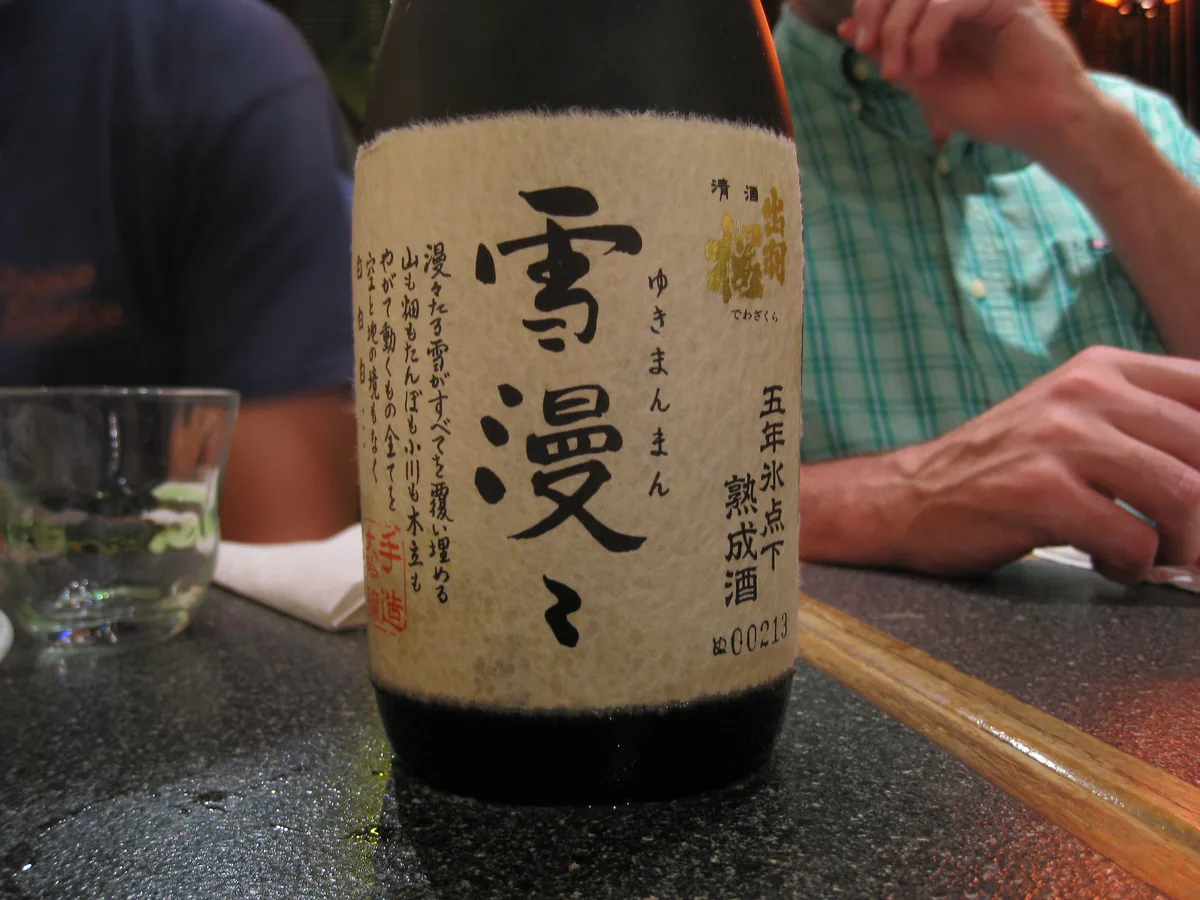
- Dewazakura Sake Brewery, Tendo: founded in 1892, credited with popularizing accessible ginjo sake through its 1980 release Dewazakura Oka, and now exporting to dozens of countries; its fourth-generation president was named Sake Brewer of the Decade at the 2016 International Wine Challenge.
The Wine Scene: Takahata and Yamagata's Rising Terroir
Yamagata ranks among Japan's four major wine regions, alongside Yamanashi, Nagano, and Hokkaido. Inland basins here see wide swings between day and night temperatures, a condition winemakers prize. Takahata Winery, in Takahata Town in the prefecture's southeast, built a European-style estate and vineyard around that same basin climate. Long sunlight hours and low rainfall concentrate sugar in the grapes. Delaware and Muscat Bailey A are the grape varieties most closely tied to the region, grown for both table use and wine. Some wine writers group Yamagata's bottles with Japan's New World-leaning producers, a style that tends toward fruit-forward, approachable reds and whites. New-wine tastings and grape-harvest events run through the same wineries each autumn, timed to the harvest. The winery's gift shop pours tastings and sells bottles by the case. It sits close enough to the wider Yamagata fruit desserts scene for a pear orchard stop the same afternoon. For non-drinkers and designated drivers, order the Ifujin pink soft-serve ice cream at Takahata Winery, made with the estate's own wine and listed at ¥350. Wineries across the region also bottle La France pear and grape juice, a solid option for designated drivers and families traveling with kids.
Plan Your Route: Yonezawa-Takahata, Zao Onsen, and the Shonai Coast
Alcohol tourism in Yamagata works best when you group stops by region instead of chasing individual breweries across the map. Three clusters cover most of what travelers want to taste. Zao Onsen and Yonezawa both fall inside the wider 15 Best Things to Do in Yamagata Prefecture (2026) map, so pair either sake stop with sightseeing the same day. Book the Yonezawa-Takahata leg as a single day trip if time is tight, since the JR Ou Main Line connects Yamagata City and Yonezawa directly. The Shonai side leans toward coastal seafood pairings, different from the inland rice-and-mountain-water sake covered here. Treat it as a separate leg if the Japan Sea coast is already on the itinerary.
Tasting prices and formats vary by venue and pour selection, and museum admission may be separate. Check each operator's current menu and booking page before setting your budget.
| Region | Focus | Getting there | Best for |
|---|---|---|---|
| Yonezawa & Takahata | Sake history and wine estates in one day | JR Ou Main Line to Yonezawa, then a local taxi to Takahata Winery | A day trip from Yamagata City |
| Zao Onsen | Sake bar-hopping after skiing or hiking | No direct rail line; a bus or taxi connects from Yamagata City | Evening tastings after outdoor activity |
| Shonai Coast (Sakata & Tsuruoka) | Coastal breweries near the Japan Sea | A separate rail connection from Yamagata City | Travelers continuing toward the Japan Sea side |
Costs, Booking, and Shipping Bottles Home
Budget for tastings the same way you would for a wine-country day trip anywhere else: prices depend on the venue, number of pours, and whether food is included, while museum admission may be separate. Toko Sake Museum publishes admission options on its official booking page. Most tastings fit comfortably into a half-day itinerary, leaving time for a museum tour or a winery lunch afterward. Confirm current prices, languages, and tour availability directly with each brewery or winery before you visit, since tasting menus and admission fees change. If taking bottles home, check your airline's current checked-baggage and alcohol rules or ask the producer about domestic delivery to a later Japan address.
- Tasting flights: check the venue's current menu for the number of pours, serving sizes, and whether food is included.
- Museum admission: consult Toko Sake Museum's official reservation page for the current walk-up and advance-booking rates.
- Tours and languages: confirm each operator's current schedule, language support, party-size rules, and required notice before arrival.
- Shipping bottles: ask the producer whether it can arrange delivery to a later Japan address, and confirm acceptance with the receiving hotel first.
Mistakes to Avoid When Tasting Sake and Wine in Yamagata
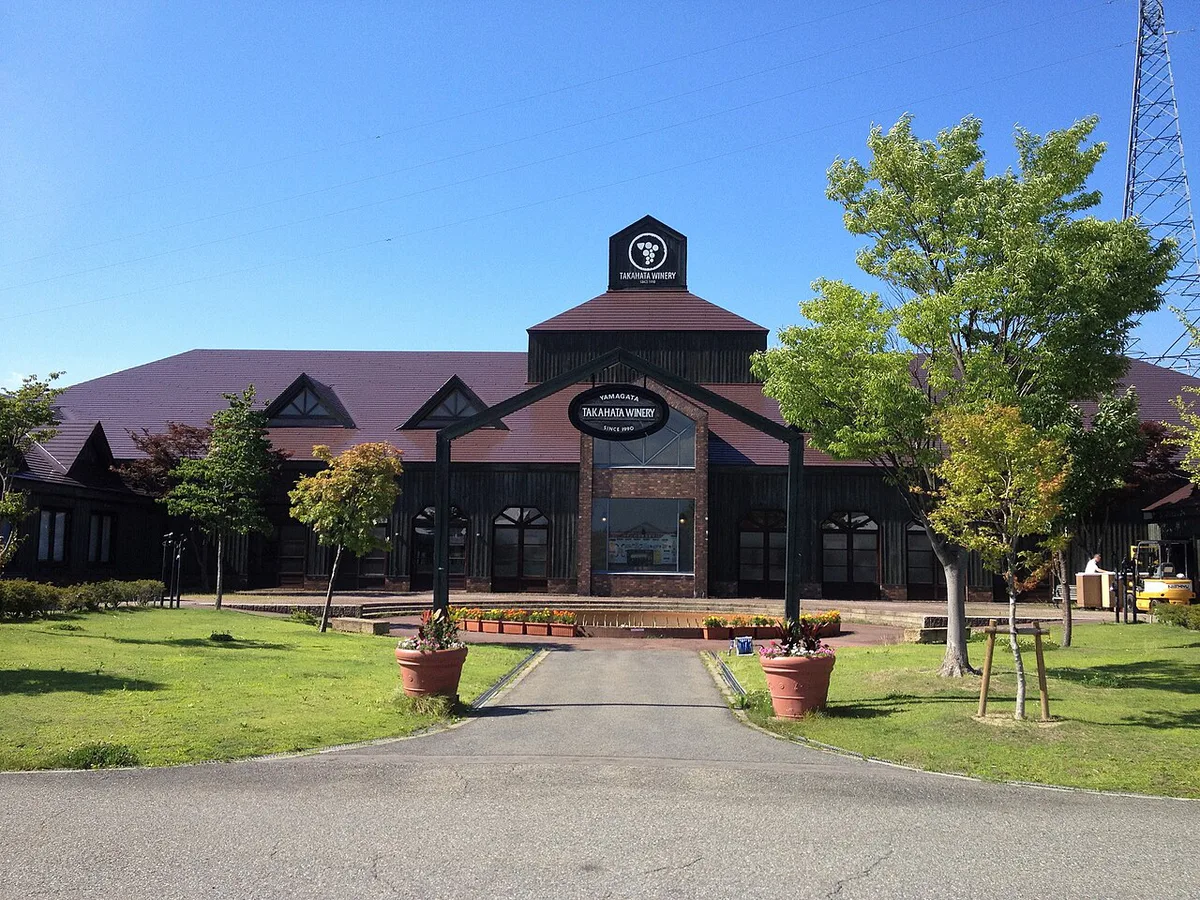
Do not drive or cycle after drinking. Route tasting visits around the JR Ou Main Line, buses, and local taxis. Pair a Yonezawa or Tendo tasting with Yamagata soba, or with imoni in autumn. Brewery-tour access is operator-specific and may change during production periods, so confirm a winter visit directly rather than assuming every small brewery pauses from December through February.
How This Guide Was Verified
Food availability, access details, seasonal rules, and the time-sensitive claims in this guide were checked on August 22, 2026 against the official sources below. Independent restaurant menus, prices, opening days, and sell-outs can change, so confirm the operator's same-day notice before making a special trip.
Frequently Asked Questions
What does GI Yamagata mean for sake drinkers?
GI Yamagata requires Japanese-grown rice and koji, Yamagata-origin water, and production, storage, and bottling within Yamagata under the GI control system. It does not require every grain of rice to be prefecture-grown. Yamagata was Japan's first prefecture-wide sake GI in 2016, but is no longer the only one.
Can you visit Yamagata's breweries and wineries without a car?
Yes. Use rail, buses, and taxis for a tasting trip: the JR Ou Main Line links Yamagata City and Yonezawa, while Zao Onsen needs a bus or taxi connection. Do not drive or cycle after drinking.
When is the best time to visit for sake versus wine?
Winter is peak sake-brewing season and also when Zao Onsen's ski slopes are running, so it is a strong window for sake tastings paired with skiing. Zao Onsen's ski season and the region's coldest brewing months overlap almost exactly, so a winter trip can combine both without extra travel. Some smaller breweries pause public tours during the busiest brewing months of December through February, so confirm a winter visit ahead of time. Autumn, especially September and October, is the better call for wine, when Takahata's harvest events and Yamagata's imoni-kai festivals overlap.
How much should tastings and tours cost?
Prices vary with the venue, number of pours, and whether food or museum admission is included. Check each operator's official menu or reservation page for the current amount; Toko Sake Museum, for example, publishes separate walk-up and advance-booking admission options.
What can non-drinkers or designated drivers do?
Several wineries sell local grape or La France pear juice, and museums can still be visited without joining a tasting. Ask staff before ordering wine-flavored sweets, since recipes and residual alcohol can vary. Anyone driving or cycling should choose confirmed alcohol-free products.
Do brewery and winery tours require advance booking?
Policies vary by operator and by the language requested. Confirm the current schedule, language support, party-size rules, and reservation deadline on the brewery or winery's official site before traveling; do not assume a tour or tasting counter accepts walk-ins.
Free guide: Japan's Hidden Gems
12 under-the-radar places beyond Tokyo & Kyoto — with the best season to visit each and a local tip you won't find in the guidebooks.
You might also like


Continue reading
More guides you'll find useful