Yamagata Fruit, Orchard and Dessert Guide
A 2026 guide to Yamagata fruit and desserts: the seasonal calendar, u-pick orchards in Sagae and Tendo, and the region's best fruit parfait cafes.
On this page
Last updated August 2026. Yamagata Prefecture grows more cherries and La France pears than any other part of Japan, and that harvest is why locals call it the Fruit Kingdom. Yamagata fruit and desserts culture runs from u-pick orchards in Sagae and Tendo to towering fruit parfaits in Yamagata City and Kaminoyama.
Yamagata Fruit and Desserts: The Seasonal Calendar
Yamagata Prefecture runs on four fruit seasons, and each one changes what the orchards and dessert cafes serve. Cherries lead the calendar in late spring and early summer, led by the Sato Nishiki variety the prefecture is known for. Peaches, watermelon, grapes, pears, and persimmons follow through summer, autumn, and winter, broken down in the table below. Exact picking dates shift with the weather from one week to the next. Orchard clusters near Sagae and Tendo publish these updates directly, which is more reliable than a generic seasonal guess. Check an orchard's own website for its daily picking status before you drive out, especially near the start or end of a season. Fruit sits alongside noodles and rice dishes as part of the region's everyday diet, covered in the broader Yamagata food guide.
| Season | Fruit | Notes |
|---|---|---|
| Late spring–early summer | Cherries (Sato Nishiki) | Peak u-pick weeks and the busiest orchards of the year |
| Summer | Peaches, watermelon | Obanazawa is a noted growing area |
| Autumn | Shine Muscat grapes, La France pears | Grapes ripen first; pears follow later in the season |
| Winter | Persimmons, greenhouse strawberries | Fresh picking narrows; look for processed pear desserts instead |
Cherry Season or Autumn Harvest: Which Fits Your Trip
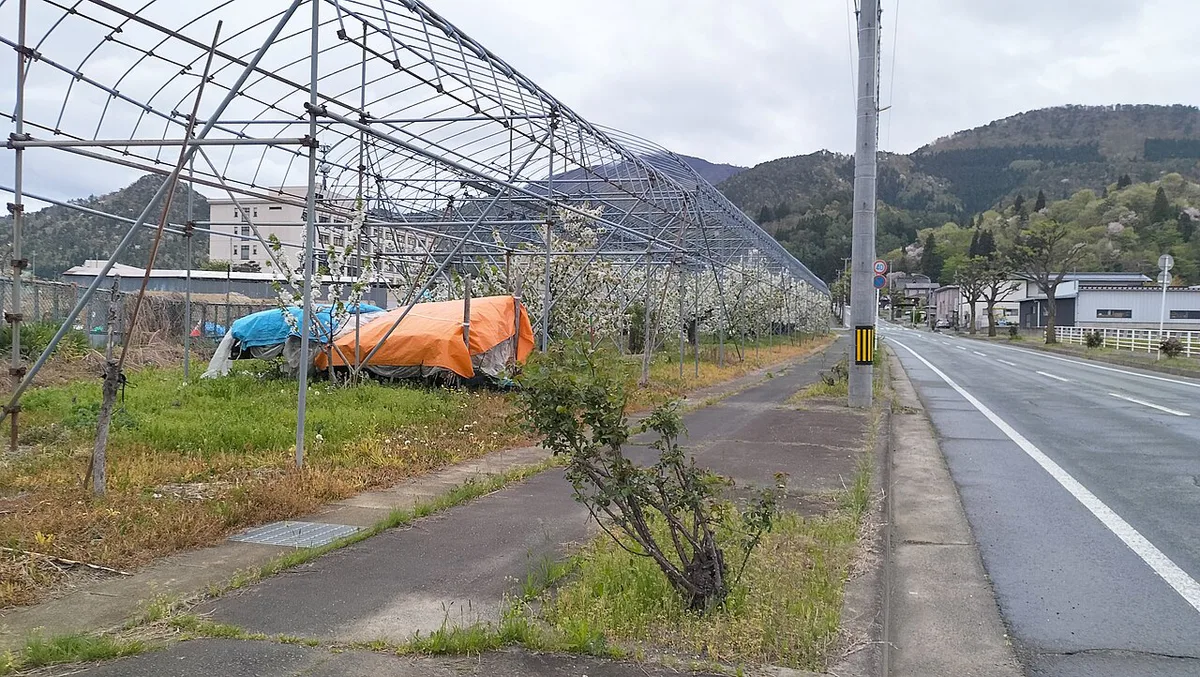
Official tourism guidance places Yamagata's broader cherry season roughly from early June to mid-July, while grapes and pears follow later in the year. Exact orchard dates, capacity, and dessert menus depend on weather and operator notices. Reserve any must-do orchard directly rather than assuming autumn always has walk-in space or shorter lines.
Fruit-Picking Orchards in Sagae and Tendo
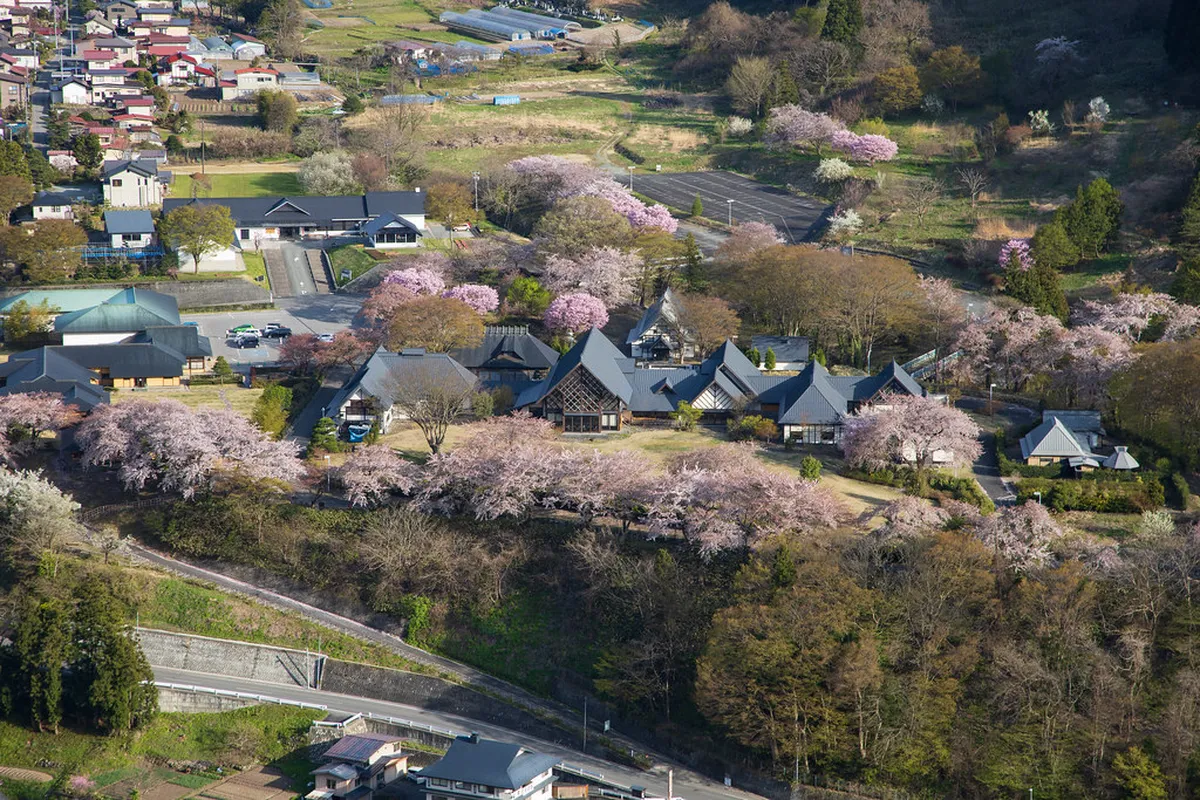
Sagae and Tendo are the two main orchard clusters for travelers who want to pick fruit straight from the tree. Both sit within reach of Yamagata City and shift from cherries in early summer to grapes and pears by autumn. Most orchards sell access in timed sessions, typically capped at 30 to 60 minutes of all-you-can-eat picking for a single fruit. Cherry season sessions tend to carry the highest per-visit price of the year, since demand peaks alongside the harvest. Autumn grape and pear sessions usually cost less and move with shorter lines. Rates and availability change orchard by orchard, so confirm the current session price and same-day picking status directly on the orchard's website before you go. A single visit to either cluster usually covers just one fruit at a time, so plan a return trip if the calendar carries you from cherry season into autumn.
Farm-side cafes near orchards offer cheaper, simpler parfaits than city parlors. Spending 30 to 60 minutes picking fruit followed by farm-side dessert makes for a more economical half-day than a city parlor visit.
- Sagae: dense cherry orchards close to Yamagata City, shifting to grapes and pears by autumn
- Tendo: a second major cluster, often paired with Sagae on the same day trip
- Picking sessions typically run 30 to 60 minutes of all-you-can-eat access per fruit
- Cherry weeks carry the highest prices and the largest crowds of the year
- Autumn grape and pear sessions are generally the better-value, lower-traffic option
The Fruit Parfait Scene in Yamagata City and Kaminoyama
Yamagata's dessert reputation centers on the fruit parfait, a tall glass layering seasonal fruit with cream and sponge cake to show off whatever just came off the tree. Cafes across Yamagata City run menus that shift with the calendar, moving from cherries into peaches, grapes, and pears as the year goes on. Menus typically list the specific fruit varieties used that week, since the lineup changes as the harvest moves through the calendar. Kaminoyama adds a second cluster of parfait cafes near its hot spring district, which makes it easy to pair a dessert stop with an onsen visit. Farm-side cafes attached to orchards tend to serve simpler, fruit-forward parfaits at lower prices than the multi-layer versions found in city parlors. Book ahead if you're visiting during peak cherry weeks, since the best-known parlors can sell out their seasonal menu early in the day.
Traditional Sweets: Noshi-ume and Fruit Wagashi
Not every Yamagata dessert is built around fresh fruit. Noshi-ume is a rolled plum jelly sold across the prefecture as a traditional confection, distinct from the fresh-fruit parfait trend that draws most visitors. Wagashi shops also work seasonal fruit into traditional forms, tucking cherries, grapes, or pears into mochi and jellies instead of piling them into a parfait glass. Look for these traditional sweets in local sweet shops rather than at orchard-side parfait cafes, since the two dessert traditions are usually sold in different types of shops. These sweets travel better than fresh fruit does, which makes them a practical stop for anyone building a longer dessert route around the seasonal calendar. Pair a wagashi stop with a parfait cafe visit to see both sides of the region's dessert scene in a single afternoon.
Regional Spotlights: Kaminoyama and Higashine
Kaminoyama pairs its parfait cafes with a hot spring district, so a dessert stop slots naturally into the same day as an onsen visit. Higashine is the birthplace of the Sato Nishiki cherry, which makes it a natural stop during cherry season for travelers who want the variety's origin point rather than just another orchard. Both towns work well alongside a broader day of regional sightseeing rather than as a fruit-only trip. Treat Kaminoyama and Higashine as separate half-day stops rather than assuming they sit on the same route. Pair a stop in either town with the Yamagata attractions guide to fill out the rest of the day.
Getting Around the Fruit Kingdom
Orchards cluster outside the city center, so transport choice shapes how much of the season you can reach in a day. The Fruit Line, the JR Aterazawa Line, connects Yamagata City toward the Sagae orchard belt by train. A rental car opens up Tendo and the more scattered orchards that sit beyond easy walking distance from a station. Confirm current JR Aterazawa Line schedules before relying on it for a same-day return, since rural rail frequency is lower than in central Yamagata City. Morning visits generally mean fresher fruit and fewer tour groups than an afternoon arrival, since fruit softens and lines build as the day goes on. Balance a fruit-heavy morning with something savory later in the day. A bowl from the ramen guide works well after a morning of picking. Buckwheat noodles from the soba guide make a lighter alternative between orchard stops.
Souvenirs and Take-Home Treats
Processed fruit travels home better than fresh produce does, and Yamagata Station sells a wide range of it. Jams, juices, and La France pear-flavored snacks are common finds on the station's souvenir shelves. These processed goods suit travelers who want a taste of the season without carrying fresh fruit at all. Vacuum-sealed and shelf-stable items travel best for longer trips home, while chilled items need to stay in checked luggage or a cooler bag. Station shop hours may not match platform hours, so confirm before a late-night or early-morning departure. Fresh fruit is a different matter for anyone flying internationally, since many countries restrict or ban bringing raw fruit across the border. Check destination country biosecurity rules before packing any fresh fruit in checked or carry-on luggage.
- Jams made from seasonal cherries, grapes, or pears
- Bottled fruit juices sold by variety
- La France pear-flavored snacks and candies at Yamagata Station
Planning a Yamagata Fruit and Dessert Trip
First-time visitors get the widest range of experiences by timing a trip around early-summer cherries or the autumn grape-to-pear transition, when orchards and parfait cafes both run full seasonal menus. Summer and winter still deliver a trip, just with a narrower fruit lineup and fewer picking options. Weekday visits generally mean shorter lines at both orchards and parfait cafes than weekend visits do. Anyone short on time should prioritize one orchard cluster and one parfait cafe rather than trying to cover the whole prefecture in a single day. Round out a fruit-heavy day with something more substantial. A hearty imoni bowl makes a good contrast to an afternoon of parfaits. A glass from the sake and wine guide closes out the day well, since Yamagata's grape country feeds both its table-grape harvest and its wine industry.
How This Guide Was Verified
Food availability, access details, seasonal rules, and the time-sensitive claims in this guide were checked on August 22, 2026 against the official sources below. Independent restaurant menus, prices, opening days, and sell-outs can change, so confirm the operator's same-day notice before making a special trip.
Frequently Asked Questions
What is the most famous fruit in Yamagata?
Cherries, specifically the Sato Nishiki variety, are Yamagata's best-known fruit and the reason many visitors plan a trip around early summer. Higashine is considered the variety's birthplace, and the orchards in and around Sagae and Tendo see the heaviest picking traffic of the year during cherry season. La France pears are Yamagata's other headline fruit, with the prefecture producing more of them than any other part of Japan.
Can you pick fruit in Yamagata in winter?
Fresh u-pick options narrow sharply once winter arrives. Greenhouse strawberries are the main fruit still available for picking, since most outdoor orchards have finished their harvest by then. Cafes and shops lean on processed pear and persimmon desserts instead of fresh-tree picking during this stretch, so a winter trip suits travelers more interested in dessert cafes than orchard visits.
Do you need a reservation for fruit picking in Yamagata?
Policies vary by orchard, fruit, and date. Confirm directly before visiting and do not assume walk-ins are available in autumn; weather, harvest status, and capacity can change the day's rules.
How much does fruit picking cost in Yamagata?
Exact rates vary by orchard, fruit, and season in 2026, so check the specific orchard's website for its current session price before you go. As a general pattern, cherry picking during peak Sato Nishiki weeks costs more than autumn grape or pear sessions, since cherry season draws the largest crowds of the year. Sessions are typically timed, often capped at 30 to 60 minutes of all-you-can-eat picking per fruit.
What is a Yamagata fruit parfait?
A Yamagata fruit parfait is a layered dessert built around whichever fruit is in season, combined with cream and sponge cake in a tall glass. Cafes in Yamagata City and Kaminoyama are the best-known spots for the elaborate, multi-layer version. Farm-side cafes attached to orchards tend to serve simpler, less expensive parfaits built around whatever was just picked that day.
Free guide: Japan's Hidden Gems
12 under-the-radar places beyond Tokyo & Kyoto — with the best season to visit each and a local tip you won't find in the guidebooks.
You might also like


Continue reading
More guides you'll find useful