Where to Eat Lunch in Yamadera: 7 Picks
Where to eat lunch in Yamadera: 7 spots near Risshaku-ji, plus quick picks, regional specialties, and timing tips for the climb and the train.
On this page
Last updated August 2026, this guide answers where to eat lunch in Yamadera around two fixed points: the JR Senzan Line schedule and the 1,015-step climb to Risshaku-ji. Most lunch options cluster along the short walk between Yamadera Station and the temple's entrance gate. Use the picks below to match your meal to your climb: a light bite before the stairs, a heartier reward meal after.
Yamadera Lunch at a Glance: Quick Picks by Category
Most lunch options in Yamadera sit along the short walk between the station and the Risshaku-ji entrance gate. You rarely need to choose between eating and sightseeing. The table below sorts the categories that matter most: noodle texture, group size, speed, and view.
| Category | Best Pick | Why It Works |
|---|---|---|
| Best for soba | Riverside soba house near the stone bridge | Serves itasoba with a direct view of the water |
| Best for groups | Set-meal restaurant near the entrance gate | Faster turnover and more seating flexibility |
| Best quick snack | Station-front tama-konnyaku stand | Eat on the walk, no seating wait |
| Best riverside view | Dining room over the Tachiya River | Window and deck seating face the water |
Essential Lunch Logistics Before You Climb
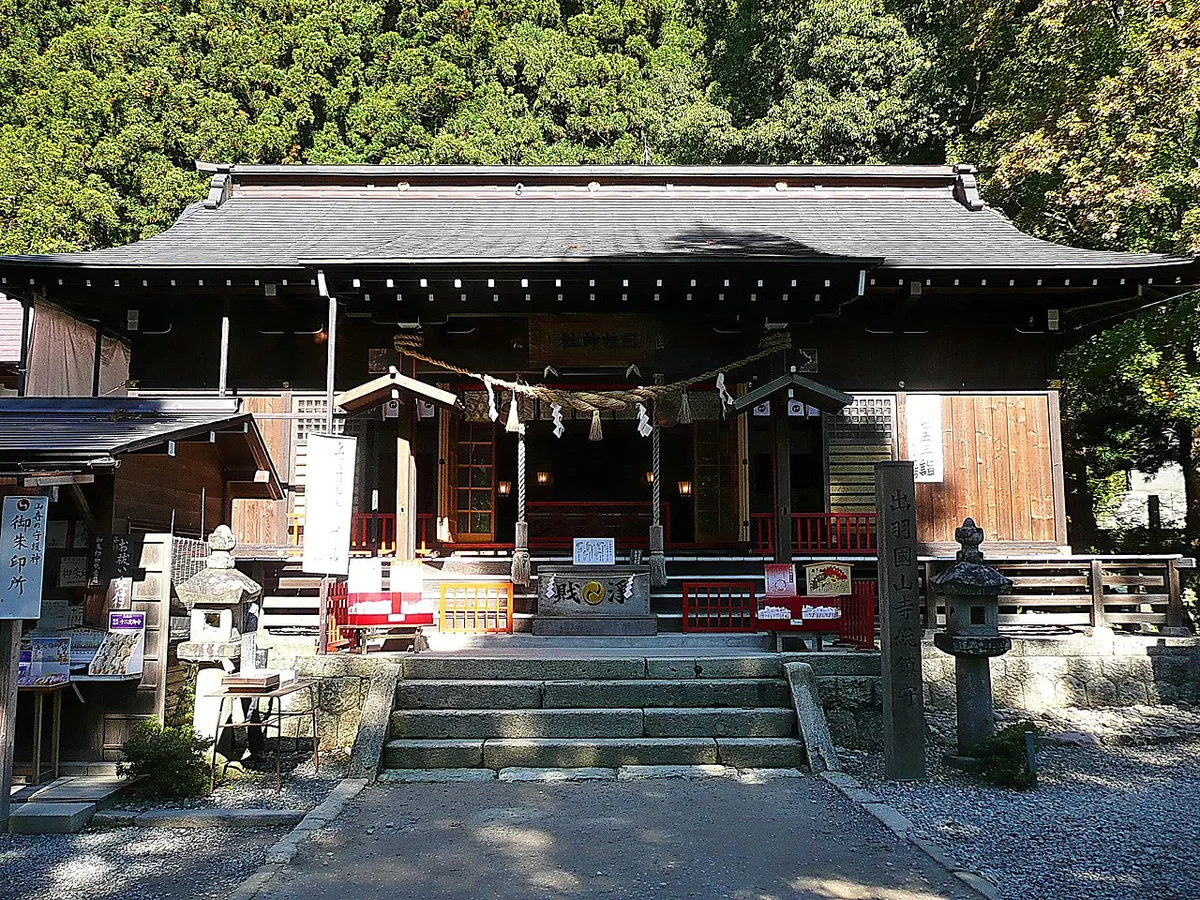
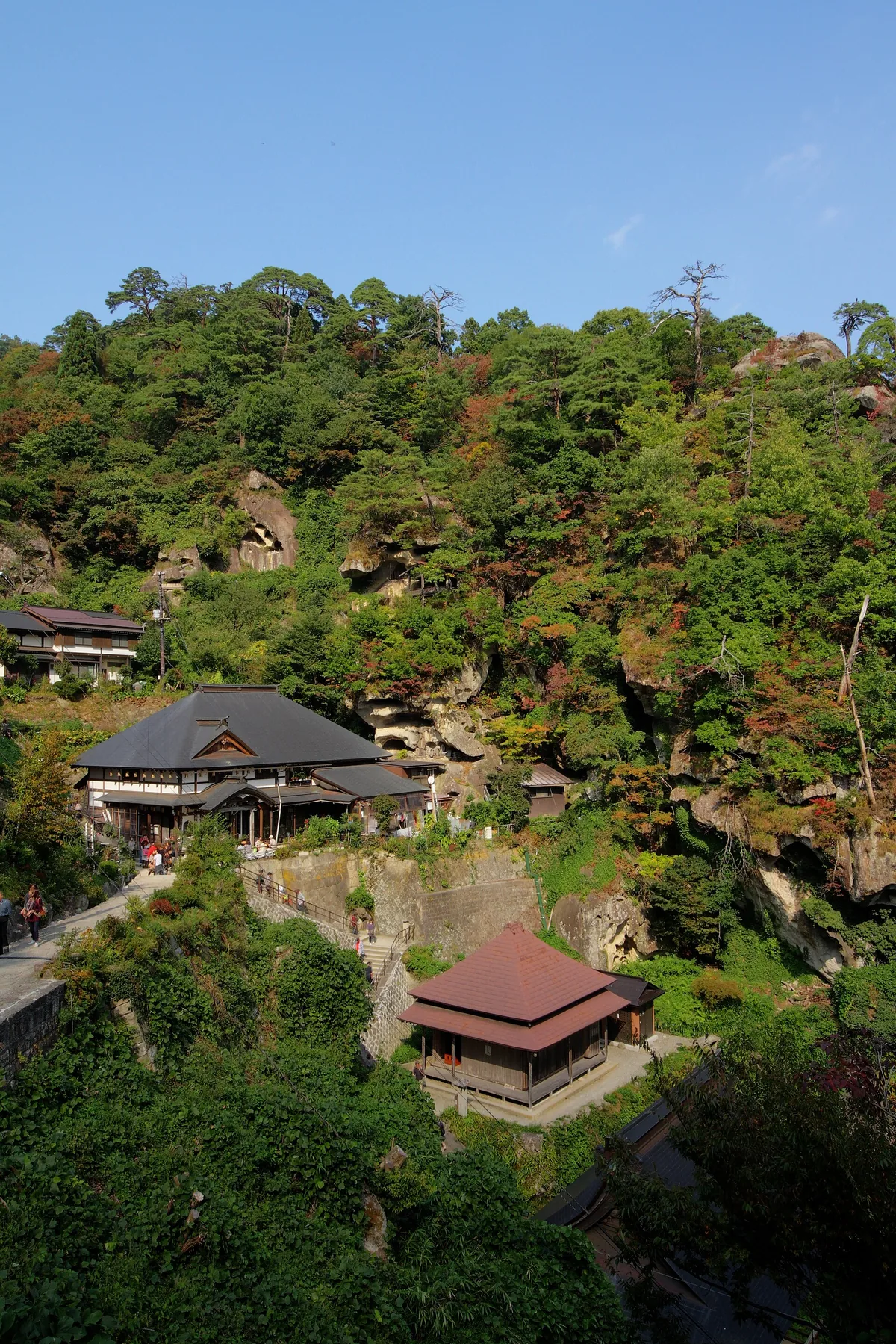
Yamadera's main draw is the climb to Risshaku-ji, roughly 1,015 stone steps from the base to the upper halls. Eating a heavy meal right before that climb is a common mistake. If you only have one realistic train window for the day, treat lunch as fixed and build the climb around it, not the other way around. For a sense of how long the climb itself takes, see the Yamadera attractions guide.
With a 1,015-step climb ahead, lightweight tama-konnyaku and noodles suit pre-climb eating while heartier imoni serves as a post-descent reward, matching the climb's demand for strategic meal timing.
- Timing the climb
- Save the heaviest dishes for after the roughly 1,015-step climb to Risshaku-ji.
- A light pre-climb bite keeps you comfortable on the stairs.
- The train factor
- JR Senzan Line trains to Sendai and Yamagata City often run about an hour apart.
- Check the JR East app for the current timetable before choosing a restaurant with a long wait.
- Luggage and lockers
- Yamadera Station has coin lockers for day bags.
- Some restaurants near the entrance gate hold bags for diners, though this varies by shop, so ask when you arrive.
Yamadera's Must-Eat Regional Specialties
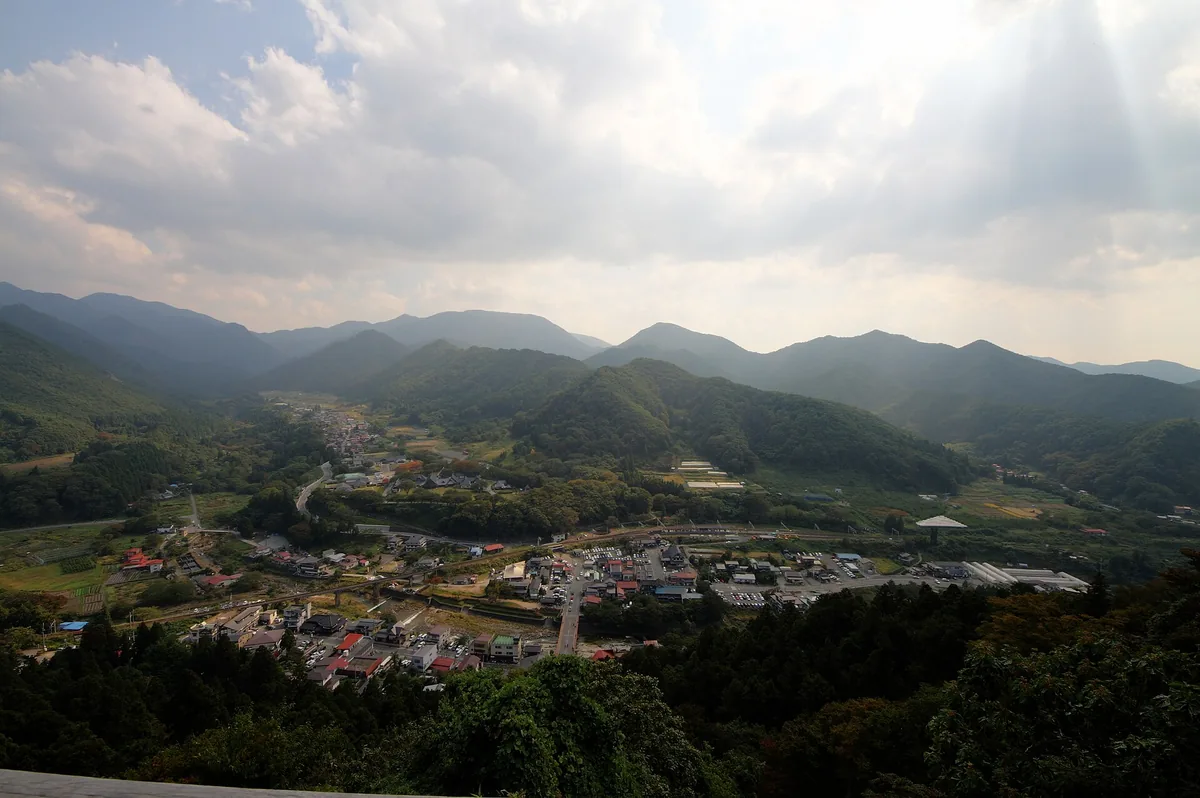
Yamagata Prefecture's food identity shapes almost every lunch menu in Yamadera. Three dishes show up again and again, and knowing them helps you order with confidence.
- Itasoba and Yamagata soba
- Itasoba is buckwheat soba served on a wooden board rather than a bowl.
- Yamagata-style soba tends to be firmer than soba served in other regions.
- The Yamadera Soba Restaurants: Where to Eat Before and After the Climb breaks down the different preparations and where the texture varies most.
- Tama-konnyaku
- This is a ball-shaped konjac skewer simmered in a dark, savory broth.
- It is the closest thing Yamadera has to a climb-day snack, sold from station-front stands.
- The tama-konnyaku snack guide covers where to find it and how it's served.
- Imoni
- Imoni is a stew of taro, beef, and vegetables in a soy-based broth.
- It is heartier than soba and works well as a post-climb reward meal.
- See the imoni and local dishes guide for the seasonal variations.
7 Best Places to Eat Lunch in Yamadera
These seven options cover the realistic range of lunch in Yamadera, from a sit-down soba house to a snack you eat on the move. Match the choice to your schedule and how much climbing you have left.
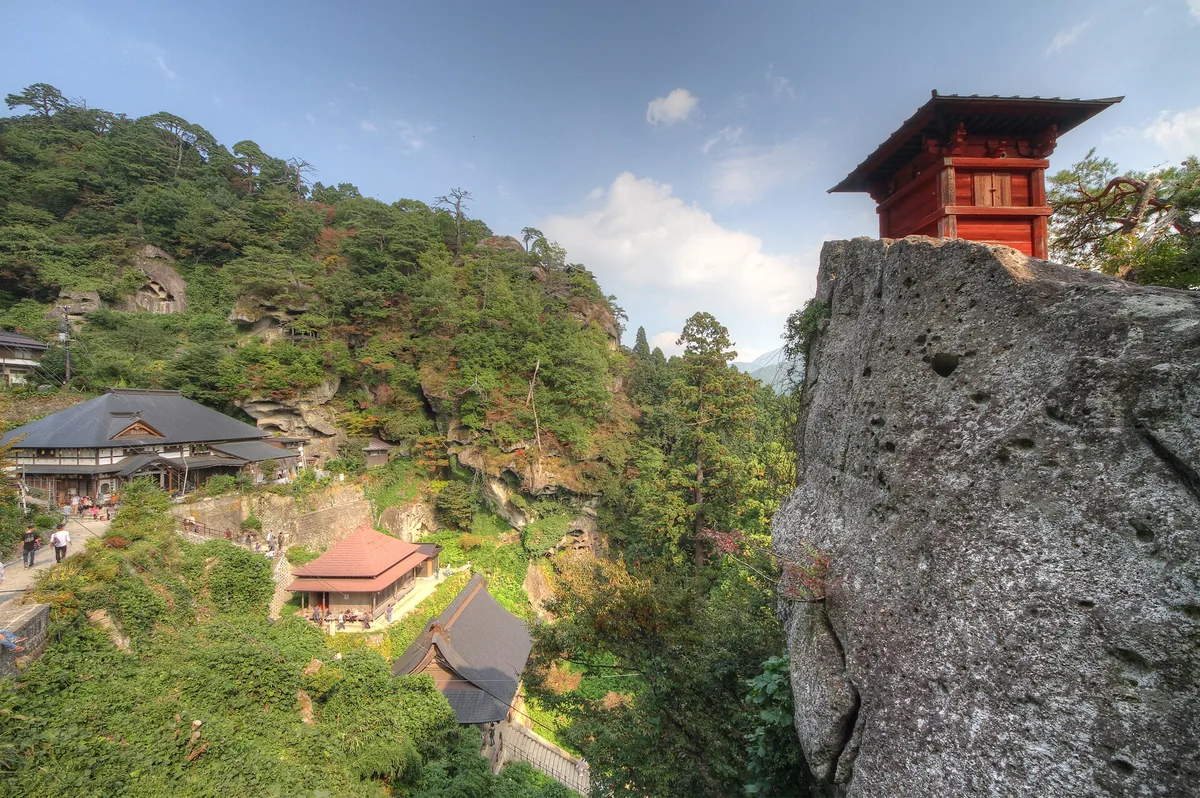
- Riverside soba house near the stone bridge
- Look for tatami seating with a direct view of the Tachiya River.
- Itasoba is the dish to order here, served cold with a dipping broth.
- Expect a wait around midday, since window seats fill first.
- Traditional itasoba house on the temple approach road
- These heritage wooden buildings sit along the walk from the station toward the entrance gate.
- Menus stay short, usually soba in a handful of set combinations.
- This works best before the climb if you want an unhurried meal rather than a rushed one after.
- Station-front tama-konnyaku stand
- This is the fastest option in Yamadera, meant to be eaten standing or walking.
- One skewer takes the edge off hunger without weighing you down for the stairs.
- There is no seating, so treat it as a pre-climb snack rather than a full lunch.
- Set-meal restaurant near the entrance gate
- Teishoku-style set meals pair a main dish with rice, soup, and pickles.
- Turnover runs faster than the sit-down soba houses, which helps groups traveling together.
- Choose this when your party wants variety rather than everyone ordering soba.
- Imoni and hearty stew spot
- This is the reward meal for after the descent, when a lighter dish will not cut it.
- Imoni tends to be more available in the cooler months than at the height of summer.
- Portions run larger than a soba set, so skip the heavy pre-climb snack if you plan to eat here.
- Quick noodle counter near the station
- This suits travelers watching the JR Senzan Line clock closely.
- Counter seating moves faster than table service at the soba houses further up the approach road.
- It is a reasonable fallback if the riverside restaurants have a queue out the door.
- Sweets and coffee stop for recovery
- This is a post-climb stop rather than a lunch substitute.
- Coffee and a seasonal dessert work well after the stairs, before the walk back to the station.
- The sweets and gelato guide lists what's typically on offer.
When Shops Are Closed or the Line Is Too Long
Yamadera is a small food scene, so any single restaurant closing can change your plan for the day. Several shops reduce their hours or close entirely during the winter off-season, roughly December through March. Check current hours before a cold-weather visit. Weekday lunch service can also be thinner than weekends, since some shops adjust staffing to foot traffic. If your first-choice restaurant has a queue out the door, switch to a faster option. The quick noodle counter near the station and the station-front tama-konnyaku stand rarely have long lines. Neither depends on table turnover, so both are reliable backups.
The 1,015 stone steps demand efficient eating logistics; the quick noodle counter and tama-konnyaku stand are dependable backups because both avoid table-turnover delays and serve quickly, even during busy periods.
Decision Criteria: Which Lunch Spot Fits Your Visit
Price and view often trade off in Yamadera. Riverside seating with a view of the Tachiya River typically costs more than a station-front counter. You're mostly paying for the seat, not a different dish. Authenticity and speed pull in opposite directions too. Heritage soba houses on the approach road move slower than a set-meal restaurant near the gate. Budget extra time if you want that traditional room. Vegetarian-friendly dashi is uncommon in Yamadera, since most broths are fish-based. Mention dietary needs when you order rather than assuming a menu note will cover it. English menus are not universal either, so a translation app is worth carrying. For the fuller culinary picture beyond lunch, the Yamadera food overview covers snacks, sweets, and where each dish fits into a full day.
How This Guide Was Verified
Food availability, access details, seasonal rules, and the time-sensitive claims in this guide were checked on August 22, 2026 against the official sources below. Independent restaurant menus, prices, opening days, and sell-outs can change, so confirm the operator's same-day notice before making a special trip.
Frequently Asked Questions
Are restaurants in Yamadera open on weekdays?
Most restaurants operate on weekdays, but hours can be thinner than on weekends since some shops adjust staffing to foot traffic. Call ahead or check the shop's posted hours if you're visiting on a quiet weekday, especially outside the spring and autumn peak seasons.
Do you need a reservation for lunch in Yamadera?
Reservations are not typical for the casual soba houses and station-front stands that make up most of Yamadera's lunch scene. If a specific restaurant has table service and appeals to you, a quick call ahead is a reasonable precaution during weekend and holiday crowds.
Is there anywhere to eat near the upper temple area?
Food service is concentrated at the base of the climb, between the station and the entrance gate, not near Okunoin at the top. Plan to eat before you start the stairs or after you come back down. Carry water for the climb itself, since there's no food service partway up.
Are credit cards widely accepted in Yamadera?
Card acceptance is inconsistent among Yamadera's smaller restaurants and snack stands, so carrying cash is the safer plan. Confirm payment options with a shop before you order if a card is your only method.
What if the line for a restaurant is too long?
Move to a faster option rather than waiting through your lunch window. The quick noodle counter near the station and the station-front tama-konnyaku stand rarely have long queues. Neither depends on table turnover, so both make reliable backups.
Free guide: Japan's Hidden Gems
12 under-the-radar places beyond Tokyo & Kyoto — with the best season to visit each and a local tip you won't find in the guidebooks.
You might also like


Continue reading
More guides you'll find useful