

Best Time To Visit Yamadera: A Seasonal Guide to Yamagata
Plan the best time to visit Yamadera with our seasonal guide, covering weather, events, crowd levels, and practical tips for each season.
On this page
Last updated June 2026. Choosing the best time to visit Yamadera, Japan, significantly impacts your experience at this iconic mountain temple. For most travelers, the shoulder seasons of late spring (May to early June) and early autumn (late September to mid-October) offer the ideal balance. These periods feature pleasant weather and stunning natural beauty, avoiding the extremes of summer heat and winter snow.
Yamadera, officially Risshaku-ji Temple, is famous for its 1,015 stone steps leading to ancient temple buildings nestled into a mountainside. The panoramic views of the surrounding valley are breathtaking year-round. Understanding the seasonal changes in weather, crowds, and events is key to planning your perfect trip. This guide details what to expect in each season, helping you decide when to go.
Brief History of Yamadera
Yamadera's origins trace back to 860 AD, when the Buddhist monk Ennin — also known as Jikaku Daishi — established it as a place of meditation within the Tendai Buddhist sect. Ennin chose this dramatic mountainside location deliberately: the steep cliffs and surrounding cedar forest were considered naturally sacred, ideal for deep contemplation away from the distractions of lowland life.
The temple complex grew in prestige through the Heian and Kamakura periods, drawing pilgrims from across Japan. One of its most celebrated legends holds that a ritual flame transported from the head temple Enryaku-ji in Kyoto has burned continuously ever since — you can see it today inside the Konpon Chudo Hall at the base of the mountain. In 1689, haiku master Matsuo Basho visited Yamadera and composed one of his most famous poems here: "In the stillness, the cries of cicadas penetrate the rocks." Statues of Basho and his pupil Kawai Sora stand near the lower temple entrance, and the Yamadera Basho Memorial Museum in the village is worth a stop after your climb.
Today Yamadera is designated both a National Historic Site and a Place of Scenic Beauty. Despite more than 1,100 years of history, the spiritual atmosphere remains remarkably intact. The 1,015 steps were never meant as a casual hike — each one is considered an act of pilgrimage.
Why Yamadera is a Must-Visit
Yamadera offers more than just a hike; it's a profound spiritual journey and a visual spectacle. The climb itself is considered an act of pilgrimage, with each step bringing you closer to enlightenment. This ancient temple complex, founded in 860 AD, holds deep cultural significance in Japan.
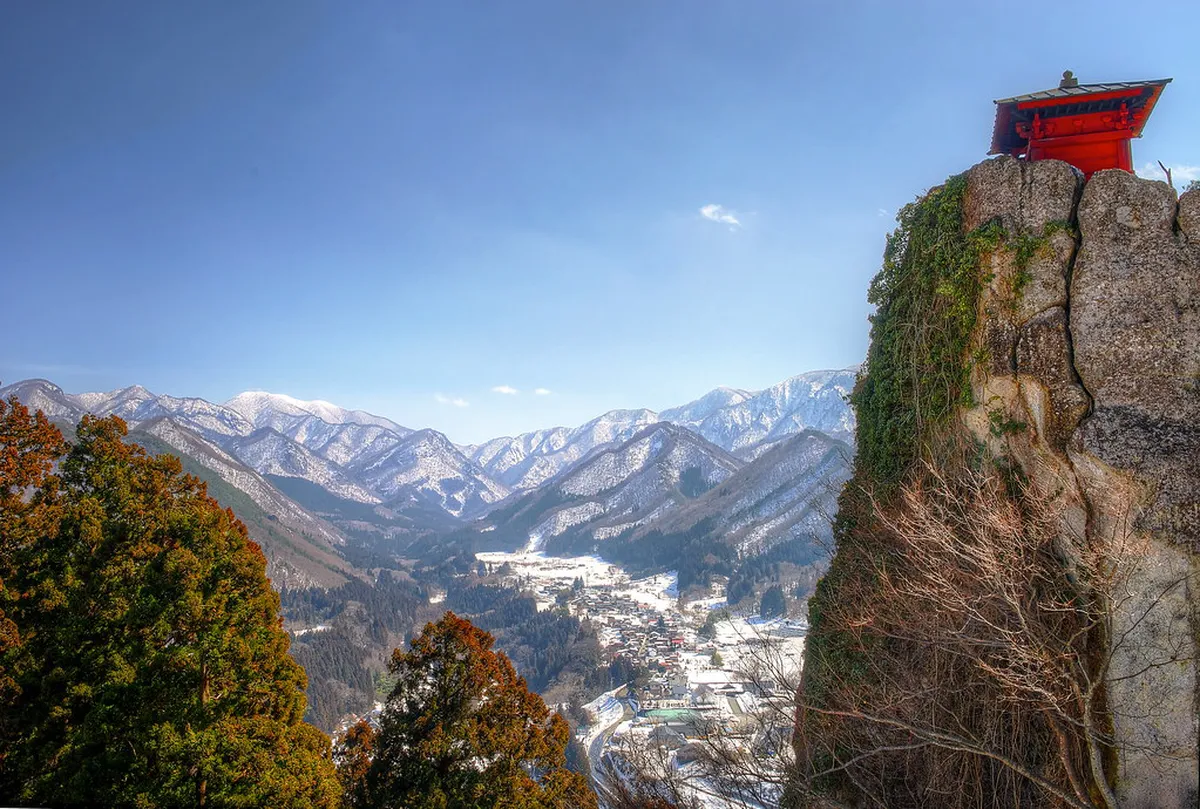
From the summit, the Godaido Hall lookout provides an unforgettable vista of the vast, green valley below. Haiku master Matsuo Basho famously visited Yamadera in 1689, composing one of his most renowned poems here. This history adds another layer of depth to the serene mountain setting. Visitors can also enjoy collecting goshuin in Japan, unique stamp seals from the temple.
Yamadera Through the Seasons: A Detailed Breakdown
Yamadera's beauty transforms with each season, offering distinct experiences throughout the year. The climate in Yamagata Prefecture, where Yamadera is located, brings clear seasonal shifts. Understanding these patterns helps tailor your visit to your preferences. Here's a snapshot of what each season typically offers.
| Season | Month Range | Weather (Avg. Temp) | Crowds | Prices | Events | Best for |
|---|---|---|---|---|---|---|
| Spring | March - May | Mild, pleasant (10–20°C / 50–68°F) | Moderate, increasing | Standard | Cherry blossoms (late April) | Hiking, photography, comfortable exploration |
| Summer | June - August | Warm, humid (25–30°C / 77–86°F) | High, especially August | Higher | Local festivals, lush greenery | Long days, vibrant nature, cultural events |
| Autumn | September - November | Cool, crisp (12–22°C / 54–72°F) | High, peak October | Higher | Autumn foliage (late Oct-early Nov) | Fall colors, pleasant hiking, photography |
| Winter | December - February | Cold, snowy (0–5°C / 32–41°F) | Low, except holidays | Lower | Snowscapes, quiet reflection | Unique views, tranquility, budget travel |
Spring in Yamadera (March - May)
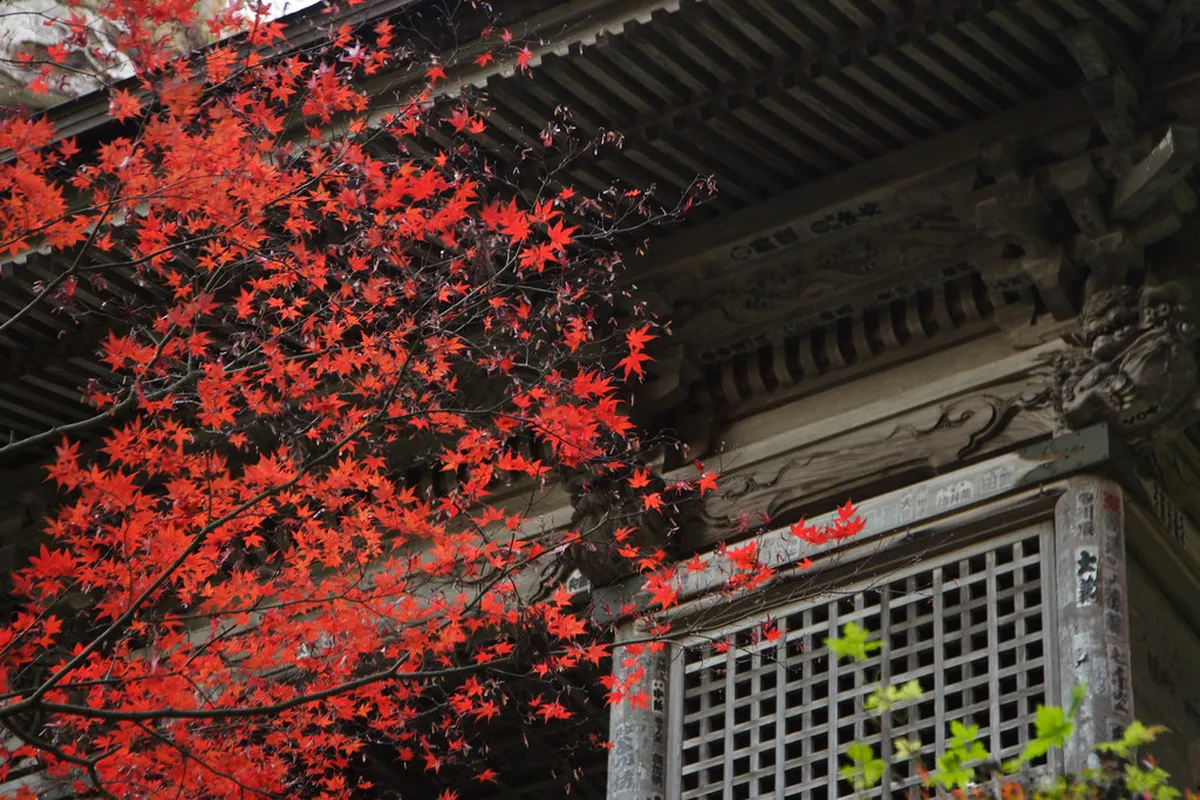
Spring brings a refreshing atmosphere to Yamadera, as the landscape awakens from winter. Temperatures gradually rise, making outdoor activities very enjoyable. Typical temperatures range from 10–20°C / 50–68°F, with March still cool and May quite mild. Late April usually sees the cherry blossoms bloom around the temple entrance and nearby areas.
Crowds are moderate in early spring but increase significantly by Golden Week (late April/early May). This period can see higher prices for accommodation and transport. It's an excellent time for clear views and comfortable hiking conditions. The fresh greenery emerging after the snow adds to the scenic beauty.
May is arguably the sweet spot for a first visit. The snow has fully melted, the humidity has not yet arrived, and weekday crowds are manageable. Lush wildflowers grow along the lower paths, and the cedar forest that shades the upper steps looks its most vivid green. If you avoid Golden Week weekends (late April to early May), you can reach the Godaido viewpoint with very few other people around.
Summer in Yamadera (June - August)
Summer at Yamadera is characterized by warm, humid weather and vibrant green scenery. Average temperatures hover around 25–30°C / 77–86°F, with July and August being the hottest months. The rainy season, known as 'tsuyu,' typically occurs from mid-June to mid-July, bringing increased rainfall. Despite the humidity, the mountain trails are lush and beautiful.
Crowds are generally high, especially during school holidays in August. Prices for travel and lodging tend to be at their peak. Visiting early in the morning, around 8:00 AM, helps avoid both the heat and the largest crowds. The long daylight hours allow for extended exploration of the temple grounds.
Summer is not widely recommended for this climb. Climbing 1,015 steps in high humidity is genuinely taxing, and the heat peaks just as midday crowds arrive. If summer is your only option, aim for an 8:00 AM start and carry at least 500ml of water — the vending machines near the summit charge roughly two to three times the price of those near the station.
Autumn in Yamadera (September - November)
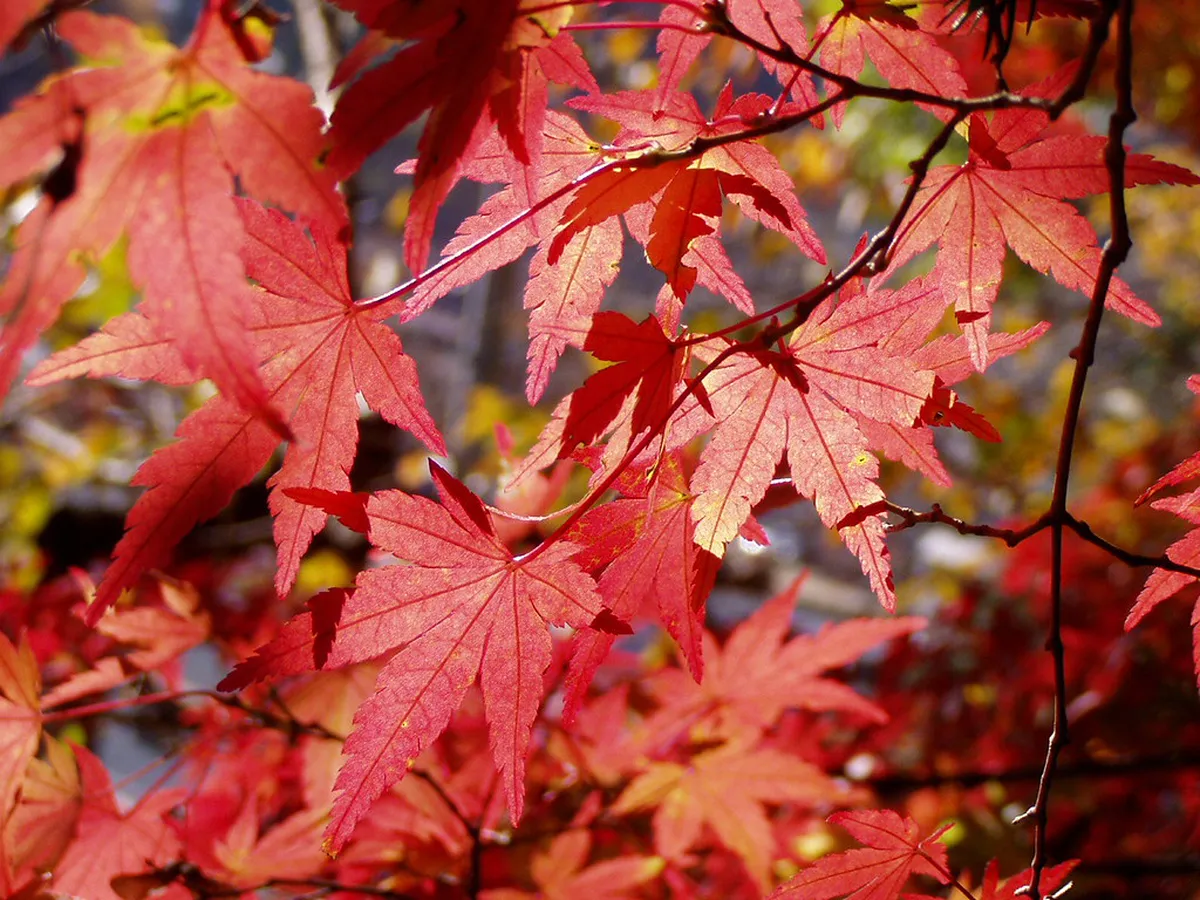
Autumn is arguably the most popular time to visit Yamadera, renowned for its spectacular fall foliage. The crisp, cool air makes for ideal hiking conditions, with temperatures from 12–22°C / 54–72°F. The leaves typically begin to change in late October, peaking in early to mid-November. This creates a breathtaking panorama of reds, oranges, and yellows across the mountain.
Expect high crowd levels during peak foliage season, especially on weekends. Booking accommodations and transport in advance is highly recommended for October and early November. Despite the crowds, the views are truly unforgettable. The autumn colors make for incredible photography opportunities.
One first-timer tip: the classic panoramic photo is taken from Godaido Hall, not from the highest point of the trail. Many climbers mistakenly head straight to the top (Okunoin) and miss it. Godaido is reached by turning left just past Kaisando — look for the narrow stone staircase beside the small red Nokyodo shrine. Arriving at 8:00 AM on a weekday in mid-October rewards you with near-empty stairs and the valley still catching the morning mist.
Winter in Yamadera (December - February)
Winter transforms Yamadera into a serene, snow-covered wonderland, offering a unique and tranquil experience. Temperatures consistently stay around 0–5°C / 32–41°F, with heavy snowfall common. The 1,015 steps can become icy and challenging to climb, requiring appropriate footwear. Many visitors find the snow-draped temple buildings incredibly picturesque.
Crowds are significantly lower during winter, except for around New Year's. This makes it an excellent time for those seeking solitude and quiet reflection. Prices for lodging and transport are generally at their lowest. The stark beauty of the snow against the ancient stone is a unique photographic subject.
One nuance worth knowing: a winter visit without snow is notably less rewarding than one with it. When Yamagata experiences a dry cold spell — particularly in early December or late February — the bare deciduous trees in the valley produce a stark, grey view from Godaido. If you are timing your trip specifically for the winter aesthetic, aim for mid-January to mid-February when snowfall is most reliable. Crampons or anti-slip boot attachments are strongly recommended; sections near the upper temples have no railings and the stone becomes genuinely slippery under ice.
How to Get to Yamadera
Yamadera sits about 400 km north of Tokyo and 60 km west of Sendai, in Yamagata Prefecture. The most convenient access is by train on the JR Senzan Line. From Yamagata City, the journey to Yamadera Station takes just 18 minutes. From Sendai, the same line runs direct to Yamadera in approximately 70 minutes, making it an easy half-day trip from either city.
From Tokyo, two routes work well. The faster option is to take the Shinkansen from Tokyo Station to Yamagata Station (about 2 hours 46 minutes), then switch to the Senzan Line for the final 18-minute hop. Alternatively, take the Shinkansen to Sendai (about 2 hours), then the Senzan Line to Yamadera (70 minutes). Total travel time from Tokyo is around 3 to 4 hours each way, which means a Tokyo day trip is possible but long — budget 5 to 6 hours on trains alone. Staying overnight in Sendai or Yamagata is more relaxed.
Once at Yamadera Station, the walk to the temple entrance is 450 metres (about 6 minutes). Cross the red Yamaderahoju Bridge over the Tachiya River and follow the signs — they are in English. The JR East Tohoku Area Pass covers both the Shinkansen and the Senzan Line, making it the most cost-effective option if you are touring the broader Tohoku region during your visit in 2026.
Yamadera Opening Hours and Entrance Fees
Risshaku-ji Temple opens at 8:00 AM year-round. Closing times vary by season: the gate closes at 16:00 (4:00 PM) from April through September, and at 15:00 (3:00 PM) from October through March. Critically, entry is cut off one hour before the official close — so on a winter afternoon, the last admission is around 14:00. Don't cut it close.
The entrance fee is ¥300 per adult; children under four enter free. Payment is cash only — there is no card reader at the ticket window inside Sanmon Gate. The ticket covers access to the full mountain trail including the upper temples. Bring small notes or coins, as you will also need cash for offerings at individual halls or if you want to buy charms and amulets near the summit.
There are no restaurants on the mountain itself. Near the lower temples (before the Sanmon ticketing gate), there are vending machines and a small cafe selling ice cream, grilled rice balls, and rice cakes. Stock up here, as the vending machines near the top charge a premium. The village near Yamadera Station has several restaurants serving Yamagata specialties including locally famous soba.
How Long Does It Take to Visit Yamadera Temple?
Budget a minimum of 1.5 to 2 hours for the climb itself. The stair section from Sanmon Gate to the summit takes about 30 minutes at a steady pace; the descent is faster, around 20 minutes. Add time to explore the temple buildings at the top — Godaido Hall, Kaisando, Okunoin, and Daibutsuden each merit a few minutes — and most visitors spend between 2 and 3 hours total on the mountain.
In total, a comfortable half-day from Sendai looks like this: depart Sendai around 7:30, arrive Yamadera just after 8:00, climb and explore until 10:30 or 11:00, grab lunch in the village, and catch a return train to Sendai by early afternoon. This leaves the afternoon free for Sendai sightseeing or a connection to Matsushima. Slower hikers, families with children, or those visiting in winter (when icy steps slow the pace considerably) should allow 3 hours on the mountain and plan accordingly.
Hiking and Travel Tips for Yamadera
The climb is not technically difficult, but the 1,015 stone steps are uneven and can be steep in sections near the top. Comfortable walking shoes or light hiking boots are sufficient in spring, summer, and autumn. In winter, non-slip attachments or crampons are strongly recommended; parts of the upper trail near Godaido have no railings, and ice makes those sections genuinely hazardous.
There are a few route details that trip up first-timers. The official entrance (where you pay) is Sanmon Gate, reached about 200 steps into the complex — not the first archway you see from the road. Navigation signs are in Japanese; search "Rissyakuji Temple Entrance (Yamadera)" in Google Maps to reach the correct starting point. On the descent, you can vary the route by turning right past Sanmon to walk through Bakkumon Gate and past the Rakanzo stone Buddha statues before exiting to the village — this loop adds about 10 minutes but covers structures many visitors miss.
Watch for signs warning about Japanese macaques on the trail. The monkeys are wild and can be unpredictable — do not feed them, and avoid direct eye contact if you encounter one. There are rest benches at intervals on the upper trail, and a toilet near the souvenir stall at the top level. One quirky landmark: a red Japan Post letterbox stands near the summit, and mail deposited here is collected every weekday by a postal worker who climbs the full 1,015 steps.
- Arrive at 8:00 AM on a weekday to have the upper trail almost to yourself, regardless of season.
- Bring ¥300 in cash for the entrance fee; add coins if you want to make an offering at individual halls.
- Fill your water bottle near the station — vending machines at the summit are significantly more expensive.
- The Godaido viewpoint is left of the main staircase, beside Kaisando Hall, not at the very top — don't miss it.
- In winter, crampons or ice cleats are not optional; ice accumulates on the unrailed upper sections.
Combining Yamadera with Other Destinations
Because the climb itself takes only 1.5 to 2 hours, Yamadera fits cleanly into a fuller day alongside other Tohoku highlights. The two most popular pairings are Sendai and Matsushima. If you are based in Sendai, finish Yamadera by 10:30 AM and spend the afternoon at Sendai Castle Ruins (Aoba Castle), the Zuihoden Mausoleum complex of feudal lord Date Masamune, or the tranquil Rinnoji Temple garden with its three-story pagoda.
Combining with Matsushima — one of Japan's classically celebrated scenic views — is possible but requires an early start. From Yamadera, take the Senzan Line back to Sendai, then switch to the Senseki Line to Matsushima Kaigan Station (about 25 minutes from Sendai). The total transit from Yamadera to Matsushima takes roughly 2 hours. If you finish at Yamadera by 10:30, you reach Matsushima around 12:30 — enough time to visit the Zuiganji Temple, Godaido, and the Entsuin Garden before the afternoon ferry to see the 260-plus pine-covered islets in the bay.
For a slower-paced alternative, the atmospheric hot spring town of Ginzan Onsen — famous for its snow-lantern winters — is about 60 minutes by bus from Yamagata City. Pairing Yamadera with an overnight stay at a Ginzan ryokan is a compelling Yamagata itinerary, especially in winter. Tendo Onsen, only 40 minutes from Yamadera by train, is a more accessible onsen option if you want a traditional ryokan without the logistics of reaching Ginzan.
Which Season Is Right for You?
The best time to visit Yamadera depends entirely on your travel priorities and preferences. Each season offers a distinct charm and set of considerations. Consider what kind of experience you are hoping to have before making your decision. This guide helps match your style with the ideal time of year.
- Pick late spring (May-early June) or early autumn (late Sep-mid Oct) if you want
- Mild weather
- Fewer crowds than peak season
- Beautiful scenery without extremes
- Pick summer (July-August) if you want
- Longest daylight hours
- Lush green landscapes
- Vibrant local atmosphere
- Pick peak autumn (late Oct-early Nov) if you want
- Spectacular fall foliage
- Crisp hiking weather
- Classic Yamadera photos
- Pick winter (Dec-Feb) if you want
- Snow-covered temples
- Minimal crowds
- Tranquil and reflective experience
- Pick early morning (8 AM) any season if you want
- To avoid crowds
- Cooler temperatures for climbing
- Best light for photography
What to Pack for Yamadera by Season
Packing appropriately is essential for a comfortable and safe visit to Yamadera. The 1,015 steps require sturdy footwear regardless of the season. Weather conditions can change quickly on the mountain, so layers are always a good idea. Always check the local forecast closer to your travel date.
- Spring (March-May)
- Light jacket or sweater
- Comfortable walking shoes
- Small umbrella for occasional rain
- Summer (June-August)
- Light, breathable clothing
- Sunscreen and hat
- Insect repellent
- Rain jacket or umbrella
- Autumn (September-November)
- Layers (long-sleeve shirts, sweaters)
- Light to medium jacket
- Comfortable hiking boots
- Winter (December-February)
- Warm, waterproof jacket
- Thermal layers
- Hat, gloves, scarf
- Waterproof hiking boots with good grip
- Crampons or ice cleats (optional but recommended)
Yamadera FAQ
Frequently Asked Questions
How long does it take to visit Yamadera Temple?
Most visitors spend 2 to 3 hours exploring Yamadera Temple, including the climb and time at the summit. This allows for a leisurely pace and stops for photos. Travel time from Sendai adds about an hour each way.
Is Yamadera worth visiting in winter?
Yes, Yamadera in winter offers a stunning, unique experience with snow-covered landscapes and minimal crowds. Be prepared for cold weather and potentially icy steps with appropriate footwear. The serene atmosphere is truly magical.
What are the opening hours and entrance fees for Yamadera?
Yamadera Temple generally opens from 8:00 AM to 4:00 PM (3:00 PM in winter). The entrance fee is ¥300 for adults. Always check the official website for the most current information, especially during holidays or adverse weather.
How do I get to Yamadera from Sendai or Tokyo?
From Sendai, take the JR Senzan Line directly to Yamadera Station (approx. 1 hour). From Tokyo, take the Shinkansen to Sendai, then transfer to the JR Senzan Line. Consider a JR East Tohoku Area pass for cost savings.
Yamadera is a truly rewarding destination that offers something special in every season. Whether you seek vibrant autumn colors, serene winter snowscapes, or comfortable spring hikes, careful planning ensures a memorable visit. The shoulder seasons of late spring and early autumn often provide the best balance of weather and crowd levels. However, each time of year presents a unique charm for those willing to embrace it.
Remember to check local weather forecasts and temple opening hours before your trip. Prepare for the 1,015 steps with appropriate footwear and clothing. A visit to Yamadera is more than just sightseeing; it's an immersive cultural and spiritual experience. Choose the season that best aligns with your desired adventure.
Free guide: Japan's Hidden Gems
12 under-the-radar places beyond Tokyo & Kyoto — with the best season to visit each and a local tip you won't find in the guidebooks.
You might also like


Continue reading
More guides you'll find useful


