
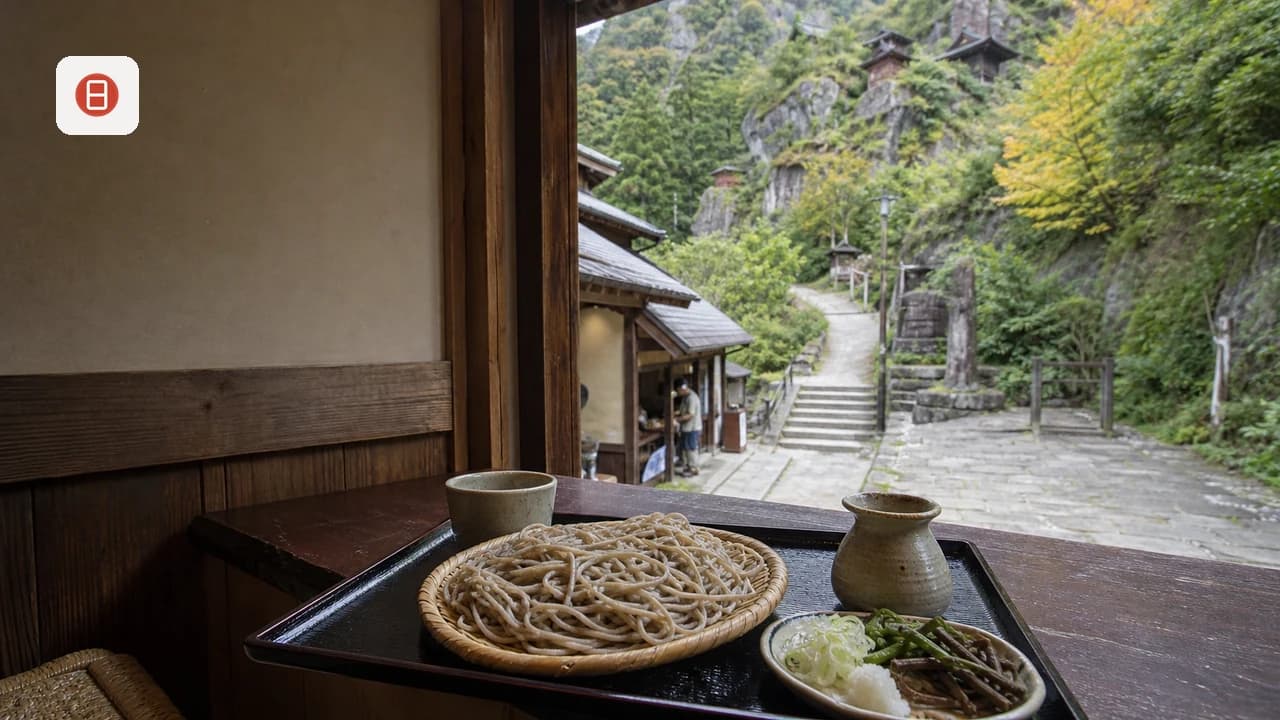
Yamadera Soba Restaurants and Ordering Guide
Compare Yamadera soba restaurants near the station, temple base, and river, with tips on Itagaki soba, seasonal menus, and timing around the 1,015-step climb.
On this page
Last updated August 2026, this guide breaks down Yamadera soba restaurants by location, style, and timing around the temple climb. Yamagata Prefecture is often called Japan's soba kingdom, and the noodle shops near Yamadera Station and the Rishakuji approach carry firm, handmade buckwheat noodles that reflect that reputation. Grab a fast bowl before the 1,015-step climb, or settle in for a longer sit-down meal once you're back down.
How to Choose a Yamadera Soba Restaurant
Yamadera packs a dense cluster of soba counters into a small mountain town, so narrowing the choice comes down to a few practical questions. Consider how close you need to be to the trail. Shops right by the station suit a tight train schedule, while ones at the base of the stone steps suit a slower morning. Seating comfort matters relative to the climb, too. Traditional tatami floor seating feels natural before you start, when legs are fresh. Chair-and-table setups can feel more welcome afterward, once 1,015 steps have worn out your knees. Noodle style is the third factor. Itagaki soba means firm noodles served on a plain wooden board. Juwari means a 100 percent buckwheat preparation with no wheat binder. Cost is rarely posted online for small-town shops like these, so check the board outside before you sit down. Simple cold zaru soba at a station-side counter is consistently the least expensive way to eat well in Yamadera. Multi-course sets with tempura and river views at a sit-down restaurant cost more.
Plan your noodle choice around the physical demand: the 1,015-step climb requires light fare like cold zaru before ascending but suits heartier tempura or duck sets during the descent when appetite returns.
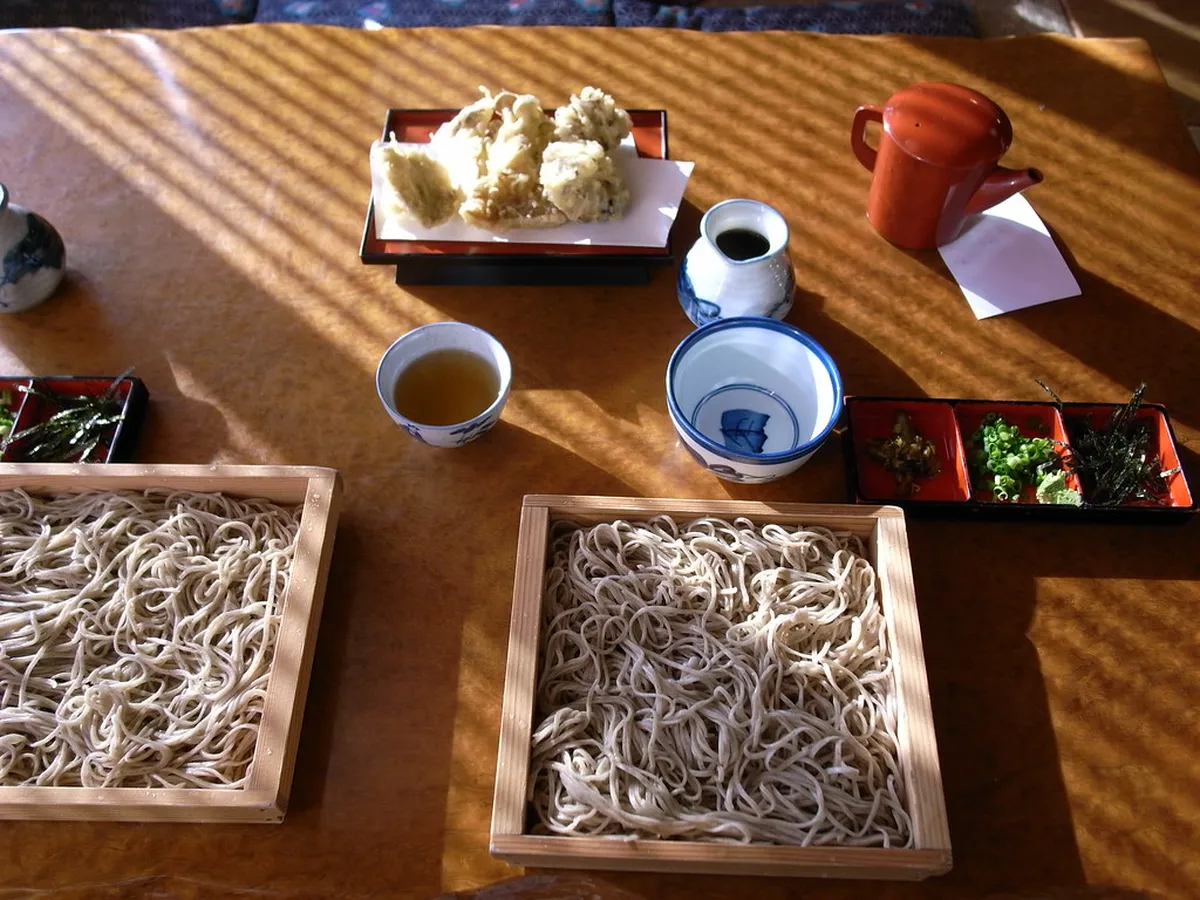
- Location: near the station, at the base of the stone steps, or along the river.
- Seating: tatami floor seating before the climb, chair-and-table seating after it.
- Style and cost: itagaki (firm, board-served) or juwari (100 percent buckwheat); cold orders cost less than multi-course sets.
Yamadera Soba Restaurants Near the Station, Temple Base, and River
Station-side counters work best before the climb, when a quick bowl and a fast turnaround matter more than the view. These shops cater to travelers moving straight from the train platform toward the trailhead, so expect efficient service rather than a leisurely meal. Shops clustered at the base of the stone steps to Rishakuji suit both directions of the climb. Order a light bowl on the way up, or a more filling set on the way down once appetite returns and legs need a rest. River-view spots sit apart from the main approach and reward a slower, sit-down meal, often the choice after finishing the climb rather than before it. Because Yamadera is a small town, exact shop names, seating counts, and hours shift with the season and with staffing on a given day. Confirm current listings and menus at the JR Yamadera Station information point before committing to a specific address. Look for photo-based point-and-order menus at the counter, common in small Japanese towns without English translations, since they let you order confidently without shared language.
Itagaki Soba, Juwari, and Other Yamagata Styles
Yamagata Prefecture is often called Japan's soba kingdom, thanks to a farming tradition favoring mountain-grown buckwheat over Tokyo's finer, refined noodles. Itagaki soba refers to how the noodles are served, piled on a plain wooden board rather than in a lacquered box. The noodles themselves tend to be thicker and firmer than the Tokyo standard, with a texture some travelers describe as rustic rather than delicate. Juwari soba is a different distinction. It is made entirely from buckwheat flour, with no wheat added as a binder. The result is a more crumbly texture and a stronger buckwheat flavor, and it tends to break more easily when picked up with chopsticks. Most everyday soba, in Yamadera and elsewhere, uses a blend of mostly buckwheat with a small portion of wheat flour added as a binder. That blend holds together more easily for both the cook and the eater, which is part of why it remains the standard order for anyone new to the dish.
Menu Terms to Know Before You Order
Yamadera soba menus use a handful of terms that repeat across nearly every shop in town, so learning them in advance speeds up ordering. Zaru soba is the cold, classic order: noodles on a bamboo tray with a separate dipping sauce, usually topped with shredded seaweed. Mori soba is nearly identical to zaru but often served without the seaweed topping. Kake soba is the hot version, served directly in a bowl of broth rather than on a tray. Tempura soba adds fried shrimp or vegetables, either dropped into the hot broth or served cold on the side as tenzaru soba. Nameko soba, topped with small, slippery mushrooms, is a common regional touch across Tohoku restaurants, Yamadera included. Kamo soba, made with duck, shows up more often on cold-weather menus and makes a heartier order after a chilly climb.
- Zaru soba: cold noodles on a bamboo tray with dipping sauce and shredded seaweed.
- Kake soba: hot noodles served directly in broth.
- Tempura soba: fried shrimp or vegetables added hot, or served cold as tenzaru soba.
- Nameko soba: hot soba topped with small mushrooms, common across the Tohoku region.
- Kamo soba: duck-based soba, a heartier cold-weather order.
Side Dishes and Soba-yu: Rounding Out the Meal
Soba sets rarely arrive alone. Skewered tama konnyaku is a near-constant side around Yamadera, simmered in a dark broth and sold from stalls as well as served at sit-down counters. Some restaurants also serve Yamagata's imoni taro stew, particularly in autumn when the dish moves from riverside cooking events into restaurant menus. Pickled vegetables, called oshinko, usually round out the tray at no extra charge, and the exact pickle changes with what is in season. At the end of the meal, ask for soba-yu, the hot, starchy water the noodles were cooked in. Pour it into the leftover dipping sauce and drink it like a light broth. The practice is standard across Yamagata and considered part of finishing the meal properly, not an optional extra, so do not be surprised when a server brings it unprompted.
Timing Your Meal Around the 1,015-Step Climb
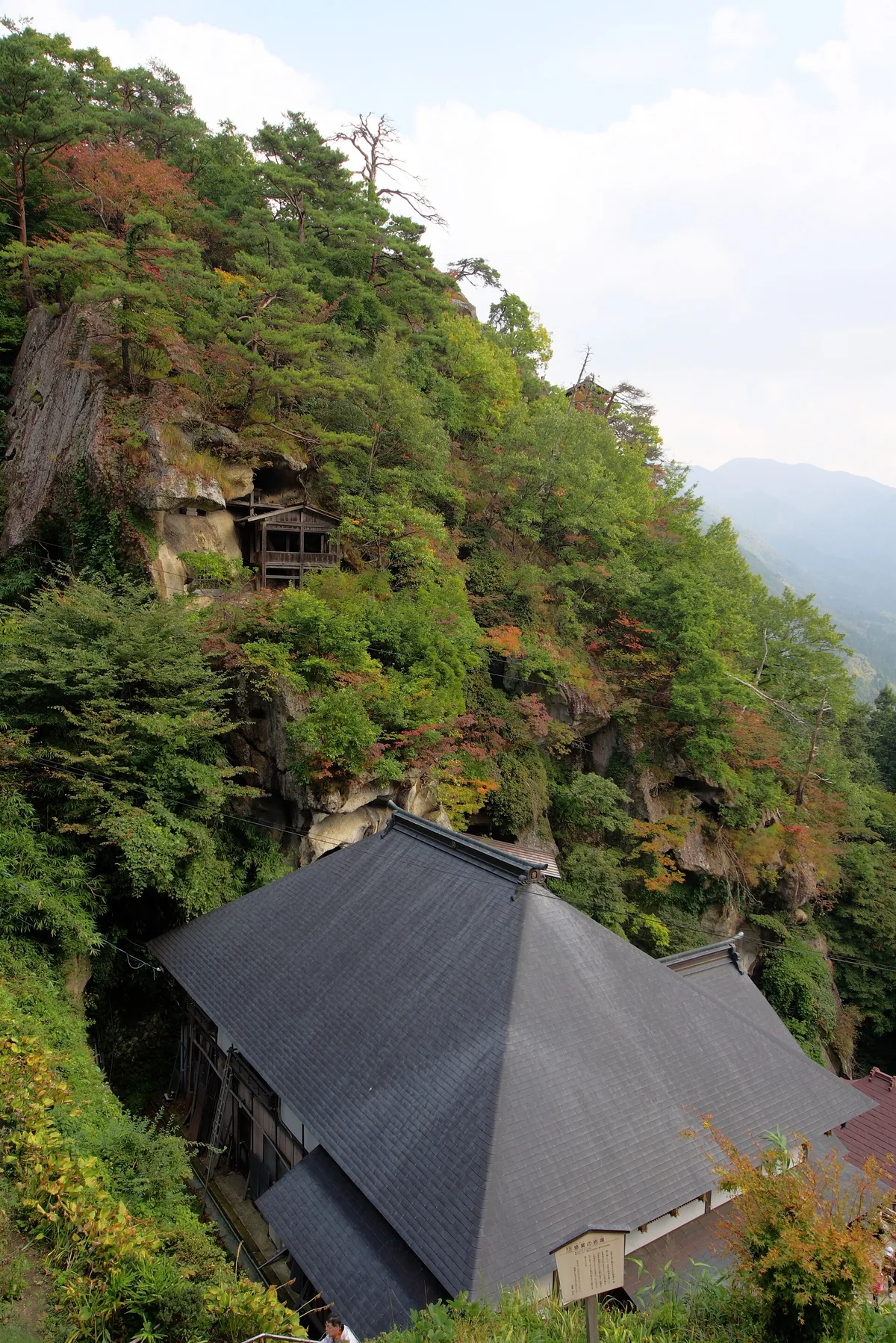
Eating before the climb calls for something light. A cold zaru soba or a small tempura soba gives enough carbohydrate without weighing down the 1,015 stone steps to Rishakuji's inner hall. Appetite usually returns once you're back at the base, which suits a heartier order after the climb, such as a tempura or duck soba set. Seasonal shifts change the experience more than the menu does. Cherry blossom season brings outdoor terrace seating at some restaurants, weather permitting, with views back toward the temple grounds. Autumn foliage season is the busiest stretch of the year in Yamadera, and seating fills fast around midday as tour groups arrive between trains. Winter snow pushes most dining back indoors to heated interiors, though cold soba stays on the menu even then, since the local preference for cold noodles does not disappear with the temperature. Anyone planning the full ascent should check Yamadera's temple climb logistics before locking in a lunch time, since a late-afternoon start can collide with a shop's closing hour.
Practical Planning: Hours, Rush Times, and Payment
Many Yamadera soba shops are small, family-run counters that close once the day's fresh noodles sell out, sometimes before the posted closing time. Several close entirely by around 4:00 PM, earlier than travelers used to city dining hours might expect. Build in a buffer rather than arriving at the last posted hour, especially outside peak tourist season when a shop might close even earlier for lack of demand. The lunch rush runs from roughly 12:00 PM to 1:30 PM, and it gets tighter during autumn foliage season, when tour groups add to the wait. Arriving right at opening, or waiting until after the 1:30 PM rush ends, avoids the worst of the crowding and often gets you a table without a queue. Smaller, traditional counters may be cash only, so carry yen as a backup rather than relying solely on a card, particularly away from the station's more tourist-facing storefronts. The table below summarizes how the three zones differ for planning purposes.
Afternoon climbers face competing timing pressures: shops close by 4:00 PM and the lunch rush runs 12:00 PM to 1:30 PM, so plan a light pre-climb meal early to avoid both the crowd and closing time.
| Zone | Closest To | Best For | Busiest Window |
|---|---|---|---|
| Station-side counters | JR Yamadera Station | A fast bowl before the climb | Before the 12:00 PM rush |
| Temple-base shops | The base of the stone steps to Rishakuji | Either direction of the climb | 12:00 PM to 1:30 PM |
| River-view restaurants | The valley floor away from the main approach | A slower sit-down meal after the climb | Early afternoon, especially in autumn |
Rounding Out Your Yamadera Meal
Soba lunch is often just one stop in a longer day of eating around Yamadera. Pair it with a stroll past the skewer stalls, or plan dessert afterward at a spot from the local sweets and gelato guide. If soba does not fit your schedule, or you want a wider set of quick options near the station, the Where to Eat Lunch in Yamadera: 7 Best Spots Near Risshaku-ji lists alternatives. For the complete picture of where and what to eat across town, start from the Yamadera food guide and work outward from there. Whichever counter you choose, build the meal around the climb rather than the other way around, since a good bowl of soba works best as fuel or reward, not as the day's only planned stop.
Specific Yamadera Soba Shops to Look For
Use a restaurant name when checking same-day opening, rather than choosing only by zone. These established local options give the guide’s broad location advice a practical starting point. Menus and service can change, so confirm details on arrival.
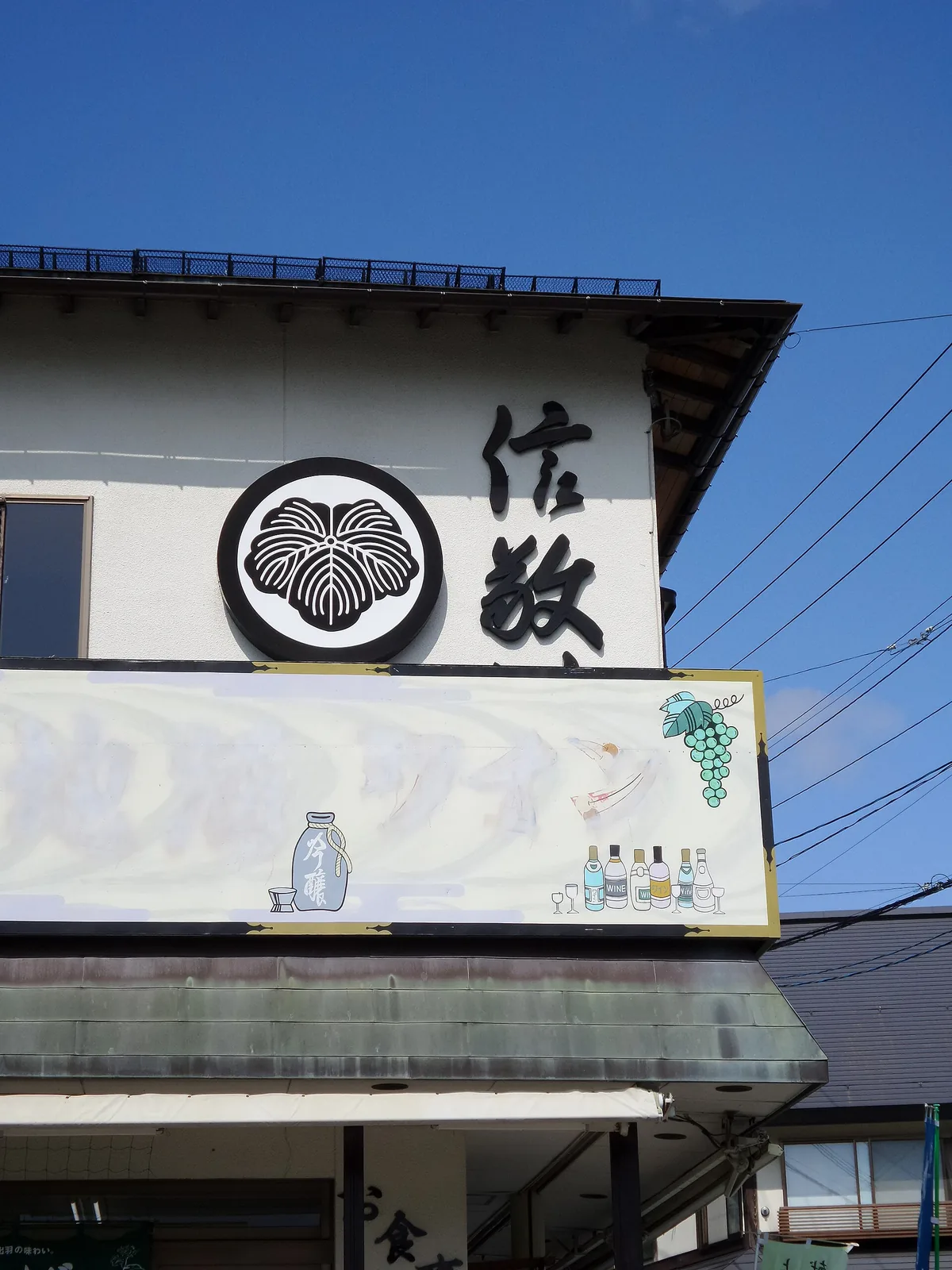
- Mitoya (美登屋): About three minutes from JR Yamadera Station and two minutes from the Konponchudo entrance. It serves hand-cut ni-hachi soba, Yamagata-style ita soba, and seasonal dashi soba.
- Takifudo Nama Soba (瀧不動生蕎麦): A choice for comparing pale sarashina-style soba with more rustic country soba. Its menu also includes duck dipping soba, tempura, and fried soba-gaki.
- Maidoya Shokudo (まいどや食堂): Consider this for a fuller regional meal, since it pairs soba with Yamagata imoni stew in set meals.
- Jorikibo (常力坊): A useful stop for travelers who want soba followed by freshly made mochi rice cakes.
For a quick pre-climb meal, Mitoya’s station-and-trailhead position is especially convenient. The other names work well as options when the first choice is busy.
How This Guide Was Verified
Food availability, access details, seasonal rules, and the time-sensitive claims in this guide were checked on August 22, 2026 against the official sources below. Independent restaurant menus, prices, opening days, and sell-outs can change, so confirm the operator's same-day notice before making a special trip.
Frequently Asked Questions
Is soba gluten-free in Yamadera?
Not by default. Many soba noodles contain wheat, while juwari noodles use 100% buckwheat; sauces may also contain wheat. Shared-kitchen cross-contact is possible but must be confirmed with the venue rather than assumed. People with a serious wheat or buckwheat allergy should not rely on the dish without clear operator guidance.
Are there vegetarian options for soba in Yamadera?
Hot soba is typically served in a dashi broth made with bonito flakes, so it usually is not vegetarian. Cold soba comes with a separate dipping sauce that is also often fish-based. Ask staff directly whether a kombu-only or vegetable-based broth is available, since it is not the default preparation.
Can you get cold soba in Yamadera during winter?
Yes. Cold zaru soba stays on the menu through winter in Yamagata, alongside hot options. The local preference for cold noodles runs year-round rather than switching entirely with the seasons. Restaurants pair it with heated indoor seating once snow arrives, so you still get the cold dish without a cold dining room.
Which soba restaurant is closest to JR Yamadera Station?
Several soba counters sit within easy walking distance of the station exit, useful if you want a fast bowl before starting the climb. Exact shop names and hours shift by season, so confirm current options at the station's information point on arrival rather than relying on an older list.
Do Yamadera soba restaurants take reservations?
Most small counters in Yamadera do not take reservations and seat guests as they arrive. Arriving right when a shop opens, or well outside the 12:00 PM to 1:30 PM rush, is the most reliable way to get a table without a wait. Larger, sit-down river-view restaurants are more likely to accept a phone reservation, so call ahead if you want a specific seat for a group.
How long should you budget for a soba meal in Yamadera?
A quick bowl at a station-side or temple-base counter moves fast, since the menu is short and the noodles are usually ready quickly once ordered. Sit-down meals at a river-view restaurant, especially a multi-course set with tempura and imoni, take longer and suit a more relaxed schedule after the climb. Build extra time into an autumn foliage visit, when the lunch rush between 12:00 PM and 1:30 PM slows table turnover everywhere.
Free guide: Japan's Hidden Gems
12 under-the-radar places beyond Tokyo & Kyoto — with the best season to visit each and a local tip you won't find in the guidebooks.
You might also like


Continue reading
More guides you'll find useful


