

Yakuoin Temple Food and Shojin Ryori Guide
Plan a Yakuoin shojin ryori meal with official temple guidance, reservation advice, menu context, dietary cautions, route timing, and nearby alternatives.
On this page
Last updated August 2026, Yakuoin temple food on Mount Takao means shojin-ryori: Buddhist vegetarian cuisine served inside Yakuoin Temple's halls near the summit. Booking it works differently from ordering tororo soba at a trailside restaurant, since the temple's phone line is answered in Japanese only. This guide covers what the formal meal involves, how to reserve it, and which casual alternatives near the temple need no reservation at all.
What Is Shojin-Ryori at Yakuoin Temple?
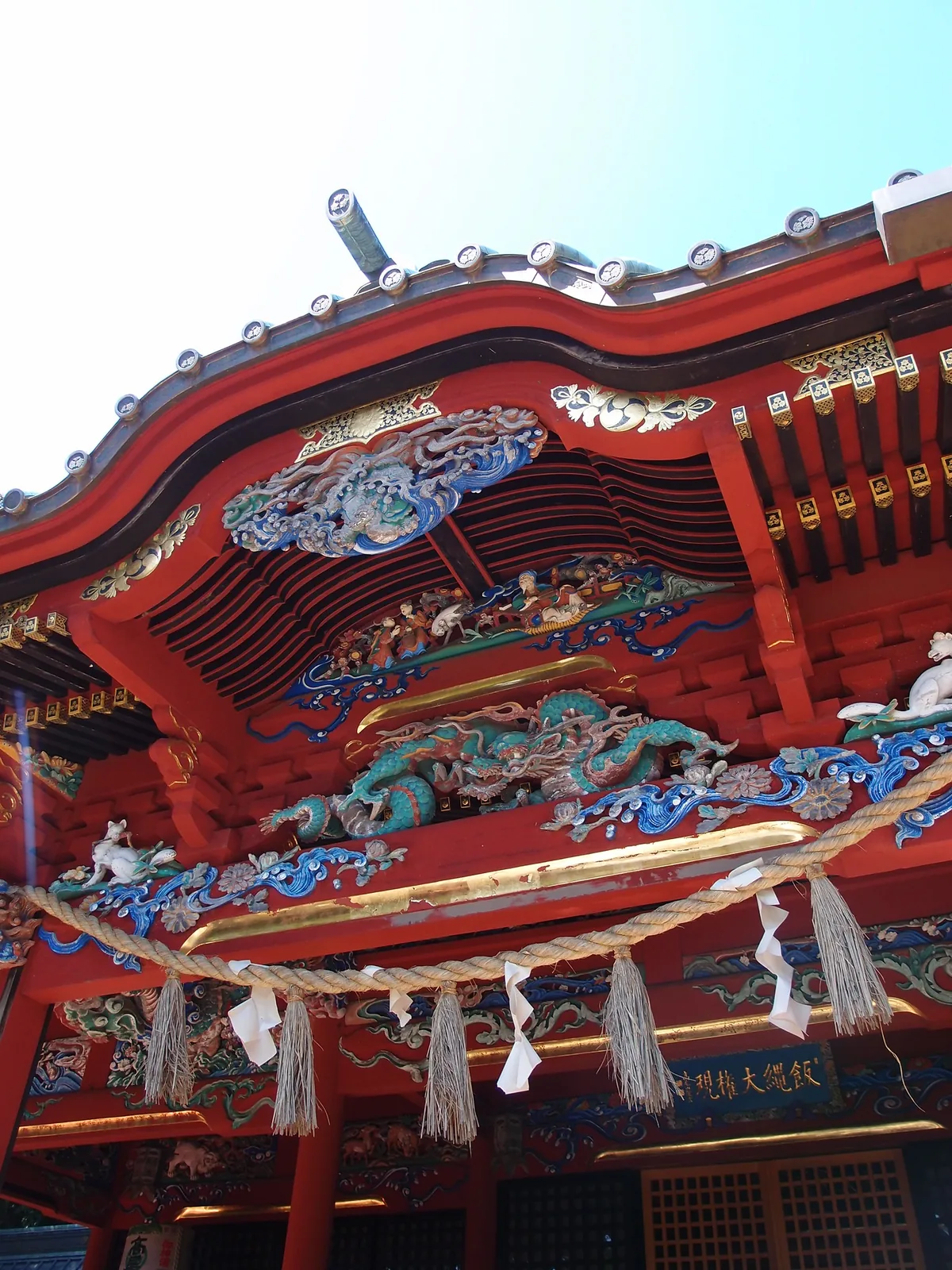
Yakuoin Temple is formally Takao-san Yakuo-in Yuki-ji, a Shingon Buddhist temple built below Mount Takao's 599m summit. Emperor Shomu ordered its founding in 744. Gyoki, later linked to the Great Buddha at Todai-ji in Nara, served as founder. Within Shingon Buddhism's Chisan sect, Yakuoin ranks alongside Naritasan Shinshoji Temple and Kawasaki Daishi Heiken-ji Temple as one of three major temples. Takaosan's official site describes shojin-ryori as food honoring all forms of life. Trainee priests eat this way daily, drawing on whatever the mountain's growing season provides. Yakuoin enshrines Izuna Daigongen, a deity connected to the tengu carved throughout the grounds. Visitors can request shojin-ryori with advance reservation. That reservation line is the same 042-661-1115 number used for the temple's general office contact.
Yakuoin Temple Food on Mount Takao: What to Expect
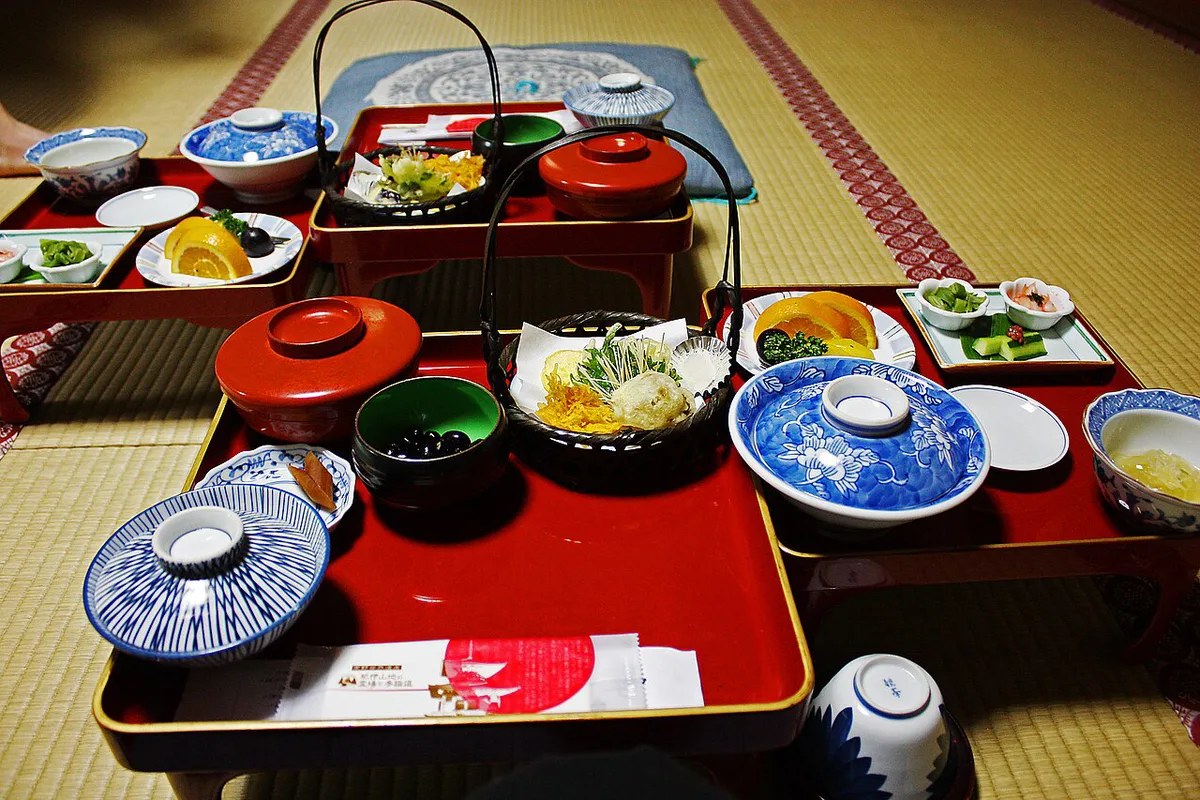
Shojin-ryori at Yakuoin is served inside the temple's own halls, not at a roadside restaurant. The dining space is set for reserved lunches, and menus change with the season. The official 2026 page lists two tax-inclusive courses: Tengu-zen at ¥3,300 and Takao-zen at ¥4,400. Rice, soup, tofu, and simmered or pickled vegetables are typical of the style, but the exact dishes are not fixed. Travelers who want a slower cultural pause mid-hike tend to get more out of the format than those keeping a tight schedule. Many pair the meal with a temple visit rather than treating it as a separate stop, since both happen in the same complex.
Booking the Formal Meal: Phone-Only Reservations
Reserve shojin-ryori by calling Yakuoin at 042-661-1115 between 9:00 a.m. and 4:00 p.m. The regular courses must be booked at least two days before the visit, start with a minimum party of two, and are served between 11:00 a.m. and 2:00 p.m. The published guidance also says to discuss food allergies when booking and notes that reservations may be unavailable from mid-December to early February or during temple events. The reservation information is in Japanese, so a hotel concierge or Japanese-speaking contact can help. If the formal meal does not fit, casual alternatives near the temple need no reservation; the tororo soba guide covers those.
Etiquette Inside Yakuoin's Dining Hall
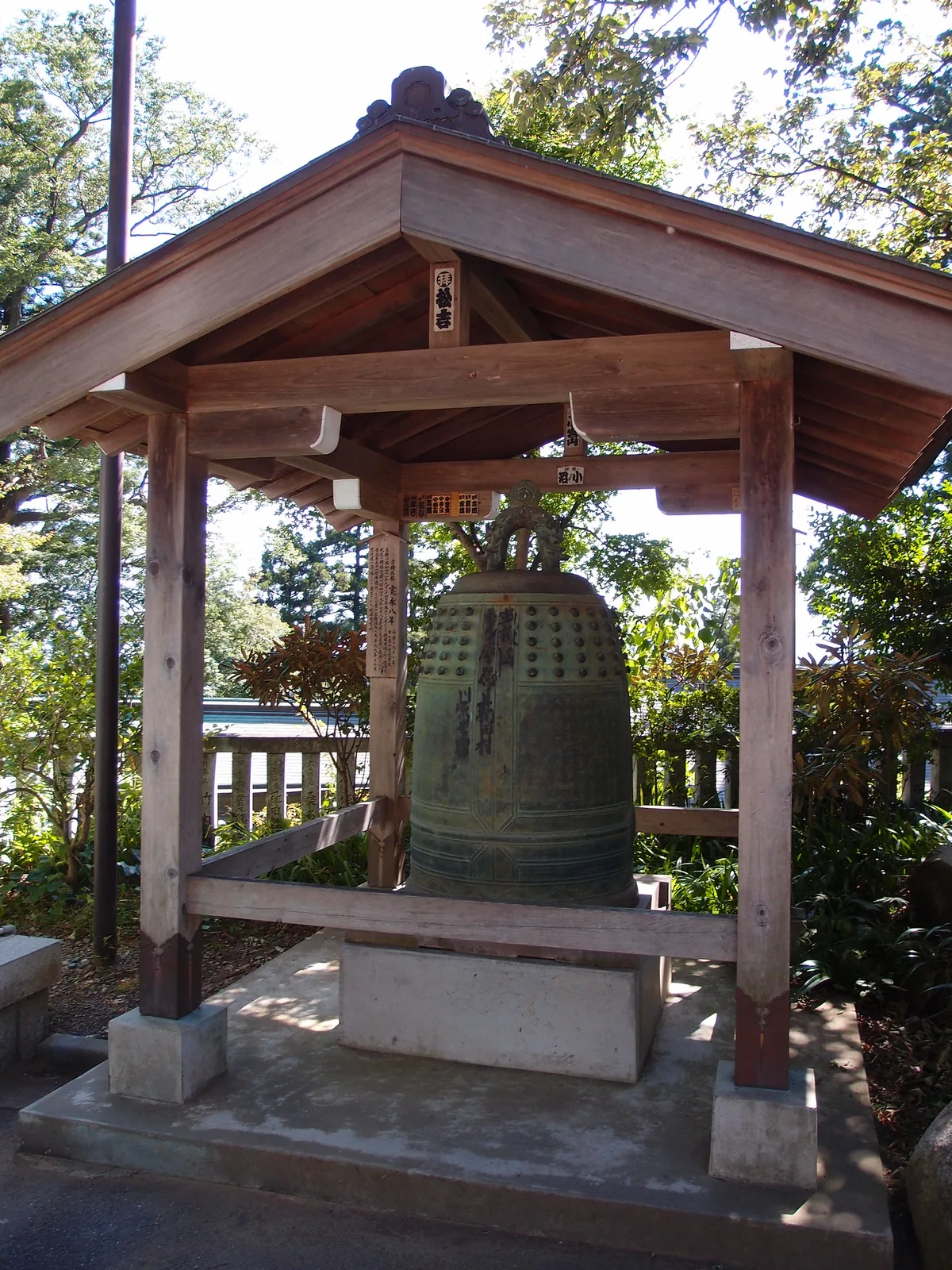
A shojin-ryori seating is a formal appointment, not a drop-in meal. Arrive on time, since the kitchen times each course to the group's reserved slot. Keep voices low inside the dining hall, the same expectation temples set throughout the grounds. Turn off phone ringers before the meal starts, the same courtesy expected inside the prayer halls. Silence phones and cameras during any part of the service that overlaps with a prayer or blessing. Photography rules vary by hall, so ask before taking pictures of the meal or the room. Dress modestly, as you would for any temple visit, and remove muddy hiking boots if asked. Finish the course you are served rather than requesting substitutions, since shojin-ryori kitchens cook to the reservation, not to individual preference. Tipping is not part of temple dining in Japan, so there is no need to leave money beyond the reservation itself.
The Sessho Kindan Rule and Realistic Vegetarian Expectations
Near the temple entrance stands a sign reading sessho kindan, meaning no killing. The meal follows Buddhist vegetarian principles, but strict vegans and travelers with allergies should still confirm ingredients during the required reservation call rather than infer every detail from the cuisine's name. Yakuoin's official page explicitly asks guests to discuss allergies when booking. Casual soba elsewhere on Takao is a different case: broth often uses fish-based dashi, and Sumika ended its dedicated vegan menu in October 2025.
Shojin-Ryori vs Tororo Soba: Which Mount Takao Meal Fits Your Visit
The table below lines up the two main ways to eat near Yakuoin Temple. Choose the formal course for a seated, plant-based meal booked ahead by phone. Choose the casual route to eat on your own schedule with no reservation needed. More walk-in options across the mountain appear in the budget and vegetarian food guide.
| Feature | Yakuoin Shojin-Ryori | Tororo Soba at Takao Sumika |
|---|---|---|
| Setting | Seated meal inside temple halls | Casual restaurant counter |
| Reservation | Required, phone only (042-661-1115) | Walk-in, no booking needed |
| Typical time | Allow an unhurried reserved lunch | About 20-30 minutes |
| Dietary status | Buddhist vegetarian; confirm strict vegan and allergy needs | Confirm dashi if vegetarian or vegan |
| Price reference | ¥3,300 Tengu-zen or ¥4,400 Takao-zen | ¥1,100 tororo soba, ¥700 beer |
| Best for | An unhurried, culturally immersive meal | A quick refuel between trails |
Tengu-Yaki, Sanpuku Dango, and Other Snacks Near the Temple
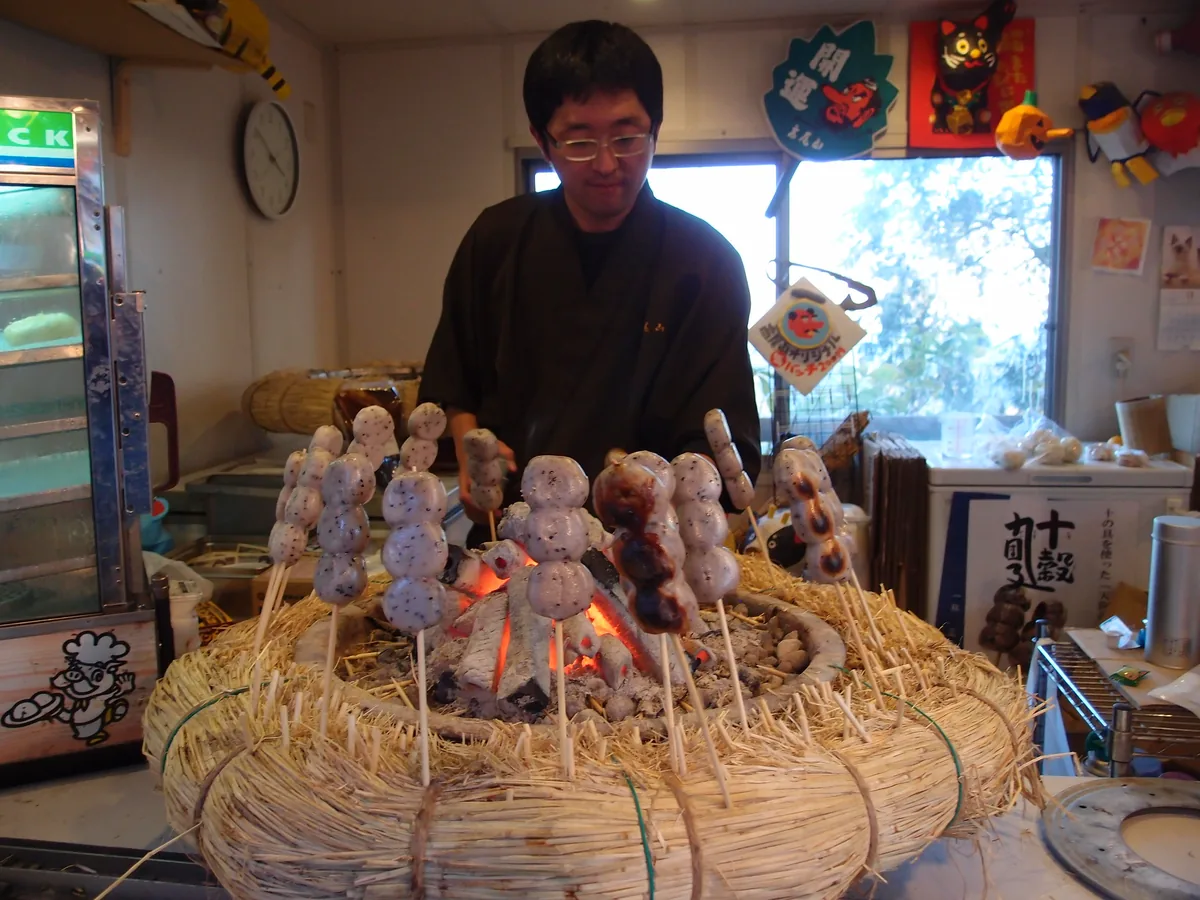
Tengu-yaki is a black-bean pastry named for the tengu carved throughout Yakuoin's halls. The official 2026 price is ¥250 each. Mitsufuku dango is a charcoal-grilled rice dumpling with walnut miso, listed at ¥500 per skewer. Both are sold at Takao Sumika near Takaosan Station and are quick alternatives to a reserved temple meal. Sumika Table, the former second-floor cafe, closed in March 2025, so do not plan around older cafe listings. Other tengu-themed snacks appear in the Tengu-yaki and sweets guide.
The Power Spot Route Between Cable Car and Temple
Trail 1 between the cable car station and Yakuoin passes several stops tied to the mountain's tengu legend. The Takosugi, a sacred cedar about 37 meters tall with a 6-meter trunk circumference, stands near the start of the path. It is roughly 450 years old, and its curled roots gave rise to the tree's octopus nickname. Next to it sits Kaiun Hippari Dako, an octopus statue many climbers pat for good luck. Further along, look for the Rokkonshoujyo ishiguruma, stone prayer wheels used to purify the six senses. About 18 of these wheels are scattered across the mountain, meant to be turned six times while chanting to 108. Inside the temple grounds, the Negai Kanau Wakuguri ring lets visitors pass through while making a wish. Afterward, strike the Daishakujo staff while stating your name and address. Working through these stops before or after the meal fits naturally into the same walk, since they sit along the path to Yakuoin's halls.
Getting to Yakuoin Temple for a Meal
The Keio Line runs from Shinjuku to Takaosanguchi Station in around 50 minutes. From there, the cable car climbs to the mountainside station in about six minutes on a 31-degree gradient. The regular timetable starts at 8:00 a.m. and generally runs at 15-minute intervals. Adult fare is ¥490 one way or ¥980 round trip; child fare is ¥250 one way or ¥500 round trip. From the cable car or lift station, it is roughly a 20-minute walk to Yakuoin Temple. Hikers can skip the cable car and take Trail 1 instead, passing the Takosugi cedar and climbing the 108 steps of Otoko-zaka. Entry to Yakuoin Temple itself is free; the ride and reserved meal are the main optional costs. Trail details appear in the Mount Takao attractions guide.
Though cable cars run every 15 minutes starting at 8:00 AM, their final departure varies by season. Verify the current last-car time before booking an afternoon meal, since the temple times each course to your reservation.
Timing Your Visit Around the Reservation
Build the hike around the 11:00 a.m.–2:00 p.m. meal window, not the other way around. Hiking Trail 1 from Takaosanguchi Station to the temple takes roughly 40 to 60 minutes. Riding the cable car instead leaves about a 20-minute walk from the mountainside station. The final cable car varies by month and can change with weather, so confirm the current timetable before planning a late descent. Temple stamps and stamp-book prices can also change; check the current temple counter rather than relying on an old amount.
The commute from Shinjuku takes 50 minutes, but reservations only accept calls during 9:00 AM to 4:00 PM office hours. Since most travelers cannot call the temple and immediately arrive, arrange your booking from Tokyo beforehand.
After the Meal: Summit Views, Beer Mount, and the Onsen
From Yakuoin Temple, it is about a 30-minute walk further up to the 599m summit. Mount Fuji is visible from there on clear days. Beer Mount's official 2026 season runs from May 30 to November 29, with date-specific shoulder-season hours; see the Beer Mount guide. Takao Sumika opens 10:00 a.m.–4:30 p.m., closing at 4:00 p.m. in winter and potentially closing for weather. Back at the base, Keio Takao Onsen Gokurakuyu currently lists ¥1,100 weekday and ¥1,300 weekend/holiday adult admission, open 8:00 a.m.–10:30 p.m. with last entry at 9:45 p.m. For the wider food picture, the Mount Takao food guide rounds up the mountain's options.
How This Guide Was Verified
Prices, hours, and booking rules were checked on August 22, 2026 against official Takao Tozan Railway, Beer Mount, and Yakuoin information. Same-day schedules and food stock can change with weather.
Frequently Asked Questions
Do you need a reservation for shojin-ryori at Yakuoin Temple?
Yes. Book at least two days ahead by calling 042-661-1115 between 9:00 a.m. and 4:00 p.m. Regular reservations start at two people, and meals are served between 11:00 a.m. and 2:00 p.m.
Is Yakuoin's shojin-ryori vegan?
It follows Buddhist vegetarian principles, but strict vegans and travelers with allergies should confirm the current menu while booking. The temple explicitly asks guests to discuss food allergies during the reservation call.
What can you eat near Yakuoin without a reservation?
Takao Sumika offers walk-in food near the upper cable-car station. Its official menu lists tororo soba at ¥1,100, Tengu-yaki at ¥250, and Mitsufuku dango at ¥500. Confirm broth ingredients if you are vegetarian or vegan.
How much does shojin-ryori at Yakuoin cost?
The temple's official 2026 page lists Tengu-zen at ¥3,300 and Takao-zen at ¥4,400, including tax. Menus vary by season, and regular bookings require at least two people.
How do you get to Yakuoin Temple from Tokyo?
Take the Keio Line from Shinjuku to Takaosanguchi Station, about 50 minutes. From there, ride the cable car for about six minutes, or hike Trail 1 for roughly 40 to 60 minutes. Either route leaves a short walk to the temple, about 20 minutes from the cable car station.
Can you visit Yakuoin Temple without eating shojin-ryori?
Yes. Entry to the temple grounds is free, and the shojin-ryori reservation is optional. Many visitors climb Mount Takao, tour Yakuoin, and eat casual food like tororo soba or tengu-yaki instead.
Free guide: Japan's Hidden Gems
12 under-the-radar places beyond Tokyo & Kyoto — with the best season to visit each and a local tip you won't find in the guidebooks.
You might also like


Continue reading
More guides you'll find useful


