Masuzushi Bento for the Tateyama Alpine Route
Learn where to buy Toyama masuzushi for the Alpine Route, how to choose a size, follow package storage guidance, and pick a practical picnic stop.
On this page
Last updated August 2026: a masuzushi bento is the most practical lunch for the Tateyama Kurobe Alpine Route. It's pressed trout sushi packed in a round wooden press, and Toyama Station sells the widest variety before you board. This guide covers where to buy a masuzushi bento Tateyama Alpine Route travelers can trust, how to pick a size, and where to eat it.
Toyama's Signature Ekiben for the Tateyama Kurobe Route
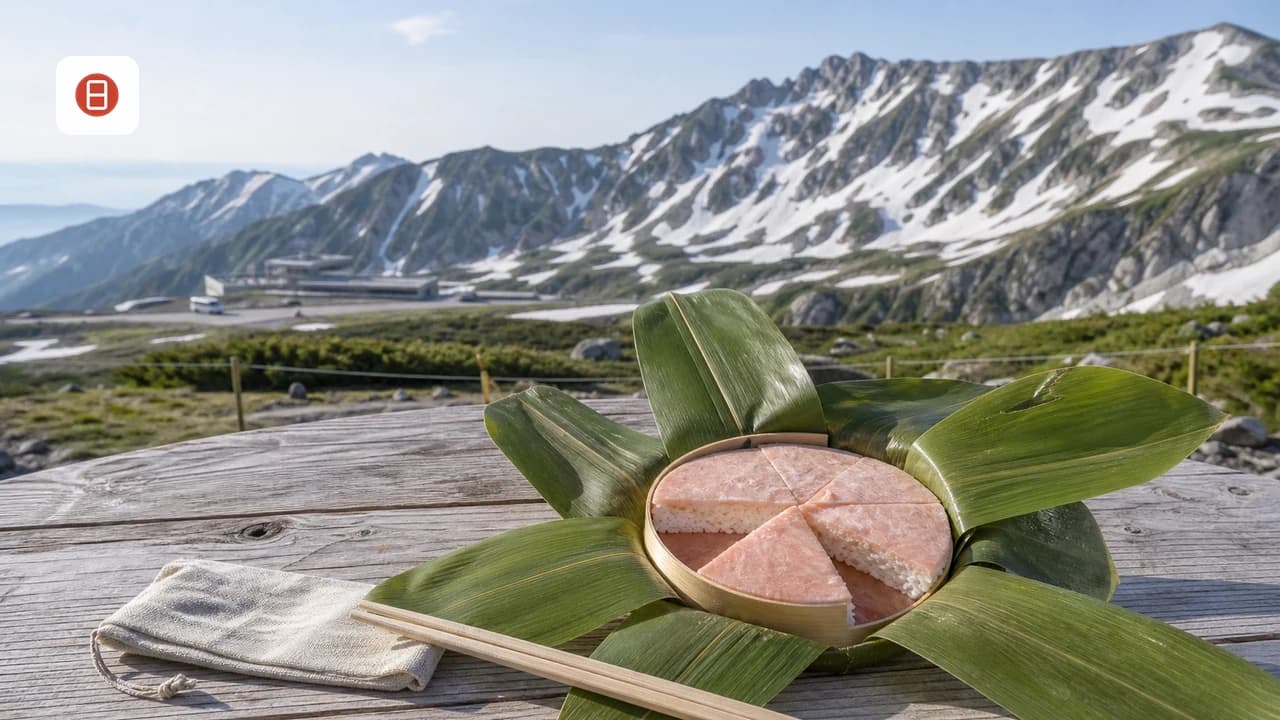
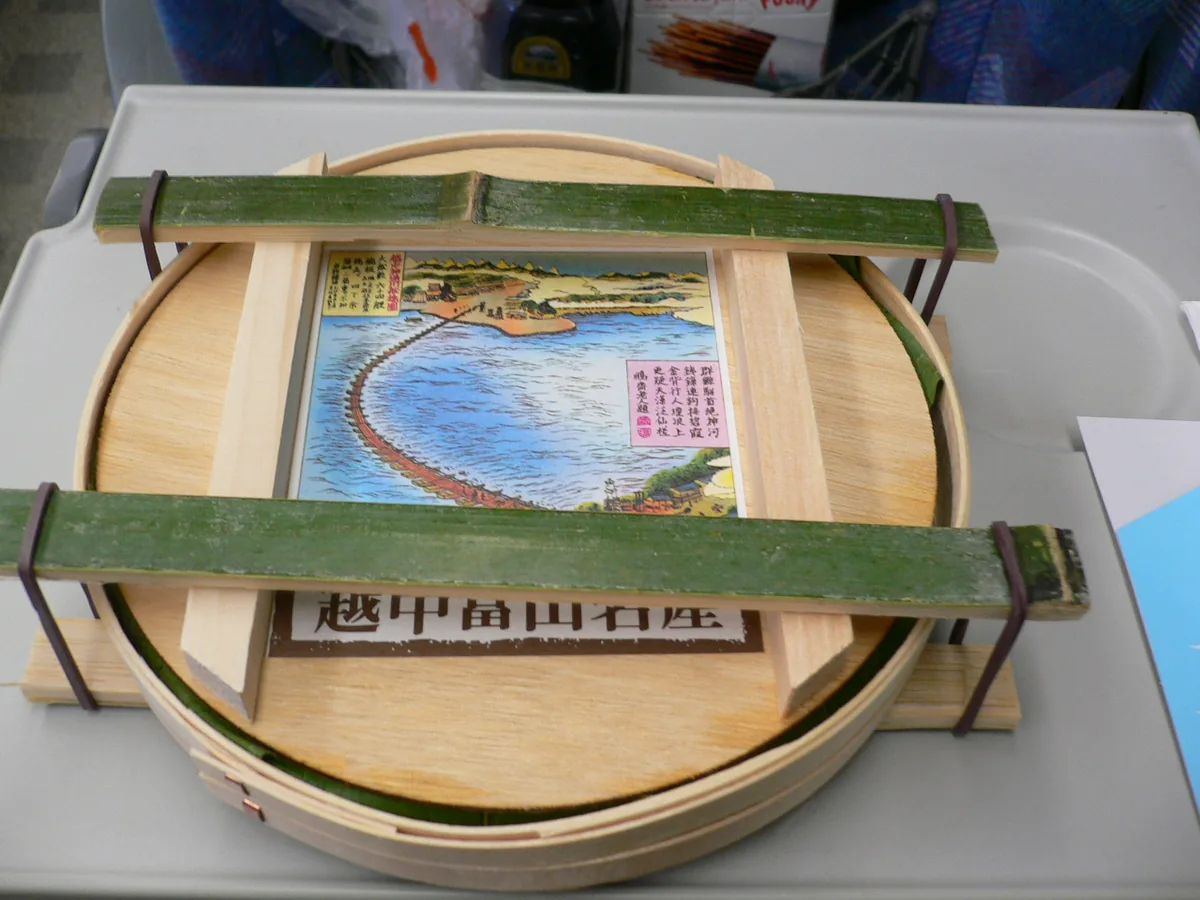
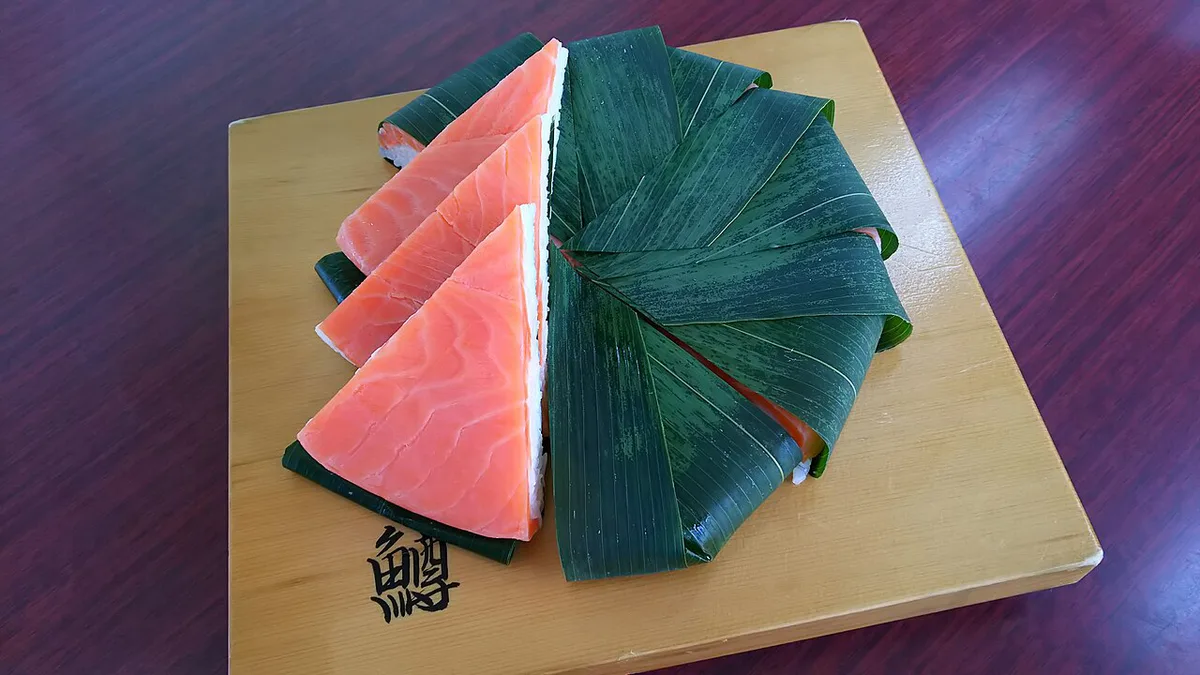
Masuzushi is Toyama's best-known ekiben, a station bento sold across the prefecture long before the Alpine Route existed. Trout fillets sit pressed over vinegared rice, wrapped in bamboo leaves inside a round cedar or bamboo mold. Hikers adopted it because it travels well and needs no reheating. Ekiben culture across Japan pairs a regional specialty with a train journey. Toyama's version centers on trout, not the mackerel or salmon used elsewhere. The Alpine Route crosses a national park with limited dining options once you leave the base stations. That's exactly the gap masuzushi fills. Treat it as the default lunch plan, not a backup. Build your morning around picking one up before the first train or bus leg. For a wider view of the region's dishes, see this regional food guide.
Why Masuzushi Works as Alpine Trail Food
Masuzushi travels well because the round press protects the rice and cured trout from being crushed. Vinegared rice and bamboo leaves are part of the traditional preparation, but storage instructions and use-by dates vary by producer. Follow the label on the exact box you buy. Minamoto recommends keeping its product around normal indoor temperature, away from direct sun and hot places such as a car trunk; in summer, choose the coolest practical place and eat it within the printed date. Do not treat the wrapping as permission to leave the box in a warm pack indefinitely. Rice supplies carbohydrate and the trout adds protein, making a correctly stored portion a substantial trail lunch. For broader trail nutrition and backup options, use this hiking food guide.
- Portability: the wooden press holds its shape under backpack weight.
- Storage: follow the producer's label and keep the box away from heat and direct sun.
- Energy density: rice and trout combine carbohydrate and protein for sustained walking.
Masuzushi vs Other Portable Trail Food
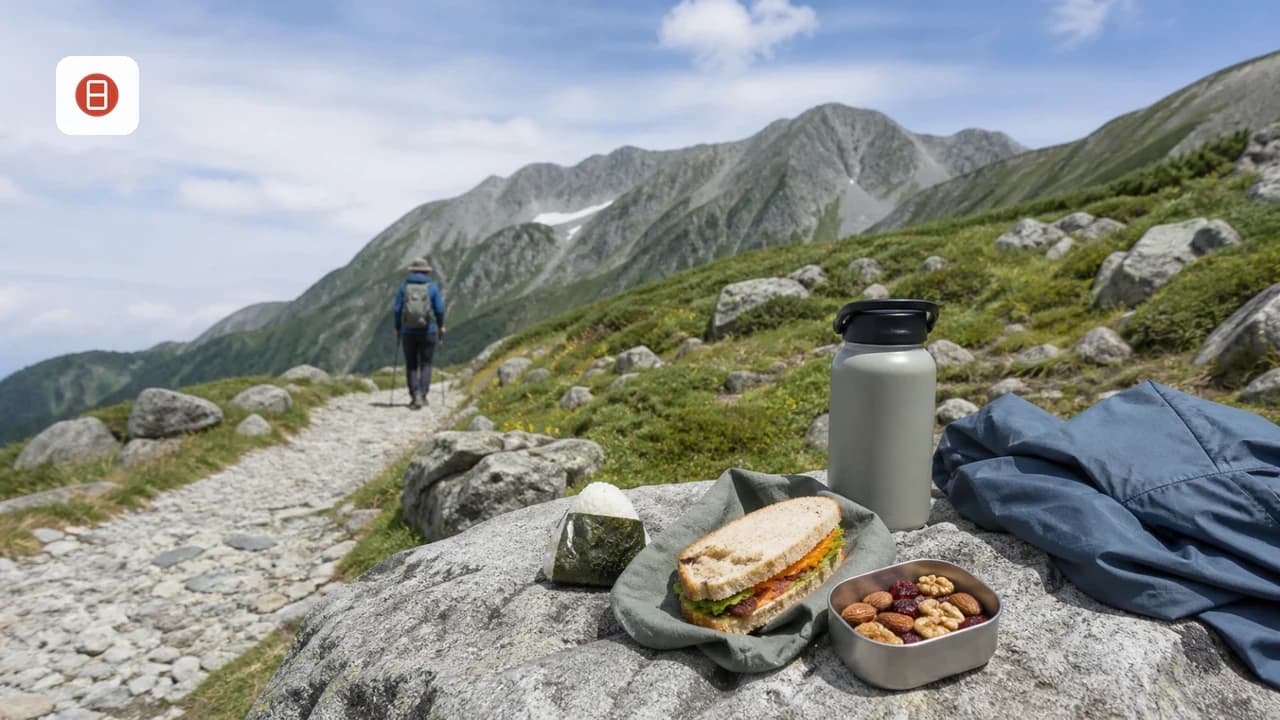
Convenience stores near Toyama Station sell onigiri and sandwiches that are lighter to carry, while masuzushi's rigid press protects it better inside a crowded pack. The trade-off is weight and shape: the round box needs a flat spot rather than a flexible side pocket. Food safety cannot be ranked reliably by category alone because fillings, packaging, use-by dates, and temperature all matter. Read each product's label, avoid buying more than you can store correctly, and eat perishable food before it spends hours in a warm pack.
| Option | Room-Temp Stability | Trail Practicality |
|---|---|---|
| Masuzushi | Use the producer's printed date and storage instructions | Rigid press needs a dedicated pack spot |
| Onigiri | Check the filling, label, and storage instructions | Light and easy to tuck in a side pocket |
| Sandwich | Keep chilled when the label requires it | Easy to crush; eat early if carrying without a cooler |
| Makunouchi bento | Follow the label for mixed cooked ingredients | Wide tray needs a flat, protected pack position |
Where to Buy Masuzushi Bento on the Tateyama Alpine Route
Where you buy shapes both selection and the weight carried on the first train. Toyama Station is the hub, with shops stocking the widest range of masuzushi, including well-known maker Minamoto alongside smaller artisanal shops. A single-layer box typically runs ¥1,500–¥2,500, and a double-layer box costs more. Travelers who want a hot breakfast before departure can check this station restaurant guide. Dentetsu-Toyama Station, the private-rail station used for the connecting local train, works as a fallback for a fast grab. Tateyama Station carries a smaller selection, useful for hikers who prefer not to carry a bento on the first leg. Murodo stocks masuzushi only in limited quantity near the top of the route, and it often sells out early. A sit-down option is worth comparing against this Murodo dining guide. Kiosk hours shift by season, so confirm current opening times before an early departure. Buy masuzushi at Toyama Station before boarding the first leg toward Tateyama, since food service on the mountain sections is limited until Murodo. Queues can build at well-known shops during the busiest travel weeks, so plan buffer time before your scheduled departure. If a specific maker sells out, ask staff which nearby counter still has stock rather than waiting for a restock. Vending machines and convenience stores near the station carry water and snacks. Masuzushi itself is a specialty-shop item, not something stocked at a general kiosk.
| Purchase Point | What You'll Find | Best For |
|---|---|---|
| Toyama Station | Widest brand selection, including Minamoto | Maximum variety and a pre-trip breakfast stop |
| Dentetsu-Toyama Station | Small kiosk selection | A fast grab before the local train |
| Tateyama Station | Limited selection | Skipping extra weight on the first train leg |
| Murodo | Very limited, often sold out | Backup only, not a reliable plan |
Choosing Your Bento: Layers, Cuts, and Styles
Masuzushi comes in single-layer and double-layer rounds, and the choice depends on group size. A single-layer box suits one hiker as a full lunch. A double-layer box works for two people sharing, or for one hiker who wants leftovers at a second stop. Groups of three or four hikers often split two double-layer boxes rather than buying individually. That spreads both the cost and the pack weight across the group. Solo hikers on a long day should stick with a single-layer box. A double-layer round adds bulk without much added benefit for one person. Either size fits easily into a side pocket if you keep the press level. Beyond layer count, some makers offer a thick-cut trout style alongside the traditional thin-sliced version. The thick-cut style has a firmer bite and shows the fish more visibly under the rice. The traditional thin-sliced style is more common and tends to be the cheaper of the two at most counters. Some shops pre-cut the round into wedges before wrapping; others leave it whole with a plastic knife tucked inside the box. Pre-cut versions are easier to eat one-handed on a bench or rock, since there's no cutting required. The traditional whole round needs a flat surface and a steady hand with the included knife. That's harder to manage on a narrow trail edge or a windy overlook.
Best Picnic Spots for Masuzushi Along the Route
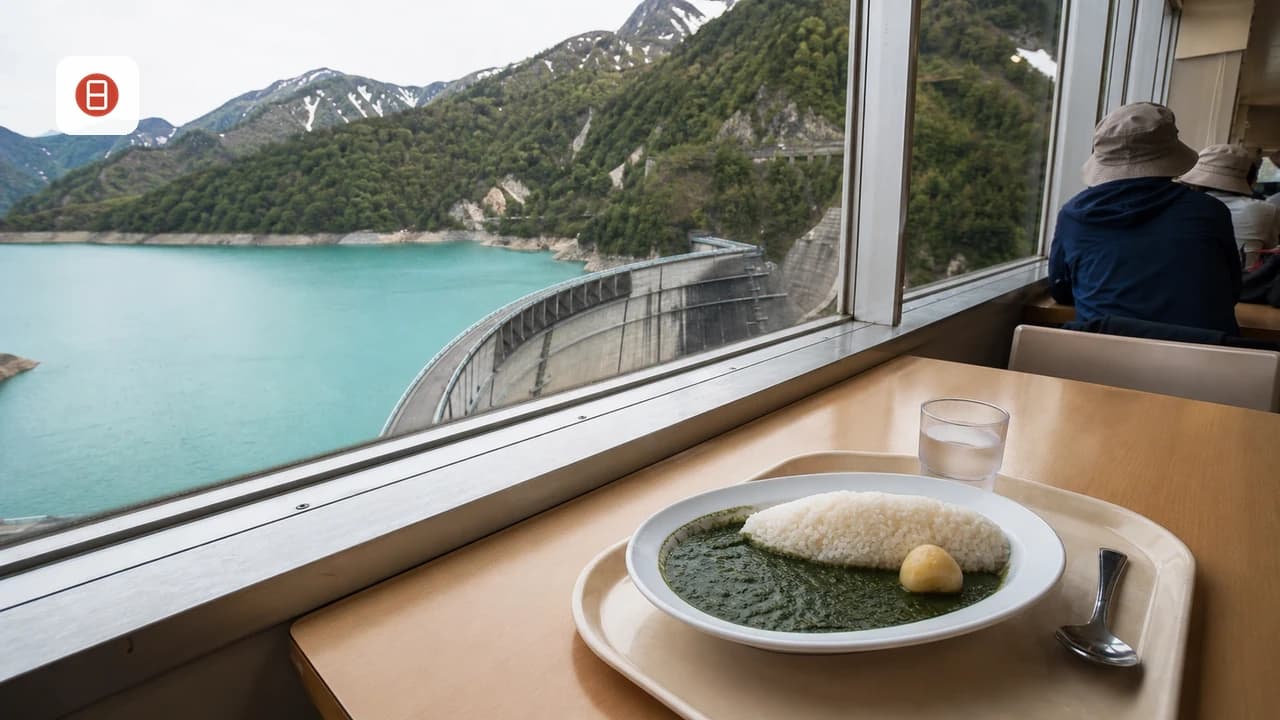
Mikurigaike Pond, a short walk from the Murodo terminal, is the standout picnic stop on the route. Benches and open ground around the pond let you eat with a view of the surrounding peaks. That beats the wait that often builds at the Murodo cafeteria around midday. Spring visitors often eat within view of the snow corridor near Murodo. Autumn hikers get the same pond view framed by turning foliage on the slopes above Mikurigaike. Both seasons draw crowds to the same handful of benches. Arriving slightly ahead of the peak midday window secures a clear-view spot. Daikanbo, reached by the rope-way section of the route, has an open rooftop deck with views toward Kurobe Lake. It's a quieter option than the main platform below. Kurobe Dam, on the lower end of the route, gives a calmer, lower-altitude spot for an afternoon break once the crowds thin out. Each of these stops sits near other sights worth building into a full day. See this Tateyama Kurobe attractions guide for the wider itinerary.
Leave No Trace: Packing Out the Press and Bamboo Leaves
Chubu Sangaku National Park has no general waste bins along the trail. Plan to pack out what you bring in until you reach a proper disposal point. The park's pack-in, pack-out ethic extends to every wrapper, wooden lid, and used pick, not just food scraps. Bamboo leaves decompose eventually, but dropping them on the trail still counts as litter inside a protected boundary. Fold the used leaves back into the wooden press before zipping it into a bag. That keeps nothing loose shifting around in your pack on the way down. Overnight hikers who plan to eat in the huts themselves should also look at this mountain hut meals guide before packing. Masuzushi holds well at room temperature, but it still isn't heatproof. Keep the box out of direct sun and off a hot dashboard or window ledge. Prolonged heat dulls the flavor and speeds spoilage faster than the bamboo wrap can offset.
- Station platforms and the Murodo terminal have dedicated bins for bento trays, wooden presses, and bamboo leaves.
- Mountain huts higher on the route generally do not have bins, since supply runs up there are limited.
- Carry a small bag to hold the empty press and leaves until you reach a station or terminal with proper disposal.
How This Guide Was Verified
Station hours and operating periods were checked on August 22, 2026 against the official Tateyama Kurobe Alpine Route food directory. Hut meals and retail stock remain property-specific, so confirm those directly before relying on them.
Frequently Asked Questions
Is masuzushi raw?
The trout is cured with salt and vinegar rather than served as untreated raw fish. Storage and use-by guidance still comes from the individual producer, so check the label instead of relying on the curing method alone.
Can you buy masuzushi at the end of the route in Omachi?
Masuzushi is a Toyama-side specialty, so selection thins out on the Nagano side of the route. Omachi Station kiosks do not carry the same range of brands found at Toyama Station. Buy the bento before starting the route on the Toyama side, especially for a specific maker like Minamoto.
Does it come with chopsticks and soy sauce?
Most boxes include a disposable pick or small set of chopsticks packed under the lid. A soy sauce packet is common, though not universal across every maker. Check inside the box before boarding, since running back for a missing packet costs time on a tight transfer.
Is there a vegetarian version?
Standard masuzushi is built around trout, so it is not vegetarian. Some shops sell yasai-zushi, a vegetable-topped pressed sushi, as an alternative. Plain inari-zushi, seasoned tofu pockets filled with rice, is another widely available vegetarian option at station kiosks. Availability varies by shop and day, so check the case at the counter before committing to one bento over another.
How much does a masuzushi bento cost?
Expect roughly ¥1,500 to ¥2,500 for a single-layer box, with double-layer boxes priced higher. Exact pricing varies by maker and by season, so treat this as a planning range rather than a fixed number. Toyama Station's wider selection also means a broader price spread than the smaller kiosks at Tateyama Station.
Should you buy masuzushi the night before starting the route?
Only if the producer's printed use-by date and storage instructions cover the overnight period. Keep the unopened box in the cool location specified on its label, away from direct sun and hot vehicles. If those conditions are uncertain, buy it on the morning of travel instead.
What should you do with leftovers if you can't finish the box?
Follow the producer's instructions after opening. If the remaining sushi has been warm for an uncertain period or cannot be stored as directed, discard it rather than saving it for the next day. Pack the box and leaves out to a proper waste point.
Free guide: Japan's Hidden Gems
12 under-the-radar places beyond Tokyo & Kyoto — with the best season to visit each and a local tip you won't find in the guidebooks.
You might also like

Continue reading
More guides you'll find useful