Tateyama Kurobe Mountain Hut Meals
Know what to expect from Tateyama mountain hut meals, including booking, dinner and breakfast timing, dietary limits, costs, payment, and etiquette.
On this page
Last updated August 2026, Tateyama mountain hut meals follow a predictable daily rhythm on the Murodo loop. Expect a hot dinner, an early bento or dining-hall breakfast, and a stocked shop for day-trippers passing through. Booking rules, arrival cutoffs, and altitude all shape what's on your plate, from Ichinokoshi Sanso's 2,705-meter dining room to Mikurigaike Onsen's post-hike ice cream.
The Tateyama Mountain Hut Meals Experience: What to Expect
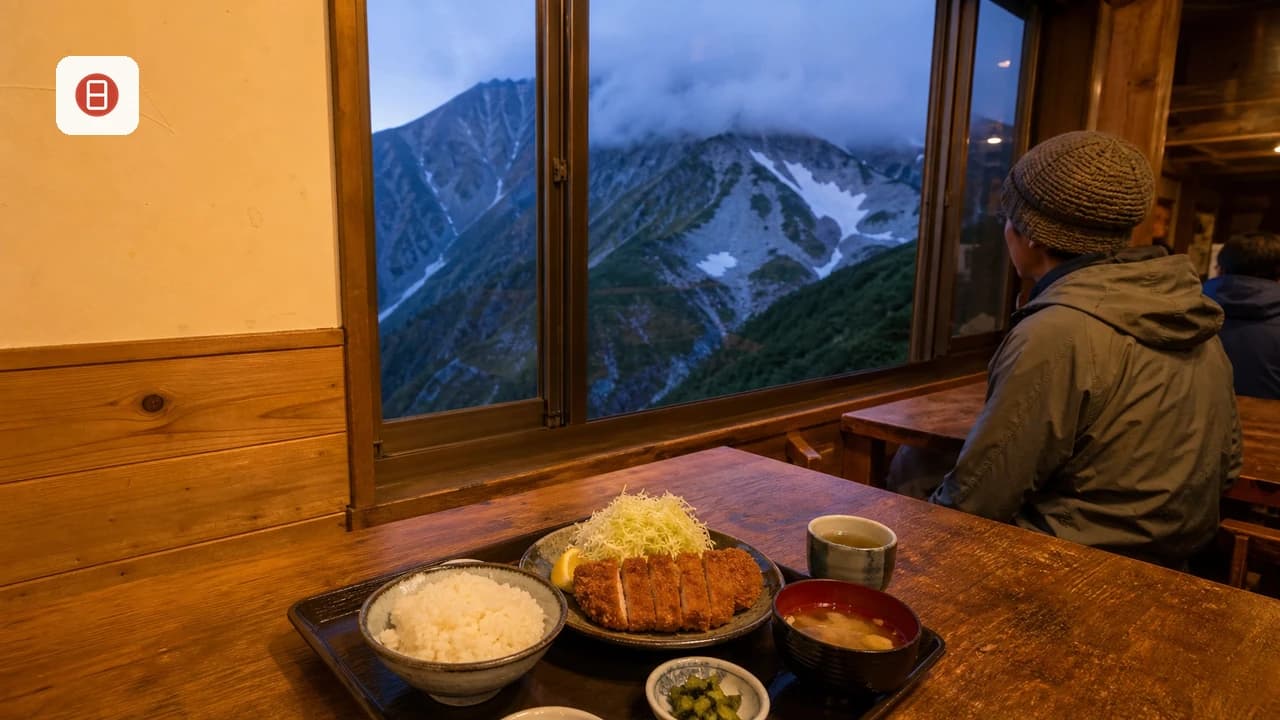
Huts along the Murodo loop run on a fixed daily meal schedule. Expect a hot dinner and either a dining-hall breakfast or a packed bento, depending on when you plan to leave. Menus vary by night. Guest reports from Ichinokoshi Sanso describe both tonkatsu-based sets and hearty stew dinners, so treat the exact dish as a surprise rather than a guarantee. Breakfast service typically starts around 6:00 AM, but hikers leaving earlier for a sunrise push can request a bento the evening before instead. Dining rooms stay open to overnight guests at other times of day, often with a kettle of hot water on hand for green tea. Shared lounges double as a spot for cards, conversation, or simply watching the sunset before lights-out. Day-trippers generally can't use that space, though hut shops sell snacks and drinks to anyone passing through. For a wider look at regional specialties beyond the huts, see the Tateyama Kurobe food guide.
- Unlimited steamed rice
- Miso soup
- Simmered cabbage
- Tonkatsu (breaded pork cutlet) or a hearty stew, depending on the night
- Hot tea, often refilled from a shared kettle
Hut-by-Hut Meal Highlights Near Murodo
Each hut along the route has its own rhythm at mealtimes. Ichinokoshi Sanso sits at 2,705 meters on the way to Mt. Oyama's summit and takes bookings by phone only, at 090-1632-4629 or the off-season line 076-421-1446. It holds up to 130 guests. Staff there keep large backpacks safe during the summit push. A corridor outlet lets guests charge phones, since the private tatami rooms have none. Further along the ridge, Tsurugi-gozen Goya works as a lunch stop rather than an overnight base for most Murodo loop hikers. It holds 120 guests and opens from late April to late October. Lunch service starts around 11:00 AM, with cup noodles, drinks, and beer sold to hikers passing through. Raichoso sleeps up to 270 guests from mid-April to late November. Raichozawa Hutte holds 200 guests but closes earlier, from mid-April to mid-October. A campsite sits near Raichozawa Hutte for hikers who prefer to pitch a tent rather than book a bed. Confirm whether hut meal service extends to campers when you book, since policies can differ by site. Mikurigaike Onsen holds 120 guests and runs the same mid-April-to-late-November season. It pairs an onsen soak with a post-hike bowl of blueberry ice cream, a popular reward after the descent. It sits beside the pond that anchors the Tateyama Kurobe attractions guide. Tateyama Murodo Sansou stands about 10 minutes on foot from Murodo Terminal and sleeps 200 guests between mid-April and late November. Toyama's official tourism site identifies the adjoining building as Japan's oldest mountain hut. It's now preserved as a cultural property, with a ¥300 walk-through fee, and closes for winter. Non-guests can use the Tateyama Murodo Sansou bath between 14:00 and 16:00. The fee is ¥700 for adults and ¥400 for elementary-age children, with younger kids admitted free. Travelers based at the terminal rather than the peaks should see the Murodo Terminal dining options guide instead.
| Hut | Capacity | Season | Meal Service Notes |
|---|---|---|---|
| Ichinokoshi Sanso | 130 guests | Late Apr–Mid Oct | Dinner + breakfast, bento available; no on-site bath |
| Tsurugi-gozen Goya | 120 guests | Late Apr–Late Oct | Lunch stop only; cup noodles, drinks, beer |
| Raichoso | 270 guests | Mid Apr–Late Nov | Dinner + breakfast; onsen on-site |
| Raichozawa Hutte | 200 guests | Mid Apr–Mid Oct | Dinner + breakfast; onsen on-site; adjacent campsite |
| Mikurigaike Onsen | 120 guests | Mid Apr–Late Nov | Dinner + breakfast; onsen on-site |
| Tateyama Murodo Sansou | 200 guests | Mid Apr–Late Nov | Dinner + breakfast; shop open to day-trippers; bath 14:00–16:00 (fee) |
Costs: Room-Only vs Two Meals, and What Day-Trippers Pay
Budget planning starts with the standard overnight rate. Published pricing for a night with dinner and breakfast at a typical Tateyama-area hut runs roughly ¥11,000 to ¥13,200. Confirm the exact figure by phone when you book, since huts adjust rates by season. Skipping the meal plan and bringing your own food usually saves about ¥1,000 to ¥2,000 off that two-meal rate. Weigh that saving against the extra pack weight you'll carry above 2,700 meters. Day-trippers who aren't staying overnight can still buy from hut shops. Cup noodles, canned drinks, and beer are commonly available, though exact shop prices aren't posted publicly. Budget a little above lowland convenience-store rates, since everything is hauled up by cable car and bus.
Saving ¥1,000 to ¥2,000 by skipping the meal plan demands packing food for a 4:15 AM sunrise departure through 1:00 PM ice cream stop, carrying that weight above 2,705 meters.
Water and Altitude: Eating and Drinking at 3,000 Meters
Hydration matters more here than at lower elevations. Washroom water at Ichinokoshi Sanso is drinkable. Many hikers also refill bottles from the cool mountain stream near Murodo Station before setting out. Bottled and canned drinks are sold at hut shops too, for hikers who'd rather not rely on refills. Guest accounts describe the air as noticeably thin even near Mikurigaike Pond, well below the 3,003-meter summit of Mt. Oyama. Staying hydrated and pacing your walking speed both help. If symptoms appear, descending to a lower elevation typically eases them. Eating light, frequent portions tends to sit better than one large meal at altitude, which is part of why the bento option matters for early starts. On the return leg to Murodo Terminal, hikers commonly refill again from a trailside spring before catching the bus down. For a full packing list of altitude-friendly snacks, check the hiking food and snack guide.
Hikers departing at 4:15 AM with a packed bento put the altitude principle of light, frequent portions into practice: eating trailside at dawn, lunch at 11:00 AM, and ice cream at 1:00 PM, rather than one large hut breakfast.
Booking Your Hut Meals: Phone Reservations and Arrival Timing
Reservations at huts like Ichinokoshi Sanso run by phone only. Staff mainly speak Japanese, so a translation app or a Toyama hotel concierge can help make the call. Same-day booking is sometimes possible outside busy weeks, though calling ahead removes the risk of a full house. Arrive by roughly 3:00 to 5:00 PM to make the dinner cutoff. Kitchens on the mountain don't run late into the evening. Private tatami rooms typically have no power outlets. Charge devices at the corridor outlet at Ichinokoshi Sanso before lights go out at 10:00 PM. Bring a headlamp regardless, since lights generally stay off from 10:00 PM until late morning. Rooms come with futon bedding and a disposable pillow cover rather than hotel-style linens, and common bathrooms have no showers, so pack wipes if you want to freshen up before dinner. Hikers driving to the trailhead can use the Tateyama Station car park, with room for around 1,000 cars, sometimes reduced to 500, at no charge.
A Day in the Life: What a Hiker Actually Eats on the Murodo Loop
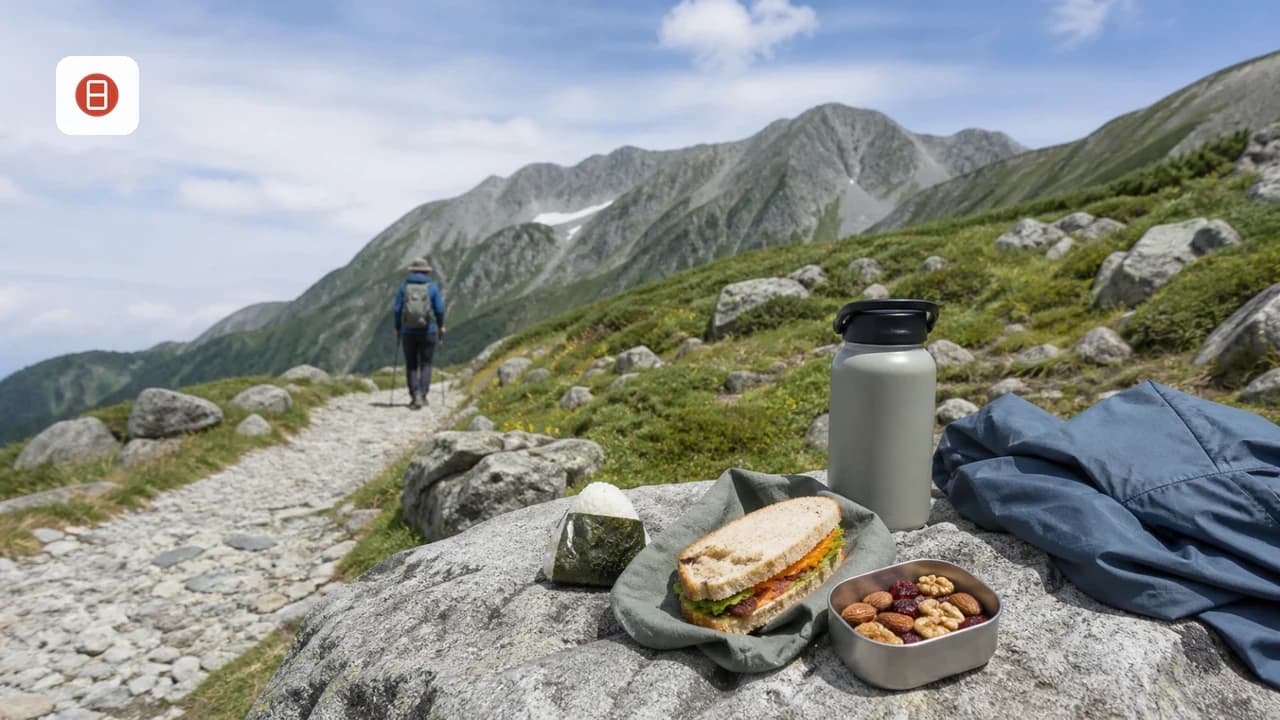
A typical overnight on the ridge follows a set rhythm. Dinner service at Ichinokoshi Sanso begins around 6:00 PM with rice, miso soup, cabbage, and katsu or stew. Lights go out around 10:00 PM, and many hikers turn in early for a pre-dawn start. Hikers aiming for sunrise near Mt. Oyama's 3,003-meter summit often wake around 3:45 AM. They set out around 4:15 AM with a packed bento rather than waiting for the hot breakfast. That bento is often eaten trailside, near the O-nanji rest area along the ridge, rather than back in a dining hall. By late morning, hikers reach Tsurugi-gozen Goya, where lunch service starts around 11:00 AM with cup noodles and drinks. Around 1:00 PM, near Mikurigaike Onsen, a bowl of blueberry ice cream is a common reward before the final stretch back to Murodo Terminal.
- 6:00 PM — Dinner at the hut: rice, miso soup, cabbage, and katsu or stew
- 10:00 PM — Lights out
- 3:45 AM — Wake for a sunrise push
- 4:15 AM — Depart with a packed bento instead of the hot breakfast
- 11:00 AM — Lunch service starts at trailside huts like Tsurugi-gozen Goya
- 1:00 PM — Blueberry ice cream near Mikurigaike Onsen
Smart Hiker Tips: Bento Timing, Dietary Requests, and Toyama Sake
Hikers targeting sunrise from Mt. Oyama's 3,003-meter summit typically leave well before dawn. Request a packed bento the evening before if you're departing ahead of the roughly 6:00 AM hot breakfast service. Ask whether a bento swap carries an extra charge when you book, since policies vary by hut. Fixed menus built around katsu, stew, and rice leave little room for substitutions. Vegetarians and hikers with allergies should call ahead and describe their needs directly, since last-minute changes aren't guaranteed. Carrying backup snacks is a sensible precaution either way. Japan's mountain huts generally expect hikers to pack out any trash they generate. Eating hut-prepared meals instead of carrying a stove and raw food also trims pack weight on the steep sections above Ichinokoshi Sanso. Buying local sake in Toyama before heading up is a common ritual among hikers, saved for sunset at the hut. Before boarding the train, pick up a Toyama masuzushi bento at Toyama Station for the ride. Once you're back down, the Tateyama Station restaurants make a good stop for a proper meal before the train home.
- Skipping the bento request for a sunrise start, then missing the hot breakfast entirely
- Arriving after the dinner cutoff and finding the kitchen already closed
- Assuming a hut has vegetarian options without calling ahead to check
- Underestimating hydration needs above 2,700 meters
Dining-Hall Etiquette at Tateyama Mountain Huts
Mountain-hut meals are shared services, not restaurant dining. At Ichinokoshi Sanso and Tateyama Murodo Sansou, be ready when staff announce the meal time. Arriving promptly helps the kitchen serve a full house before evening quiet hours.
Bring only what you need to the dining room. Keep wet layers, trekking poles, and large packs outside the eating area when staff direct you to storage. Use the shared hot-water kettle for tea or instant food only if the hut permits it. Do not assume it is available for cooking a full meal.
- Clear your tray and follow the hut's directions for dishes and waste.
- Keep conversation low after dinner, especially near sleeping areas.
- Ask staff before opening alcohol or outside food in a common room.
These small courtesies matter when hikers are drying gear, charging devices, and preparing for an early departure. They also make the limited shared space more comfortable during bad weather.
How This Guide Was Verified
Station hours and operating periods were checked on August 22, 2026 against the official Tateyama Kurobe Alpine Route food directory. Hut meals and retail stock remain property-specific, so confirm those directly before relying on them.
Frequently Asked Questions
How do you book meals at Tateyama mountain huts?
Most huts near Murodo, including Ichinokoshi Sanso, take reservations by phone only. Staff mainly speak Japanese, so use a translation app or ask a Toyama hotel concierge to call for you. Same-day booking is sometimes possible outside peak weeks, but confirming ahead is safer.
What's included in a standard hut dinner on the Murodo loop?
Expect steamed rice and miso soup at nearly every hut. Simmered cabbage and hot tea round out the set. The main dish rotates by hut and night. Guest reports mention both tonkatsu and hearty stew. Breakfast follows the same pattern around 6:00 AM, or as a packed bento for early departures.
Can vegetarians or hikers with allergies eat at Tateyama mountain huts?
Menus are fixed and built around meat, so options are limited. Call the hut directly when you book and describe your dietary needs, since substitutions aren't guaranteed on short notice. Carrying backup snacks is a reasonable precaution at 2,700 meters and above.
Is drinking water available on the Murodo loop?
Washroom water at Ichinokoshi Sanso is drinkable, and hikers commonly refill bottles from the stream near Murodo Station. Bottled and canned drinks are also sold at hut shops. Refill when you can, since altitude increases dehydration risk.
When do Tateyama mountain huts close for the season?
Seasonal windows differ by hut. Tateyama Murodo Sansou, Mikurigaike Onsen, and Raichoso typically run from around mid-April to late November. Ichinokoshi Sanso and Raichozawa Hutte close earlier, around mid-October. Confirm exact dates before you go, since they can shift slightly year to year.
Can you charge your phone during meals at Tateyama mountain huts?
At Ichinokoshi Sanso, private tatami rooms have no outlets, but a corridor outlet near the dining area lets guests charge phones. Other huts may offer similar shared outlets, so ask at check-in. Carrying a portable battery is a reasonable backup, since demand for a single outlet can be high at meal times.
How much does a night with two meals cost at a Tateyama mountain hut?
Published rates for a standard night with dinner and breakfast typically run about ¥11,000 to ¥13,200. Room-only stays usually cost roughly ¥1,000 to ¥2,000 less. Confirm the current rate by phone when you book, since prices can shift by season.
Should you request a bento or wait for the hot breakfast before a sunrise hike?
Request a packed bento the night before if you're leaving ahead of the roughly 6:00 AM hot breakfast service. This matters most for hikers aiming to catch sunrise from Mt. Oyama's 3,003-meter summit. Ask about any extra charge for the swap when you book, since policies vary by hut.
Free guide: Japan's Hidden Gems
12 under-the-radar places beyond Tokyo & Kyoto — with the best season to visit each and a local tip you won't find in the guidebooks.
You might also like


Continue reading
More guides you'll find useful