Tateyama Kurobe Hiking Food Guide
Build a safe Tateyama Kurobe hiking food plan with water, snacks, bento, mountain-hut meals, waste rules, altitude cautions, and timing advice.
On this page
Last updated August 2026, this guide breaks down Tateyama Kurobe hiking food into what you can buy, what you should pack, and where prices climb the higher you go. The Alpine Route runs through a national park with limited kitchens, so a station bento, a Murodo curry, and a refillable water bottle each solve a different problem. Before picking a station-by-station plan, see the wider Tateyama Kurobe attractions guide for how a food stop fits around cable cars, ropeways, and the dam walk.
Tateyama Kurobe Hiking Food Logistics: Water, Timing, and Trash
Meal planning on the Alpine Route follows the transport timetable, not a normal restaurant clock. Cable cars, ropeways, and trolley buses run on fixed departures between stations. Dining counters plan their service around those windows, not around a standard lunch hour. Missing a transfer to chase a meal can cost an extra hour on some legs of the route. Temperatures at Murodo run noticeably cooler than the valley floor below, so an insulated bottle keeps a hot drink useful into the afternoon. A light rain shell also keeps a packed lunch dry if weather turns while you are between stops. Cell coverage thins out at altitude, so an offline map helps you spot the next dining counter without relying on signal. Build your first and last meals around the earliest and latest departures of the day, since those connections tend to run tightest.
- Water: confirm current refill availability at Murodo Terminal's alpine spring water point, and carry a backup bottle regardless.
- Trash: pack a dedicated bag before boarding. The route enforces a strict carry-out policy inside the national park, with few bins past the gates.
- Timing: build meals around cable car and trolley bus departures, not a fixed lunch hour, especially at Murodo and Kurobe Dam.
The Last Chance for Supplies: Tateyama and Ogizawa Stations
Tateyama Station and Ogizawa Station sit at the two ends of the Alpine Route and mark the last stop for city-priced food. Prices climb once you pass through the ticket gates into the paid transport zone. Convenience stores and small shops near both stations sell onigiri, sandwiches, and drinks at ordinary retail prices. Withdraw cash here too, since machines thin out once you enter the paid zone. Some travelers buy two meals at once, one for the ascent and one for later, to avoid paying altitude prices twice in a day. Both station areas also run station dining counters serving noodle and rice sets before departure. Stock up on snacks and extra water here rather than waiting until Murodo, where the same items cost more.
Murodo: Dining at 2,450 Meters
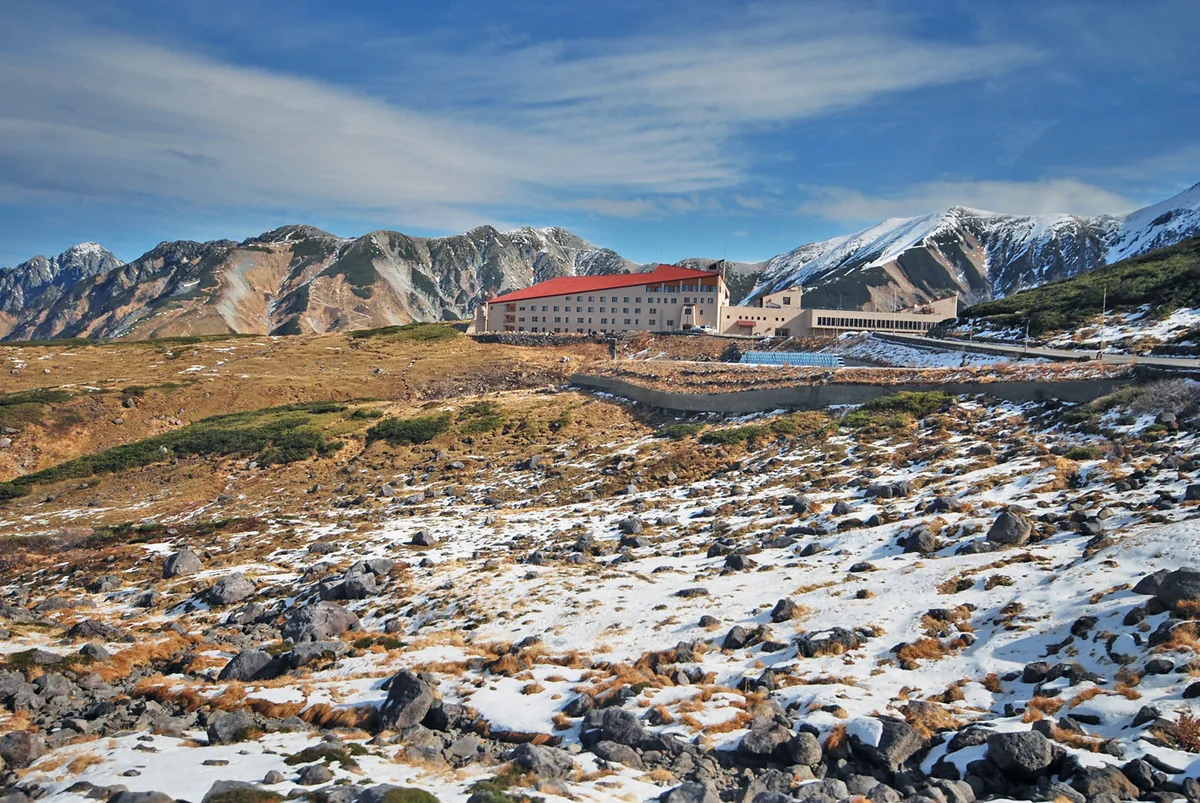
Murodo sits at 2,450 meters, the transport hub where most hikers start on-foot side trips. Its terminal building houses several dining counters, and prices reflect the cost of moving supplies up by cable car and trolley bus. Expect a mix of noodle counters, rice-bowl sets, and a curry rice dish sometimes listed on menus as Alpine Curry. The Murodo dining lineup covers current options in more detail before you plan a stop. Seating fills quickly once a bus unloads, so grab a tray first and look for a table after. A tray with a lid also makes it easier to eat on a bench outside if indoor seating is full. Midday bus and cable car arrivals concentrate demand at once, so counters get busiest around typical lunch hours. Eating earlier or later than the peak avoids the longest lines.
At 2,450 meters, bring an insulated bottle—the air stays noticeably cooler than the valley floor, keeping a hot drink useful throughout your afternoon at the counter, especially when outdoor seating is the only option.
Kurobe Dam: Curry Rice with a View
Kurobe Dam Rest House serves a curry rice dish colored to echo the reservoir's turquoise water. Exact menu names for this dish can change by season, so check the current board at the counter rather than a fixed name. Like Murodo, the dam sees a midday crush timed to bus and trolley arrivals. A standing-room soba or a quick curry near the observation deck beats a long wait for a table when your next transfer is tight. A short walk along the dam crest offers a change of scenery while you wait out the lunch crowd. The walk across the dam takes time on its own, so budget it separately from your meal stop. Expect drinks and snacks near the dam to cost more than at the stations below, in line with the altitude pricing pattern across the route.
Regional Specialties to Pack: Masuzushi, Oyaki, and Hoba Miso
Toyama masuzushi is a pressed trout sushi, wrapped in a round bamboo-leaf package that holds up for hours without refrigeration. Compared with a plain rice ball, it holds its texture and flavor longer, which matters if a mid-morning purchase is not eaten until early afternoon. A Toyama masuzushi bento guide breaks down where to buy one and how to pack it for the route. Oyaki dumplings and hoba miso, a paste grilled on a magnolia leaf, also turn up as snacks at mid-way stations. Oyaki typically wraps a savory or lightly sweet filling in a pan-fried dough shell, which makes it easy to eat one-handed on the move. Both travel well in a day pack and work as a backup if a dining counter is closed. Buying two or three regional snacks across different stations also turns lunch into a mobile tasting stop instead of one sit-down meal. Stock and hours for these smaller vendors shift by season, so confirm what is currently available before you count on them. For a wider look at dining beyond the trail, see the full 9 Best Places to Eat on the Tateyama Kurobe Alpine Route (2026 Guide) overview.
Mountain Hut Meals for Overnight Hikers
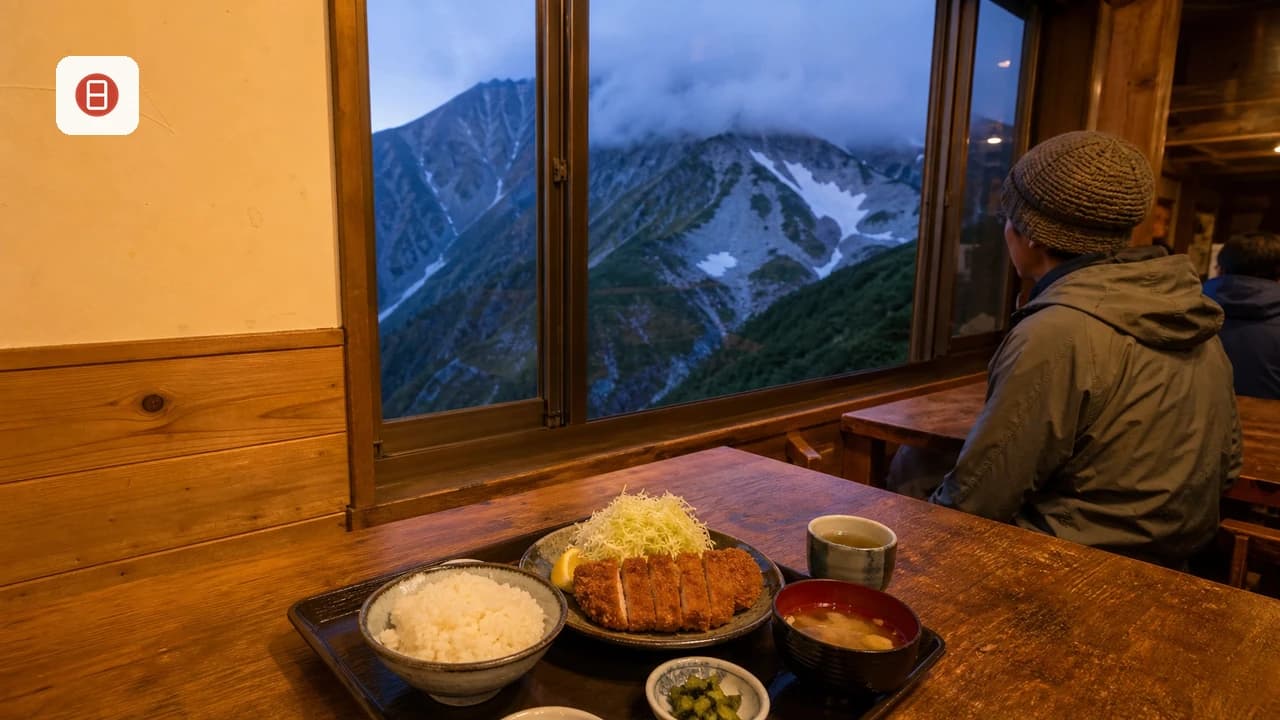
Most mountain huts along the route include dinner and breakfast with an overnight stay. Lunch is usually the hiker's own responsibility, either packed in or bought at the last station. Reserve hut meals in advance, since kitchens prepare set portions and rarely handle walk-ins well. Expect shared dining tables and a set serving time rather than an open-ended menu. Portions tend to run smaller than a valley restaurant meal, reflecting the effort needed to carry supplies up by trail. Dietary restrictions are hard to accommodate at altitude, so flag any allergy or vegetarian need when you book. Pack a backup snack regardless, in case a portion runs short after a long day on the trail. If weather delays your descent, a hut can also become an unplanned dinner stop, so keep hut locations noted along your route. The mountain hut meal guide lists current huts and how to reach them for a reservation.
Day-Trip vs. Overnight: Matching Your Food Strategy
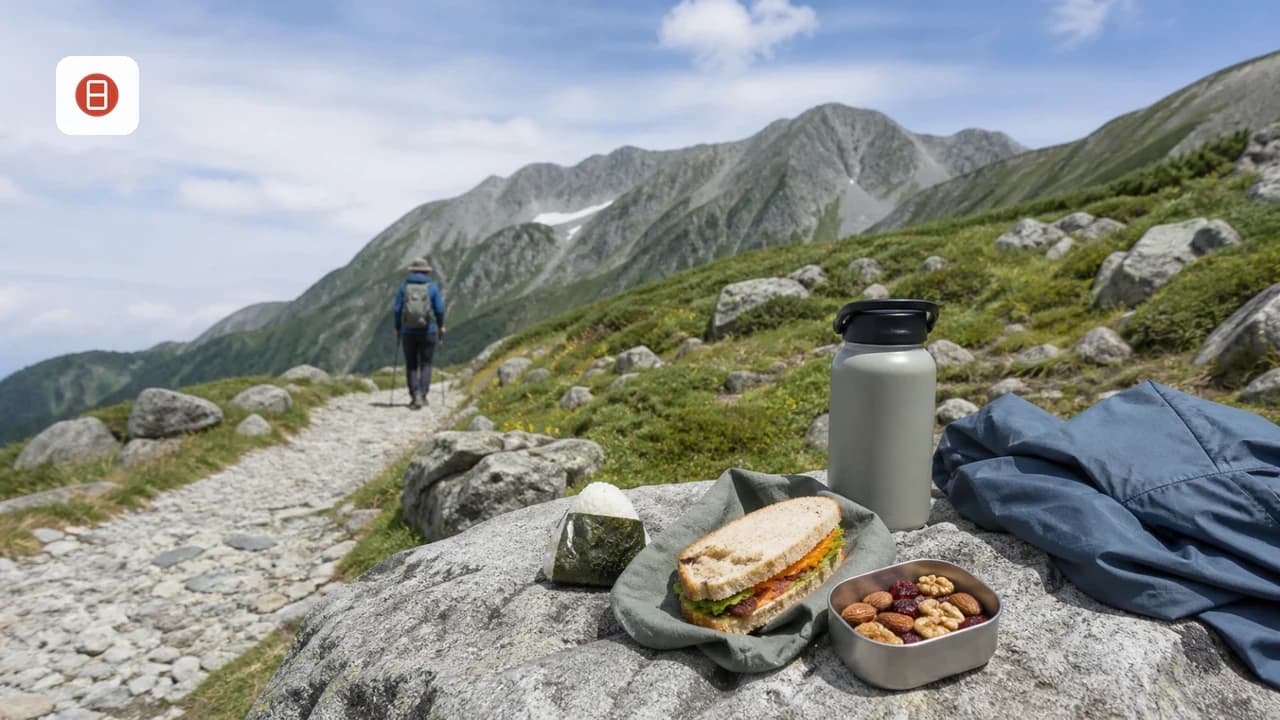
A single-day visitor and an overnight hiker need different food strategies on the same route. Day-trippers should carry a full lunch and snacks, since they may not reach a station again before dinner hours. A weather delay can turn a planned day trip into a late return, so pack slightly more food than you expect to need. Overnight hikers can rely on a reserved hut dinner and breakfast, but still need lunch and trail snacks for the day in between. Either way, a packed bento covers the gap between the last dining counter and the next one, especially on longer legs between Murodo and the dam.
Most Murodo counters close well before 5:00 PM, so day-trippers depending on transport schedules may find meal services already shut down. Eat early, or carry enough trail snacks to bridge the gap to your final station.
Budgeting the Route: Bento Versus Buying at Altitude
Three price tiers cover most of the route, and the gap between them widens the higher you climb. At the dam, weigh a 45-minute wait for a table against a faster meal at the rest house counter. For current prices, check the boards posted at each counter, since menus can shift between seasons. Bringing your own thermos for hot water can also cut costs if a counter charges extra for tea or broth on its own. Skipping a sit-down meal at peak hours also frees up trail time, which matters more on a tight one-day itinerary than on a multi-day stay.
| Option | Cost Level | Details |
|---|---|---|
| Bento from Toyama/Omachi Station | Lowest | No altitude markup, bought before entering paid zone |
| Hot meal at Murodo | Mid-range | Generally faster than dam counter at peak times |
| Meal at Kurobe Dam | Higher | Priced for view and turquoise curry, longest queues midday |
| Impulse snacks mid-route | Most expensive | Bought at nearest counter when hungry |
- Bento from Toyama or Omachi Station: the lowest cost, with no altitude markup, bought before you enter the paid zone.
- Hot meal at Murodo: mid-range pricing, generally faster than the dam counter at peak times.
- Meal at Kurobe Dam: priced for the view and the reservoir-colored curry, with the longest queues around midday.
- Snacks bought on impulse mid-route: the most expensive per bite, since they come from whichever counter is nearest when hunger hits.
Building a Food Plan for Your Alpine Route Day
Plan Tateyama Kurobe hiking food in three layers: a packed bento with trail snacks, one hot meal at Murodo or Kurobe Dam, and a reserved hut dinner if staying overnight. The Alpine Route typically opens in mid-April and closes in late November, though exact 2026 dates can shift, so confirm the current schedule before booking transport. That seasonal window shapes which huts and counters are even open on a given day. The carry-out rule is easy to forget until you are standing at Murodo with an empty tray and no bin in sight, so build the habit before you climb, not after. Treat food stops as part of the itinerary, not an afterthought, especially on a route where the next counter might be an hour away. That combination covers most of a day's hiking without an unplanned stop.
- A trash bag for the carry-out policy, since bins are scarce past the ticket gates.
- A refillable bottle, topped up where spring water is confirmed available.
- Cash for smaller counters and huts that may not take cards.
- A packed bento or trail snack as backup if a counter is closed or crowded.
- A confirmed hut reservation, printed or saved offline, if staying overnight.
How This Guide Was Verified
Station hours and operating periods were checked on August 22, 2026 against the official Tateyama Kurobe Alpine Route food directory. Hut meals and retail stock remain property-specific, so confirm those directly before relying on them.
Frequently Asked Questions
Can I buy food at Murodo after 5:00 PM?
Most Murodo restaurant counters close in the mid-to-late afternoon, well before 5:00 PM, to match the last transport departures. If you are staying overnight in a nearby hut, dinner is normally included in your reservation. Day hikers heading back down should eat before the counters close. Carry a backup snack for the return trip in case timing runs tight.
Are there vegetarian or vegan options on the trail?
Vegetarian and vegan options are limited across the Alpine Route, and many set meals include fish or meat broth by default. Ask staff about substitutions when ordering, though options may still be narrow at altitude. Self-catering also means checking whether a hut allows outside food at the dinner table, since customs vary by property. Pack shelf-stable trail food from a station or city supermarket before you start.
Do restaurants accept credit cards?
Larger dining halls at Murodo and Kurobe Dam generally accept cards, but smaller kiosks and mountain huts often do not. Carry enough cash for snacks, drinks, and any hut fees paid on arrival. Card acceptance can also change by season, so do not rely on it as your only payment method. Withdraw cash at Tateyama or Ogizawa Station before you enter the paid transport zone.
Where is the best place to buy a bento?
Toyama Station and Omachi Station are the best places to buy a bento before starting the route. Both sit outside the paid transport zone, so prices are lower than anything sold at Murodo or the dam. A pressed trout sushi bento travels well and needs no refrigeration for a full day of hiking. Either station also stocks other bento styles if you want variety across a multi-day trip.
What is the trash policy on the Tateyama Kurobe Alpine Route?
Tateyama Kurobe's Alpine Route runs a carry-out trash policy, since bins are scarce inside the national park. Pack a dedicated bag for wrappers, bento trays, and bottles before you board the first cable car. Plan to carry everything back out with you, the same way you carried it in. This applies to hikers and standard sightseers alike.
What should you pack for a one-day hike on the Alpine Route?
Pack a refillable water bottle, a trail snack or two, and a bento if you are not planning a sit-down meal. Add a dedicated trash bag for the carry-out policy, plus a light layer for cooler temperatures at Murodo. Cash covers smaller counters that may not take cards. If you plan to eat at a mountain hut instead, confirm your dinner reservation before you leave the valley.
Free guide: Japan's Hidden Gems
12 under-the-radar places beyond Tokyo & Kyoto — with the best season to visit each and a local tip you won't find in the guidebooks.
You might also like


Continue reading
More guides you'll find useful