

Mount Takao Tororo Soba Guide
Choose a Mount Takao tororo soba stop by trail location, meal style, price range, opening-hour cautions, broth ingredients, and crowd timing.
On this page
Last updated August 2026, this guide maps out where to eat Mount Takao tororo soba before or after a hike. Grated mountain yam over buckwheat noodles has long been associated with the route to Yakuo-in Temple, and shops serve versions from the foothill to the upper cable-car station and summit. Sumika's official menu currently lists a regular bowl at ¥1,100; prices at independent shops should be checked on their current menus.
Mount Takao Tororo Soba: Why Pilgrims Started Eating It
Tororo soba became linked to Mount Takao between the late Edo period and the Meiji era. Grated mountain yam was served to travelers climbing toward Yakuo-in Temple. Priests and pilgrims believed the sticky yam had fortifying properties, and paired it with soba because both were considered easy to digest after a long climb. Wild yam's natural nutrients and the noodle's easy digestibility combined into what practitioners considered a genuinely energizing meal for a multi-hour climb. The dish caught on with everyday hikers, and about 20 soba shops now operate along the mountain's approach. Shops run from the base near Takaosanguchi Station, up the Omotesando approach toward Yakuo-in Temple, to the summit ridge near the top. Pilgrim-meal history gets fuller treatment in the Yakuo-in Temple food guide. This guide focuses on tororo soba specifically. For other Mount Takao specialties, including Tengu-yaki and mountain-vegetable sets, see the Mount Takao food guide.
Top Soba Shops by Location: Foothill, Mid-Mountain, and Summit
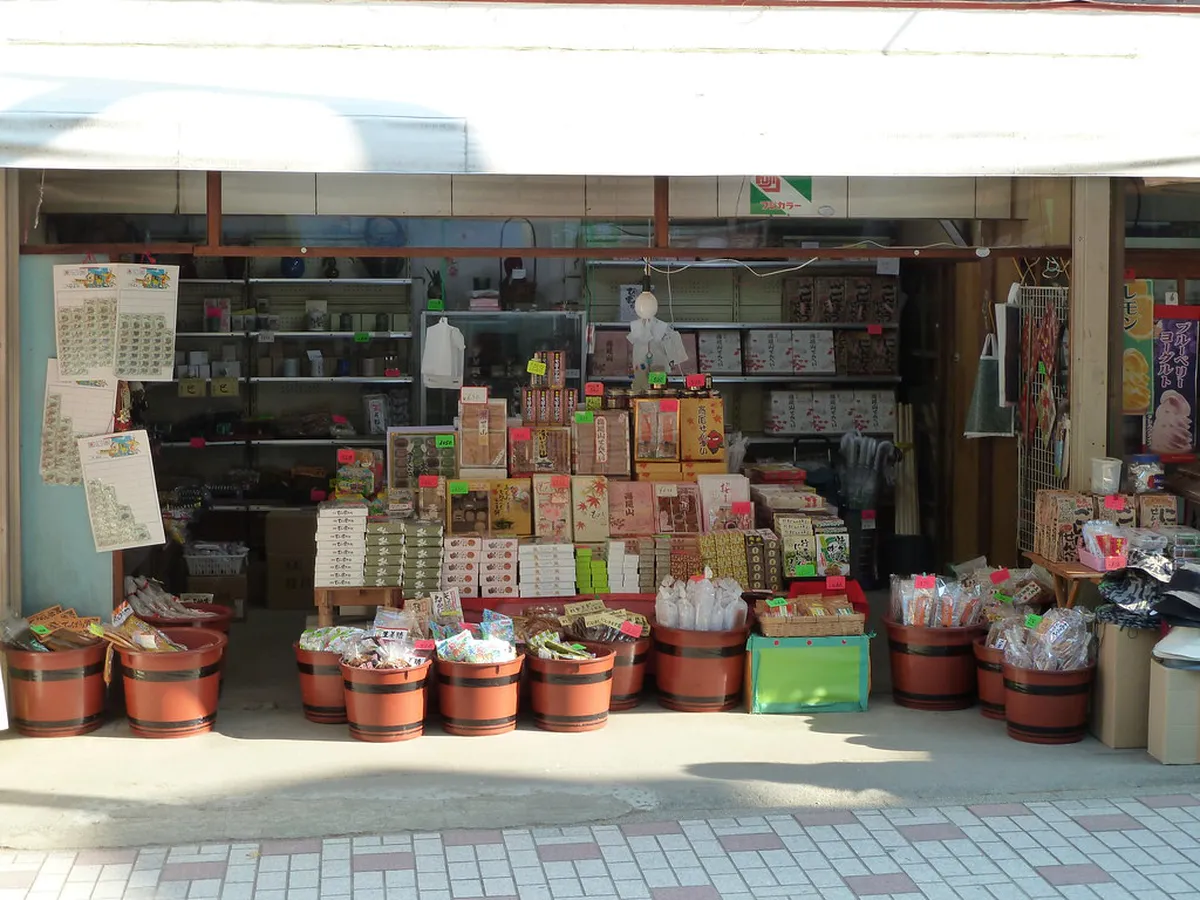
Soba shops cluster in three bands along Mount Takao: the foothill near Takaosanguchi, the mid-mountain area around Takaosan Station, and the summit approach. Foothill shops are easiest without hiking; Sumika is the most convenient after the cable car. Where you eat mostly depends on route and opening time. Only treat a price as current when it comes from the shop or operator's live menu.
| Shop | Area | Signature Dish | Typical Price | Access |
|---|---|---|---|---|
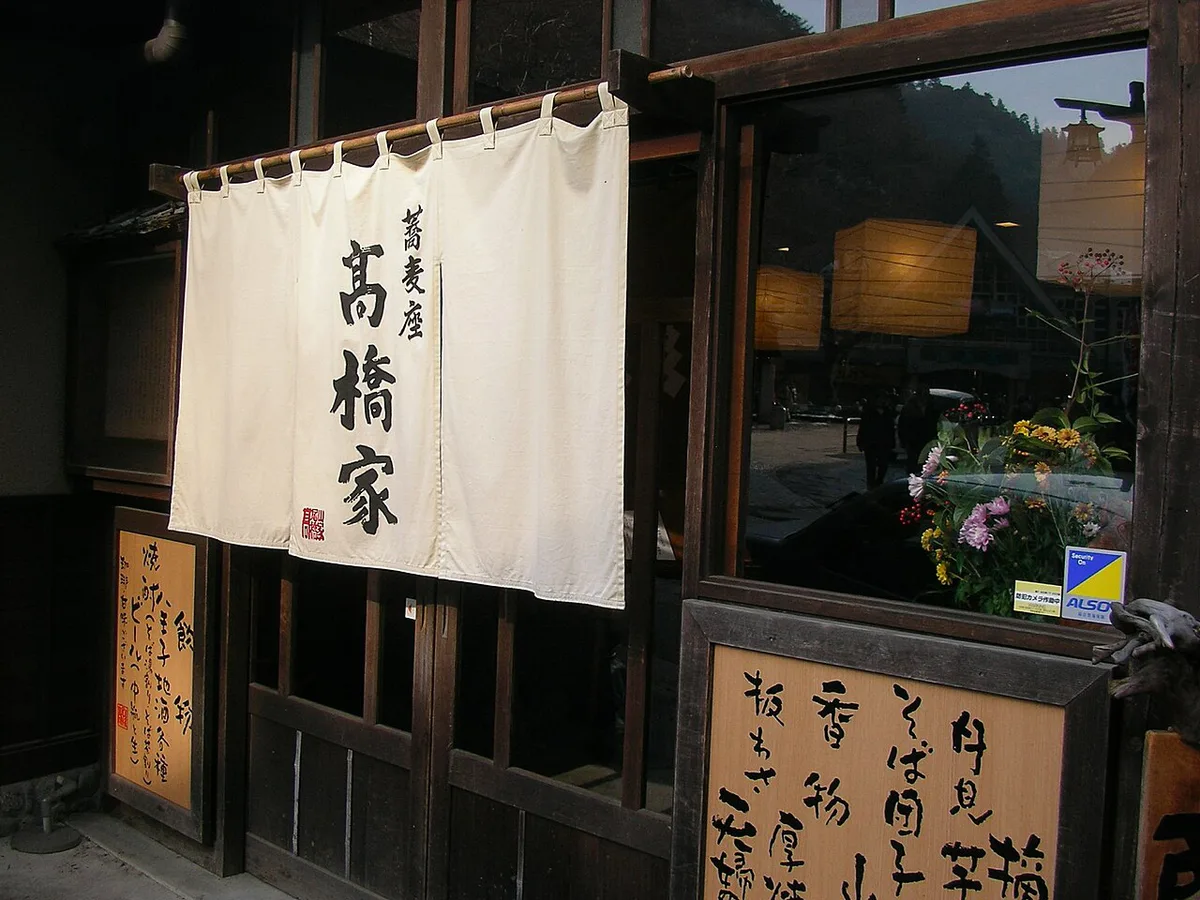
| Takahashiya | Foothill | Tororo soba | Check the current menu | Near Takaosanguchi Station |
| Sakaechaya | Foothill | Jinenjo soba | Check the current menu | On the approach to Kiyotaki Station |
| Mt. Takao Sumika | Mid-mountain | Tororo soba | ¥1,100 regular; ¥1,400 large | Beside Takaosan Station |
| Juichichome Chaya | Mid-mountain | Tororo sansai soba | Check the current menu | Near Takaosan Station |
| Akebonotei | Summit | Sansai soba, tororo soba | Check the current menu | Near the Takao Visitor Center |
| Tororo Meshi no Nikkoya | Foothill | Tororo soba, mugitoro rice | Check the current menu | Near Takaosanguchi Station |
Comparing the Icons: Takahashiya, Sakaechaya, and Nikkoya
Takahashiya and Sakaechaya are long-running foothill choices, while Nikkoya pairs tororo soba with mugitoro rice near the station. Their recipes and opening days differ, which is more useful than declaring one universal best bowl. Independent menus and hours can change, so check the named shop directly on the visit date rather than using an old review's price or closing time.
Since its early 1930s founding, Sakaechaya's signature whisking method—mixing tororo into frothy cream—has centered on jinenjo, the wild yam that stays stickier than cultivated alternatives.
Choosing Your Stop: Match the Shop to Your Route
Match your soba stop to whichever route gets you up the mountain. Lines build fast at lunchtime, so if your first choice looks full, the Mount Takao attractions guide lists nearby stops worth a quick detour while you wait.
Mountain kitchens generally close earlier than city restaurants. Eat before late afternoon and verify the specific shop's hours, especially in winter or bad weather.
- Riding the Kiyotaki Cable Car up top? Eat at Takahashiya or Sakaechaya first, since both sit directly on the approach to Kiyotaki Cable Car Station.
- Hiking Trail 1 to the summit, plan a stop at Juichichome Chaya. It sits about a 1-minute walk from Takaosan Cable Car Station. The name comes from cho, an Edo-period unit of roughly 109 meters, since the teahouse marks the 11th cho from Yakuo-in Temple. Its terrace looks toward Yokohama on clear days.
- Continuing on foot after a partial cable car ride, Mt. Takao Sumika near the Takaosan cable car station serves fresh-made noodles with views over Hachioji and the mountains of Okutama.
- Finishing the full summit push, reward the climb at Akebonotei next to the Takao Visitor Center, roughly a 50-minute walk from Takaosan Cable Car Station, with outdoor seating near the top.
Costs, Hours, and the Early-Closure Trap
Budget and timing matter as much as which shop you pick. Takao Tozan Railway publishes current Sumika prices and hours; independent shops need a same-day check, and carrying cash remains a sensible backup.
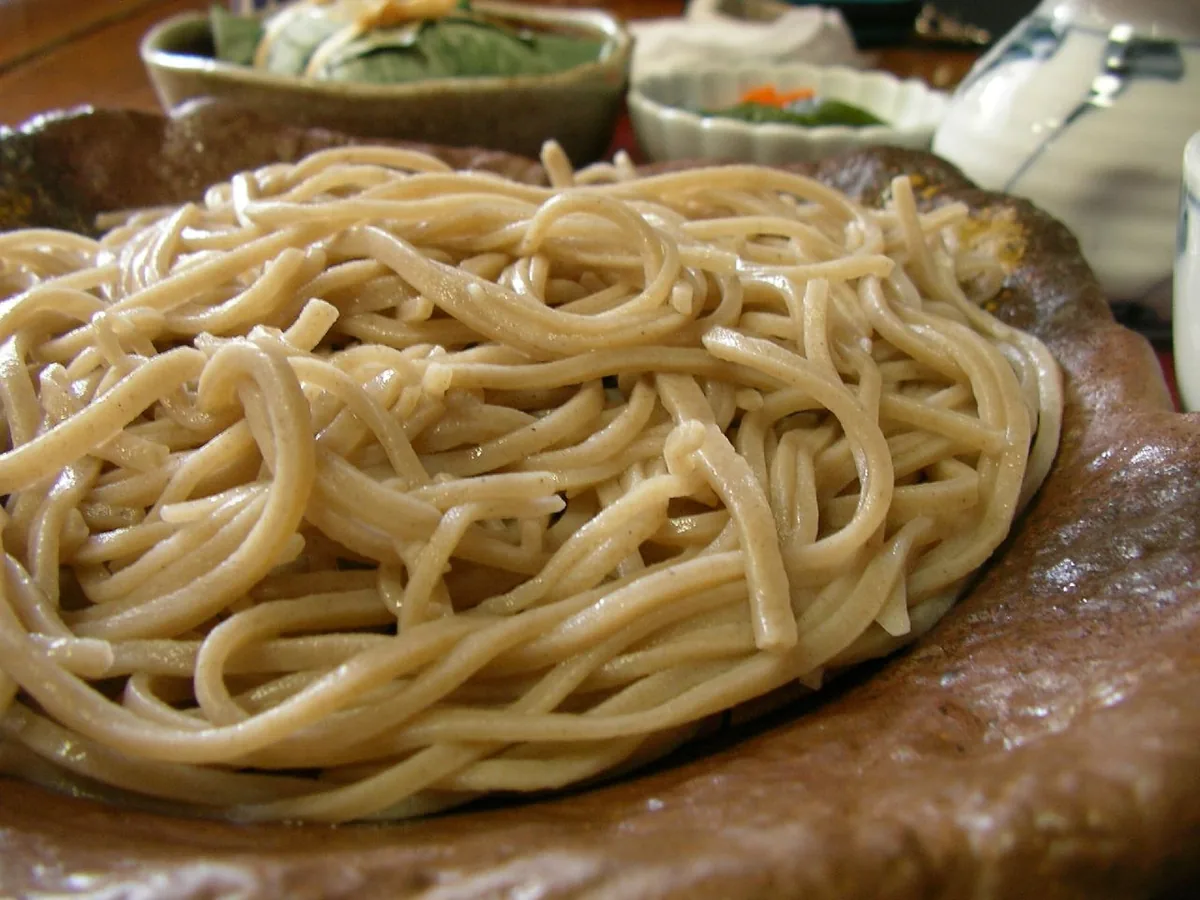
- Sumika tororo soba: ¥1,100 regular or ¥1,400 large on the current official menu.
- Sumika hours: 10:00 a.m.–4:30 p.m., with a 4:00 p.m. winter close and possible weather closures.
- Other shops: confirm their own current price, closing time, regular day off, and payment methods.
- Timing: eat before late afternoon because mountain kitchens and stock can finish earlier than city dining.
- Payment: carry cash as a backup even when a transport counter or restaurant accepts cards or e-money.
Hot or Cold, Nagaimo or Jinenjo: Understanding the Bowl
Kake soba is the plain version: noodles in tsuyu with no topping. Tororo soba adds a bowl of grated yam mixed into dashi-based sauce, poured over hot or cold noodles depending on the shop and the season. At Mt. Takao Sumika, staff recommend the cold version for travelers who want to taste the buckwheat itself, since heat can mute the noodle's aroma. Two yam types show up across the mountain. Nagaimo is the standard cultivated yam, with a milder, smoother texture. Jinenjo is a wild yam native to Japan that grates into a stickier, more elastic tororo. Takahashiya blends both in equal measure, while Sakaechaya uses only jinenjo, grated skin-on, which explains its firmer texture and slightly higher price. Sansai soba, topped with mountain vegetables such as warabi (bracken) and zenmai (fern), is a common variation at Juichichome Chaya and Akebonotei for travelers who want texture beyond the yam. Side dishes vary by shop: Juichichome Chaya's miso oden adds a ginger-spiked broth, and Akebonotei's oden includes five ingredients such as kelp and fish cake, both worth ordering if the soba alone doesn't feel like enough after the climb.
Dashi, Allergies, and the Vegetarian Question
Tororo soba looks plant-based, but the tsuyu often uses fish dashi. Vegetarian and vegan travelers should ask about the current broth instead of judging from the yam topping. Sumika's dedicated vegan menu ended in October 2025. Buckwheat noodles may also contain wheat, so travelers managing allergies should confirm the noodles as well as the broth. The budget and vegetarian dining guide covers safer backup planning.
How to Eat Tororo Soba Like a Local
Mix the tororo thoroughly into the tsuyu before adding noodles, whisking until it turns lightly frothy, the method Sakaechaya recommends for its jinenjo bowl. Slurping is expected, not rude. Pulling noodles in quickly aerates the dashi and yam together, which is part of how the dish is meant to taste. Tables usually carry nori, wasabi, and shichimi chili pepper for adjusting the broth to individual preference. Where barley rice is available, ask for mugitoro: pouring leftover tororo sauce over the rice turns the last of the bowl into a second course. At Takahashiya, expect a welcome cup of soba cha, tea brewed from roasted buckwheat seeds, before the food arrives. Beyond soba, Takahashiya also serves tsumamimono bar snacks such as thick omelette and grilled miso, paired with local sake like Kuwano Miyako from Hachioji. Mt. Takao Sumika, the mid-mountain rest stop, also sells Tenguyaki alongside its soba counter, and the Tengu-yaki and sweets guide covers where else to find the mountain's signature snack.
Mistakes to Avoid on Mount Takao
A few habits trip up first-time visitors more than any single shop choice.
- Arriving at peak weekend lunch: allow a queue or eat earlier rather than depending on a precise off-peak minute.
- Assuming one payment rule applies everywhere: carry cash as a backup and check the specific shop.
- Expecting to reserve a table: most Mount Takao soba shops seat guests first-come, first-served, and only take reservations for larger groups or set courses on request.
- Leaving lunch until late afternoon: hours vary and weather or stock can shorten service.
- Ordering tororo soba as a vegetarian meal without asking: fish dashi is common, and Sumika no longer offers its former dedicated vegan menu.
- Relying on a saved menu screenshot: use the current shop menu because prices, dishes, and translations change.
Seasonal Variations: Foliage Crowds and Winter Menus
Crowds peak on spring and autumn weekends, especially during Mount Takao's autumn foliage season, when both the trails and the soba shops fill by mid-morning. Winter weekdays run quieter. Some shops adjust menus seasonally: Mt. Takao Sumika adds a curry nanban soba in winter and a meat soba option in summer. Mount Takao's seasonal beer garden runs on its own separate schedule and menu. The beer mount and seasonal dining guide covers those dates and what else is on offer alongside the mountain's regular soba shops.
How This Guide Was Verified
Prices, hours, and booking rules were checked on August 22, 2026 against official Takao Tozan Railway, Beer Mount, and Yakuoin information. Same-day schedules and food stock can change with weather.
Frequently Asked Questions
Is Mount Takao tororo soba vegetarian?
Not automatically. The yam topping is plant-based, but tsuyu often contains fish dashi. Sumika ended its dedicated vegan menu in October 2025, so confirm the current broth before ordering.
How much does tororo soba cost on Mount Takao?
Sumika's current official menu lists regular tororo soba at ¥1,100 and a large bowl at ¥1,400. Independent shops set their own prices, so check their current menus rather than relying on an old range.
Which shop should Trail 1 hikers stop at?
Sumika is immediately beside Takaosan Station and has a current operator-published menu. Other Trail 1 teahouses can be useful route stops, but check their opening status before building the day around one.
When do Mount Takao's soba shops close?
Sumika's official hours are 10:00 a.m. to 4:30 p.m., with a 4:00 p.m. winter close and possible weather closures. Other shops set their own schedules, so verify them and eat before late afternoon.
Do Mount Takao soba shops accept credit cards?
Payment methods vary by shop and can change. Carry cash as a backup and confirm cards or e-money at the specific counter instead of assuming one mountain-wide rule.
What is the difference between nagaimo and jinenjo tororo?
Nagaimo is the standard cultivated yam, milder and smoother, used in blends like Takahashiya's two-yam tororo. Jinenjo is a wild yam native to Japan, notably stickier, and shops such as Sakaechaya that use it exclusively often reflect the extra prep in a slightly higher price.
Do I need a reservation for tororo soba on Mount Takao?
Usually not. Most shops seat walk-ins first-come, first-served, and only take reservations for larger groups or set-course meals. Arriving by early afternoon gives the best chance at a table without a long wait.
When is the best time to visit for tororo soba without crowds?
Weekdays and earlier meals are generally easier than peak weekend lunch hours. Avoid leaving the meal until late afternoon, when mountain kitchens may close or run out.
Free guide: Japan's Hidden Gems
12 under-the-radar places beyond Tokyo & Kyoto — with the best season to visit each and a local tip you won't find in the guidebooks.
You might also like


Continue reading
More guides you'll find useful


