Mount Takao Hiking Trails Travel Guide
Plan mount takao hiking trails with top picks, neighborhood context, timing tips, and practical booking advice for a smoother trip.
On this page
Mount Takao sits 599 meters above sea level in Hachioji, on the western edge of Tokyo, and draws more annual visitors than any other mountain in Japan. Six distinct hiking trails fan out from Takaosanguchi Station, ranging from a broad paved boulevard to steep ridge paths through cedar forest. Whether you have two hours or a full day, the mountain rewards careful planning. This guide covers every trail, key stops, transport logistics, and the timing decisions that separate a crowded slog from a genuinely enjoyable day out in 2026.
Choosing the Right Hiking Trail
Mount Takao has six numbered trails, each with a different character. The choice you make at the bottom shapes the entire day, so it is worth spending a few minutes comparing them before you set off.
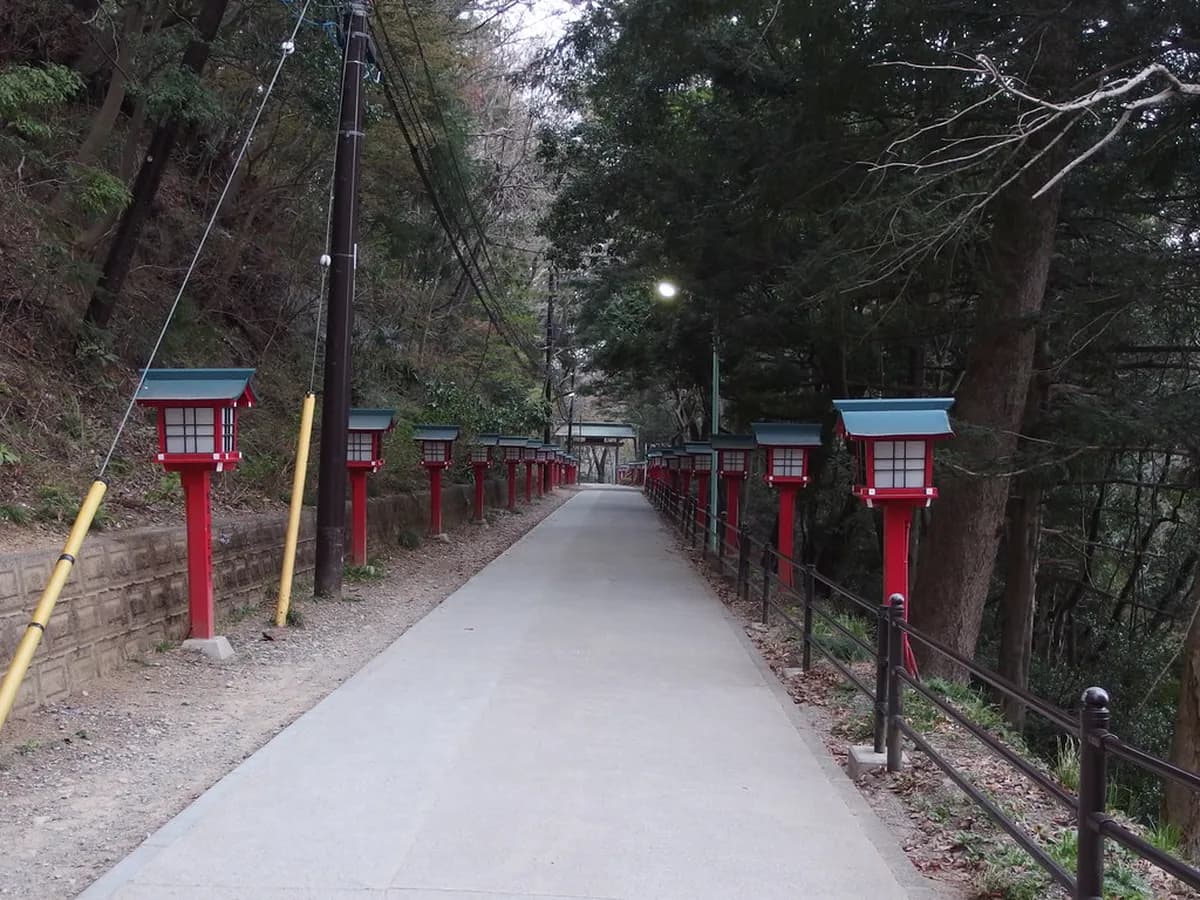
Trail 1, the Omotesando Trail, is the most popular route and the one most visitors take by default. It runs 3.8 km from Takaosanguchi Station to the summit and is partly paved. Trail 1 passes the Monkey Park, Yakuo-in Temple, and a string of food stalls, making it the best choice for first-timers or anyone travelling with children. The hike takes roughly 90 minutes at a moderate pace.
Trail 4, the Ura-Takao Trail, runs along the opposite side of the ridge and is far quieter. It is entirely unpaved and shaded, which makes it preferable in summer. Trail 4 connects naturally to Trail 1 near the summit, so many hikers descend by a different route than they climbed. Allow around 100 minutes for the ascent on Trail 4.
Trail 6, the Biwa-Taki Trail, follows a stream up through moss-covered boulders and is the most atmospheric option when the mountain is not crowded. The path crosses the stream several times and passes Biwa-Taki waterfall before joining Trail 5 near the top. It takes about 90 minutes and is classified as intermediate due to uneven footing. Trail 6 is a strong choice for hikers who want a forested, non-commercial experience without the paved sections of Trail 1.
Trails 2, 3, and 5 are shorter connector routes used mainly to loop back or combine sections. If you plan to extend the day beyond the summit, trails continue from the peak toward Mount Kagenobu and, further west, to Mount Jinba — a full traverse to Jinba-san takes around four to five hours from Takaosanguchi and requires a bus back from Fujino Station. The Takao 599 Museum Website has detailed trail maps for all six routes and the connecting ridge paths.
Yakuo-in Temple
Yakuo-in is one of the most significant Shingon Buddhist temples in the Kanto region and the cultural centrepiece of Mount Takao. It was founded in 744 CE and sits about 15 minutes below the summit on Trail 1. Most hikers pass through without stopping long enough to appreciate it, which is a mistake.
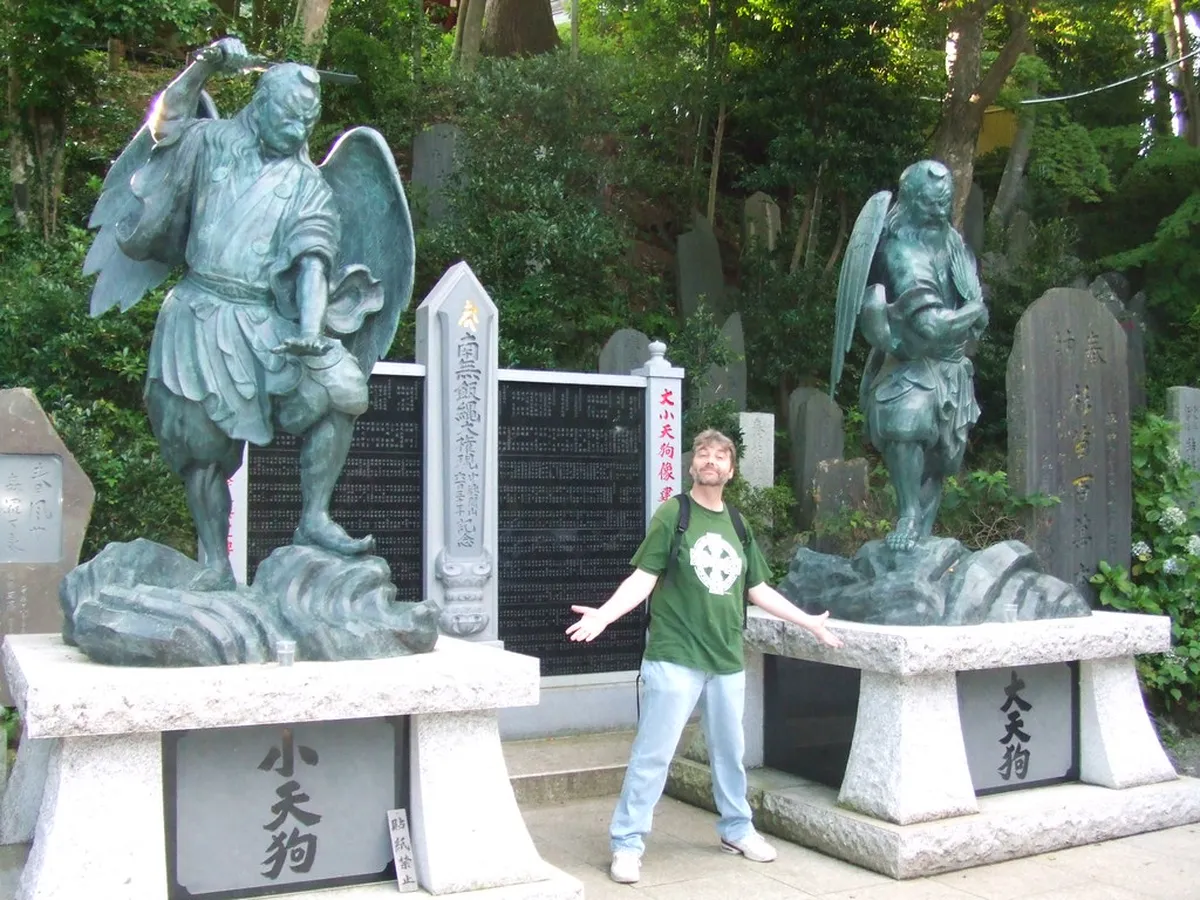
The temple is famous for its tengu statues — the long-nosed mountain deities that appear throughout the complex in wood carvings, stone figures, and painted panels. Take time to walk through the inner gate and look closely at the lacquered details on the main hall. The craftsmanship is exceptional and consistently overlooked by visitors focused on reaching the summit.
The temple holds several annual events worth knowing about. A firewalking ceremony takes place on the second Sunday of March. An autumn festival on 17 October each year sees participants climbing the mountain in traditional costume. A bean-throwing ceremony (Setsubun) is held on 3 February. Arriving on an event day adds a completely different dimension to the visit.
Vegetarian Shojin-ryori meals are available at the temple starting from around 2,800 yen per person, but reservations must be made in advance and currently only in Japanese. The ogoma-shugo fire ritual is another option for visitors interested in the Shingon practice, though English-language information about it remains limited.
The Summit at 599 Metres
The summit observation deck is the natural goal for most hikers and delivers views that justify the climb on any clear day. On a good day you can see Mount Fuji directly to the southwest and the sprawl of central Tokyo to the east. The vista from 599 metres is particularly striking in winter when the air is driest and the mountain is uncrowded.
At the top there is a small visitor centre focusing on local flora and fauna, a handful of shops, and a restaurant serving Sansai Soba — buckwheat noodles mixed with wild mountain vegetables. It is a genuinely local dish and worth eating at the source. A can of beer from one of the summit vending machines while watching the city below has become something of a Mount Takao ritual for regular visitors.
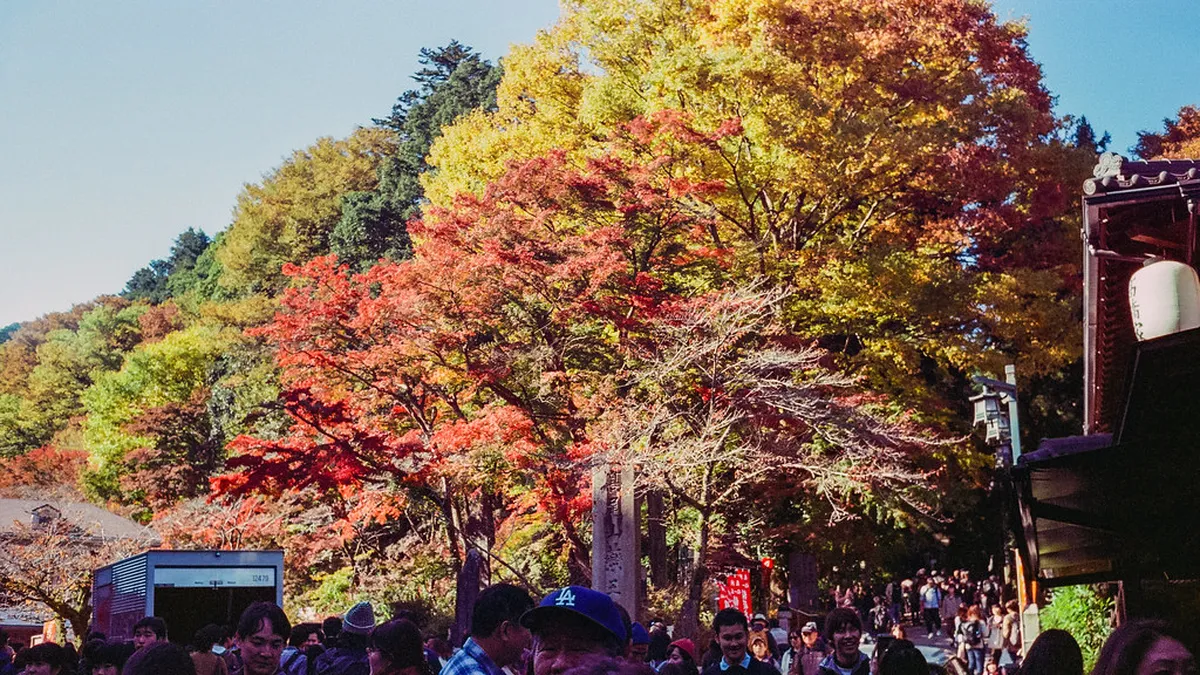
The summit can get seriously crowded during autumn foliage season (mid-November) and cherry blossom season (late March to early April). On peak autumn weekends the observation deck resembles Shibuya Crossing at rush hour. Arriving before 09:00 on any day gives you the summit almost to yourself. Weekday visits in January and February offer the best combination of clear skies, Fuji views, and thin crowds.
Monkey Park and Wild Plant Garden
Shortly after disembarking from the cable car or chairlift at the mid-mountain station, you reach the Takao Monkey Park and Wild Plant Garden. The park houses around 60 Japanese macaques (snow monkeys) in an open enclosure where you can observe their social behaviour at close range.
The adjacent Wild Plant Garden catalogues roughly 300 species of plants native to the Takao area, with signage explaining seasonal flowering and ecological relationships. For hikers with a general interest in Japanese forest ecology rather than macaques specifically, the plant garden is actually the more interesting of the two. Both are included in the same admission ticket.
The Monkey Park is a reasonable stop for families with young children who need a concrete focal point on the way up. For adult hikers without children, the time is often better spent lingering at Yakuo-in Temple or the summit. Budget around 30 to 40 minutes if you plan to visit both the park and garden properly.
Cable Car and Chairlift
Five minutes' walk from Takaosanguchi Station you reach the base stations for both the cable car and the chairlift. Both carry you to the mid-mountain point, cutting out roughly the first half of the climb. A one-way ticket costs 490 yen; a round-trip ticket is 950 yen. Discount package tickets combining the Keio train from central Tokyo with the cable car or chairlift round trip are available and save approximately 20% versus buying separately — a Shinjuku round trip including the cable car comes to around 1,380 yen total.
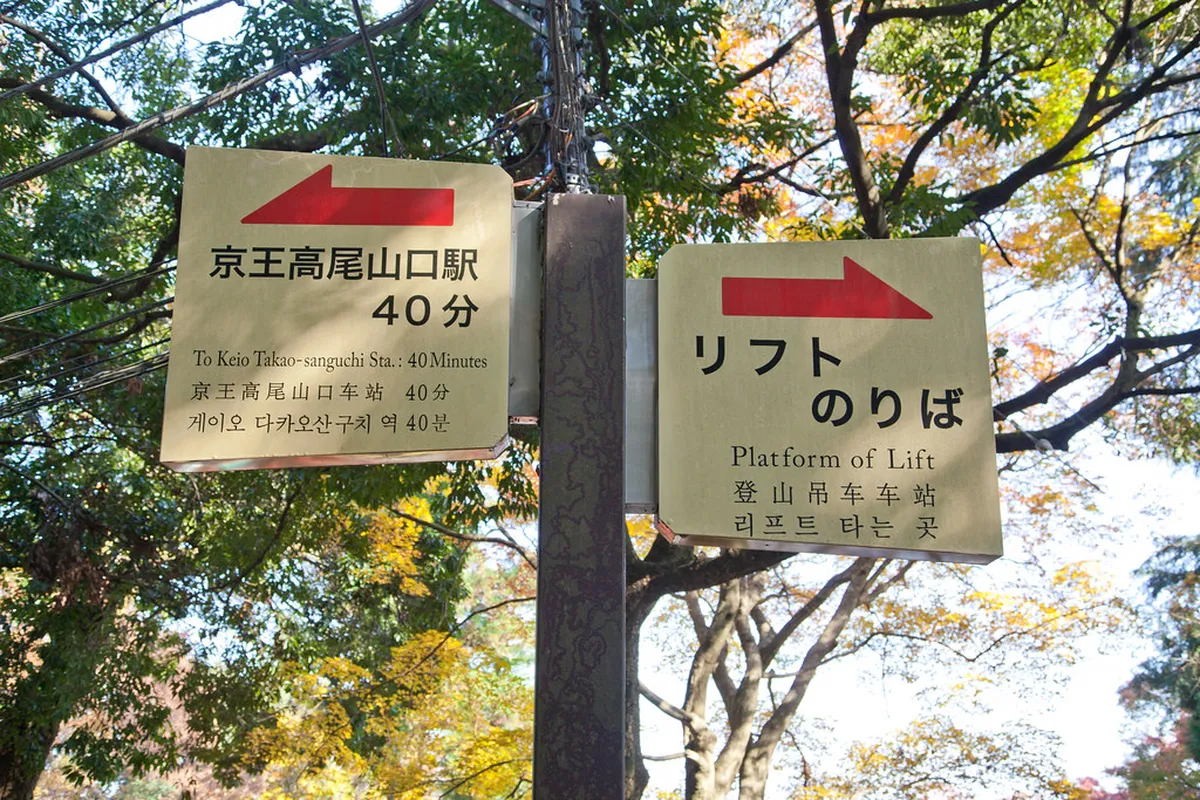
The cable car holds the record for the steepest gradient of any cable car in Japan and completes the ascent in about six minutes. It is enclosed, making it the practical choice in rain or with young children. The chairlift is open-air, slower (about 12 minutes), and offers better views of the forest on the way up. On a clear autumn or spring day the chairlift is the more enjoyable ride, but it is not suitable in heavy rain.
Both services close early — typically by 18:00 on weekdays and slightly later on weekends, with reduced schedules outside peak season. Check the exact timetable on the day of your visit at takaotozan.co.jp before you start hiking down. Missing the last cable car is a common mistake that forces an unplanned descent on foot in fading light, adding 45 to 60 minutes to your return.
Getting to Mount Takao from Central Tokyo
The fastest route from central Tokyo is the Keio Line from Shinjuku Station, bound for Takaosanguchi. Take an express service and confirm it terminates at Takaosanguchi — trains bound for Keio-Hachioji or Hashimoto require a transfer and add time. A one-way fare is 390 yen and the journey takes under an hour. The first direct train departs Shinjuku at 05:29, which is genuinely useful if you want to arrive before the crowds build.
From Yokohama, take the JR Yokohama Line to Hachioji, transfer to the JR Chuo Line to Takao, then transfer to the Keio Line for the final stop at Takaosanguchi. Total travel time from Yokohama Station is around 1 hour 15 minutes. The JR Chuo Line from Tokyo Station to Takao Station is another option, but it requires the same final Keio transfer and costs 680 yen one-way due to using two separate rail operators. Walking from Takao Station to Takaosanguchi takes around 30 minutes along an uninspiring road and is not recommended when the train connection is straightforward.
For a more complete overview of transport options and what to combine on the same day, see our Mount Takao Day Trip From Tokyo Travel Guide guide.
When to Visit Mount Takao
Mount Takao is hikeable year-round, but crowd levels vary enormously by season and day of the week. Weekends during cherry blossom season (late March to early April) and autumn foliage season (mid to late November) are the most crowded periods. The hiking trails can feel genuinely unpleasant on these days — lines form at the cable car base and the summit observation deck fills well beyond comfortable capacity.
Weekdays in January and February offer the opposite experience: thin crowds, sharp winter air, and the best odds of seeing both Mount Fuji and, in late December, the Diamond Fuji phenomenon. Summer is pleasant due to the forest shade and temperatures running a few degrees cooler than central Tokyo, but bring water and expect more hikers on weekends. Autumn on a weekday is arguably the sweet spot — comfortable temperatures, vivid foliage, and manageable numbers.
Regardless of season, arriving before 09:00 makes a material difference. The cable car queues are short or nonexistent before that hour, the trails are quiet, and the summit feels like a different place compared to midday. If your schedule only allows a weekend visit, an early start is the single most effective thing you can do to improve the experience.
Diamond Fuji
Diamond Fuji is the optical event that occurs when the setting sun aligns precisely with the peak of Mount Fuji, creating a brief but intensely bright flare at the summit. From Mount Takao's observation deck, this alignment happens around 16:00 on clear days in late November and through December into early January. The exact window shifts slightly each year by a day or two on either side of the winter solstice.
Photographers make a specific pilgrimage to Mount Takao for Diamond Fuji and typically bring a lens of 200mm or longer to compress the distance between the two peaks. Even without dedicated camera equipment, the sight is memorable on a clear winter afternoon. The summit tends to be uncrowded in December outside of weekends, which makes this one of the genuinely good reasons to visit in what is otherwise the quietest season.
Beer Garden and Food on the Mountain
Mount Takao has an unusually good food culture for a day-hike destination. Near Takaosanguchi Station at the base, several restaurants specialise in Hachioji-style soba. On Trail 1 heading up, vendors appear seasonally selling Mitarashi Dango — skewered rice dumplings glazed with a sweet-salty sauce — and grilled Ayu sweetfish cooked on a skewer over charcoal. Both are inexpensive, filling, and worth trying.
At the summit a restaurant serves Sansai Soba, using mountain vegetables foraged from the surrounding forest. It is one of the better summit meals available on any accessible mountain in Japan. Vending machines at the top stock drinks including beer, which has become part of the informal summit ritual for many regular hikers.
For a more dedicated drinking experience, the Mount Takao Beer Garden operates near the upper cable car station from mid-June to mid-October, open daily 13:00–21:00. The format is an all-you-can-eat and all-you-can-drink buffet. Prices in recent years have been around 3,800 yen for adults, with discounts for students and seniors. Premium seats with better views cost around 5,000 yen per person. Check the current season's pricing at takaotozan.co.jp/beermnt before visiting, as prices are updated annually.
Frequently Asked Questions
What is the best trail for Mount Takao?
Trail 1, Omotesando Trail, is the most popular and well-maintained option. It features paved sections, the Monkey Park, and Yakuo-in Temple. This trail suits most fitness levels and offers many attractions. Other trails provide more natural, unpaved experiences for seasoned hikers.
How long does it take to hike up Mount Takao?
Hiking from Takaosanguchi Station to the summit lookout point usually takes slightly less than two hours. The distance is approximately 4 km, depending on the chosen trail. Using the cable car or chairlift can significantly reduce the ascent time. This allows more time to explore attractions at the top.
Is Mount Takao worth it?
Yes, Mount Takao is definitely worth visiting for its natural beauty, cultural sites, and accessibility from Tokyo. It offers a refreshing escape with diverse hiking options and attractions. The stunning views and serene atmosphere make it a popular choice for both locals and tourists. It's an excellent day trip from Tokyo.
Mount Takao rewards the visitors who plan a step beyond the default. Choosing the right trail for your fitness level and interests, arriving before 09:00, and knowing which stops to linger at versus which to walk past makes the difference between a memorable day and a crowded shuffle. The mountain is genuinely one of the best accessible hikes in Japan — the six mount takao hiking trails, the cultural weight of Yakuo-in, and the clarity of the summit views on a clear winter morning are all reasons to go more than once.
For tickets, hours and visitor details, see our Mt Takao Cable Car Visitor Guide and Mount Takao attractions hub.
Free guide: Japan's Hidden Gems
12 under-the-radar places beyond Tokyo & Kyoto — with the best season to visit each and a local tip you won't find in the guidebooks.
You might also like


Continue reading
More guides you'll find useful