Yamagata Ita Soba and Restaurant Guide
A 2026 Yamagata soba guide to ita soba, Ichian in Tendo, Q1 Yamagata workshops, seasonal zaru and tororo soba, prices, and the sobayu ritual.
On this page
Last updated August 2026. This Yamagata soba guide breaks down what separates the prefecture's ita soba from the thin, refined noodles served in Tokyo. Mountain buckwheat, volcanic soil, and an unpolished-flour tradition give Yamagata soba a firmer, nuttier bite, from Tendo's Ichian restaurant to hands-on workshops at Q1 Yamagata in Yamagata City.
Yamagata Soba Guide Basics: Ita Soba and the Inaka Style
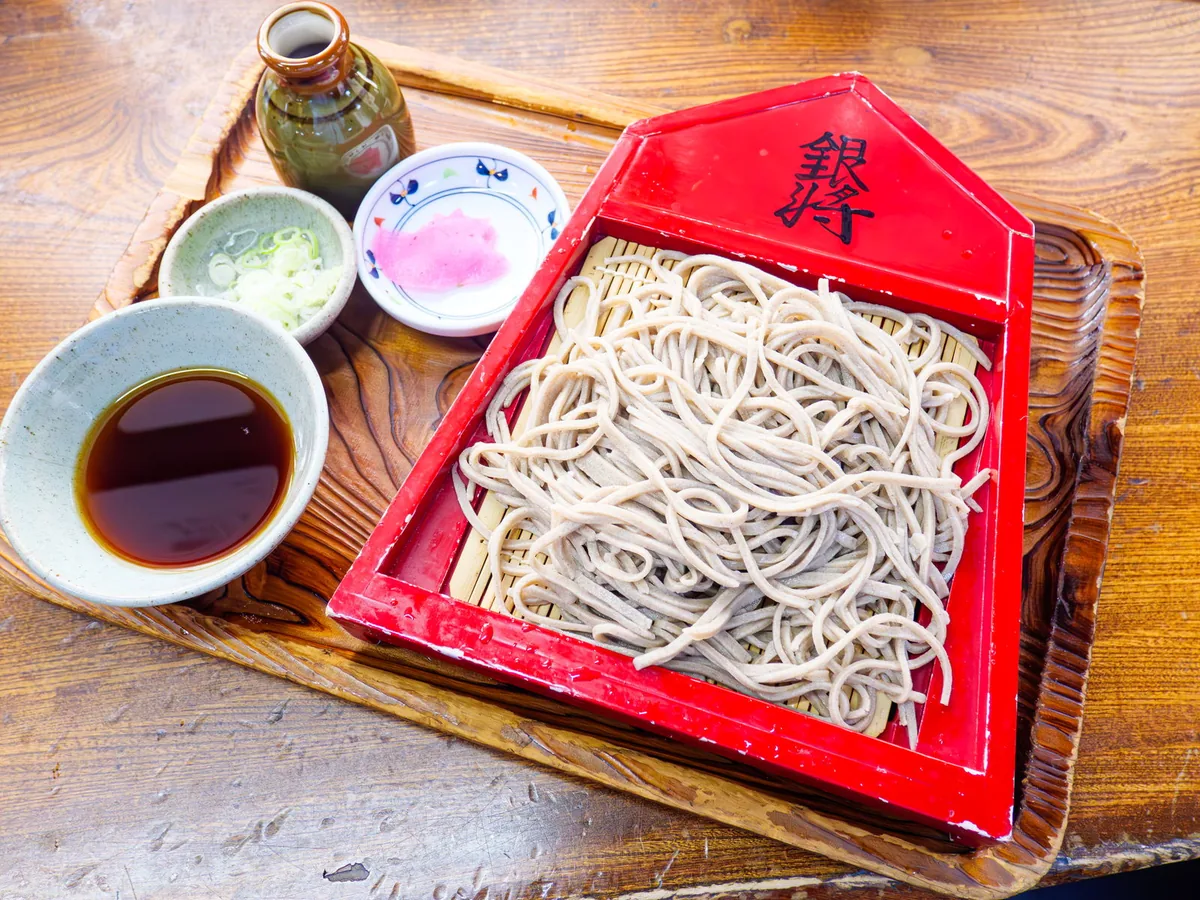
Yamagata's defining dish is ita soba, noodles served on a large wooden board, or ita, instead of a small tray. The prefecture's mountain climate and volcanic soil suit buckwheat particularly well, producing grain with a more concentrated flavor than milder growing regions elsewhere in Japan. Shops use unpolished buckwheat flour, leaving flecks of husk in the dough. That gives the noodles a darker color and a stronger buckwheat aroma. This board-served Ita Soba tradition produces a noodle that's noticeably coarser and chewier than the polished, thin styles found in Tokyo. Buckwheat content matters too. Juwari means 100% buckwheat flour. It delivers an intense, nutty flavor but breaks apart easily, since it has no wheat gluten to bind it. Ni-hachi blends roughly 80% buckwheat with 20% wheat flour, trading some of that intensity for a smoother, more forgiving noodle. Yamagata also keeps a custom called soba furumai, where families serve homemade soba to neighbors and relatives as a gesture of hospitality. First-timers should expect firmness, not softness: this sits closer to al dente pasta than to the tender noodles in a bowl of udon. For the prefecture's wider food scene beyond noodles, see the prefecture's full food lineup.
Where to Eat: Ichian, Q1 Yamagata, and Yamadera
Yamagata City, Tendo, and the prefecture's rural soba towns each offer a different version of the same tradition. Convenience and workshops cluster in Yamagata City. Well-known shops anchor Tendo, and the countryside around Murayama and Obanazawa keeps some of the oldest ita soba shops running. Deciding where to eat often comes down to time: a restaurant meal takes under an hour, while a rural detour or a workshop asks for half a day. Beyond Yamagata City and Tendo, the prefecture's deepest soba country runs along the Mogami River. Murayama, Oishida, and Obanazawa form what's known as the Yamagata Big Three Soba Highway. Tendo has another specialty worth knowing about. The town makes roughly 95% of Japan's shogi (Japanese chess) pieces. A shogi workshop or craft shop pairs naturally with a stop at Ichian; check current opening days locally before you go.
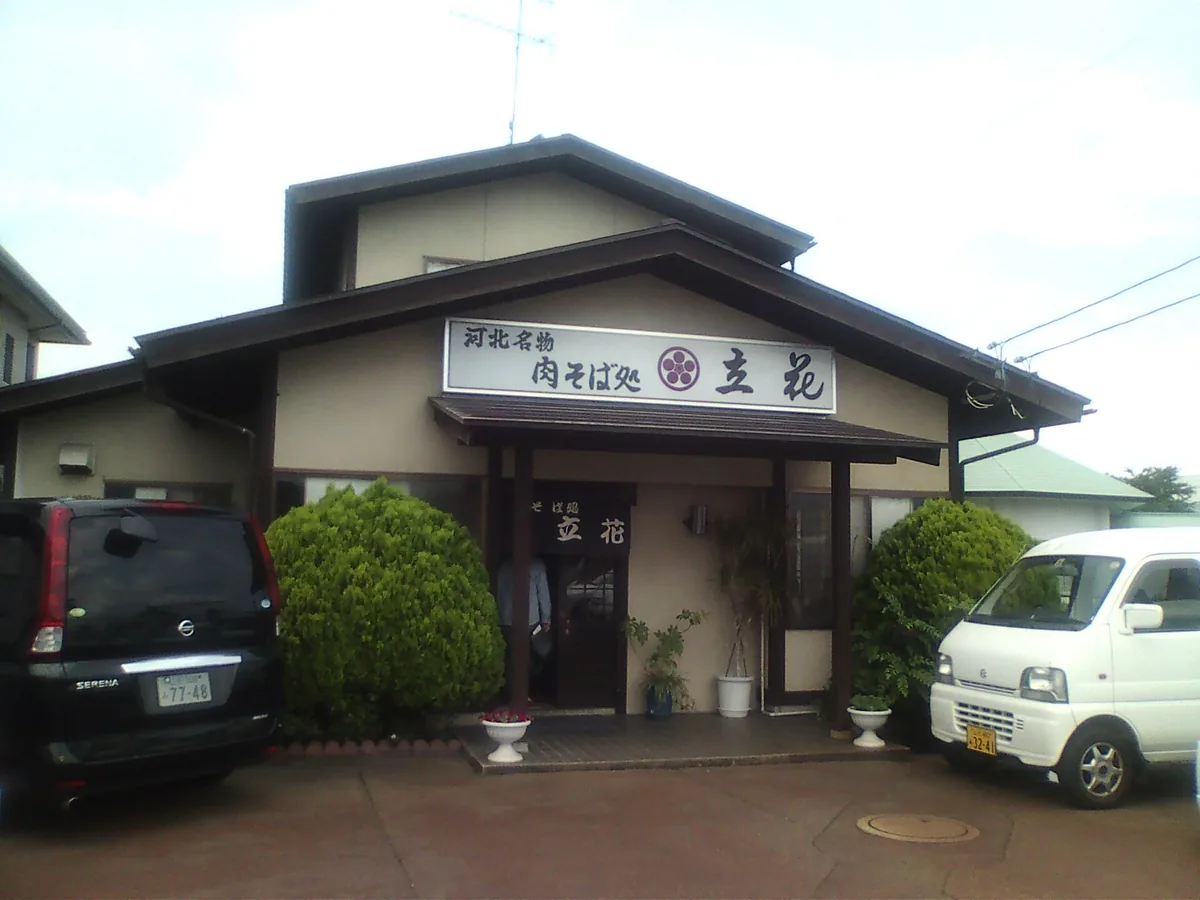
- Ichian Soba (Tendo): known for double portions served in two stacked wooden boxes, plus a soy-based tsuyu and a chicken-based dipping broth alongside tempura. It's about a 20-minute walk from JR Tendo Station, or a short taxi ride if the weather turns. Ramen is also on the menu, but the soba is the reason locals queue at lunch.
- Q1 Yamagata Creative City Center (Yamagata City): the city's hub for artisan soba workshops, with rental kitchen space on the floor above ground-level offices.
- Yamadera: pair the mountain temple hike with a soba lunch at the base afterward; see the Yamadera temple hike for the full route.
Soba-Making Workshops: What to Expect and What They Cost
Workshops walk participants through the entire process, from mixing flour to eating the finished noodles. Under a soba master's guidance, you combine buckwheat flour and water in a large lacquer bowl, working it into a dough by hand. Kneading comes next, followed by rolling the dough thin with traditional tools and cutting it into noodles with a soba knife. A typical schedule starts around 10:00, with dough preparation running until about 11:30, followed by boiling and eating until close to 13:00. Between rolling and boiling, there's time to sit with the soba master and guide, learning about the ingredients and technique while the noodles cook in batches. The finished noodles are served with mentsuyu dipping sauce and a pot of sobayu at the end. These sessions suit families and slow travelers who want a half-day built around one activity, rather than a quick lunch stop. Cancellations made close to the date typically carry a partial fee, so confirm the operator's current policy when you book.
- Average duration: about 3 hours, from mixing dough to eating the finished noodles.
- Location: Q1 Yamagata Creative City Center, central Yamagata City.
- Minimum participants: 2 people; a solo traveler can book a private one-on-one session by paying the two-person rate.
- Booking lead time: at least one week ahead, per the operator's published policy.
- Cost: one premium Q1 experience published ¥20,000 per person for two people or ¥15,000 per person for three or more; confirm the current listing and do not treat this as a typical prefecture-wide workshop price.
Seasonal Soba: Summer Zaru, Autumn Tororo, and Local Pairings
Season changes what lands on the board. Summer favors zaru soba, cold noodles topped with nori and dipped in a chilled tsuyu. It's often served alongside Yamagata dashi, a topping of finely chopped raw summer vegetables mixed with soy sauce. Autumn shifts the focus to tororo soba, hot or cold noodles topped with grated nagaimo mountain yam. The season also brings shin-soba, noodles milled from the year's newly harvested buckwheat. Shin-soba tends to appear on specials boards for a limited window each autumn, so ask staff whether the new harvest is in before ordering. A seasonal tororo or dashi topping typically adds a modest amount to the standard ¥750–¥1,300 bowl price. Many menus list Yamagata's taro-and-beef imoni stew as a cool-season side. If your visit lines up with cherry season, round out the meal with Yamagata's fruit and dessert specialties afterward. Evening soba sets also pair well with local sake and wine pairings from the prefecture's breweries.
Getting There and Budgeting Your Visit
The JR Yamagata Shinkansen connects Tokyo Station to Yamagata Prefecture, with Tendo Station roughly three hours from Tokyo. From Tendo Station, Ichian is a 20-minute walk, or a short taxi ride if the weather turns. Q1 Yamagata sits centrally within Yamagata City, making it an easy add-on to a day of sightseeing. Most of the venues in this guide sit within walking distance of a station, so a rental car isn't required for a soba-focused day. Busy stations elsewhere on the network sometimes have standing soba counters for a fast meal between trains, where you buy a ticket from a vending machine and hand it to staff. A restaurant meal is the efficient choice when you're stacking multiple stops into one day. A workshop is the better pick if hands-on cooking is part of why you're visiting Tohoku.
Ichian is a 20-minute walk from Tendo Station, so arriving close to opening rather than midday helps avoid crowds, since the restaurant fills up quickly at lunch.
| Option | Price | Time needed |
|---|---|---|
| Restaurant bowl (e.g., Ichian) | ¥750–¥1,300 | About 45 minutes |
| Workshop, 3+ people | From ¥15,000 per person | About 3 hours |
| Workshop, 2 people | ¥20,000 per person | About 3 hours |
Soba Etiquette: Slurping and the Sobayu Finish
Slurping is expected, not rude, in a soba shop. Pulling the noodles in with a slurp cools them and carries more flavor across your palate. For cold soba served with a dipping sauce, mix a little wasabi and scallion into the tsuyu first. Dip each mouthful before eating, and don't worry about finishing every drop. It's fine to leave some broth or sauce unfinished at the end of the meal. When you're done with the noodles, most shops bring out a small pot of sobayu, the hot water the noodles were cooked in. Pour a little into your remaining dipping sauce, taste it, and add more until the mixture suits you. Drink it like a light, warm broth to close out the meal. This etiquette applies whether you're eating a ¥750–¥1,300 mori soba or noodles from a three-hour workshop session. Tipping isn't expected at soba shops, in workshops, or anywhere else in Japan.
Mistakes to Avoid When Ordering Yamagata Soba
A few habits trip up first-time visitors to Yamagata's soba shops.
Juwari is 100% buckwheat flour, which delivers an intense, nutty flavor but breaks apart easily. This firmness contrasts sharply with the soft noodles first-timers often expect.
- Expecting soft noodles: ita soba's unpolished buckwheat makes for a firm, chewy bite, closer to al dente than to udon.
- Arriving at Ichian right around midday: the restaurant fills up quickly, so plan to arrive close to opening instead.
- Mixing up soba with other noodles that share the name: Okinawa Soba and yakisoba are made from wheat flour, not buckwheat.
- Skipping the workshop booking window: sessions at Q1 Yamagata typically need at least a week's notice, so reserve before finalizing the rest of the itinerary.
- Overlooking Yamagata's other noodle scene: the prefecture is also known for Yamagata's wheat-based ramen scene, so don't assume every noodle bowl on a menu is buckwheat.
How This Guide Was Verified
Food availability, access details, seasonal rules, and the time-sensitive claims in this guide were checked on August 22, 2026 against the official sources below. Independent restaurant menus, prices, opening days, and sell-outs can change, so confirm the operator's same-day notice before making a special trip.
Frequently Asked Questions
What makes Yamagata soba different from soba in Tokyo or Nagano?
Yamagata's signature is ita soba, noodles cut from unpolished buckwheat flour and served on large wooden boards. The result is a darker, firmer noodle with a stronger buckwheat flavor than the thin, refined styles common in Tokyo.
How much does a bowl of soba cost in Yamagata?
Expect roughly ¥750 to ¥1,300 for a basic bowl at a standard shop, in line with typical pricing across the prefecture. Elaborate sets with tempura or extra toppings sit toward the higher end of that range.
Do soba-making workshops require advance booking?
One premium Q1 Yamagata experience has published a one-week booking lead time, a roughly three-hour session, and rates of ¥20,000 per person for two or ¥15,000 per person for three or more. Confirm that operator's current listing; these terms are not typical of every Yamagata soba workshop.
What is sobayu, and how should you drink it?
Sobayu is the hot water the noodles were boiled in. After finishing your soba, shops bring a small pot of it to pour into your remaining dipping sauce. Add a little at a time, taste as you go, and drink the mixture like a warm broth once it suits you.
When is the best time to visit for soba?
Summer is the season for cold zaru soba served with Yamagata dashi, a chopped raw-vegetable topping. Autumn brings warm tororo soba with grated mountain yam, plus freshly milled shin-soba from the new buckwheat harvest.
Is Ichian in Tendo easy to reach without a car?
Ichian is about a 20-minute walk from JR Tendo Station, which sits on the JR Yamagata Shinkansen line. Arrive close to opening if possible, since the restaurant fills up quickly around midday.
Are there good soba options outside Yamagata City and Tendo?
The rural towns of Murayama, Oishida, and Obanazawa, connected along the Mogami River, are known collectively as the Yamagata Big Three Soba Highway. That stretch holds some of the prefecture's oldest standalone soba houses.
Free guide: Japan's Hidden Gems
12 under-the-radar places beyond Tokyo & Kyoto — with the best season to visit each and a local tip you won't find in the guidebooks.
You might also like


Continue reading
More guides you'll find useful