What to Eat in Iya Valley: 10 Must-Try Foods and Drinks
What to eat in Iya Valley: ten dishes and drinks from buckwheat soba to hirara-yaki, with practical guidance on where to find each specialty.
On this page
Last updated August 2026, this guide covers what to eat in Iya Valley through ten dishes and drinks native to the region. Steep terrain in this remote pocket of Tokushima Prefecture on Shikoku Island made rice farming difficult, so cooks turned to buckwheat, potatoes, and river fish. Each entry below names the dish, its typical texture or flavor, and the specific stall, restaurant, or ryokan where you can order it.
Why Iya Valley Food Tastes Different From the Rest of Japan
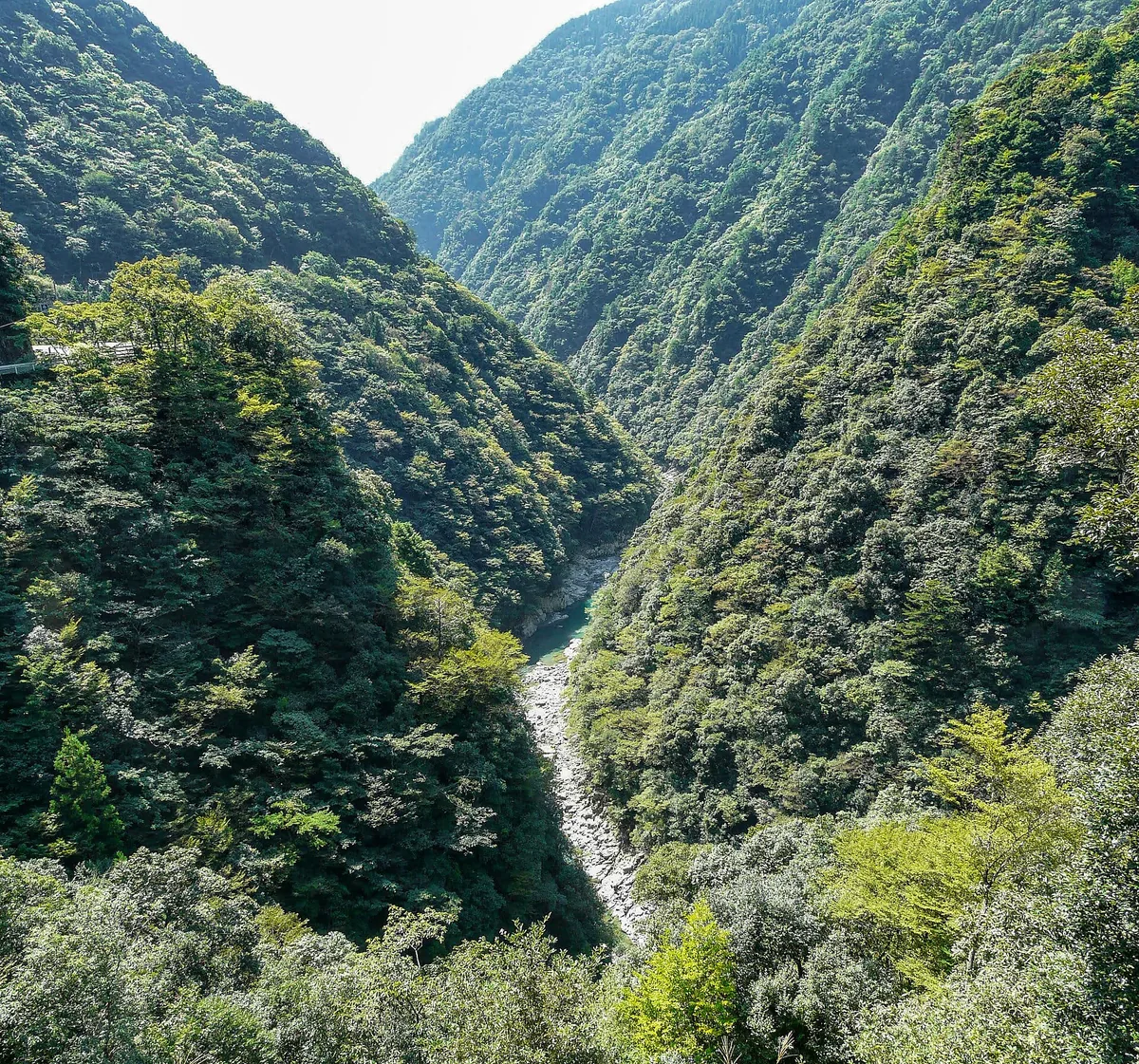
Rice defines most Japanese menus, but Iya Valley never had the flat paddies needed to grow much of it. Narrow terraces cut into steep slopes across this Shikoku Island valley favored buckwheat, millet, and potatoes instead. The region is now recognized as a Globally Important Agricultural Heritage System for that adaptation. Tokushima Prefecture's older name, Awa, comes from a local millet crop, a reminder of how central grains other than rice once were here. Landlocked terrain also meant limited access to ocean seafood, so river fish and foraged mountain ingredients filled that gap instead. Local legend says exiled Heike warriors from Kyoto found buckwheat porridge a nostalgic stand-in for the rice dishes of home. That mix of geography and history still shapes every menu in the valley, from soba shops in Nishi-Iya to ryokan dinners in Higashi-Iya. Cooking style here leans toward a farmhouse approach that highlights raw ingredients rather than refined plating. Polished multi-course meals do still exist at a handful of larger valley hotels. Menus across the valley still reflect that self-sufficiency today, built around what grows on steep ground rather than what could be shipped in.
10 Best Foods and Drinks to Eat in Iya Valley
Order from this list by season and location. Nishi-Iya's Kazurabashi Bridge stalls suit a quick stop, and Higashi-Iya's ryokan kitchens serve the slower dishes below. Each entry names the core ingredients, typical texture, and a specific place to order it, so decisions come down to what is nearby rather than guesswork.
- Iya Soba (100% Buckwheat Noodles)
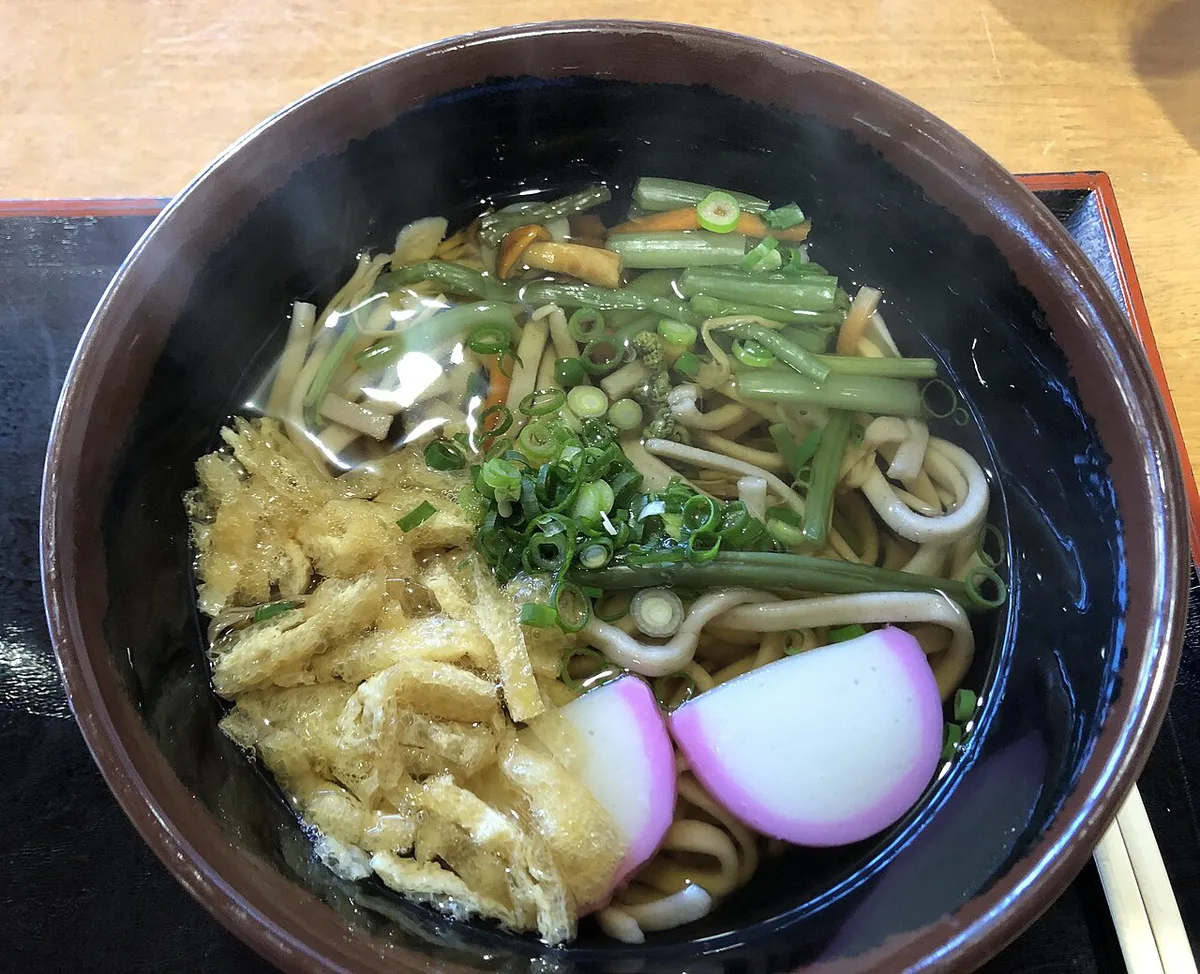
- Iya soba is made from 100% buckwheat flour and mountain spring water, with no wheat filler, giving the noodles a short, fragile, earthy bite.
- Cooks at shops such as Senkichi in Nishi-Iya still cut each noodle by hand, one at a time, rather than machine-cutting them.
- A deeper breakdown of the technique lives in the Iya Soba Guide: Where to Eat and Book the Soba-Making Experience.
- Dekomawashi (Skewered Potato, Tofu, and Konnyaku)
- Dekomawashi skewers a wedge of iwa-dofu, a block of konnyaku, and a whole hodo-imo potato together, then coats the trio in sweetened miso before slow-roasting it over charcoal.
- Vendors in the Kazurabashi Bridge arcade roast it daily, usually from around 9am to 5pm, making it a practical stop before or after crossing the bridge.
- Stall etiquette and other restaurant options appear in the Dekomawashi in Iya Valley: A Complete Guide to Tokushima's Miso Skewers.
- Hirara-yaki (Flat-Stone Miso Hot Pot)
- A thick ring of miso paste is built around a heated flat stone, and a pool of sake with seasonings fills the center once the fire is going.
- Potato, tofu, konnyaku, mushrooms, and river fish then simmer inside that pool as the miso walls slowly dissolve into the broth.
- Restaurants such as Amego-tei and Okuiya have served it in the past, so call ahead to confirm current availability before planning around it.
- Iwa-dofu (Stone Tofu)
- Iwa-dofu, also called ishi-dofu, is pressed into blocks dense enough that it was historically carried by rope instead of trays or boxes.
- Order it grilled, dropped into soup, or eaten raw with grated ginger, wasabi, and soy sauce for the clearest sense of its texture.
- Small producers around Oku-Iya sell it directly, though reserving ahead and arriving before noon improves the odds of finding stock in person.
- Ayu and Amego (Salt-Grilled River Fish)
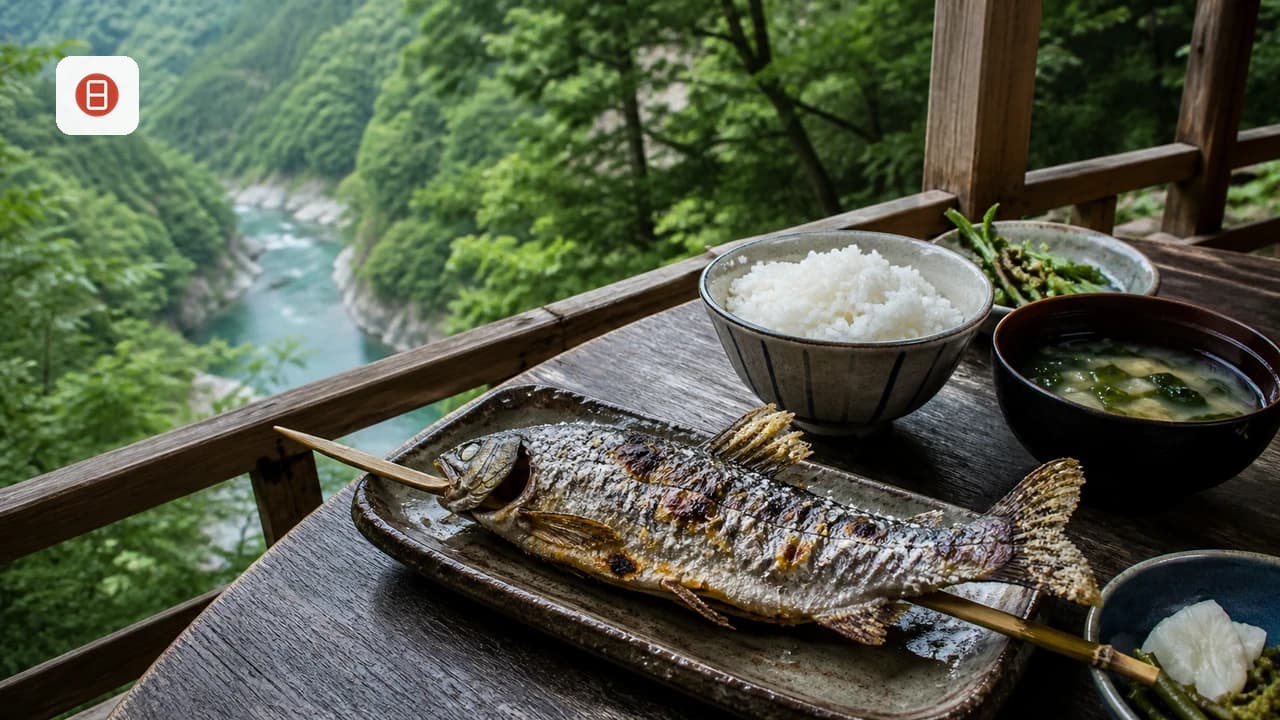
- Ayu (sweetfish) and amego (a local salmon trout) are skewered whole, crusted in salt, and roasted over charcoal until the body curves as if still swimming.
- Both are seasonal fish, with fresh catches most reliable in summer and autumn and frozen fish more common on winter menus.
- Season-by-season availability for each species appears in the river fish guide.
- Soba-gome (Buckwheat Porridge)
- Soba-gome uses whole buckwheat kernels instead of ground flour, simmered into a thick porridge with shiitake, sansai, chicken, and seasonings.
- It functions as the valley's home-style comfort food, more common at ryokans and casual restaurants than at street stalls.
- A separate local legend ties soba-gome to exiled Heike warriors, who reportedly found it a nostalgic echo of the cooking they left behind in Kyoto.
- Wild Game / Gibier (Venison and Wild Boar)
- Local hunters supply venison (shika) and wild boar (shishi) to area kitchens, where it appears grilled, in hot pots, and as sausage.
- A Hunter's Butchery in Oku-Iya processes local game and mainly supplies area restaurants, with late morning around 10am to 11am historically the most reliable window to find it open.
- Hours shift with whatever a local hunter brings in that day, so calling ahead remains the safer plan.
- Miyoshi Sake
- Ikeda is home to three sake breweries, each more than a century old, drawing on rice grown along the wider Yoshino River plain and on local mountain spring water.
- Locals still practice a shared-cup drinking style once common across Japan and now mostly kept alive in Iya.
- One person hands over an empty cup, a companion fills and drinks it, then returns the gesture to keep the round going.
- Bancha Tea and Sudachi Citrus
- Local bancha tea is roasted in cast iron pots, then hand-kneaded on woven mats and sun-dried over a couple of days.
- The tender first-flush leaves are picked roughly from late April to mid-May, around the same weeks sansai sprouts appear for drying nearby.
- Sudachi, Tokushima's small tart lime, peaks in September and turns up squeezed over grilled fish, stirred into soup, or added to drinks.
- Hoshi-gaki (Dried Persimmons)
- Ripe persimmons are peeled and hung to dry into hoshi-gaki, a natural sweet that mellows from bitter to sweet as it dries.
- Persimmons come into season in mid-autumn, when strings of drying fruit hang from balconies across hillside hamlets.
- Find them at village shops and roadside stands each fall, alongside other dried and preserved local foods.
Best Times of Year to Eat Your Way Through Iya Valley
Soba plants bloom white across valley hillsides each October, marking the run-up to the year's fresh buckwheat harvest. Ayu and amego are most reliably fresh from early summer through autumn, so kitchens more often serve frozen fish once winter sets in. Bancha tea picking runs roughly from late April to mid-May, when the season's first, most tender leaves come off the bushes. Sudachi limes peak in September, while yuzu follows in November as the valley's other signature citrus. Hodo-imo potatoes, a base ingredient in dekomawashi and hirara-yaki, are typically harvested in mid-summer after being introduced to the valley in the mid-1800s. Hoshi-gaki persimmons dry through mid-autumn, when strings of the fruit hang from farmhouse balconies across the hills. Dekomawashi and hirara-yaki are less tied to a single season, since their core ingredients store well through the year. Planning a trip around one or two of these windows adds fresh, in-season versions of dishes that are otherwise served with frozen or stored ingredients the rest of the year. None of these windows require exact planning, since most dishes remain available in some form year-round, just not always at peak freshness.
Dining Logistics: How Not to Go Hungry in Iya Valley
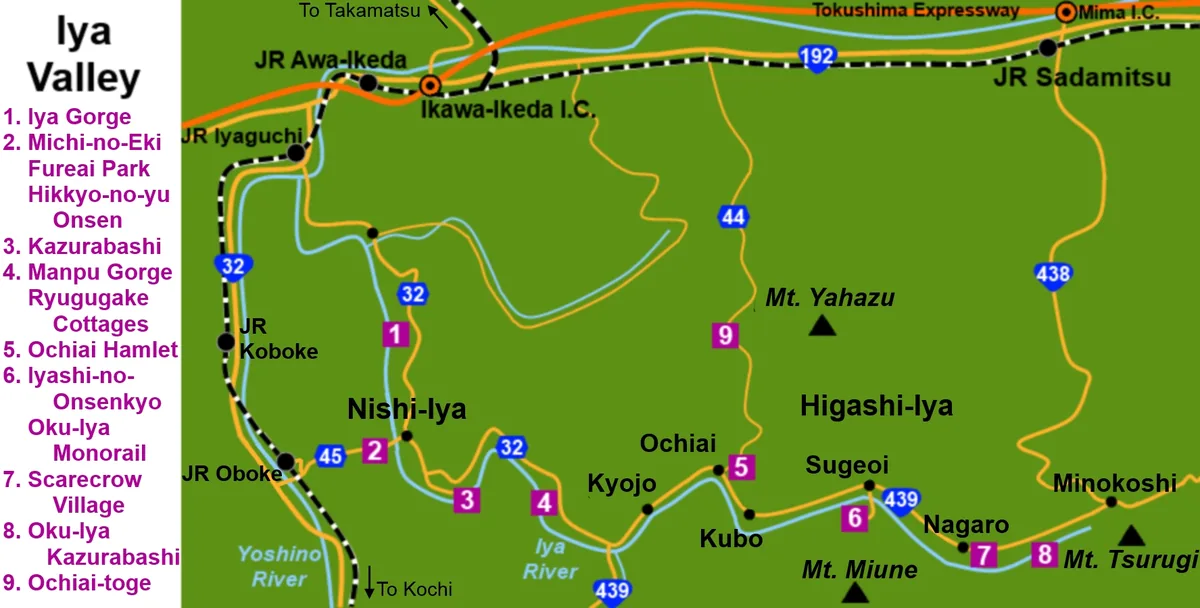
Restaurants in Iya Valley often keep short hours, especially outside the main sightseeing areas. Nishi-Iya has the highest concentration of standalone restaurants and food stalls around Kazurabashi Bridge, while Higashi-Iya has fewer choices, making a confirmed ryokan dinner the most dependable plan there. The current Miyoshi tourism listing gives Yanamoto in Oku-Iya approximate hours of 10:00-22:00, but that is not a guarantee of daily walk-in service; confirm the date and last order directly. Booking details for a half-board stay appear in the ryokan meal guide. Check the dining logistics guide and current operator notices before setting out.
Grocery Stores and Stocking Up Before You Go Deeper Into the Valley
Restaurant options thin out fast once you leave Ikeda, so grocery stops matter as much as restaurant picks for longer stays. Store selection also drops the further into Nishi-Iya and Oku-Iya you travel, so buy perishables and staples while options are still good. Cash is the safer default at smaller shops and producers, since card acceptance is inconsistent away from Ikeda's larger stores.
Boke Mart near Oboke Station operates 8am to 6pm and doubles as a sightseeing stop for gorge visitors, combining grocery shopping with meal breaks during daylight exploration hours.
- Ikeda
- The Frespo shopping center sits at the Miyoshi Bus Terminal, a couple hundred meters from JR Awa-Ikeda Station.
- A 7-Eleven just behind Frespo has historically run 24 hours, though confirming current hours locally is worth doing before a late-night stop.
- SunShine Supermarket, a short drive from Frespo near the hospital, carries a different selection worth checking if the first stop comes up short.
- On Route 192 a few minutes from the station, Shinonome Farmer's Market and Butcher (also called Ueno) stocks local vegetables, seasonal fruit, honey, tofu, grains, and tea, with a BBQ restaurant downstairs.
- Oboke and Koboke
- Heading south on Route 32, Utopia convenience store offers a cheaper, decent selection of snacks and prepared food, and Furutani Shop further along Route 319 is the area's biggest grocery store.
- A Lawson inside the West-West service area on Route 32 stays open 24 hours.
- Boke Mart, near JR Oboke Station, stocks fresh and packaged goods including local tofu, fresh konnyaku, and tea, open 8am to 6pm and closed Sundays, with a cafe across the street.
- For anything Boke Mart lacks, Tosaya food shop sits across the bridge, and Maekawa Liquor Shop is just outside the train station.
- Nishi-Iya
- Grocery selection is limited in Nishi-Iya, with a small shop near the town office in central Nishi-Iya and Matoba Shouten, about 200 meters before the Kazurabashi bus stop, offering a thin selection.
- Okazaki Shouten, roughly 50 meters past the Kazurabashi bus stop, is generally the better option and carries local tofu if you arrive early.
- Oku-Iya
- Small shops in Kyojo, Ochiai, Kubo, and Sugeoi mainly stock snacks and drinks, and Minokoshi has a few hiker's restaurants selling take-out food.
- Two tofu and konnyaku factories in Oku-Iya sell iwa-dofu directly to visitors, and reserving ahead with an arrival before noon improves the odds of finding stock.
- Yoshida Tofu on Kyojo's back street and Kurieda Tofu in Ochiai also make tofu and konnyaku daily, though English is not spoken at either and reservations are recommended.
Vegetarian and Vegan Notes for Iya Valley
Dashi built from fish stock underlies most savory cooking in Iya Valley, including the broth used for standard soba service, so strict vegetarian and vegan meals take extra planning. Iya soba noodles themselves are just buckwheat and water, but the dipping sauce or hot broth served alongside them is usually fish-based unless a kitchen confirms otherwise. Iwa-dofu, soba-gome made without meat, and grilled sansai are the easiest starting points for a plant-based plate. Soba-gome typically includes chicken alongside vegetables, so ask for a meat-free version specifically if needed. Asking directly at each restaurant or ryokan before ordering remains the most reliable way to avoid hidden dashi. Ryokan kitchens are generally more flexible than roadside stalls, since they prepare meals to order rather than from a fixed stall menu.
Pairing Iya Valley Meals With Sightseeing
Kazurabashi Bridge draws most day-trippers to Nishi-Iya, and the food stalls in its arcade make an easy lunch stop before or after crossing. Planning stops around the Iya Valley Travel Guide: Shikoku's Hidden Valley guide keeps meals and sights on the same loop instead of doubling back across the valley. Oku-Iya's twin vine bridges and the deeper mountain villages have far fewer dining options, so eat in Nishi-Iya first or pack food before heading further east. Near Oboke Station, Boke Mart's grocery counter and its cafe across the street make a convenient combination stop for gorge sightseeing and a quick meal. Hikers heading up Mt Tsurugi can find hot meals at the Tsurugisan Hutte restaurant near the summit, open daily from 6am to 8pm between late April and mid-November. Onomiya, across from the Kazurabashi Hotel in Nishi-Iya, is one of the few options open into the evening, serving set meals and drinks until around 10pm and closed Wednesdays. Building a route around one or two food stops, rather than treating meals as an afterthought, saves time in a valley where distances between hamlets take longer than the map suggests.
Kazurabashi Bridge stalls operate 9am to 5pm, so plan your bridge crossing during those hours if you want to pair lunch with sightseeing at this main day-trip destination.
Quick-Reference Table: What to Eat in Iya Valley
Use this table to match each dish to its main ingredient, the best moment to order it, and where it typically turns up. Entries marked for a ryokan or reservation-only producer are worth confirming in advance, since hours and availability shift by season.
| Iya Soba | 100% buckwheat flour and spring water | Quick, light lunch | Soba specialists such as Senkichi, Nishi-Iya |
| Dekomawashi | Potato, tofu, konnyaku, miso | Snack while sightseeing | Kazurabashi Bridge arcade stalls |
| Hirara-yaki | River fish, tofu, vegetables, miso, sake | Shared, slow-cooked meal | Select restaurants and ryokans (confirm availability) |
| Iwa-dofu | Pressed soybean tofu | Side dish or light bite | Oku-Iya tofu producers, grocery stores |
| Ayu and Amego | Salt-grilled river fish | Charcoal-grilled snack | Riverside restaurants, ryokan dinners |
| Soba-gome | Whole buckwheat kernels | Home-style comfort meal | Ryokans, casual restaurants |
| Gibier (Wild Game) | Venison, wild boar | Hearty dinner | Restaurant menus sourced from Hunter's Butchery |
| Miyoshi Sake | Rice, spring water | Evening drink, shared toast | Ikeda breweries, local izakayas |
| Bancha and Sudachi | Roasted tea leaves, citrus | Everyday drink or garnish | Local shops, home tables |
| Hoshi-gaki | Dried persimmon | Seasonal dessert | Hillside hamlet shops, roadside stands |
How This Guide Was Verified
Food availability, access details, seasonal rules, and the time-sensitive claims in this guide were checked on August 22, 2026 against the official sources below. Independent restaurant menus, prices, opening days, and sell-outs can change, so confirm the operator's same-day notice before making a special trip.
Explore food in other cities
Frequently Asked Questions
What is the most iconic dish to eat in Iya Valley?
Iya soba and dekomawashi are the two dishes most associated with the valley. Iya soba is 100% buckwheat noodles made with only mountain spring water, while dekomawashi skewers potato, tofu, and konnyaku under a coat of sweetened miso.
Is it easy to eat vegetarian or vegan food in Iya Valley?
It takes extra effort. Dashi made from fish stock underlies most broths, including the sauce served with standard soba, so confirm ingredients directly with each kitchen before ordering.
Where can travelers find dekomawashi near Kazurabashi Bridge?
Several stalls line the arcade between the main parking area and Biwa Waterfall near Kazurabashi Bridge, roasting dekomawashi and other skewers roughly from 9am to 5pm most days.
What time do restaurants close in Iya Valley?
Many restaurants stop serving by 4pm or 5pm, especially in Higashi-Iya, where standalone restaurants are scarce. Booking a ryokan with half-board meals is the more reliable way to guarantee dinner there.
Does the Shikoku Sake Festival still take place in Ikeda every February?
Ikeda has hosted the Shikoku Sake Festival in February in past years, drawing producers from across the island. Confirm current dates with local tourism sources before building a trip around it.
Can travelers buy Iya Valley specialty foods to take home?
Fresh soba noodles, iwa-dofu, and konnyaku are sold at select producers and grocery stores such as Boke Mart, and dried goods like hoshi-gaki travel well. Small soba and tofu producers in Oku-Iya generally prefer reservations ahead of a visit.
Is dekomawashi the same everywhere in Iya Valley?
Recipes vary slightly by cook, but the combination of iwa-dofu, konnyaku, and hodo-imo potato coated in sweetened miso stays consistent across stalls and restaurants. Stalls at the Kazurabashi Bridge arcade are the most reliable place to compare a few versions in one stop.
What is the easiest Iya Valley dish for a first-time visitor to try?
Dekomawashi at the Kazurabashi Bridge arcade is the easiest entry point, since it needs no reservation and works as a stand-up snack. Iya soba at a sit-down shop is the next easiest option for a fuller meal.
Do restaurants in Iya Valley take reservations?
Reservations are recommended for hirara-yaki, dinner at most ryokans, and small producers such as Oku-Iya's tofu and soba makers. Walk-ins are generally fine at Kazurabashi Bridge food stalls and casual lunch spots in Ikeda.
Explore Iya Valley Food and Dining
Use these guides to compare local dishes, dining areas and practical food experiences in Iya Valley.
Food and Dining Guides
- Iya Valley attractions hub: tickets, hours & maps
- Iya Soba Guide: Where to Eat and Book the Soba-Making Experience
- A Complete Guide to Tokushima's Miso Skewers
- Iya Valley River Fish Guide: Amego, Ayu & Hirara-yaki Tips
- Iya Valley Ryokan Meals: What to Expect at Dinner and Breakfast
- Where to Eat in Iya Valley
Free guide: Japan's Hidden Gems
12 under-the-radar places beyond Tokyo & Kyoto — with the best season to visit each and a local tip you won't find in the guidebooks.
You might also like

Continue reading
More guides you'll find useful