
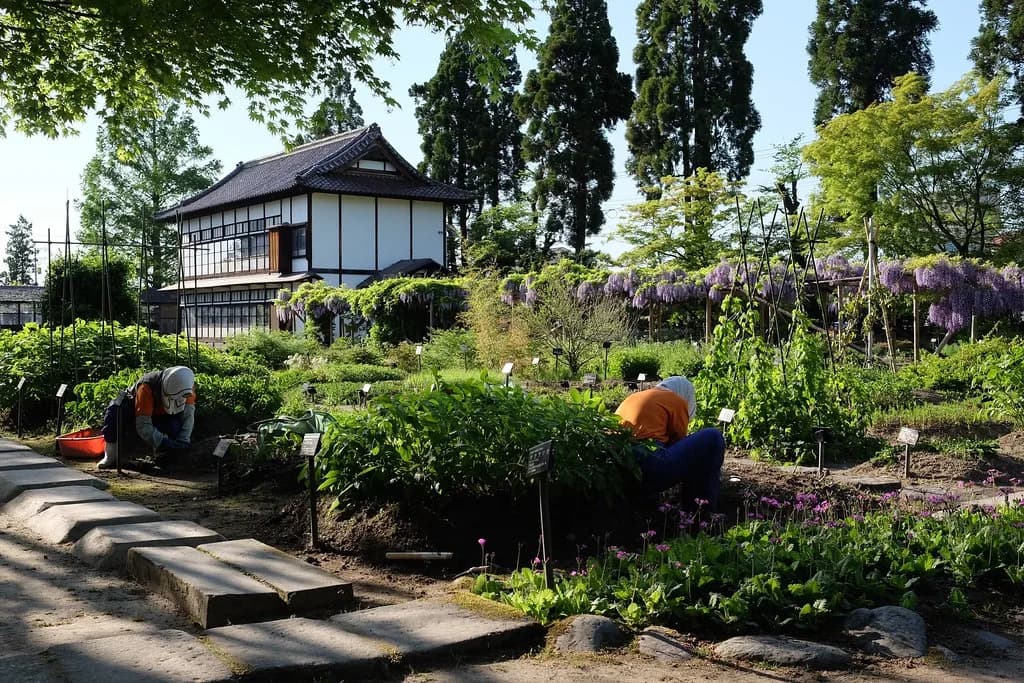
Oyakuen Garden offers a peaceful escape in the historic city of Aizuwakamatsu.
This guide provides all you need for an unforgettable visit to this unique site.
Discover its rich history, beautiful landscapes, and unique medicinal herb collection.
Our comprehensive oyakuen garden visitor guide helps you plan every detail.
Welcome to Oyakuen Garden: History and Significance
Oyakuen Garden holds a special place in Aizuwakamatsu's cultural heritage.
It began in the 17th century as a medicinal herb garden for the local lord.
The garden was originally established by the second lord of the Aizu domain, Hoshina Masatsune.
He sought to cultivate plants for the health and well-being of his people.
This unique purpose distinguishes Oyakuen from many other Japanese gardens.
Its focus on medicinal plants reflects a deep historical understanding of natural remedies.
The name 'Oyakuen' literally means 'Honorable Medicinal Herb Garden.'
It continues to be a living testament to traditional Japanese medicine and garden design.
Visitors can appreciate its historical role alongside its serene beauty.
The Unique Medicinal Herb Garden: A Deeper Look
The medicinal herb garden section is a core feature of Oyakuen.
It showcases over 400 species of herbs, each with historical significance.
These plants were traditionally used for various ailments and wellness practices.
Many of these herbs still hold cultural importance today.
Walking through this area feels like stepping back into a natural pharmacy.
Informative signs help identify the plants and their traditional uses.
This unique focus offers a distinct experience compared to other gardens.
It provides a fascinating glimpse into ancient Japanese health knowledge.
Consider this a key highlight of your oyakuen garden visitor guide experience.
- Key Medicinal Plants to Discover
- Ginseng: Traditional energy booster
- Mugwort: Used for digestive health
- Peony: Known for anti-inflammatory properties
- Japanese Angelica: Aids in circulation
- Houttuynia cordata: Supports immune system
- Cultural Significance of Herbs
- Herbal teas: Common wellness practice
- Traditional remedies: Passed down generations
- Seasonal harvesting: Integral to local life
- Holistic health: Emphasized in Aizu culture
Exploring Oyakuen: Key Sights and Experiences
Beyond the herb garden, Oyakuen offers a classic Japanese landscape.
The central pond, called Shinji-no-ike, resembles the Japanese character for 'heart'.
This pond features several small islands, each with its own charm.
The meticulously maintained pathways invite leisurely strolls.
Visitors can enjoy the changing scenery with every step.
A highlight is the Gomon-tei teahouse, where you can experience a traditional tea ceremony.
Sip matcha while overlooking the serene garden, a truly peaceful moment.
The teahouse provides an authentic glimpse into Japanese hospitality.
This experience often costs a small additional fee, usually around 500 yen.
It offers a perfect opportunity for quiet reflection and cultural immersion.
Planning Your Visit: Hours, Admission, and Facilities
Oyakuen Garden is open year-round, but hours vary by season.
Typically, it operates from 8:30 AM to 5:00 PM, with slightly shorter hours in winter.
Admission costs around 330 yen for adults, with discounts for children.
Check the official website or local tourism office for the most current information.
The garden features clean restrooms and a small gift shop near the entrance.
You can find unique herbal products and local souvenirs there.
Allow at least 60-90 minutes to fully explore the garden's beauty.
A more leisurely pace, including a tea ceremony, might take two hours.
Early mornings often offer the quietest experience and best light.
Getting to Oyakuen Garden: Directions and Transport
Oyakuen Garden is conveniently located within Aizuwakamatsu city.
From Aizuwakamatsu Station, the garden is a short bus ride away.
Take the Aizu Loop Bus (Haikara-san or Akabe) and alight at 'Oyakuen-mae'.
The bus journey typically takes about 15-20 minutes.
A taxi from the station offers a quicker option, usually taking 10 minutes.
Driving is also an option, with parking available near the garden entrance.
The garden's address is 8-1 Hanaharumachi, Aizuwakamatsu, Fukushima 965-0804, Japan.
This central location makes it easy to integrate into any Aizuwakamatsu itinerary.
Consider purchasing a one-day bus pass for unlimited rides around the city.
Best Time to Visit Oyakuen: Seasonal Highlights & Photography Tips
Oyakuen Garden offers unique beauty in every season.
Spring (April-May) brings vibrant greens and blossoming flowers, ideal for soft, natural light photography.
Summer (June-August) features lush foliage and the full bloom of many medicinal herbs.
Try capturing the contrast of the deep greens against the bright pond.
Autumn (October-November) showcases stunning fall colors, with maples turning brilliant reds and golds.
The reflection of autumn leaves in the pond creates breathtaking photo opportunities.
Winter (December-March) offers a serene, snow-covered landscape, especially beautiful after fresh snowfall.
Focus on intricate details and the quiet stillness of the garden during winter months.
Early morning or late afternoon light often provides the best conditions for photos.
The teahouse area offers excellent framing for wide-angle shots.
Consider visiting on a cloudy day for diffused light, which minimizes harsh shadows.
Accessibility at Oyakuen Garden: A Detailed Guide
Oyakuen Garden strives to be accessible for all visitors.
The main pathways around the pond are generally flat and well-maintained.
These paths are suitable for wheelchairs and strollers, offering easy navigation.
Some smaller, winding paths in the herb garden might be gravel or slightly uneven.
These areas could present minor challenges for certain mobility aids.
The Gomon-tei teahouse typically requires removing shoes and sitting on tatami mats.
Visitors with difficulty sitting on the floor should inquire about alternative seating options.
Accessible restrooms are available near the garden entrance for convenience.
Staff are usually happy to assist with any specific needs or questions.
Contact the garden directly before your visit for the most current accessibility information.
Local Dining & Tea Experiences Near Oyakuen
Aizuwakamatsu boasts fantastic local cuisine and charming tea spots.
Near Oyakuen, you can find several restaurants offering regional specialties.
Try 'sauce katsudon', a local Aizu dish featuring pork cutlets with a unique sauce.
Many eateries serve this iconic meal at reasonable prices, typically 1000-1500 yen.
For a traditional tea experience, consider local cafes beyond the garden's teahouse.
Some shops offer 'Aizu-wakamatsu matcha' or local herbal teas.
Look for small, family-run establishments for an authentic taste of Aizu.
These places often provide a cozy atmosphere and friendly service.
Reservations are usually not required for casual dining, but check for popular spots.
Crafting Your Aizuwakamatsu Itinerary with Oyakuen
Oyakuen Garden fits perfectly into both half-day and full-day Aizuwakamatsu plans.
For a half-day, combine Oyakuen with a visit to Tsuruga Castle.
These two landmarks are relatively close and can be reached by the loop bus.
Start at the castle, then head to Oyakuen for a peaceful afternoon.
A full-day itinerary might include the castle, Oyakuen, and the Aizu Bukeyashiki (Samurai Residence).
The Samurai Residence offers a deep dive into samurai life and history.
The loop bus connects all these major attractions efficiently.
Allow ample time for travel between sites, especially during peak seasons.
Consider a local lunch break between your visits to recharge.
Beyond Oyakuen: Exploring Nearby Aizuwakamatsu Attractions
Aizuwakamatsu offers many historical and cultural sites to explore.
Don't miss Tsuruga Castle, a beautifully reconstructed samurai fortress.
Its white walls and red-tiled roof are iconic symbols of the city.
The Aizu Bukeyashiki (Samurai Residence) provides insight into samurai family life.
You can explore traditional homes and learn about their daily routines.
Iimoriyama, home to the Byakkotai graves, offers a poignant historical experience.
The Sazaedo Pagoda, with its unique double-helix ramp, is another fascinating stop.
Each site tells a part of Aizuwakamatsu's rich and dramatic history.
These attractions are easily accessible via the city's convenient loop bus system.
A comprehensive Aizuwakamatsu guide can help you discover more.
Oyakuen Garden on the Map: Location and Context
Oyakuen Garden is situated in the heart of Aizuwakamatsu, Fukushima Prefecture.
It lies a short distance northeast of Tsuruga Castle.
The garden's central location makes it easily reachable from most city points.
Many local maps highlight its position relative to other major attractions.
Using online maps or a physical city map will help you navigate.
The address is 8-1 Hanaharumachi, Aizuwakamatsu, Fukushima 965-0804, Japan.
This precise location ensures easy planning for your visit.
It provides clear context for integrating Oyakuen into your travel plans.
Visitor Reviews and Insider Tips for Oyakuen
Visitors consistently praise Oyakuen Garden for its tranquility and beauty.
Many highlight the unique medicinal herb collection as a standout feature.
The traditional tea ceremony also receives frequent positive mentions.
Travelers often describe it as a peaceful contrast to busier tourist spots.
One visitor noted the garden's serene atmosphere, as shared on Feb 8, 2026 from Google.
Another review highlighted the garden's calming effect, seen Aug 24, 2025 from Google.
Insider tip: visit during the shoulder seasons (spring or fall) for fewer crowds.
Consider purchasing a combined ticket if available for multiple Aizuwakamatsu attractions.
Take your time to truly appreciate the subtle details of the garden's design.
Engage with the teahouse staff to learn more about the tea ceremony rituals.
Frequently Asked Questions
What are the unique medicinal plants at Oyakuen Garden?
Oyakuen Garden features over 400 species of medicinal herbs. Key plants include ginseng, mugwort, peony, and Japanese Angelica. These were historically cultivated for their healing properties by the Aizu lords. Visitors can learn about their traditional uses and cultural significance within Japanese medicine.
Is Oyakuen Garden wheelchair accessible?
The main pathways around Oyakuen Garden's central pond are generally flat and wheelchair-friendly. Some smaller, gravel paths in the herb garden might be less accessible. Accessible restrooms are available, but the traditional teahouse may require removing shoes and sitting on floor mats. Plan your Aizuwakamatsu visit accordingly.
What are the best photo spots in Oyakuen Garden?
Excellent photo spots include the central Shinji-no-ike pond, especially with reflections of the surrounding landscape. The Gomon-tei teahouse offers a picturesque backdrop. Seasonal highlights like spring blossoms, lush summer greens, or autumn foliage provide stunning visuals. Early morning light often creates the most serene and beautiful photographs.
Are there restaurants near Oyakuen Garden?
Yes, several local restaurants are located near Oyakuen Garden in Aizuwakamatsu. Many offer regional specialties like 'sauce katsudon', a popular local dish. You can also find traditional Japanese cafes and tea houses for lighter meals or authentic tea experiences. These options provide a taste of local cuisine.
Oyakuen Garden offers a tranquil and historically rich experience in Aizuwakamatsu.
This unique medicinal herb garden combines natural beauty with cultural depth.
Use this oyakuen garden visitor guide to plan your perfect visit.
Discover its serene landscapes and fascinating heritage firsthand.
For details and the latest information, see the official site and Wikipedia.
Planning a visit? See our things to do in Aizuwakamatsu and when to visit Aizuwakamatsu.