

Togakushi Soba: A Comprehensive Guide to Nagano's Famous Noodles
Discover Togakushi Soba's unique history, traditional preparation, and the best places to savor this Nagano specialty.
On this page
Togakushi Soba is the defining dish of a remote mountain village in Nagano Prefecture, where buckwheat has been cultivated and served to pilgrims for over a thousand years. The noodles are firmer and earthier than most Japanese soba, shaped by mountain spring water, whole-grain flour, and a serving tradition tied directly to the five shrines of Togakushi. This guide covers what makes them distinctive, where to eat them, how to get there, and how to make the most of a visit in 2026.
What is Togakushi Soba?
Togakushi Soba is a regional buckwheat noodle specialty from the Togakushi area of Nagano Prefecture, roughly 20 km northwest of Nagano City. What sets it apart from other Japanese soba begins with the flour. Local producers use hikigurumi milling, which grinds the entire buckwheat groat — including the outer husk — rather than stripping it away. The result is a noodle with a slightly darker, greenish-grey tint, a coarser texture, and a noticeably stronger, nutty flavor.
The second defining feature is the bocchi-mori serving style. Rather than arriving in a single pile on a bamboo seiro, the noodles are arranged in five or six small, separate mounds. Each mound sits on a traditional Togakushi bamboo-weave tray. The separation keeps the noodles from clumping and ensures every bite holds its texture. It also carries symbolic meaning: the five mounds correspond to the five shrines of Togakushi Shrine, making the dish an offering as much as a meal.
The spring water used to rinse and prepare the noodles also contributes to their character. Togakushi sits at around 1,200 m elevation, and the snowmelt water running through the area is exceptionally cold and clean. This water tightens the noodles after boiling, giving them a springy bite that softer lowland water cannot replicate.
The History and Cultural Significance of Togakushi Soba
The origins of Togakushi Soba predate the Edo Period by several centuries. During the Heian Period (794–1185), mountain ascetics making pilgrimages to the Togakushi Shrines relied on buckwheat as a portable, calorie-dense food. They ate it dissolved in water as soba-gaki or baked flat — not as noodles. Buckwheat thrived in Togakushi's cold, high-altitude soil where rice would not grow, and the shrines became a center of buckwheat cultivation as a result.
It was during the Edo Period (1603–1867) that the noodle-cutting technique known as soba-giri spread from cities into mountain regions, transforming buckwheat into the sliced noodle form that defines the dish today. Togakushi's soba culture solidified around this period as the village grew into a destination for shrine pilgrims, and local households and teahouses began serving noodles as a restorative meal after the mountain climb.
The bocchi-mori presentation took on spiritual weight through the association with Togakushi Shrine's five deities. Whether this connection came first or was formalized later, the ritual of eating five separate mounds before requesting the hot soba cooking water (soba-yu) became the standard local form. Togakushi Soba is now officially recognized as one of Japan's three great soba traditions, alongside Izumo Soba in Shimane and Wanko Soba in Iwate.
Unique Characteristics of Togakushi Soba Noodles
The hikigurumi flour is the technical core of Togakushi Soba's distinctiveness. Most commercial soba uses refined inner-endosperm flour, which produces pale, mild noodles. Hikigurumi keeps the outer bran layers, which are rich in rutin (an antioxidant), fiber, and the compounds that give the noodle its color and bite. The trade-off is that whole-grain buckwheat flour has less gluten-binding capacity, which is why Togakushi soba makers often use a higher ratio of buckwheat to wheat flour — some establishments go as high as 80–90% buckwheat (hachiwari) or even 100% (juwari).
The soba-giri cutting technique used in Togakushi calls for thin, even strands no wider than 2 mm. This precision matters because thin noodles chill more uniformly and absorb the tsuyu dipping sauce at the right rate. Master soba chefs — called sobaya — train for years to maintain consistency. Many restaurants in Togakushi display the noodle-cutting process in an open kitchen, and it is worth watching before you sit down.
The dipping sauce itself is typically a stronger, saltier tsuyu than you find in Tokyo-style soba. The robust buckwheat flavor of hikigurumi noodles requires a sauce with enough intensity to match it. Restaurants serve the sauce cold alongside finely grated daikon and freshly grated wasabi, not the pre-made tube kind.
Where to Eat Togakushi Soba
Around a dozen soba restaurants operate along the road that runs through the Togakushi shrine complex, clustered mainly near Chusha Shrine (the middle shrine) and Okusha (the innermost shrine). Most open around 11:00 and close once they sell out — which on weekends can be as early as 14:00. Arriving before 11:30 on a weekday gives you the best combination of fresh noodles and a short or nonexistent wait. The three restaurants below are the most consistently recommended.
Okushano Chaya Soba: Forest Views by Kengo Kuma
Okushano Chaya Soba sits directly beside the torii gate of Okusha Shrine, which means you pass it after completing the cedar-lined 2 km forest walk to the innermost shrine. The building was designed by architect Kengo Kuma, best known internationally for the Japan National Stadium built for the Tokyo 2020 Olympics. Kuma's signature approach — blending natural materials with the surrounding landscape — is evident here: timber lattice screens, warm wood interiors, and floor-to-ceiling windows framing the cryptomeria forest.
The best seats are in the tatami mat section at the back of the restaurant, where the view directly into the old-growth cedar forest is unobstructed. Soba here is served in the standard bocchi-mori style, and the menu includes seasonal specials that change with the mountain harvest. Okushano Chaya is also known for its soft-serve ice cream, which makes it a popular stop after the shrine walk regardless of whether you stay for a full meal.
Timing matters here. Because it is the furthest restaurant up the mountain, it typically draws fewer visitors than the restaurants near Chusha Shrine. Visiting after 13:00 on weekdays usually means a quiet dining room. On autumn weekends during peak foliage (late October to early November), the queue can stretch outside. For more information on the Togakushi area, this guide from Japan Journeys covers it well.
Uzuraya Soba: The Most Famous Shop in Togakushi
Uzuraya is the restaurant that most first-time visitors end up at, and for good reason. It sits near Chusha Shrine, identifiable by the 800-year-old cedar tree at the corner of its plot — one of the largest on the Togakushi road — and almost always by the queue of people waiting outside. Uzuraya's reputation for consistent quality and traditional preparation has made it a landmark rather than just a restaurant.
The dish to order is Ten-zaru Soba: cold bocchi-mori noodles paired with crispy tempura, which at Uzuraya usually includes wild mountain vegetables (sansai) alongside standard shrimp. The combination of earthy noodles and light, crunchy tempura is the benchmark Togakushi pairing. You can order it cold or hot depending on the season. In winter, the hot version served in a light broth is the better choice. You can view the location on the map to plan your route.
To manage the queue: arrive before 11:00 or after 13:30. The peak rush runs from 11:30 to 13:00. If the wait exceeds 40 minutes, Tokuzenin next door (below) has shorter lines and equally good noodles. Uzuraya also sells its own soba flour at the shop entrance — a practical purchase if you want to attempt the noodles at home.
Tokuzenin Soba Gokui: Temple Lodging and Tatami Dining
Tokuzenin Soba Gokui sits immediately next to Uzuraya, connected to Shukubo Gokui — a traditional temple lodging (shukubo) that has hosted pilgrims visiting Chusha Shrine for generations. The restaurant inherits this atmosphere: you can sit on tatami mats as you wait, and the pace here is deliberately unhurried. It is quieter than Uzuraya and attracts visitors who want the cultural dimension of the meal as much as the food itself.
The signature option is Zaru Soba in bocchi-mori form, but the more interesting order is Oroshi Soba — cold noodles topped with a mound of freshly grated daikon radish and shrimp tempura. The grated daikon is sharper and more pungent than the tamer varieties in city restaurants; it cuts through the noodle's earthiness in a way that the standard tsuyu alone cannot. Ask for it warm if you visit between November and March.
At Tokuzenin, the ritual end of the meal is taken seriously: the staff will bring a small pot of soba-yu — the hot, cloudy water left from boiling the noodles — and expect you to pour it into your remaining tsuyu. This fortified broth, rich in buckwheat soluble proteins and B vitamins, is meant to be drunk slowly. It is the proper conclusion to a Togakushi Soba meal and one that most restaurants in Japan do not bother with.
Pairings and Accompaniments
The core pairing is cold bocchi-mori noodles with a chilled tsuyu dipping sauce — dashi-based, soy-forward, and stronger than Tokyo tsuyu. You dip a small bundle of noodles partway into the sauce, never submerging the whole strand; this keeps the noodle's texture separate from the liquid. Alongside the sauce you receive condiments: grated daikon, wasabi, and sometimes sliced negi (green onion). Adding all three at once overwhelms the buckwheat flavor — start with daikon only, then experiment.
Seasonal mountain vegetable tempura (sansai tempura) is the essential side dish. The sansai available changes month by month: early spring brings warabi (bracken fern) and kogomi (fiddleheads); summer adds taranome (angelica tree shoots) and urui (hosta shoots); autumn shifts to mushrooms, particularly maitake and nameko varieties from the Togakushi forest. This is not an urban tempura assortment — the flavors are assertive, slightly bitter, and the right contrast for a rich buckwheat noodle.
The meal closes with soba-yu: hot noodle cooking water poured into the leftover tsuyu. The pale, starchy liquid softens the salt of the remaining sauce into a mild, warming broth. Drinking it is customary at every traditional soba-ya and is considered a mark of respect for the dish.
Doing a Soba Crawl Across Togakushi
Because the restaurant portions in bocchi-mori style are intentionally modest — roughly 150–180 g of dry noodles per serving — serious soba visitors often eat at two or three restaurants in a single trip. This approach is actively encouraged by local guides and has its own informal tradition. Stopping at Uzuraya for Ten-zaru Soba, then walking to Okushano Chaya after the Okusha hike for a second, lighter order of plain zaru soba, covers the full range of Togakushi's soba offerings in one afternoon.
The logistics work in your favour. The road from the Chusha Shrine area to Okusha Shrine is a single 2 km path through cedar forest — a designated nature walk that most visitors do anyway. Okushano Chaya sits at the Okusha end. You can eat at the Chusha cluster first (Uzuraya, Tokuzenin), walk the forest path, and arrive at Okushano Chaya around 13:00 when its queue has typically cleared. Total walking time between the two restaurant clusters is about 25 minutes at an easy pace.
Pacing matters: order one serving per restaurant, not multiple. Each bocchi-mori portion is sized deliberately so that two servings across two restaurants leaves you satisfied rather than full. The goal is comparing the subtle flavor differences between each kitchen's buckwheat flour blend and preparation — something that requires a clear palate, not a stuffed one.
Planning Your Visit to Togakushi for Soba
Togakushi is accessible from Nagano City by the Alpico Bus (Route 70, also called the Togakushi Kougen Line) from Nagano Station's west exit. Journey time is approximately 55–65 minutes depending on the stop. The bus runs roughly every 1–2 hours and the fare to the Togakushi Kuyamaichiba stop (nearest Chusha Shrine) is around ¥1,200 one way. Check the current timetable on the Alpico Kotsu website before visiting, as frequency drops significantly in winter and on non-holiday weekdays.
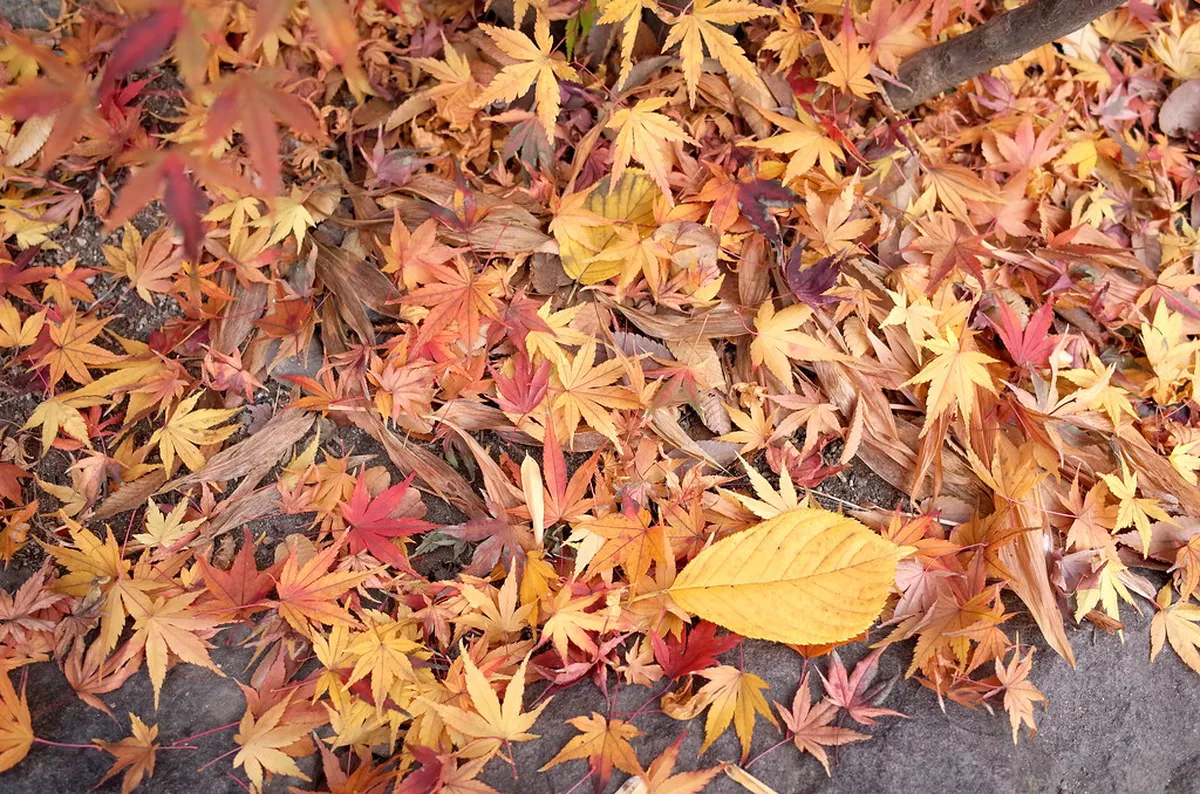
Spring (April–May) and autumn (mid-October to early November) are the best seasons for soba visits. The autumn foliage in Togakushi's cedar forests is among the most photographed in Nagano Prefecture, and the cooler air suits cold soba perfectly. Summer brings lush green scenery and shorter bus queues but more crowded restaurants. Winter visits are possible and atmospheric — the snow-covered approach to Okusha Shrine is striking — but several restaurants reduce hours or close entirely from December to March.
For those interested in making their own noodles, the Togakushi Soba Museum (Soba Hakubutsukan, 3226 Togakushi, Nagano) offers hands-on soba-making classes, typically running in the morning at approximately ¥1,500 per person. The museum also has a permanent exhibit on the history and regional variation of soba in Japan, which gives useful context before eating. It is a good first stop before the shrine walk and restaurants. Combine your soba visit with a walk through the Togakushi Shrine complex — the approach through ancient cedar trees is one of the most memorable short hikes in the region. For a broader look at Nagano's culinary scene, the Nagano Food Guide: Must-Try Dishes & Culinary Experiences covers the prefecture's other specialties.
See our Nagano tourism attractions guide for the broader city overview.
Frequently Asked Questions
What is Togakushi Soba?
Togakushi Soba is a distinctive type of buckwheat noodle from Nagano, Japan. It is known for its firm texture, earthy flavor from 'hikigurumi' buckwheat flour, and unique 'bocchi-mori' serving style. This traditional dish is deeply connected to the Togakushi region's history and culture.
How is Togakushi Soba different from other soba?
Togakushi Soba uses 'hikigurumi' buckwheat flour, which includes the husk, giving it a darker color and richer flavor. It is also traditionally served in 'bocchi-mori' style, small mounds on a bamboo tray. This method prevents sticking and preserves texture, distinguishing it from other soba varieties.
Are soba noodles actually healthy?
Yes, soba noodles are generally considered healthy, especially Togakushi Soba made with whole buckwheat flour. Buckwheat is gluten-free and a good source of protein, fiber, and essential amino acids. It also contains rutin, an antioxidant that can support cardiovascular health. They are a nutritious meal option.
What does 'bocchi-mori' style mean?
'Bocchi-mori' is a unique serving style for Togakushi Soba where the noodles are arranged in small, bite-sized mounds. This method prevents the noodles from sticking together and helps maintain their ideal texture. It also carries cultural significance, representing offerings to the five gods of Togakushi Shrine.
Togakushi Soba offers much more than just a meal; it provides a profound cultural experience.
Its rich history, unique preparation, and delicious flavor make it a highlight of any visit to Nagano.
From serene forest views to bustling local favorites, each restaurant tells its own story.
Savoring these iconic buckwheat noodles connects you to centuries of Japanese tradition and craftsmanship.
For tickets, hours and visitor details, see our Togakushi Shrine Visitor Guide: Plan Your Trip to Nagano's Sacred Trails and Nagano attractions hub.
Free guide: Japan's Hidden Gems
12 under-the-radar places beyond Tokyo & Kyoto — with the best season to visit each and a local tip you won't find in the guidebooks.
You might also like


Continue reading
More guides you'll find useful

