12 Best Nagano Festivals and Events (2026-2027 Guide)
Plan Nagano festivals for 2026-2027: 12 events, dates, and logistics, from Nozawa Onsen's fire festival to Suwa's Onbashira and Lake Suwa fireworks.
On this page
Last updated September 2026, this guide maps Nagano festivals across the prefecture's four seasons, from January fire rituals in Nozawa Onsen to November fireworks in Nagano City. Nagano is Japan's fourth-largest prefecture, and crossing it by expressway takes at least three hours, so festivals in Suwa or the Kiso Valley mean a separate trip from Nagano City. Use the season-by-season list below, along with planning notes on transportation and lodging, before you book.
Nagano's Festival Calendar at a Glance
Nagano Prefecture runs festivals in nearly every month of the year, split between Nagano City events clustered around Zenkoji Temple and mountain or lake festivals spread across Suwa, Matsumoto, and the ski valleys. Winter brings fire and light: the Nozawa Onsen fire ritual, Togakushi's New Year burn, and Zenkoji's illuminated Tomyo Festival. Spring adds two festivals that only run once every seven years, Onbashira and Gokaicho, alongside annual events like the Saku balloon festival. Summer shifts to drums and fireworks around Lake Suwa and Matsumoto, and autumn closes the year with a rare November fireworks display over Nagano City. Each entry below is tagged by type, from cultural rituals like Gokaicho to higher-adrenaline moments like Onbashira's kiotoshi log ride, so travelers chasing a specific kind of experience can scan the table first. Suwa's fireworks echo audibly off the surrounding mountains, and Tomyo's Olympic-color lighting at Zenkoji is a rare after-dark reason to visit the temple in winter. The table below lists all twelve festivals covered in this guide by month, type, and location, so you can spot scheduling clusters before you commit to dates. Cross-reference exact annual dates on the month-by-month festival calendar. If the season itself is still open, compare weather and crowds in the Best Time To Visit Nagano: A Seasonal Travel Guide guide.
| Month | Festival | Type | Location |
|---|---|---|---|
| January 15 | Nozawa Onsen Dosojin Fire Festival | Fire ritual | Nozawa Onsen |
| Mid-January | Togakushi Dondoyaki | Fire ritual | Togakushi |
| Late January-February | Iiyama Snow Festival & Kamakura Village | Snow/culinary | Iiyama |
| Mid-February | Nagano Tomyo Festival | Illumination | Nagano City (Zenkoji) |
| April-May, next in 2028 | The Onbashira Festival | Ritual/adrenaline | Suwa |
| Early April-June, every 7 years | Gokaicho | Temple ritual | Zenkoji Temple |
| Early May (Golden Week) | Saku Hot-Air Balloon Festival | Nature/visual | Saku |
| August 15 | Lake Suwa Fireworks Festival | Fireworks | Lake Suwa |
| Mid-August | Okaya Taiko Festival | Performance | Okaya |
| First Saturday of August | Nagano Binzuru Festival | Dance | Nagano City |
| August | Matsumoto Bon Bon | Dance | Matsumoto |
| November 23 | Nagano Ebisuko Fireworks Festival | Fireworks | Nagano City |
12 Best Nagano Festivals and Events
This list moves through the calendar year, winter to autumn, and mixes citywide events with festivals that need a dedicated trip into the mountains or around Lake Suwa. Each entry notes exact dates where the festival is annual, and flags the two exceptions that only happen once every seven years. Book lodging early for anything in Nozawa Onsen or Suwa during peak dates, since rooms in small festival towns sell out first.
- Nozawa Onsen Dosojin Fire Festival
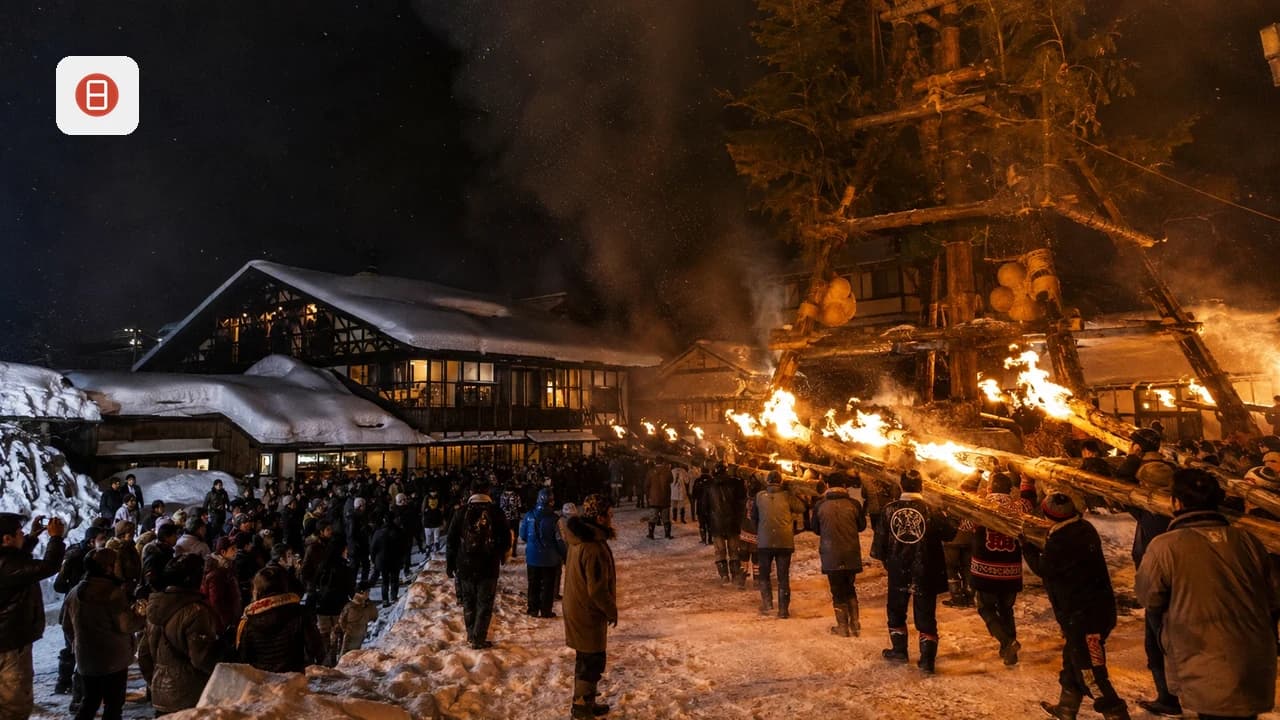
- On January 15, 42-year-old men defend a wooden shrine while 25-year-old men and other villagers try to set it ablaze with torches, in a ritual tied to dosojin guardian deities.
- Only villagers participate directly, and recent years have limited festival-ground access to overnight guests of the village, so confirm current entry rules with the Nozawa Onsen Tourist Association before you travel.
- See the Nozawa fire festival guide for street closures, viewing spots, and why village lodging often books six months ahead.
- Togakushi Dondoyaki
- In mid-January, this fire ritual burns New Year decorations and sacred shrine ropes in the cedar forest around Togakushi's shrines.
- Local buses from Nagano Station reach the shrine area directly, and it draws a smaller crowd than Nozawa Onsen's festival.
- Togakushi is also known for soba noodles and forest shrine walks the rest of the year, so the fire festival is a good excuse for a first visit.
- Iiyama Snow Festival & Kamakura Village
- From late January through February, Iiyama's community builds about 20 snow kamakura huts, each roughly 10 feet tall, for the Kamakura Village event.
- Several huts convert into pop-up restaurants serving Noroshi Nabe, a local hot-pot, so bring cash for a bowl eaten inside the snow.
- Bring waterproof boots; the packed snow underfoot inside each hut stays slick through the festival's run.
- Nagano Tomyo Festival
- Held in mid-February, the Nagano Tomyo Festival lights Zenkoji Temple and Chuo Dori in five colors chosen for peace, commemorating the city's role hosting the 1998 Winter Olympics.
- Paper lanterns designed by professionals and local children line the approach to the temple, and nearby shukubo temple lodgings often add their own light displays.
- See the Zenkoji Temple festivals guide for the temple's full ceremonial calendar beyond Tomyo.
- The Onbashira Festival (Suwa)
- Onbashira happens once every seven years around Lake Suwa, and the next full festival is scheduled for 2028.
- Locals move 16 pillars, each about 56 to 62 feet tall and roughly 7.5 tons, down from the mountains entirely by hand, then erect them at Suwa Taisha's four shrines.
- Its signature kiotoshi moment sends participants riding a pillar down a steep slope, a tradition that takes years of local preparation.
- Gokaicho at Zenkoji Temple
- Zenkoji Temple opens Gokaicho once every seven years, usually from early April to June, displaying a replica of the hidden Buddha statue that tradition says arrived in Japan in the 6th century.
- Inside the main hall, visitors touch the ekobashira, a pillar connected by cord to the statue, a gesture believed to link touch to the hidden icon.
- Check the Zenkoji Temple official site for the next confirmed dates before building a trip around it.
- Saku Hot-Air Balloon Festival
- During Golden Week in early May, hot-air balloons rise over Saku against the backdrop of the Japanese Alps.
- Saku sits on flatter ground than the mountain festivals above, with easier parking near the launch field.
- Golden Week draws Japan's biggest domestic travel crowds, so trains and rental cars toward Saku book up early.
- Lake Suwa Fireworks Festival
- On August 15, more than 40,000 fireworks launch over Lake Suwa, and the Go Nagano tourism board puts the audience at over 500,000.
- Surrounding mountains echo every burst, reserved lakeside seating sells out first, and free viewing spots along the shore fill early.
- If you miss the main night, 15-minute fireworks run nightly for several weeks in August, plus a separate Suwa Experimental Fireworks Festival in September.
- Okaya Taiko Festival
- Over two days in mid-August, taiko groups from around Japan perform in Okaya, part of the Suwa area with deep drumming ties to Suwa Taisha Shrine.
- The festival's peak moment puts 300 drummers on stage at once, shaking the ground beneath the crowd.
- The full two-day event blends dance, theatrics, and pyrotechnics alongside the drumming.
- Nagano Binzuru Festival
- On the first Saturday of August, up to 200 groups of dancers move down Nagano City's main street in the free Binzuru Festival, the city's largest summer event.
- Follow the crowds from JR Nagano Station to find the route, and see the Binzuru Festival guide for the best viewing points along Chuo Dori.
- Performances run through the day, with the biggest dance groups taking the street in the evening.
- Matsumoto Bon Bon
- Matsumoto Bon Bon is Nagano Prefecture's largest Bon Odori dance event, filling downtown streets each August with residents and visitors dancing together.
- Matsumoto sits apart from the Nagano City festival cluster, so check the Matsumoto events calendar for exact dates before combining both in one trip.
- August timing means the dancing often overlaps with Okaya's taiko festival and the Lake Suwa fireworks, so travelers based in Matsumoto can chain multiple summer festivals in one trip.
- Nagano Ebisuko Fireworks Festival
- On November 23, Nagano City closes its festival calendar with a large fireworks display that began in 1899 as thanks for a good business harvest.
- It typically draws more than 400,000 spectators, and clearer late-autumn air tends to replace summer's humidity, so the show often reads sharper in photos.
Understanding Nagano's 7-Year Festival Cycle
Two of Nagano's biggest festivals are not annual events, and it's easy to plan a trip around the wrong year by mistake. Onbashira and Gokaicho both run once every seven years, and 2026 and 2027 fall between cycles for both of them. Onbashira's next full festival is confirmed for 2028 around Lake Suwa, with the dramatic kiotoshi log-riding as its centerpiece. Travelers hoping to see that specific log ride need 2028, not any year in between. Gokaicho's exact next date depends on Zenkoji Temple's own schedule, so check the temple's official site rather than a single blog post before booking flights around it. Photographers and researchers sometimes track pillar-cutting and shrine-prep ceremonies in the run-up years, but the main public spectacle stays tied to the scheduled year itself. Annual festivals like Nozawa Onsen's fire ritual, the Suwa fireworks, and Nagano Tomyo happen every year regardless. Build a trip around those first if a special-cycle festival doesn't line up with your travel dates.
Nagano City vs. Nagano Prefecture: Group Festivals Before You Book
Four of the festivals above sit inside Nagano City: Tomyo, Gokaicho, Binzuru, and Ebisuko. Eight more spread across Suwa, Matsumoto, Okaya, Iiyama, Togakushi, Saku, and Nozawa Onsen, towns that sit hours apart from each other, not just from Nagano City. Nagano Prefecture is large enough that an expressway crossing takes three hours or more, so pair a mountain festival with local lodging rather than a same-day trip from Nagano City. Trying to fit a Suwa fireworks night and a Nagano City temple visit into one day is a common scheduling mistake in this prefecture. Even experienced Japan travelers often assume all of Nagano's festivals sit near one train line, and that assumption is the fastest way to miss a booked room. Shinshu, the historical name for this mountainous region, still shows up in festival names and food menus across the prefecture. Round out city sightseeing with the Nagano City attractions guide on the days between festivals.
Getting to Nagano's Festival Towns
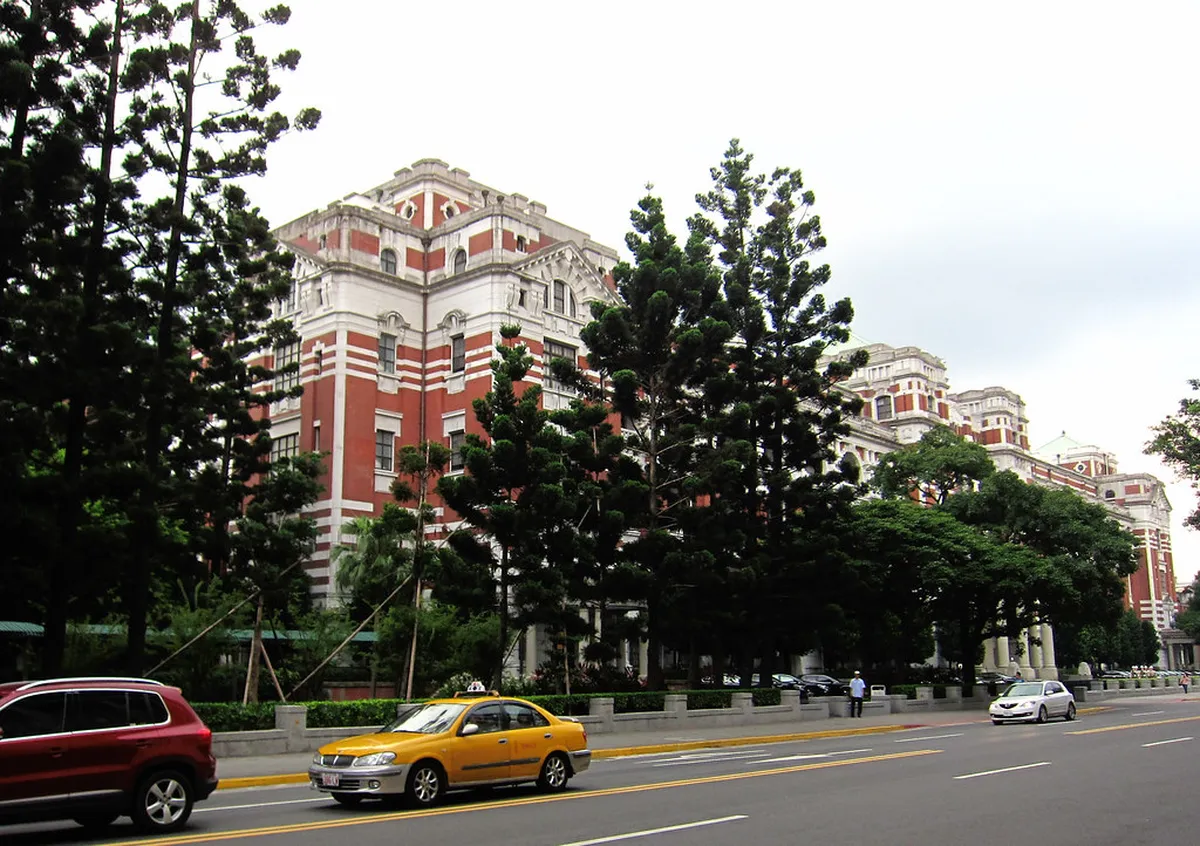
JR Nagano Station is the hub for city festivals and the starting point for travel onward. The Shinano limited express runs from Nagano Station to Matsumoto and on toward the Suwa area, covering the route used for Okaya's taiko festival and Matsumoto Bon Bon. Local buses from Nagano Station reach Togakushi directly. Nozawa Onsen and the Kiso Valley need a separate onward connection beyond Nagano City, so budget extra travel time for either destination. Renting a car opens up festivals like Togakushi's Dondoyaki and the Kiso Valley's post towns that run on limited bus schedules. Winter driving in the mountains requires snow tires or chains even on weekends without fresh snowfall. A multi-day JR East rail pass covering the Nagano-Niigata area is usually cheaper than separate point-to-point tickets if a trip strings together three or more towns. Check current pass pricing and coverage before you commit. Build the whole route, festival by festival, in the Nagano Itinerary: Your 3-Day Alpine & Cultural Guide planner. For station-by-station transfer details, check the Getting Around Nagano: Your Ultimate Transport Guide guide. Trips continuing toward Kanazawa also have direct train access from Nagano. See Kanazawa's festival calendar before combining both cities in one itinerary.
Where to Stay for Each Festival
Nagano City works well as a hub for Tomyo, Gokaicho, Binzuru, and Ebisuko, since all four happen within walking distance of Zenkoji Temple or Chuo Dori. Suwa's Onbashira and fireworks, Nozawa Onsen's fire festival, and Okaya's taiko festival reward a local overnight stay instead. That's especially true now that Nozawa Onsen limits festival-ground access to overnight guests during its January event. Matsumoto and the Kiso Valley similarly reward a night in town rather than a rushed day trip from Nagano City. Kiso Valley's post towns, including Narai-juku, keep few large hotels, so book a ryokan early if a festival there is on the itinerary. Book onsen ryokan in these towns further ahead than a standard city hotel, since inventory is smaller to begin with. See the Where To Stay In Nagano: 9 Best Areas & Accommodations (2026) guide for neighborhoods near each festival town.
Onsen ryokan in mountain festival towns book out six months ahead, particularly popular destinations like Nozawa Onsen, due to limited inventory in small communities.
Common Nagano Festival Planning Mistakes
A few recurring mistakes separate a smooth Nagano festival trip from a frustrating one, and most come down to underestimating distance or timing. The points below cover the ones that catch travelers most often.
- Underestimating mountain cold
- Spring in the high country stays cold even as Nagano City warms up; the Tateyama-Kurobe Alpine Route opens April 15 with snow walls that reach 59 feet.
- Even midday sun at elevation doesn't guarantee comfortable outdoor standing time during a shrine ceremony.
- Pack real layers for any spring or early-summer mountain festival, not just the winter ones.
- Skipping advance lodging for stay-only festivals
- Nozawa Onsen's Dosojin festival has limited festival-ground access to overnight guests in recent years, and rooms can book out six months ahead.
- Check the winter snow guide for what else to pack for a January trip.
- Missing the last train back to Nagano City
- Evening fireworks in Suwa or a late Matsumoto Bon Bon session can run past the last convenient train, stranding travelers without a booked room.
- Confirm return times before the festival starts, or book a night in the festival town instead.
- Assuming every fireworks festival happens in summer
- Nagano's biggest autumn fireworks display lands on November 23, weeks after most of Japan's summer shows have ended.
- Layer up for Ebisuko; late-November nights beside the river run cold even without snow yet.
- Not accounting for Golden Week and Obon travel surges
- Golden Week in late April and early May, and the Obon period in mid-August, are Japan's busiest domestic travel weeks, and several festivals on this list fall inside them.
- Book trains and lodging for the Saku balloon festival, Okaya's taiko festival, or Matsumoto Bon Bon well before those weeks arrive.
Seiji Ozawa Matsumoto Festival
Classical-music travelers should add the Seiji Ozawa Matsumoto Festival to an August or early-September stay in Matsumoto. The annual festival grew from the Saito Kinen Festival Matsumoto and honors conductor Seiji Ozawa’s long connection with the city.
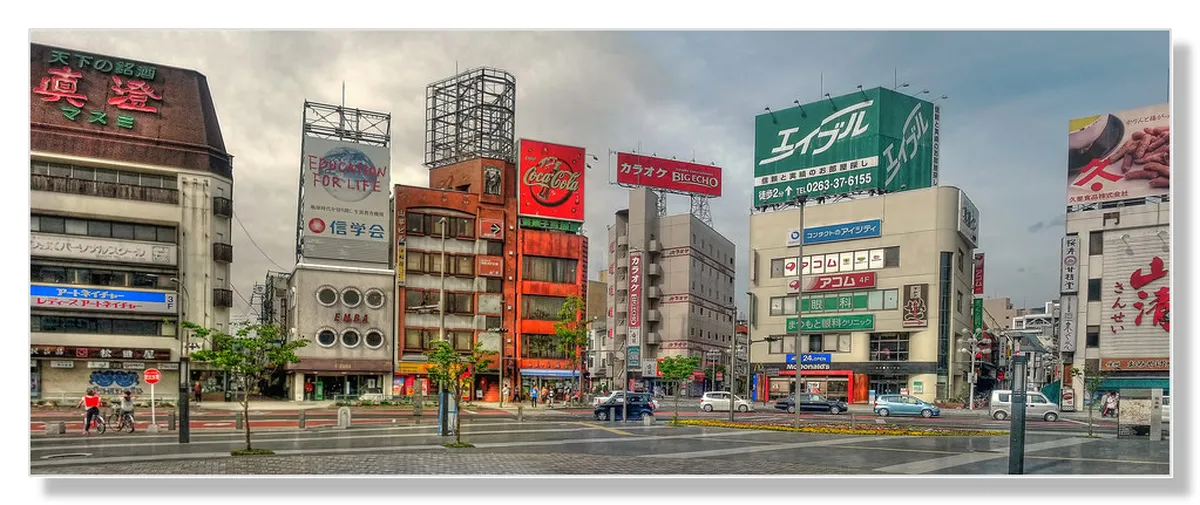
Its centerpiece is the Saito Kinen Orchestra, whose musicians gather from leading ensembles around the world. The program usually combines orchestral concerts, opera, chamber music, and free community events. Main performances are commonly held at the Matsumoto Performing Arts Centre, while venues and repertoire vary by year.
This is a different experience from Matsumoto Bon Bon’s street dancing. It suits visitors who want an evening performance after exploring Matsumoto Castle, museums, or the old merchant streets.
- Check the official program before choosing travel dates; individual concerts can sell out quickly.
- Book Matsumoto lodging early when the festival overlaps with Obon travel.
- Plan a local overnight rather than relying on a late train back to Nagano City.
Explore festivals and events in other cities
Frequently Asked Questions
When is the Nozawa Onsen Fire Festival, and can visitors watch it?
The Nozawa Onsen Fire Festival happens every January 15. Only villagers take part in the ritual itself, but visitors can watch from designated areas around the shrine site. Recent years have required an overnight stay in the village to access festival grounds at all.
When is the next Onbashira Festival in Nagano?
Onbashira runs once every seven years in the Lake Suwa area, and the next full festival is scheduled for 2028. Prep events and pillar-cutting ceremonies happen in the surrounding months, but the main kiotoshi log-riding only takes place during the scheduled year.
What's the difference between Nagano City festivals and festivals across Nagano Prefecture?
Nagano City hosts four festivals near Zenkoji Temple: Tomyo and Gokaicho happen at the temple itself. Binzuru and Ebisuko take over Chuo Dori and the streets around it. Suwa and Matsumoto host their own festivals a Shinano limited express ride away. Okaya and the ski valleys, including Nozawa Onsen, add even more travel time on top of that.
Do you need to book accommodation far in advance for Nagano's winter festivals?
Yes, especially for Nozawa Onsen's Dosojin Fire Festival, where village lodging often books out six months ahead of the January 15 date. Nagano City hotels near Zenkoji fill up less predictably for Tomyo Festival, but weekend dates in February still sell out early.
What's the best month to see fireworks in Nagano?
August 15 brings the Lake Suwa Fireworks Festival, with more than 40,000 fireworks and a crowd the Go Nagano tourism board puts at over 500,000. November 23 offers a different experience at the Nagano Ebisuko Fireworks Festival, where clearer late-autumn air makes for sharper photos than summer's humid nights.
Is Nagano City a good base for visiting multiple festivals?
Nagano City works well as a base for its own festivals and for day trips to nearby Togakushi. It's less practical as a base for Suwa, Matsumoto, or Nozawa Onsen events, since each involves an hour or more of one-way travel. For those, book a night in the festival town itself rather than commuting from Nagano City.
Explore More Nagano and Central Japan Festival Guides
Pick a signature Nagano event, then use the calendar and planning guides to fit it around the mountains.
Signature Festivals
- Nagano attractions hub: tickets, hours & maps
- Nozawa Onsen Fire Festival Guide: Dates, Rules & Stay Requirements
- Nagano Binzuru Festival Guide: Dates, the Binzuru Odori, and How to Join
- Ceremonies, Festivals, and the 2027 Gokaicho
Plan Your Visit
- Festivals Month by Month
- Best Time To Visit Nagano: A Seasonal Travel Guide
- Nagano Itinerary: Your 3-Day Alpine & Cultural Guide
- Where To Stay In Nagano: 9 Best Areas & Accommodations (2026)
Winter in Nagano
More Central Japan Festival Guides
Free guide: Japan's Hidden Gems
12 under-the-radar places beyond Tokyo & Kyoto — with the best season to visit each and a local tip you won't find in the guidebooks.
You might also like

Continue reading
More guides you'll find useful