10 Romantic Things to Do in Kyoto for Couples (2026)
Discover the best romantic things to do in Kyoto for couples. From hidden temples to sunset strolls, plan your perfect 2026 escape with our expert guide.
On this page
After four visits to the ancient capital, I still find new ways to fall in love with its quiet corners. Kyoto offers a unique blend of meditative silence and vibrant tradition that few other cities can match for couples. Walking through the Gion district at dusk feels like stepping directly into a living history book. This guide was refreshed in June 2026 to ensure all pricing and booking details are accurate for your trip.
Planning a romantic escape here requires a balance between visiting iconic landmarks and finding secluded spots. The city has seen a surge in visitors in recent years, making timing and local knowledge more important than ever. Our editors have vetted these locations to ensure they provide the intimacy and beauty you expect for a honeymoon or anniversary. Whether you seek mountain views, refined dining, or a couples onsen retreat, this guide covers the essential experiences for any duo.
Best Season for a Romantic Kyoto Trip
Spring and autumn deliver the most striking visual drama in Kyoto, and both are genuinely magical for couples. Cherry blossom season typically runs from late March through mid-April, with peak bloom usually around the first week of April. The canal alongside the Philosopher's Path fills with soft pink petals that float down like slow snow, and the best early-morning light there is unlike anything else in Japan. Book accommodation at least three months ahead for sakura season; rooms in Higashiyama sell out faster than any other window of the year.
Autumn foliage — peaking from mid-November to early December — rivals spring for color and actually beats it for fewer tour buses. The maple groves at Eikan-do and Tofuku-ji turn a deep crimson that photographs beautifully in the low afternoon light. Admission to Tofuku-ji during koyo season is ¥500 and the garden tends to stay open until 17:00. If avoiding crowds is your priority, aim for the second week of November before the peak color rush descends on the city.
Summer (June–August) is overlooked by most tourists but has a quiet, steamy charm. Gion Matsuri fills the streets with lanterns and festival processions throughout July, which creates an electric, date-like energy at night. Winter brings a dramatic stillness: a rare snowfall on the golden rooftops of Kinkaku-ji is an image that has no equal in any season. Whichever season you choose, arriving midweek consistently reduces crowd pressure at every major site.
Book accommodation at least three months ahead for sakura season; rooms in Higashiyama sell out faster than any other window of the year. For autumn foliage, aim for the second week of November before the peak color rush.
The Top Romantic Activities for Couples in Kyoto
The city rewards couples who slow down and choose depth over breadth. These ten experiences are selected for their ability to create genuine shared moments, whether you have two days or a full week. Prices for attractions range from free to around ¥30,000 for specialized photoshoots or private tours. Most temples operate from roughly 09:00 to 17:00, though several shrines stay open around the clock.
| Experience | Cost per Person | Duration | Best Time |
|---|---|---|---|
| Arashiyama Bamboo Grove | Free | 30–45 min | Before 07:30 |
| Tea Ceremony | ¥3,000–¥5,000 | 60 min | Anytime |
| Gion Evening Walk | Free | 60–90 min | After 19:00 |
| Kimono Rental & Photos | ¥4,000–¥30,000 | 4–6 hours | Early morning |
| Nishiki Market Food Walk | ¥2,000–¥5,000 | 90 min | 10:00–17:00 |
| Kurama Onsen | ¥1,500 | 90 min soak | Early evening |
Arashiyama Bamboo Grove at Dawn
Arriving at the bamboo grove before 07:30 transforms the entire experience. Tall green stalks filter the early light into something otherworldly, and the rhythmic creaking of the bamboo in the morning breeze is a sound you will carry home. Access is free and the path is open daily. After the grove, walk ten minutes north to Jojakko-ji — a hillside temple buried in moss and maple trees that almost nobody visits before noon.
Fushimi Inari Shrine After Sunset
Most couples photograph the famous lower gates during the day and leave. The real magic is higher up. The shrine is open 24 hours and free to enter, and hiking past the midpoint after 19:00 puts you among a handful of other visitors instead of thousands. The vermilion gates glow differently under lantern light, and the city views from the upper trails are genuinely breathtaking. Stay on the main paved path in the dark, as wild boars do roam the forest above the treeline.
The upper forest paths are unlit after dark. Bring a headlamp or flashlight, stay on the main paved trail, and avoid venturing off the marked route where wild boars may be present.
Private Tea Ceremony for Two
A private tea ceremony in a quiet tatami room is one of the most genuinely intimate things you can do in Kyoto. The practice is slow and deliberate — bowls are turned, whisked, and received with both hands — and the enforced stillness creates a shared focus that most tourist activities do not. Sessions typically last one hour and cost between ¥3,000 and ¥5,000 per person. Wear clean socks; removing your shoes is required at virtually every traditional venue in the city.
Gion District in the Evening
The narrow lanes of Gion are at their most atmospheric after 19:00, when the stone lanterns cast warm amber light across the wooden machiya facades. The side streets near Hanamikoji are where you have the best chance of glimpsing a geiko or maiko heading to an evening appointment. Walking here is free. Be aware that new regulations since 2024 prohibit photography in several private alleys, and signs are posted clearly — respect them. Dinner at a reputable restaurant in the area typically runs ¥5,000–¥15,000 per person.
Kamo River at Dusk
The wide gravel banks of the Kamo River are where Kyoto locals actually spend their evenings, and it feels refreshingly real compared to the temple circuit. Couples sit at precise intervals along the bank — a local tradition that has become something of a city legend — watching herons hunt in the shallows. Pick up a bento from a Nishiki Market stall or a department store basement (depachika) and claim a spot near Sanjo Bridge before 18:00. No entry fee, no queues, and the light is spectacular as the mountains turn violet.
Kiyomizu-dera Temple and the Otowa Waterfall
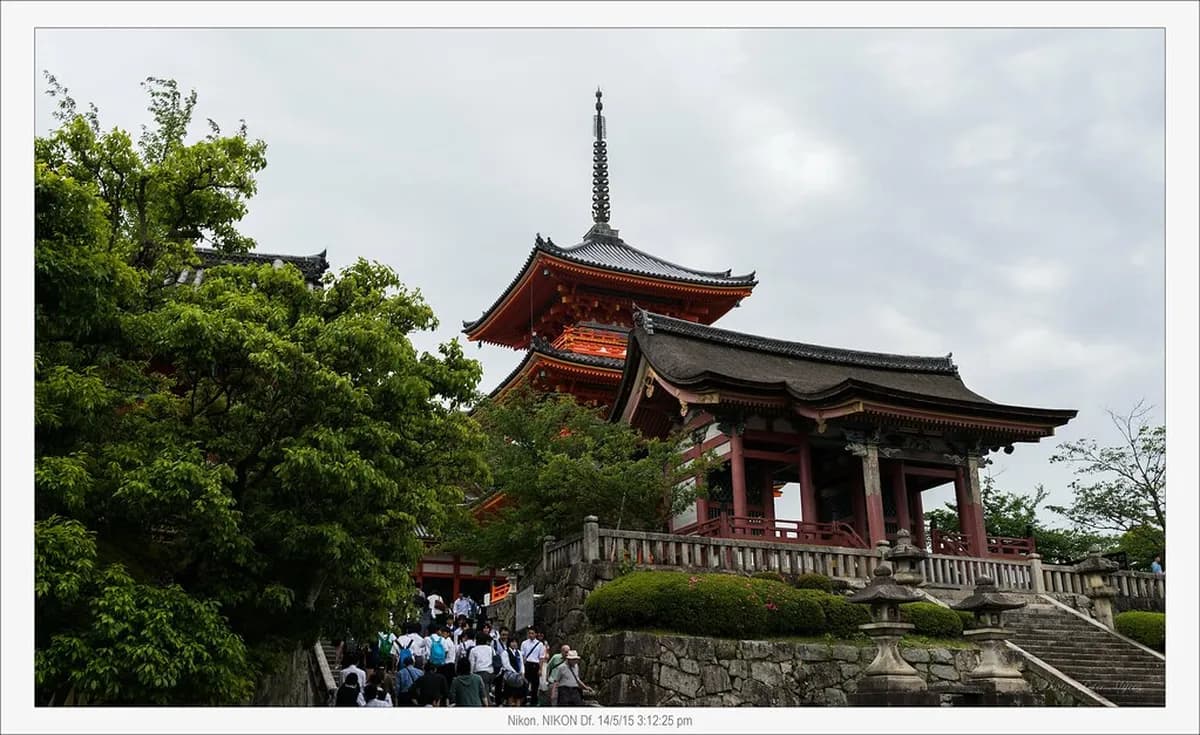
The wooden stage at Kiyomizu-dera provides sweeping views of the city framed by maple or cherry trees depending on the season. Entry is ¥500 per adult and the temple opens at 06:00, making it one of the few major sites with a genuinely worthwhile early-morning slot. At the base of the main hall, the Otowa Waterfall divides into three separate streams. Local tradition holds that drinking from the stream on the far right brings success in love — couples invariably drink from that one together.
Sagano Scenic Railway Through the Gorge
This vintage train winds through the Hozugawa Ravine for 7.3 km, tracing the river through forested gorge walls that tower above both sides of the carriage. It is one of the easiest ways to see the natural beauty of the Arashiyama outskirts without a strenuous hike. Tickets cost ¥880 for adults and the train runs from 09:00 to approximately 16:00, usually closed on Wednesdays. Request the Toro-kko (open-sided) car when booking — the breeze and views justify the same ticket price with nothing extra charged.
Philosopher's Path on a Quiet Afternoon
The stone path that follows the Biwa Lake Canal for roughly 2 km connects Nanzen-ji to Ginkaku-ji through an unbroken row of cherry trees and independent craft boutiques. Late afternoon light hits the canal at a low angle that makes even a winter walk feel cinematic. The path is free and always open, and there are small riverside cafes at irregular intervals serving matcha lattes and house-made wagashi. At Ginkaku-ji itself, the raked sand garden and moss woodland at the rear are far calmer than the approach gate suggests — entry is ¥500.
Kimono Rental and Photoshoot in Higashiyama
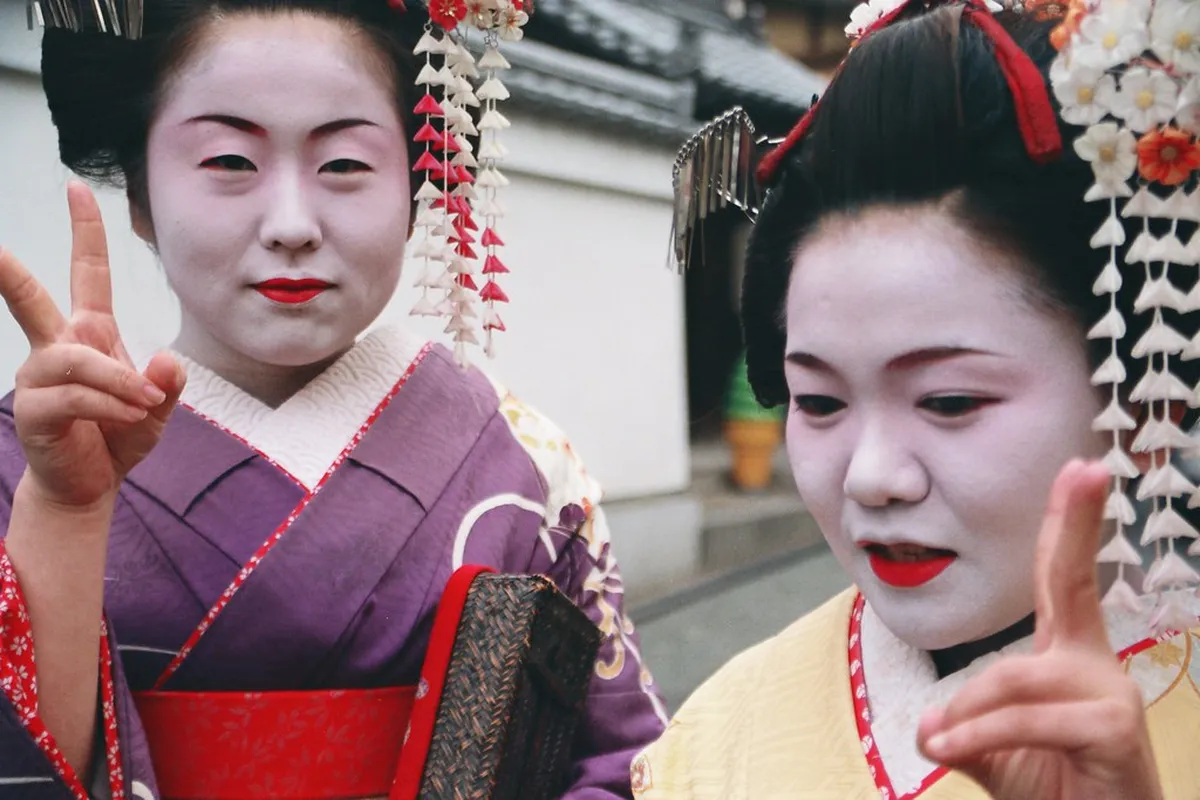
Dressing in traditional silk kimono and walking the stone lanes of Higashiyama together is a compact, high-impact experience that works for couples at any comfort level with Japan. Rental packages start at approximately ¥4,000 per person and include dressing assistance, accessories, and a late return window. Full professional photoshoots in the Higashiyama area typically run ¥15,000–¥30,000 for a couple and deliver edited images within a week. Book the earliest fitting slot (usually 09:00) to get the widest selection of patterns and to be on the streets before the afternoon rush.
Nishiki Market Food Walk
Known as Kyoto's Kitchen, this covered market stretches for five city blocks and is far more local in flavor than its fame implies. Couples can share small plates of tamagoyaki, skewered tofu, pickled vegetables, and traditional wagashi sweets as they work their way through the stalls. Most vendors open by 10:00 and start closing around 17:00 — no entry fee. Look for the yakitori stalls toward the western end for the most affordable bites. Eating while walking is frowned upon; use the standing counters most stalls have built along the front of their displays.
Couples Workshops and Hands-On Experiences
Beyond sightseeing, Kyoto has an unusually deep bench of participatory experiences that work especially well for two people. A matcha-making class at one of the city's dedicated tea workshops lets you grind ceremonial-grade tencha together on a stone mill, whisk your own bowls, and eat freshly made wagashi in a private garden room. Sessions run roughly 90 minutes and cost around ¥4,500 per person; studios in the Uji area, the heartland of Kyoto-prefecture green tea, tend to have smaller group sizes than city-center alternatives.
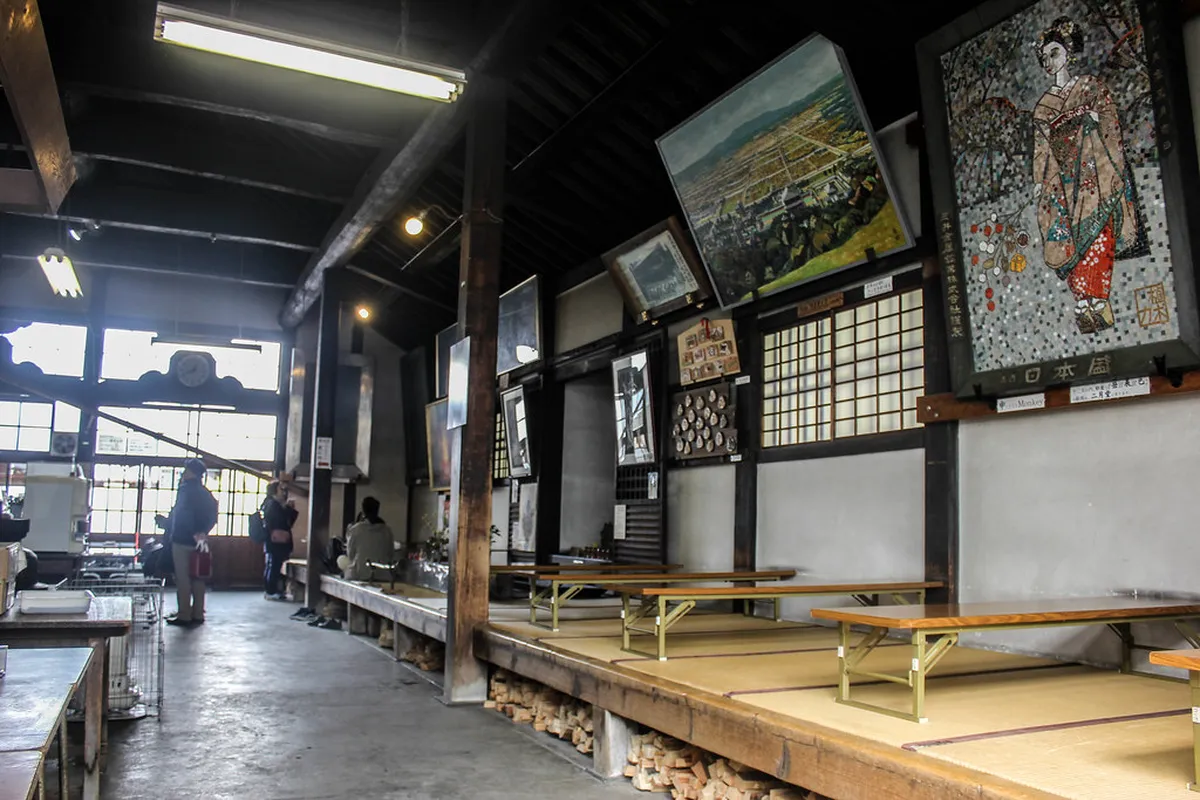
Sake tasting at a traditional kura (brewery) is less commonly booked by couples but delivers a surprisingly intimate hour. Several breweries in Fushimi — Kyoto's historic sake-producing district, a short train ride from the city center — offer guided tastings with five to eight pours and an explanation of the brewing cycle. Entry is typically ¥1,500–¥2,000 per person. Fushimi's water, drawn from the same underground aquifer that feeds the famous Momoyama spring, gives local sake a notably soft, clean finish compared to Tokyo or Osaka varieties.
For couples who enjoy making things together, a kyo-yuzen fabric-dyeing workshop in the Nishijin weaving district teaches the resist-dyeing technique used in Kyoto's most famous silk textiles. You use paste to block out a pattern on a small furoshiki cloth, apply dye by hand, and rinse to reveal the finished design. The session costs around ¥3,500–¥5,000 and takes about two hours. The cloth makes for a genuinely personal souvenir, and the studios are small enough that instructors give individual attention throughout.
Kurama Onsen: The Mountain Retreat Most Couples Miss
Kurama, a cedar-forest village 45 minutes from central Kyoto on the Eizan Railway, is the one romantic experience that nearly every listicle skips — and the one that locals quietly recommend most. The village sits at the base of Mount Kurama, and a single ancient cedar-lined path connects the train station to Kurama Onsen, an outdoor hot spring bath that overlooks forested ravines. The outdoor bath costs ¥1,500 per person (no towel included; rental is ¥200 extra) and stays open until 21:00, which makes an early-evening arrival ideal for catching the last light filter through the treetops above the water.
The experience works as a self-contained half-day itinerary. Take the 16:00 train from Demachiyanagi Station on the Eizan Railway (¥430 each way, about 28 minutes), soak for 90 minutes as the mountains go dark around you, then eat dinner at one of the three small restaurants near the station before the final train back to central Kyoto. The village itself is worth an extra 30 minutes to walk — the stone path through the cedar grove to Kurama-dera Temple is free to access and genuinely quiet, with the scent of the forest making even the walk feel restorative.
The reason this gets missed is simple: it requires leaving the central temple circuit and taking a train most visitors don't know about. But for couples who want the onsen experience without booking an expensive ryokan, Kurama delivers the mountain bath atmosphere at a fraction of the cost. The Eizan Railway also connects to Kibune, the next village north, where several riverside kaiseki restaurants suspend tables directly over the Kibune River in summer — a combination of cold mountain stream, fresh tofu, and cedar forest that is hard to match anywhere in Japan.
Romantic Dining in Kyoto
Kyoto's food culture is built around kaiseki — the Japanese multi-course tradition that treats each dish as both seasonal and visual art. A kaiseki dinner for two at a mid-range venue runs ¥10,000–¥20,000 per person; top-tier Michelin-starred spots like Kikunoi Honten or Nakamura can reach ¥40,000 per person and require reservations months in advance, ideally through your hotel concierge. The format itself — small courses arriving slowly over two to three hours — forces a relaxed pace that works naturally for a romantic evening. For a thorough breakdown of dining options at different price points, the 15 Best Food Experiences in Kyoto: A Local Dining Guide covers neighborhood-by-neighborhood recommendations.
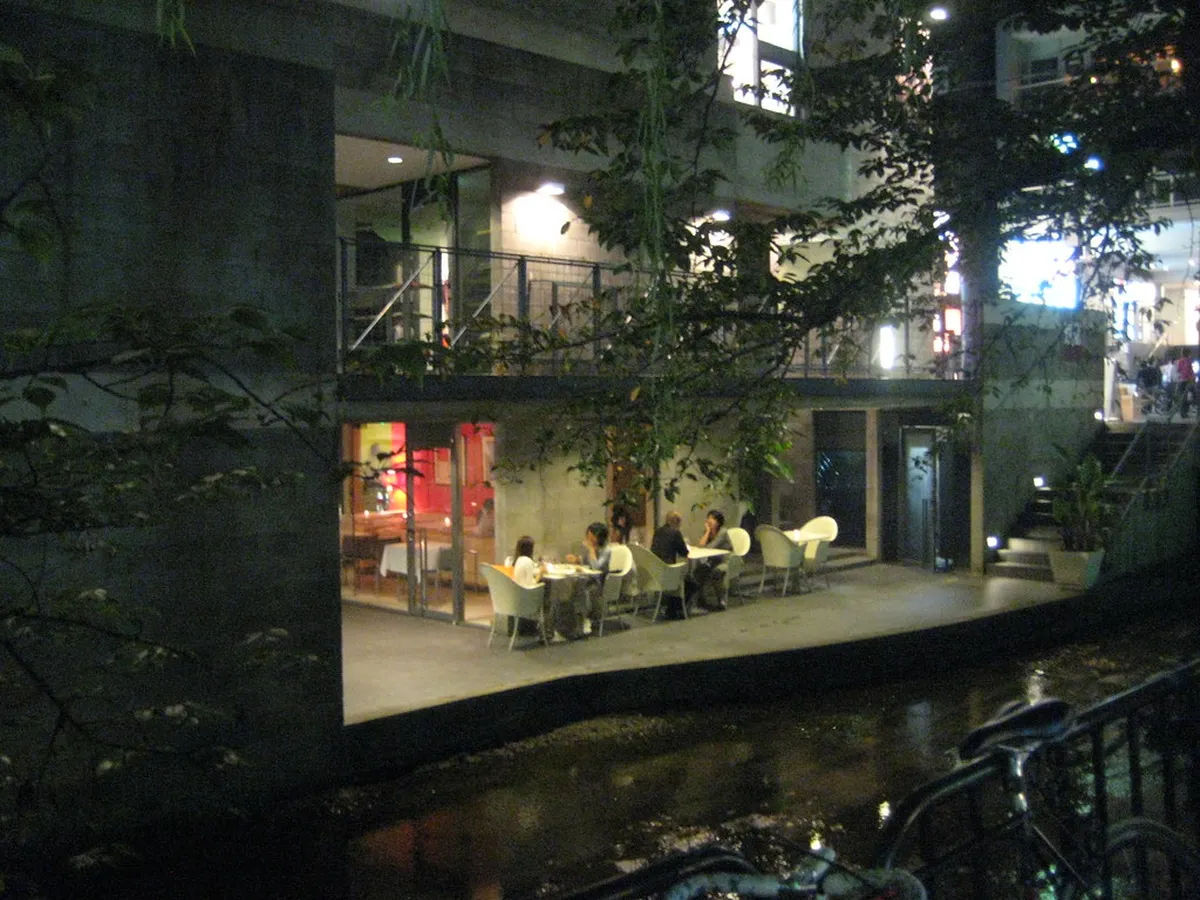
For a more affordable evening, the izakaya lanes in Pontocho — a narrow alley running parallel to the Kamo River between Sanjo and Shijo bridges — offer candlelit riverside dining at ¥3,000–¥6,000 per person. Reserve a table with a river-facing window for the best view; the combination of paper lanterns, the sound of the water below, and small shared plates is reliably atmospheric. The street is only accessible on foot, which keeps the energy quieter than the broader Gion restaurant district.
One practical note: many of Kyoto's most atmospheric small restaurants seat fewer than twelve people and do not list themselves on English-language apps. Asking your ryokan or hotel concierge for a personal recommendation — describing your budget and preferred style — almost always unlocks a better table than what appears in a standard search. This service is standard practice in Japan and genuinely appreciated on both sides of the exchange.
The Most Romantic Places to Stay in Kyoto
Choosing the right accommodation can define the mood of your entire trip. We highly recommend booking a traditional ryokan for at least one night of your stay. These inns serve kaiseki meals in your room and provide access to soothing communal or private hot spring baths. High-end ryokans include breakfast and dinner in the rate, typically ranging from ¥60,000 to ¥150,000 per room per night — expensive, but the all-inclusive format removes a lot of daily logistics.
The Higashiyama district is the most atmospheric neighborhood for romantic stays, putting you within walking distance of ancient temple lanes before the daytime crowds arrive. Boutique hotels here blend modern amenities with traditional wooden architecture and tend to book out early during cherry blossom and autumn foliage seasons. For a more contemporary alternative, the Fushimi and Kawaramachi areas offer well-designed modern hotels at ¥20,000–¥45,000 per night with fast transport connections throughout the city.
The area around Kyoto Station is more convenient than atmospheric, but it suits couples who plan multiple day trips to Osaka, Nara, or the Wazuka tea plantations. Several hotels near the station feature rooftop bars with views of Kyoto Tower and the mountain ridges. Rates in the station area are generally more competitive, often falling between ¥15,000 and ¥30,000 for quality rooms. Wherever you stay, request a room away from the street side — Kyoto's narrow alleys channel noise upward more than you expect.
Day Trip Getaway Destinations from Kyoto
While the city itself has much to offer, the surrounding region holds several gems for couples who want variety. A Nara day trip is the most popular choice, featuring friendly deer that wander freely among ancient bronze statues and temple gates. The train ride from Kintetsu-Kyoto Station takes about 45 minutes and costs roughly ¥720 each way. We suggest spending an hour at the Isuien Garden — a serene strolling garden that most visitors skip in favor of Todai-ji — for the most relaxed, intimate Nara experience.
Tea lovers should head south to the rolling hills of Wazuka, the heart of Kyoto prefecture's matcha-growing region. You can take a D-Matcha tea farm tour to walk the terraced fields, learn about the shading process that gives tencha its deep umami character, and taste freshly ground matcha overlooking the valley. The vivid green rows provide one of the most arresting natural landscapes in western Japan and make for outstanding photos. Most tours require advance booking and combine a 40-minute train ride with a short bus or taxi from Kamo Station.
If you prefer the coast, Amanohashidate offers one of Japan's three canonical scenic views — a pine-covered sandbar that stretches across a bay on the Sea of Japan. Couples can cycle the 3.6 km sandbar path or take a chair lift up the mountainside for the panoramic "viewland" perspective. The journey takes about two hours each way from Kyoto by train, making it a full-day commitment. The local seafood near the train station — particularly the crab in season — is a compelling reason to leave time for lunch before the return trip.
Is Kyoto Worth Visiting for Your Honeymoon?
Kyoto is consistently rated among the most romantic cities in Asia, and the reputation holds under scrutiny. The city runs at a genuinely slower pace than Tokyo or Osaka, and the focus on aesthetics — in gardens, food, architecture, and even how tea is served — creates an environment where attention to detail feels like an ambient experience rather than a performance. Following a well-planned Kyoto Itinerary: See Kyoto Perfectly ensures you see the highlights without feeling rushed or exhausted.
The fine dining scene is another major draw, featuring a concentration of Michelin stars per capita that rivals Paris in some years. Kyoto's culinary tradition emphasizes seasonal ingredients and artistic presentation at every price point, from a ¥500 bowl of tofu in a temple canteen to a ¥30,000 kaiseki dinner beside a rock garden. Safety and ease of navigation also contribute to the city's broad appeal for international honeymooners: public transport is efficient and punctual, major attractions are signed in English, and the general sense of civic order makes it easy to be present rather than vigilant.
The honest counterpoint is cost. A well-planned honeymoon week in Kyoto — two nights in a quality ryokan, two private workshops, a photoshoot, and dinners in the ¥8,000–¥15,000 range — will likely run ¥300,000–¥500,000 total for two people, excluding flights. That is not cheap by any standard. But the quality of experience per yen spent, and the sheer density of beauty compressed into a walkable city, makes the math defensible for most couples who have been considering Japan.
What to Skip: Managing the Kyoto Crowds
Some popular spots have become victims of their own success and feel more stressful than romantic. The main approach to Arashiyama Bamboo Grove between 11:00 and 15:00 is often packed shoulder-to-shoulder with tour groups, which destroys the atmosphere entirely. Go at dawn or skip the bamboo section altogether and head directly to Jojakko-ji or Otagi Nenbutsu-ji further north. The latter features 1,200 unique moss-covered stone statues carved by visitors over decades — genuinely moving, almost always quiet.
The Golden Pavilion (Kinkaku-ji) is stunning but offers very little space for couples to linger together. The viewing paths move in a single direction and the crowd pressure can feel impersonal. Consider Ginkaku-ji, the Silver Pavilion, instead — its sand garden and moss woodland are more expansive and the atmosphere is consistently calmer. Entry to both is ¥500. The detour to the Philosopher's Path from Ginkaku-ji also gives you a natural continuation into a two-hour quiet walk rather than a quick photo stop.
Be wary of restaurants located directly on the main approach roads to major shrines. They charge elevated prices for average food, capitalizing on foot traffic rather than quality. Walking two or three blocks off the main tourist corridor almost always leads to better value and more authentic cooking. Using a hidden gems guide is the most reliable method for finding these off-route spots without significant extra research on the ground.
Combine this with our Kyoto attractions guide for a fuller itinerary.
Frequently Asked Questions
How many days do couples need in Kyoto?
Most couples find that three to four days is the perfect amount of time to see the major sights. This allows for a mix of temples, market visits, and a day trip without feeling exhausted. It also leaves room for romantic evenings in Gion.
Is Kyoto expensive for a romantic trip?
Kyoto can be tailored to various budgets, but luxury experiences like ryokans and fine dining are pricey. Expect to spend $200-$400 daily for a mid-range romantic experience. Many of the most beautiful gardens and shrines are very affordable or free.
When is the best time to visit Kyoto for couples?
Spring and autumn are the most romantic seasons due to the cherry blossoms and vibrant fall foliage. Late October and early April offer the most stunning natural backdrops for photos. However, these times are also the most crowded and expensive.
Kyoto remains a premier destination for couples seeking a blend of history, beauty, and quiet intimacy. By focusing on early starts and hidden corners, you can experience the city's true magic away from the masses. We hope this guide helps you plan an unforgettable romantic journey through the heart of Japan.
Remember to book your key experiences early and stay flexible with your daily plans. Whether you are wandering through bamboo groves or sharing a quiet tea, Kyoto will surely capture your heart. Safe travels as you explore one of the world's most evocative and romantic urban landscapes.
Free: The Kyoto Essentials guide
Top things to do, where to stay, a perfect day plan, getting around, and the best time to go — a Kyoto mini-guide you can take offline.
You might also like


Continue reading
More guides you'll find useful