15 Best Kyoto Hidden Gems to Visit (2026)
Discover 15 kyoto hidden gems for 2026. Plan your trip with neighborhood tips, pricing, and secret spots beyond the main tourist crowds.
On this page
After my seventh visit to Kyoto over the last decade, I realized the city's true magic lies beyond the crowded gates of Kinkaku-ji. While the famous landmarks are stunning, the sheer volume of visitors can often mask the serene atmosphere that makes this city special. Finding quiet corners allows you to connect with the ancient history and spiritual depth that Kyoto locals hold so dear.
This guide was last refreshed in May 2026 to ensure all pricing and access details reflect the current travel landscape. I have personally walked these trails and visited these shrines to confirm they still offer a peaceful alternative to the main Kyoto attractions. Expect to find a mix of moss-covered temples, secret sake districts, mountain viewpoints, and contemporary cultural hubs that most travelers simply overlook.
Kyoto is preparing for a major cultural anniversary in late 2026, which means the famous landmarks will be even busier than usual. Choosing to explore these lesser-known spots will not only save you from long queues but also provide a more intimate look at Japanese heritage. Let's dive into the secret side of the imperial capital that remains hidden in plain sight.
Discover Hidden Gems in Kyoto
Kyoto has over 1,600 Buddhist temples, 400 Shinto shrines, and more UNESCO World Heritage Sites than most countries have in total — yet the vast majority of day-trippers orbit the same five or six postcard sights. For current destination information and cultural context, consult the official Kyoto tourism guide before planning. The city's actual depth is found in its middle and outer wards: Sagyo, Ukyo, Fushimi, and the foothills of Higashiyama where smaller temples sit on unpaved lanes with no ticket queues.
To help you navigate this guide, I have grouped the selections into four clusters: spiritual sanctuaries, nature escapes, food and local life, and contemporary cultural hubs. Each entry includes the practical details — entry cost in yen, opening hours, and the most efficient transit route. Most of these locations are accessible via the city's bus network or the Tozai and Karasuma subway lines, though a handful sit far enough out that a taxi or the Eizan Railway makes more sense.
One tip that locals rarely publish: the city's free bus pass is excellent value on quiet days but a frustrating time-sink during Golden Week and autumn foliage peak (late October to mid-November). During those windows, switch to the subway and walk or cycle the last stretch. Renting a bicycle for a half-day costs roughly ¥1,000 and transforms how quickly you can chain together multiple off-the-beaten-path stops. See our Kyoto getting around guide for more transportation tips.
During Golden Week (late April–early May) and autumn foliage season (late October to mid-November), bypass the bus system entirely and use the subway paired with walking or short bicycle rentals. The free bus pass becomes a bottleneck when crowds peak — you'll save 30–40 minutes per circuit by switching to rail.
Temples & Gardens Off the Beaten Track
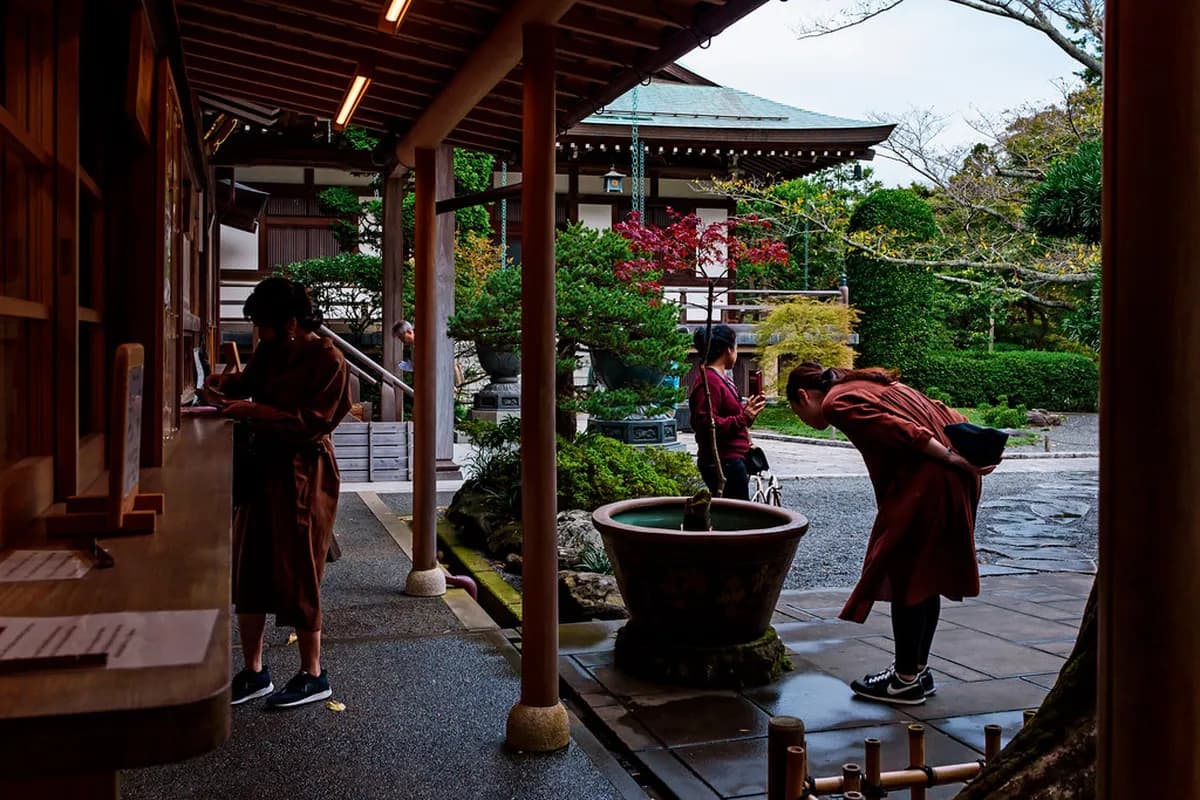
Kyoto's lesser-visited temples reward patience in a way that the major complexes simply cannot. Honen-in, set just off the Philosopher's Path, has two large sand mounds at its gate that are raked into fresh seasonal patterns by resident monks. The grounds are free to enter from 06:00 to 16:00, and the main hall opens only for brief public exhibitions in spring and autumn. Most visitors walk straight past the gate on their way to Ginkaku-ji, which makes it one of the calmest spots in eastern Kyoto on any given morning.
Otagi Nenbutsu-ji sits at the far northern edge of the Arashiyama district and houses more than 1,200 stone rakan statues, each carved with a different expression by amateur sculptors in the late twentieth century. Entry costs ¥300 per adult, and the temple operates from 08:00 to 17:00. Give yourself at least 45 minutes to walk the full perimeter of statues — some hold tennis rackets, others clutch sake cups, and a few appear to be laughing mid-conversation. The combination of the aged stone and the cedar canopy overhead feels genuinely otherworldly.
Gio-ji, another Arashiyama temple, is famous for the dense emerald moss carpet that covers every surface of its small garden. Entry is ¥300 and it is open from 09:00 to 17:00. Visit immediately after rain for the most vivid colour. Because it sits a 20-minute walk north of the main bamboo grove, most tourists never make the effort — which is precisely why you should.
Shosei-en Garden, a detached estate belonging to Higashi Hongan-ji, is a ten-minute walk from Kyoto Station and almost empty even on busy weekends. The suggested entry donation is ¥500, which includes a beautifully illustrated booklet about the garden's Edo-period history. The koi ponds and arched stone bridges make it an ideal stop while waiting for an afternoon train south.
Blood Ceilings, Forgotten Castles, and the Darker Side of Kyoto
One angle that virtually no travel guide covers in a systematic way is Kyoto's network of "blood ceiling" temples — a direct, architectural legacy of the Battle of Fushimi in 1600. When Tokugawa Ieyasu's soldiers died by ritual seppuku at Fushimi-Momoyama Castle after an 11-day siege, their blood-stained floorboards were repurposed as ceiling panels in temples across the city, a deliberate act of Buddhist honour. You can still see these ceilings today at Genkoan (Kita Ward), Hosen-in (Ohara), and Yogen-in (Higashiyama). Each temple explains the history on-site, and the ceilings remain visible overhead — most visitors stare at the patterns without realising what they are until a guide or a sign translates the context.
Genkoan itself is worth the journey north for a second reason: its pair of famous windows. The round "Window of Enlightenment" and the square "Window of Confusion" are two of the most photographed Zen objects in Kyoto that casual tourists rarely encounter. Hours are 09:00 to 17:00 (last entry 16:30); entry is ¥400. Visit the temple's official site for current opening hours and events. It is a one-bus ride from Kyoto Station — take city bus 6 to the Takagamine Genkoan-mae stop. Unryuin Temple near Tofuku-ji shares the same window concept and is a good pairing if you are already in southern Kyoto.
Fushimi-Momoyama Castle itself, while a 1964 reconstruction rather than the original, sits largely abandoned on the hill above the Fushimi sake district. The structure is closed for safety reasons but visible on approach. Reaching it requires a 20-minute walk from Kintetsu Momoyama Station. Combining the castle walk with a brewery visit in Fushimi below creates a natural half-day arc through one of the city's most historically layered southern neighborhoods.
Kyoto Hidden Places for Food & Local Life
The Fushimi Sake District is built on some of the purest groundwater in Japan, which has supported active breweries here for over four hundred years. The willow-lined canal along Sakaemachi-dori offers an atmosphere completely unlike central Kyoto — quieter, slower, and still recognizably Edo-era in scale. The district is also home to Fushimi Inari Taisha, the nation's oldest and most visited Shinto shrine. The Gekkeikan Okura Sake Museum charges ¥600 admission, which includes a tasting flight of three varieties at the end of the self-guided tour. If you visit in January or February, you may catch the brewers in active production, identifiable by the cedar balls (sugidama) hanging fresh above brewery doorways.
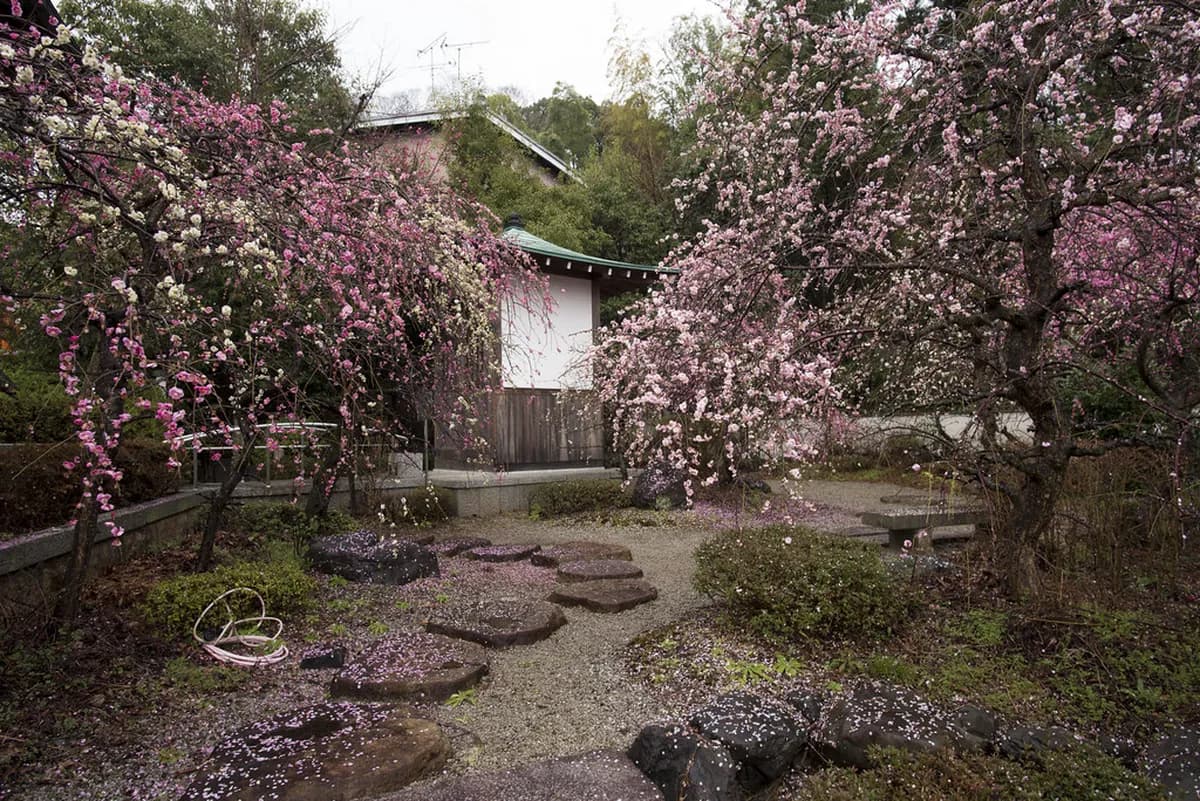
Pontocho alley on the west bank of the Kamo River is familiar to many repeat visitors, but the parallel alleys one block further west are where actual local izakayas operate. These spots have no English menus and no tourist markups. The Philosopher's Path in Higashiyama — officially Tetsugaku no Michi — is similarly well-known in name but often bypassed in reality because it requires a 30-minute walk. The two-kilometre canal-side path is lined with hundreds of cherry trees and connects Ginkaku-ji to Nanzen-ji, with Honen-in and several small galleries along the route. Outside of blossom week, you can walk the full length in near-silence.
For those traveling with children, the Kyoto Railway Museum near Umekoji Park is a genuine hit with all ages. It holds 53 retired vehicles including early steam locomotives and the original 0-series Shinkansen. Admission is ¥1,500 for adults, ¥500 for children, and an operational steam train does circuit runs several times daily for an extra ¥150. Hours are 10:00 to 17:00, closed Wednesdays.
Solo diners should note that most small counters in the backstreets of Pontocho cater naturally to single guests — the counter format is standard in Japanese izakayas and no reservation is needed at most. Exploring Kyoto's food scene beyond the main tourist hubs is genuinely one of the best low-cost activities the city offers. Many of the best meals cost under ¥1,200 per person.
Nature Hikes and Day-Trip Escapes Near Kyoto
Mount Kurama rises steeply north of the city and takes about 90 minutes to reach from central Kyoto via the Eizan Railway to Kurama Station. The mountain temple of Kurama-dera charges ¥300 entry plus ¥200 for the optional cable car. Most visitors ride the cable car up and hike the forested ridge trail down to the village of Kibune on the other side, a route that takes roughly two hours at a comfortable pace. Kibune is worth the journey on its own for summer kawadoko dining — restaurants extend low wooden platforms directly over the cool mountain stream, and kaiseki meals run from ¥5,000 upward per person. This is a seasonal experience available only from late May to mid-September.
The Hozu River boat ride runs between Kameoka and Arashiyama along a scenic canyon that is inaccessible by road. Professional boatmen navigate the 16-kilometre route using long bamboo poles through rapids and still pools. The ride takes 90 minutes and costs ¥4,100 per adult, with departures every 30 to 60 minutes from 09:00 to 15:30. Advance booking is strongly recommended during autumn foliage season, when the canyon walls are covered in red and orange maples. The experience is completely different from anything available in central Kyoto and works well combined with a Kameoka morning before floating back to Arashiyama for lunch.
Iwatayama Monkey Park in Arashiyama requires a 20-minute uphill walk but delivers two rewards at the summit: free-roaming wild macaques and a 360-degree panoramic view of Kyoto's basin. Entry is ¥550 for adults, ¥250 for children. Open daily from 09:00 to 16:00, weather permitting. Keep your bags zipped — the monkeys are accustomed to humans and will investigate open bags. Inside the feed hut at the top, you can purchase small bags of apple slices and peanuts to hand through wire mesh while the macaques eat from your palm.
Arashiyama's Hidden Forest Trails
The main Sagano Bamboo Grove near Tenryu-ji is undeniably beautiful but crowded from 09:00 onward on any day outside of typhoon season. Two alternatives sit within 20 minutes' walk. Kodai-ji temple in Higashiyama has its own bamboo grove path — Nene's Way — which is quieter even during peak weekends because most visitors enter from the front and miss the rear garden entirely. Adashino Nenbutsu-ji, further north in the Sagano hills, is set among forest paths where stone figures representing people who died without family are tended by the resident monks. The walk there from Gio-ji takes about ten minutes on a forested lane with almost no vehicle traffic.
The hidden trails that head north and east from Arashiyama Station into the Ukyo hill zone are mostly used by local hikers and offer elevated views of the Hozu River gorge. These paths are unmarked in most English-language apps but appear clearly on the Japanese-language version of Google Maps when you search for 嵐山 ハイキング. Wear proper shoes — the paths are compacted dirt with root sections that become slippery after rain. Cell coverage drops once you are more than 15 minutes from the main roads, so download the relevant offline map tile before you leave.
Forest trails in the Ukyo hill zone are unforgiving after rain — root sections become slippery and compacted dirt paths turn treacherous. Cell reception vanishes beyond 15 minutes from main roads. Always download offline maps, wear hiking boots with good grip, and avoid these trails in wet weather or late afternoon when visibility drops.
Contemporary Cultural Hubs and a Hidden Hotel Gem
Not all of Kyoto's hidden gems are ancient. Shinpukan, near Karasuma Oike Station, is a converted 1926 telephone exchange building that now houses boutiques, restaurants, a cinema, and the Ace Hotel Kyoto — the American lifestyle brand's first Japan location. Rooms are contemporary but layered with Kyoto craft references, and the public lobby café and courtyard garden are accessible without a room reservation. It is a five-minute walk from Nijo Castle, making it an easy pairing if you are already in the Nakagyo area.
The Kyocera Museum of Art in Okazaki opened its updated wing in 2020 and is Japan's oldest still-functioning public art museum, originally inaugurated in 1933. The building merges its original Showa-era stone facade with a clean white interior addition by architects Nishida + Takaishi. Over 4,400 works are on permanent display across the Kyoto and Higashiyama galleries, with rotating exhibitions that lean toward contemporary Japanese artists. The ENFUSE café on the upper level has floor-to-ceiling windows overlooking the great torii gate of Heian Shrine — the view costs nothing extra. Admission is ¥700 for the permanent collection; hours are 10:00 to 18:00, closed Monday and year-end holidays.
For a low-key local immersion, Sagano-yu near Arashiyama Station is a Taisho-era public bathhouse converted into a small café. The original tiles, faucet fixtures, and high ceilings remain intact. The menu runs to tofu pasta, seasonal sweets, and coffee. It is a one-minute walk from the Arashiden Saga Station and a sensible lunch stop after the Sagano Scenic Railway or the Adashino Nenbutsu-ji trail. Hours are 11:00 to 18:00.
How to Get Around Kyoto and Plan Your Day
Efficiency matters when visiting multiple hidden gems across different wards. The subway Tozai Line handles the east-west axis efficiently, connecting Keage (for Nanzen-ji and Okazaki) to Nijo Castle and Karasuma Oike in under ten minutes. The Karasuma Line runs north-south and connects Kyoto Station to Imadegawa. City buses cover the gaps — a day bus pass costs ¥700 and pays off if you use it five or more times. During autumn foliage peak and Golden Week, skip the buses entirely and use the subway plus walking or cycling.
If you are traveling in a small group, taxis are frequently more practical between remote sites than trying to chain bus routes. You can use a Taxi Fare Calculator for Kyoto to estimate costs in advance. Most drivers are professional, but having your destination written in Japanese characters eliminates any ambiguity — Google Maps' Japanese mode displays the kanji address automatically when you share a screenshot.
A sample one-day route that chains several of the above spots: start at Nanzen-ji Aqueduct at 09:00 (before crowds arrive), walk the Philosopher's Path south to Honen-in, cross to the Kyocera Museum for lunch, then taxi west to Shinpukan for the afternoon. End the day with the Pontocho backstreet izakayas for dinner. Total transit cost: under ¥1,500 per person. For a longer stay, checking the day trips from Kyoto options adds Uji for matcha culture or Nara for a half-day with the deer without needing a separate overnight stay.
Frequently Asked Questions
Which Kyoto hidden gems fit first-time visitors?
First-time visitors should prioritize Otagi Nenbutsu-ji and the Nanzen-ji Aqueduct. These spots are relatively easy to access and offer a high visual impact without the overwhelming crowds of the main landmarks. They provide a perfect introduction to Kyoto's diverse architectural history.
How much time should you plan for Kyoto hidden gems?
Allocate at least three to four hours for each neighborhood cluster to avoid rushing. Most hidden gems are smaller, but the travel time between them can add up. A slower pace allows you to appreciate the subtle details and local atmosphere of each site.
What should travelers avoid when planning Kyoto hidden gems?
Avoid visiting too many remote spots in a single day, as transit times can be long. Do not assume all small temples accept credit cards; always carry yen in small denominations. Finally, avoid visiting during the midday heat in summer when walking between sites becomes exhausting.
Kyoto is a city that rewards the curious traveler who is willing to step off the main tourist path. By visiting these hidden gems, you will experience a side of the imperial capital that feels authentic, peaceful, and deeply rooted in history. Whether you are wandering through a mossy grove, floating down the Hozu River canyon, or discovering the dark history written into temple ceilings, these moments will become your clearest memories of Japan.
Remember to respect local customs and the quiet nature of these sacred spaces during your 2026 visit. The beauty of Kyoto lies in its details, so take your time, carry cash for small temples, and download your maps before heading into the hills. Safe travels as you uncover the secret layers of this magnificent ancient city.
Free: The Kyoto Essentials guide
Top things to do, where to stay, a perfect day plan, getting around, and the best time to go — a Kyoto mini-guide you can take offline.
You might also like


Continue reading
More guides you'll find useful