
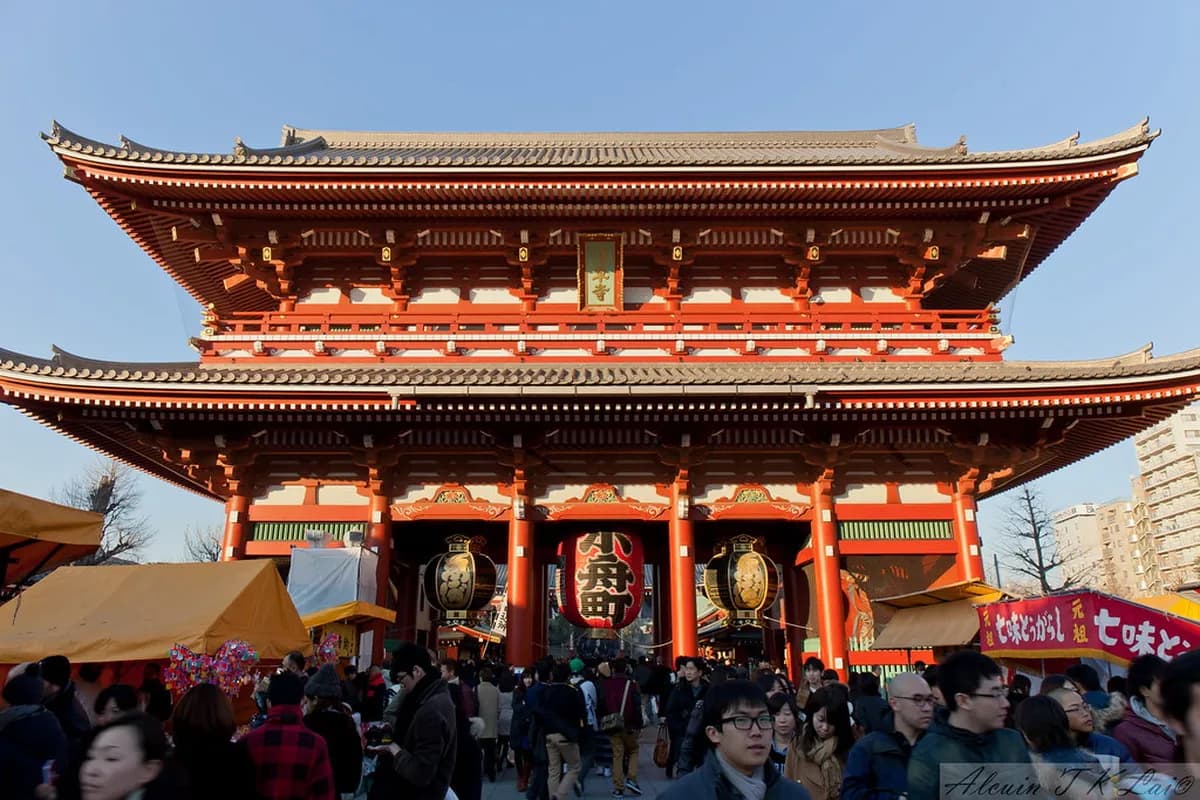
Welcome to Kyoto, home to the magnificent Kiyomizu-dera Temple, a UNESCO World Heritage site.
Your journey often begins at the impressive Niomon Gate, the vibrant main entrance to this historic complex.
This Niomon Gate visitor guide helps you navigate the temple grounds and surrounding areas.
Prepare for an unforgettable experience filled with rich history and stunning views.
Welcome to Niomon Gate: Your Gateway to Kiyomizu-dera
Niomon Gate stands as the majestic main entrance to Kiyomizu-dera Temple, inviting visitors into a world of spiritual beauty.
Its imposing structure and vivid vermillion color immediately capture attention.
This gate is not just an entry point; it marks the beginning of your profound journey through one of Japan's most revered temples.
The gate’s grandeur sets the tone for the architectural wonders ahead.
Many travelers consider this gate an iconic landmark, perfect for initial photographs.
Understanding its significance enhances the entire Kiyomizu-dera experience.
The History and Significance of Niomon Gate
Niomon Gate, often called the "King's Gate," boasts a history dating back centuries.
It was originally built in the early 15th century, though it has undergone several reconstructions.
This gate reflects traditional Japanese Buddhist architecture, emphasizing strength and spiritual protection.
Its design symbolizes a transition from the mundane world to a sacred space.
The gate’s massive scale is quite impressive, standing 14 meters tall and 10 meters wide.
It also measures 5 meters deep, creating a truly grand entrance.
- Guardian Statues
- Nio Guardians: fierce protectors
- Location: flanking the entrance
- Meaning: ward off evil spirits
- Appearance: muscular, intimidating figures
- Architectural Style
- Color: vibrant vermillion lacquer
- Roof: traditional tiled structure
- Features: intricate carvings
- Symbolism: purification, transition
Planning Your Visit: Hours, Tickets, and Best Times
Planning your visit ensures a smooth and enjoyable experience at Kiyomizu-dera Temple.
The temple typically opens early, offering peaceful mornings before the crowds arrive.
General opening hours are from 6:00 AM to 6:00 PM, extending to 6:30 PM during summer months.
Checking the official website for current hours is always a good idea before your trip.
Kiyomizu-dera Temple also hosts special night illumination events during spring, summer, and autumn.
During these times, the temple remains open until 9:30 PM, offering a breathtaking illuminated view.
Ticket prices for Kiyomizu-dera Temple are typically 400 JPY for adults.
Younger visitors, including elementary and junior high school students, pay 200 JPY.
These fees grant access to the main temple grounds and key attractions.
The best time to visit Kiyomizu-dera Temple to avoid large crowds is usually early in the morning.
Arriving around 6:00 AM or shortly after can provide a serene experience.
Alternatively, visiting after 4:00 PM can also offer fewer people and beautiful late afternoon light.
For those wanting to experience the surrounding shops, aim for around 9:00 AM when most open.
Consider visiting during the shoulder seasons of spring and fall for pleasant weather.
However, these seasons are also popular for cherry blossoms and autumn leaves, so expect more visitors.
How to Get to Niomon Gate and Kiyomizu-dera Temple
Reaching Kiyomizu-dera Temple is straightforward from Kyoto Station and other city areas.
Public transportation is the most convenient way to access the temple.
Several bus routes serve the Kiyomizu-dera area, making it accessible for all travelers.
From Kyoto Station, take Kyoto City Bus number 100 or 206.
These buses will take you to the Gojo-zaka or Kiyomizu-michi bus stops.
From there, it's about a 10 to 15-minute uphill walk to the Niomon Gate.
The walk itself is part of the experience, passing through charming streets.
Consider a taxi for a more direct, though more expensive, option.
Taxis can drop you closer to the temple entrance, reducing the uphill walk.
You can also explore Kiyomizu-dera as part of a larger Yamadera itinerary.
This allows for a comprehensive exploration of the region's attractions.
Many visitors enjoy walking from nearby Gion, enjoying the scenic Higashiyama district.
This route offers glimpses of traditional Kyoto architecture and local shops.
The path can be steep in some sections, so wear comfortable walking shoes.
The journey to the gate provides a gradual immersion into the temple's spiritual atmosphere.
Key Attractions and Things to See at Kiyomizu-dera Temple
Kiyomizu-dera Temple offers a wealth of attractions beyond Niomon Gate, each with unique historical and cultural significance.
A suggested walking route begins at Niomon Gate and guides you through the most important sites.
This path ensures you experience the temple's highlights efficiently and enjoyably.
After entering through Niomon Gate, you will encounter the Sai-mon (West Gate) and the three-storied pagoda.
These structures provide excellent photo opportunities and showcase intricate Buddhist artistry.
Proceeding further leads you to the main hall, home to the famous Kiyomizu Stage.
The stage offers panoramic views of Kyoto and is built without a single nail.
Below the main hall lies the Otowa Waterfall, a sacred site where visitors drink from three streams.
Each stream represents a different blessing: longevity, success in studies, and a fortunate love life.
Choose only one stream, as drinking from all three is considered greedy.
Adjacent to the main temple is Jishu Shrine, dedicated to the deity of love and matchmaking.
Here, visitors can attempt to walk between two 'love stones' with their eyes closed for good luck in finding love.
The 18-meter distance between the stones provides a fun challenge for many.
Don't miss the Okunoin Hall, which offers another stunning view of the main hall and Kyoto.
This spot is particularly beautiful during autumn foliage or cherry blossom seasons.
The temple complex also includes the Konponchudo Hall and Kaisando Hall, adding to the spiritual depth of your visit.
These halls house important Buddhist statues and offer quiet spaces for reflection.
Allow at least 2-3 hours to fully explore the temple grounds and absorb its atmosphere.
Exploring the Surroundings: Ninenzaka, Sannenzaka, and Beyond
The area surrounding Kiyomizu-dera Temple is as captivating as the temple itself, filled with historic streets and traditional shops.
Ninenzaka and Sannenzaka are two charming, sloping pedestrian streets leading to and from the temple.
These streets are lined with traditional wooden houses, souvenir shops, tea houses, and restaurants.
They offer a delightful atmosphere for a leisurely stroll, providing many photo opportunities.
You can find unique Kyoto crafts, local sweets, and green tea products here.
The early morning, around 9 AM when shops begin to open, is ideal for avoiding the heaviest crowds.
Beyond these main streets, explore lesser-known alleys and discover hidden gems.
Nene's Road and the Stone Wall Path are nearby, offering additional scenic walks.
Consider visiting Yasui Konpira-gu Shrine, known for its power to sever bad relationships and foster good ones.
The large rock, 1.5 meters high and 3 meters wide, allows visitors to crawl through for spiritual cleansing.
Another significant nearby site is the Kyoto Ryozen Gokoku Shrine, honoring those who died for Japan.
This shrine provides a poignant historical perspective on Japanese patriotism.
The Higashiyama district as a whole invites exploration, with its preserved traditional architecture.
You can easily spend several hours wandering these beautiful and historic surroundings.
Many visitors combine their temple visit with a deeper dive into this cultural district.
Combining Your Visit with Gion and Other Kyoto Highlights
Kiyomizu-dera Temple is perfectly situated for combining with other iconic Kyoto destinations.
The proximity to the Gion district makes a joint visit a popular and rewarding option.
You can easily walk from Kiyomizu-dera to Gion, enjoying the scenic Higashiyama streets along the way.
Gion, Kyoto's famous geisha district, offers a glimpse into traditional Japanese entertainment and culture.
Explore its historic machiya houses, traditional tea houses, and perhaps spot a geiko or maiko.
A combined itinerary allows you to experience both spiritual serenity and vibrant cultural life.
Consider starting your day at Kiyomizu-dera and then heading to Gion for the afternoon and evening.
This strategy lets you enjoy dinner and a stroll through Gion's atmospheric streets.
For those with more time, Kyoto offers countless other attractions to integrate into your trip.
Think about visiting Fushimi Inari Shrine, Arashiyama Bamboo Grove, or Kinkaku-ji (Golden Pavilion).
Many travelers also make Kiyomizu-dera a day trip from Osaka, given Kyoto's excellent train connections.
Planning a one-day trip from Osaka is feasible with early starts and efficient transport.
Remember to factor in travel time between locations to maximize your sightseeing.
An audio guide for Gion and Kiyomizu Temple can enrich your understanding of both areas.
These guides provide historical context and interesting anecdotes as you explore.
Practical Tips for a Smooth Kiyomizu-dera Experience
A few practical tips can significantly enhance your niomon gate visitor guide experience.
Wearing comfortable shoes is essential, as the temple grounds and surrounding streets involve considerable walking and stairs.
Arriving early in the morning, ideally before 9 AM, helps you avoid the largest crowds.
This allows for more peaceful exploration and better photo opportunities.
Bringing a reusable water bottle is advisable, especially during warmer months, to stay hydrated.
There are vending machines and small shops available, but having your own water is convenient.
Respect temple etiquette by speaking softly, not touching artifacts, and removing your shoes when entering certain halls.
Photography is generally allowed, but be mindful of others and avoid flash photography in sacred areas.
Consider purchasing your tickets upon arrival, or check the Kiyomizu-dera Temple’s Official Webpage for online options.
Allow ample time for your visit, at least 2-3 hours, to explore thoroughly without rushing.
Don't forget to explore the charming shops and eateries along Ninenzaka and Sannenzaka.
They offer unique souvenirs and local culinary delights, perfect for a break.
Stay aware of your surroundings, especially in crowded areas, and keep your belongings secure.
Embrace the spiritual atmosphere and cultural richness of this incredible UNESCO site.
This approach ensures a memorable and respectful visit to Kiyomizu-dera Temple.
Frequently Asked Questions
What is the significance of Niomon Gate at Kiyomizu-dera?
Niomon Gate serves as the grand main entrance to Kiyomizu-dera Temple. It symbolizes a transition from the ordinary world to a sacred space. The gate is guarded by fierce Nio statues, believed to ward off evil spirits, and its striking vermillion color is highly symbolic.
What are the opening hours and ticket prices for Kiyomizu-dera Temple?
Kiyomizu-dera Temple generally opens from 6:00 AM to 6:00 PM, with extended hours until 6:30 PM in summer. Special night illumination events sometimes extend hours to 9:30 PM. Adult admission is 400 JPY, while elementary and junior high students pay 200 JPY. Always check the official website for the most current information.
How do I get to Kiyomizu-dera Temple from Kyoto Station?
From Kyoto Station, take Kyoto City Bus number 100 or 206 to the Gojo-zaka or Kiyomizu-michi bus stops. The temple is then a 10 to 15-minute uphill walk. Taxis are also available for a more direct, though pricier, ride closer to the entrance.
What are the must-see attractions within Kiyomizu-dera Temple?
Must-see attractions include the main hall with its iconic Kiyomizu Stage, the sacred Otowa Waterfall, and Jishu Shrine, known for matchmaking. Don't miss the panoramic views from the Okunoin Hall and the beautiful three-storied pagoda. Each site offers unique historical and cultural insights.
Is there a night illumination event at Kiyomizu-dera Temple?
Yes, Kiyomizu-dera Temple holds special night illumination events during the spring, summer, and autumn seasons. During these periods, the temple remains open until 9:30 PM. These events offer a magical experience with the temple grounds beautifully lit up, providing stunning nighttime views.
Exploring Niomon Gate and Kiyomizu-dera Temple offers a profound journey into Japan's rich cultural and spiritual heritage.
This niomon gate visitor guide has provided practical tips and insights for a seamless visit.
From its historic architecture to its stunning views, Kiyomizu-dera promises an unforgettable experience.
Plan your trip thoughtfully to fully immerse yourself in this magnificent Kyoto landmark.


