Kyoto Tofu Restaurants: Shoraian, Okutan & Tousuiro Compared
A 2026 guide to Kyoto tofu restaurants, comparing Shoraian, Okutan, and Tousuiro on price, location, reservations, and vegetarian options for yudofu and yuba dining.
On this page
Last updated August 2026. Kyoto tofu restaurants trace back to the Zen Buddhist monks of Nanzenji, whose vegetarian shojin ryori turned the city's soft groundwater into a defining ingredient for tofu making. This guide compares Shoraian in Arashiyama, Okutan near Kiyomizu and Nanzenji, and Tousuiro in Kiyamachi and Gion, covering reservations, walking directions, and the seasonal kawayuka riverside season.
Why Kyoto Is Known for Yudofu and Yuba
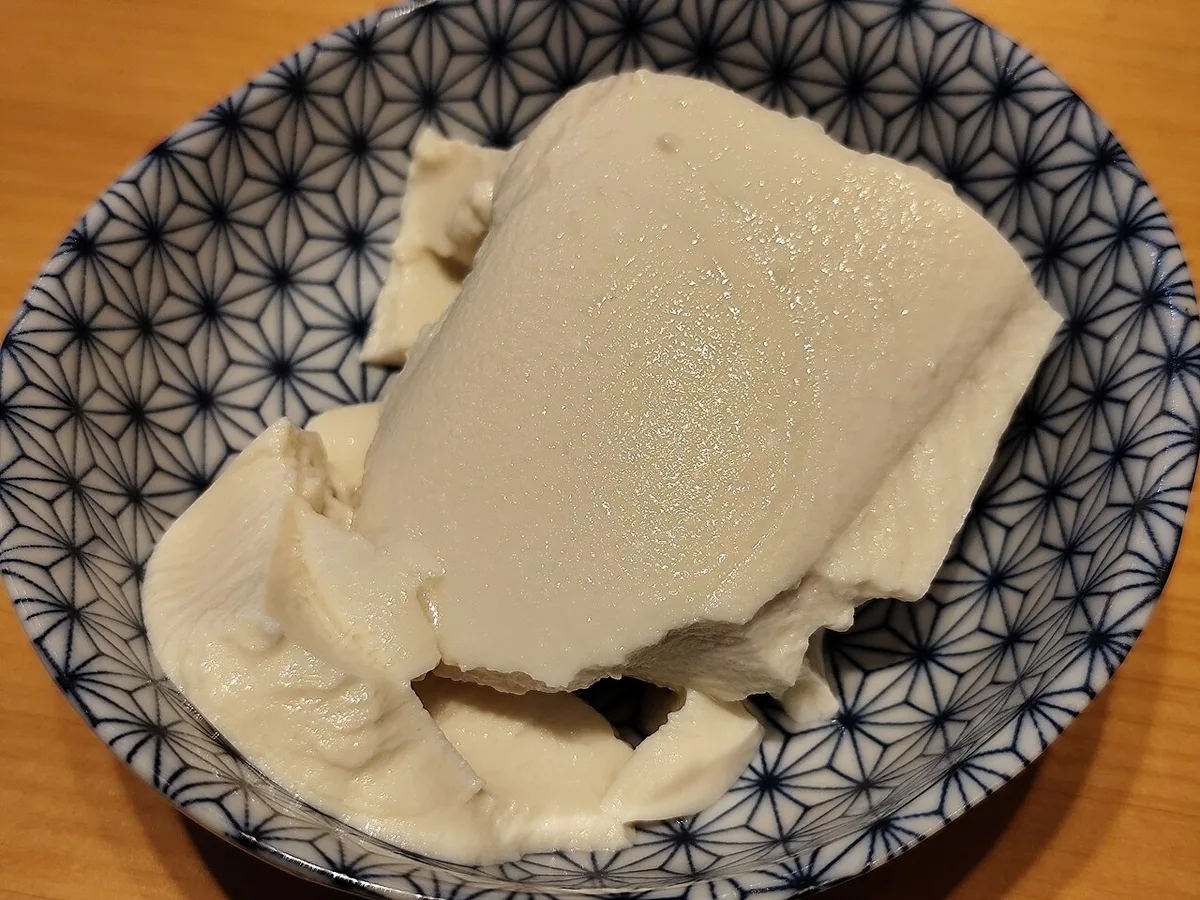
Kyoto's tofu tradition began with the Zen Buddhist monks of Nanzenji. They built a vegetarian repertoire called shojin ryori around the temple district's soft groundwater. That water, low in minerals, lets tofu makers coax out a custard-like texture that mass-produced blocks cannot match. Yudofu refers to the classic preparation, cubes of tofu simmered tableside in a kelp broth and dipped in soy sauce with scallions and citrus. Yuba is a separate product: the thin skin that forms on top of simmering soy milk. Cooks lift it off in sheets and serve it fresh, dried, or deep-fried as tempura. Zen Buddhism's influence on Kyoto dining extends into the city's tea culture too, covered separately in the Kyoto Tea Ceremony Guide: 8 Essential Insights for Your Visit. For a broader look at where tofu fits alongside Kyoto's other specialties, the 15 Best Food Experiences in Kyoto: A Local Dining Guide (2026) covers kaiseki, street food, and seasonal menus citywide. Home cooks in the city take a different approach with everyday dishes. The Kyoto Obanzai Guide: Home-Style Cooking, Best Spots, and Etiquette covers that side of Kyoto cuisine, while restaurant tofu kaiseki stays its own category built around Nanzenji-style yudofu.
The Best Kyoto Tofu Restaurants to Book
Three tofu specialists anchor most itineraries, each built around a different setting. Shoraian sits inside parkland above the Oi River in Arashiyama, reachable only on foot. Its owner is the Zen calligrapher Fuyoh Kobayashi, whose brushwork hangs throughout the dining rooms. The building itself once served as a holiday cottage for Fumimaro Konoe, who served three terms as Japan's prime minister before World War II. Shoraian's seasonal course changes with a calligraphy-inspired theme, arriving with a printed poem that explains the dish's design. Okutan has operated since 1635 near Nanzenji and Kiyomizu-dera, serving monastic yudofu in private tatami rooms. The Kiyomizu branch's private rooms overlook a small maple garden that holds some color even after Kyoto's peak autumn foliage window passes. Tousuiro runs two houses, a Taisho-era building on the Kamo River in Kiyamachi and a 130-year-old merchant house in Gion. Both offer gluten-free and vegan-certified kaiseki alongside standard sets. The three also represent three distinct Kyoto settings: Arashiyama's riverside parkland, Higashiyama's temple streets near Kiyomizu-dera and Nanzenji, and the downtown blocks of Gion and Kiyamachi. For dietary planning beyond these three, the vegetarian and vegan Kyoto guide lists additional certified options across the city. The figures below reflect published 2026 pricing and hours.
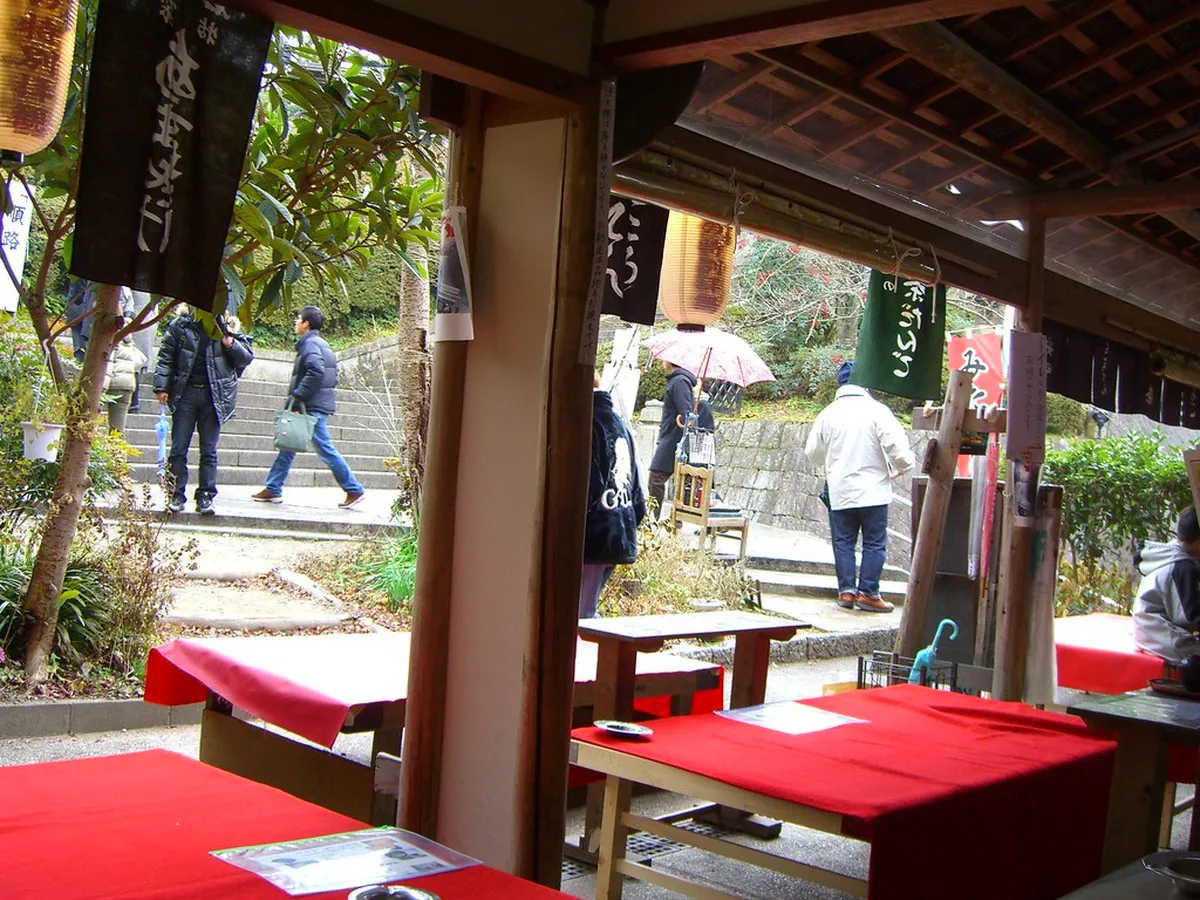
- Shoraian (Arashiyama): Shoyo set ¥3,800, Shorai set ¥4,600, Shofu set ¥5,800 with wagyu and unlimited yudofu; open Mon-Thu 11:00-17:00, Fri-Sun and holidays 11:00-20:00.
- Okutan Kiyomizu (Higashiyama-ku) or Okutan Nanzenji (Sakyo-ku): Yudofu Course ¥3,000, Original Course ¥4,000, a six-course set with a choice of soft or hard tofu.
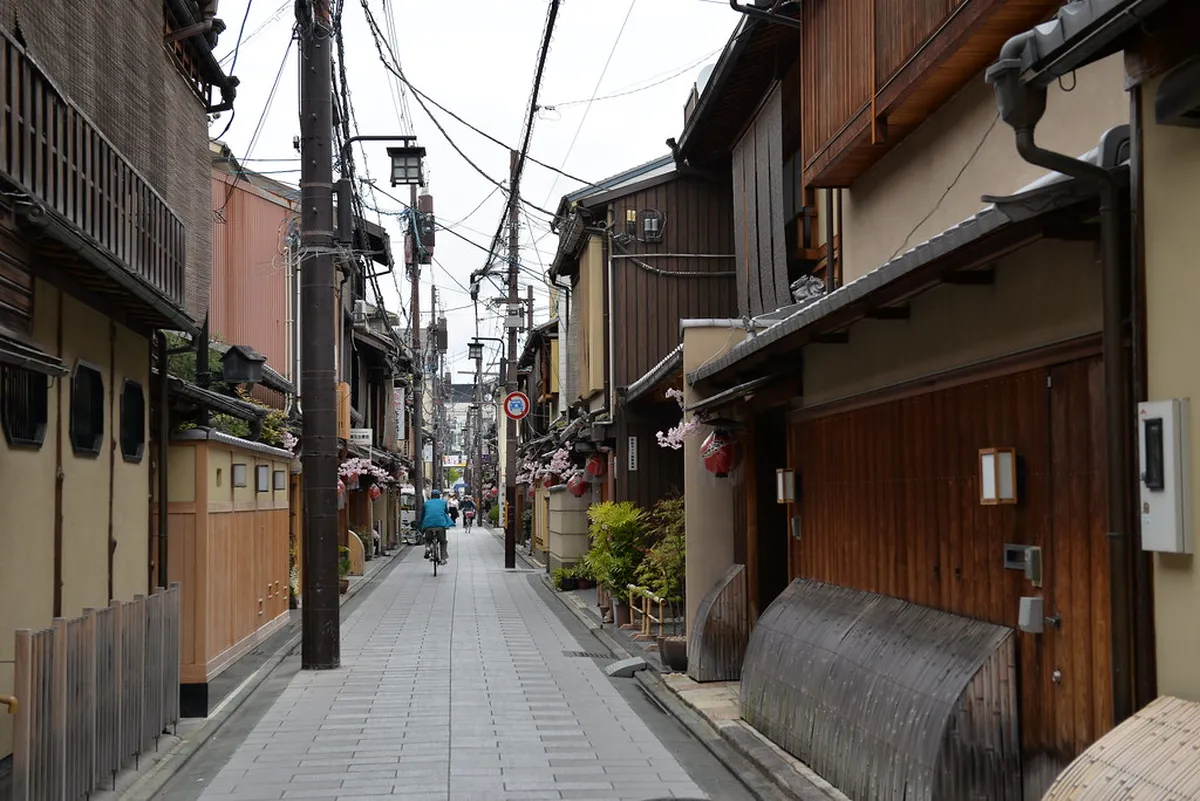
- Tousuiro Kiyamachi (Nakagyo-ku): 5-minute walk from Kyoto-shiyakushomae subway station; open daily except year-end and New Year's Day.
- Tousuiro Gion (Higashiyama-ku): 15-minute walk from Keihan Gion Shijo station; open every day, including New Year's.
Comparing Shoraian, Okutan, and Tousuiro
Each restaurant suits a different priority, from scenery to speed to dietary needs. Use the comparison below to match a location to your itinerary and budget. Read the accessibility column closely if mobility or time is a constraint, since Shoraian's walk-in access differs sharply from the other two.
Tousuiro's table pricing for kawayuka season (¥8,000–¥12,000) doesn't reflect the additional ¥1,500 per-person seat charge for river platform seating (May–September); diners should expect total costs of ¥9,500–¥13,500.
| Restaurant | Signature Dish | Price Range | Best For | Accessibility |
|---|---|---|---|---|
| Shoraian (Arashiyama) | Yudofu hot pot, wagyu option on the Shofu set | ¥3,800-¥5,800 | River views, artistic presentation | 20-45 min walk, no car access |
| Okutan (Kiyomizu or Nanzenji) | Soft vs. hard yudofu comparison | ¥3,000-¥4,000 | 400-year heritage, quicker visit | Tatami seating, central locations |
| Tousuiro (Kiyamachi or Gion) | Kawayuka riverside kaiseki, gluten-free/vegan Rokuhara | ¥8,000-¥12,000 (kawayuka season) | Dietary restrictions, summer river dining | Central, short walk from subway or Keihan line |
What to Expect on a Kyoto Tofu Kaiseki Menu
A typical set moves through six to eleven courses rather than a single plate. Expect a chilled sesame tofu appetizer with a dab of wasabi, then an assorted specialties plate of seasonal vegetables and gluten-based namafu. Agedashi tofu, lightly fried and served in dashi broth, usually follows. The centerpiece is yudofu itself, delivered in a tabletop pot. Diners eat it plain first, then with soy sauce, scallions, and citrus. Higher-tier sets add tofu gratin with cheese and soy cream, deep-fried yuba tempura, and grilled tofu with sweet miso. Dessert is often tofu ice cream, finished with a thin cinnamon mochi sheet. Travelers who prefer traditional sweets can find alternatives in the 7 Best Wagashi in Kyoto: Teahouses, Souvenirs & Workshops (2026 Guide). Diners who want the fuller course structure explained in more depth can compare it with the format in the 8 Best Kaiseki Restaurants in Kyoto: 2026 Booking Guide. Kyoto tofu comes in two textures worth knowing before you order. Kinugoshi, or silken tofu, is set without pressing and has a custard-like give. It works best in the sesame tofu appetizer and yudofu hot pot. Momen, or firm tofu, is pressed to remove more water and holds together better on the grill or in gratin dishes. Both differ from supermarket blocks mainly because of preparation speed. Kyoto's soft, low-mineral groundwater and same-day production give the curd a smoother set and a stronger soy aroma. Travelers who associate tofu with bland, rubbery texture are usually tasting a mass-produced version rather than the fresh, same-day tofu served at these restaurants.
Reservations, Walking Directions, and Seasonal Timing
Reservations matter more here than at an average Kyoto restaurant, because seating is limited to a handful of private tatami rooms. Finding Shoraian also takes some planning, since it sits inside government-owned parkland in Sagakamenocho, Ukyo-ku, with no car access. From the Arashiyama Bamboo Grove, the walk runs about 45 minutes along winding park paths. A shorter route starts at Togetsu-kyo Bridge. Follow the river path for roughly 20 minutes until the pavement ends. Continue on a dirt trail to a signposted staircase that climbs to the restaurant. Taxis can approach closer to the entrance, cutting the walk to five or ten minutes for travelers who skip the scenic route. Save the restaurant's name in Japanese before setting out, since directional signs along the way are not translated. Timing shapes the experience as much as the menu. Arashiyama's riverside setting peaks during cherry blossom season in spring and again during autumn foliage from November. Shoraian's private rooms book out fastest during those windows. Tousuiro's kawayuka platforms over the Kamo River operate from May through September, adding a seasonal riverside course and a ¥1,500 per-person seat charge. Tousuiro's 2026 lineup also listed a one-night Daimonji Special Kaiseki course at ¥18,000 for the August 16 Gozan-no-Okuribi fire-lighting event, an example of how seasonal specials push toward Kyoto's higher-end kaiseki pricing. Pairing any of these meals with a temple visit is straightforward using the Kyoto attractions guide for opening hours nearby.
- Shoraian: book about one month ahead by phone; walk-in seating is not guaranteed.
- Okutan: reservations recommended a few days ahead, by phone or via the restaurant's listing.
- Tousuiro: email or phone requests at least three days ahead of your visit.
- Hotel concierge: any of the above can be booked through a concierge for guests uncomfortable calling in Japanese.
Mistakes to Avoid at a Kyoto Tofu Restaurant
A few avoidable mistakes cause most of the frustration travelers report at Kyoto's tofu restaurants.
Shoraian's 20-minute walk from Togetsu-kyo Bridge combines with the meal's 60 to 90 minutes duration to total roughly three hours, warranting half-day planning for the full experience.
- Arriving without a reservation: private tatami rooms sell out, especially at Shoraian, where walk-in seating is not guaranteed.
- Treating the meal as a quick stop: a full set runs six to eleven courses and typically takes 60 to 90 minutes.
- Wearing shoes that are hard to remove: tatami seating means taking shoes off at the entrance and sometimes again at the room threshold.
- Assuming every set is vegetarian: traditional yudofu broth often uses fish-based dashi. Ask ahead, or choose a dedicated set like Tousuiro's Rokuhara course, which omits meat, shellfish, egg, dairy, and fish.
Pairing Tofu Dining With Nearby Kyoto Sights
Each restaurant sits close to sights worth building a half-day around. Shoraian shares its parkland with the Arashiyama Bamboo Grove, an easy add-on before or after the walk in. Okutan's Kiyomizu branch is a short walk from Kiyomizu-dera. Its Nanzenji branch sits inside the same temple grounds where the monastic yudofu tradition began. Tousuiro's Gion house is near Yasaka Shrine and Kodaiji Temple. Its Kiyamachi house is a short ride from Nishiki Market, where fresh yuba appears as a street-food snack. The Nishiki Market Kyoto Food Guide: What to Eat and How to Avoid the Crowds covers vendor stalls there in more detail. Yuba also turns up widely across the city's street stalls, cataloged in the 9 Best Bites in Our Kyoto Street Food Guide (2026). Travelers connecting through Kyoto Station before or after a tofu meal can check the Kyoto Station Food Guide: Where to Eat by Floor and Time (2026) for faster options. The citywide best restaurants in Kyoto guide rounds out choices beyond tofu specialists.
Frequently Asked Questions
What is yudofu, and how is it different from regular tofu?
Yudofu is tofu simmered in a kelp broth, served tableside in a hot pot. Eat it plain first, then with soy sauce, scallions, and citrus. The dish relies on same-day tofu made with Kyoto's soft groundwater, which gives it a smoother, custard-like set than most supermarket blocks.
Is Kyoto tofu cuisine vegetarian?
Not automatically. Traditional yudofu sets often include fish-based dashi broth or seafood side dishes alongside the tofu courses. Diners who need a fully vegetarian or vegan meal should ask ahead. A dedicated option, Tousuiro's Rokuhara course, excludes meat, shellfish, egg, dairy, and fish.
Do Kyoto tofu restaurants require reservations?
Yes, for all three restaurants covered here. Plan on booking Shoraian about a month in advance by phone. Okutan and Tousuiro generally need three or more days' notice.
How do you get to Shoraian in Arashiyama?
Shoraian sits inside government parkland in Sagakamenocho with no car access, so the approach is on foot. The route from Togetsu-kyo Bridge takes about 20 minutes along the river to a signposted staircase. Starting from the Bamboo Grove instead takes closer to 45 minutes.
What should you wear or expect at a Kyoto tofu kaiseki meal?
Expect tatami seating, which means removing your shoes at the entrance and possibly again at the room threshold. Budget 60 to 90 minutes for a six-to-eleven-course set, since this is not a quick stop between sightseeing.
How much does a Kyoto tofu meal typically cost?
Lunch sets at Shoraian, Okutan, and Tousuiro generally run ¥3,000 to ¥5,800 per person. Seasonal kaiseki dinners cost more, and special courses like Tousuiro's Kawayuka-stage Daimonji set have run as high as ¥18,000 per person. Even the higher end stays well below Kyoto's most expensive stand-alone kaiseki restaurants.
Free: The Kyoto Essentials guide
Top things to do, where to stay, a perfect day plan, getting around, and the best time to go — a Kyoto mini-guide you can take offline.
You might also like
Continue reading
More guides you'll find useful