Kyoto Station Food Guide: Where to Eat by Floor and Time (2026)
Kyoto Station food guide to Porta, JR Kyoto Isetan, and Ramen Koji: what to eat by floor, price, and time before your train in 2026.
On this page
Last updated August 2026: Kyoto Station functions as a full dining district, not just a transit hub. This Kyoto Station food guide sorts the 15-story complex by time, budget, and station side. Restaurants and food stalls fill Porta, JR Kyoto Isetan, and the 10th-floor Ramen Koji, with different picks for a 20-minute transfer versus a reserved evening at Hotel Granvia.
Kyoto Station Food Guide: Karasuma Side vs. Hachijo Side
Kyoto Station splits into two sides, and knowing which one holds your gate saves real time before a meal. The Karasuma side faces downtown Kyoto, holds the main bus terminal, and looks toward Kyoto Tower. The Hachijo side is calmer, serves the Shinkansen tracks and the Miyako Michi passage, and sits closer to the station's hotels. A second-floor pedestrian walkway links the two sides without a detour through the main hall. Signage throughout the building marks each side by name, so matching a ticket's exit instructions to Karasuma or Hachijo before walking is worth the extra few seconds.
Kyoto Station's building opened in 1997, on the 1200th anniversary of Kyoto's founding as the capital, and architect Hara Hiroshi designed it. Its exposed-beam main hall, nicknamed the Matrix, echoes the grid layout of Kyoto's own streets, part of why the building feels larger than a typical station.
Three zones cover most of the station's food, and each rewards a different kind of visit. In Japan, food inside a major train station often matches the quality of a standalone dining district. Kyoto's Nishiki Market shows the same density of small, specialized counters, and the Nishiki Market Kyoto Food Guide: What to Eat and How to Avoid the Crowds covers that district in full. Smaller pockets worth knowing by name include Asty Kyoto, Kyoto Abanti, and a basement retail zone called The Cube.
For dining outside the terminal, the 15 Best Food Experiences in Kyoto: A Local Dining Guide (2026) covers the wider city. Near the station, 20 Best Kyoto Attractions in 2026 worth combining with a meal include Kyoto Tower and Toji Temple.
- JR Kyoto Isetan: ten floors in the building's western half; an 11th-floor restaurant row known as Eat Paradise stays open later than the store.
- Porta: underground mall reached from the Karasuma Subway Line; roughly 100 shops and restaurants below street level.
- Kyoto Ramen Koji: 10th floor of the station building; a single corridor of ramen counters.
Best Dining by Category Inside Kyoto Station
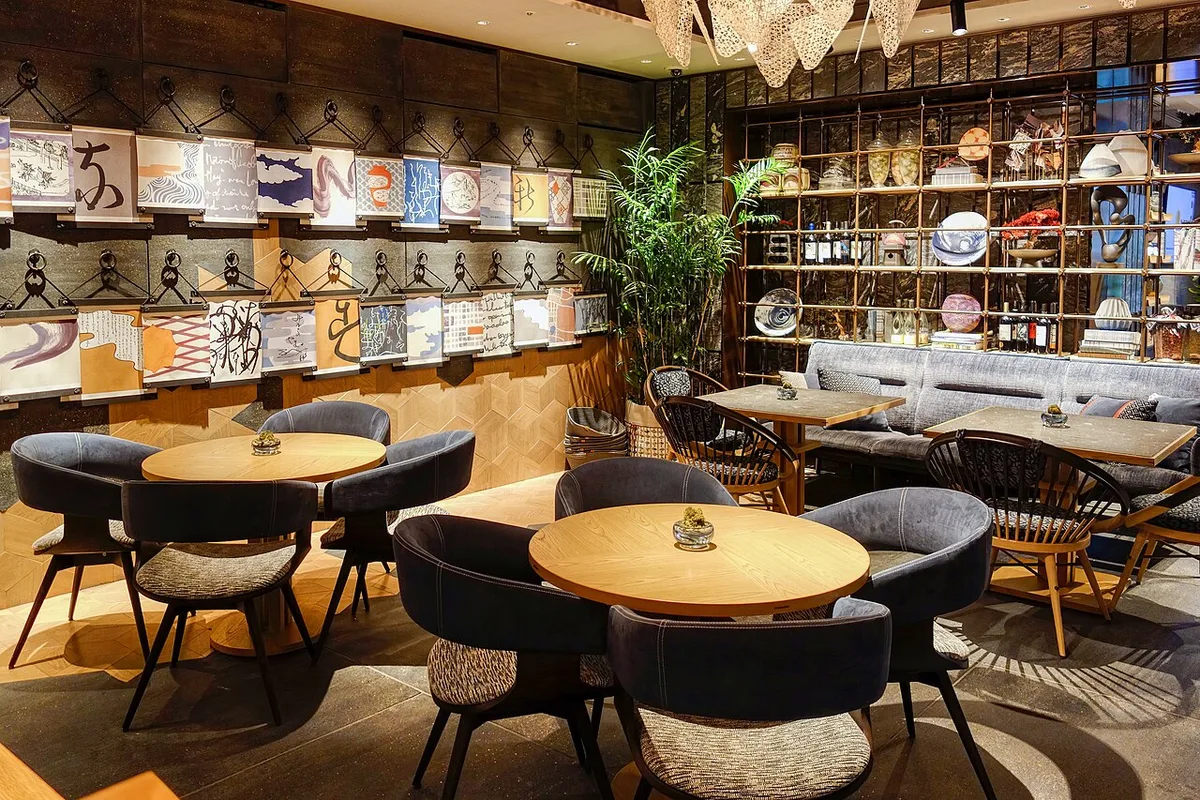
Kyoto Station Area listings span everything from an eel counter open since 1932 to a Michelin-linked dumpling spot. Picks below are grouped by category, each with a real number: distance, floor, or price.
Sushi and seafood cluster within a ten-minute walk. Kyoto Sushi Matsumoto sits about 476 meters from the station. Lunch runs ¥3,000–¥3,999, and dinner courses reach ¥10,000–¥14,999. Kyoto Sushi Motoki, about 470 meters out, is a second option, with lunch around ¥4,000–¥4,999 and dinner reaching ¥10,000–¥14,999.
Ramen Koji's tenants include Gogyo, known for a burnt-miso broth, along the 10th-floor corridor. Mendokoro Kouan, a five-minute walk from the station, serves udon and obanzai small plates. Lunch there runs under ¥999, and dinner runs ¥4,000–¥4,999. Its home-style cooking overlaps with dishes covered in the Kyoto obanzai guide.
New Wave Kyoto is a tonkatsu specialist near Omiya Station, grouped under the Kyoto Station area by local listings. Lunch runs ¥2,000–¥2,999, and dinner runs ¥3,000–¥3,999. Jukusei Yakiniku Pound sits directly in front of Kyoto Station, and lunch there starts at ¥800. Sumibi Yakiniku Marujuu, near Kujo Station, is a casual charcoal-grill spot, with meals around ¥4,000–¥4,999. Kobe Gyuu Teppanyaki Hibachi, about 399 meters from the station, serves teppanyaki-style Kobe beef, with dinner around ¥15,000–¥19,999.
The Kitchen Salvatore Cuomo, on Isetan's 11th floor, pairs Italian cooking with a Kyoto Tower view. Lunch runs around ¥2,000–¥2,999. Several other Isetan 11th-floor rooms sit along the same window line, worth requesting when booking. Shaolongbao Tsutsumi Shinichi sits about five minutes from the station. It is a branch of a Michelin-listed Tokyo restaurant, serving fresh xiaolongbao at table seating. Meals run around ¥3,000–¥3,999.
A few more options sit within a five-minute walk. Italian BAR KIMURAYA, about 267 meters from the station, serves pizza and Italian small plates, with dinner around ¥2,000–¥2,999. Soba Shubo Tokubei, roughly 162 meters out, focuses on buckwheat soba. Genshi Sumiyaki Hamaiichi, about 317 meters away, is a charcoal-grill izakaya serving seafood and regional dishes. Osakana Dekoboko, about 560 meters from the station, reopened after renovation on March 13, 2026, and serves seafood izakaya dishes around ¥4,000–¥4,999.
Kyoto Niku Kappou Miyata sits in an alley about 612 meters from the station. It serves beef kappo and steak, and typically needs a reservation. Dinner runs ¥15,000–¥19,999, well above the terminal's food-court prices. For a broader roundup beyond the terminal, see 8 Best Dining Experiences in Kyoto 2026. Multi-course kaiseki dining is easier to find in the wider city, and the 8 Best Kaiseki Restaurants in Kyoto: 2026 Booking Guide covers reservation-only rooms in detail. Plant-based specifics inside the terminal shift often, and the vegetarian and vegan Kyoto guide tracks current station-area options.
| Restaurant | Zone / Distance | Category | Price Range |
|---|---|---|---|
| Kyoto Sushi Matsumoto | ~476m from station | Sushi, seafood | ¥3,000–¥14,999 |
| Kyoto Sushi Motoki | ~470m from station | Sushi, seafood | ¥4,000–¥14,999 |
| Unagi Yondaime Kikukawa | Porta | Eel (unagi), since 1932 | ¥5,000–¥5,999 |
| Mendokoro Kouan | ~535m from station | Udon, obanzai | Under ¥999–¥4,999 |
| New Wave Kyoto | Near Omiya Station | Tonkatsu | ¥2,000–¥3,999 |
| Jukusei Yakiniku Pound | In front of station | Aged yakiniku | From ¥800 |
| Sumibi Yakiniku Marujuu | Near Kujo Station | Charcoal yakiniku | ~¥4,000–¥4,999 |
| Kobe Gyuu Teppanyaki Hibachi | ~399m from station | Teppanyaki, Kobe beef | ¥15,000–¥19,999 |
| The Kitchen Salvatore Cuomo | Isetan 11F | Italian, Kyoto Tower view | ~¥2,000–¥2,999 |
| Shaolongbao Tsutsumi Shinichi | ~490m from station | Xiaolongbao | ¥3,000–¥3,999 |
| Osakana Dekoboko | ~560m from station | Seafood izakaya | ¥4,000–¥4,999 |
| Kyoto Niku Kappou Miyata | ~612m from station | Beef kappo, steak | ¥15,000–¥19,999 |
Breakfast and Coffee Before an Early Departure
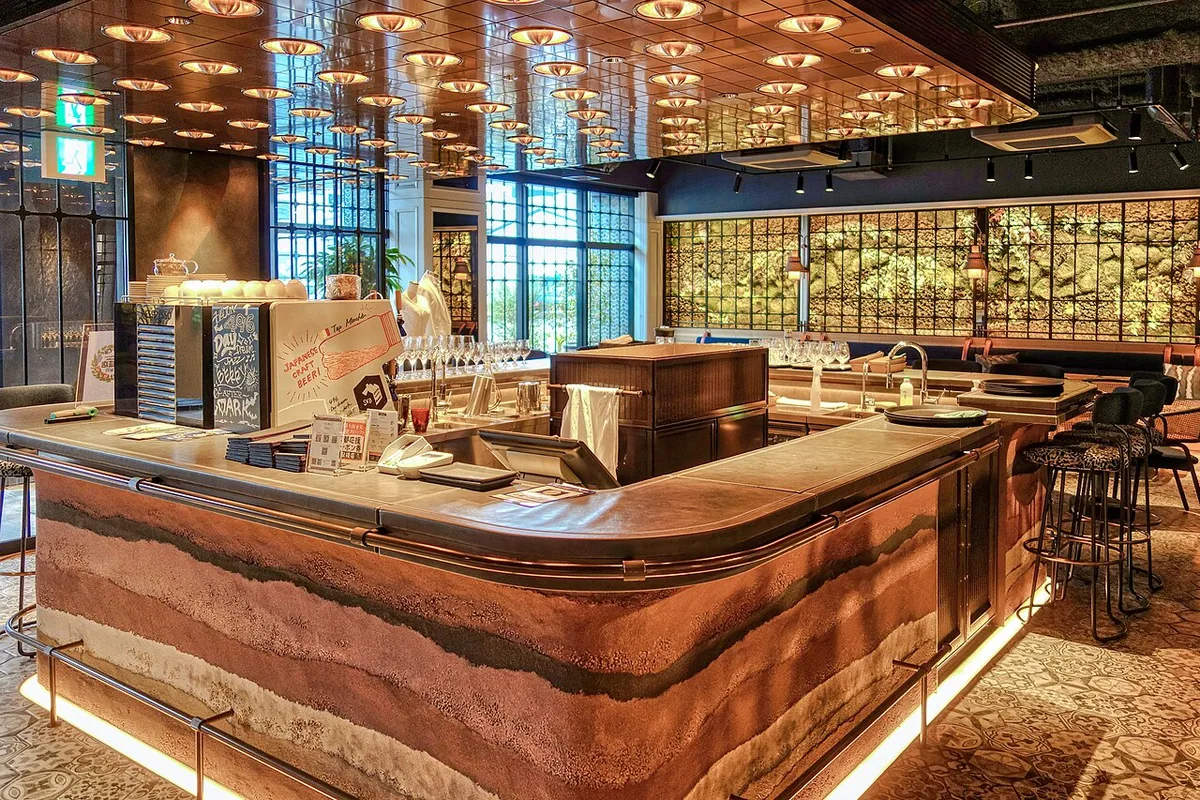
Most restaurants inside Kyoto Station open at 11:00, and that includes both Porta and Isetan's dining floors. Porta's shops open at 10:00, some earlier, which covers pastries and to-go items before the restaurant floors wake up. Isetan itself runs 10:00 to 20:00, though its 11th-floor row often stays open until 23:00 for dinner. Convenience stores near both station exits sell coffee and pastries earlier than any sit-down option, a reliable fallback outside standard restaurant hours.
Kitsune Biyori, near Kujo Station, runs a tofu-focused breakfast on weekends only. On other days it operates as a regular izakaya serving tofu dishes. A wider list of tofu-focused menus sits in the Kyoto yudofu restaurants guide.
Weekenders Coffee, one of Kyoto's known specialty roasters, runs a weekend coffee-ceremony tasting by appointment at its roastery. The 15 Best Cafes in Kyoto: Machiya Kissaten, Roasters, and Matcha Spots lists which cafes sit closest to the station. Travelers who want a formal tea experience instead can compare notes in the Kyoto Tea Ceremony Guide: 8 Essential Insights for Your Visit.
Guests staying at Hotel Granvia, built into the station itself, have an in-house breakfast option regardless of when the public restaurant floors open.
Costs, Reservations, and Payment at Kyoto Station
Budget planning inside the station comes down to floor level more than cuisine. Underground food courts in Porta and The Cube keep most meals to ¥1,000–¥2,000. Isetan's 11th-floor restaurant row runs ¥5,000 and up per person, and that floor holds most of the station's reservation-only rooms.
Kyoto Niku Kappou Miyata, tucked in its alley near the station, is worth booking ahead rather than walking into. Most restaurants take credit cards. Smaller counters in the underground areas sometimes prefer cash or a nationwide IC transit card such as ICOCA, Suica, or Pasmo. Carrying both cash and a charged IC card avoids a stall visit turning into a search for an ATM. Prices above are per person and reflect what current listings show for 2026; confirm at the counter, since seasonal menus shift.
| Price Tier | Typical Range | Where to Expect It |
|---|---|---|
| Underground food court | ¥1,000–¥2,000 | Porta, The Cube |
| Mid-range table service | ¥3,000–¥5,000 | Kyoto Sushi Matsumoto lunch, Shaolongbao Tsutsumi Shinichi |
| Isetan 11F reservation dining | ¥5,000 and up | The Kitchen Salvatore Cuomo, Kyoto Niku Kappou Miyata |
Skyway, Walkways, and Luggage Logistics
Skyway access is free from 10:00 to 22:00, via a glass-walled walkway 45 meters above the station's central hall. It starts at the 11th-floor restaurant level and runs the length of the building. That makes it the fastest way to move between Isetan's dining floors and Ramen Koji without crossing the crowded main hall.
A separate second-floor walkway handles Karasuma-to-Hachijo transfers rather than vertical moves between floors. Luggage storage and delivery counters sit in the station's basement, letting travelers drop bags before a table-service meal instead of parking a suitcase under an 11th-floor table.
An observation deck on the top floor is free and always open, though its tinted windows make it better for a quick stop than a planned photo session. Two information counters can help with same-day wayfinding: one on the 2nd floor, and a more English-focused desk on the 9th floor. Both are worth a stop before committing to a specific floor or zone for a meal.
Mistakes to Avoid at Kyoto Station
A few planning mistakes cost real time or a missed train at Kyoto Station.
During peak travel, queues at popular counters can consume 30 minutes or more, leaving little margin for Shinkansen transfers; fast-service food courts in Porta and The Cube provide an alternative under time pressure.
Ekiben and other portable options sit closer to street food than to a sit-down meal, and the 9 Best Bites in Our Kyoto Street Food Guide (2026) covers more grab-and-go options citywide. Matcha sweets and other wagashi make a good addition to a bento for the train, and the 7 Best Wagashi in Kyoto: Teahouses, Souvenirs & Workshops (2026 Guide) lists where to add one before boarding.
- Waiting until the last 10 minutes before a Shinkansen: queues at popular counters can run 30 minutes or more during peak travel times.
- Confusing the Karasuma and Hachijo sides: use the second-floor walkway or the Skyway instead of exiting the building and walking around.
- Skipping ekiben for a long ride: station bento boxes are sold in the Isetan basement food hall and near the Hachijo-side Shinkansen gates.
- Assuming a Kyoto Station listing means inside the terminal: Samurai Restaurant Omakase, for instance, sits near Gojo Station, one stop away, not inside the main building.
- Ignoring the gap between closing times: Isetan's 11F rooms can serve until 23:00, but most Porta restaurants close at 22:00.
Hachijo-Side Food Route Before the Shinkansen
The Hachijo side is the more practical food route when you are departing by Shinkansen. Leave enough time to eat before entering the ticket gates, then stay around Miyako Michi and Asty Kyoto rather than crossing to Porta on the Karasuma side.
Miyako Michi runs beside the Hachijo entrance and connects naturally with the station’s southern approach. It is useful for a sit-down meal when you have time, while Asty Kyoto is better for browsing food, drinks, and travel essentials close to the Shinkansen area.
- For a train departure, use the Hachijo-side restaurants and shops first, then head to the Shinkansen gates.
- For a Kyoto Tower view or Isetan dining, allow extra walking time and return via the second-floor walkway.
- Kyoto Avanti sits across from the Hachijo exit and can be a useful backup when station restaurants are crowded.
Check your train’s gate and boarding time before committing to a table. The Hachijo side is less scenic than Isetan’s upper floors, but it is usually the more sensible choice with luggage or a tight connection.
Frequently Asked Questions
What's the best food option with only 20–30 minutes before a Shinkansen?
Stay on the side of the station your gate is on and pick a counter meal over table service. Underground food courts in Porta and The Cube serve fast noodle and rice dishes for ¥1,000–¥2,000. An ekiben from the Isetan basement food hall also works well if the gate queue looks long.
Where exactly is Kyoto Ramen Koji?
Kyoto Ramen Koji sits on the 10th floor of the station building, a single corridor of ramen counters. Tenants include Gogyo, known for a burnt-miso broth. It sits directly below Isetan's 11th-floor restaurant row, so both floors work well as one stop.
Do Kyoto Station restaurants take credit cards?
Most sit-down restaurants inside the station accept credit cards without issue. Smaller counters in the underground areas sometimes prefer cash or a nationwide IC transit card such as ICOCA, Suica, or Pasmo. Carrying a mix of both avoids a problem at a smaller stall.
What's the difference between the Karasuma side and the Hachijo side for dining?
The Karasuma side faces downtown Kyoto and holds the main bus terminal, with Kyoto Tower visible from street level. Hachijo's side is calmer, serving the Shinkansen tracks and the Miyako Michi passage, and it sits closer to the station's hotels. A second-floor walkway connects the two without a detour outside.
Where can travelers get breakfast before Kyoto Station's restaurants open at 11:00?
Porta's shops open at 10:00, some earlier, which covers pastries and to-go coffee. Kitsune Biyori, near Kujo Station, serves a tofu-focused breakfast on weekends only. Hotel Granvia guests have an in-house option any day of the week. On weekdays outside the hotel, plan on a bakery counter instead.
Is Kyoto Station worth a dedicated food stop, or is it just for transit?
It works as both. JR Kyoto Isetan, Porta, and Ramen Koji together hold well over a hundred restaurants and food stalls across floors most visitors never explore. Travelers with an evening to spend can treat the 11th floor like any other dinner reservation in the city, Kyoto Tower view included.
Free: The Kyoto Essentials guide
Top things to do, where to stay, a perfect day plan, getting around, and the best time to go — a Kyoto mini-guide you can take offline.
You might also like
Continue reading
More guides you'll find useful