8 Best Kaiseki Restaurants in Kyoto: 2026 Booking Guide
Find the best kaiseki in Kyoto for 2026, from ¥9,900 lunches to splurge dinners. Compare booking access, prices, and etiquette across eight ryotei and kappo counters.
On this page
Last updated August 2026, this guide narrows down the best kaiseki in Kyoto to eight ryotei and kappo counters worth the reservation effort. The strongest ryotei require booking two to three months ahead, often through a hotel concierge rather than direct online reservation. Expect prices from about ¥9,900 for a value lunch to ¥66,000 for an exclusive dinner, with seasonal ingredients that shift often.
What Is Kaiseki, and Why Kyoto Leads the Category
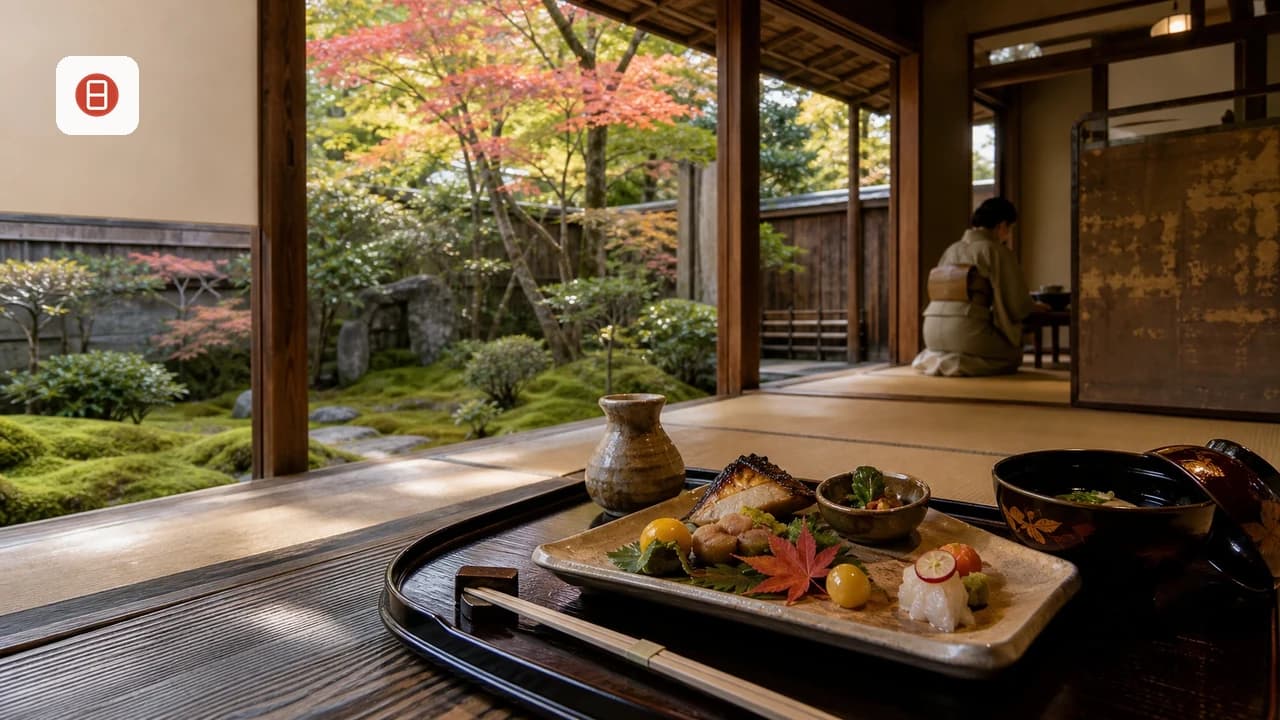
Kaiseki is a multi-course tasting meal built around whatever is in season, typically served in a private tatami room. Kappo describes a related but more casual style, where a chef cooks and plates each course at a counter in front of guests. Kyoto served as Japan's imperial capital for over a thousand years, and the refined court cooking from that era shaped what locals call Kyo-ryori. That courtly aesthetic, often called miyabi, still shows in how each course is presented. Kyoto's version of the format traces part of its structure to the tea ceremony's simple cha-kaiseki meal. The Kyoto Tea Ceremony Guide: 8 Essential Insights for Your Visit covers that origin in more detail. Chefs across the city also credit the region's low-mineral well water for cleaner dashi. Many source Kyo-yasai heirloom vegetables from stalls like those in the Nishiki Market Kyoto Food Guide: What to Eat and How to Avoid the Crowds. For a wider view of Kyoto dining beyond kaiseki, the 15 Best Food Experiences in Kyoto: A Local Dining Guide (2026) covers casual and mid-range options too.
How to Book a Kaiseki Table in Kyoto
Reserve the most in-demand ryotei two to three months ahead, especially for dinner during peak seasons like autumn foliage. Two booking paths cover most of Kyoto's kaiseki scene. Traditional houses like Kiyama and Gokomachi Tagawa often take reservations only through a hotel concierge or a booking agent, who confirms in Japanese for a flat fee. Third-party platforms such as Tableall list many Kyoto kaiseki restaurants for direct online booking instead, which sidesteps the Japanese-language phone call that a direct reservation usually requires. Expect to pay in advance at most kaiseki restaurants, since chefs procure each course's ingredients specifically for confirmed guests. At small counters like Takezaki, which seats only six guests, a single no-show represents a meaningful share of the night's business, so deposits and strict cancellation windows are common.
Plan for two to three months ahead for reservations, knowing that once seated, a full course takes about one and a half to two hours and demands punctuality—late arrival compresses the entire timed meal.
- Hotel concierge or booking agent
- Best for traditional, cash-preferred ryotei that rarely deal directly with overseas guests.
- The agent confirms the reservation in Japanese and often charges a flat booking fee.
- Direct online reservation
- Platforms such as Tableall show real-time availability for restaurants including Gion Suetomo, Gion Sasaki, Kiyama, and Ogata.
- This route works well for guests without a concierge or a Japanese phone number.
8 Best Kaiseki Restaurants in Kyoto
This list mixes approachable, easier-to-book restaurants with once-in-a-trip splurges, ordered roughly from most accessible to most exclusive. Each entry notes the booking route, the price range, and what makes the seasonal menu distinct. For a broader citywide list that goes beyond kaiseki, see the best restaurants in Kyoto guide.
- Kikunoi Honten
- In Higashiyama near the Yasaka Shrine torii gate, Kikunoi Honten charges about ¥15,000 for lunch and from ¥30,000 for dinner.
- Chef Yoshihiro Murata built the restaurant's reputation on slow-extracted kombu dashi, and the lunch menu offers similar seasonal courses at roughly half the dinner price.
- It is bookable online through platforms such as Tableall, and accepts VISA, JCB, and AMEX with no regular closed days.
- Nihonryori Tokuwo
- Set a block from the Kamo River on Kiyamachi-dori, Tokuwo prices lunch at ¥9,900 and dinner between ¥14,850 and ¥22,000.
- Seating is one long L-shaped counter, and a sous chef sometimes runs the lower-priced course instead of the head chef.
- The restaurant closes Sundays and third Mondays. Book through a hotel concierge, since staff may hesitate with guests who do not speak Japanese.
- Gion Suetomo
- Beside Kennin-ji temple in Gion, Suetomo charges ¥12,100 for lunch and from ¥36,300 for dinner.
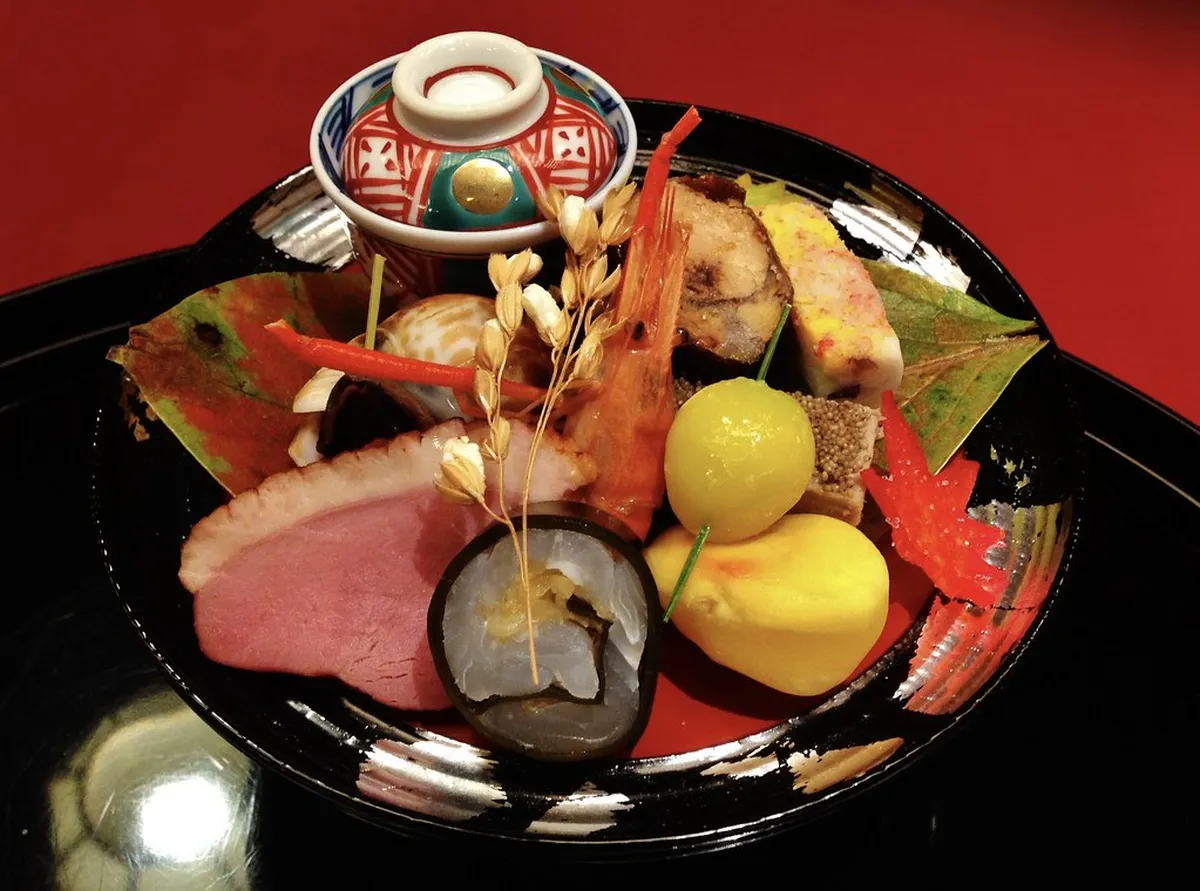
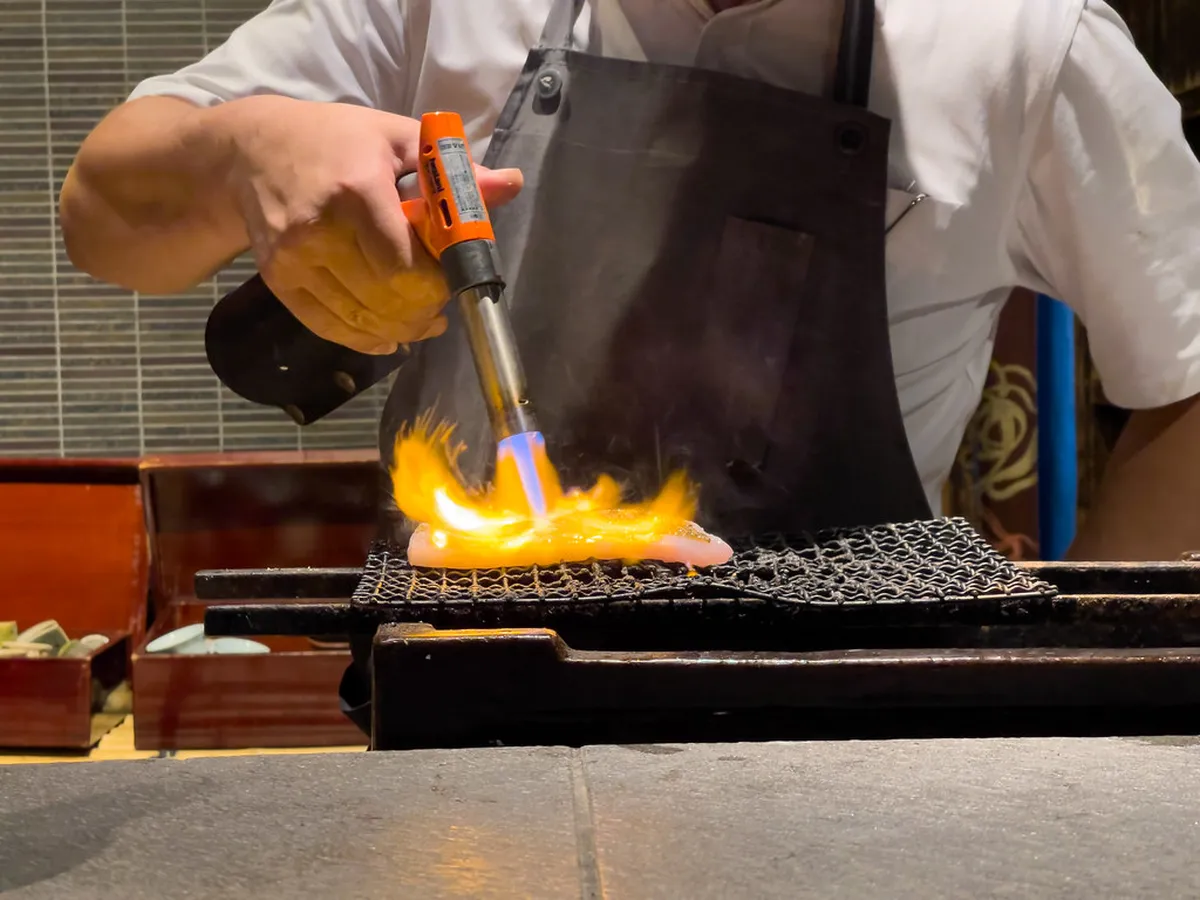
- The hassun course arrives arranged around the season's theme, and chefs grill some ingredients tableside for guests to watch.
- Private rooms welcome children, unusual among Kyoto's higher-end kaiseki restaurants, and the restaurant lists a vegan-friendly option on booking platforms.
- Hyotei
- Hyotei has operated in Kyoto for roughly 450 years and built its reputation on a soft-boiled egg course.
- Reservations run through a concierge rather than a walk-in counter, so confirm current pricing directly with the restaurant before you travel.
- Expect a traditional multi-course format built around seasonal ingredients, consistent with the other high-end ryotei on this list.
- Gion Sasaki
- Chef Hiroshi Sasaki's counter has earned the nickname Sasaki Theater for its performance-style cooking, with dinner priced around ¥31,000.
- The Gion location also offers a lunch seating, one of the more flexible bookings among the pricier restaurants on this list.
- It sits along an established restaurant row in Gion, and the open-kitchen performance is the main draw beyond the food itself.
- Ogata
- Ogata sits down a quiet alley in Kyoto and prices its ingredient-first tasting course at about ¥66,000, with private rooms for four to eight guests.
- In our editorial assessment, Ogata ranks among the hardest tables to book on this list, so start the reservation process the full two to three months ahead.
- Kiyama
- Kiyama draws its dashi water from an on-site well and layers three types of katsuobushi for a complex stock.
- Lunch starts around ¥18,150 and dinner runs ¥30,250 to ¥54,450, with private rooms for two to eight guests and a vegan-friendly menu option.
- Gokomachi Tagawa
- Opened in 2017 by a chef trained at Tokyo's Iyuki, Tagawa serves dinner-only courses priced from ¥26,400 to ¥33,000.
- The menu breaks from strict tradition with tableside-grilled beef, saba bozushi, and onsen egg over rice, making it a homier entry point than the ryotei above.
Lunch vs Dinner: Where the Price Gap Pays Off
Lunch kaiseki delivers a similar seasonal course at roughly half the dinner price across Kyoto's ryotei. Kikunoi Honten charges ¥15,000 for lunch against ¥30,000 or more for dinner. Nihonryori Tokuwo runs ¥9,900 at midday versus ¥14,850 to ¥22,000 in the evening. Gion Suetomo follows the same pattern, with ¥12,100 for lunch and from ¥36,300 for dinner. Kiyama's gap is smaller in percentage terms but still real, from ¥18,150 at lunch to ¥30,250 to ¥54,450 at dinner. Booking a lunch seating also tends to be easier, since fewer visitors request it than evening slots. If none of these lunch seatings fit the schedule, the 9 Best Bites in Our Kyoto Street Food Guide (2026) covers a faster, lower-cost midday option.

| Restaurant | Lunch Price | Dinner Price |
|---|---|---|
| Kikunoi Honten | ¥15,000~ | ¥30,000~ |
| Nihonryori Tokuwo | ¥9,900 | ¥14,850–¥22,000 |
| Gion Suetomo | ¥12,100 | ¥36,300~ |
| Kiyama | ¥18,150~ | ¥30,250–¥54,450 |
Kappo Counter or Ozashiki Private Room
A kappo counter puts a chef's technique on display. At Gion Sasaki, chef Hiroshi Sasaki runs what regulars call the Sasaki Theater, cooking and narrating each course from behind the bar. Kiyama's counter is carved by a Kyoto woodworker and doubles as the best seat for watching dashi made from three types of katsuobushi. At Sojiki Nakahigashi, the grill sits at the center of the room, so every seat can watch each course cooked, counter or not. An ozashiki private room trades that performance for privacy. Gion Suetomo's chefs bring the grill to upstairs private rooms instead, and those rooms are the ones that accept children. Private rooms at Kiyama and Ogata hold four to eight guests, useful for a small group or a business dinner that needs a closed door.
Seasonal Kaiseki Ingredients by Month in Kyoto
Kaiseki menus rewrite themselves by season, and a restaurant visited twice a year can serve two different meals. Spring brings takenoko bamboo shoots, tai sea bream, and sansho flowers; Gion Suetomo grills bamboo shoots sourced from nearby Nagaokakyo table-side. Summer shifts to hamo conger eel, ayu sweetfish, and kamo-nasu eggplant. Kikunoi Honten's grilled ayu arrives from a live bamboo enclosure to stay as fresh as possible. Autumn centers on matsutake mushrooms, ginkgo nuts, and momiji maple-leaf garnishes. Winter brings crab, fugu, and shogoin turnip, alongside the dashi-heavy dishes that define the coldest months. Dessert courses change with the season too; the 7 Best Wagashi in Kyoto: Teahouses, Souvenirs & Workshops (2026 Guide) covers confections often served alongside kaiseki.
| Season | Signature Ingredients |
|---|---|
| Spring | Takenoko bamboo shoots, tai sea bream, sansho flowers |
| Summer | Hamo conger eel, ayu sweetfish, kamo-nasu eggplant |
| Autumn | Matsutake mushrooms, ginkgo nuts, momiji maple-leaf garnishes |
| Winter | Crab, fugu, shogoin turnip |
Vegetarian, Tofu, and Home-Style Alternatives to Traditional Kaiseki
Traditional kaiseki is not vegetarian by default. Dashi is built on bonito flakes, and most courses include fish or meat. A few restaurants on this list, including Kiyama and Gion Suetomo, mark a vegan-friendly option on booking platforms, so flag dietary needs when you reserve. For a menu built specifically around plant-based options, the vegetarian and vegan Kyoto guide is a better starting point than a standard ryotei. Yudofu, simmered tofu served kaiseki-style, is Kyoto's most accessible plant-forward tradition. The Kyoto yudofu and tofu restaurants guide covers specialists across the city. Separately, shojin ryori is Buddhist vegetarian temple cooking that excludes meat and fish entirely, and it is worth booking as its own experience rather than expecting a substitute course inside a standard kaiseki menu. Obanzai, Kyoto's home-style small-plate cooking, offers a more casual and lower-priced alternative to a full ryotei course. See the Kyoto Obanzai Guide: Home-Style Cooking, Best Spots, and Etiquette for those options.
Kaiseki Etiquette: Scent, Dress, Photos, and Timing
Skip strong perfume or cologne before a kaiseki dinner. Chefs and other diners rely on subtle aromas in the dashi and broth, and heavy scent competes with the food. Photography rules vary by restaurant. At Oryori Hayashi, staff ask guests not to photograph any dish, phone included, out of respect for the chef. Counter seats generally enforce stricter no-photo rules than private rooms, so ask your server before shooting anything. Dress runs smart casual at most ryotei and leans more formal at the top-tier counters, so avoid athletic wear or beachwear. Arrive on time. A full course runs about one and a half to two hours. Courses are timed to the table's arrival, so a late start compresses the whole meal, and most restaurants ask you to be prompt.
Choosing the Right Kaiseki Experience
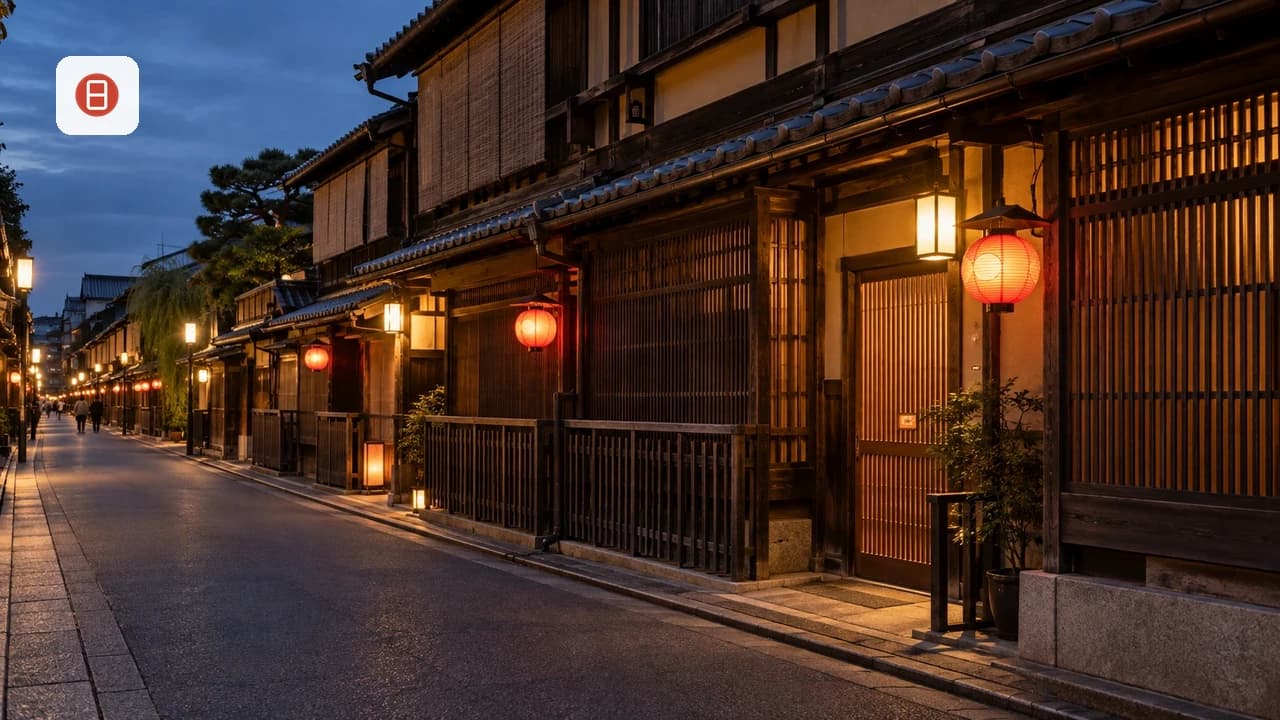
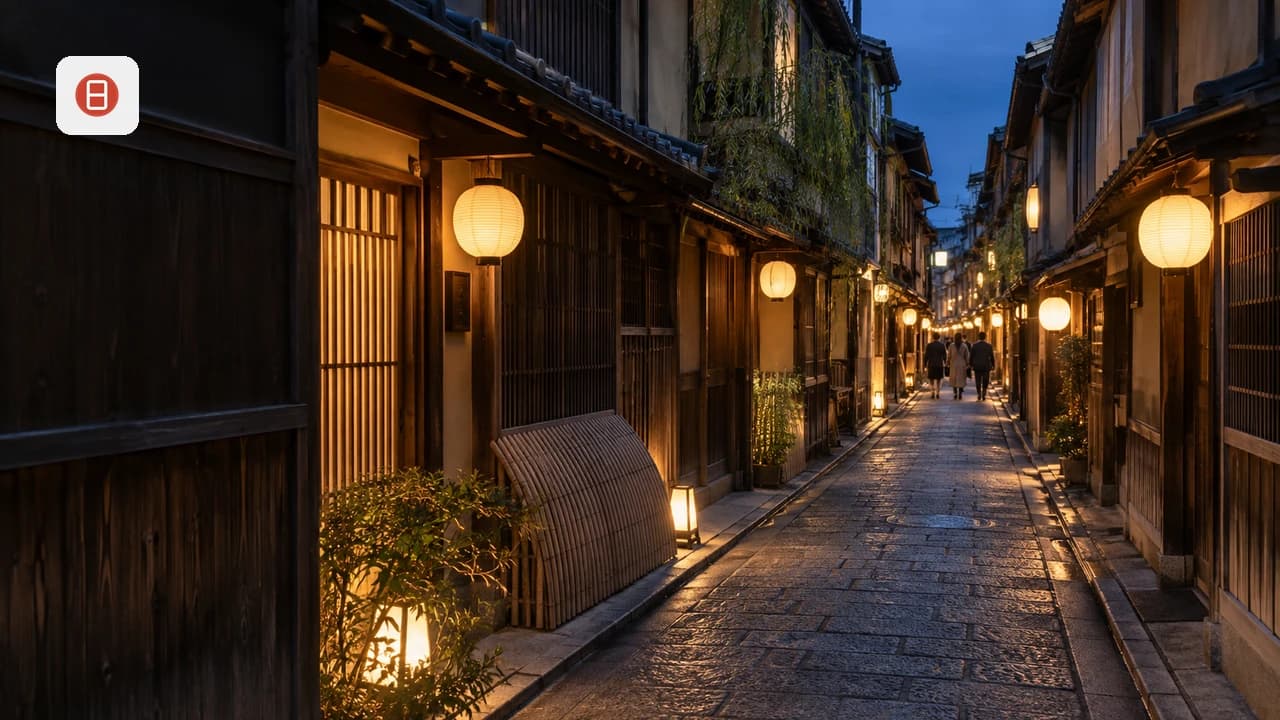
Pick a restaurant based on how much booking effort and budget you want to spend, then build the rest of the evening around it. Many of these restaurants sit in Gion and Higashiyama, close to walkable lantern-lit lanes. Pair dinner with an evening stroll using the Kyoto attractions guide for nearby stops. If a kaiseki reservation falls through, or you want a lower-key meal before catching a train, the Kyoto Station Food Guide: Where to Eat by Floor and Time (2026) covers options near the station. For a coffee stop before an early dinner seating, check the 15 Best Cafes in Kyoto: Machiya Kissaten, Roasters, and Matcha Spots. The table below summarizes booking access and price range for all eight restaurants.
| Restaurant | Best For | Booking Access | Price Range |
|---|---|---|---|
| Kikunoi Honten | Value lunch, easier booking | Online (Tableall) or concierge | ¥15,000 lunch / ¥30,000+ dinner |
| Nihonryori Tokuwo | Riverside counter, budget dinner | Hotel concierge recommended | ¥9,900 lunch / ¥14,850–¥22,000 dinner |
| Gion Suetomo | Families, vegan-friendly option | Concierge or Tableall | ¥12,100 lunch / ¥36,300+ dinner |
| Hyotei | Historic soft-boiled egg course | Concierge | Confirm current pricing |
| Gion Sasaki | Counter-side entertainment | Concierge or Tableall | About ¥31,000 |
| Ogata | Ultra-exclusive, ingredient-first | Tableall, long lead time | About ¥66,000 |
| Kiyama | Dashi obsessives, vegan-friendly option | Concierge or Tableall | ¥18,150 lunch / ¥30,250–¥54,450 dinner |
| Gokomachi Tagawa | Homier, less formal menu | Booking agent | ¥26,400–¥33,000 dinner |
How a Kyoto Kaiseki Meal Usually Flows
A kaiseki course follows a seasonal rhythm, though chefs adjust the sequence to the menu and their own style. Knowing the flow makes the meal easier to follow without needing to identify every technique.
- Sakizuke: a small opening bite, often paired with the first drink.
- Wanmono and mukozuke: a clear dashi soup and a sashimi course that show the kitchen’s stock and knife work.
- Hassun: a seasonal arrangement combining foods from mountain and sea, often presented as the visual centerpiece.
- Yakimono, takiawase, and shiizakana: grilled, simmered, and richer shared-style dishes that build the meal.
- Gohan and mizumono: rice, soup, pickles, then fruit or a light sweet to finish.
Do not expect every restaurant to use these names aloud. At a kappo counter, the chef may serve dishes in a looser order. In a ryotei private room, the attendant usually explains each course as it arrives.
Frequently Asked Questions
How far ahead should you book kaiseki in Kyoto?
Plan on two to three months of lead time for the most in-demand ryotei, especially for dinner during autumn foliage season. Some restaurants, including Gion Suetomo, Gion Sasaki, and Kiyama, list availability online through platforms such as Tableall, which can move faster than a concierge request.
What is the difference between kaiseki and kappo?
Kaiseki is a full multi-course meal, usually served in a private room and planned as one connected menu. Kappo describes counter-style cooking, where a chef prepares and serves each course directly in front of guests. Several restaurants on this list, including Gion Sasaki and Kiyama, blend both formats around a counter.
Is lunch kaiseki worth booking instead of dinner?
Yes, in most cases. Kikunoi Honten charges ¥15,000 for lunch against ¥30,000 or more for dinner, and Nihonryori Tokuwo runs ¥9,900 at midday versus up to ¥22,000 in the evening. Courses run shorter at lunch, but the seasonal ingredients and craft stay comparable.
Can you bring children to a kaiseki dinner in Kyoto?
It depends on the restaurant. Gion Suetomo allows children in its private rooms, which is uncommon among Kyoto's higher-end kaiseki restaurants. Call ahead or ask your concierge to confirm a restaurant's child policy before booking, since many traditional ryotei restrict seating to adults.
Are vegetarian or vegan diners accommodated at traditional kaiseki restaurants?
Rarely, since traditional dashi is built on bonito flakes and most courses include fish or meat. Kiyama and Gion Suetomo both mark a vegan-friendly option on booking platforms, so flag dietary restrictions when you reserve. Diners who need a fully plant-based menu are usually better served by a restaurant that specializes in it, rather than a traditional ryotei.
How long does a kaiseki meal usually last?
Plan for about one and a half to two hours at the table. Courses are timed to your arrival and cooked to order, so arriving late compresses the rest of the meal, and most restaurants ask you to be prompt.
Free: The Kyoto Essentials guide
Top things to do, where to stay, a perfect day plan, getting around, and the best time to go — a Kyoto mini-guide you can take offline.
You might also like
Continue reading
More guides you'll find useful