7 Best Wagashi in Kyoto: Teahouses, Souvenirs & Workshops (2026 Guide)
Find the best wagashi in Kyoto: 7 teahouses, souvenir shops, and workshops, from Gion's Kagizen Yoshifusa to IRODORI at Kyoto Station. Updated 2026.
On this page
Last updated August 2026, this guide to the best wagashi in Kyoto separates century-old teahouses from grab-and-go stalls and hands-on classes. Kyoto's own tradition, known locally as Kyogashi, was refined for the Imperial Court and the tea ceremony. The seven shops below range from a seated sweet with matcha to a skewered treat eaten while walking through Higashiyama.
What Makes Kyoto Wagashi (Kyogashi) Different
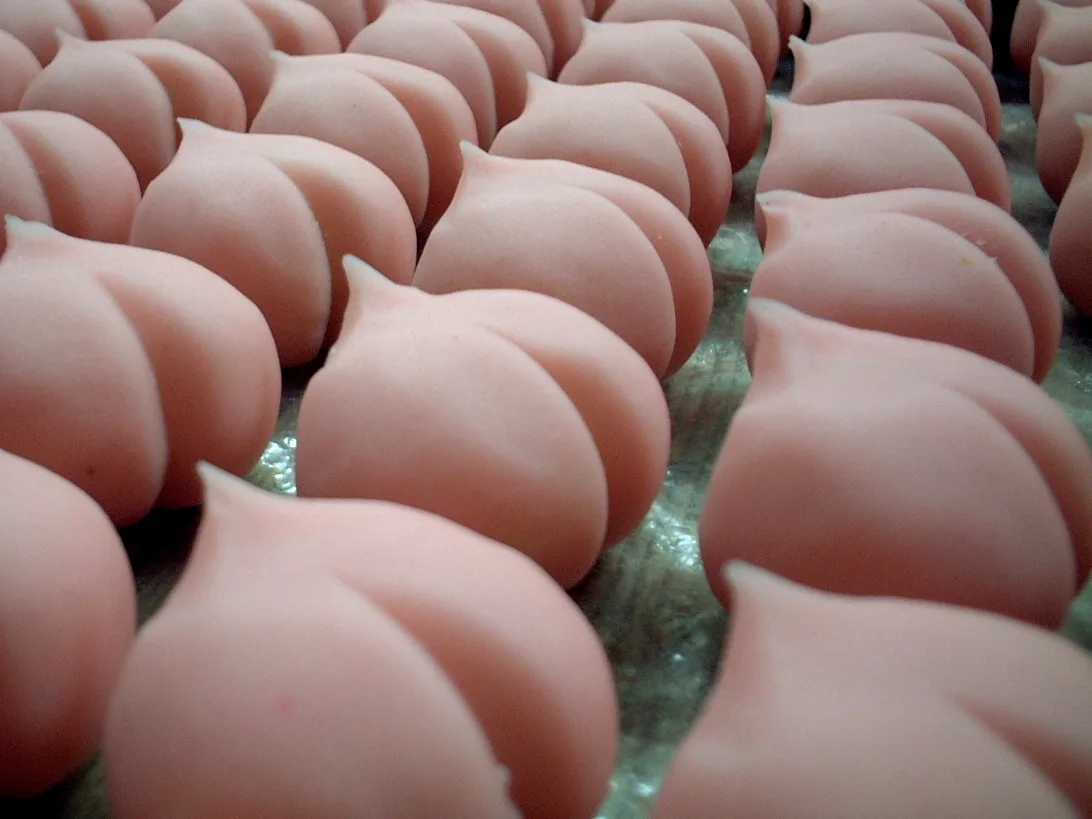
Wagashi is Japan's broader category of traditional confections, built from mochi (pounded rice), anko (sweetened red bean paste), and kanten (agar). Kyoto's version carries its own name, Kyogashi, because generations of confectioners refined it for the Imperial Court and for tea ceremony service. Each piece engages more than taste. Color, shape, and even the sweet's name often reference a season, a flower, or a line of poetry. A nerikiri built around autumn leaves might blend red, orange, and green in one smooth block, with the color graduating by hand rather than by mold. Texture matters just as much as flavor. Nerikiri itself is silky and yields easily, while dried higashi are crisp and faintly floral. Even the sound of a sweet's poetic name is considered part of the experience, alongside its color and shape. Kaiseki meals traditionally end with a small wagashi course. Pair a teahouse stop with a formal dinner from the 8 Best Kaiseki Restaurants in Kyoto: 2026 Booking Guide for the full arc of the cuisine. Most wagashi recipes rely on rice, beans, sugar, and agar rather than dairy or eggs. That makes many pieces naturally vegan, which is useful context if you're also working from the vegetarian and vegan Kyoto guide. For the full range of Kyoto specialties beyond sweets, see the 15 Best Food Experiences in Kyoto: A Local Dining Guide (2026).
Choosing Your Wagashi Experience: Teahouse, Grab-and-Go, or Workshop
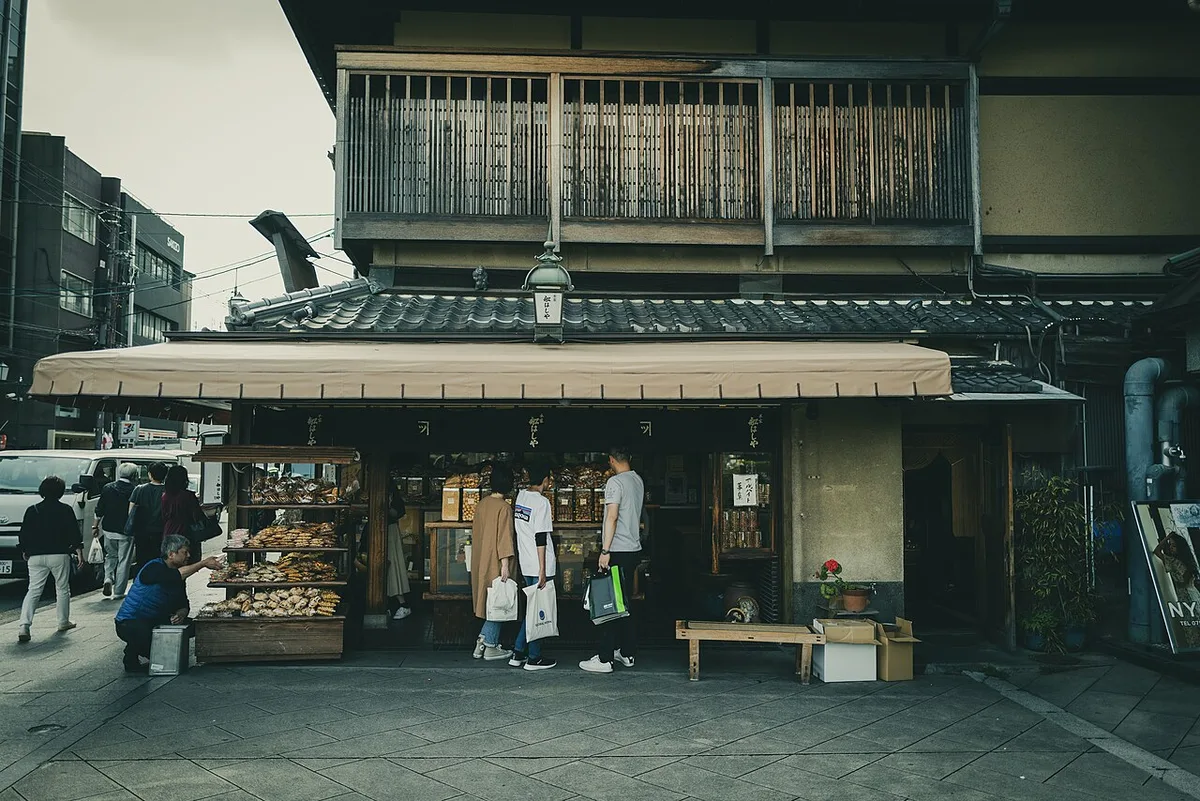
Not every shop on this list serves the same purpose, and matching the experience to your itinerary saves a wasted stop. Use this comparison before you commit to a neighborhood. Teahouses reward a slower morning or afternoon, while the workshop and museum stops work well as a rainy-day alternative to an outdoor itinerary. If time is short, pick one teahouse and one grab-and-go stop rather than trying to fit all seven into a single day.
Kameya Yoshinaga was founded 1803 and remains the only listed shop offering hands-on workshops where you craft sweets yourself. Book ahead since class sizes are limited and availability varies.
| Experience | Best For | Example Shop | Neighborhood |
|---|---|---|---|
| Sit-down teahouse | A fresh sweet with matcha, no rush | Kagizen Yoshifusa | Gion |
| Destination teahouse | A river view with the sweet | Kotokikichaya | Arashiyama |
| Local chain | A quick, familiar order | Umezono | Kawaramachi |
| Grab-and-go / street food | Eating while walking between sights | Itoken / SOU・SOU | Kiyomizu |
| Modern souvenir | Packaged gifts to bring home | IRODORI by Tsuruya Yoshinobu | Kyoto Station |
| Hands-on workshop | Making sweets yourself | Kameya Yoshinaga | Omiya |
| Museum / cultural stop | Sugar artwork and old tools | Kyogashi Museum | Karasuma Imadegawa |
The 7 Best Wagashi Shops in Kyoto
Each entry below notes what to order, how to get there, and what makes it distinct from the rest of the list.
- Kagizen Yoshifusa (Gion)
- Founded in the early 1700s, this Gion teahouse has served tea connoisseurs, monks, and the women of the nearby Hanamachi geisha district for generations.
- Order the signature Kikujyuto, a chrysanthemum-shaped sugar confection, plus a seasonal fresh sweet that changes with the calendar.
- The main store is about a 6-minute walk from Hankyu Kyoto Line's Kyoto-kawaramachi Station.
- Kotokikichaya (Arashiyama)
- This teahouse sits at the foot of Togetsukyo Bridge, so you eat with a direct view of the river and the bridge.
- Choose between two sakura rice cakes: one wrapped in a salted cherry leaf, the other coated in strained red bean paste.
- It's about a 10-minute walk from Hankyu Arashiyama Station, or 5 minutes from the Randen tram's Arashiyama stop.
- Umezono (Kawaramachi)
- Umezono is a small local chain, which makes it one of the easiest stops for a fast, familiar order.
- The house specialty is mitarashi dango, skewered rice dumplings glazed in a sweet-savory sauce, alongside soft warabi mochi.
- The Kawaramachi branch is about a 5-minute walk from Kyoto-kawaramachi Station and also serves matcha parfait and cream anmitsu.
- IRODORI by Tsuruya Yoshinobu (Kyoto Station)
- IRODORI is the modern souvenir line from long-running wagashi maker Tsuruya Yoshinobu, known for dry higashi sweets in herb flavors like jasmine, chamomile, and lavender.
- The shop also sells a Kirby-themed monaka wafer filled with red bean paste.
- Find it on Asty Road inside JR Kyoto Station near the Hachijo Exit, an easy add-on to the Kyoto Station Food Guide: Where to Eat by Floor and Time (2026).
- Itoken / SOU・SOU (Kiyomizu)
- This shop sells skewered wagashi meant to eat while walking the slope up to Kiyomizu-dera, echoing the stalls in the 9 Best Bites in Our Kyoto Street Food Guide (2026).
- Seasonal motifs include morning glories in summer, fall foliage in autumn, and snowflakes in winter.
- It's about an 8-minute walk from the Kiyomizu-michi bus stop, reachable by city bus from Kyoto-kawaramachi Station.
- Kameya Yoshinaga (Omiya)
- Founded in 1803, this shop runs hands-on classes where you make two kinds of fresh sweets using professional tools, then finish with matcha tea.
- Its best-known packaged item is the karasuba ball, a brown-sugar bean paste sweet finished with a glossy agar coating.
- The shop is about a 5-minute walk from Hankyu Omiya Station, or 10 minutes from Hankyu Karasuma Station.
- Kyogashi Museum (Karasuma Imadegawa)
- Run by long-established wagashi maker Tawaraya Yoshitomi, this museum displays togeigashi, sugar artwork that can span roughly 3 feet across.
- Alongside the sugar sculptures, it exhibits artisans' historical sketchbooks and the wooden molds used to shape sweets over generations.
- It's about a 3-minute walk from Imadegawa Station on the Kyoto Municipal Subway, reachable from Hankyu Karasuma Station.
Seasonal Wagashi: What to Order Each Season
Wagashi is deliberately temporary, and shops rotate their fresh sweets to match the season rather than keep a fixed menu. In spring, expect cherry blossom motifs across nearly every shop, including the two styles of sakura mochi at Kotokikichaya in Arashiyama. By June, look for minazuki, a triangular sweet of red beans over steamed rice cake. Kyoto eats minazuki specifically around June 30, during the Nagoshi no Harae purification rite, to pray for good health through the second half of the year. Come autumn, maple and foliage motifs appear on skewered wagashi at Itoken / SOU・SOU near Kiyomizu-dera, and on fresh sweets at teahouses like Kagizen Yoshifusa. Ask shop staff which fresh sweet is in season if a particular motif isn't on display. Many of these sweets are designed to balance the bitterness of whisked matcha. The Kyoto Tea Ceremony Guide: 8 Essential Insights for Your Visit explains how that pairing works in a formal setting.
Wagashi Etiquette, Shelf Life, and Gifting
Fresh nama-gashi, the soft, moist sweets served in teahouses, are usually best eaten the same day and don't travel well. Dry higashi, like the herb-flavored sweets at IRODORI, keep far longer and pack better as omiyage to bring home. A common mistake is buying soft mochi-based sweets on day one of a longer trip. Save nama-gashi purchases for your last day or two in Kyoto. Keep any same-day purchase out of direct sun and eat it before you head back to the hotel, since most fresh sweets contain no preservatives. Wagashi is also a traditional gift for both celebratory and somber occasions in Japan, which is part of why shops wrap sweets so carefully at the counter. If you're buying for a specific event, ask the shop staff which sweet suits the occasion, since motifs carry meaning beyond flavor. Wagashi rarely appears in obanzai-style home cooking. For that classic Kyoto side, see the Kyoto obanzai cooking guide.
Teahouses close by 5:00 or 6:00 pm, and fresh nama-gashi contain no preservatives, so they're best eaten the same day. Plan visits earlier in the afternoon to enjoy your sweet at peak quality.
Planning a Wagashi Route Through Kyoto
Group stops by neighborhood instead of crossing the city for a single sweet. Gion and Higashiyama pair naturally for one afternoon. Start at Kagizen Yoshifusa near the Hanamachi district, then walk toward Kiyomizu-dera for the skewered wagashi at Itoken / SOU・SOU. Arashiyama works best as its own half-day. Combine the riverside view at Kotokikichaya with other sights in the Kyoto attractions guide. Arashiyama also has notable tofu restaurants, so pair a sweets stop with a meal from the Kyoto yudofu restaurants guide. Kameya Yoshinaga's workshop and the Kyogashi Museum sit close together near Omiya and Karasuma stations. Pair them on one day if you want a hands-on class plus a look at historical sugar artwork. IRODORI at Kyoto Station fits easily around a train connection on arrival or departure day. Nishiki Market, covered in the Nishiki Market Kyoto Food Guide: What to Eat and How to Avoid the Crowds, is another spot for street-food-style bites on the same day as a Kawaramachi visit. Between Gion, Arashiyama, Kawaramachi, Kiyomizu, Kyoto Station, and Omiya, this list touches six distinct neighborhoods, so a single-day marathon isn't realistic. Most of these teahouses close by 5:00 or 6:00 pm, earlier than typical dinner hours, so schedule sweets before your evening meal rather than after. If you need a coffee break between stops, the 15 Best Cafes in Kyoto: Machiya Kissaten, Roasters, and Matcha Spots lists options near most of these neighborhoods. For a full dinner near any of these stops, the Kyoto restaurants guide covers options beyond sweets. Most of these neighborhoods are walkable once you arrive by train or subway, so budget transfer time rather than distance.
Which Wagashi Should First-Time Visitors Try First?
If you only try one thing, make it mitarashi dango at Umezono or a seasonal nerikiri from any teahouse on this list. Both are approachable in flavor, widely available, and give a fair sense of what separates Kyogashi from other regional wagashi. Save souvenir-style higashi, like the herb-flavored sweets at IRODORI, for the end of the trip so they arrive home in good condition.
Frequently Asked Questions
What's the difference between wagashi and Kyogashi?
Wagashi is the broad Japanese term for traditional sweets, while Kyogashi refers specifically to Kyoto's version, refined historically for the Imperial Court and tea ceremony service.
Is wagashi vegan?
Most wagashi is naturally vegan, built from rice, beans, sugar, and agar rather than dairy or eggs. Confirm with individual shops if you have specific allergies.
How long do wagashi keep, and can you bring them home?
Fresh nama-gashi are best eaten the same day, so they're not ideal early in a trip. Dry higashi, like the herb-flavored sweets at IRODORI, last longer and travel well as souvenirs.
When is the best time to eat minazuki in Kyoto?
Minazuki is a June specialty tied to the Nagoshi no Harae purification rite on June 30, so look for it at teahouses throughout that month.
Do you need a reservation for a wagashi-making class?
Kameya Yoshinaga's hands-on classes are open to both adults and children, but reservations and current pricing are listed on the shop's own website. Check availability before you build a day around it.
Do these shops take walk-ins?
Most of the teahouses and stores on this list accept walk-ins, but the hands-on class at Kameya Yoshinaga is the exception, since space in each session is limited.
Which shop is best for a last-minute souvenir before catching the train?
IRODORI, inside JR Kyoto Station's Asty Road near the Hachijo Exit, is the most convenient option. You can buy dry higashi or the Kirby monaka without leaving the station.
Free: The Kyoto Essentials guide
Top things to do, where to stay, a perfect day plan, getting around, and the best time to go — a Kyoto mini-guide you can take offline.
You might also like
Continue reading
More guides you'll find useful