

Narita Airport Food & Layover Dining: Best Picks by Terminal
Short on time at Narita? See where to eat in T1, T2 and T3 by layover length and budget, including which restaurants sit landside before security.
On this page
Last updated August 2026, this guide sorts Narita Airport food and layover dining by terminal, layover length, and budget so you can decide fast. Some of the airport's best sit-down restaurants sit landside, before security, which matters if your connection means clearing immigration first. The sections below cover Terminal 1, Terminal 2, and Terminal 3, plus when it makes sense to head into Narita City instead.
Narita Airport Food and Layover Dining by Time Available
How much time stands between you and boarding decides where to eat at Narita Airport. Short connections call for something fast and close to the gate. Longer layovers open up better landside options, and the longest layovers make a trip into Narita City worth considering. Use the time bands below as a starting point, then adjust based on your specific terminal and flight type. For a broader look at Narita's regional food scene beyond the terminals, see the Narita food guide.
- Under 2 hours: stay airside and pick a counter near your gate. A sit-down restaurant is too much of a gamble with a tight connection.
- 2 to 4 hours: clear security first if you haven't, then eat at a landside restaurant on the main terminal floors before heading to your gate.
- 4 to 6 hours: compare a few landside options across floors instead of settling on the first restaurant, since each terminal has more than one dining floor.
- 6 or more hours: weigh leaving the airport for Narita City against staying landside, factoring in luggage storage and the time needed to clear security again.
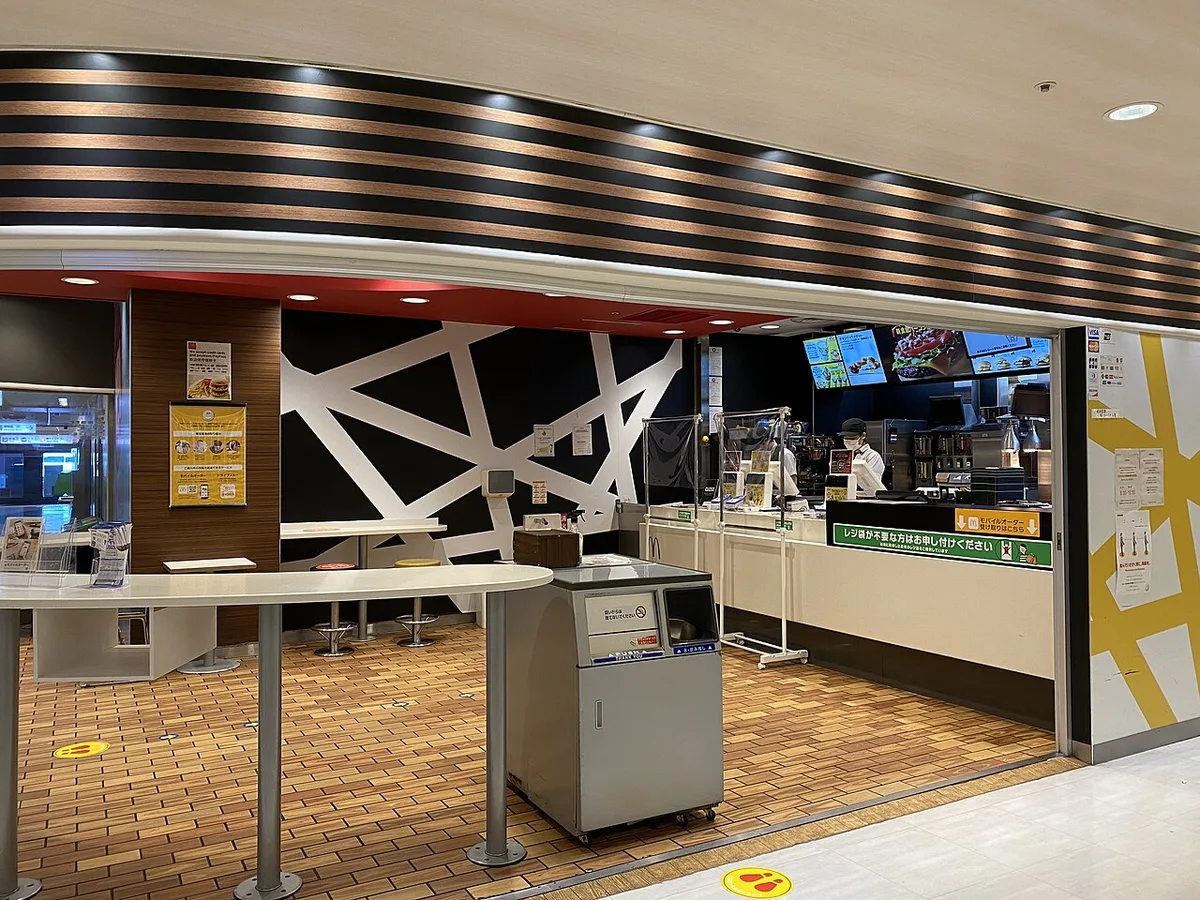
Landside vs Airside: Where Narita's Best Restaurants Sit
Landside means before security, in the public area anyone can enter without a boarding pass. Airside means after security, reachable only once you've cleared the checkpoint for your flight. Narita's strongest sit-down restaurants cluster landside, on the upper floors of Terminal 1 and Terminal 2. That's worth repeating, because it surprises travelers. The most talked-about sushi counter or ramen shop is usually on the public side of the building, not past the gates. If you're on a long layover and want a proper meal, plan to eat before you go through security, not after. Once you clear security for an international departure, returning landside to eat usually isn't practical, since re-entering means repeating the security process. Build that into your timing before you commit to a landside meal.
| Terminal | Best For | Location (Floor) |
|---|---|---|
| T1 Central Building | Sit-down Japanese restaurants landside; quick counters airside | 4F-5F landside, gate-level airside |
| T2 Main Building | The widest landside shopping and dining mix | 4F landside, 2F-3F airside |
| T3 Main Building | A single large food court built for fast, budget-friendly meals | 2F landside |

Terminal 1 Dining: Sky Food Court and the Landside Restaurant Rows
T1 Central Building carries most of Narita's Terminal 1 dining, spread across its landside floors. The Sky Food Court anchors quick meals for travelers without much time to spare. Above it, landside restaurant rows fill the 4F and 5F levels, mixing sushi counters, ramen shops, and Japanese Western-style yoshoku diners. A rotating pop-up unit on 4F and a specialty shop on 5F show how much of T1's public-area floor space shifts between dining and retail over time. Travelers connecting through T1 on a short layover should note that the airside selection is smaller than landside. Decide before security whether a proper meal matters more than saving a few minutes.
Terminal 2 and Terminal 3 Dining Highlights
T2 Main Building concentrates its landside restaurants and shops on 4F, the terminal's main dining floor before security. Once you clear security for an international flight, T2's airside options thin out but still include sit-down spots. NRT Beer Flight Cafe, listed in the airport's shop directory, serves food and drinks airside on 2F from 07:00 to 21:30 last order. Some airside listings apply specifically to international departures, so confirm your flight type before counting on a particular spot. T3 Main Building takes a different approach, built around one large food court on 2F designed for fast, budget-friendly meals rather than table service. That layout suits travelers on tight connections who want to eat and move on quickly.
How to Find Restaurant and Shop Directories at Each Terminal
Each terminal posts physical directory kiosks listing current restaurants and shops by floor. The airport's own shop search tool works the same way online, letting you filter by terminal, by category such as restaurant, and by whether a listing sits before or after the security check. That before-or-after filter is the fastest way to confirm landside versus airside status for a specific restaurant before you walk there. If a listing doesn't specify international or domestic flights, treat it as open to both. Always check the posted hours on the listing itself, since they vary by shop rather than following one terminal-wide schedule.
Vegetarian, Vegan, and Halal Options at Narita
Options for vegetarian, vegan, and halal travelers exist at Narita, but they aren't evenly spread across every terminal and floor. Plan which restaurant serves your diet before you land, rather than searching once you're already hungry. For terminal-by-terminal picks and menu details, see the dedicated vegetarian, vegan, and halal dining guide. Confirming a location before you land also protects against a shop closing early on a given day, since posted hours can shift. Staff at information counters can point you toward the closest match to your terminal if plans change mid-layover.
When to Leave the Airport for Narita City Dining
A layover of 6 or more hours is long enough to leave Narita Airport for a meal in Narita City and return with time to spare. Naritasan Omotesando, the temple approach street, is the main draw for travelers heading out. Its Omotesando food crawl covers the street's small shops and eateries block by block. Early arrivals can time a visit to the morning seafood market near Narita before the day's crowds build. Unagi, grilled eel served over rice, is the street's best-known specialty. For a fuller rundown, the unagi eel guide covers where to find it and what to expect. Beyond food, the Narita attractions guide lists what else fits into a long layover, including Naritasan Shinsho-ji Temple. Run through the checklist below before deciding, and lean toward leaving if most answers are yes.
With 6 or more hours before boarding, you can leave for Narita City; store luggage at terminal coin lockers first to avoid carrying suitcases around the city.
- Do you have at least 6 hours before boarding, after subtracting time for security and immigration?
- Is your connection domestic-to-international or international-to-international, meaning you'll clear security again either way?
- Can you reach Naritasan Omotesando and return within your remaining time, with a buffer left over?
- Is your luggage already stored, so you're not carrying it around Narita City?
Budgeting Your Narita Airport Meal
Dining costs at Narita follow the same landside-versus-airside and food-court-versus-restaurant pattern as most major airports. A tray meal at T3's food court generally costs less than a sit-down restaurant meal on T1 or T2's landside floors, since you're paying for speed and volume rather than table service. Airside quick-service counters near the gate tend to cost less than a full landside sit-down meal too, trading some menu choice for speed. Exact menu pricing varies by vendor and by season. Check the current menu board or the shop's listing rather than relying on an old price you saw online. If a strict budget matters more than atmosphere, start your search at T3 or at any terminal's quick-service counters before looking at a landside restaurant.
Layover Logistics: Luggage, Currency, and Timing
Eating landside is far more comfortable without a suitcase in tow. Each terminal has coin lockers and luggage storage counters, so store bags before you sit down to a meal. A coin locker usually costs less than a staffed luggage storage counter, so compare both before choosing one. Locker rates vary by size, so check the signage at each bank of lockers for current pricing rather than guessing. Major sit-down restaurants accept credit cards, but smaller food stalls and pop-up counters may be cash-only, so carry some yen in small bills. If you plan to eat landside on a layover, build in time to clear security and, on international-to-international connections, immigration again afterward. Security lines can move quickly or slowly depending on the hour. Treat your eating window as flexible, and cut it short if the lines look long.
Common Layover Dining Mistakes to Avoid
A few repeat mistakes cost travelers their best possible meal at Narita.
NRT Beer Flight Cafe opens 07:00 to 21:30, but landside restaurants typically close by 20:00 or 21:00, creating narrow windows for evening meals on layovers.
- Waiting until after security to look for a sit-down meal, when most of Narita's best restaurants sit landside.
- Skipping the terminal-to-terminal shuttle schedule when your arrival and departure terminals differ.
- Assuming every restaurant stays open late; many landside spots close by 20:00 or 21:00, well before a late-evening flight.
- Assuming every counter takes credit cards; some smaller stalls are cash-only, so keep yen on hand.
- Forgetting to budget time for security and immigration after a landside meal, especially with a longer walk back to the gate.
Frequently Asked Questions
Where's the best place to eat before security at Narita?
The landside floors of T1 Central Building and T2 Main Building carry Narita's strongest sit-down options, including sushi, ramen, and yoshoku restaurants. Terminal 1's Sky Food Court is a solid landside choice for a fast but real meal. Terminal 2's 4F dining floor is worth a look if you have more time to browse.
Can you eat well after clearing security at Narita?
Airside dining is real but leaner than landside. NRT Beer Flight Cafe in T2 serves food and drinks airside on 2F from 07:00 to 21:30 last order. Expect fewer sit-down restaurants and more quick-service counters once you're past security, especially outside T2.
Is it worth leaving Narita Airport to eat in Narita City?
With 6 or more hours before your flight, it can be. Naritasan Omotesando is close enough to fit a meal and a walk, then return with buffer time for security. Plan the round trip carefully so you're back well before boarding, and store luggage first.
Where can vegetarian, vegan, or halal travelers eat at Narita?
Options exist across the terminals but aren't evenly distributed by floor. Check the dedicated vegetarian, vegan, and halal dining guide for terminal-specific picks before you land. Confirm with staff at an information counter if plans change mid-layover.
How much time should you leave for security if eating landside at Narita?
Build in extra time for security and, on international connections, immigration again after eating landside. Lines vary by hour, so treat a landside meal as flexible and finish early if queues look long. Store luggage in a coin locker first so you're not eating with suitcases.
What's the cheapest way to eat at Narita Airport?
T3 Main Building's food court is built for fast, budget-friendly meals rather than table service. Airside quick-service counters near your gate are typically a cheaper option than a landside sit-down restaurant. Check the current menu board at any counter, since exact pricing varies by vendor.
Free guide: Japan's Hidden Gems
12 under-the-radar places beyond Tokyo & Kyoto — with the best season to visit each and a local tip you won't find in the guidebooks.
You might also like


Continue reading
More guides you'll find useful


