

Narita Market Seafood Breakfast: Best Spots and 2026 Layover Guide
Find fresh kaisendon and sushi at Narita Wholesale Market, about 15-20 minutes from Narita Airport, with terminal and Omotesando options for 2026.
On this page
Last updated August 2026, a Narita Market seafood breakfast is the fastest way to eat fresh kaisendon without leaving the airport area. The Narita Wholesale Market relocated to Minami-Shisui in January 2022, and it now sits roughly 15-20 minutes by taxi from Narita Airport terminals. This guide covers the market's food hall, transport from town or the airport, and backup options at Naritasan Omotesando and inside the terminals.
Where to Find a Narita Market Seafood Breakfast
The Narita Wholesale Market, known locally as Narita Ichiba, is the top choice for a seafood breakfast near the airport. Its Uogashi Shokudo food hall serves kaisendon and nigiri from stalls that open early, well before most hotel breakfasts. Naritasan Omotesando offers a second option in town, with sushi counters and the area's signature unagi. Travelers who cannot leave the airport can find sushi counters inside Terminal 1 and Terminal 2. For the fuller picture of the city's food scene, see this Narita food guide. Choose the market when freshness and price matter most, and mornings start before 8:00 AM. Choose Naritasan Omotesando when the plan includes temple sightseeing and a later start. Choose the terminal option only when the layover leaves no time to clear immigration and return.
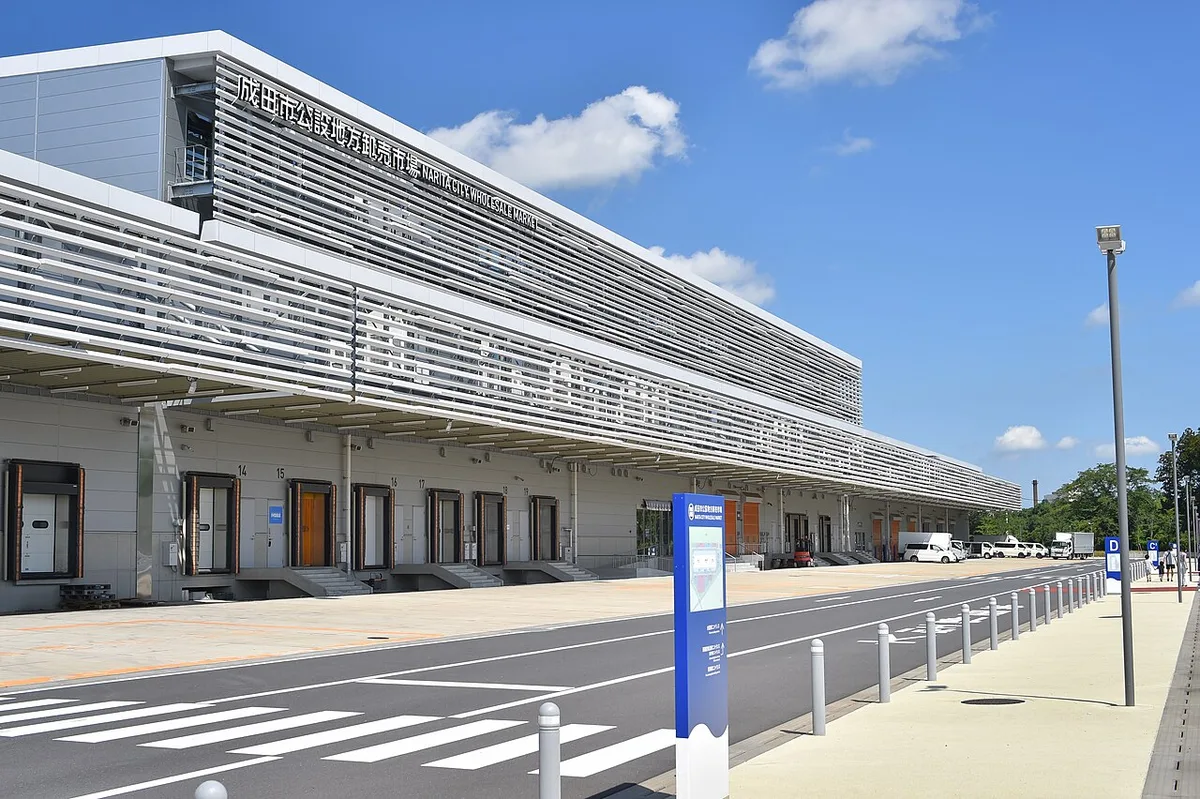
Inside the New Narita Wholesale Market
Narita Wholesale Market reopened at its current Minami-Shisui site in January 2022. It replaced an older location closer to town. The new complex is modern, clean, and functional, a contrast to the grit long associated with Tokyo's old Tsukiji market. Stalls inside the Uogashi Shokudo food hall open around 7:00 AM. Most close by early afternoon, between 1:00 PM and 2:00 PM. Kaisendon, a rice bowl topped with sashimi, and nigiri sushi are the dishes to order first. Buyers and market workers eat here too, so freshness comes from proximity to the auction floor rather than presentation alone. The wholesale trading and auction areas serve licensed buyers, not casual visitors. Public access typically stays limited to the food hall, retail shopping areas, and designated walkways. Check on-site information boards for any current public viewing options before assuming access to the auction floor. Visitor rules can change, so confirm details on arrival rather than relying on older trip reports. Freshness, price, and atmosphere are the three reasons to choose the market over an airport breakfast. Fish moves quickly from the auction floor to the food hall, often the same morning it arrived. Prices run lower than an airport restaurant or a hotel buffet, even though exact menus vary. Atmosphere favors function over polish, with market workers and early risers filling the counters rather than a manufactured airport lounge. A market visit this early suits travelers already awake from an overnight flight, rather than those hoping to sleep in. Pair an early visit with nearby sights in this Narita attractions guide. Naritasan Park and the Museum of Aeronautical Sciences sit within a short trip of the city center. Seafood stalls rarely stock vegetarian, vegan, or halal options. Check this vegetarian and halal dining guide before planning a group visit.
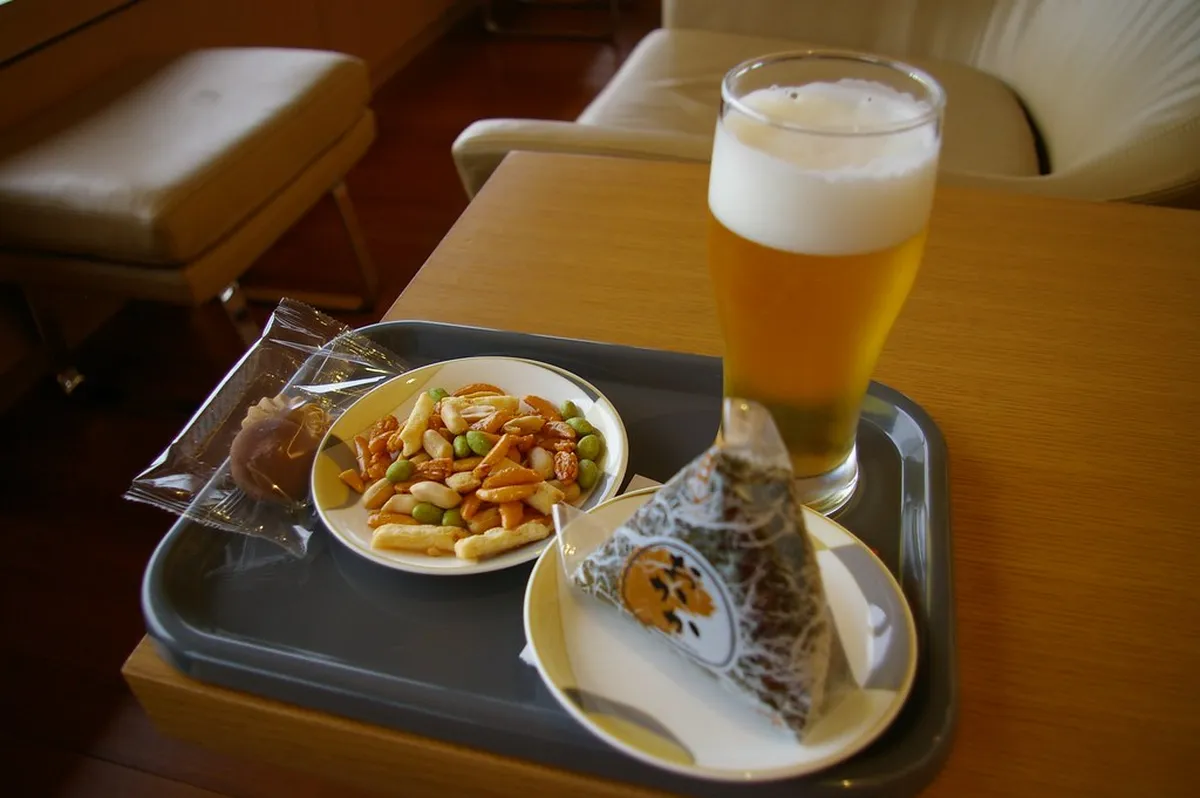
What to Order at the Market's Food Stalls
Several counters inside Uogashi Shokudo specialize in kaisendon bowls piled with tuna, salmon, uni, and seasonal catch. Others focus on nigiri sets or a la carte sushi, priced by the piece. Some stalls concentrate on a single specialty, such as a particular cut of tuna, while others run a broader set menu. Exact stall lineups change as leases turn over, so confirm current tenants before a special trip. Portions run large by Tokyo standards, since bowls are built for market workers finishing an early shift. Expect counter seating rather than table service. Expect a wait during the 8:00 AM to 9:00 AM rush, when both buyers and visitors line up. Ordering happens directly at the counter, with payment handled on the spot. Seasonal catch shifts through the year, so the fish on a kaisendon bowl varies by month. Ask counter staff what is freshest that morning if the picture menu does not make it obvious. A kaisendon breakfast here typically costs less than a comparable sushi breakfast at a hotel restaurant in central Tokyo. Menu boards posted at each stall list current prices in yen, so check them on arrival. Most stalls serve breakfast to-go as well as at the counter, useful for a tight layover. Napkins and disposable chopsticks are standard, so no special equipment is needed.
The 8:00 AM to 9:00 AM rush clears the freshest catches quickly—arriving when stalls open around 7:00 AM beats the crowd and secures the best morning selections.
Getting to Narita Wholesale Market from the Airport and City
Narita Wholesale Market sits outside the walkable core of Narita City. A taxi is the most reliable way in from the airport. Public transit does not run directly to the current Minami-Shisui site. That is a change from the market's earlier in-town location, which sat closer to central Narita. Confirm this transport gap before planning a trip without a car or taxi. Local buses connect Narita City to nearby areas, though route coverage to the specific Minami-Shisui site is limited compared to a direct taxi. Travelers staying in Narita City hotels sit closer to the market than those arriving straight off a flight. A hotel concierge can typically arrange a taxi and confirm the current fare before departure. A taxi fare to the market costs meaningfully less than a taxi into central Tokyo, and the ride is much shorter. Arrange a return taxi or ride-hailing pickup before finishing breakfast, since the market area has limited standing taxis outside peak hours. Build extra time into the morning if the flight departs during a peak security rush.
- Narita Airport to the market: about 15-20 minutes by taxi from Terminal 1, Terminal 2, or Terminal 3.
- No direct train currently serves the Minami-Shisui site.
- Narita City hotels to the market: taxi or local bus, with taxi more predictable for an early departure.
- Recommended layover buffer: 4+ hours, to cover immigration, baggage claim, and the return trip through security.
Naritasan Omotesando: Sushi and Unagi Without the Early Alarm
Naritasan Omotesando is the historic approach street leading to Naritasan Shinsho-ji temple. Unagi, grilled eel served over rice, is the street's signature dish. Several sushi counters along the street open by 10:00 AM or 11:00 AM, later than the market but still ahead of most Tokyo restaurants. This is the better choice for travelers who want a slower morning paired with sightseeing rather than a pre-dawn market run. The street runs directly toward the temple gate, so a stop here fits easily before or after a temple visit. Shops along the way also sell local sweets and crafts, alongside the food counters. For a full walk through the unagi tradition, see this Narita Unagi Eel Travel Guide. For a broader crawl of the street's food stops, check this Omotesando food crawl guide.
The market's 7:00 AM opening outpaces Omotesando's 10:00 AM or 11:00 AM start, giving time-pressed layover travelers hours of advantage for a fresh meal before returning to the airport.
Airport Terminal Sushi for Short Layovers
Both Terminal 1 and Terminal 2 at Narita Airport hold sushi counters and kaisendon options inside their restaurant zones. This works well for a layover under three hours, when a taxi round trip to the market is not realistic. Prices run higher than at the market or in town, a common airport premium. Terminal 3 has fewer full-service dining options, so travelers connecting through it should plan to eat before or after that terminal. Terminal directories at information counters list current restaurant locations and hours. Travelers connecting between terminals should also budget time for the inter-terminal shuttle. Compare a few counters before ordering, since a short wait at a second option is often shorter than the wait at the first. Ask airport staff at the information counter which restaurants are currently open, since hours can shift by season. For the complete rundown of terminal restaurants and hours, see this Narita airport food and layover guide.
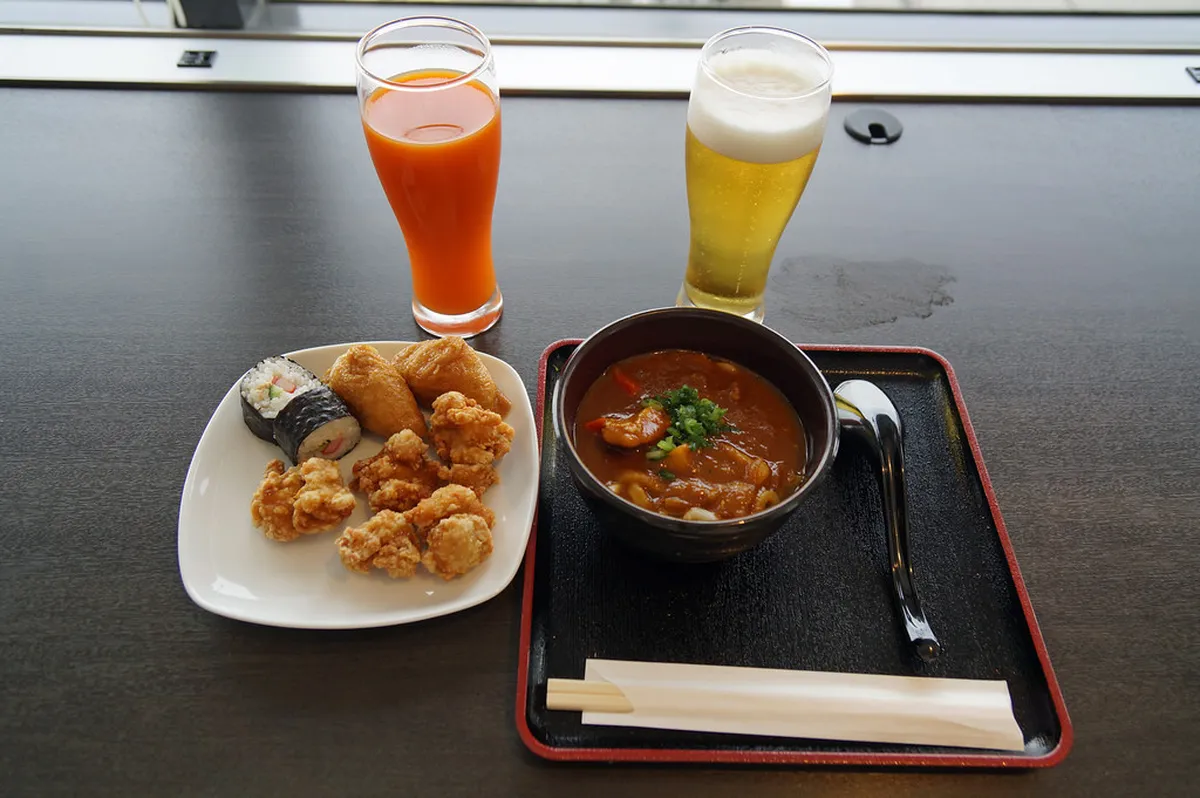
Narita Market vs Tsukiji: Which Seafood Breakfast Wins
Tsukiji's outer market in central Tokyo is the seafood breakfast most travelers already know. It is not, however, the closest option to Narita Airport. The comparison below sets the two side by side. Authenticity favors Narita, since the crowd is mostly buyers and workers rather than tour groups. Cost favors Narita too, since prices run lower outside the dense tourist footprint of central Tokyo. Tsukiji tends to draw larger tour groups, especially after 9:00 AM. For a layover, Narita Wholesale Market is the practical winner. It sits closer to the airport, and a visit does not eat into a full Tokyo day trip. Tsukiji remains worth a dedicated visit for travelers spending a full day in Tokyo. Hama-rikyu Gardens and the surrounding Ginza district pair well with an outer-market breakfast there. The airport transfer takes far longer, so treat Tsukiji as a Tokyo-day activity rather than a layover option.
| Criteria | Narita Wholesale Market | Tsukiji Outer Market (Tokyo) |
|---|---|---|
| Travel time from Narita Airport | About 15-20 minutes by taxi | About 90 minutes by train, or about 2 hours by limousine bus to Ginza plus a 10-minute walk |
| Crowd type | Market workers and early-bird visitors | Tourist groups, heavier after mid-morning |
| Stall count | Uogashi Shokudo food hall, exact tenants vary | About 60 shops in the Tsukiji Uogashi market |
| Best for | Layover travelers with 4+ hours | Travelers spending a full day in Tokyo |
Mistakes to Avoid at Narita Wholesale Market
A few planning mistakes turn a promising Narita Market seafood breakfast into a wasted taxi ride. Most of these mistakes are easy to avoid with a small amount of planning the night before. Check these before locking in an early departure. None of these are dealbreakers alone, but stacking two or three can turn a quick breakfast stop into a missed flight connection. A quick check of hours, payment, and weather before leaving the hotel prevents most problems.
- Closure days: the market typically closes on Sundays, Wednesdays, and national holidays, so confirm the current calendar before a special trip.
- Payment: many stalls run on cash only, and international credit cards are not guaranteed to work at every counter.
- Weather: early mornings in Narita run colder than central Tokyo, so dress for an outdoor or semi-outdoor walk to the food hall.
- Timing: arriving after 9:00 AM often means some of the freshest catch is already sold, since the market serves working buyers first.
- Reservations are generally not available; most stalls are walk-in only, and lines can form fast after 8:00 AM.
Market Address, Shuttle Bus, and Parking
Set your map or taxi destination to Narita City Wholesale Market, 80-1 Tenjinmine, Narita, Chiba. This precise address matters because the market moved in 2022 and older listings may still lead toward its former site near town.
A taxi remains the simplest choice with luggage, but public transport is possible when the schedule fits. From JR Airport Terminal 2 Station, take the market shuttle bus. From Keisei Narita Station, a community bus stops at Narita Ichiba.
- Airport shuttle: board at JR Airport Terminal 2 Station and check the current timetable before leaving the terminal.
- City bus: use the community-bus stop for Narita Ichiba from the Keisei Narita area.
- Driving: the market has free visitor parking, with about 600 spaces.
Do not confuse the shuttle with a rail connection. No train stops at the market itself. Early-morning bus frequency can be limited, so a taxi is safer for a tight flight schedule.
Frequently Asked Questions
What are the Narita Wholesale Market hours for a seafood breakfast?
Stalls inside the Uogashi Shokudo food hall typically open around 7:00 AM and close by early afternoon, between 1:00 PM and 2:00 PM. Arrive close to opening for the best selection.
Is Narita Wholesale Market closed on Sundays and Wednesdays?
The market typically closes on Sundays, Wednesdays, and national holidays. Confirm the current schedule before planning a special trip, since holiday closures shift year to year.
How do you get from Narita Airport to Narita Wholesale Market?
A taxi covers the trip in about 15-20 minutes from Terminal 1, Terminal 2, or Terminal 3. No direct train currently serves the Minami-Shisui site, so a taxi is the most practical option.
Is Narita Market or Tsukiji better for a layover seafood breakfast?
Narita Wholesale Market wins for layovers, since it sits about 15-20 minutes from the airport by taxi. Tsukiji takes about 90 minutes by train from Narita Airport, which suits a full Tokyo day rather than a layover.
How much layover time should you plan for a Narita Market breakfast?
Plan for at least 4 hours between landing and the next departure. That buffer covers immigration, the taxi ride, breakfast, and the return trip through airport security.
Can vegetarian or halal travelers eat at Narita Wholesale Market?
Seafood stalls dominate the market, so vegetarian, vegan, and halal options are limited. Check dedicated Narita dining guides before planning a group visit with mixed dietary needs.
What should you wear or bring to Narita Wholesale Market?
Bring cash, since many stalls do not guarantee international card payment. A layer against the cold is useful too, since early mornings in Narita run colder than central Tokyo.
Can you combine a Narita Market visit with other Narita attractions?
Yes, a market breakfast pairs well with a morning at Naritasan Park or the Museum of Aeronautical Sciences. Both sit within a short trip of central Narita, making a half-day itinerary realistic.
Is Narita Wholesale Market worth visiting outside breakfast hours?
Not for the food hall, since most seafood stalls close by early afternoon. Plan the visit for morning hours, and treat any afternoon stop as a general market browse rather than a meal.
Free guide: Japan's Hidden Gems
12 under-the-radar places beyond Tokyo & Kyoto — with the best season to visit each and a local tip you won't find in the guidebooks.
You might also like


Continue reading
More guides you'll find useful


