Kyoto Obanzai Guide: Home-Style Cooking, Best Spots, and Etiquette
A Kyoto obanzai guide to home-style dishes, Kyo-yasai ingredients, machiya and kappo picks by neighborhood, plus 2026 prices and dining etiquette.
On this page
Last updated August 2026, this Kyoto obanzai guide breaks down what obanzai actually is, which dishes to order, and where to eat it by neighborhood and budget. Obanzai differs from formal kaiseki because it is Kyoto's daily home-style cooking, built around seasonal Kyo-yasai vegetables and a no-waste mottainai philosophy. This guide covers machiya townhouses, buffet counters, and kappo counters, plus the etiquette and pairings that make a plate of simmered vegetables read as an actual Kyoto meal.
Your Kyoto Obanzai Guide: What Obanzai Actually Means
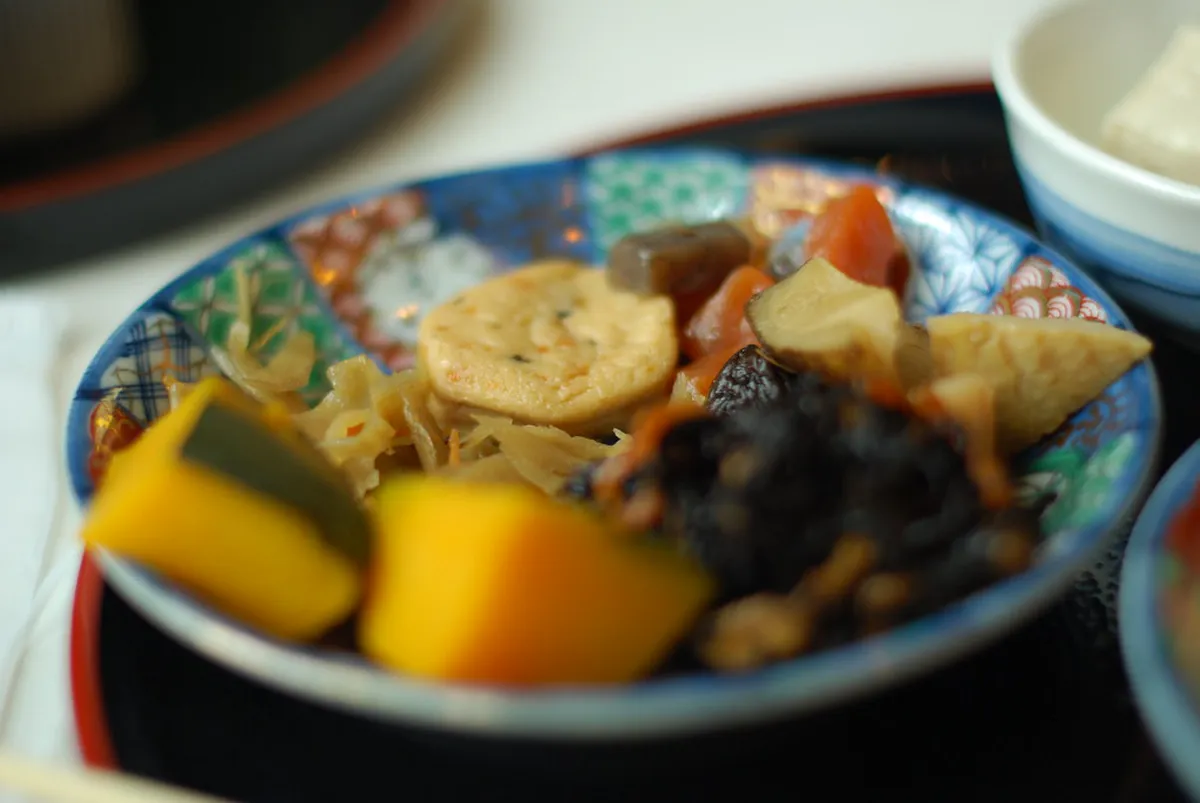
Obanzai is Kyoto's everyday home cooking, distinct from formal kaiseki. Three loose rules define it, listed below. A mottainai, or no-waste, mindset also runs through the cuisine. Cooks turn vegetable peels, dashi offcuts, and leftover rice into new small dishes instead of throwing them away. That habit grew out of a home kitchen's need to stretch every ingredient, not a restaurant's need to impress. Kaiseki, by contrast, is a formal, multi-course meal built for a special occasion and priced well into the thousands of yen per course. Obanzai is the daily, affordable version of that same seasonal instinct, closer to what a Kyoto household actually eats on a weeknight. Both styles draw on the same pool of Kyo-yasai, tofu, and seasonal fish, so menus sometimes blur the line between them. Many obanzai restaurants also operate out of renovated machiya, Kyoto's traditional wooden townhouses, serving several small dishes at prices well below formal kaiseki. For the wider dining landscape around it, the 15 Best Food Experiences in Kyoto: A Local Dining Guide (2026) covers restaurants and other cuisines across the city.
- At least half the ingredients are grown locally as Kyo-yasai, Kyoto's heirloom vegetables.
- The menu shifts with the season instead of staying fixed year-round.
- Cooking relies on traditional methods, especially dashi-based simmering, over frying or heavy sauces.
Must-Try Obanzai Dishes and Kyo-Yasai Ingredients
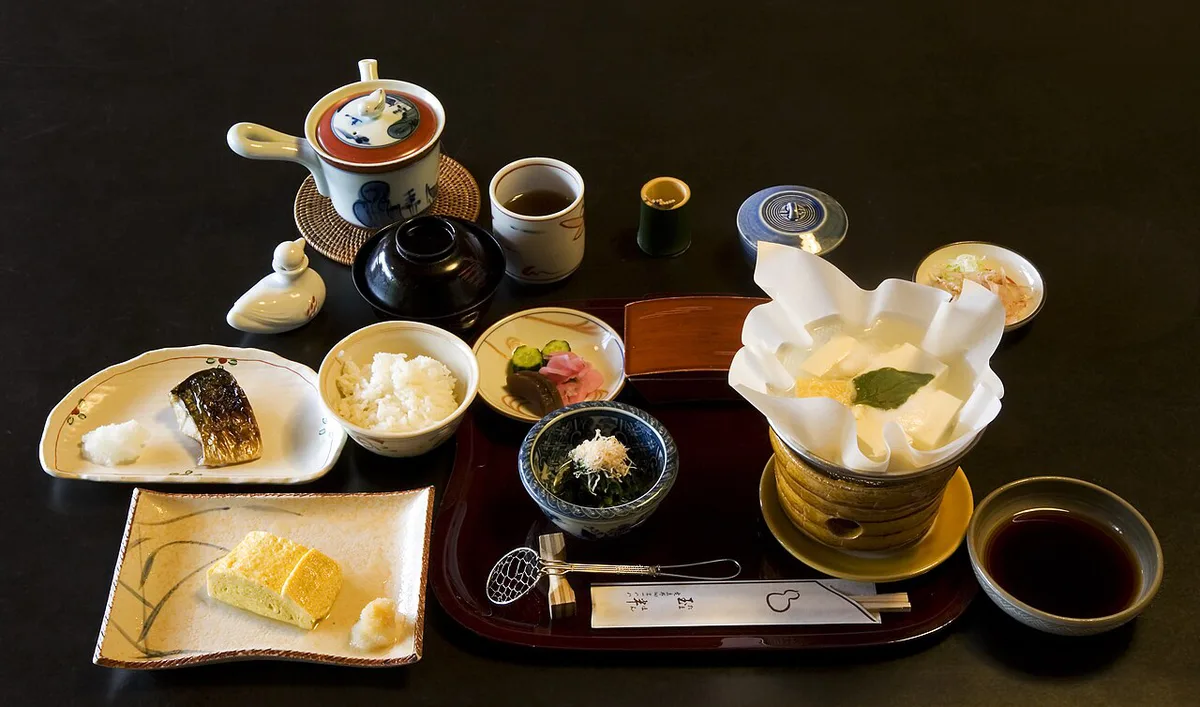
Kyo-yasai vegetables anchor most obanzai plates. Three varieties show up again and again on menus, listed below. Tofu and yuba, the fresh skin that forms on simmering soy milk, are equally central to the style. Kyoto's soft water suits tofu-making, and cooks pair fresh tofu with koyadofu, a dried and rehydrated version, in dashi-based dishes. Processed soy products like yuba and koyadofu trace back to the same Buddhist temple cooking that shaped much of Kyoto's vegetable-forward diet. Yudofu, tofu simmered tableside in a kombu broth, is a related specialty tied to that same tradition, though it is usually served on its own rather than folded into an obanzai spread. Because Kyoto sits inland, obanzai also leans on preserved and prepared fish rather than raw seafood. Hamo, a bony conger eel, and dried herring both traveled well before refrigeration and stayed on Kyoto's tables as a result. Saba miso-ni, mackerel simmered in a miso-based sauce, is a common preparation, along with fish finished teriyaki-style in a sweet-savory glaze or nanban-zuke, a sweet-and-sour marinade for fried fish. This is sit-down, multi-dish home cooking, not a quick bite between sights. For grab-and-go options between temple visits, the 9 Best Bites in Our Kyoto Street Food Guide (2026) covers stalls and stands instead.
- Kamo eggplant, a round, dense variety often simmered in dashi or grilled with miso.
- Kujo leeks, a thin green onion used in donburi and simmered dishes.
- Manganji peppers, a mild, thick-walled pepper usually grilled or stir-fried whole.
Where to Eat Obanzai in Kyoto: Machiya, Kappo, and Buffet Picks
Obanzai in Kyoto splits into a few distinct formats, from all-you-can-eat buffets to reservation-only kappo counters. The table below breaks down style, neighborhood, and price by venue. Miyako Yasai Kamo runs a buffet built around organic and reduced-pesticide Kyoto vegetables, a format popular with visiting travelers who want to sample many small dishes in one sitting. As a buffet, it charges one flat rate rather than per dish. Confirm the current rate before visiting. Okudohan takes its name from the traditional Kyoto-dialect word for a kitchen oven, visible just inside the entrance near Sanjo-dori. Its Miyukicho-gozen lunch set is listed at around ¥1,250 in recent visitor accounts. Confirm current pricing before visiting. At Mamecha in Ishibe-koji, order individual small plates rather than a set course to get the best variety across a table. Kyoto Mamehachi, in Gion-shijo, plates obanzai with a more modern, composed presentation than the machiya-style restaurants nearby. Kappo Chihiro is listed in the MICHELIN Guide Japan's obanzai directory, and its grilled eggplant, cooked without added water and left unseasoned, is one of its most-ordered dishes. Tankuma Kitamise, open in Kawaramachi since 1928, builds its kaiseki-style obanzai around whichever produce and fish are in season that week. For a first obanzai meal with maximum variety, the buffet format at Miyako Yasai Kamo works best. Mamecha or Okudohan suit an evening built around atmosphere, inside a converted machiya townhouse. Kappo Chihiro or Tankuma Kitamise suit a chef-led, higher-budget meal, still built around obanzai's seasonal ingredients. Broader restaurant options beyond obanzai specifically are covered in the 8 Best Dining Experiences in Kyoto 2026 guide.
First-time obanzai hunters favor Miyako Yasai Kamo's buffet format for maximum variety, yet prices swing dramatically from that affordable style to Tankuma Kitamise's lunch at ¥6,000 and dinner from ¥17,820.
| Restaurant | Style | Neighborhood | Price Range |
|---|---|---|---|
| Miyako Yasai Kamo | Buffet, organic Kyoto vegetables | Confirm current location | Flat buffet rate; confirm current price |
| Okudohan | Machiya townhouse, a la carte donburi and gozen sets | Near Sanjo-dori | ¥850–¥1,250 (lunch) |
| Mamecha | Machiya townhouse, individual small plates | Ishibe-koji, Higashiyama | ¥630–¥683 per dish |
| Kyoto Mamehachi | Creative, modern-plated obanzai | Gion-shijo | Confirm current menu pricing |
| Kappo Chihiro | High-end kappo counter, chef-led course | Gion-shijo | Course from ¥12,000 |
| Tankuma Kitamise | High-end kaiseki-style obanzai | Kawaramachi | Lunch avg. ¥6,000; dinner from ¥17,820 |
Planning Your Meal: Timing, Costs, and Neighborhoods
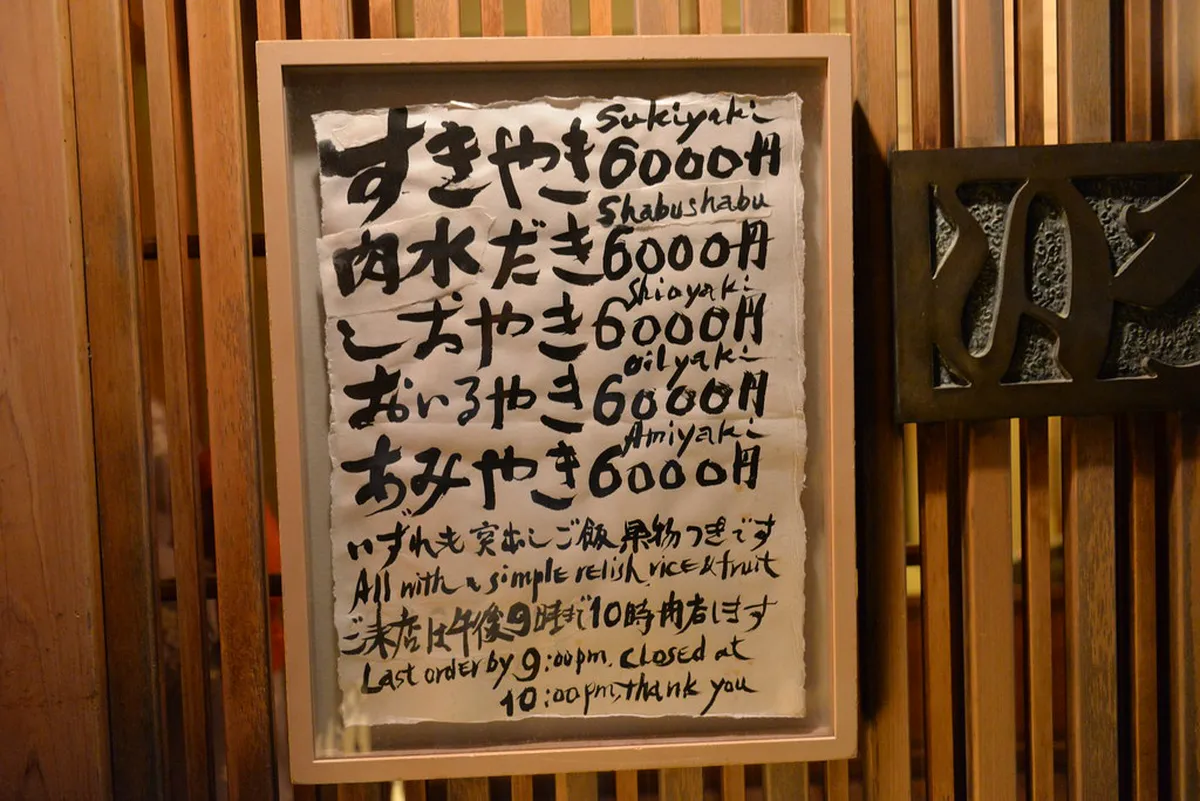
Lunch is the better value entry point into obanzai citywide. Many machiya restaurants serve a gozen set, a modernized version of a traditional presentation, with rice, soup, dessert, and a drink included. Expect lunch sets to run roughly ¥1,000–¥2,500, compared with ¥4,000–¥10,000 or more for a full dinner course at the same restaurants. Tankuma Kitamise makes the gap concrete: its average lunch price sits near ¥6,000, while its dinner kaiseki course starts around ¥17,820. A dinner course at Kappo Chihiro starts at ¥12,000, still well above any lunch set covered here. Neighborhood matters as much as timing, covered in the list below. Reservation policy also varies by format. Kappo Chihiro requires lunch bookings at least one day in advance, while its dinner seating runs from about 5:00pm to a last order near 8:30pm. Buffet-style spots like Miyako Yasai Kamo tend to be more walk-in friendly than reservation-only counters. Tankuma Kitamise serves lunch from around 12:00pm, with a last order near 2:00pm, and dinner from about 5:00pm, with a last order near 8:00pm. Mamecha in Ishibe-koji, a stone-paved lane in Higashiyama, typically opens for dinner only, from 17:00 to 23:30. Confirm current hours and reservation windows directly before visiting, since kitchens adjust seasonally. Combining a Sanjo lunch with a Pontocho or Gion dinner covers both budget and atmosphere in a single day.
- Sanjo: the most convenient base, with Okudohan tucked just off Sanjo-dori and close to the city center.
- Gion: the traditional, higher-end cluster, home to Kappo Chihiro and Kyoto Mamehachi.
- Pontocho Alley: the atmosphere pick for dinner, with narrow lanes lined with small restaurants and bars.
Essential Obanzai Etiquette, Sake Pairings, and Dietary Notes
Obanzai service style varies by restaurant, so ask before ordering. Some machiya restaurants serve a fixed gozen set for each diner, portioned individually. Others, like Mamecha, work better ordered dish by dish and shared across the table. Mamecha specifically works better with individual dishes than a set course. At counter-style kappo restaurants such as Kappo Chihiro, dishes usually arrive as a set course built around the chef's choices that day, rather than a shared spread. Portion control at a buffet like Miyako Yasai Kamo sits with the diner, so pace plate sizes to sample more dishes across the counter. Local sake is the traditional pairing for obanzai, especially with simmered and grilled dishes. Green tea is the common non-alcoholic option, particularly at lunch. For a different, more ritualized side of Kyoto's tea culture, the Kyoto Tea Ceremony Guide: 8 Essential Insights for Your Visit covers where to try a formal tea service. Dashi, the stock base for most obanzai dishes, is traditionally made with katsuobushi (dried bonito flakes) and kombu. That makes many obanzai dishes unsuitable for strict vegetarians and vegans by default. Ask staff directly whether a dish uses kombu-only dashi or a fish-based stock before ordering. Kyoto's shojin-ryori tradition, built around Buddhist dietary rules and centered on tofu and vegetables, does support fully plant-based meals elsewhere in the city. The vegetarian and vegan Kyoto guide covers where to find them.
Kyoto's Buddhist-influenced shojin-ryori tradition shaped obanzai's vegetable-first approach, but most dishes use fish-based dashi—Okudohan lunch sets at ¥1,250 may contain bonito, so ask before ordering if you need plant-based guarantees.
Beyond the Meal: Pontocho Evenings and Matcha Dessert Stops
Pontocho Alley extends past dinner into Kyoto's evening scene, with bars and small counters lining the same lane as its obanzai restaurants. Kyoto also runs seasonal night events during the warmer months, including a yokai-themed night parade. Check current dates before building a trip around one, since festival scheduling shifts year to year. Malebranch's Kyoto Tower Sando branch serves matcha-based sweets and works well as a stop after a Gion or Pontocho dinner. Kappo dinners tend to wrap up earlier than machiya seatings, based on the hours above, which leaves more time for a Pontocho walk afterward. Evening obanzai in Gion or Pontocho pairs naturally with a slower night out, rather than a quick pre-sightseeing meal. Pair an evening obanzai meal with a broader sightseeing plan using the Kyoto attractions guide to route the rest of the night.
How to Recognize an Authentic Obanzai Menu
A changing menu is a stronger authenticity signal than rustic décor alone. Look for dishes that name a seasonal vegetable and a simple technique, such as simmering in dashi or grilling with miso.

- Ask which dishes use Kyo-yasai that day. Kamo eggplant and Manganji peppers are associated with warmer months, while Kujo leeks become especially sweet in winter.
- Check whether several small vegetable, tofu, and preserved-fish dishes are available. Obanzai is usually a varied household-style spread, not one elaborate signature plate.
- Ask about the dashi. Staff should be able to explain whether it contains bonito, kombu, or both, which also matters for vegetarian diners.
Service format does not determine authenticity. Mamecha offers individual plates for sharing, Okudohan serves gozen-style lunches, and Miyako Yasai Kamo uses a buffet. Each can express obanzai through seasonal ingredients and restrained preparation.
Be cautious when a restaurant promotes “traditional Kyoto food” but provides no ingredient details or seasonal changes. A concise daily board and staff knowledge are more useful indicators than a machiya setting by itself.
Frequently Asked Questions
What is obanzai in Kyoto?
Obanzai is Kyoto's everyday home-style cooking. It typically uses Kyo-yasai vegetables, changes with the season, and favors traditional methods like dashi-based simmering over frying.
What is the difference between obanzai and kaiseki?
Kaiseki is a formal, multi-course meal for special occasions, usually priced well above ¥10,000 per person. Obanzai is the daily, affordable version of the same seasonal cooking, often ¥1,000–¥2,500 for a lunch set.
Can vegetarians or vegans eat obanzai in Kyoto?
Some dishes work, but many use dashi made with bonito flakes. Ask staff whether a dish uses kombu-only dashi before ordering, or check the vegetarian and vegan Kyoto guide for plant-based picks.
Do obanzai restaurants in Kyoto require reservations?
It depends on the format. Kappo Chihiro requires lunch reservations at least a day ahead. Buffet-style spots like Miyako Yasai Kamo tend to be walk-in friendly. Confirm policy directly before visiting.
Which Kyoto neighborhood is best for an obanzai dinner?
Sanjo, Gion, and Pontocho Alley are the three neighborhoods covered in this guide. Sanjo is the most convenient base. Gion has the higher-end kappo counters. Pontocho suits an evening meal, followed by a walk along the alley.
What's the best obanzai dish to order first?
Start with something dashi-based, like simmered Kamo eggplant or a Kujo leek dish, since that shows the cooking style clearly. Add a tofu or yuba plate alongside it for contrast.
How much does an obanzai dinner cost in Kyoto?
Dinner typically runs ¥4,000 to ¥10,000 or more per person, depending on format. Machiya spots like Mamecha stay closer to the lower end when ordered a la carte, while kappo counters like Kappo Chihiro start around ¥12,000.
Free: The Kyoto Essentials guide
Top things to do, where to stay, a perfect day plan, getting around, and the best time to go — a Kyoto mini-guide you can take offline.
You might also like
Continue reading
More guides you'll find useful