

Matsumoto Sanzoku Yaki Guide: Where to Eat Bandit Fried Chicken
A guide to Matsumoto sanzoku yaki: what makes this garlic fried chicken different from karaage, where to eat it, and what a set meal costs in 2026.
On this page
Last updated August 2026. Matsumoto sanzoku yaki is the city's signature fried chicken, a garlic-heavy cutlet that traces its name to a local bandit legend. This guide breaks down what makes it different from ordinary karaage, where to order it near Matsumoto Station or in a downtown izakaya, and what to expect on the bill.
Sanzoku Yaki at a Glance
Here is the short version before the full breakdown below. Matsumoto sanzoku yaki is easy to find once you know what to look for, and it fits into a single meal without much planning.
The informal March 9 holiday stems from wordplay: when read aloud, the numbers form a pun on the name's pronunciation (sa-n-zo-ku), rather than from historical sources.
- What it is: a large, garlic-marinated fried chicken cutlet coated in potato starch
- Name meaning: sanzoku means bandit, from a local wordplay on tori-ageru
- Typical price: ¥1,000 to ¥1,500 for a set meal, as of 2026
- Easiest stop: Matsumoto Karaage Center, 4th floor of the Station Building
- Local holiday: March 9, marked informally as Sanzoku-yaki Day
- Common pairing: ordered alongside soba or drinks as part of a longer Matsumoto meal
What Is Matsumoto Sanzoku Yaki?
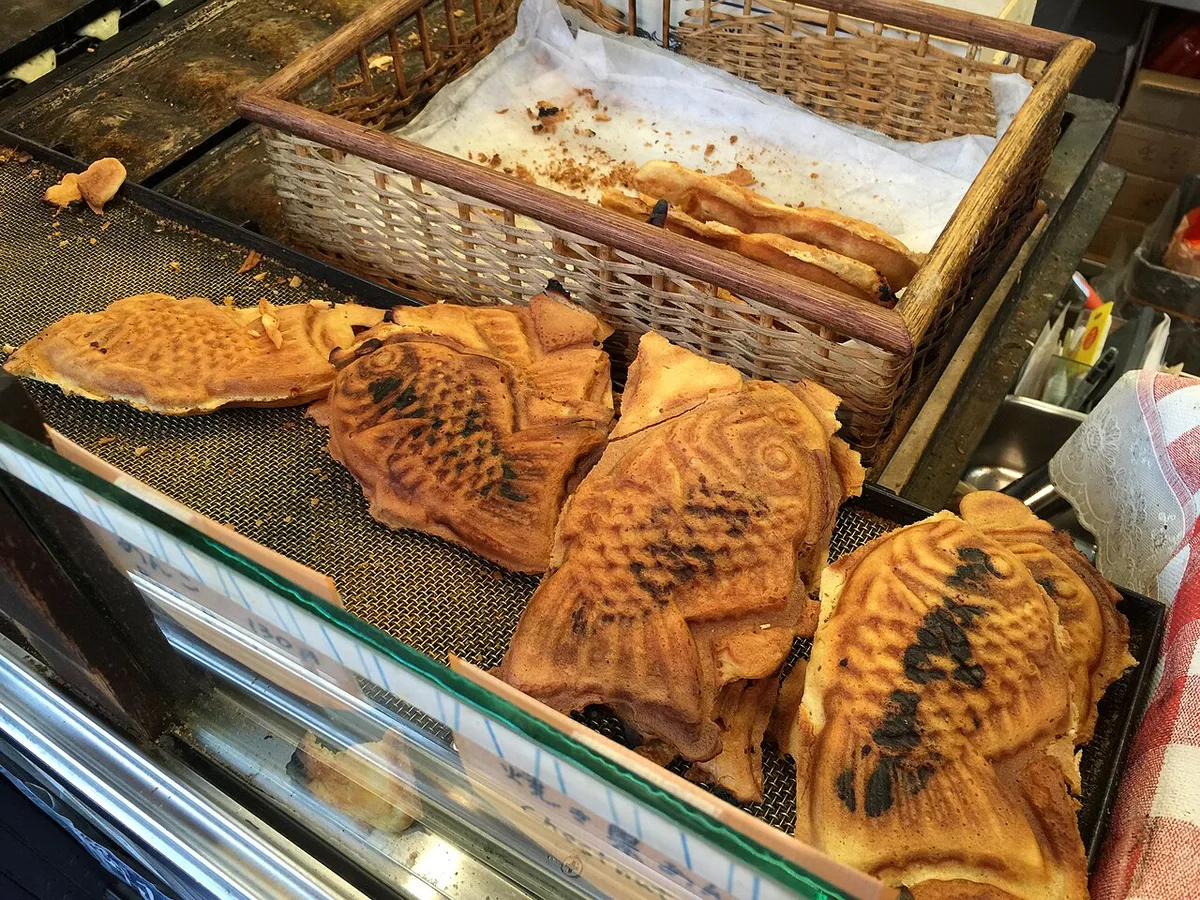
Matsumoto sanzoku yaki is a large, garlic-marinated fried chicken cutlet, and it functions as the city's signature soul food. Cooks marinate chicken thigh and breast in garlic, soy sauce, and ginger. Each piece is then coated in potato starch, known locally as katakuriko, before deep-frying at high heat. That starch coating is what sets the dish apart. It fries into a craggy, uneven crust with small ridges and blistered patches, rather than a smooth, even shell. Break through that crust and the meat stays visibly moist. Garlic carries through every bite, not just the surface. A single piece runs noticeably larger than a standard karaage nugget, closer in scale to a chicken cutlet than a bite-sized snack. At an izakaya, it typically arrives on one large shared plate rather than in individual portions.
- Marinade: garlic, soy sauce, and ginger, worked into chicken thigh and breast
- Coating: potato starch (katakuriko), not wheat flour or breadcrumb
- Texture: a craggy, blistered crust over visibly moist meat
- Size: closer to a cutlet than a bite-sized karaage piece
Sanzoku Yaki vs Karaage: What Sets It Apart
Karaage is Japan's everyday fried chicken. Pieces are usually bite-sized, coated in a light flour or starch dusting, then fried quickly. Sanzoku yaki scales that idea up in three ways. Portions run larger, often thick-cut rather than small nuggets. Its marinade leans harder on garlic, treating it as the dominant flavor rather than a background note. Potato starch also fries differently than typical karaage batter, producing a rockier, more uneven crust. Karaage typically appears as a side dish or bar snack, ordered on a small plate alongside drinks. Sanzoku yaki plays a bigger role on the table, often ordered as a shared main rather than a side. At Matsumoto Karaage Center, standard karaage sets run ¥759 to ¥1,089, while the sanzoku-yaki set costs more, at ¥1,309, reflecting the larger cut and longer marination. Order both dishes at the same meal, and size and crust alone usually settle which is which.
The Bandit Name, the Mascot, and Sanzoku Day
Sanzoku means bandit, and the name is usually the first thing visitors ask about. Local lore ties it to tori-ageru, a phrase that can mean either to fry chicken or to seize something by force. That wordplay, rather than any documented outlaw history, is the usual explanation. Visitors sometimes assume sanzoku refers to a real historical bandit gang tied to Matsumoto, but the connection is linguistic, not historical. This dish has built its own local identity around that legend. It has an official mascot, Sanzokun, that shows up on shop signage and packaging around Matsumoto. Sanzokun appears as a small bandit-themed character, often used on flags and stickers to flag participating restaurants at a glance. It also has an unofficial holiday: March 9, read in Japanese as a pun on sa-n-zo-ku. Look for the Sanzokun mascot or a sanzoku-yaki flag outside a restaurant. That signage is usually the fastest way to confirm the dish is on the menu.
Where to Eat Sanzoku Yaki in Matsumoto
Matsumoto Karaage Center is the most convenient starting point. It sits on the 4th floor of the Station Building, with direct access from JR Matsumoto Station, so it works for a fast lunch or a dinner before boarding a train. This chain runs seven locations centered on Matsumoto City. It has also picked up consecutive Gold Awards at the National Karaage Grand Prix, a nationwide competition among karaage shops. Downtown izakayas are the other main route. Many list sanzoku-yaki in a dedicated menu section, and some mark it with a flag or the Sanzokun mascot outside. Some menus abbreviate the name to simply sanzoku, so a shorter listing does not necessarily mean a different dish. Ask staff directly if a menu doesn't list it in English. For a more historical angle, some accounts trace the dish's roots to a restaurant called Sanzoku, generally placed in the Shiojiri area just outside central Matsumoto. Treat that stop as a longer side trip rather than a walkable one, and confirm current hours before heading out.
Matsumoto Karaage Center vs a Local Izakaya
Choosing between the two comes down to time and mood. Matsumoto Karaage Center runs on a quick-service model with standardized sets, which suits travelers working around a train schedule. Downtown izakayas trade speed for atmosphere instead. Sanzoku-yaki here often arrives as one large, shareable portion, alongside drinks and other small plates. Solo travelers pressed for time tend to prefer the station option. A group settling in for the evening usually gets more out of the izakaya route. Neither option is objectively better; the right pick depends entirely on the shape of the day around it. See the table below for a practical breakdown.
| Feature | Matsumoto Karaage Center | Local Izakaya |
|---|---|---|
| Vibe | Casual, fast-paced, solo-friendly | Lively and social, sometimes smoking-permitted |
| Best for | Lunch or a pre-train dinner | Evening drinks and local atmosphere |
| Portion size | Standardized sets | Often large, meant for sharing |
| Access | Direct connection to JR Matsumoto Station | Typically a 5-15 minute walk from the station |
Cost, Hours, and How to Order
As of 2026, the sanzoku-yaki set meal at Matsumoto Karaage Center is priced at ¥1,309, per the shop's current menu. Standard karaage sets cost less: three pieces run ¥759, five pieces run ¥979, and seven pieces run ¥1,089. Most sets include cabbage, a side dish, rice, and miso soup. Raw cabbage exists to cut through the oil and garlic, not as a garnish to leave untouched. Business hours at the Station Building location run 11:00am to 8:00pm daily. It does close on irregular holidays, so confirm current hours before a tight-connection visit. Across town, expect a similar ¥1,000 to ¥1,500 for a sanzoku-yaki set at a local izakaya. Evening izakaya visits often add a small otoshi, a table charge brought out automatically with the first drink. That charge is standard izakaya practice, not specific to sanzoku-yaki.
- 3-piece karaage set: ¥759
- 5-piece karaage set: ¥979
- 7-piece karaage set: ¥1,089
- Sanzoku-yaki set meal: ¥1,309
Pairing Sanzoku Yaki With the Rest of Matsumoto's Food Trail
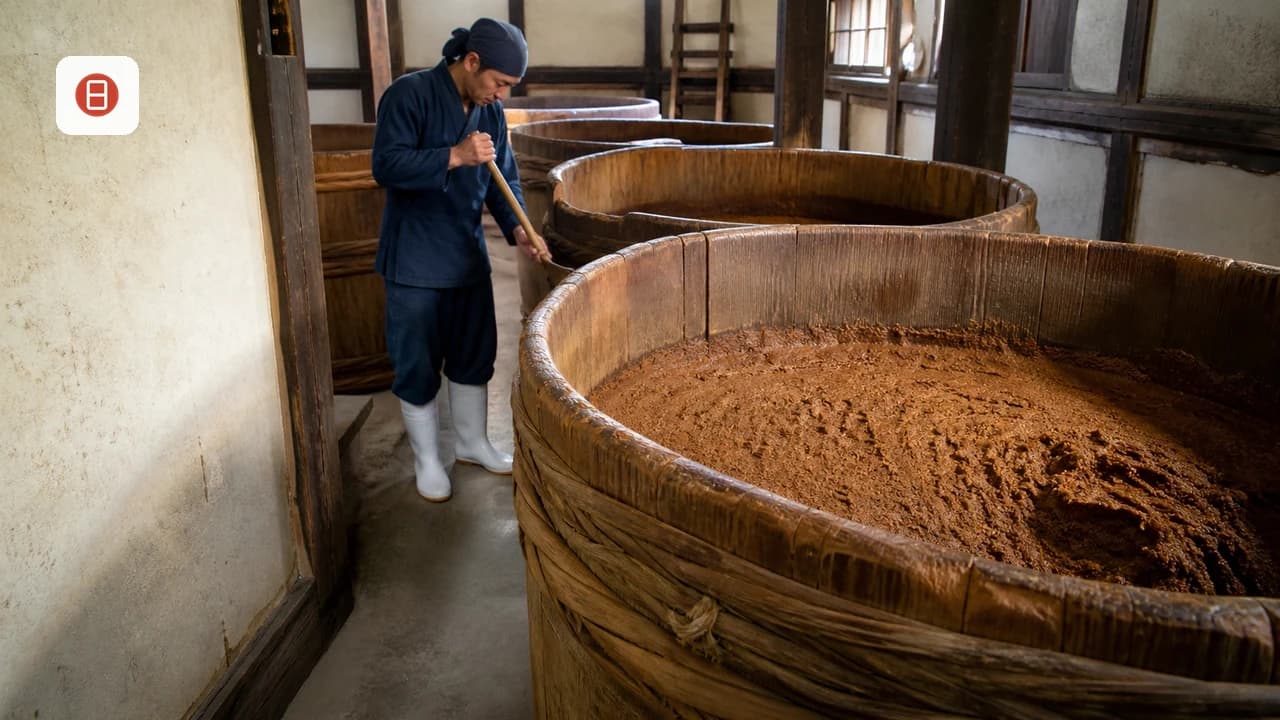
Sanzoku-yaki works best as one stop on a longer Matsumoto food day, not the only stop. Pair a lunch set with a visit to a local miso brewery tour, since both dishes share the same fermented, umami-forward base common to Nagano cooking. Soba is the city's other defining dish. A separate guide covers where to find Matsumoto's best soba, useful if noodles fit into the same day. For dinner options beyond sanzoku-yaki, a broader guide rounds up Matsumoto's top restaurant picks. After eating, close the day at Matsumoto's castle-town attractions. A stop at the city's cafes and sweet shops works just as well. A common route pairs a Karaage Center lunch with an afternoon brewery stop, then saves izakaya sanzoku-yaki for a slower dinner. That spacing avoids doubling up on the same dish twice in one day. A companion 8 Best Things to Eat in Matsumoto: Food Guide (2026) ties every dish, including this one, together in one place.
Common Mistakes to Avoid When Ordering Sanzoku Yaki
Missteps are easy to make on a first visit, and a few come up often. Portion size catches people off guard most often. At an izakaya, one order of sanzoku-yaki is frequently enough for two people to share. Ordering one per person can leave a table overloaded with food. A milder appetite might prefer splitting an order three ways instead, especially when ordering other dishes alongside it. Garlic is heavy by design, and it lingers afterward. Skip a large portion right before a business meeting or a quiet train ride. Its name causes its own confusion. Yaki usually signals a grilled dish in Japanese cooking, but sanzoku-yaki is always deep-fried, never grilled, despite the name. Skipping the cabbage side is a smaller but common mistake, since it exists to balance the oil and garlic rather than sit untouched on the plate.
At ¥1,309 per set, a single order represents a substantial meal; splitting between two diners keeps costs reasonable while avoiding the common over-ordering trap.
- Ordering one portion per person at an izakaya, when one order often serves two
- Eating a full garlic-heavy portion right before a meeting or a long train ride
- Assuming yaki means grilled; sanzoku-yaki is always deep-fried
- Leaving the cabbage side untouched instead of using it to cut the oil and garlic
Frequently Asked Questions
What does "sanzoku" mean, and why is this fried chicken called bandit chicken?
Sanzoku means bandit in Japanese. Local lore links it to tori-ageru, a phrase that can mean either to fry chicken or to seize something by force, the way a bandit would. This is wordplay rather than a reference to a real historical gang, and it has since become the basis for the dish's mascot, Sanzokun, and its unofficial holiday, March 9.
How is sanzoku yaki different from regular karaage?
Sanzoku yaki uses larger, thicker pieces of chicken than typical karaage. Its marinade relies more heavily on garlic, and the potato starch coating fries into a craggier, more uneven crust instead of a smooth shell. Menu prices often reflect that difference too, with sanzoku yaki typically listed higher than a standard karaage set. Size and crust are usually the fastest way to tell the two apart on a menu.
Where's the easiest place to try sanzoku yaki in Matsumoto?
Matsumoto Karaage Center, on the 4th floor of the Station Building with direct access from JR Matsumoto Station, is the most convenient option. It works well for a quick lunch or a dinner before catching a train, and the sanzoku-yaki set meal runs ¥1,309. Business hours run 11:00am to 8:00pm, though the shop can close on irregular holidays, so confirm current hours if timing is tight.
How much does a sanzoku-yaki set meal cost?
At Matsumoto Karaage Center, the sanzoku-yaki set costs ¥1,309, while standard karaage sets range from ¥759 to ¥1,089 depending on piece count. Local izakayas typically charge a similar ¥1,000 to ¥1,500 for a set, sometimes with a small otoshi table charge added in the evening. Treat these as a close estimate rather than a fixed quote, since prices can shift over time.
Is sanzoku yaki very garlicky?
Yes. Garlic is the dominant flavor here rather than a background note, and it lingers afterward. Plan around it if a business meeting or a quiet train ride follows the meal, since a full portion carries noticeable garlic breath. Ordering a smaller side dish alongside it can help balance the meal for a milder palate.
Can one order of sanzoku yaki be shared?
At most izakayas, yes. A single order is often large enough for two people, since portions run bigger than a typical individual dish. Splitting one order between two or three people is common practice rather than an exception. Ordering one per person can easily over-order a table's worth of food.
Free: The Matsumoto Essentials guide
Top things to do, where to stay, a perfect day plan, getting around, and the best time to go — a Matsumoto mini-guide you can take offline.
You might also like


Continue reading
More guides you'll find useful


