Matsumoto to Shirahone Onsen: Transport Guide & Travel Tips
How to reach Shirahone Onsen from Matsumoto: train to Shin-shimashima, Alpico bus, driving Route 158, costs, last-bus risks and day-use bath tips for 2026.
On this page
Last updated October 2026. Planning matsumoto to shirahone onsen means linking a 30-minute train ride with a roughly 70-minute mountain bus, so total travel runs about 2 to 2.5 hours each way. This guide covers the transfer at Shin-shimashima, driving and taxi options, day-use bath costs, and the mistakes that strand people in the Northern Alps.
Matsumoto to Shirahone Onsen at a Glance
Public transport is the best way to go if you do not drive. You ride the Kamikochi Line from Matsumoto to Shin-shimashima in about 30 minutes. Then you take an Alpico bus for about 70 minutes up to the springs. Plan on 2 to 2.5 hours in total once you count the transfer. A rental car or taxi is faster and more flexible, but it costs more and gets difficult in winter.
| Option | Typical duration | Cost | Best for |
|---|---|---|---|
| Train + Alpico bus | About 2–2.5 hours including transfer | Two separate fares; check current Alpico fares | Solo travelers and couples on a budget |
| Rental car via Route 158 | Shorter than the bus; confirm with your navigation app | Rental, fuel and tolls | Flexible day trips and combined Norikura stops |
| Taxi from Shin-shimashima | About 50 minutes | High; best split between a group | Groups that miss the bus |
The Public Transit Route Step by Step
Start at Matsumoto Station. Our Matsumoto Station Guide: Exits, Buses, Lockers and Connections explains the platforms and where to buy tickets. You need the Matsumoto Dentetsu Kamikochi Line, which is a private railway rather than a JR line. Ride it to Shin-shimashima Station, about 30 minutes away. Shin-shimashima is the critical transfer point. Buses to the mountains leave from here.
- Step 1: Board the Kamikochi Line at Matsumoto and ride about 30 minutes to Shin-shimashima.
- Step 2: Cross to the Alpico Highland bus stop and board the bus toward Norikura and Shirahone.
- Step 3: Ride about 70 minutes up the valley to Shirahone Onsen.
- Step 4: An extra change at Norikura Kogen may be needed on some timetables, so verify your exact run in advance.
The Last Bus Warning at Shin-shimashima
Bus service to Shirahone is very infrequent, and this is the number one reason travelers get stranded. A missed connection at Shin-shimashima can leave you waiting for hours. We cannot confirm a specific last-departure time for 2026, because timetables change by season. Check the current Alpico Highland timetable before you leave Matsumoto. Then write down the last bus down from the onsen and treat it as a hard deadline. Build in a buffer of at least 30 minutes before that bus. If you miss it, a taxi from Shin-shimashima takes about 50 minutes, so the same logic applies in reverse. Settle your return plan before you take off your shoes at the bath.
Driving from Matsumoto via Route 158
A rental car makes the trip much easier, and forum advice from experienced drivers backs that up. Route 158 is the main road west from Matsumoto toward the mountains. Expect a curvy, narrow road with some tight passages. Experienced drivers find it manageable in summer. Beginners may find it stressful. Confirm parking with your chosen bath or ryokan before you arrive. Fill the tank in Matsumoto, because the mountain stretches are long.
- Winter rule: carry tire chains from November to March, as inns in the wider Hida region advise.
- Roads freeze in winter, so skip the drive if you have never driven on ice.
- Snow and low visibility can arrive fast on narrow mountain passes.
- Check road closure notices on the day, especially in late autumn and early spring.
Taxi as a Backup Plan
A taxi is the highest-cost, highest-convenience choice. Competitor guides list about 50 minutes by taxi from Shin-shimashima, against 70 minutes by bus. Split between three or four people, it can make sense if the bus is full or gone. Fares are not published in our sources, so ask the company for an estimate before you get in. Hotels and ryokans can usually book a pickup if you ask ahead.
Why Shirahone Onsen Is Called the White Bone Springs
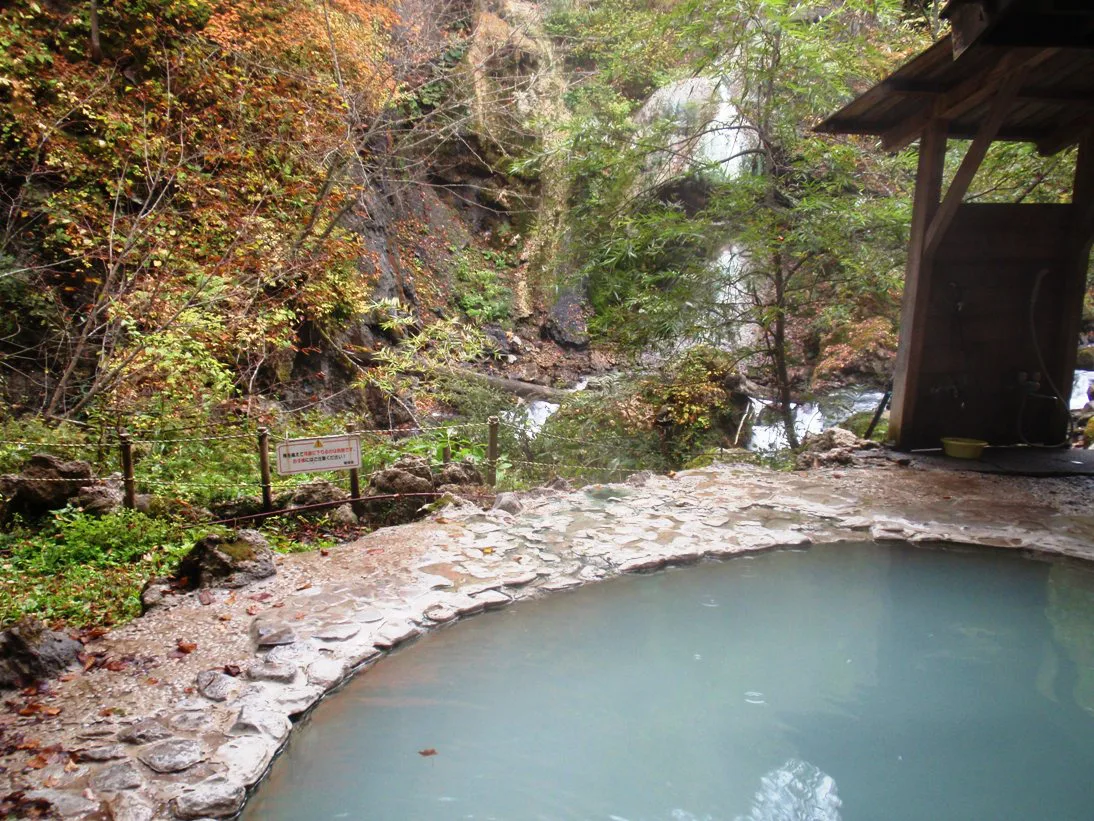
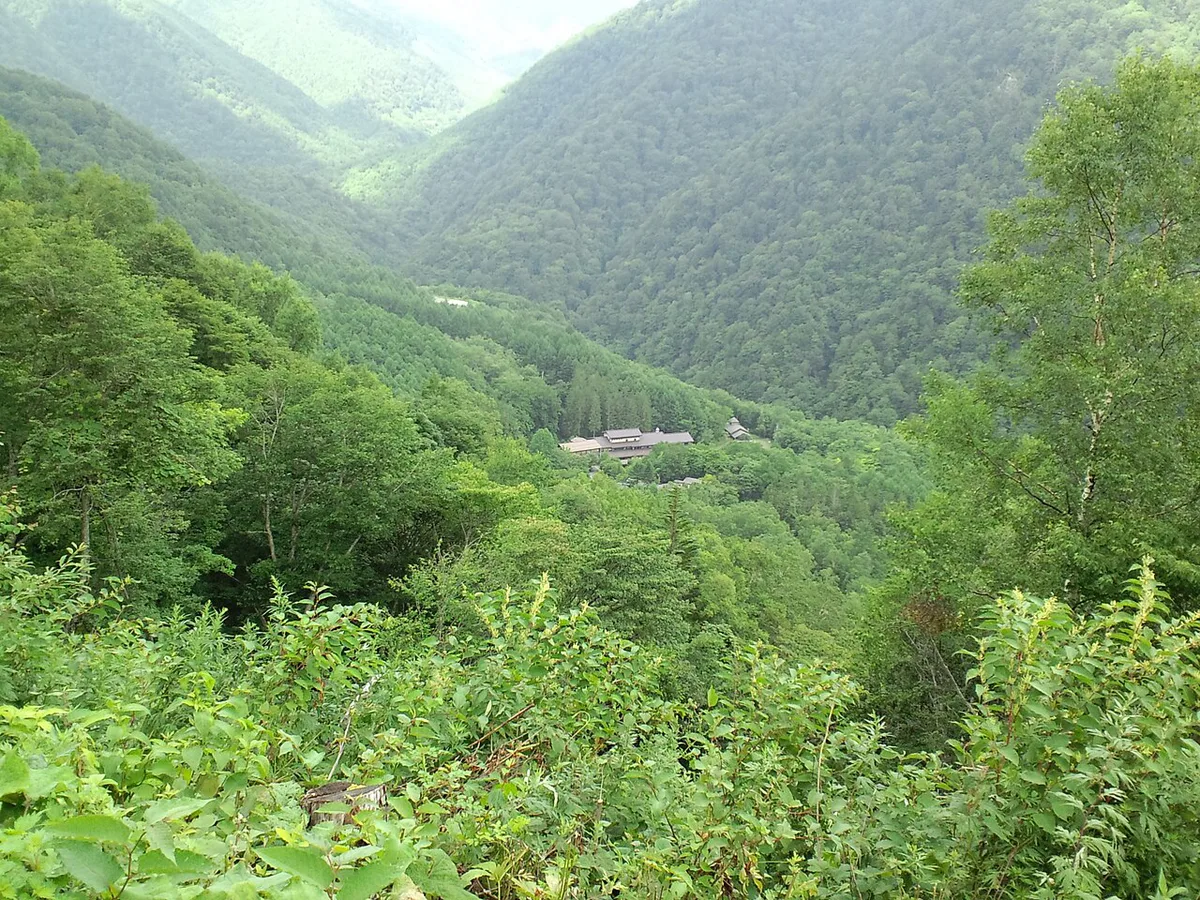
The spring source sits on the eastern flank of Mount Norikura in the Northern Alps. The water is milky white and sulfurous, and it contains carbon dioxide gas. Awanoyu describes that mix as an unusual combination. One local saying goes, "soak for three days and you will not catch a cold for three years." Records do not say exactly when the spring was found. Legend dates it to the Kamakura period (1185–1333). Another tradition says injured samurai under Takeda Shingen were healed here. Locals treated it as a healing bath rather than a leisure resort. The Shirahone Onsen visitor information site is the best place to check current local details.
Best Baths for Day-Use and Overnight Stays
The Shirahone Onsen Public Open-Air Bath is the budget pick. A visitor account from October 2022 lists adult entry at ¥520 and a towel at ¥200. Confirm both prices before you go, since they may have changed. Awanoyu, built in 1912, accepts both daytime visitors and hotel guests. It has indoor and outdoor baths filled with sulfur water containing carbon dioxide. Sirafuneso Shintaku Ryokan has eight indoor and outdoor baths and serves dishes made with mountain vegetables. Day-use hours at ryokans are often short, typically around 10:00 to 14:00. Call ahead, because hours vary by facility.
Arriving around midday after an 8:00 departure leaves little margin for a ryokan's 10:00 to 14:00 day-use window.
- Public open-air bath: ¥520 adults, ¥200 towel (2022 visitor figure).
- Awanoyu: day visitors and guests; built 1912.
- Sirafuneso Shintaku Ryokan: eight baths, mountain vegetable dinners.
- Typical ryokan day-use window: 10:00–14:00; confirm with each facility.
Day Trip or Overnight: Which Costs Less?
A day trip with the ¥520 public bath is the cheapest way to try the water. You pay for the train, the bus and the bath, then you are back in Matsumoto by evening. A ryokan stay can run to about ¥30,000 per person, according to our planning notes. For that you get dinner, breakfast, private time in the bath and no last-bus pressure. Awanoyu serves a kaiseki meal and a rice porridge breakfast made with spring water. An overnight stay also lets you soak more than once, which suits the three-day healing legend. If you only want to try the water, go for the day trip. If the bus timetable makes your day too tight, stay one night.
The Day-Trip Itinerary from Matsumoto
Leave Matsumoto around 8:00 to give yourself margin. You reach Shin-shimashima after roughly 30 minutes. A bus of about 70 minutes puts you at the springs around midday if the connection is tight. Eat lunch, soak, and leave in time for the afternoon bus down. Expect to be back near 17:00 if everything runs smoothly. Verify the afternoon bus before you sit down for lunch. Before you leave town, 15 Best Matsumoto Attractions (2026 Guide) give you ideas for the morning or the evening you return.
- 8:00 — Depart Matsumoto Station on the Kamikochi Line.
- About 8:30 — Arrive at Shin-shimashima and transfer to the Alpico bus.
- Around midday — Arrive at Shirahone Onsen and bathe within day-use hours.
- Afternoon — Catch the verified bus down and aim to be back by about 17:00.
Combining Shirahone with Kamikochi or Norikura
Kamikochi sits about 60 minutes by bus from Shin-shimashima Station. That makes a morning there plausible before you head to the springs, though the schedule is tight. Norikura Kogen lies on the same mountain road and is a natural stop for hikers. One visitor in October 2022 walked about two hours in autumn color before reaching the baths. Mountain weather can change quickly. Rain can force a switch from summits to springs, which is a good fallback. If you prefer a lower-altitude outing, our Azumino day trip is a gentler alternative.
Kamikochi sits about 60 minutes by bus from Shin-shimashima Station, so a morning there adds a second long bus leg before the springs.
Seasons: Autumn Leaves or Snowy Baths
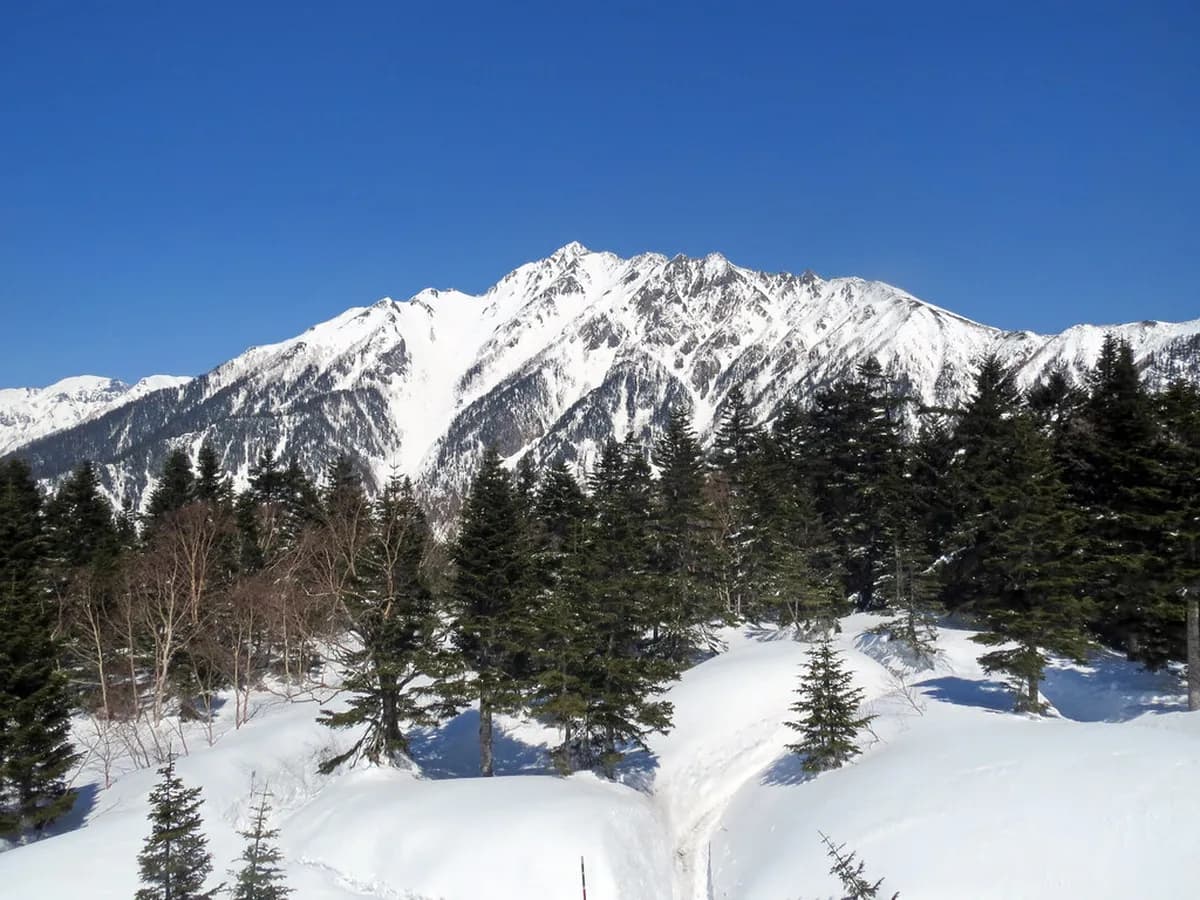
October brings red leaves around the highlands. Winter turns the area into a snow-covered soaking spot, but the roads get difficult. Spring and summer are cooler than the city, so pack a layer in every season. Water temperature at the springs is reported at about 42°C in one travel listing. Temperatures drop noticeably as you climb out of Matsumoto. Expect colder air at the baths than at your hotel in town. If you are staying in the city, our Matsumoto hotel guide helps you choose a base. Families can check family-friendly Matsumoto hotels.
Costs, Tickets and Passes
Your costs fall into three parts: the Kamikochi Line fare, the Alpico bus fare and the bath. Fares are not in our sources, so check the operators for current prices. The bath is ¥520 plus ¥200 for a towel at the public open-air bath. A ryokan stay is the big-ticket item at about ¥30,000. A 5-day JR East Pass (Nagano, Niigata area) covers JR lines, including the ride to JR Matsumoto Station from Tokyo. The Kamikochi Line is a private railway, so you will likely need a separate ticket. Confirm coverage with the pass seller before you buy. For the city end of the trip, the Matsumoto visitor information site lists current transport details.
Common Mistakes to Avoid
Most problems come from the same three misjudgments. Treat each one as a planning check before you leave.
- Assuming frequent buses. Service is infrequent, so verify the return run first.
- Arriving too late for ryokan day-use. Many facilities close baths to visitors in the afternoon.
- Underdressing. The highlands are colder than Matsumoto, even when the city feels mild.
- Driving in winter without chains. From November to March, carry them and avoid icy roads if you lack experience.
- Skipping a Plan B. Know the taxi option from Shin-shimashima before the last bus goes.
Frequently Asked Questions
How long does it take to get from Matsumoto to Shirahone Onsen?
Plan on 2 to 2.5 hours each way by public transport. That includes about 30 minutes on the Kamikochi Line and about 70 minutes on the Alpico bus. Add buffer time for the transfer at Shin-shimashima.
Can I visit Shirahone Onsen as a day trip from Matsumoto?
Yes, a day trip works if you leave around 8:00 and verify the return bus. Expect to be back in Matsumoto near 17:00. Check the current Alpico timetable, because buses are infrequent.
How much does a day-use bath cost?
The Shirahone Onsen Public Open-Air Bath listed adult entry at ¥520 and a towel at ¥200 in an October 2022 visitor account. Confirm the current price locally. Ryokan day-use prices vary by facility.
Is it safe to drive to Shirahone Onsen in winter?
Experienced winter drivers can manage it, but the road is curvy and narrow in places. Carry tire chains from November to March. Skip the drive if you have never driven on ice.
Is a stay at a ryokan worth it compared with a day trip?
A ryokan stay can cost about ¥30,000 per person, so it is a big step up from a ¥520 bath. You gain dinner, breakfast and relaxed soaking without the last-bus deadline. Choose it if the bus timetable makes your day too tight.
Free: The Matsumoto Essentials guide
Top things to do, where to stay, a perfect day plan, getting around, and the best time to go — a Matsumoto mini-guide you can take offline.
You might also like


Continue reading
More guides you'll find useful