
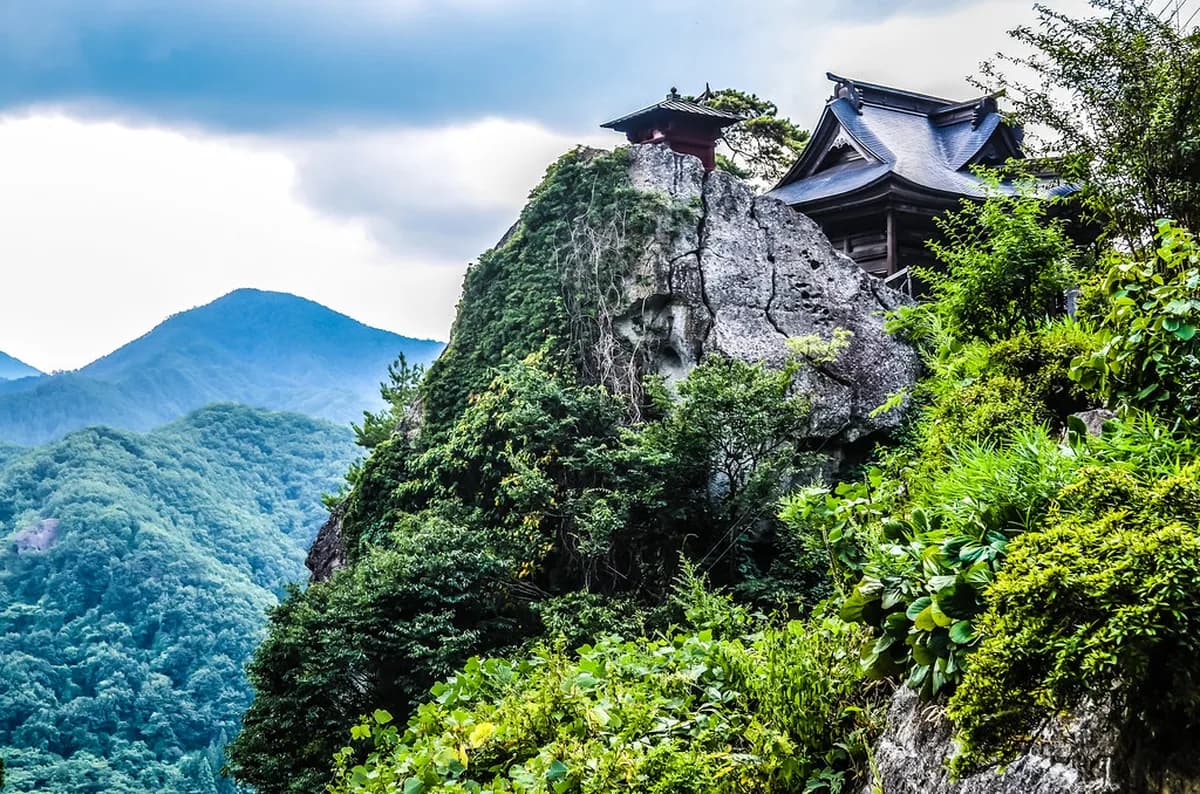
Kaisando Hall offers a peaceful retreat within the expansive Tofuku-ji Temple grounds. This revered structure is a key part of any comprehensive Yamadera visit. It honors the temple's founder and provides a glimpse into Zen history. Planning your visit to this historic site ensures a rich cultural experience.
Introduction to Kaisando Hall and Tofuku-ji Temple
Kaisando Hall offers a peaceful retreat within the expansive Tofuku-ji Temple grounds. This revered structure is a key part of any comprehensive Yamadera visit. It honors the temple's founder and provides a glimpse into Zen history. Planning your visit to this historic site ensures a rich cultural experience.
The Historical Significance of Kaisando Hall
Kaisando Hall stands as a testament to the rich history of Tofuku-ji Temple. Regent Kujo Michiie established this Zen temple complex, one of the oldest and largest examples in Japan. The hall specifically commemorates the temple's revered founder, Shoichi Kokushi. Its presence underscores the spiritual heritage of the Kyoto Gozan system.
This area reflects centuries of Buddhist practice and architectural evolution. Visitors can feel the deep respect for tradition embedded in its design. The hall serves as a tangible link to the past, inviting contemplation. It highlights the enduring influence of Zen Buddhism in Japan.
Exploring the Kaisando Garden: Design and Highlights
The Kaisando Garden offers a tranquil and artfully designed space for quiet reflection. This garden showcases meticulous landscaping, typical of Japanese Zen aesthetics. It provides a serene contrast to the grand temple structures. Visitors often find deep peace within its carefully arranged elements.
Seasonal changes transform the garden into a dynamic display of natural beauty. Autumn brings vibrant reds and golds to the maple trees, creating stunning photo opportunities. Spring ushers in fresh greens and subtle blossoms, offering a different charm. Even in winter, the garden maintains a stark, elegant beauty.
Look for specific elements like moss arrangements and carefully placed rocks. These details carry symbolic meaning within Zen garden design. The garden is open to the public, offering a chance to view these intricate designs. You might even spot beautiful chrysanthemum bonsai during certain times of the year.
To capture the best photos, visit early in the morning for soft light and fewer crowds. Consider different angles to highlight the garden's depth and textures. The interplay of light and shadow can create dramatic effects. Remember to respect the peaceful atmosphere while taking pictures.
Key Features and Architecture of Kaisando Hall
Kaisando Hall exemplifies medieval Zen architecture with its distinct structural characteristics. The building’s design reflects a blend of practicality and spiritual symbolism. Its elegant lines and sturdy construction showcase traditional Japanese craftsmanship. This hall provides a valuable insight into the era's building techniques.
Notice the intricate woodwork and the careful placement of windows and doors. These features contribute to the hall's harmonious aesthetic. The interior houses important statues and altars dedicated to its founders. Visitors can observe these details up close, appreciating their historical significance.
The surrounding pathways and minor structures also contribute to the overall experience. Each element plays a role in the temple's narrative. This careful planning creates a sense of flow and purpose. Exploring these details enhances understanding of the entire complex.
Visiting Tofuku-ji Temple: Beyond Kaisando Hall
Tofuku-ji Temple is much larger than just Kaisando Hall, offering many other impressive sights. A recommended flow begins with the main gate and progresses through the sprawling grounds. You can easily spend several hours exploring the entire complex. Consider a Yamadera day trip to fully experience its beauty.
Don't miss the iconic Tsutenkyo Bridge, especially famous for its autumn foliage. This bridge spans a picturesque valley, offering breathtaking views. The Sanmon Gate, a designated National Treasure, is another architectural marvel. It stands as one of Japan's oldest and largest Zen temple gates.
The Hojo Garden, with its distinct dry landscape design, provides another serene space. Many smaller sub-temples dot the landscape, each with unique features. Allow ample time to wander and discover these hidden gems. Each corner of Tofuku-ji offers a new perspective on Zen artistry.
A visit to Tofuku-ji provides a comprehensive look at a major Zen temple. You can easily combine it with a Godaido Hall visit to enrich your cultural experience. Plan to allocate at least two to three hours for a thorough exploration. This ensures you can enjoy the temple's diverse offerings without rushing.
Practical Visitor Information: Hours, Fees, and Access
Understanding the practicalities helps ensure a smooth visit to Kaisando Hall and Tofuku-ji Temple. The temple complex generally opens from 9 AM to 4 PM, with gates closing at 4:30 PM. It is always wise to verify these times on the official Tofukuji.jp website before your visit. Seasonal adjustments can occur, especially during holidays.
Access to the main temple grounds is typically free, allowing visitors to walk through many areas. However, certain special gardens or halls, including the Tsutenkyo Bridge and the Hojo Garden, may require an admission fee. These fees usually range from 400 to 600 yen per area. Kaisando Hall itself is often viewable from the outside without a separate charge.
Restrooms are available within the temple grounds, usually near the main entrance or larger complexes. Look for clear signage to locate these facilities easily. Some small shops and vending machines can also be found. These amenities contribute to a comfortable and convenient visit.
For specific information on viewing the gardens or any special exhibitions, consult the information desk upon arrival. They can provide a guide map and current details on access. This ensures you make the most of your time exploring the temple's many facets.
How to Get to Kaisando Hall (Tofuku-ji Temple)
Reaching Tofuku-ji Temple, and subsequently Kaisando Hall, is straightforward using Kyoto's efficient public transport system. The temple is conveniently located within walking distance of Tofukuji Station. This makes it an accessible destination for many travelers.
From Kyoto Station, take the JR Nara Line one stop to Tofukuji Station. The journey takes only about two minutes. Alternatively, you can take the Keihan Main Line to Tofukuji Station. Both options offer quick transportation tips for Japan visitors.
Once you arrive at Tofukuji Station, the temple's main entrance is approximately a 10 to 15-minute walk. Follow the clear signs pointing towards the temple complex. The walk itself is pleasant and often provides initial views of the temple's grandeur. You might also pass some local shops.
For those traveling from other parts of Kyoto, various bus routes also serve the Tofuku-ji area. Check local bus maps or use navigation apps for the most current routes. Public transport is generally reliable and efficient for getting around Kyoto. This ensures a hassle-free journey to the temple.
The Founder, Shoichi Kokushi: A Legacy of Zen
Shoichi Kokushi, also known as Enni Ben'en, was the esteemed founder of Tofuku-ji Temple. He played a pivotal role in establishing one of Japan's most significant Zen complexes. His teachings and vision shaped the temple's spiritual foundation. Kaisando Hall serves as a memorial to his profound legacy.
He traveled to China to study Zen Buddhism, bringing back valuable knowledge and practices. Upon his return, he founded Tofuku-ji Temple in 1236, under the patronage of Regent Kujo Michiie. His efforts helped solidify Zen's place in Japanese religious life. This made him a highly influential figure.
Shoichi Kokushi's influence extended beyond Tofuku-ji, impacting the broader Zen community. He is revered for his contributions to monastic discipline and the arts. His teachings continue to inspire practitioners today. His legacy remains central to the temple's identity and purpose.
Tips for a Memorable Visit to Kaisando Hall
To make your visit to Kaisando Hall truly memorable, consider a few key tips. Aim to arrive early in the morning, especially during peak seasons, to avoid crowds. This allows for a more peaceful and contemplative experience. The quiet atmosphere enhances the spiritual ambiance.
Remember to observe temple etiquette, such as removing shoes when entering certain indoor areas. Speak softly and be respectful of the sacred spaces. Photography is generally permitted in outdoor areas but may be restricted inside halls; look for signs. These small considerations show respect for local customs.
For visitors with mobility challenges, note that some paths involve stairs and uneven surfaces. While the main routes are generally accessible, certain areas might be more difficult. Plan your route accordingly and inquire about alternative paths if needed. The temple staff can often provide guidance.
Families with children can still enjoy the visit by focusing on the outdoor spaces and gardens. Encourage children to appreciate the natural beauty and historical architecture. Pack snacks and drinks, as food options within the temple are limited. A visit to Konponchudo Hall also offers a good family experience. Consider bringing a lightweight stroller for younger children, though some areas may require carrying.
Combine your visit to Kaisando Hall with other nearby Tofuku-ji attractions for a full day. Allow about 30-45 minutes specifically for Kaisando and its garden. Then, dedicate another 1-2 hours for the Tsutenkyo Bridge and other major halls. This pacing ensures you experience the temple's diversity without feeling rushed.
Frequently Asked Questions
What is the history of Kaisando Hall?
Kaisando Hall is a memorial hall within Tofuku-ji Temple dedicated to its founder, Shoichi Kokushi. It symbolizes the temple's deep historical roots and its significance within the Kyoto Gozan Zen temple system. The hall reflects centuries of Zen Buddhist tradition.
What are the opening hours for Kaisando Hall?
The Tofuku-ji Temple complex, which includes Kaisando Hall, is generally open from 9 AM to 4 PM, with gates closing at 4:30 PM. It is advisable to check the official Tofukuji.jp website for any seasonal changes or specific closures. Some areas might have different access times.
Are there admission fees for Kaisando Hall or its gardens?
Access to the main Tofuku-ji Temple grounds is usually free. However, specific areas like the Tsutenkyo Bridge and Hojo Garden often require an admission fee, typically between 400-600 yen. Kaisando Hall itself is often viewable without a separate fee. Confirm details upon arrival.
How do I get to Tofuku-ji Temple from Kyoto Station?
From Kyoto Station, take the JR Nara Line one stop to Tofukuji Station, a journey of about two minutes. The temple's main entrance is then a 10 to 15-minute walk from Tofukuji Station. This route is quick and convenient for most visitors.
Is Tofukuji temple worth visiting?
Yes, Tofuku-ji Temple is highly worth visiting for its stunning autumn foliage, impressive Zen architecture, and beautiful gardens. It offers a comprehensive cultural experience beyond just Kaisando Hall. Many visitors find it a highlight of their Kyoto trip due to its historical and aesthetic value.
Kaisando Hall offers a profound and beautiful experience within the historic Tofuku-ji Temple complex. This guide provides essential information for a rewarding visit. From its serene gardens to its rich history, the hall invites contemplation. You can easily plan your journey with these practical tips.
Exploring Kaisando Hall allows you to connect with centuries of Zen tradition. Remember to respect the sacred atmosphere and embrace the tranquility. This site is a true gem in Kyoto's cultural landscape. Make the most of your time at this exceptional destination.
We hope this detailed visitor guide helps you navigate and appreciate every aspect of Kaisando Hall. Your journey through Tofuku-ji Temple will undoubtedly be enriching. Enjoy discovering this significant piece of Japanese heritage. It promises a memorable experience.


