Tokyo Weather By Month 2026: Climate, Planning & When to Go
See exact monthly temps, rainfall, and cherry blossom timing for Tokyo — plus which months to avoid (June rains, August heat) and what to pack.
On this page
Tokyo rewards visitors in every season, but choosing the wrong month can mean sweltering humidity, typhoon delays, or sold-out hotels. This guide breaks down exactly what to expect each month in 2026 — temperatures, rainfall, festivals, and packing essentials — so you can match your trip to your priorities.
I visited Tokyo in late October 2024 and was struck by how different the city felt compared to a summer trip three years earlier. The crisp autumn air made all-day walking easy, whereas August had required constant shade-hunting and electrolyte drinks. That contrast is real, and the data below reflects it.
All temperature and rainfall figures are based on historical averages from the Japan Meteorological Agency, adjusted for the city's ongoing urban heat island trend.
Tokyo Weather at a Glance
- Warmest month: August (avg high 31°C)
- Coldest month: January (avg low 1°C)
- Wettest month: September (210 mm)
- Best month: October (warm days, cool nights, sunny, post-typhoon)
Tokyo Climate Overview: What to Expect in 2026
Tokyo sits in a humid subtropical climate zone, which means four genuinely distinct seasons. Winters are cold and very dry. Summers are hot, humid, and prolonged. Spring and autumn are brief, mild, and intensely popular with tourists — which is exactly why they book out early.
The city also experiences a well-documented urban heat island effect. Downtown districts like Shinjuku and Shibuya can run 2–3°C warmer than the western Tama area on the same day. This gap widens on still summer nights, when the city center rarely drops below 25°C while Hachioji (Tama region) may fall to 22°C. Check out the Best Time To Visit Tokyo Month By Month 2026 guide for a broader comparison with other Japanese cities.
Rainfall is spread fairly evenly across the year but spikes during Tsuyu (the rainy season, typically early June to mid-July) and again during typhoon season in September and October. The Pacific side of Honshu, which includes Tokyo, takes the brunt of most typhoon tracks. In an average year, one or two typhoons bring meaningful disruption to the Kanto region between late August and mid-October.
Best Time to Visit Tokyo for Every Traveler
The best overall windows are late April to early May (post-cherry blossom, pre-rainy season) and October to mid-November (post-typhoon season, autumn foliage). Both offer comfortable temperatures, manageable crowds outside of Golden Week, and reliable sunshine.
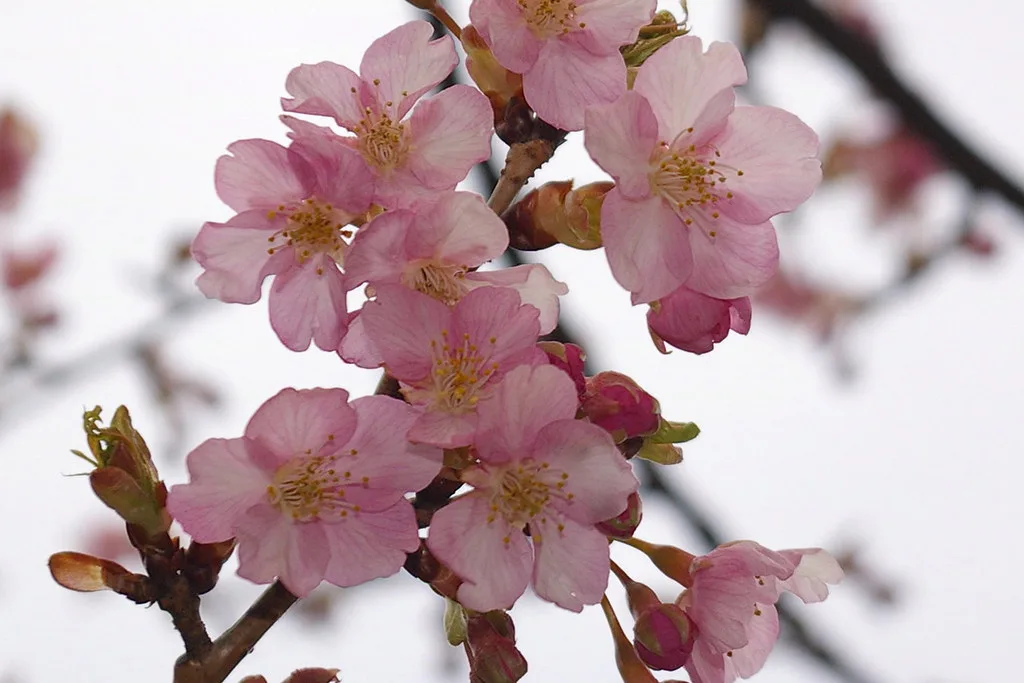
If you want cherry blossoms, target late March to the first week of April. The 2026 forecast from the Japan Meteorological Corporation puts full bloom in central Tokyo around 25–28 March, roughly on the long-term average. Book accommodation six months out — this window sells faster than any other period.
Budget travelers get the best value in January and February, when hotels drop significantly and crowds are thin. Solo travelers who dislike packed attractions often prefer September — the heat eases, prices stay mid-range, and most foreign tourists have left. Families with school-age children are often locked into July or August; if that applies to you, the heat index section below is essential reading.
Monthly Breakdown: Temperature and Rainfall Data
The table below uses Tokyo Meteorological Observatory averages. Rainfall days indicates days with measurable precipitation, not continuous rain — June and July rain tends to come in afternoon showers rather than all-day downpours.
| Month | Avg High °C | Avg Low °C | Rainfall (mm) | Rain Days |
|---|---|---|---|---|
| January | 9 | 1 | 52 | 6 |
| February | 10 | 2 | 56 | 7 |
| March | 13 | 4 | 117 | 11 |
| April | 19 | 9 | 125 | 12 |
| May | 23 | 14 | 138 | 11 |
| June | 25 | 18 | 168 | 14 |
| July | 29 | 22 | 154 | 13 |
| August | 31 | 23 | 168 | 12 |
| September | 27 | 20 | 210 | 13 |
| October | 22 | 14 | 198 | 12 |
| November | 16 | 8 | 93 | 8 |
| December | 12 | 3 | 40 | 5 |
September records the highest single-month rainfall total, driven by typhoon activity. December is the driest month and also offers the clearest skies for viewing Mount Fuji from observation decks. March appears wetter than many visitors expect — pack a compact umbrella even for the cherry blossom season.
Tokyo Weather in Winter (December – February)
Winter in Tokyo is cold and very dry. Average daytime highs sit between 9–12°C, while nights regularly dip to 1–3°C. Snow falls once or twice most winters in the city center but rarely accumulates for more than a day. The Tama area to the west — Hachioji, Tachikawa — gets measurably more snow than central Tokyo and the Wangan (Tokyo Bay) waterfront, which stays slightly milder thanks to the sea.
December (avg high 12°C / low 3°C) sees the city lit up with illuminations through Roppongi Hills, Shiodome, and Shinjuku Station's south exit. Most temples and gardens stay open; Mt. Fuji views from Skytree or Shinjuku's skyscraper observatories are at their sharpest in the dry winter air. Most businesses close from 29 December to 3 January for the shogatsu (New Year) holiday — plan around this if you need shops or offices.
January (avg high 9°C / low 1°C) is the coldest month. The city is quiet and tourist areas feel spacious, but shrines and temples are packed on 1–3 January for Hatsumode, the first shrine visit of the year. February (avg high 10°C / low 2°C) is still cold but brings early plum blossoms to parks like Yushima Tenmangu from mid-month. Pack thermal base layers — Uniqlo Heattech is widely available at stores throughout the city. You should also explore 25 Top Tokyo Attractions like the Tokyo Skytree, which offers the clearest winter visibility of the year.
Tokyo Weather in Spring (March – May)
March (avg high 13°C / low 4°C) starts cool and variable. Plum blossoms peak in mid-March at Koishikawa Koraku-en and Yushima Tenmangu. Cherry blossoms typically open in central Tokyo around 20–25 March, with full bloom arriving by late March in 2026 per the Japan Meteorological Corporation's long-range estimate. The last week of March turns crowded rapidly — book well in advance.
April (avg high 19°C / low 9°C) is peak tourism season. Cherry blossoms at Ueno, Yoyogi, and Shinjuku Gyoen typically hold through the first week and fall by 10–15 April. The 11 Best Spots and Timing Tips for Tokyo Cherry Blossoms 2026 has current-year forecasts and the top viewing spots. Golden Week (29 April – 5 May) follows immediately: transport and hotels fill completely, and prices spike. If cost matters, avoid this window.
May (avg high 23°C / low 14°C) is many experienced Tokyo visitors' favorite month. The heat has not yet arrived, gardens are lush, and crowds thin out after Golden Week. Evenings can still be cool enough to warrant a light layer. The third weekend in May brings the Sanja Matsuri to Asakusa — one of Tokyo's largest and most energetic festivals, with portable shrine processions filling the streets around Senso-ji for three days.
Tokyo Weather in Summer (June – August)
June (avg high 25°C / low 18°C) starts warm and pleasant before Tsuyu sets in around the second week. The rainy season does not mean continuous rain — expect grey skies and afternoon showers, not all-day downpours. Hydrangeas reach their peak at Meiji Jingu Gaien and Hakusan Shrine. Crowds are low relative to spring and autumn.

July (avg high 29°C / low 22°C) is hot, humid, and festival-heavy. Tsuyu typically ends by late July, after which the heat intensifies. The Sumida River Fireworks Festival on the last Saturday of July is the city's most-attended single event — arrive at least two hours early for a decent vantage point along the river in Asakusa. The Mitama Matsuri at Yasukuni Shrine (13–16 July) is quieter but visually striking, with thousands of lanterns lit each evening.
August (avg high 31°C / low 23°C) is the peak of summer. Humidity regularly pushes the apparent temperature — the "feels like" reading — to 36–39°C during afternoon hours in downtown Tokyo. Indoor attractions such as teamLab Planets in Toyosu and the Mori Art Museum in Roppongi are well air-conditioned and give you a meaningful break from the heat. The Obon holiday in mid-August empties central Tokyo of some domestic residents, which can paradoxically make sightseeing easier even as shinkansen routes fill with families traveling home. The Tokyo Events 2025 calendar is densest in August, with neighborhood summer festivals (bon odori) running most weekends.
Tokyo Heat Index and Micro-Climate Realities
The thermometer number understates summer discomfort in Tokyo. When humidity sits at 75–85% — typical for July and August — a 31°C air temperature produces a RealFeel of 37–39°C. That is the threshold where heat-related illness becomes a real risk for visitors unaccustomed to the climate. The Japan Meteorological Agency issues daily heat stroke alerts; check the NHK World app each morning during summer months.
| Month | Avg High °C | Avg Humidity % | Approx RealFeel °C |
|---|---|---|---|
| June | 25 | 72 | 28 |
| July | 29 | 78 | 34 |
| August | 31 | 80 | 37–39 |
There is also a meaningful micro-climate difference within the city. The Tokyo Bay waterfront — Odaiba, Shinonome, and the Wangan area — benefits from consistent sea breezes that can cut the apparent temperature by 2–3°C compared with inland Shinjuku on the same afternoon. Conversely, Western Tokyo (the Tama area: Hachioji, Machida, Okutama) often records lower summer highs than the city center but gets more snowfall in winter, sometimes 10–15 cm while Shibuya has nothing. If you are staying near the bay for summer, the outdoor waterfront is more tolerable at midday than you might expect. If you plan to hike in the Okutama area in February, check local snowfall reports before you go.
Tokyo Weather in Autumn (September – November)
September (avg high 27°C / low 20°C) carries residual summer heat and the highest typhoon risk of the year. Storms typically form in the Philippine Sea and track northward; the Kanto region averages one significant typhoon impact every two to three years in September, with shorter-notice transport disruptions possible from weaker systems. Keep an eye on the Japan Meteorological Agency's five-day outlook and build flexibility into your Tokyo Itinerary: The Ultimate 5-Day Guide for 2026 — use Japan's weather forecast to monitor conditions daily, as rail and bus services usually resume within 12–24 hours after a storm passes. September is otherwise excellent value: hotel rates drop, tourist areas thin out, and the heat becomes manageable by the third week.
October (avg high 22°C / low 14°C) is arguably the most comfortable month in Tokyo. Days are warm and sunny, evenings are pleasant, and the tail risk of typhoons fades sharply after the first week. Autumn leaf color begins at the end of October in the city's parks and temple gardens. The Tokyo Game Show at Makuhari Messe in mid-October draws large crowds to the Chiba area but rarely affects central Tokyo accommodation.
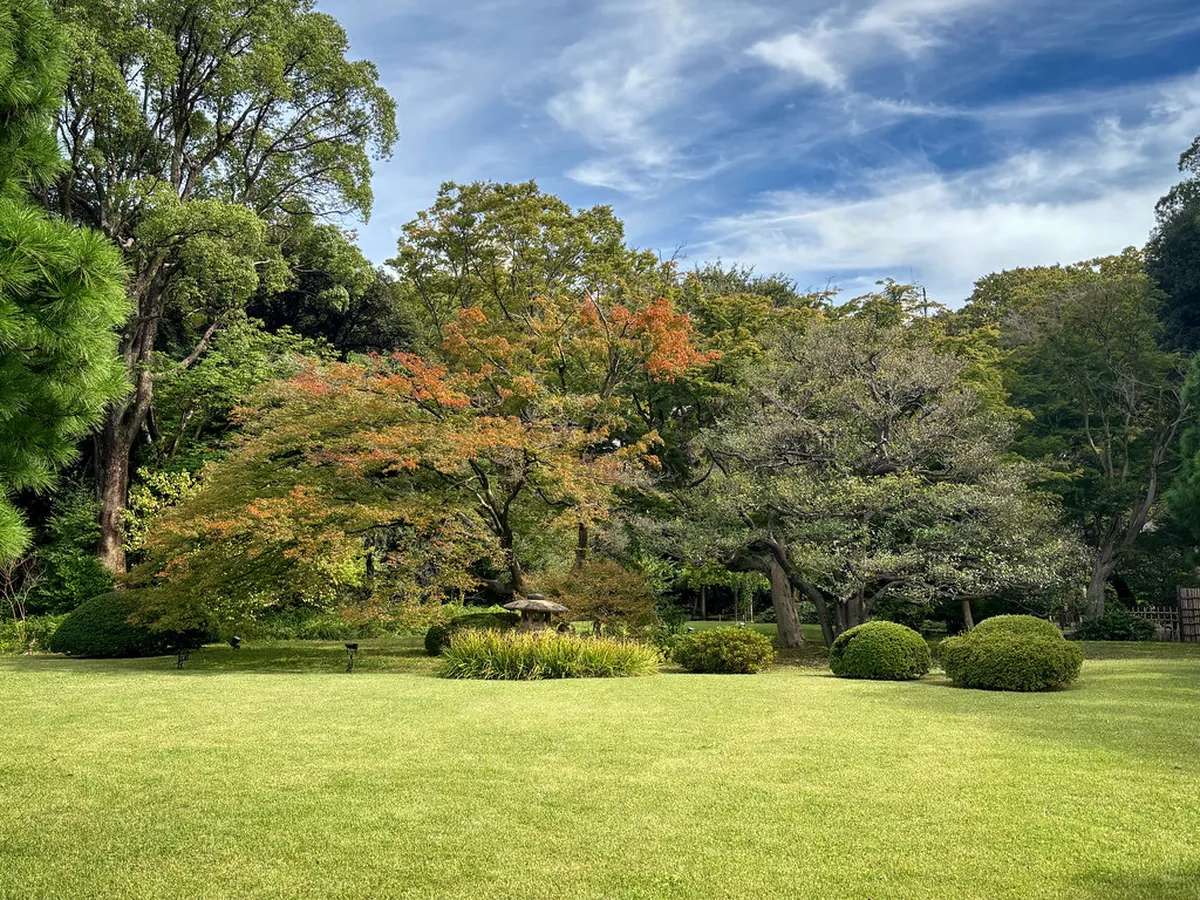
November (avg high 16°C / low 8°C) brings the best autumn foliage. Koishikawa Koraku-en, Rikugien, Hamarikyu, and the Meiji Jingu Gaien ginkgo avenue are all stunning from mid- to late November. The first cold wind of winter, called Kogarashi, typically arrives in the third or fourth week and signals that heavier layers are needed. Crowds at foliage spots can rival the cherry blossom season on weekends — weekday visits are noticeably quieter.
Tokyo Festivals and Events by Month in 2026
January 1–3 brings Hatsumode at Meiji Jingu, Senso-ji, and Yasukuni Shrine — the first shrine visit of the new year, when millions of Tokyoites pray for good fortune. Mid-January is quiet and uncrowded. February brings the Setsubun bean-throwing ceremonies on 3 February at shrines and temples citywide, followed by plum blossom festivals from mid-February through early March.
Late March through early April is the cherry blossom window; the Sanja Matsuri fills Asakusa on the third weekend of May. June is quieter but the hydrangea season at Meiji Jingu Gaien and Hakusan Shrine is beautiful and underrated. July sees the Mitama Matsuri (13–16 July) and the Sumida River Fireworks (last Saturday in July). August is dominated by Obon (mid-August) and neighborhood bon odori festivals through the month.
September hosts the Tokyo Game Show (Makuhari Messe, mid-September). October brings chrysanthemum festivals at shrines and gardens citywide, plus Halloween celebrations centered on Shibuya from around 25–31 October (note that the Shibuya ward now restricts alcohol consumption on streets around Shibuya Crossing during this period — plan accordingly). The Shichi-Go-San festival on 15 November draws families dressed in traditional kimono to major shrines. December closes with winter illuminations through Shiodome, Roppongi Hills, and Marunouchi, followed by shogatsu celebrations on 31 December.
Finding the right Where to Stay in Tokyo: 10 Best Neighborhoods is crucial for festival access. Many festivals are centered on Asakusa, Harajuku, and the Imperial Palace area, so proximity cuts your transit time significantly. Verify exact 2026 dates for biennial events like the Sanno Matsuri and Kanda Matsuri a few months before your trip, as scheduling shifts slightly each cycle.
What to Pack for Tokyo: A Seasonal Guide
Layering is the most practical approach in every season except midsummer. Tokyo is a walking city, so footwear matters as much as clothing — comfortable shoes with cushioned soles are non-negotiable for days that routinely cover 15,000–20,000 steps.
- Winter (December – February): heavy coat, scarf, gloves, and thermal base layers (Uniqlo Heattech is available everywhere in Tokyo and very affordable). Lip balm and a small hand cream are essential in the very dry air.
- Spring (March – May): light jacket or trench coat for layering, compact umbrella for March and April showers, comfortable walking shoes. Avoid wearing your best clothes to cherry blossom picnics — grass stains and crowded parks go together.
- Summer (June – August): lightweight breathable fabrics, a foldable UV-protection umbrella (doubles as rain cover), portable battery fan, electrolyte tablets or drinks, and sunscreen SPF 50+. A small quick-dry towel is more useful than it sounds. Most indoor venues are heavily air-conditioned, so a thin cardigan prevents the indoor-outdoor temperature shock.
- Autumn (September – November): versatile mid-layer (light down jacket or fleece), waterproof outer shell for September typhoon risk, and layers you can easily remove as October warms up midday.
Pack a portable power bank year-round — navigation, translation apps, and IC card top-ups drain a phone battery quickly on a full day out. Japan's convenience store network (7-Eleven, FamilyMart, Lawson) can supply forgotten toiletries and light clothing at reasonable prices, so do not overpack.
For quantities matched to your travel month, trip length and laundry plan, build a Tokyo packing checklist for your exact dates.
Continue planning with Tokyo Trip Planner 2026: Attractions, Neighborhoods and Itineraries.
Frequently Asked Questions
When is the rainy season in Tokyo 2026?
The rainy season, or Tsuyu, usually occurs from early June to mid-July. You can expect frequent grey skies and consistent light to moderate rainfall. It is a good time for indoor museum visits.
What is the hottest month in Tokyo?
August is typically the hottest month in Tokyo with high humidity. Temperatures often reach 31°C / 88°F or higher. Nighttime temperatures rarely drop below 25°C / 77°F during this peak heat.
Does it snow in Tokyo during January or February?
Snow is rare but does occasionally fall during January and February. It usually melts within a day and rarely disrupts major transport. The city looks beautiful under a light dusting of snow.
Tokyo is a world-class destination regardless of when you choose to visit in 2026. Each season offers a unique perspective on the city's culture and natural beauty. By understanding the weather patterns, you can better prepare for a comfortable and memorable journey.
Whether you want cherry blossoms or winter lights, Tokyo will not disappoint. Pack your layers, check the forecast, and get ready for an incredible Japanese adventure. Safe travels as you explore everything this vibrant metropolis has to offer!
Free: The Tokyo Essentials guide
Top things to do, where to stay, a perfect day plan, getting around, and the best time to go — a Tokyo mini-guide you can take offline.
You might also like
Continue reading
More guides you'll find useful