

Enoshima Shirasu Food Travel Guide
Plan enoshima shirasu food with top picks, neighborhood context, timing tips, and practical booking advice for a smoother trip.
On this page
Shirasu — tiny whitebait fish — is the defining food of Enoshima Island and the wider Shonan coast. Fishermen haul the catch from Sagami Bay and restaurants serve it the same day, which is why the flavor here is noticeably different from shirasu you encounter inland. The freshness is the entire point.
This guide covers what shirasu actually is, where to eat it across Enoshima in 2026, which restaurants serve the best bowls, and the practical details that make or break a food-focused day trip — including the seasonal restrictions that catch many first-timers off guard.
What Is Enoshima Shirasu?
Shirasu are the larval or juvenile form of several small fish species, chiefly Japanese anchovy and sardine. They are harvested from early spring through late autumn in Sagami Bay, just off Enoshima. At roughly one centimetre long and nearly transparent, they look delicate — and they are. Freshness matters more with shirasu than almost any other Japanese seafood.
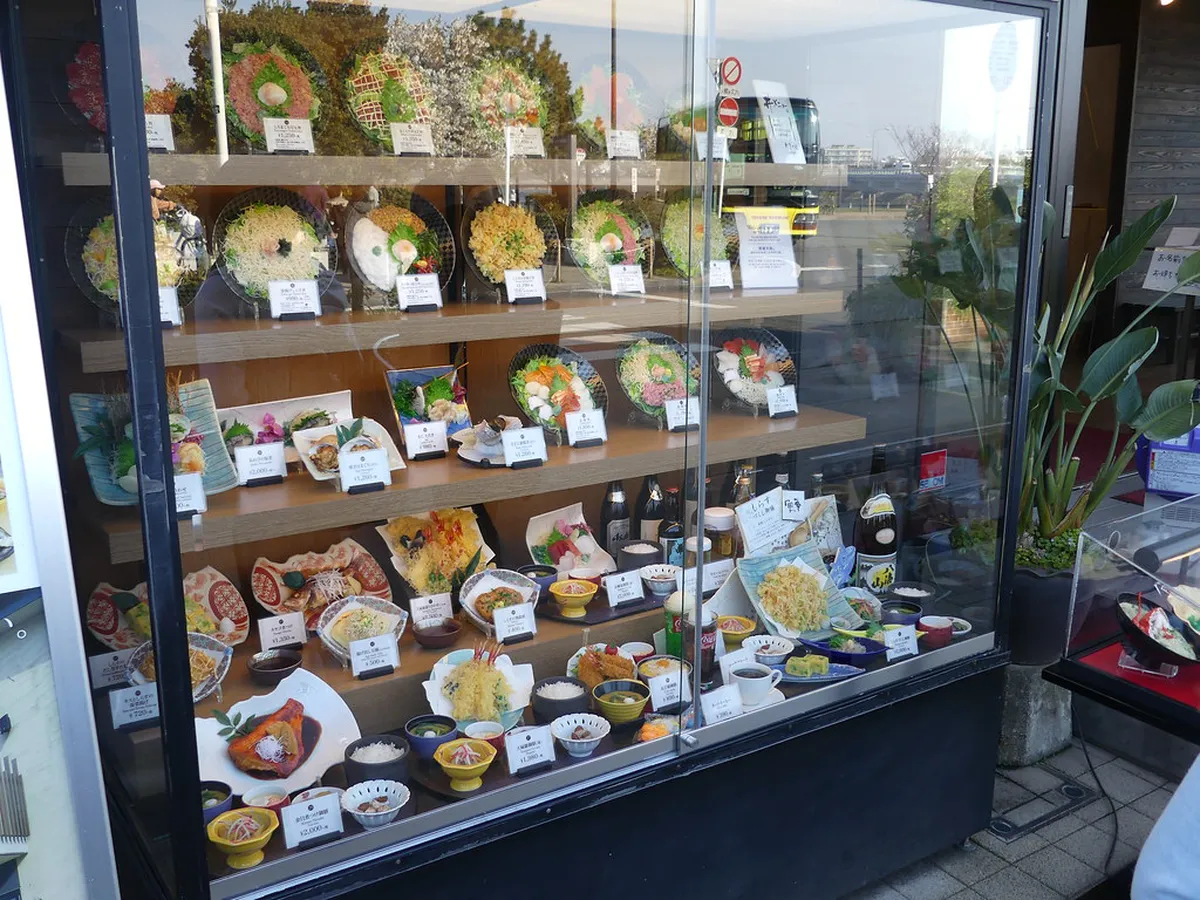
Two preparations define shirasu dining on the island. Nama shirasu (生しらす) is raw, served immediately after the morning catch. It has a soft, slightly slippery texture and a clean ocean flavour with faint sweetness. Kamaage shirasu (釜揚げしらす) is blanched briefly in salted water, then drained. The texture firms up and the flavour becomes milder and more umami-forward. Most restaurants offer both side-by-side in a single bowl so you can compare.
Why is Enoshima's shirasu considered the best in Japan? The combination of proximity — the boats land at Katase Fishing Port, a short walk from the island — and the restaurants' same-day serving policy means almost zero supply chain delay. Restaurants that run out of nama shirasu for the day display a sign (often in Japanese: 本日の生しらすは終了しました) and switch to kamaage only.
Best Season to Eat Raw Shirasu
The single most important logistics point for any Enoshima shirasu trip in 2026 is the fishing restriction window. Raw shirasu is unavailable during the closed season, which runs roughly from early January through mid-March each year. During this period, the fishery closes to protect juvenile stocks. You can still eat kamaage shirasu year-round, but nama shirasu disappears from menus entirely.
Late spring and early summer (April to June) are widely considered the best months. The catch is abundant, prices stabilise, and the weather on the Shonan coast is mild enough to enjoy outdoor seating with ocean views. Autumn (September to November) is a close second — cooler temperatures, thinner crowds, and the catch remains strong before the winter closure.
Summer weekends from July to August are peak season for Enoshima in general, which means long queues at popular shirasu restaurants, especially between 11:30 and 13:30. Arriving before 11:00 or after 14:00 dramatically reduces waiting time. Nama shirasu can sell out at individual restaurants by early afternoon on busy days, so earlier is always better if raw whitebait is your priority.
Where to Eat Shirasu: The Best Enoshima Restaurants
Enoshima's shirasu restaurants cluster along the main Benten Nakamise shopping street and higher up the island near the shrine complex. The climb rewarded by panoramic sea views and the freshest bowls is a genuine trade-off worth making.
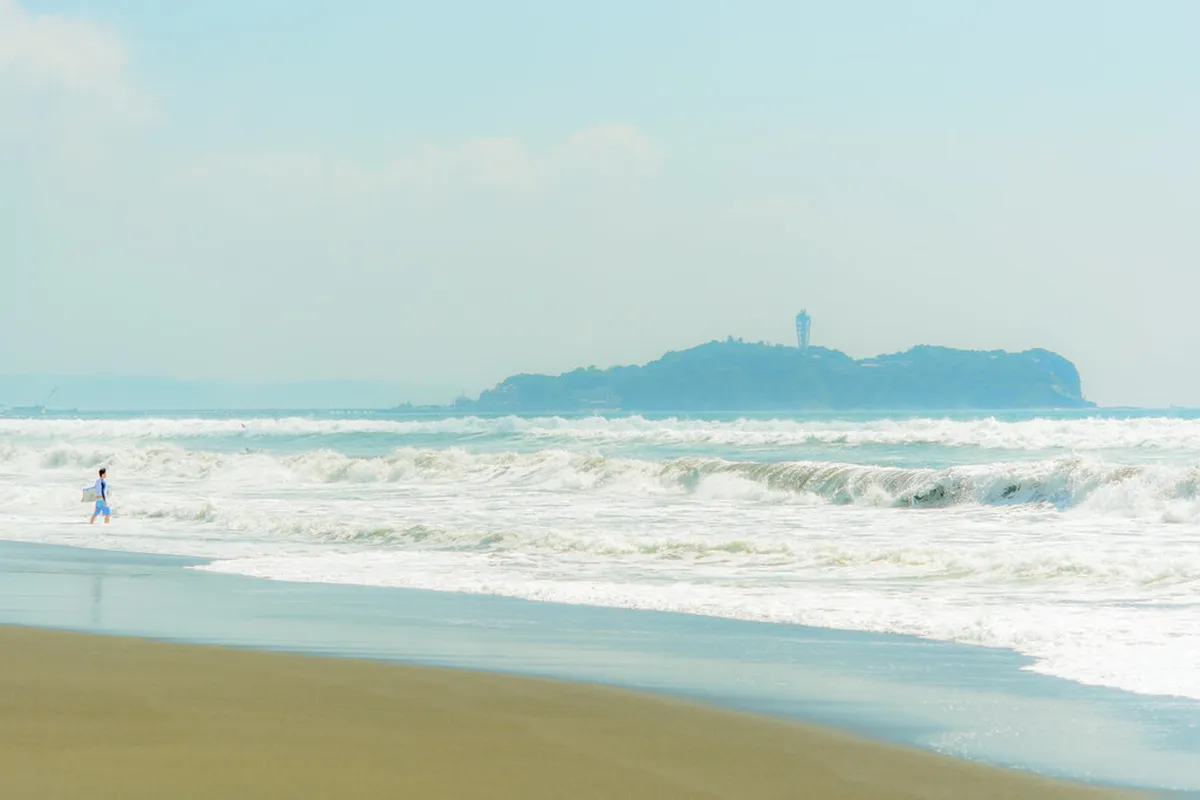
Uomitei (魚見亭) sits near the top of the island at 2-5-7 Enoshima, Fujisawa. Established over 140 years ago, it occupies a cliffside position with windows directly over the ocean — on clear days, Mount Fuji is visible from the window-side tables. Hours are 10:00–19:00 (closes one hour after sunset), closed irregularly during bad weather. Average spend is around 1,500 JPY. The shirasu-don here comes in a half-nama, half-kamaage combination for approximately 950 JPY, served with soy sauce and optional shichimi spice powder. The patio seats are the most sought-after on the island; expect a short wait for those even on quieter days.
Shokudo Yurantei is located at 2-6-3 Enoshima, Fujisawa, a 24-minute walk from Katase-Enoshima Station. It opens at 10:00 and typically closes at 17:30, though hours extend during summer. Average spend is around 1,000 JPY. The restaurant may close on short notice during poor weather, so call ahead if conditions are uncertain. It caters to groups of up to 30 people for banquet reservations.
PICCOLO VASO is a slightly different option — a restaurant at 4-4-7 Kotsubo, Zushi, accessible via the Kotsubo bus stop. It serves shirasu as part of a wider Italian-influenced menu. Lunch average is around 2,000 JPY, dinner around 4,500 JPY. Open Thursday to Tuesday for lunch (11:30–14:00) and dinner (17:30–22:00); closed Wednesday. It suits diners who want shirasu in a more relaxed, non-rush setting rather than a crowded island eatery.
i-na cafe Katase Enoshima Branch occupies the second floor of the Isomi Building at 1-12-21 Katase Kaigan, Fujisawa — right by the station, making it a practical first stop before climbing the island. Weekday hours are 12:00–23:00 (last order 22:00); weekends and national holidays 11:00–23:00 (last order 22:00). Closed Monday, or Tuesday if Monday is a public holiday. Average spend is 1,000–1,500 JPY. The cafe format and ocean-facing location make it suitable for a late lunch or early dinner without the island crowds.
Encore Shokudo Restaurant Cafe is located at 264 Nagae, Hayama-machi, Miura-gun — technically outside Enoshima itself, about five to seven minutes by car from Shin-Zushi Station. Lunch runs 12:00–14:00 and teatime 14:00–17:00 with drinks, dessert, and pizza available. Dinner is by reservation only from 3,000 JPY. A singing event is held every Tuesday 14:00–15:30. This restaurant suits travelers who want a quieter, reservation-based meal rather than a walk-in island experience.
Maiami Kaishin is a smaller, less-documented option along the Enoshima seafood strip. It focuses on straightforward shirasu rice bowls at accessible prices and tends to attract locals rather than tour groups. Worth noting for repeat visitors or anyone who finds the main island restaurants at capacity.
Shirasu Ice Cream and Street Food at Tobiccho
The most photographed food item on Enoshima is not a rice bowl — it is the shirasu soft serve at Tobiccho, a shirasu wholesaler operating a street stand near the Benzaiten area of the island (GPS: N 35.301889, E 139.480874). The stand sells two soft serve varieties topped with steamed whitebait: plain vanilla and a vanilla-matcha swirl, each at 450 JPY. A plain soft serve without shirasu costs 350 JPY. The charcoal-tinted vanilla base creates a grey cone that contrasts visually with the white shirasu on top.
Reviews from visitors are genuinely split. One camp finds the subtle saltiness of the fish complements the sweetness well; another finds the textures incompatible once the ice cream is gone and only the shirasu remains. The honest recommendation: if you are comfortable with raw or lightly salted fish on savoury dishes, the combination is worth trying for the experience. If not, skip it and order the shirasu hot dog instead, which is the same stand's safer crowd-pleaser.
Beyond Tobiccho, the Benten Nakamise shopping street leading to the shrine sells shirasu senbei (rice crackers), shirasu tsukudani (sweet soy-simmered whitebait used as a rice topping), and small bags of dried shirasu as souvenirs. These are shelf-stable and make good gifts. Avoid buying from displays that look sun-faded or have no visible turnover — freshness applies to packaged shirasu products too.
Practical Tips for Your Enoshima Shirasu Trip
Getting to Enoshima is straightforward from Tokyo. The Odakyu Enoshima Line runs directly to Katase-Enoshima Station from Shinjuku in about an hour. The Enoden tram connects from Kamakura to Enoshima Station, useful if combining both destinations in a day. Shinzushi Station on the Keikyu line covers the Kotsubo area restaurants. All three stations are within a ten-minute walk of the island bridge.
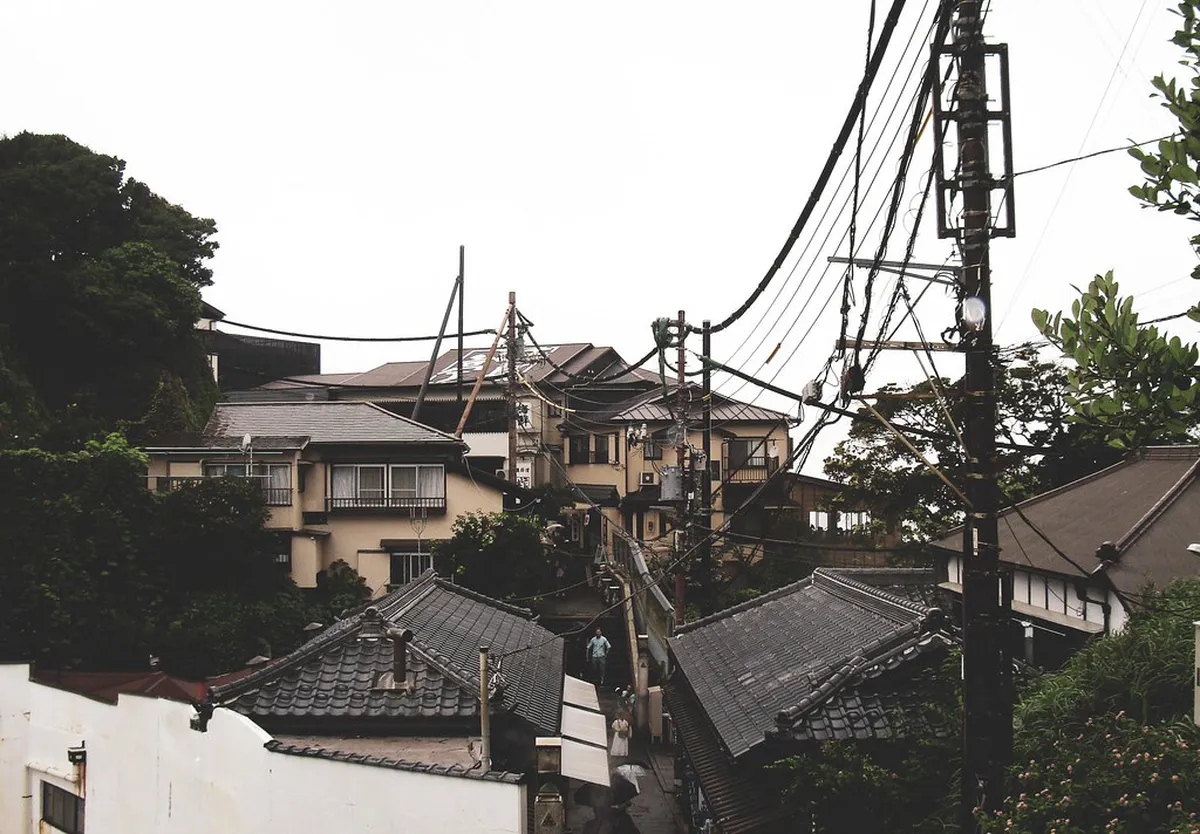
Raw shirasu availability follows a daily arc that visitors often misunderstand. Restaurants receive the morning catch and start serving nama shirasu around 10:00–11:00. By early afternoon — sometimes as early as 13:00 on high-demand days — individual restaurants exhaust their allocation and the sign goes up. If you arrive after 14:00 hoping for nama shirasu on a summer weekend, the odds are against you. Kamaage shirasu is always available and is genuinely good, but if the raw version is your goal, treat it like a timed event.
Cash is still the default payment method at most Enoshima shirasu restaurants, especially the smaller island spots. Carry at least 3,000–4,000 JPY per person to cover a bowl, a drink, and a street snack. Credit cards are accepted at some of the larger or more modern establishments, but do not rely on it. Most restaurants do not take reservations for lunch walk-ins, so queuing is normal at peak hours.
For an extended Kanagawa day, Enoshima pairs well with Kamakura — around 25 minutes by Enoden tram — and the two together make a full day without needing to return to Tokyo in between. The Enoshima Day Trip From Tokyo Travel Guide guide covers the combined itinerary in detail. For context on the island's broader sights alongside the food, see the full Things to Do in Enoshima overview.
Explore food in other cities
Frequently Asked Questions
Where can I eat shirasu in Enoshima?
You can find shirasu at many restaurants across Enoshima Island and near Katase-Enoshima Station. Popular spots include Encore Shokudo Restaurant Cafe and other local eateries specializing in seafood. Look for signs indicating '生しらす' (nama shirasu) for the raw variety.
What is Enoshima famous for food?
Enoshima is most famous for its shirasu (whitebait), served in various forms like raw, boiled, or fried. Beyond shirasu, the island offers other fresh seafood dishes and local snacks. Tako senbei (octopus crackers) are another popular local treat.
What does shirasu taste like?
Raw shirasu has a delicate, slightly sweet, and ocean-fresh flavor with a very soft texture. Boiled shirasu (kamaage shirasu) is milder, with a subtle umami taste and a slightly firmer texture. Fried shirasu offers a crispy exterior and a savory flavor.
Can you eat shirasu raw?
Yes, you can eat shirasu raw (nama shirasu) in Enoshima, which is a highly prized local delicacy. However, raw shirasu is only available seasonally, typically from spring to autumn, and must be very fresh. Always confirm availability with the restaurant.
Enoshima shirasu food rewards visitors who time their arrival well and choose their restaurant with intent. The core decision is simple: come before noon for the best chance at nama shirasu, pick a restaurant that matches your budget and tolerance for queues, and treat the island's other sights as a bonus around the main event.
The best practical pairing for a full day is Enoshima in the morning for shirasu lunch, then Kamakura in the afternoon. Both the raw bowl at Uomitei and the street-food experiment at Tobiccho are worth trying at least once. Whatever you order, the freshness of the Shonan catch is the thing that makes the trip worth making.
For tickets, hours and visitor details, see our Enoshima Shrine Visitor Guide: Your Perfect Day Trip Itinerary and Enoshima attractions hub.
Free guide: Japan's Hidden Gems
12 under-the-radar places beyond Tokyo & Kyoto — with the best season to visit each and a local tip you won't find in the guidebooks.
You might also like


Continue reading
More guides you'll find useful


