
What to Eat in Enoshima: 10 Best Foods, Cafes & Restaurants (2026)
What to eat in Enoshima: 10 dishes and restaurants worth the climb, from tako senbei and shirasu-don to retro island cafes, with 2026 prices and hours.
On this page
Last updated July 2026, this guide covers what to eat in Enoshima once you cross the Benten-bashi footbridge from Katase. The island runs two food modes: fast street snacks on the climb up, and slower sit-down meals in retro cafes near the summit. This list covers 10 dishes and restaurants, plus the shirasu season rules first-time visitors often miss.
The Enoshima Food Bucket List at a Glance
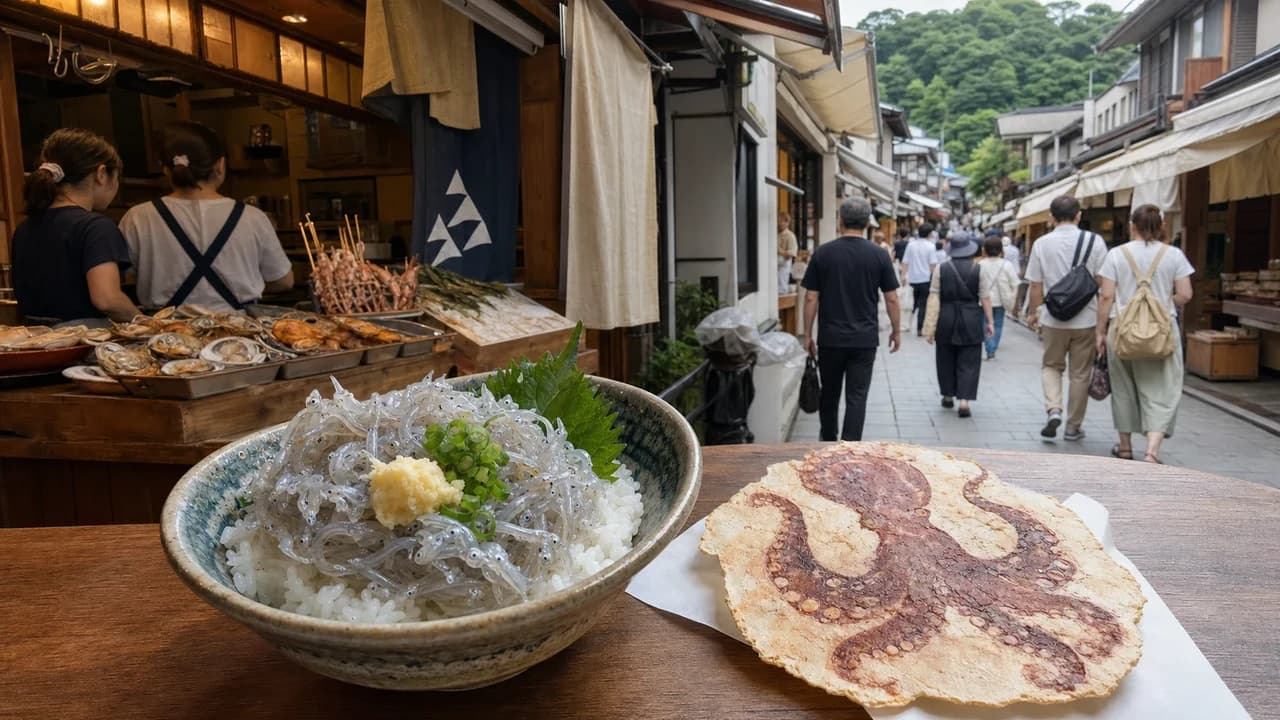
Three flavors define what to eat in Enoshima: shirasu (whitebait), tako senbei (pressed octopus crackers), and shoreline seafood. Everything else on the island builds outward from those three items. A croquette turns shirasu into a handheld snack, and a full seafood dinner near the summit turns it into a sit-down meal. Use the table below to match a dish to a price band and a part of the island before the climb starts.
| Dish | Price Range | Best Location |
|---|---|---|
| Tako senbei | ¥500-¥1,000 | Nakamise-dori |
| Shirasu-don (raw or boiled) | ¥1,500-¥2,500 | Nakamise-dori and shoreline shops |
| Shirasu croquette or bun | under ¥1,000 | Nakamise-dori |
| Tokoroten | ¥500-¥1,000 | Island-wide |
| Seafood set near the summit | ¥1,500-¥2,500 | Near Sea Candle |
The 10 Best Things to Eat in Enoshima
The following 10 stops group street food and sit-down dining together, ordered roughly by where each sits on the walk from the Benten-bashi footbridge to the summit. Each entry lists what to order, what it costs, and who it suits best.
- Tako Senbei at Asahi Main Store — Best for a Fast Snack
- Vendors on Nakamise-dori press a whole octopus flat under a heated iron, then hand it to you still warm.
- The flattening makes an audible crack, and weekend lines at the Asahi Main Store build fast, so arrive before midday if you want to skip the wait.
- It falls into the ¥500-¥1,000 street-food price band. The tako senbei street food guide covers other stalls worth comparing.
- Shirasu-Don, Raw or Boiled — Best for the Signature Dish
- Raw shirasu-don piles glossy, live-caught whitebait over rice, while the boiled version, kamaage, uses whitebait cooked just after landing.
- Local fishing rules pause the raw catch roughly from January 1 through March 31 each year. Kamaage fills the raw slot on menus through that window, so confirm current dates before you go.
- A shirasu-don set typically runs ¥1,500-¥2,500. The shirasu food guide breaks down which shops serve which version.
- Shirasu Croquettes and Buns — Best for Eating on the Move
- Several Nakamise-dori stalls fry shirasu into croquettes or tuck it into steamed buns for a version of the island's signature catch you can eat while walking.
- These portable versions sit at the low end of the street-food band, generally under ¥1,000 each.
- They make a fast bite near the Benten-bashi footbridge before the climb up Nakamise-dori starts.
- Tokoroten — Best for a Light, Cold Break
- Tokoroten is chilled agar noodles, pressed from seaweed and served cold with a vinegar-soy or sweet syrup dressing depending on the shop.
- It shows up on menus across the island as a lighter counterpoint to fried street food and the heavier shirasu sets.
- The tokoroten guide lists which shops serve the vinegar-soy version versus the sweeter style.
- Shima Cafe Enomaru — Best for Retro Atmosphere
- This cafe occupies a renovated Taisho-era (1912-1926) house on Oiwayado Street, the route between Samuel Cocking Garden and Enoshima Iwaya Cave.
- The kamaage shirasu don and a handmade banana cake, made with coarsely mashed banana, are the two most-ordered items.
- It sits close to the Iwaya Caves entrance, making it a natural stop before or after the caves.
- Tsubame Cafe — Best for a Quiet Lunch
- Tsubame Cafe occupies an old private house in a residential pocket of the island, kept in a Showa-era style.
- It built a following for what it calls medicinal cuisine, cooking that leans on herbs and simple broths rather than fried batter.
- It works as a quieter counterpoint to the Nakamise-dori crowds, best for a slow lunch away from the main stalls.
- Menyasakaba Morimori Enoshima Branch — Best for Late-Night Ramen
- This ramen izakaya sits near the island's entrance, about a 1-minute walk from Enoshima Station on the Enoden line and Shonan-Enoshima Station on the monorail.
- The signature miso ramen simmers pork, chicken, and vegetable broth with Hokkaido miso, and the shumai dumplings are the other standing order.
- Listed hours run Tuesday-Sunday dinner from 6:00 pm to as late as 3:00 am, last order 2:30 am. Average prices sit around ¥2,000 for dinner and ¥1,000 for lunch, though it is worth confirming the late hours are still current.
- Trattoria Tanto Tanto — Best for a Non-Japanese Option
- Trattoria Tanto Tanto serves Italian dishes built around Shonan-area ingredients, including local seafood and vegetables in place of imported staples.
- It works as a change of pace from shirasu-don and tako senbei if you want a sit-down dinner without leaving the island's food scene.
- Pair it with a stop at one of the shoreline seafood spots to compare how each kitchen treats the same local catch.
- Summit Seafood Houses Near Sea Candle — Best for Ocean Views
- Several seafood houses cluster near the summit toward the Sea Candle tower, serving grilled and simmered whitebait, squid, and shellfish plates with island views.
- These sit-down spots trade street-food speed for a table and a view, so plan a longer stop than the Nakamise-dori grazing route.
- The seafood restaurants guide and ocean-view cafes guide cover specific picks by table availability and view angle.
- Budget Street-Food Circuit — Best for Tight Budgets
- If the day's food budget centers on street food, most single items land in the ¥500-¥1,000 range.
- Pair a tako senbei, a shirasu bun, and a cup of tokoroten for a full circuit of the island's signature flavors without sitting down once.
- The budget eats guide lays out a stop-by-stop route for a full day under a set spending cap.
Why Shirasu Defines Enoshima's Food Identity
Whitebait boats work the waters around the island and land shirasu that shops turn around within hours. Raw shirasu has a soft, almost creamy texture and a briny flavor that fades fast, so shops serve it only on landing days. Boiled shirasu, kamaage, keeps longer and has a firmer bite, and it is the version most likely to show up outside the freshest catch windows. Local fishing rules pause the raw catch roughly from January 1 through March 31 each year. Kamaage fills the raw slot on menus through that window, so confirm current-year dates with a shop before building a trip around fresh raw shirasu. A shirasu-don set generally runs ¥1,500-¥2,500, and the shirasu food guide tracks which shops serve which version through the season. Restaurants along the shoreline and near the base of Nakamise-dori tend to carry both styles when the season allows, so check the seafood restaurants guide for current picks before setting a route.
Where to Eat by Location: Base, Summit, and the Iwaya Caves Side
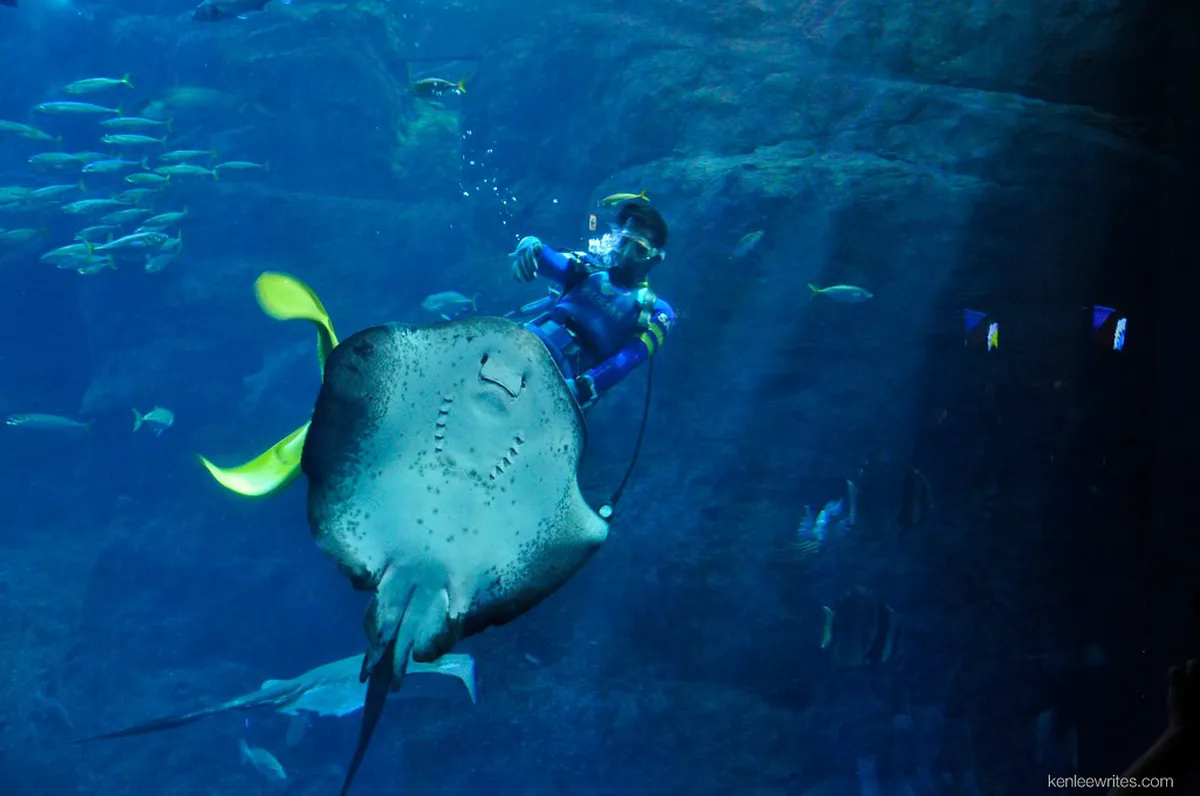
Enoshima climbs steeply from the Benten-bashi footbridge, so grouping food stops by elevation saves both legs and time. Nakamise-dori, the shopping street at the base near the Enoshima Aquarium Travel Guide side of the bridge, carries most of the tako senbei stalls and shirasu bun vendors. Past the Enoshima Shrine Travel Guide steps, the path opens onto the summit gardens near the Sea Candle tower, where the sit-down seafood houses and ocean-view cafes cluster. Continue past the summit toward Oiwayado Street and the Iwaya Caves, and the crowd thins along with the number of open shops. Most shops close by 6:00 pm island-wide, and the caves side tends to wind down earliest, so plan that stop before mid-afternoon. Cross-check the full route against the Enoshima attractions guide before setting an order for the day.
The steep, uneven path to the summit rules out high heels, and the caves side closes earlier than most of the island, so prioritize that area before 6:00 pm to avoid missing shops.
Enoshima Food vs Kamakura Food: What's Actually on the Island
Searches for Enoshima restaurants often surface spots that actually sit in Kamakura, a separate stop reachable on the same rail corridor. Tenugui Cafe Ichigeya, for one, occupies an 85-year-old early-Showa house near Kotoku-in Temple and the Great Buddha, an area better paired with a Kamakura day trip than an island food outing. Kamakura Fujiya, a yakiniku restaurant about a 1-minute walk from Kamakura Station, keeps weekday dinner hours from 5:00 pm to 11:00 pm and weekend hours from noon. It belongs on a Kamakura itinerary, not an island one. Umi, a tuna-focused restaurant a 3-minute walk from Kamakura Station, averages around ¥3,000 for dinner and is another Kamakura Komachi pick rather than an island one. If a single-day plan covers both stops, build the island's food list first, since most shops here close earlier than in central Kamakura. Treat these three restaurants as a separate leg on the same day trip from Tokyo.
Kamakura restaurants appearing in Enoshima searches are actually off-island stops costing ¥3,000+ for dinner and staying open much later than most island shops, which close by 6:00 pm.
Prices, Hours, and Timing for an Enoshima Food Day
Budget roughly ¥500-¥1,000 per stop for street food and ¥1,500-¥2,500 for a shirasu-don or seafood set, and plan for three or four stops across a full day. Most shops on the island close by 6:00 pm, so treat the visit as a lunch-through-early-dinner circuit rather than a late-night one. Weekend crowds build fast around the popular shirasu spots. Arriving by 10:30 am gives a seat before the first wave of day-trippers. Pair the food stops with the rest of a day trip from Tokyo itinerary, and check the budget eats guide for a full spending plan across a single day.
| Meal Type | Typical Price | Notes |
|---|---|---|
| Street-food snack | ¥500-¥1,000 | Tako senbei, shirasu bun, tokoroten |
| Shirasu-don set | ¥1,500-¥2,500 | Nama unavailable roughly Jan 1-Mar 31 |
| Ramen or izakaya plate (Morimori) | ¥1,000-¥2,000 | Lunch vs dinner average |
| Kamakura-area dinner (for reference) | ¥3,000+ | Off-island, e.g. Umi near Kamakura Station |
Mistakes to Avoid When Eating in Enoshima
A few repeat mistakes cost visitors either food or comfort on the island. Keep these three in mind before the climb starts.
- Don't Feed the Black Kites
- Black kites, hawk-like birds, patrol the shoreline and summit and will grab food straight out of raised hands.
- Keep tako senbei and buns close to the chest, especially near the summit gardens and the beaches.
- Don't Expect Raw Shirasu in Winter
- Raw shirasu goes off menus roughly January 1 through March 31 under the local fishing pause.
- Kamaage-don is the reliable order in that window. Confirm current-year dates with the shop before counting on raw.
- Skip High Heels on the Summit Walk
- The path from Nakamise-dori to the summit and on to Oiwayado Street is a steady, uneven climb.
- Flat, closed shoes make the walk to the summit cafes and the Iwaya Caves side easier.
For trip-planning details, see Enoshima and Enoshima Travel Guide.
Explore food in other cities
Frequently Asked Questions
What is the number one food to try in Enoshima?
Shirasu, the island's whitebait, is the dish most associated with Enoshima. Order it as shirasu-don over rice, and check whether the shop is serving raw or boiled shirasu that day.
Is raw shirasu available year-round?
No. Local fishing rules pause the raw catch roughly from January 1 through March 31 each year. Boiled shirasu (kamaage) fills the raw slot during that stretch, so confirm current dates before planning a trip around raw shirasu.
How much should a day of eating in Enoshima cost?
Street food runs about ¥500-¥1,000 per item, and a sit-down shirasu-don or seafood set runs about ¥1,500-¥2,500. Three or four stops across a day keep most visitors in a moderate, cash-manageable range.
Are Kamakura restaurants like Kamakura Fujiya part of an Enoshima food trip?
Not directly. Kamakura Fujiya and Tenugui Cafe Ichigeya sit in Kamakura proper, a separate stop reachable on the same rail corridor. Treat them as a second leg of the day rather than part of the island's own food circuit.
What time do food shops close on Enoshima?
Most shops on the island close by 6:00 pm, which suits the island better to lunch or an early dinner than a late-night food crawl. Menyasakaba Morimori is a listed exception with late dinner hours, though current hours are worth confirming before a night visit.
Are there non-seafood options in Enoshima?
Yes. Trattoria Tanto Tanto serves Italian dishes built around Shonan-area produce, and Tsubame Cafe leans on herb-based, broth-driven dishes rather than fried seafood. Both work well as a break from shirasu and tako senbei.
Explore Enoshima Eating, Area by Area
From shrine-approach street snacks to ocean-view sit-down seafood, use these guides to plan exactly where and what to eat on your Enoshima visit.
Street Food & Snacks
Sit-Down Seafood & Ocean-View Dining
- 8 Best Seafood Restaurants in Enoshima
- Cafes With a View in Enoshima
- Enoshima Shirasu Food Travel Guide
Planning Your Food Day Trip
- Cheap Eats Enoshima Day Trip
- Enoshima Day Trip From Tokyo Travel Guide
- Enoshima From Kamakura Day Trip Travel Guide
Nearby Enoshima Attractions
Free guide: Japan's Hidden Gems
12 under-the-radar places beyond Tokyo & Kyoto — with the best season to visit each and a local tip you won't find in the guidebooks.
You might also like


Continue reading
More guides you'll find useful


