

Cafes With a View in Enoshima: Ocean, Harbor, and Mt. Fuji Tables (2026)
Cafes with a view in Enoshima: island-top terraces at Samuel Cocking Garden, cliffside tables near Iwaya Caves, and mainland options for 2026.
On this page
Last updated July 2026, cafes with a view in Enoshima split into two settings: an island-top climb or a mainland coastal stroll. Top picks cluster around Samuel Cocking Garden, the southern cliffs near Iwaya Caves, and a quieter western ridge. Each spot frames a different slice of Sagami Bay, from harbor traffic to open ocean to Mt. Fuji at dusk.
Cafes With a View in Enoshima: Start With the Climb
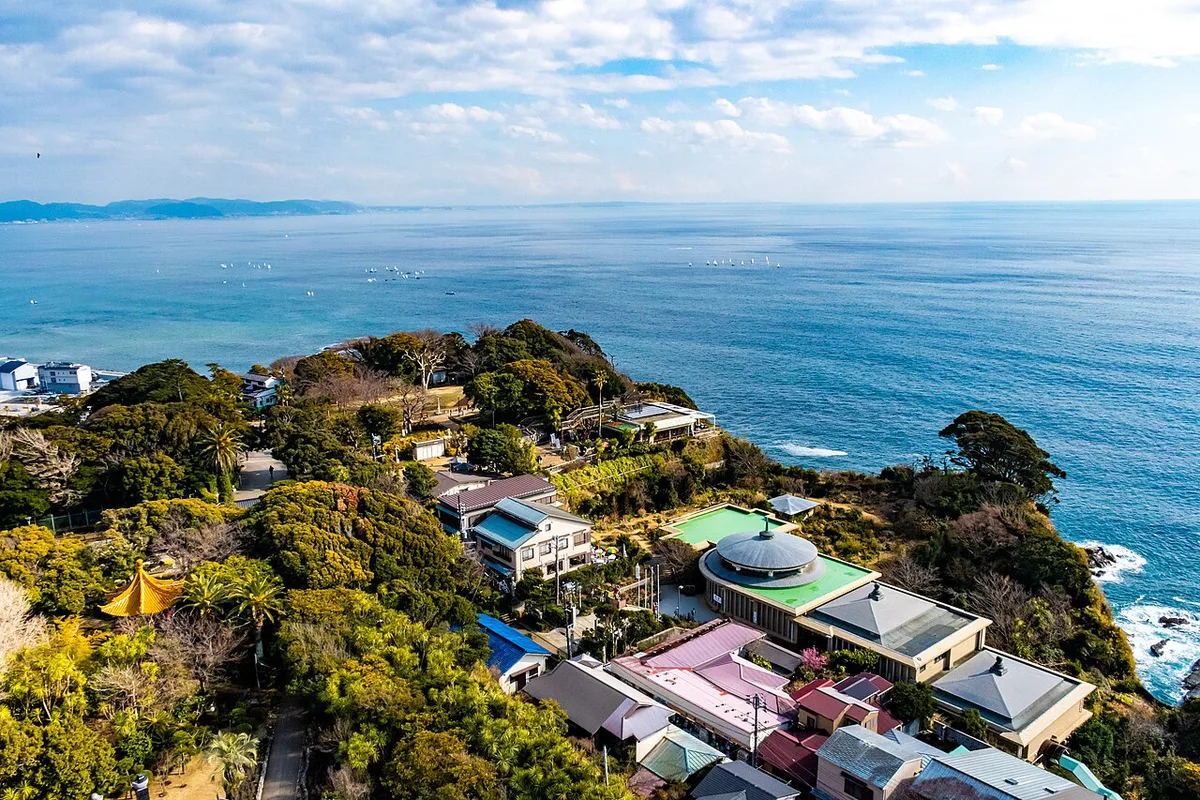
Enoshima sits at the mouth of Sagami Bay, reached from Tokyo by train in about an hour. Most travelers arrive via the Odakyu Line from Shinjuku or the Enoden Line along the coast, both landing within walking distance of the island's entrance bridge. Cafe elevation splits sharply once you're on the island. Most cafes with a view in Enoshima sit on the island itself, near the summit around Samuel Cocking Garden or along the southern cliffs by Iwaya Caves. A smaller group sits at sea level on the mainland, closer to the bridge and the Enoden Line stations. The stretch of coastline here forms part of the Shonan coast, a name that shows up on local menus and signage. Cafes lean into that identity with local seafood and produce rather than imported ingredients. Scheduling matters here. A cafe stop fits naturally into a longer day trip from Tokyo. It also works inside a shorter day trip from Kamakura. For the wider food scene beyond these view spots, the Enoshima food guide covers stalls, seafood counters, and dessert stands across the island. Sections below separate island cafes that require a climb from mainland cafes that do not.
Harbor View, Cliffside View, or Mt. Fuji View: How to Pick
Three view types cover most cafes with a view in Enoshima, and each suits a different priority. Harbor views look back toward the mainland and the bridge, with boats and Katase Higashi Beach in frame. Cliffside views face open Sagami Bay from the island's southern tip, close to the caves and the sound of waves. Mt. Fuji views appear on the island's western side, strongest on clear days when haze doesn't hide the mountain. Weather changes which view performs best on a given day, since haze over the bay can dull both the harbor and Fuji sightlines at once. Accessibility varies just as much as the view itself. Loncafe and Fujimi-tei sit close to existing paths, while Cafe Madu and the cliffside spots involve a steady uphill walk from the island entrance. Use the comparison below to match a cafe to both the view and the walk you're willing to make.
| Cafe | View Type | Signature Dish | Getting There |
|---|---|---|---|
| Loncafe Shonan Enoshima | Harbor and Katase Higashi Beach | French toast | Inside Samuel Cocking Garden, paid garden ticket |
| iL-CHIANTI Cafe Enoshima | Southern cliffside, open ocean | Shirasu pizza | Near Iwaya Caves, uphill walk from the entrance |
| Cafe Madu Enoshima | West-side Sagami Bay | Shirasu pasta | Detached house on higher ground, steady climb |
| Fujimi-tei | Mt. Fuji and open ocean | Seafood set meal | Near Iwaya Caves, level with the cave exit |
| Espresso D Works Shichirigahama | Open ocean toward Enoshima and Mt. Fuji | Espresso and pancakes | Short walk from Shichirigahama Station, no stairs |
| CUPS Kamakura | Yuigahama Beach | Gluten-free cupcakes | Roadside on Route 134, no stairs |
Loncafe Shonan Enoshima: French Toast Inside Samuel Cocking Garden
Loncafe Shonan Enoshima sits inside Samuel Cocking Garden, the botanical garden at the island's summit. It opened in 2003 as what the cafe describes as Japan's first cafe dedicated to French toast. The toast is marinated in a house sauce, then served crisp outside and soft inside. Sweet versions arrive with a rich creme brulee topping, and savory versions come with fillings like BLT. Terrace seats face either the harbor or Katase Higashi Beach, with sightlines toward Miami Beach Square below. Birthday and anniversary plates can also be arranged with a small sparkler for the occasion. Reaching the tables means paying garden admission, since Loncafe sits inside the paid grounds. Confirm the current admission price at the entrance gate or the official Enoshima tourism site before planning around it. The garden also holds the Enoshima Sea Candle observation tower, a short walk from Loncafe's terrace. Both sit within the wider 10 Best Things to Do in Enoshima (2026 Travel Guide) most day-trippers already plan to visit. Seasonal evening illumination has extended garden hours after dark in past years. Check current dates before counting on a night visit.
iL-CHIANTI Cafe: Italian Plates on Enoshima's Southern Cliff
iL-CHIANTI Cafe sits on Enoshima's southern cliffside, close to Iwaya Caves, and runs as a cafe-style sister to iL CHIANTI BEACH on Katase Beach. The menu draws on close to 100 Italian dishes made in the restaurant's own Chianti style. Shirasu pizza anchors the list, alongside chilled Enoshima seafood spaghetti and a shrimp curry built on the umami of sea shrimp. Soft-shell crab burgers, fried whole and crisp, round out the savory side, with a full dessert menu on top. The cliffside seating puts diners within a short walk of the caves before or after a meal. For more shirasu dishes across the island beyond this one cafe, the shirasu food guide rounds up the rest.
Cafe Madu Enoshima: A West-Side Lodge Above Sagami Bay
Cafe Madu occupies a detached house on Enoshima's west side, styled like a lodge with columns built from reclaimed wood. Higher ground here gives an uninterrupted view of Sagami Bay through the windows, with terrace seating facing the sea. Native trees surround the building on most sides. Rice bowls, pasta, and curry make up the savory menu, all made with local Enoshima vegetables and shirasu. Dessert options include parfaits, crepes, and shaved ice. Several other stops sit within walking distance, including Samuel Cocking Garden, Okutsumiya Shrine, Iwaya Caves, and the Ryuren no Kane bell. The bell is a stop many visitors add before or after a Cafe Madu break. For background on the shrine itself, the Enoshima Shrine guide covers Okutsumiya alongside the island's other shrine buildings. Illumination has lit the island from summer through winter in past seasons. Confirm current dates before planning an evening stop here.
Fujimi-tei and the Chigogafuchi Cliffs: Where Mt. Fuji Meets the Ocean
Fujimi-tei sits near Iwaya Cave and looks, from the outside, like an everyday local restaurant serving ramen, curry, set meals, and beer. Two details set it apart from a typical roadside stop. Terrace seats face the sea directly, and on clear days the sightline reaches Mt. Fuji beyond the water. Weather decides how much of the mountain actually shows. Haze can hide it even on an otherwise sunny afternoon. Seafood dishes round out the menu, ordered straight from the terrace tables. Its position by the Iwaya Caves makes it an easy stop after exploring the caves rather than a separate detour. Confirm current hours before visiting, since small restaurants near the caves sometimes adjust seasonal schedules. Further along the southern coast, the Chigogafuchi cliffs offer a quieter alternative away from the crowds at the summit garden. No single cafe operates directly on that stretch. It works best as a short walk with a drink already bought at Cafe Madu or Fujimi-tei.
Coastal Cafes Near Enoshima: Shichirigahama and Kamakura
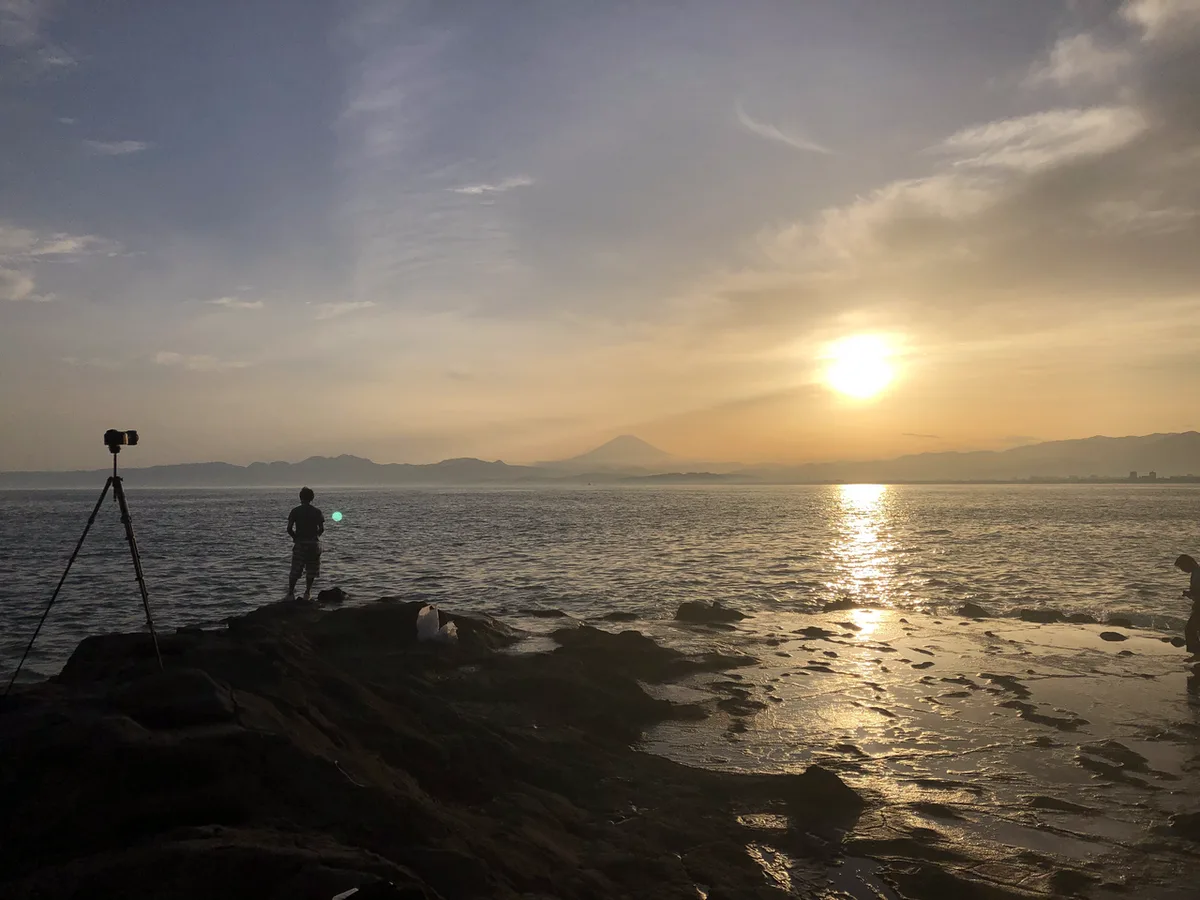
Espresso D Works Shichirigahama sits a short walk from Shichirigahama Station on the Enoden Line, through a small seaside town toward the coastal highway. Every seat inside faces the open sea, and a rooftop terrace adds a full circle of views. Coffee options include straight espresso, alongside pancakes, vegetable-heavy pasta and pizza, French toast, and open sandwiches. Both Enoshima and Mt. Fuji sit in view from the terrace on clear days, with waves breaking on the shore just below. At dusk, the sky turns a light purple, and both silhouettes stand out against the sunset. Late afternoon works as the strongest window for this particular view. A rare unfiltered beer also appears on the drinks list, worth flagging for anyone timing a stop around a drink rather than coffee. Further down the coast, CUPS Kamakura sits roadside on National Highway Route 134, facing Yuigahama Beach. Reaching CUPS requires no stairs at all, since Route 134 runs level with the beach. Its menu runs gluten-free, built on rice flour and raw cane sugar cupcakes rather than wheat and processed sugar. A shirasu pizza and vegetable wraps round out the savory side. A second-floor tatami-style room is also available to rent, limited to one group a day.
Reaching the Top: The Enoshima Escalop and Timing Your Visit
Getting up to the island-top cafes usually means either stairs or the paid Enoshima Escalop, a series of outdoor escalators that carry visitors up in stages. Pricing runs in tiers depending on how many sections you ride. Check current fares at the ticket counter near the island entrance rather than assuming a flat rate. Weekends bring heavier crowds across the whole island. Sunset adds a second wave on top of that, as day-trippers head for west-facing terraces at the same time. Arriving before midday avoids both peaks and still leaves time for a full circuit past the caves and the garden. Anyone combining a cafe stop with an aquarium visit should budget separate time for both. The Enoshima Aquarium Travel Guide sits on the mainland side, away from the island cafes covered here. Bundled tickets exist too: one tour booking listing prices the Enoshima Island and Aquarium Pass at ¥3,940, covering both island and aquarium entry on a single ticket.
Most Enoshima Island cafes require stairs or a paid escalator, but mainland options like CUPS Kamakura on Route 134 and Espresso D Works offer street-level access without climbing.
Costs, Crowds, and Mistakes to Avoid
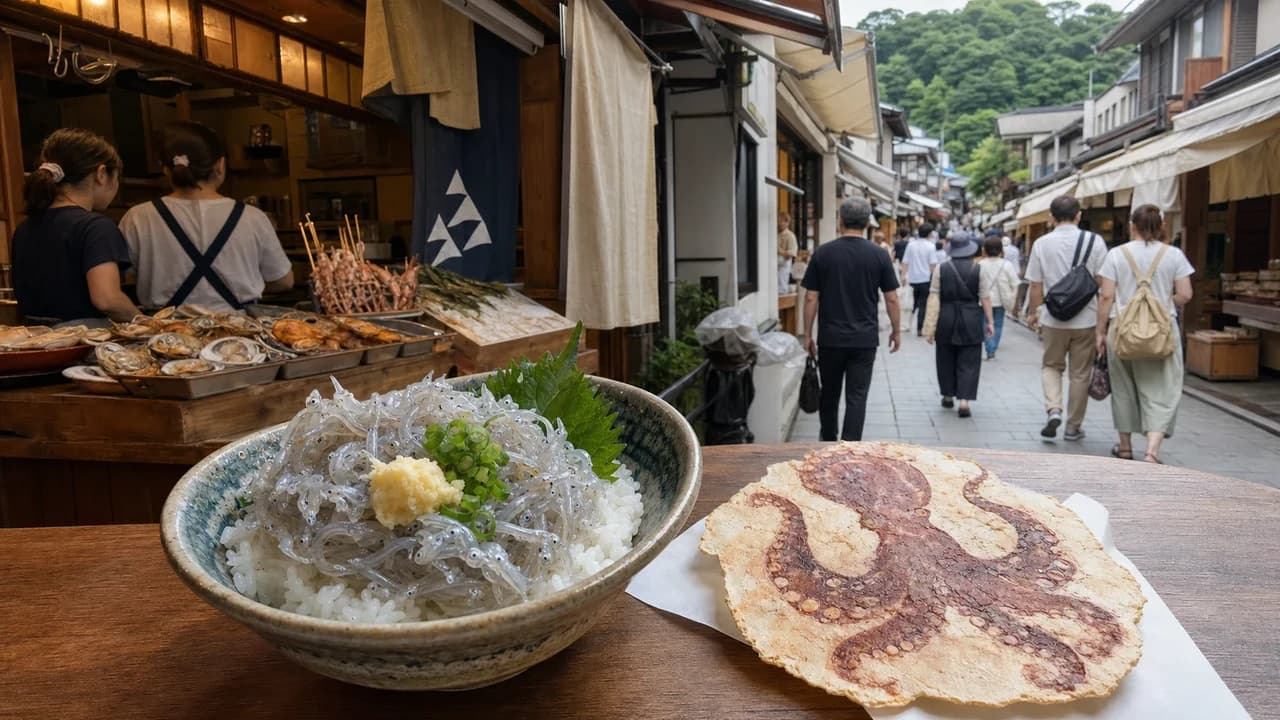
A coffee and dessert set at any of these cafes costs less than a full sit-down meal at iL-CHIANTI or Fujimi-tei. Budget accordingly if the plan includes both a snack stop and a proper dinner later. Cheaper options exist nearby too. Street-side tako senbei stalls and tokoroten noodle stands cost far less than a cafe seat. A full rundown of low-cost options sits in the budget eats guide. Anyone wanting a full seafood meal instead of a snack can compare notes with the seafood restaurants guide. A few mistakes come up often enough to flag directly. Confirm current hours for Fujimi-tei and Loncafe together if a single afternoon plan depends on both being open.
The ¥3,940 Enoshima Island and Aquarium Pass bundles entry to both attractions, but budget separately for cafe stops. Coffee and desserts cost less than full meals, though street stalls cost even less for budget-conscious travelers.
- Assuming every Enoshima cafe sits at sea level, when most of the view spots require a climb from the island entrance.
- Visiting midweek without checking hours first, since small cafes near the caves and garden post irregular closures.
- Missing the last entry time for Samuel Cocking Garden, which cuts off access to Loncafe once the gate closes.
Accessibility: What the Enoshima Escar Does—and Does Not Cover
The Enoshima Escar reduces the climb from the entrance area to the summit near Samuel Cocking Garden. Its three uphill escalator sections run beside the main shrine route. There is no downhill escalator.
The Escar is most useful for reaching Loncafe and the Sea Candle area. It does not continue to Cafe Madu, Fujimi-tei, iL-CHIANTI Cafe, Chigogafuchi, or Iwaya Caves. Those western and southern stops still require uneven paths, slopes, and stairways.
Travelers with limited mobility should treat the summit cafes and cave-side cafes as separate itineraries. A lightweight folding stroller is easier than a large stroller on crowded approaches. Wheelchair users should confirm current access arrangements with Enoshima tourism staff before crossing onto the island.
The seasonal Bentenmaru sightseeing boat sometimes links Chigogafuchi with the bridge area. It can shorten the return journey after visiting Iwaya. Service stops during rough weather, and boarding involves waterside steps, so it should not be the only return plan.
Frequently Asked Questions
Do you need a ticket to reach the cafes at the top of Enoshima?
Loncafe sits inside Samuel Cocking Garden, so reaching its tables means paying garden admission at the gate. iL-CHIANTI, Cafe Madu, and Fujimi-tei sit outside the paid garden and don't require a ticket to reach. Getting up to any of them still means either stairs or the paid Enoshima Escalop.
Which Enoshima cafe has the best view of Mt. Fuji?
Fujimi-tei, near Iwaya Caves, has the clearest reported line of sight to Mt. Fuji from its terrace seats. Visibility still depends on weather, and haze can hide the mountain even on an otherwise clear afternoon.
Can you reach any of these cafes without stairs or an uphill walk?
Yes. Espresso D Works Shichirigahama and CUPS Kamakura both sit on the mainland at street level, reached without climbing. Every cafe on Enoshima Island itself involves either stairs or the paid escalator system.
What's the best time of day to visit for the view?
Late afternoon into dusk suits the west-facing and mainland cafes, when the sky over Sagami Bay changes color behind Enoshima and Mt. Fuji. Midday keeps light even across the harbor-facing terraces near Samuel Cocking Garden, which helps for photos.
Are these cafes open year-round?
Most operate year-round, though small restaurants like Fujimi-tei sometimes adjust hours by season near the caves. Confirm current hours before building a special trip around one specific cafe.
How much does a cafe stop add to an Enoshima day trip budget?
A coffee and dessert set costs less than a full sit-down meal at iL-CHIANTI or Fujimi-tei, so a quick stop won't derail a tight budget. Travelers combining a cafe visit with the aquarium can compare that against the Enoshima Island and Aquarium Pass, listed at ¥3,940 on tour booking pages as of this writing.
Free guide: Japan's Hidden Gems
12 under-the-radar places beyond Tokyo & Kyoto — with the best season to visit each and a local tip you won't find in the guidebooks.
You might also like


Continue reading
More guides you'll find useful


