

Tako Senbei in Enoshima: Where to Find the Giant Octopus Cracker (2026 Guide)
Tako senbei in Enoshima: compare Asahi Honten's three branches, 2026 prices, order steps, and how to guard your cracker from black kites.
On this page
Last updated July 2026, this guide breaks down tako senbei in Enoshima: the whole octopus pressed flat into a crisp, paper-thin cracker on Benten-nakamise-dori. Vendors flatten a fresh octopus under about a ton of pressure, and the sudden hiss known locally as "pushu" carries down the covered shopping street. Three Asahi Honten branches sell it, each with a different wait, so route and timing matter as much as the flavor.
What Is Maruyaki Tako Senbei?
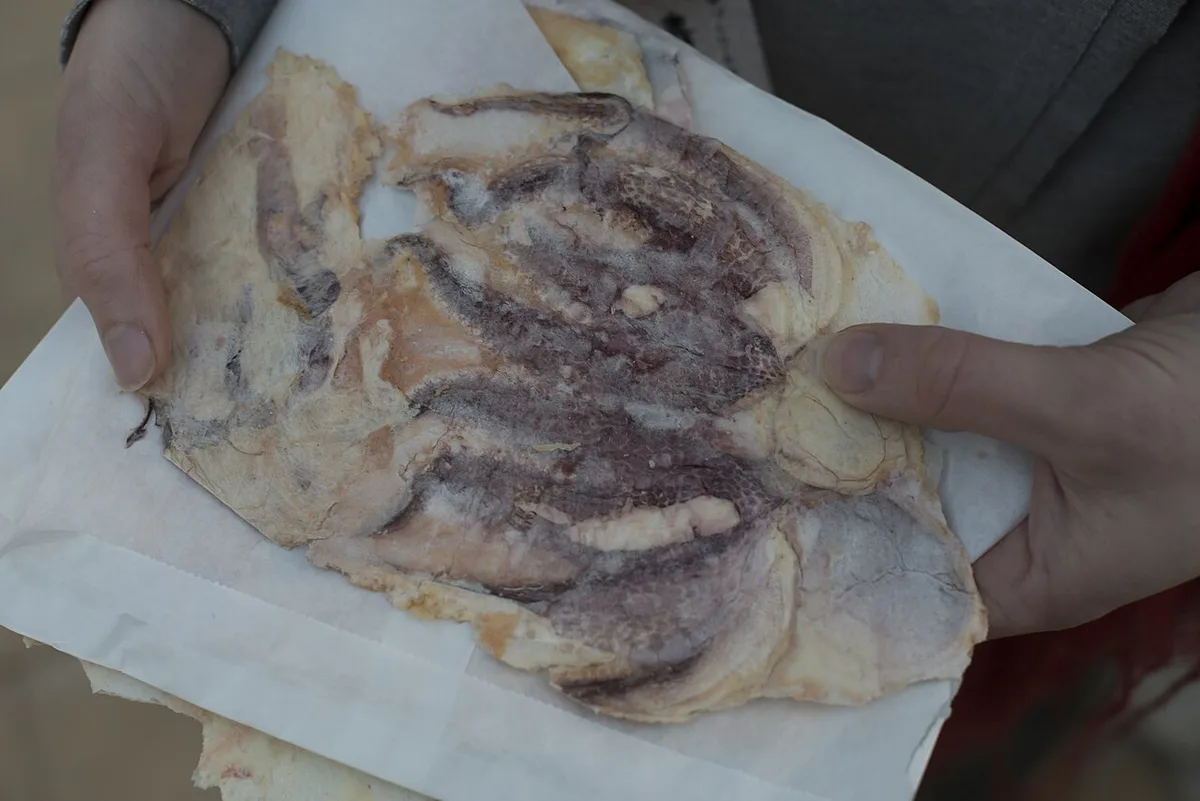
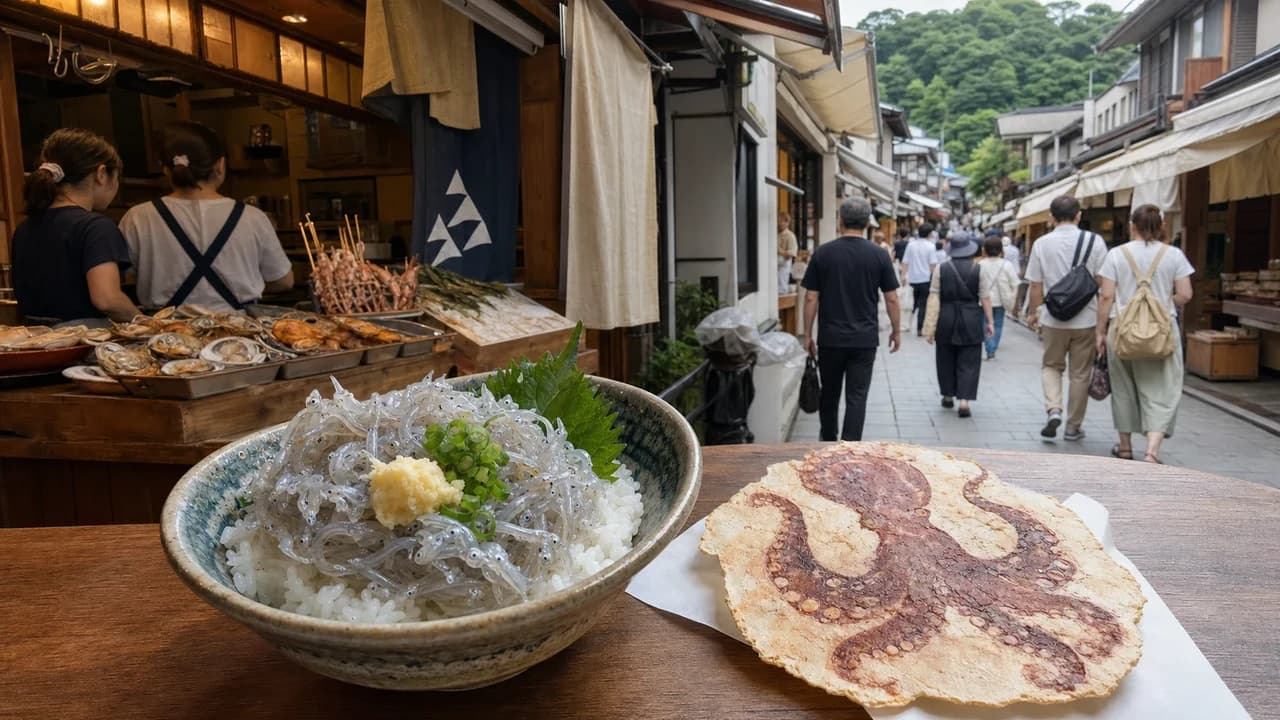
Maruyaki tako senbei means whole-grilled octopus cracker. Staff press one or two whole octopuses onto a hot iron plate with seasoned flour, and a mechanical press flattens them under intense heat. Locals call the sudden press sound "pushu," and it carries down the covered street. What comes out is closer to edible paper than a thick rice cracker: thin, brittle, and stamped with the visible pattern of suction cups. Expect a savory, soy-forward taste with a pronounced umami hit rather than sweetness. Seasoning stays light on purpose, so the octopus itself carries most of the flavor rather than a heavy glaze. Asahi Honten began selling the format in the early 2000s, turning the loud press itself into the main attraction alongside the food. For a wider survey of Shonan street snacks and where they fit into a single afternoon, see the Enoshima food guide.
- Pressure: about 1 ton
- Temperature: roughly 185-200°C
- Press time: about 2 minutes
- Rinse cycles: the octopus is washed about 8 times before seasoning
Where to Find Tako Senbei in Enoshima: Asahi Honten's Three Branches
Asahi Honten runs three stands on the island, and each suits a different part of the day. The busiest sits on Benten-nakamise-dori, the covered shopping street that climbs from the Benten-bashi bridge toward the Zuishinmon Gate and Enoshima Shrine Travel Guide. A second stand sits near the shrine at the top of the island, and a third sits close to Enoden's Enoshima Station for a quick bite before the train.
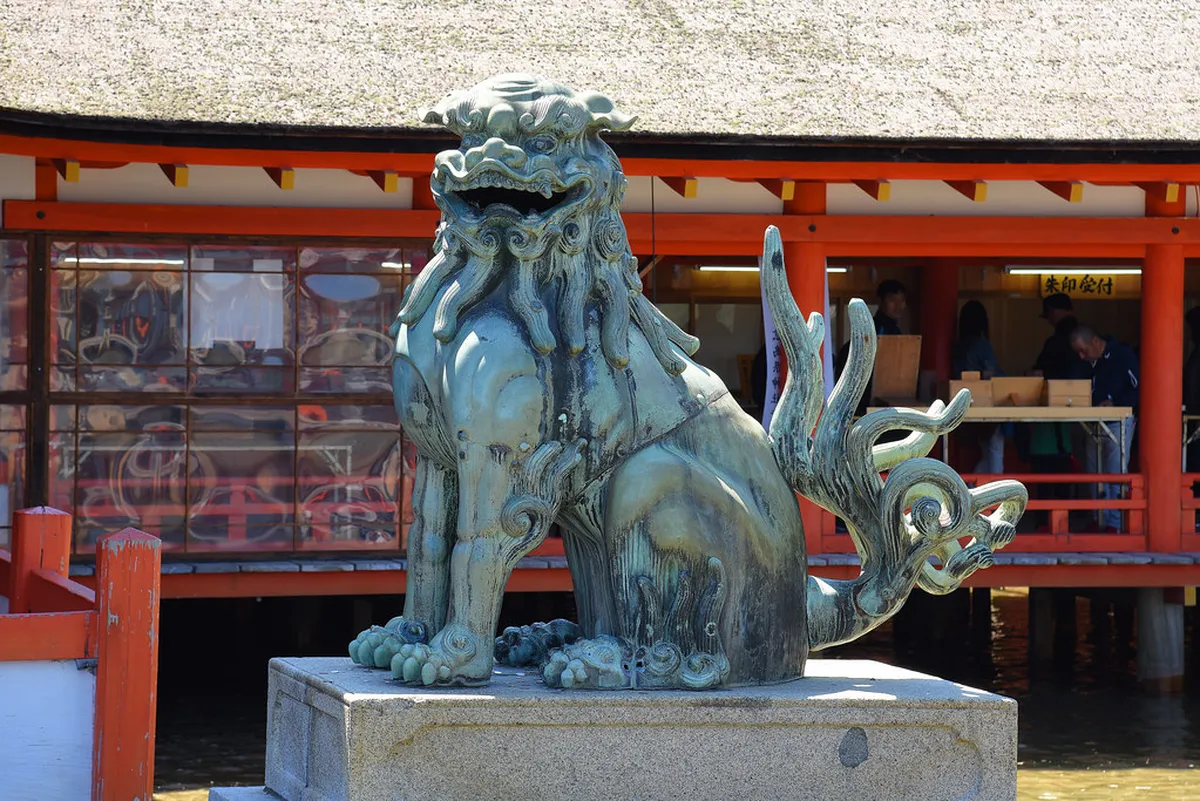
The hilltop stand sits close to the summit. A stop there pairs naturally with the Enoshima Sea Candle Travel Guide. It also works well before or after the Iwaya Caves. Bench seating faces the water, which beats eating standing in a queue. For longer sit-down views of the coastline afterward, the Enoshima ocean-view cafes guide lists nearby options beyond the senbei counter. The station branch works best right before boarding, including on the way to the Enoshima Aquarium Travel Guide side of the island. Splitting the visit across two branches, one for the photo and one for a shorter wait, works well for repeat visitors. Either stop fits naturally into an Enoshima Day Trip From Tokyo Travel Guide. It also works on an Enoshima day trip from Kamakura, since both routes pass close to at least one branch.
| Branch | Location & Access | Typical Wait | Hours |
|---|---|---|---|
| Benten-nakamise-dori Branch | About a 10-minute walk from Odakyu's Katase-Enoshima Station | 30-60 minutes, longer on holidays | 9:00 AM-6:00 PM, closed Thursdays |
| Hilltop Branch | Near Enoshima Shrine, about a 20-minute, 1.2 km walk from Katase-Enoshima Station's main exit | Shorter than nakamise-dori | Daytime hours, similar to the main store |
| Station Branch | About 228 meters from Enoden's Enoshima Station | Usually short | 10:30 AM-6:00 PM |
Menu and Prices: Tako, Ebi, and Shirasu Senbei
Prices below reflect 2026 vending-machine listings, and the core menu stays small. Standard tako senbei costs ¥500, while the extra-large version runs ¥1,100 and feeds two people comfortably. Shrimp and shirasu versions add variety without straying from the same pressed format.
The shirasu version connects to the island's other whitebait dishes. Rice bowls and tempura made from the same catch appear in the Enoshima shirasu food guide. For a broader seafood spread beyond street stalls, the Enoshima seafood restaurants guide lists sit-down options. Freshly pressed crackers are eaten within minutes of coming off the grill. Packaged souvenir sets are cut from the same batch and dried for the trip home. The fresh version stays warm and crisp, and the packaged version trades some of that texture for shelf life. Against the rest of the island's food scene, tako senbei sits mid-range. It costs more than a rice ball but less than a sit-down seafood meal. Day-long grazing budgets, including this stop, are covered in the Enoshima budget eats day trip guide.
| Item | Description | Price |
|---|---|---|
| Maruyaki Tako Senbei (standard) | Whole octopus pressed into a crisp cracker | ¥500 |
| Maruyaki O-Tako Senbei (extra-large) | Larger whole-octopus version, best shared | ¥1,100 |
| Maruyaki Ebi Senbei | Whole shrimp pressed in, shell texture included | ¥700 |
| Ao no Senbei (shirasu) | Local whitebait pressed into a blue-tinted cracker | ¥700 |
| Otona no Yaki Tako | Grilled octopus pieces with garlic powder, not a cracker | ¥600 |
| Souvenir box (8 pieces) | Cut and packaged crackers for travel | ¥4,800 |
How to Order: The Vending Machine Ticket System
Ordering runs through a coin-and-bill vending machine near the entrance, not a verbal order at the counter. Most branches take cash only, and the Station Branch specifically does not accept credit cards or electronic money.
Bring coins and small bills, since machines rarely give change for large notes. Item buttons commonly show a photo of each cracker style next to its price, so no Japanese reading is required. From ticket to hot cracker in hand typically takes a few minutes once at the front of the line, not counting the wait itself.
- Insert cash into the vending machine near the entrance.
- Press the button for the item wanted: tako, ebi, shirasu, or otona no yaki tako.
- Take the printed ticket the machine returns.
- Hand the ticket to staff at the counter.
- Wait for the press; the octopus flattens in about two minutes.
- Collect the hot cracker and move to seating or an open spot to eat.
When to Go: Timing to Avoid the Line
Morning arrivals see the shortest lines, particularly right after the nakamise-dori branch opens at 9:00 AM. Midday and early afternoon draw the heaviest foot traffic. Holiday periods can push the wait toward an hour, with roughly 80 people ahead in line. New Year's and Golden Week bring the heaviest crowds of the year, so a weekday morning outside those windows is the most reliable time to avoid the worst of the line. Weekday visits generally move faster than weekends. The nakamise-dori branch closes on Thursdays, so plan around that if it's the specific stand you want.
The entire spectacle—the octopus press and iconic hiss—finishes in about 2 minutes, making a morning arrival ideal for witnessing the process while enjoying the shortest waits.
Black Kites: Guarding Your Cracker from Enoshima's Birds
Enoshima's black kites, known locally as tobi, swoop down and snatch food directly from visitors' hands. A large, exposed cracker held overhead is an easy target, so treat the walk from counter to seating as the highest-risk moment.
None of this risk is unique to tako senbei; kites target any exposed food on the island. Treating the cracker as cargo, not a photo prop, keeps it intact for the first bite. If a kite dives, let go rather than fighting for the cracker; losing a snack is not worth an injury.
- Keep the cracker low and close to the body rather than raised for photos.
- Eat near the shop or under the covered part of the shopping street, not in open plazas.
- Take photos quickly, then lower the cracker before eating.
- Stay alert in open, elevated spots, where kites have more room to dive.
Tabearuki Etiquette: Where You Can (and Can't) Eat
Eating while walking, known as tabearuki, is discouraged in Japan generally and especially inside sacred grounds. Enoshima Shrine's precincts are one of the places where finishing a snack before entering matters.
Zuishinmon Gate marks a natural point to pause and finish eating, since the path narrows and gets busier past that point. Weekday mornings tend to have more open bench space near the gate, making the pause easier.
- Use the eat-in seating at the main store when it's available.
- Stop at a bench or open spot rather than eating mid-stride through crowded lanes.
- Finish the cracker before entering shrine buildings or the main hall.
- Look for a designated bin near the shop for the wrapper, since public trash cans are uncommon in Japan.
Photos, the Two-Hand Rule, and Souvenirs to Take Home
Hold the extra-large cracker with both hands from the moment staff hand it over. It's thin, brittle, and easily caught by coastal wind, so a one-handed grip risks snapping or dropping it before a single photo happens. Angle it toward the camera instead of lifting it straight overhead, which keeps the shot steady and the cracker away from circling birds.
Packaged souvenir sets use the same pressed crackers, cut and sealed rather than eaten fresh. An eight-piece box costs ¥4,800, and single cut pieces are sold individually at the counter too. Packaging keeps the crackers intact for flights or trains home, provided they stay flat inside a bag.
Is the Wait Worth It?
As a spectacle, tako senbei earns the line. Sound, hiss, and sheer size make the press stand out on the walk up from Benten-bashi bridge. As a flavor experience, it's more one-note: salty, savory, and best shared rather than finished solo. Most travelers finish the full-size cracker with room to spare, which is why sharing works well before moving on to the next stop. Pair a standard-size piece with a canned beer or cider from a nearby stand. Treat the extra-large version as a two-person snack rather than a solo meal. Comparisons with the island's other stops appear in the Enoshima attractions guide. A lighter, colder street snack sold along the same route is covered in the Enoshima tokoroten guide.
The spectacle justifies the line, but waiting time varies significantly by branch: expect 30-60 minutes, longer on holidays, at the Benten-nakamise-dori location, versus a usually short queue at the station branch.
Frequently Asked Questions
What is tako senbei in Enoshima?
It's a whole octopus pressed flat into a crisp, paper-thin cracker, made to order at Asahi Honten stands on the island. The process presses the octopus under about 1 ton of pressure for roughly two minutes, and the loud "pushu" sound of the press is part of the experience.
How much does tako senbei cost in Enoshima?
Standard tako senbei runs ¥500, and the extra-large version costs ¥1,100. Ebi and shirasu senbei cost ¥700 each, and prices are cash only through the vending machine.
Which Asahi Honten branch has the shortest wait?
The hilltop branch near Enoshima Shrine usually has a shorter line than the Benten-nakamise-dori branch. It also has ocean-view seating, which the busiest branch does not.
Do black kites actually steal food on Enoshima?
Yes. Enoshima's black kites, or tobi, are known to swoop down and snatch food from visitors' hands, including tako senbei. Keeping the cracker low and close to the body reduces the risk.
Can you pay by credit card for tako senbei?
No, most branches are cash only, and the station branch specifically does not accept credit cards or electronic money. Carry yen before joining the line.
What's the difference between tako, ebi, and shirasu senbei?
Tako senbei uses whole octopus and is the original, most common version. Ebi senbei presses in a whole shrimp, shell included, while shirasu senbei uses local whitebait pressed into a blue-tinted cracker.
Is there a vegetarian option at Asahi Honten?
The core menu centers on octopus, shrimp, and shirasu, all seafood-based. Check with staff directly if a plant-based option is needed, since the standard lineup doesn't include one.
Free guide: Japan's Hidden Gems
12 under-the-radar places beyond Tokyo & Kyoto — with the best season to visit each and a local tip you won't find in the guidebooks.
You might also like


Continue reading
More guides you'll find useful


