What to Eat in Yoshino: 7 Must-Try Local Delicacies & Best Restaurants
Planning what to eat in Yoshino? This 2026 guide covers kakinoha-zushi, fresh kuzukiri, ayu sweetfish, and where to eat across Mt. Yoshino's four tiers.
On this page
Last updated July 2026, this guide answers what to eat in Yoshino before you start the climb from Yoshino Station. Mt. Yoshino built its food culture around Shugendo pilgrims and cherry-blossom visitors moving through Shimo-senbon, Naka-senbon, Kami-senbon, and Oku-senbon, so meals cluster near temples and teahouses rather than in one central district. Expect kudzu sweets, persimmon-leaf sushi, and river fish instead of big-city variety, since the mountain has no central restaurant strip.
What to Eat in Yoshino: A Quick Answer
Yoshino sits deep in Nara Prefecture as a Shugendo training mountain, not a conventional restaurant district. Pilgrims have climbed this route toward Kinpusen-ji Temple for centuries, and local food grew around portable, preservable dishes rather than sit-down courses. Kinpusen-ji Temple, near the heart of Naka-senbon, anchors that practice today, and many food stops sit along the same stone-paved approach pilgrims still use. That single approach road is why Yoshino's food map reads like a hiking itinerary instead of a restaurant directory. The road climbs from Yoshino Station through Shimo-senbon, then Naka-senbon, Kami-senbon, and finally Oku-senbon, and food choices thin out at each higher tier. Kakinoha-zushi, kuzukiri, and grilled ayu sweetfish are the three dishes locals mention first. From Nara Park, express trains reach Yoshino Station in just over an hour, and from the station you either hike or ride the ropeway up into Shimo-senbon. For train and ropeway timing from Osaka or Kyoto specifically, check the guide to getting to Yoshino from Osaka and Kyoto. Pair a meal with sightseeing using the Yoshino attractions guide. If cherry blossoms are the goal, the Yoshino Cherry Blossoms: 2026 Viewing Guide covers peak bloom timing separately from food. This guide organizes dishes first, then maps each one to a tier, a restaurant, and a price band, so you can plan a full day's eating in the order you'll actually walk it.
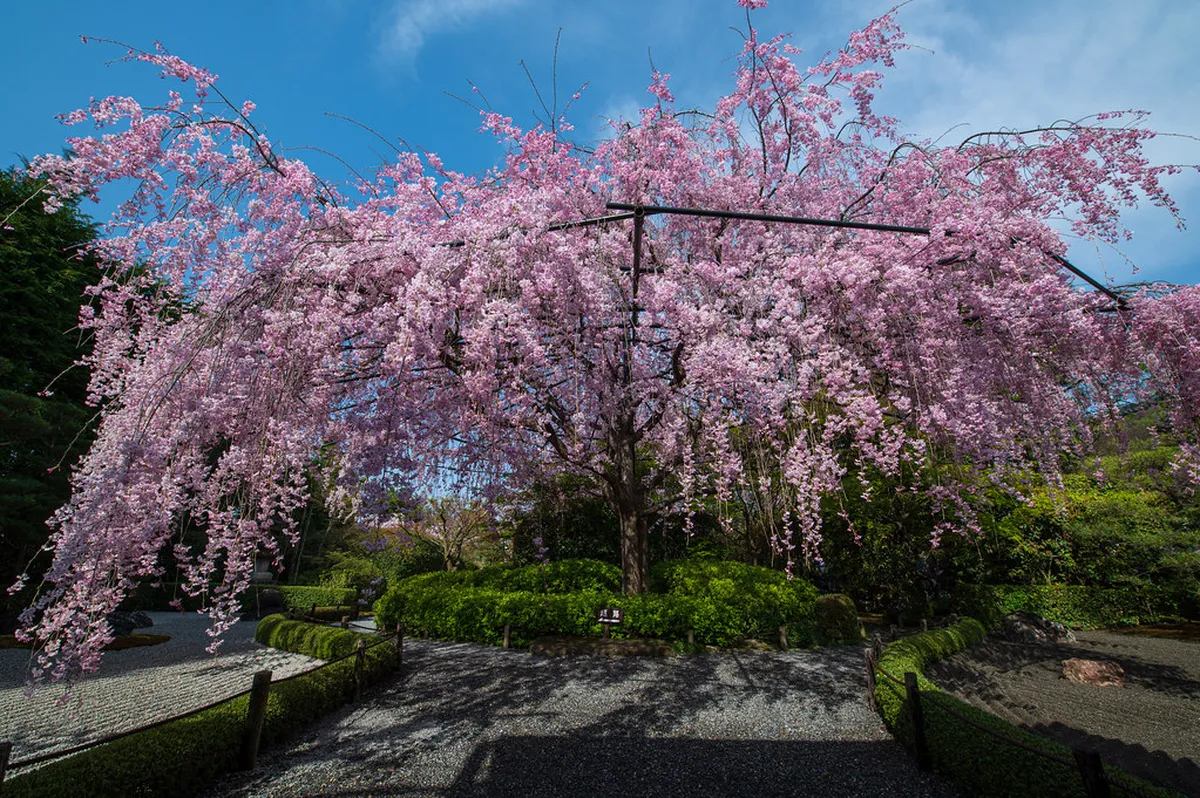
7 Must-Try Local Foods in Yoshino
These seven dishes define what to eat in Yoshino, from trail-ready persimmon-leaf sushi to cold-weather hot pot. Work through them by season and by tier, not necessarily in this order. Treat this list as the base menu, then use the seasonal calendar and cost table further down to plan which stop fits your day.
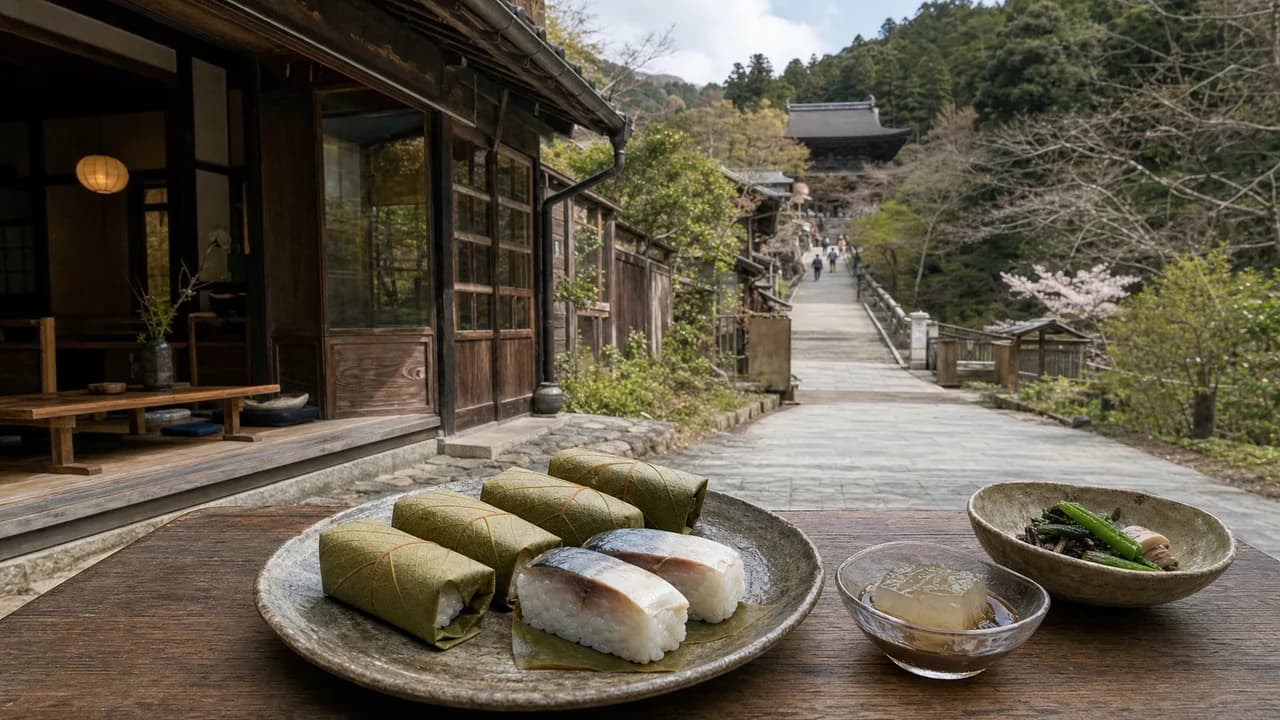
- Kakinoha-zushi (Persimmon Leaf Sushi)
- Vinegared rice topped with salted mackerel or salmon, wrapped tightly in a persimmon leaf, then pressed rather than hand-formed.
- The leaf preserves the fish without refrigeration, which is why it became pilgrim food on the climb toward Kinpusen-ji Temple.
- Izasa Honten, listed on Tabelog under sushi, bento, and onigiri, is a long-running specialist worth seeking out for this dish.
- Kuzukiri (Fresh Kudzu Noodles)
- Clear, ribbon-like noodles made from pure kudzu root starch, served chilled with kuromitsu black sugar syrup.
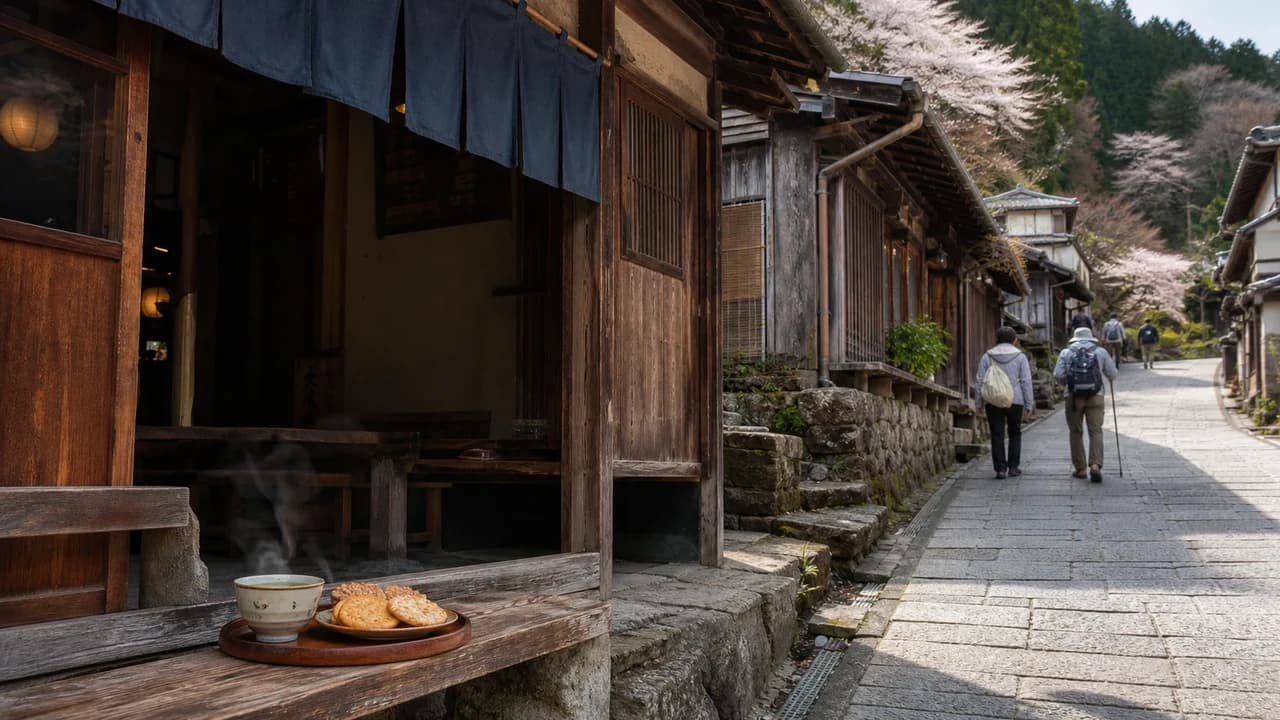
- At Nakai Shunpudo, a kudzu specialist shop, staff make the noodles in view of guests, who then eat them on-site with mountain views.
- Order it fresh rather than boxed to go, since the noodles firm up within minutes of leaving the kitchen. The full Yoshino kuzu guide covers other starch-based specialties.
- Kuzumochi (Kudzu Mochi)
- A cooler, jelly-like kudzu dessert, usually dusted with kinako roasted soybean flour and drizzled with the same black sugar syrup as kuzukiri.
- Sold at kudzu shops and sweets stores along the main pilgrimage path as a lighter, less time-sensitive alternative to kuzukiri.
- A few shops sell it packaged for the train ride home, unlike kuzukiri, which is best eaten immediately.
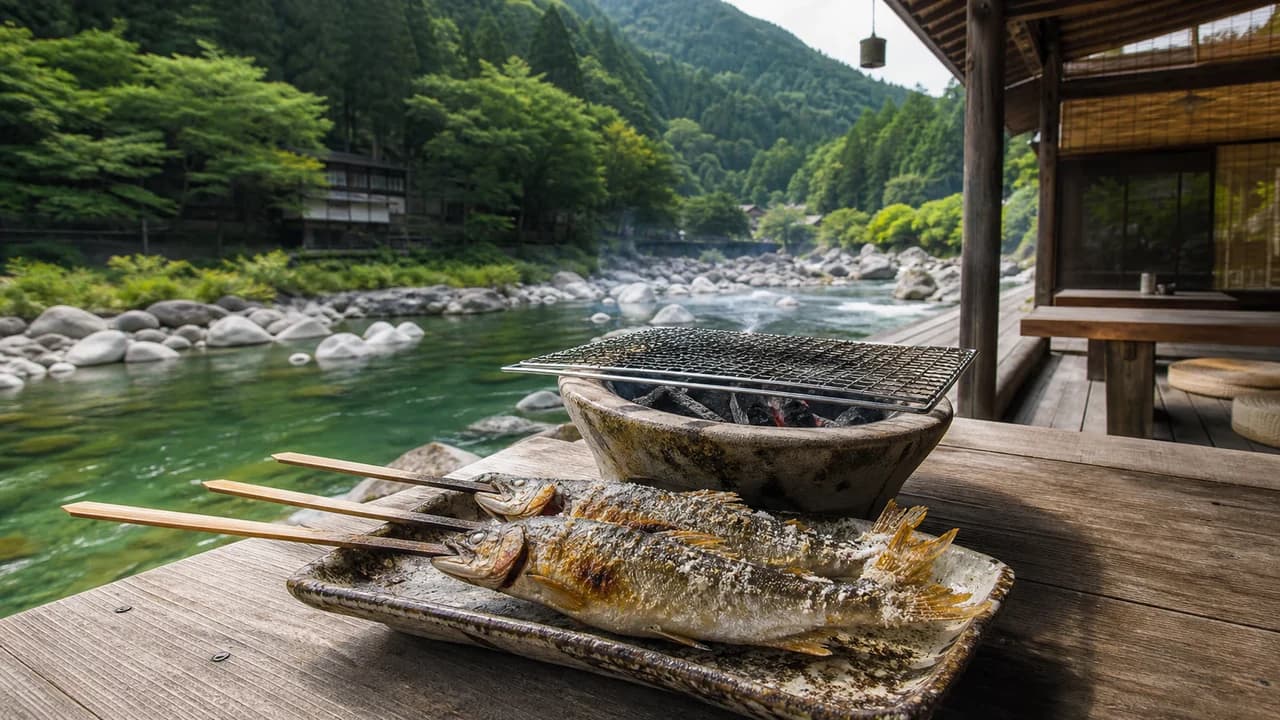
- Ayu (Grilled Sweetfish)
- River sweetfish, salted and grilled whole over charcoal, is a summer-into-autumn specialty tied to the Yoshino River watershed.
- Look for it at teahouses along Naka-senbon rather than at Shimo-senbon's quick-bite counters near the station.
- The ayu sweetfish guide covers the exact season and which menus carry it.
- Botan-nabe (Wild Boar Hot Pot)
- A cold-weather hot pot of thinly sliced wild boar, vegetables, and miso-based broth, arranged to resemble peony petals.
- Nara's mountain restaurants serve it in autumn and winter, on the same main-street menus that carry kakinoha-zushi.
- Pair it with warm sake if the restaurant offers one, since the dish is built for cold nights.
- Sakura-Themed Sweets (Spring)
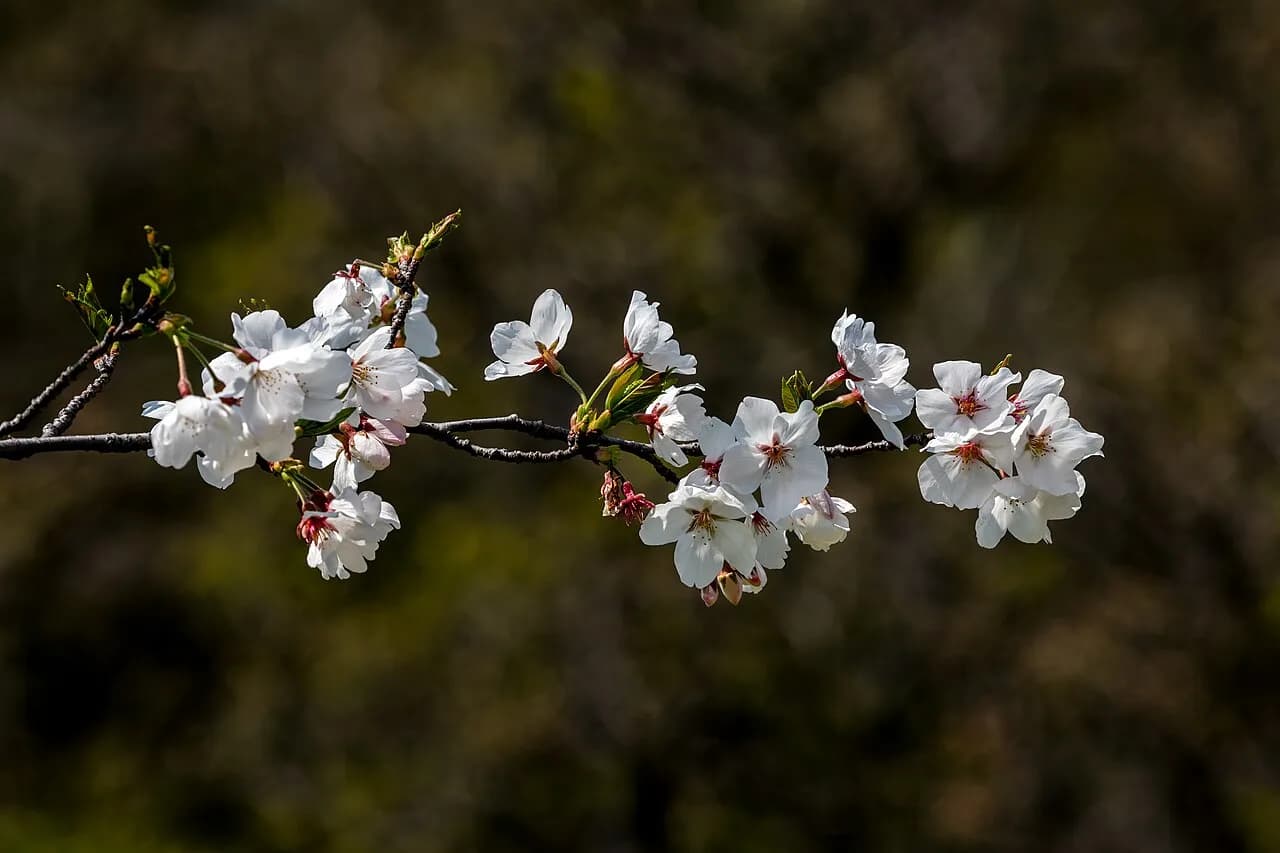
- During April bloom, shops sell sakura mochi, cherry-blossom-flavored kuzumochi, and pink-tinted sweets timed to the mountain's roughly 30,000 cherry trees.
- These items disappear from shelves once the blossoms drop, so spring menus look nothing like the rest of the year.
- The cherry blossom food guide lists which shops run sakura specials and when they stop.
- Yoshino Tofu Dishes
- Made with mountain water, Yoshino-style tofu appears grilled, simmered, or in hot pots at family-run restaurants.
- Tofu Chaya Hayashi, near Kinpusen-ji Temple, runs both vegetarian and meat set menus and lets visitors try tofu-making at its nearby kitchen.
- Hanasaka Organic Cafe, further along the same street, is a second vegetarian-friendly option worth knowing about.
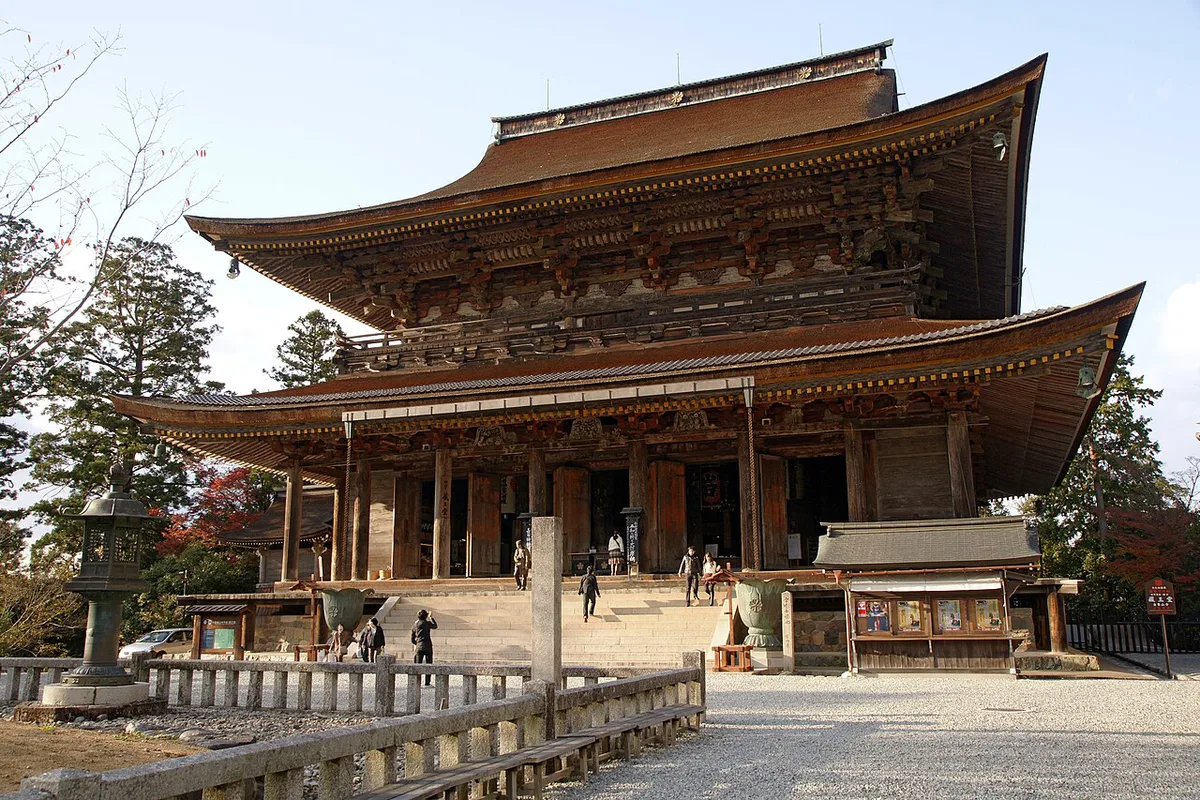
Best Time to Eat Each Dish: A Seasonal Calendar
Yoshino's menu changes by season more than most travelers expect, and timing a visit around food is worth planning alongside cherry blossoms or foliage. Spring brings sakura-themed sweets and the heaviest crowds of the year. Summer shifts the focus to grilled ayu as the Yoshino River fish come into season. Autumn keeps ayu on menus a little longer and adds botan-nabe as the weather cools, alongside the area's foliage hiking season. Winter narrows things down to kudzu dishes and hot pot, with fewer shops open and shorter hours overall. Holiday weekends inside these windows add extra waits at the most-cited restaurants, so arrive early or plan a late lunch instead. Shoulder weeks right before or after peak bloom often keep the same menu with noticeably shorter lines. Check the best time to visit Yoshino guide before booking, since food availability tracks the same seasonal calendar as the crowds.
The mountain's roughly 30,000 cherry trees draw peak spring crowds, but food service narrows above Naka-senbon; secure lunch in the middle tier before climbing toward scenic overlooks.
| Season | What's on the Menu |
|---|---|
| Spring (April) | Sakura mochi, cherry-blossom kuzumochi, peak crowds |
| Summer | Grilled ayu sweetfish |
| Autumn | Ayu continues, botan-nabe wild boar hot pot, foliage season |
| Winter | Kudzu dishes, hot pot, reduced shop hours |
Kakinoha-zushi vs. Regular Sushi: What's Different
Kakinoha-zushi behaves differently from the sushi most travelers know, and that matters if lunch needs to survive a hike. The table below breaks down the practical differences. Kakinoha-zushi also holds at room temperature for several hours, which standard sushi never does safely. If there's any doubt about a stall's refrigeration, kakinoha-zushi remains the safer pick for a long train ride. Because it travels well, it works as trail food on the climb between Yoshinoyama's tiers or as a bento for the ride home. Standard sushi, by contrast, belongs on a restaurant table, not in a daypack.
| Feature | Kakinoha-zushi | Standard Nigiri Sushi |
|---|---|---|
| Fish prep | Salted and cured, wrapped in a persimmon leaf | Fresh raw fish, unwrapped |
| Serving temperature | Room temperature | Chilled, eaten right away |
| How long it keeps | Safe for hours without refrigeration | Best eaten within minutes |
| Best use | Trail food, bento boxes, train rides | Sit-down dining only |
Navigating the Four Tiers of Yoshinoyama
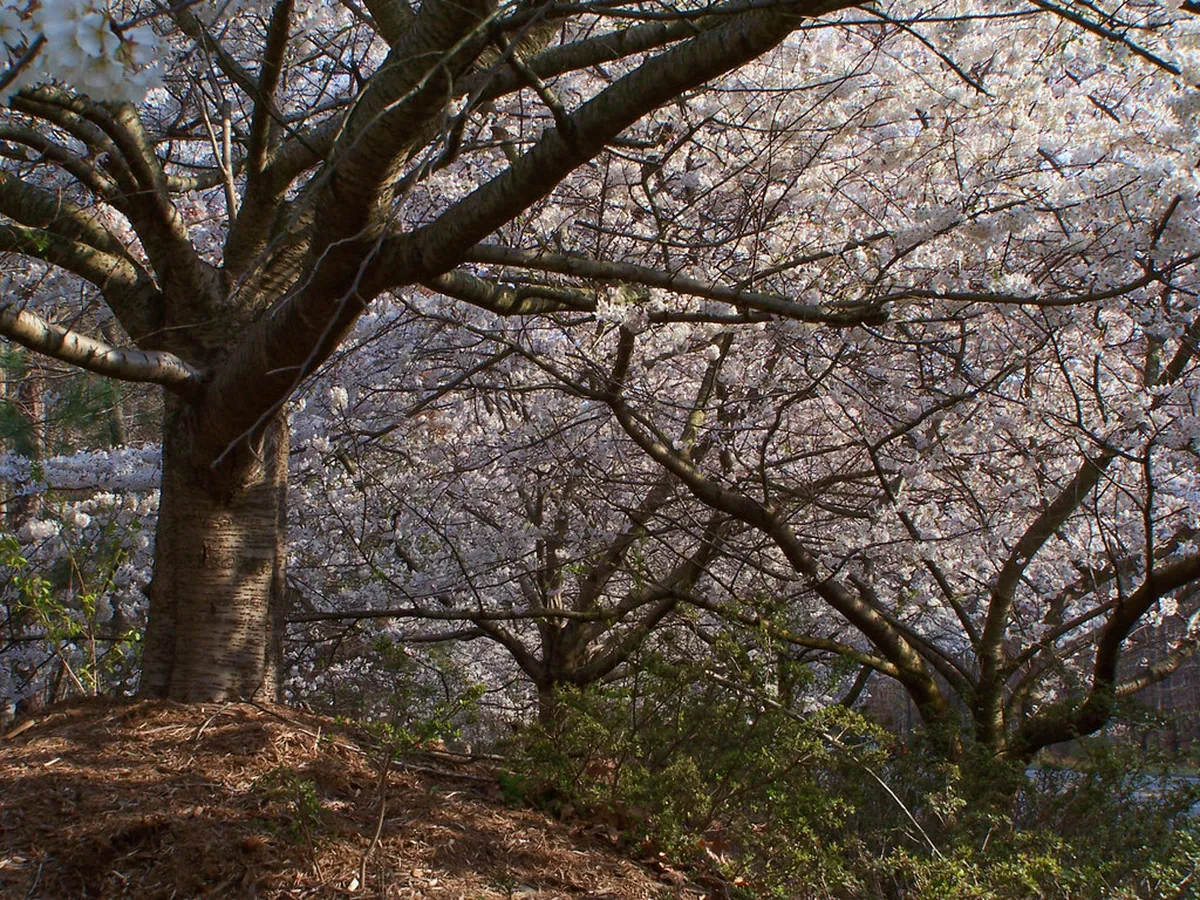
Yoshinoyama divides into four elevation tiers, and restaurants get scarcer at each one. Eat lunch in Naka-senbon before continuing upward, since options thin out fast past that point. Buses loop up to the mountain observatories in spring and autumn, but a bus ride doesn't solve the food gap near the top, so plan meals before you board rather than after. Each tier also marks a rough walking-time checkpoint, so treat the table below as a meal-planning map as much as a food list. The four tiers of Yoshinoyama guide breaks down what else sits at each level beyond food. Use the Yoshino Ropeway: Japan's Oldest Cable Car (2026) to plan the ride between Shimo-senbon and the upper mountain. Slot lunch into your route with the one-day Yoshino itinerary. For a longer list of sit-down spots by tier, see the Yoshino teahouses and chaya guide.
| Tier | What's There | Food Notes |
|---|---|---|
| Shimo-senbon (Lower) | Quick bites near Yoshino Station | Grab-and-go kakinoha-zushi and sweets shops such as Funagata Ya, about a third of a mile from the station |
| Naka-senbon (Middle) | Main hub of teahouses and temples, including Kinpusen-ji Temple | Nakai Shunpudo, Tofu Chaya Hayashi, and most sit-down lunch spots cluster here |
| Kami-senbon (Upper) | Quieter viewpoints past the ropeway | Fewer restaurants; some teahouses reduce hours outside peak season |
| Oku-senbon (Summit) | Remote pilgrimage trail | Little to no food; carry water and snacks before you climb |
Where to Eat: Restaurants and Teahouses to Know
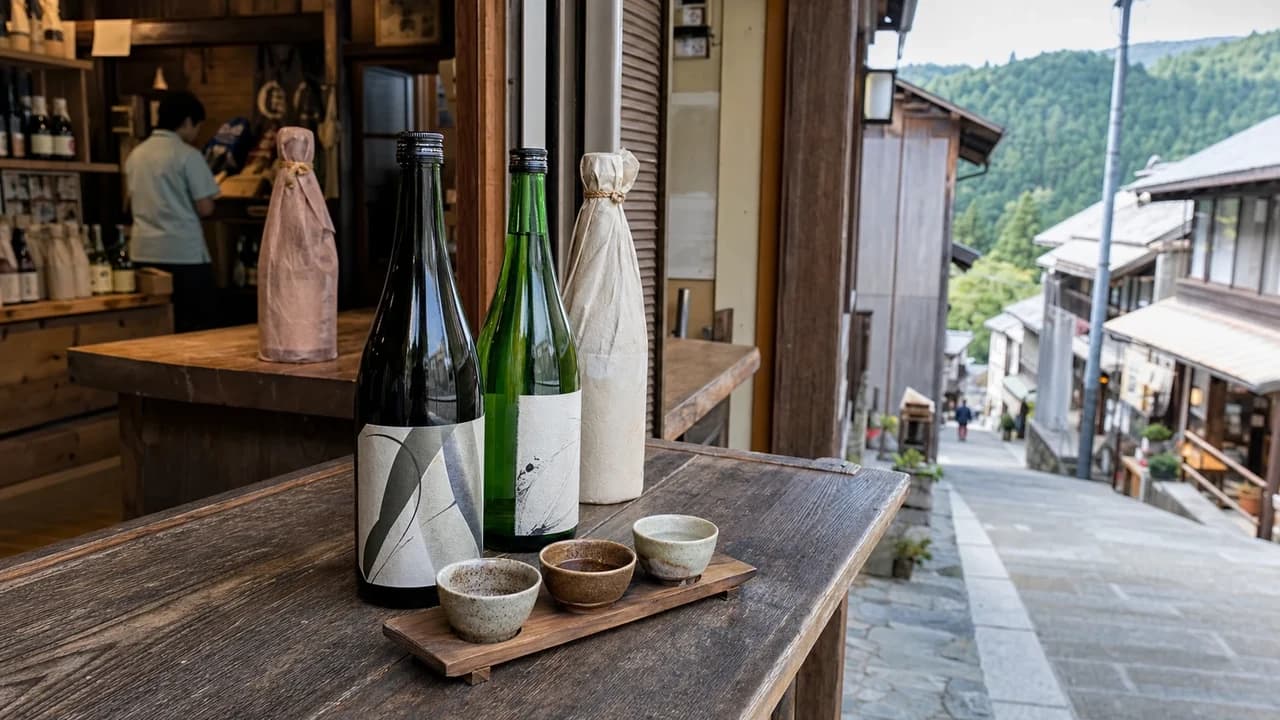
A handful of named spots come up again and again in local coverage of the mountain. Nakai Shunpudo remains the reference point for fresh kudzu sweets, with in-shop seating and mountain views. Izasa Honten is the long-running choice for kakinoha-zushi, bento, and onigiri. Yoshinokuzu Yasokichi sits just past the ropeway, over the Yoshinoyama Ohashi bridge, and its deck looks straight into the valley, which makes it a solid matcha stop between temple visits. Tofu Chaya Hayashi, near Kinpusen-ji Temple, runs both vegetarian and meat menus and offers a tofu-making experience at its nearby kitchen. Hanasaka Organic Cafe, on the same main street, focuses on vegetarian dishes for travelers skipping meat and fish. Meisui Tofu Yamaguchi Ya, also listed on Tabelog, is another tofu-focused option worth checking if Tofu Chaya Hayashi is full. Aoki Saketen, about six-tenths of a mile from Yoshino Station, pours local sake if dinner calls for a drink. Read the Yoshino Sake Breweries: A Visitor's Guide to Miyoshino and Hanatomoe (2026) before planning a tasting stop of your own. For a complete restaurant-by-restaurant directory beyond these highlights, use the where to eat in Yoshino guide.
Vegetarian and Dietary Notes for Eating in Yoshino
Yoshino's signature dishes lean toward fish and meat, so vegetarians need to plan around a few specific stops rather than expecting broad menus. Kuzukiri and kuzumochi are both plant-based, made from kudzu starch, water, and sugar syrup, which makes them safe defaults across the mountain. Kakinoha-zushi, ayu, and botan-nabe all center on fish or meat and don't have vegetarian versions on most menus. Hanasaka Organic Cafe runs vegetarian dishes for travelers skipping meat and fish entirely. Tofu Chaya Hayashi offers a vegetarian set menu alongside its meat options, so groups with mixed diets can eat at the same table. Sesame and soy show up across kudzu sweets and tofu dishes alike, so travelers with those allergies should ask before ordering. Confirm allergy details directly with smaller shops, since many family-run kitchens don't print full ingredient lists.
Dining Costs, Timing, and Crowds
Budget by meal type rather than by restaurant name, since prices in Yoshino cluster around what you're eating more than where you sit down. Street snacks such as kakinoha-zushi or kuzumochi typically run ¥500 to ¥1,000. A casual lunch or teahouse set costs ¥1,500 to ¥3,000. A ryokan dinner or kaiseki course starts around ¥8,000 and climbs from there for multi-course menus. Spring and autumn bring the heaviest crowds, when buses run loop routes to the mountain observatories and small teahouses fill up fast. Book ryokan dinners ahead during those windows, since seating is limited at family-run rooms. Weekday visits outside peak bloom or foliage weeks mean shorter waits and more flexible seating at teahouses in Naka-senbon. Most small restaurants don't take online reservations, so calling ahead or asking a ryokan to book on your behalf works better than showing up unannounced.
Kakinoha-zushi at ¥500 to ¥1,000 offers unmatched meal value for Yoshino's tier-by-tier walking routes because it stays safe at room temperature for hours, eliminating refrigeration concerns during the entire climb.
| Meal Type | Typical Cost |
|---|---|
| Street snacks (kakinoha-zushi, kuzumochi) | ¥500–¥1,000 |
| Casual lunch or teahouse set | ¥1,500–¥3,000 |
| Ryokan dinner or kaiseki course | ¥8,000+ |
Mistakes to Avoid When Eating in Yoshino
A few planning slips repeat often enough to call out directly. Most trace back to underestimating how much the mountain's geography controls food access. None of these mistakes ruin a trip on their own, but stacking two or three of them turns a planned meal into a missed one. Build slack into the schedule, and confirm hours for any upper-tier teahouse the same week you visit. Most of these fixes take a few minutes of preparation before you leave the hotel or ryokan.
| Mistake | Why It Matters |
|---|---|
| Assuming every shop takes cards | Many small, family-run shops on the pilgrimage path skip card readers; carry yen |
| Boxing up kuzukiri for later | The noodles firm up within minutes, so eat it on-site instead |
| Climbing to Oku-senbon before lunch | Food thins out fast above Naka-senbon, so eat there first |
| Visiting upper-mountain teahouses off-season | Some Kami-senbon and Oku-senbon spots reduce hours or close outside cherry blossom and foliage weeks; confirm before you climb |
| Skipping a reservation for ryokan dinner | Kaiseki seating is limited at small, family-run rooms, especially in spring and autumn |
| Expecting English menus everywhere | Smaller, family-run shops on the mountain often post menus in Japanese only; a translation app helps |
For trip-planning details, see Yoshino, Nara – Wikipedia.
Explore food in other cities
Frequently Asked Questions
What is the most famous food to eat in Yoshino?
Kakinoha-zushi and Yoshino kudzu sweets are the two dishes most associated with the mountain. Kakinoha-zushi is salted sushi wrapped in a persimmon leaf, while kudzu shows up as chilled kuzukiri noodles or soft kuzumochi. Both travel well, which is part of why they became pilgrim food in the first place.
How much should you budget for meals in Yoshino?
Street snacks such as kakinoha-zushi or kuzumochi run about ¥500 to ¥1,000. A casual teahouse lunch costs ¥1,500 to ¥3,000, and a ryokan kaiseki dinner starts around ¥8,000. Prices track the meal type more than the specific restaurant.
Are restaurants in Yoshino cash-only?
Many small, family-run shops along the main pilgrimage path skip card readers. Carry yen, and confirm payment methods before you order at anything that looks like a traditional stall. Larger restaurants near Yoshino Station are more likely to accept cards.
Can you find food near the top of Mt. Yoshino?
Options shrink fast above Naka-senbon. Eat lunch before continuing to Kami-senbon or Oku-senbon, since teahouses there run limited hours and some close outside cherry blossom and autumn foliage season. Carry water and a packable snack for the summit trail.
How much time should I plan for eating in Yoshino?
Give kuzukiri about 10 minutes once it's served, since the noodles firm up quickly. Plan a sit-down lunch around 45 minutes to an hour at a teahouse in Naka-senbon. Trail food like kakinoha-zushi takes no extra time at all.
What's the difference between kuzukiri and kuzumochi?
Kuzukiri is served as chilled, ribbon-like noodles in syrup, best eaten fresh within minutes. Kuzumochi is a softer, jelly-like block dusted with roasted soybean flour and holds up longer, making it easier to buy as a souvenir.
Is Yoshino food vegetarian-friendly?
Kudzu sweets are plant-based by default, so kuzukiri and kuzumochi work for most vegetarians. Kakinoha-zushi, ayu, and botan-nabe are fish- or meat-based with few substitutions. Hanasaka Organic Cafe and Tofu Chaya Hayashi's vegetarian set menu are the two most reliable stops for plant-based meals.
Explore Yoshino Food & Dining
Dig deeper into what to eat around Yoshino's cherry-blossom mountain, from signature persimmon-leaf sushi to seasonal treats and where to sit down for a proper meal.
Signature Dishes
Where To Eat
Seasonal Food
Tea & Local Drinks
Plan Your Visit
Free guide: Japan's Hidden Gems
12 under-the-radar places beyond Tokyo & Kyoto — with the best season to visit each and a local tip you won't find in the guidebooks.
You might also like


Continue reading
More guides you'll find useful