Yoshino Teahouses and Chaya: A Guide to Mt. Yoshino's Traditional Rest Stops
Yoshino teahouses chaya, sorted by elevation across Mt. Yoshino, Nara: what to order, when they close, and how they differ from Amanohashidate's chaya.
On this page
Last updated July 2026, Yoshino teahouses chaya line the pilgrim approach road from Yoshino Station up toward Kinpusenji Temple in Nara Prefecture. Shugendo practitioners and cherry blossom visitors have stopped at these chaya for generations along the Yoshino-Omine route, part of a UNESCO World Heritage pilgrimage network. This guide sorts Mt. Yoshino's teahouses by elevation, covers their kuzu-kiri and sakura-mochi specialties, and separates them from unrelated Yoshino Chaya spots in Amanohashidate and Saitama.
Yoshino Teahouses and Chaya Culture on the Pilgrim Path
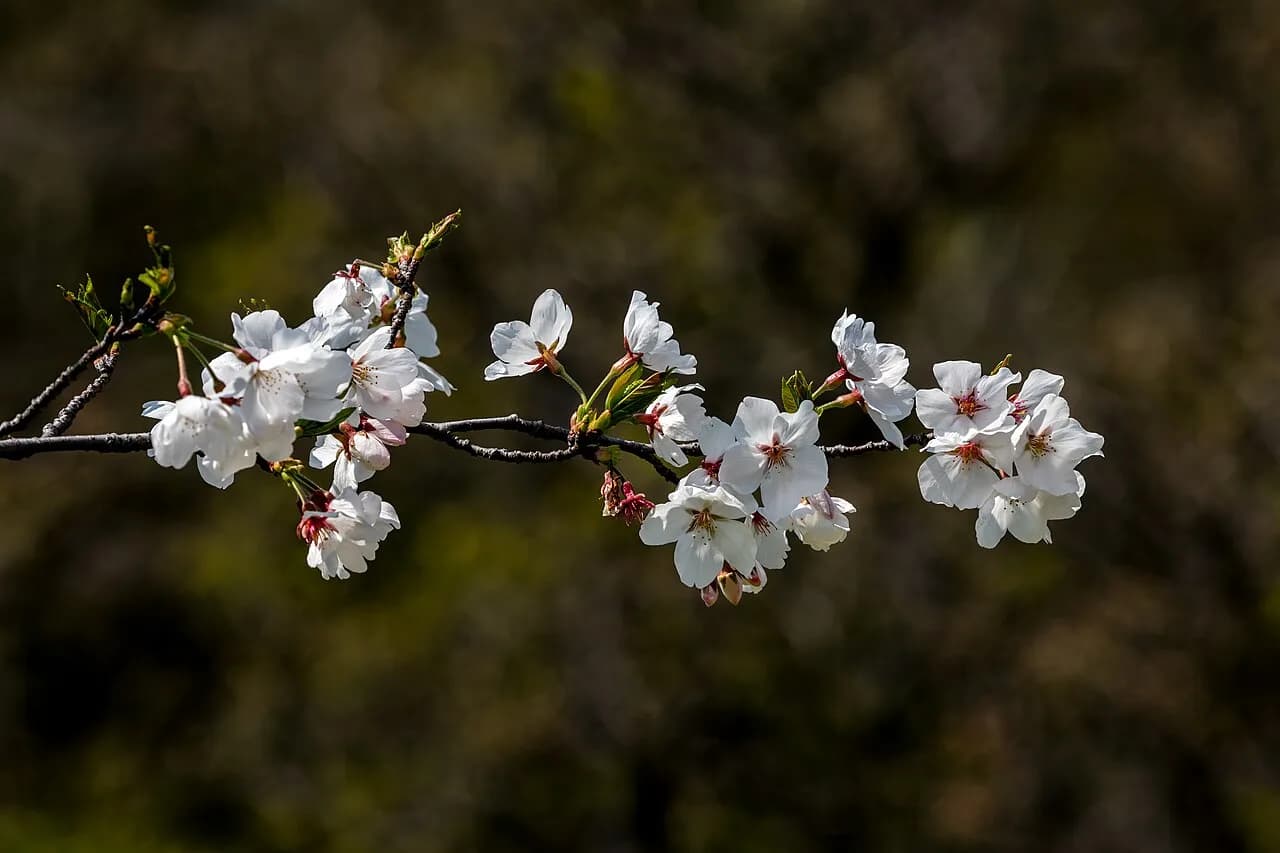
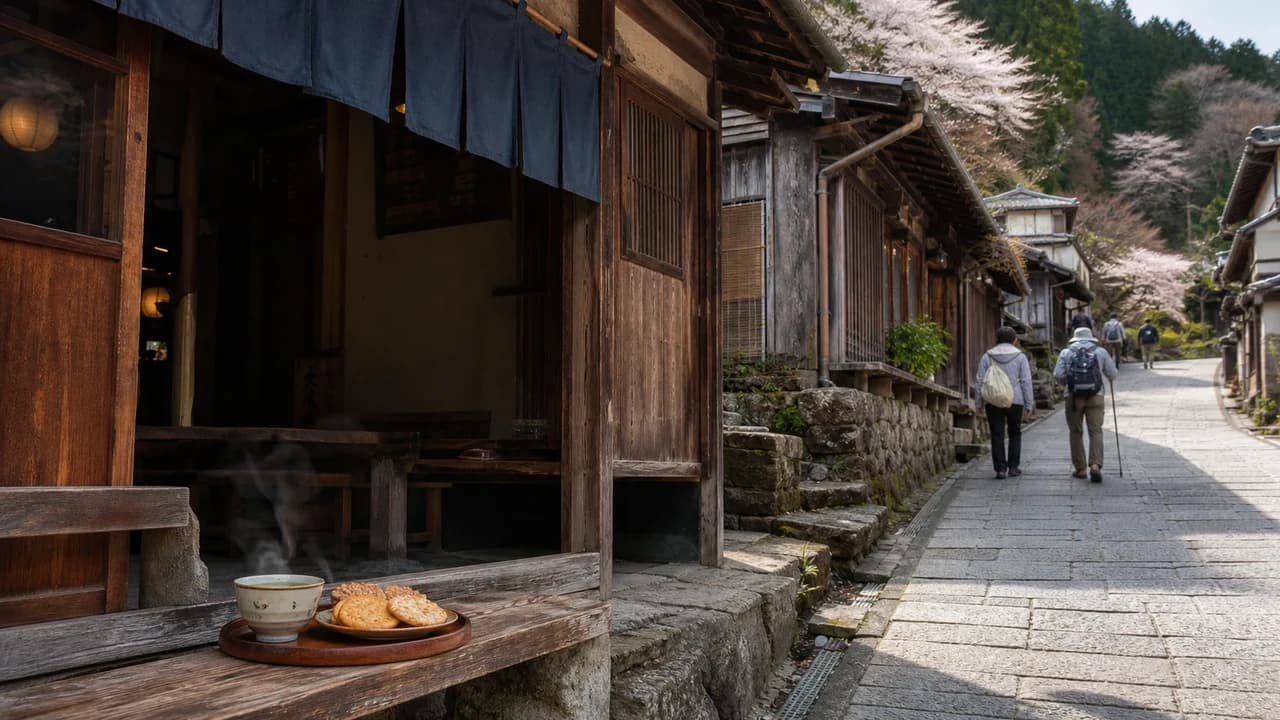
A chaya is a small rest house selling tea, seasonal sweets, and sometimes light meals to travelers on foot. On Mt. Yoshino, chaya line the single approach road that climbs past Kinpusenji Temple and continues toward Mt. Omine along the Yoshino-Omine route. Shugendo practitioners have stopped at these teahouses for centuries during mountain training treks. Cherry blossom visitors now follow the same route each spring, when roughly 30,000 cherry trees bloom across the slope. Mt. Yoshino sits inside Yoshino-Kumano National Park in Nara Prefecture, and the chaya culture there grew up around both pilgrimage traffic and seasonal sightseers. Visiting soon after the roughly 9:00 a.m. opening, especially during peak cherry blossom weeks, generally means shorter waits at the busiest Shimosenbon chaya. For a quick answer, Nakasenbon holds the classic valley-view teahouses, and Shimosenbon carries the widest choice of traditional sweets near Kinpusenji Temple. The Yoshino food guide covers the wider dining scene beyond these tea stops.
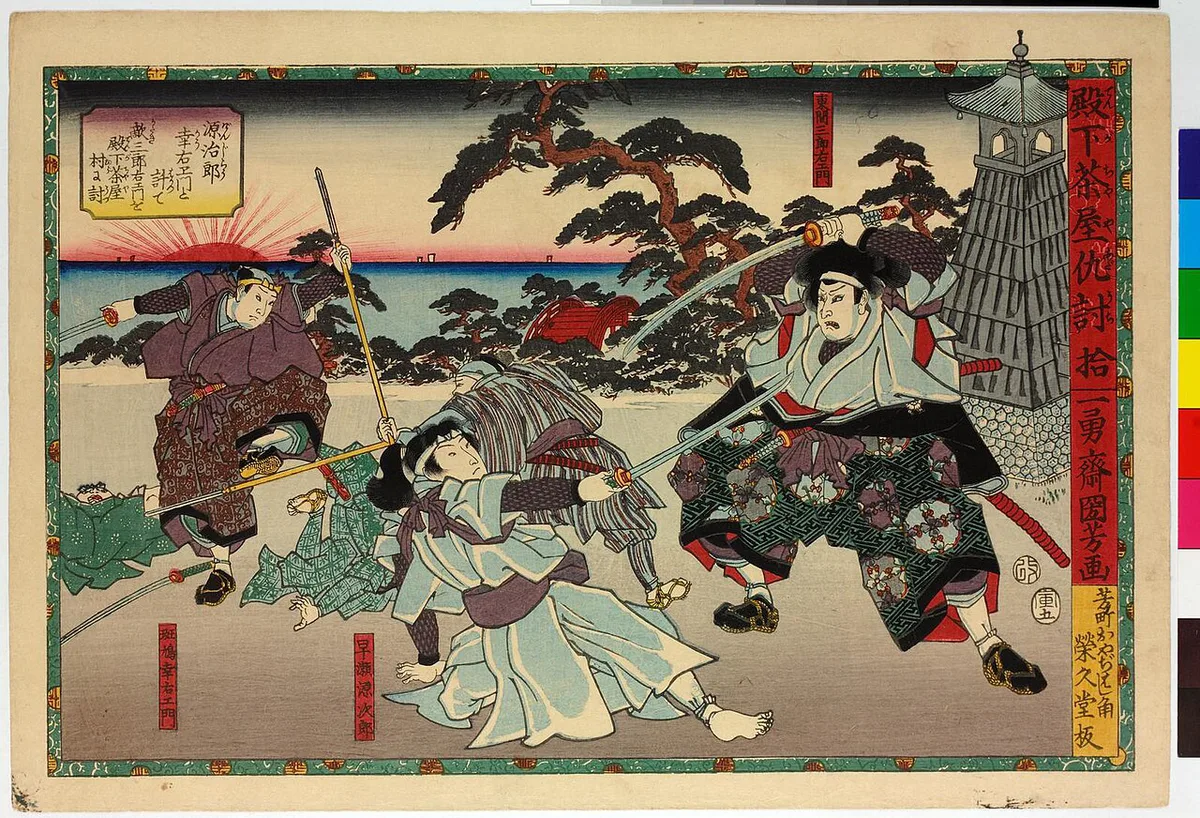
Teahouses by Elevation: Shimo, Naka, Kami, and Oku Senbon
Mt. Yoshino's pilgrim road splits into four sections, and chaya cluster differently in each one. The four tiers of Yoshino guide covers the wider sightseeing at each level. Here is how the chaya themselves differ between sections:
- Shimosenbon (Lower Senbon): steps from the ropeway's upper station and Kinpusenji Temple, and the busiest chaya cluster during cherry blossom season.
- Nakasenbon (Middle Senbon): home to the hanami-michi, a walking street lined with valley-view teahouses and open decks facing the slope; many day visitors turn back here.
- Kamisenbon (Upper Senbon): fewer, quieter chaya aimed at hikers continuing past the main viewing areas toward Mt. Omine.
- Okusenbon (Deep Senbon): the most remote stops, some still serving warming amasake for hikers on cold mountain days.
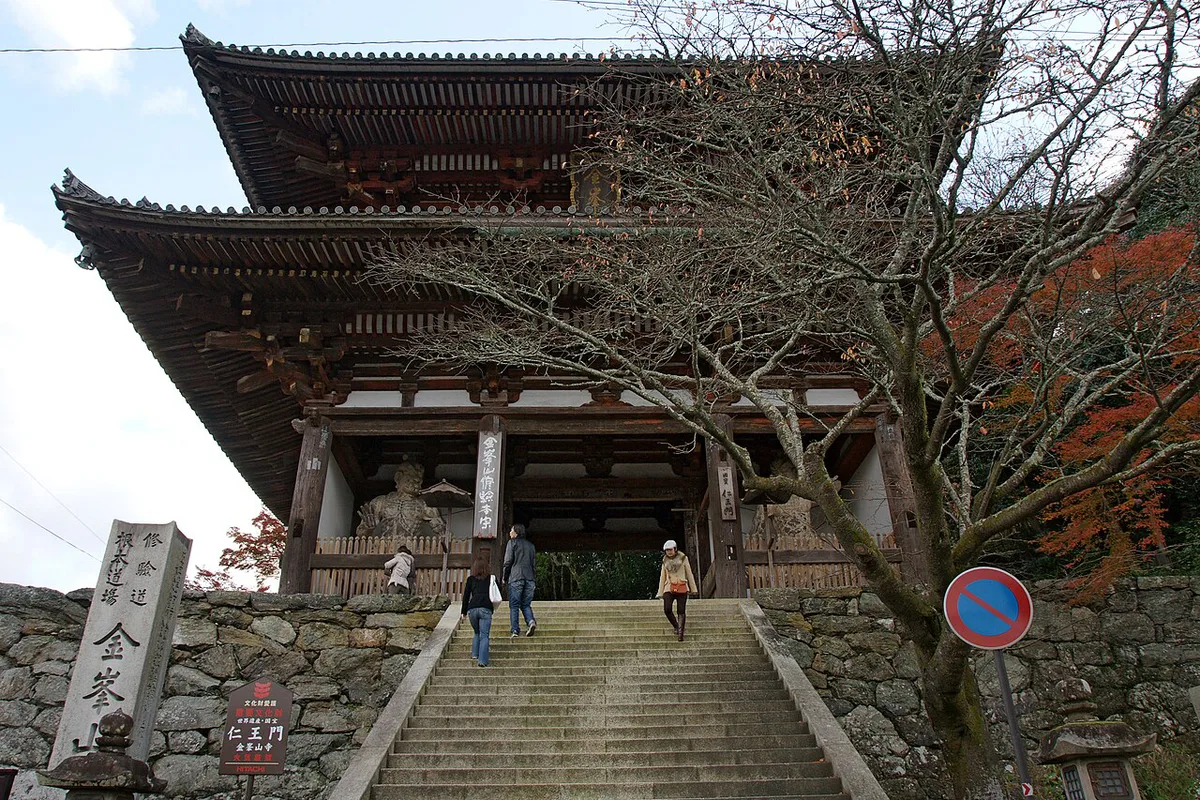
A Simple Route Through the Four Tiers
A straightforward route starts at Yoshino Station, rides or skips the ropeway to Shimosenbon, and pauses at a chaya near Kinpusenji Temple. From there, the hanami-michi through Nakasenbon offers the next natural stop, with open decks facing the valley. Visitors with more time can continue into Kamisenbon for a quieter break, then decide whether Okusenbon's remote stops and amasake fit the remaining daylight. Turning back after Nakasenbon keeps the day shorter, while pushing to Okusenbon adds a longer, steeper walk with fewer amenities along the way. Several older buildings along this route use kake-zukuri overhang construction, with a thatched or shingled roof projecting out over the slope on wooden pillars, a style most common in Nakasenbon and Kamisenbon. The road between tiers is walking-only beyond the ropeway's reach, so every chaya past Shimosenbon is reached on foot. Hikers planning to continue into Kamisenbon or Okusenbon should check the one-day Yoshino itinerary for realistic timing before the last cable car down.
Signature Flavors: Kuzu-kiri, Sakura-mochi, and Grilled Ayu
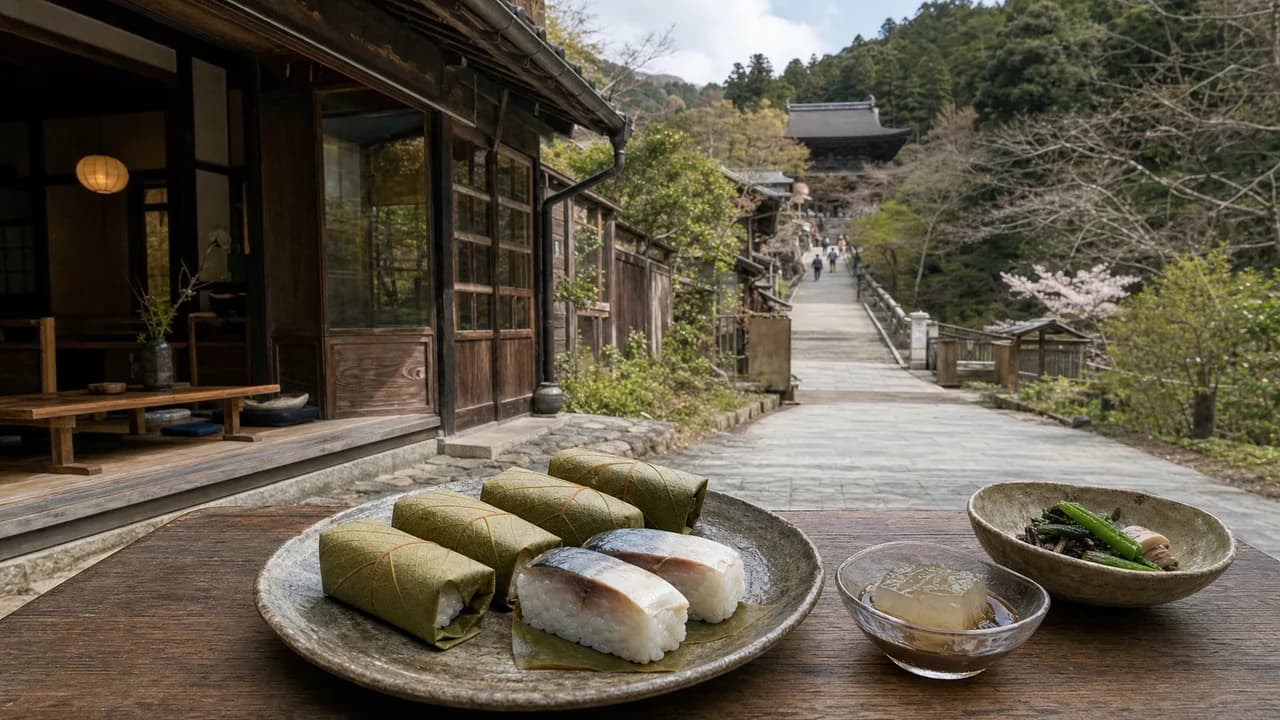
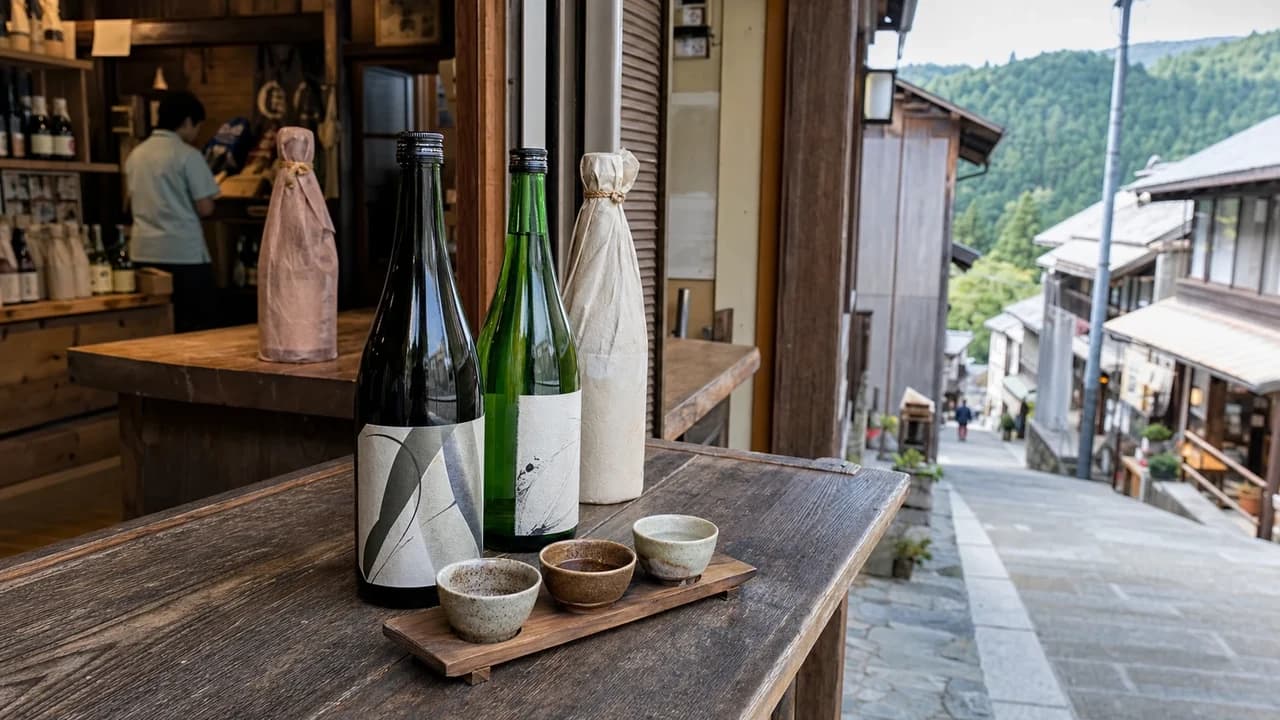
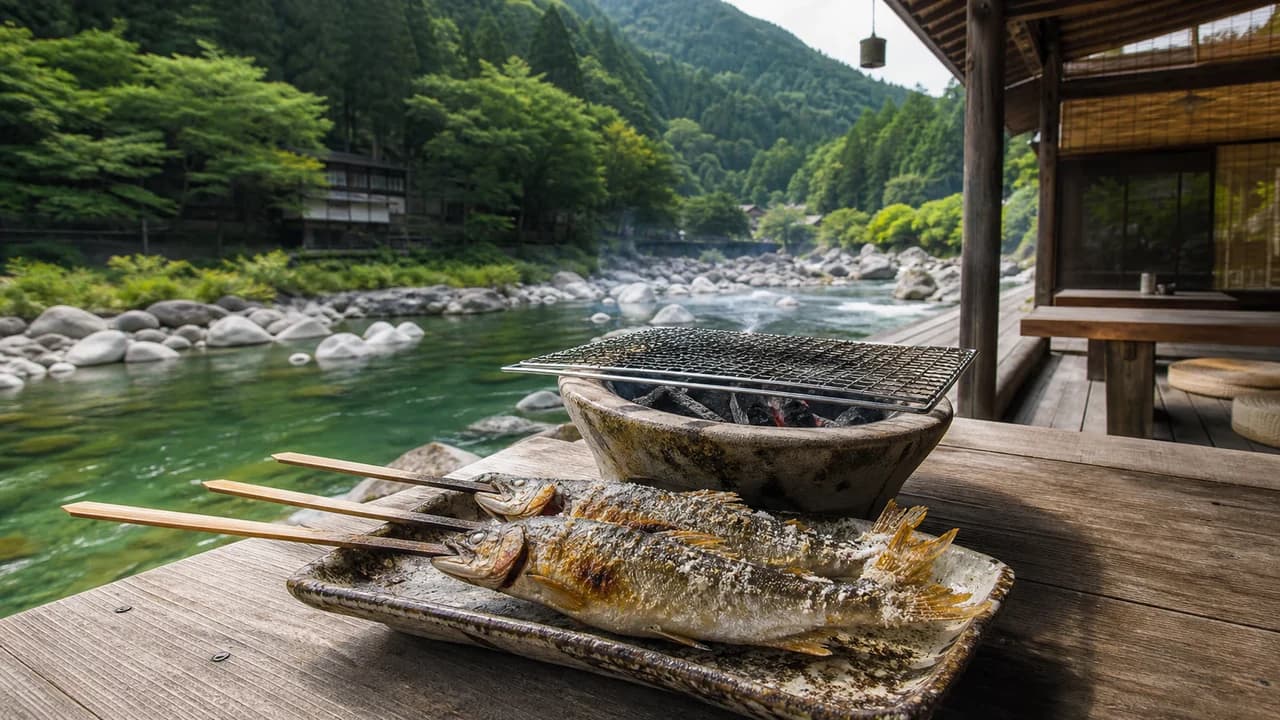
Yoshino's chaya menus lean on a handful of local specialties rather than a generic tea-and-cake set, and most fall under the broader category of wagashi, traditional Japanese sweets. Kuzu-kiri, clear noodles made from Yoshino-grown kuzu arrowroot starch, appears on menus across all four tiers. The Yoshino kuzu-kiri guide explains how the starch is harvested and prepared locally. Kuzu-kiri is typically served chilled, making it a popular order in the warmer months and during the spring pilgrimage season alongside sakura-mochi. During cherry blossom season, sakura-mochi pairs pink-tinted rice cake with matcha or hojicha at many Shimosenbon and Nakasenbon chaya. The cherry blossom food guide lists which stops serve it and when the season typically runs. Some chaya also grill ayu, a river sweetfish, as a savory alternative to sweets. Details on where to find it sit in the grilled ayu guide. A simple green tea and wagashi set is the standard order at most stops, with heartier noodle or rice dishes limited to a handful of larger chaya. Travelers wanting something stronger than tea can detour to a stop covered in the Yoshino Sake Breweries: A Visitor's Guide to Miyoshino and Hanatomoe (2026), though most chaya themselves serve tea rather than alcohol.
Planning a Visit: Costs, Hours, and Access
Most Yoshino chaya open around 9:00 in the morning and close by late afternoon, notably earlier than some other historic Japanese teahouses. Hakone's Amasake Chaya teahouse, for comparison, opens at 7:00 a.m. and stays open until 5:30 p.m. year-round. A tea-and-sweets set at a Yoshino chaya runs in line with other traditional mountain teahouse rest stops in Japan. Menus are usually posted only at the chaya itself, so check the board on arrival rather than searching online. Many chaya are small, family-run operations, so hours can shift without notice on quiet weekdays. The table below summarizes daily practicalities:
Yoshino chaya close by 16:00-17:00 each day, much earlier than Hakone's Amasake Chaya which opens at 7:00 a.m., yet Mt. Yoshino provides dozens of chaya across four tiers versus Hakone's single roadside stop.
| What to know | Details |
|---|---|
| Opening hours | Most chaya open near 9:00 a.m. and close by 16:00-17:00. |
| Seasonal operation | Many higher-elevation chaya operate seasonally and close outside spring and autumn. |
| Peak-season seating | Some chaya add a seat charge or a minimum order during the early-to-mid April cherry blossom peak. |
| Payment | Cash only at many stops; do not count on IC cards or credit. |
| Restrooms | Public facilities cluster near Shimosenbon and Nakasenbon and thin out further into Kamisenbon and Okusenbon. |
- Reaching the lower chaya starts with the trip from Osaka or Kyoto, covered in the guide to getting to Yoshino.
- From Yoshino Station, the Yoshino ropeway shortens the climb to Shimosenbon before the walking route continues uphill.
- Visitors headed beyond Shimosenbon should plan for a longer walk, since there is no ropeway option past the lower station.
- Carrying a refillable water bottle is worth it beyond Shimosenbon, since shops thin out and a chaya may be the only stop for a while.
- Layered clothing helps too, since temperatures on the upper tiers run noticeably cooler than at the trailhead.
Choosing the Right Chaya for Your Visit
Which chaya suits a visit depends on the reason for going. First-time visitors who want to stay near the main sights should stick to Shimosenbon. It sits within walking distance of Kinpusenji Temple and the other stops in the Yoshino attractions guide. Hikers looking for quiet should push on to Okusenbon, where crowds thin and chaya serve fewer, longer-staying visitors. Photographers chasing an open view should look for chaya with an engawa, an open-air wooden deck, facing the mountain's roughly 30,000 cherry trees. Nakasenbon has the highest concentration of these viewing decks. Many visitors mix approaches, stopping for sweets in Shimosenbon before continuing on foot to a quieter Kamisenbon chaya for a break. Crowds and views trade off directly with timing. Cherry blossom peak weeks bring the busiest chaya and the fullest bloom, while visiting outside that window trades some color for shorter lines. The best time to visit Yoshino guide lays out that trade-off month by month. Meanwhile, the cherry blossom season guide tracks how the bloom typically opens first in Shimosenbon and later at higher elevations.
Mistakes to Avoid at Yoshino's Teahouses
A few habits trip up first-time visitors to Yoshino's chaya. Watch for these common missteps:
- Assuming every chaya is open year-round: many higher-elevation stops operate seasonally only.
- Expecting an English menu above Shimosenbon: higher stops rarely have one.
- Arriving without cash: many traditional chaya skip IC cards and credit cards entirely.
- Ignoring closing times: most chaya shut by late afternoon, well before dinner.
- Trying to plan a single stop for every specialty, since kuzu-kiri, sakura-mochi, and grilled ayu are rarely all on one chaya's menu.
- Confusing Mt. Yoshino in Nara with Amanohashidate's Yoshino Chaya or Saitama's Yoshino Tea Garden when searching for directions.
Not the Amanohashidate or Hakone Chaya: How Mt. Yoshino Differs
Searches for Yoshino teahouses chaya sometimes surface unrelated places that share the name. A separate Yoshino Chaya sits outside Chionji Temple's gate in Amanohashidate, Kyoto Prefecture, known locally for its Chie no mochi rice cake set. That teahouse has no connection to Mt. Yoshino in Nara. A Yoshino Tea Garden also exists as a family sencha farm in Sayama, Saitama, unrelated to either Nara or Kyoto. Elsewhere, the Amasake Chaya teahouse in Hakone is a genuinely comparable rest-stop tradition. It sits on the old Tokaido highway in Kanagawa Prefecture and has served amasake and grilled mochi from a recipe reportedly unchanged for more than four centuries. What sets Mt. Yoshino apart is scale: dozens of chaya spread across four mountain sections along a single UNESCO-listed pilgrimage route, rather than one roadside stop. Confirm the prefecture, Nara, before booking transport, since all three destinations share the word chaya but sit hundreds of miles apart.
For trip-planning details, see Sacred Sites and Pilgrimage Routes in the Kii Mountain Range – Wikipedia.
Frequently Asked Questions
What is a chaya on Mt. Yoshino?
A chaya is a small traditional rest house that sells tea, wagashi sweets, and sometimes light meals along the pilgrim road. On Mt. Yoshino, chaya have served Shugendo practitioners and cherry blossom visitors climbing from Kinpusenji Temple toward Mt. Omine.
Is Mt. Yoshino's chaya the same as the Yoshino Chaya near Amanohashidate?
No, the Yoshino Chaya near Amanohashidate sits outside Chionji Temple's gate in Kyoto Prefecture and is known for Chie no mochi rice cake. It has no connection to the chaya on Mt. Yoshino in Nara.
Do Yoshino's teahouses take credit cards?
Many chaya do not take credit cards. Carry cash for tea, sweets, and light meals, especially at stops higher up the mountain in Kamisenbon and Okusenbon.
When do Yoshino chaya close for the day and for the season?
Most chaya close by around 16:00 to 17:00 each day, earlier than many other Japanese teahouses. Several higher-elevation stops also close for parts of the year, so check seasonal operation before a Kamisenbon or Okusenbon hike.
Which tier has the best views for photography?
Nakasenbon carries the highest concentration of open-deck chaya facing the mountain's cherry trees. Shimosenbon is easier to reach but has a narrower view, since it sits closer to the ropeway station and Kinpusenji Temple.
What does tea and sweets typically cost at a Yoshino chaya?
Expect a modest per-person charge similar to other traditional mountain teahouse stops around Japan, since none of the Yoshino chaya publish fixed menus online. Check the handwritten board at each stop, and carry cash since card and IC payments are unreliable this far up the mountain.
Can hikers reach the upper tiers without the ropeway?
Yes, the approach road is walkable end to end. The ropeway only shortens the first stretch to Shimosenbon, so reaching Kamisenbon or Okusenbon still means walking.
Are Yoshino's teahouses open during winter?
Some Shimosenbon chaya stay open year-round near Kinpusenji Temple, but many higher-elevation stops close for the winter months. Confirm which tier's chaya are running before planning an off-season visit to Kamisenbon or Okusenbon.
Free guide: Japan's Hidden Gems
12 under-the-radar places beyond Tokyo & Kyoto — with the best season to visit each and a local tip you won't find in the guidebooks.
You might also like


Continue reading
More guides you'll find useful