Yoshino Cherry Blossom Food: What to Eat on Mt. Yoshino
A 2026 guide to Yoshino cherry blossom food: kakinoha-zushi, Yoshino kuzu, sakura mochi, and where to eat by tier on Mt. Yoshino.
On this page
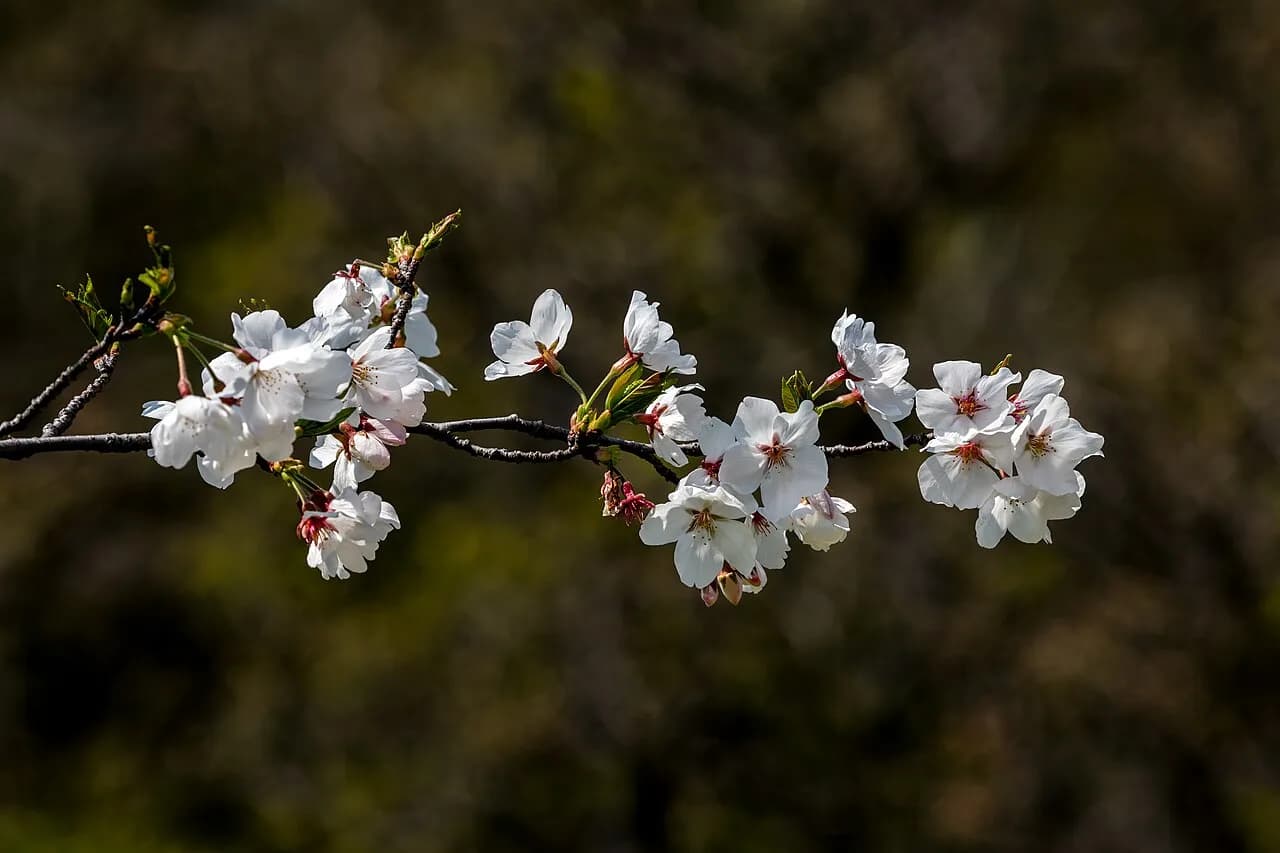
Last updated July 2026. Yoshino cherry blossom food centers on three hyper-local specialties: persimmon-leaf sushi, arrowroot sweets, and river fish. Vendors add sakura-themed treats during the roughly two-week bloom window in early-to-mid April, when the path through Shimosenbon, Nakasenbon, and Kamise fills with visitors.
Understanding Yoshino Cherry Blossom Food
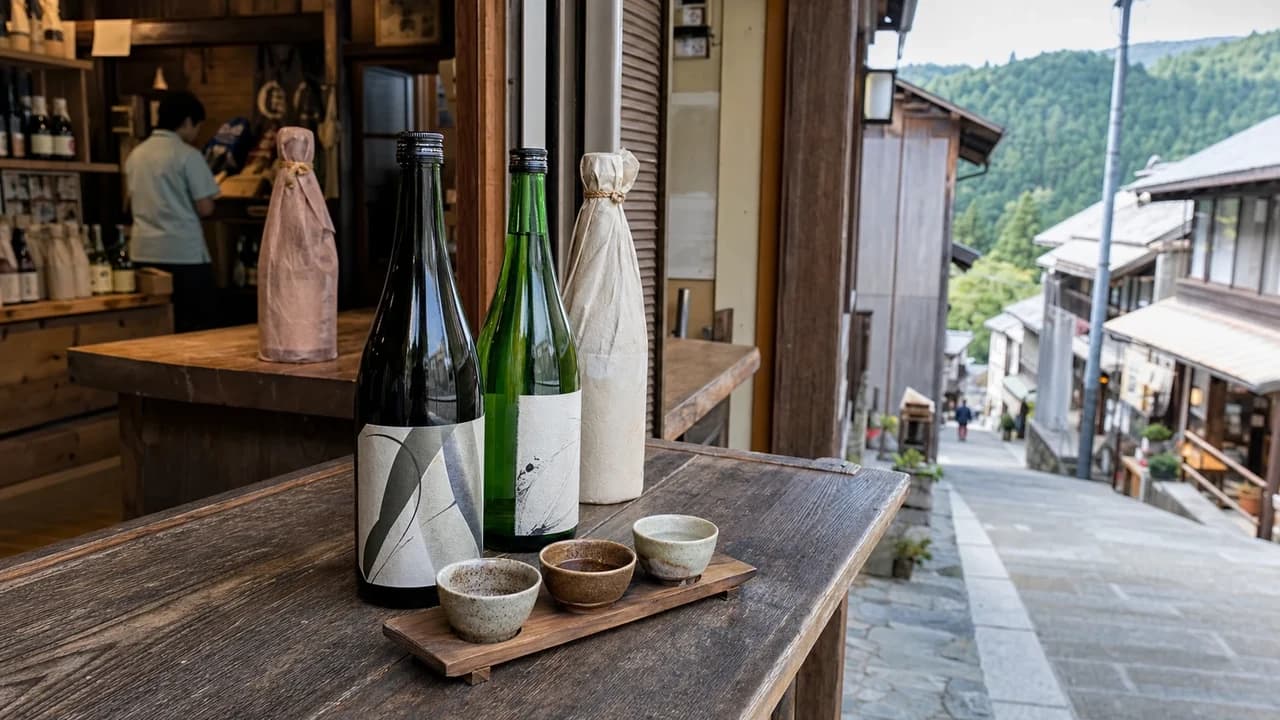
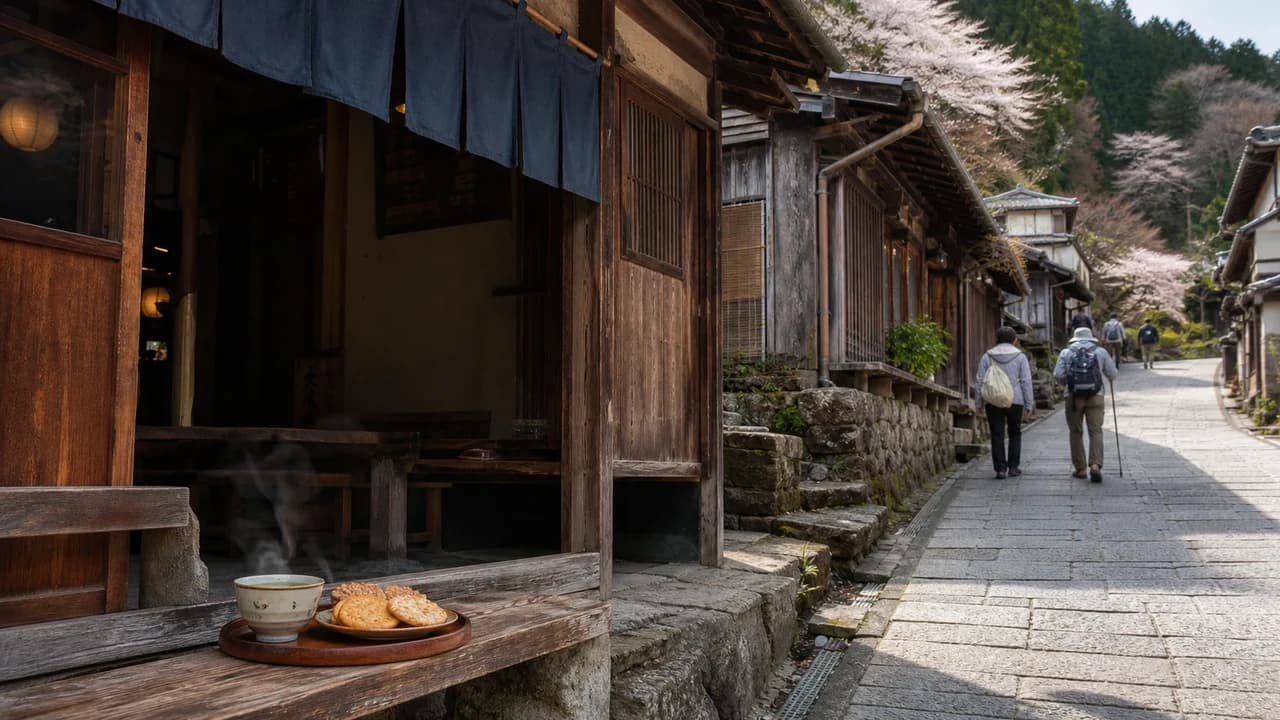
Mount Yoshino's food culture blends three traditions: preserved sushi, mountain-grown arrowroot, and seasonal sakura sweets sold only during bloom. Temporary stalls appear each spring along the path through Shimosenbon, Nakasenbon, and Kamise, selling food you will not find the rest of the year. Many stalls stand next to viewpoints covered in the Yoshino Cherry Blossoms: 2026 Viewing Guide. Others cluster near temples listed in the 9 Best Things to Do in Yoshino (2026) overview, including Kinpusen-ji. Plan food stops around those temple visits instead of treating them as a separate errand. Because the mountain has limited flat ground, most food here is designed to travel. Sushi comes wrapped in a leaf, starch is turned into shelf-stable sweets, and dumplings are sold on skewers you can eat while walking. That design shapes how you should plan a visit, since sitting down for a full meal is the exception on the mountain's most crowded days. Treat food as part of the walk itself rather than as a scheduled stop, and less time goes to waiting. On an ordinary day outside cherry blossom season, Yoshino's food scene is quieter. A handful of shops sell kakinoha-zushi and kuzu sweets, and restaurants keep normal seating. During the roughly two-week peak, seasonal vendors set up temporary stalls that disappear once the blossoms fall. A menu you see mid-bloom will not be there in May. That gap matters when planning: the Big Three specialties are available essentially year-round, while the sakura-specific treats are not.
The Big Three Yoshino Specialties: Kakinoha-zushi, Kuzu, and Ayu
Three dishes define Yoshino cuisine year-round, and cherry blossom season is when demand peaks hardest. Each one reflects a different resource: the mountain's persimmon trees, its arrowroot roots, and the Yoshino River. Trying all three in one visit is possible, but timing matters. Kakinoha-zushi and kuzu sweets are sold most of the day. Ayu, when in season, tends to appear on dinner or late-lunch menus rather than as a quick snack. Budget a full sit-down stop for ayu, and treat the other two as anytime options you can eat on the move. If time is tight, kuzu sweets are the easiest of the three to find outside the main stall clusters. Several fixed shops sell them beyond bloom season.

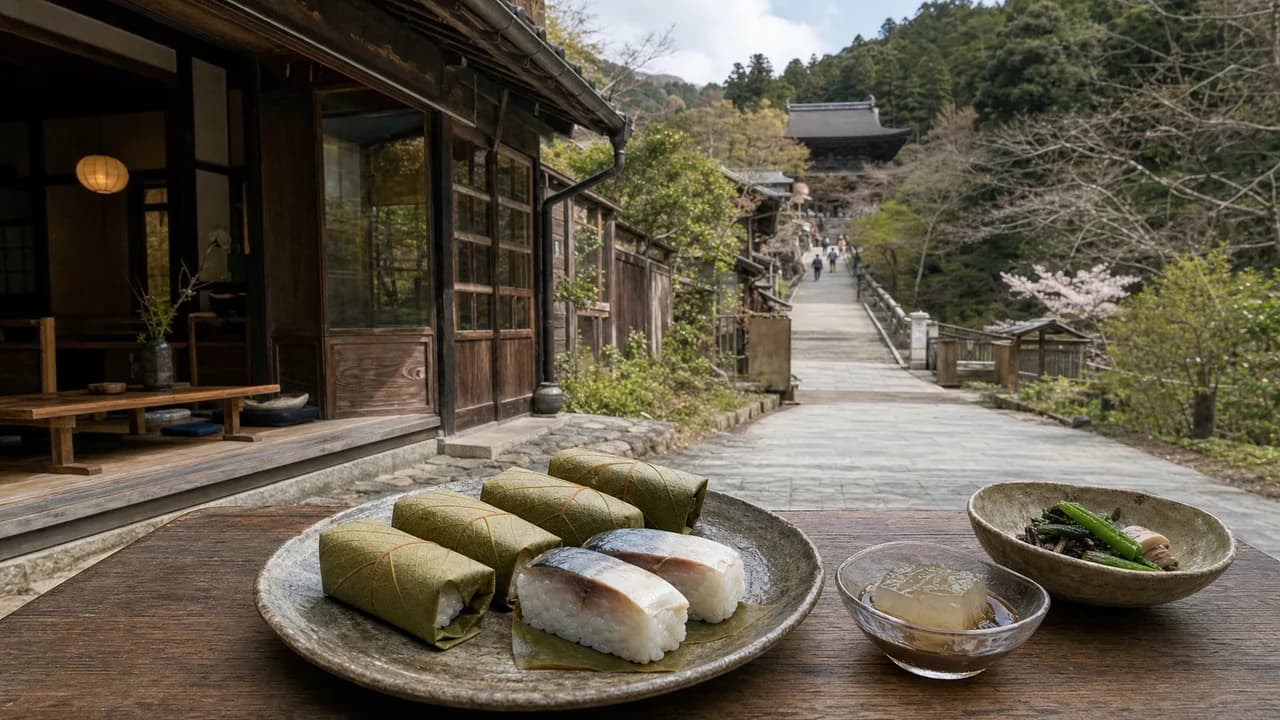
- Kakinoha-zushi (persimmon-leaf sushi): Salt-cured mackerel or salmon pressed onto vinegared rice, wrapped tightly in a persimmon leaf. The curing and wrapping method is simple: salted fish sits pressed against vinegared rice, sealed inside the leaf, and the leaf itself is what gave the dish its name. Persimmon leaves were traditionally used to help keep the sushi fresh without refrigeration, a method that predates ice deliveries to the mountain villages of Yoshino. See the What to Eat in Yoshino: 7 Must-Try Local Delicacies & Best Restaurants guide for shops that sell it fresh.
- Yoshino kuzu: High-grade arrowroot starch, distinct from the mass-produced potato starch sometimes labeled kuzu elsewhere in Japan. Locals treat the arrowroot's purity as a point of pride, since real Yoshino kuzu takes far longer to produce than the potato-starch substitutes sold under the same name. Local producers turn it into kuzukiri, a chilled noodle, and kuzumochi, a jellied sweet, both served at teahouses along the path. The Yoshino kuzu food guide covers where the arrowroot is processed and which shops sell the genuine product.
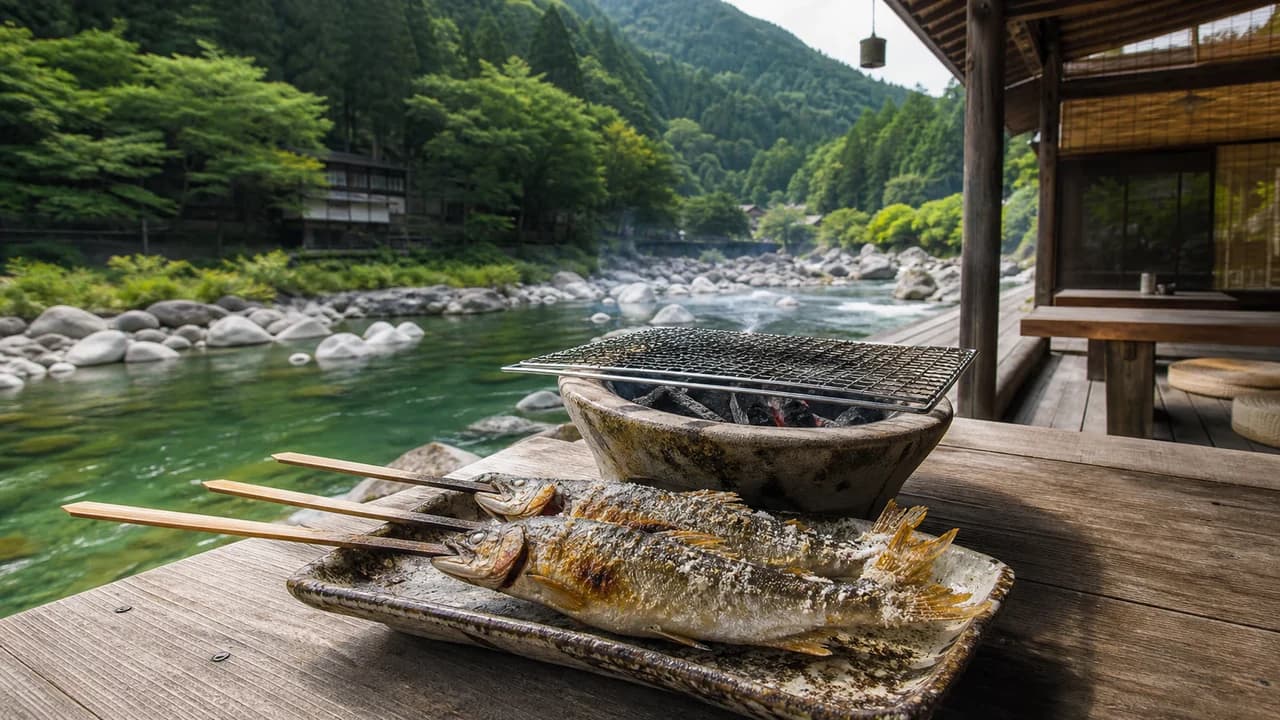
- Ayu (sweetfish): A river fish from the Yoshino River, grilled whole with salt and typically available through the warmer months. Because ayu is a wild river fish, availability depends on the season and the individual restaurant, unlike the other two specialties sold at fixed stalls. Cherry blossom season falls at the early edge of its availability, so confirm with a given restaurant before ordering. The Ayu Sweetfish in Yoshino: Where to Eat Nara's Summer River Fish has more on where and when it is served.
Sakura-Themed Treats You Will Only See in Spring
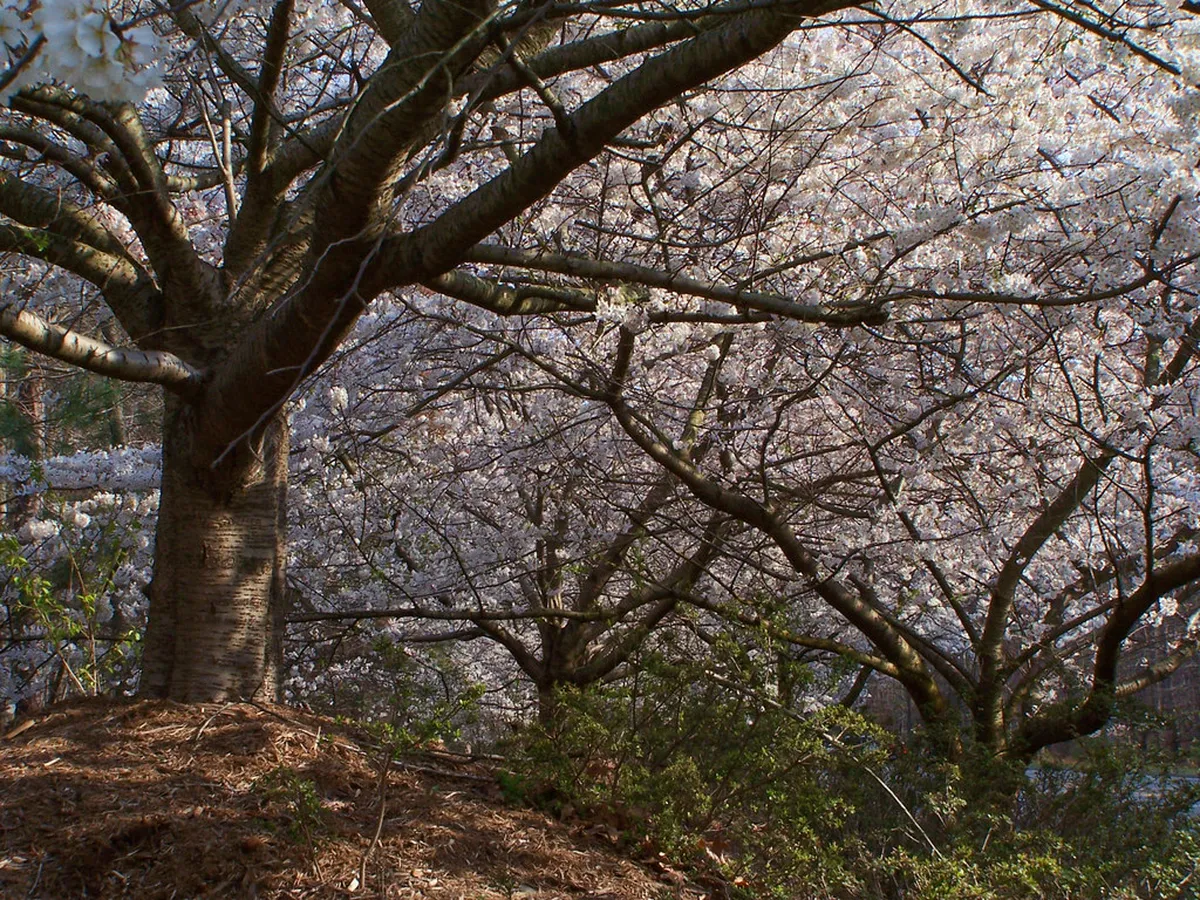
Cherry blossom season adds a second layer of food on top of Yoshino's year-round specialties. These are treats built around the sakura theme itself, sold only during the roughly two-week bloom window. Unlike the Big Three, none of these sakura-themed treats are exclusive to Yoshino. What makes them worth seeking out here is eating them with the mountainside in bloom, rather than in a shop away from the trees.
Sakura-themed treats appear only during the roughly two-week bloom, when teahouse waits hit 60 minutes or more at midday. Eating hanami dango or sakura mochi while climbing the mountain lets visitors enjoy the seasonal flavors without waiting in long food lines.
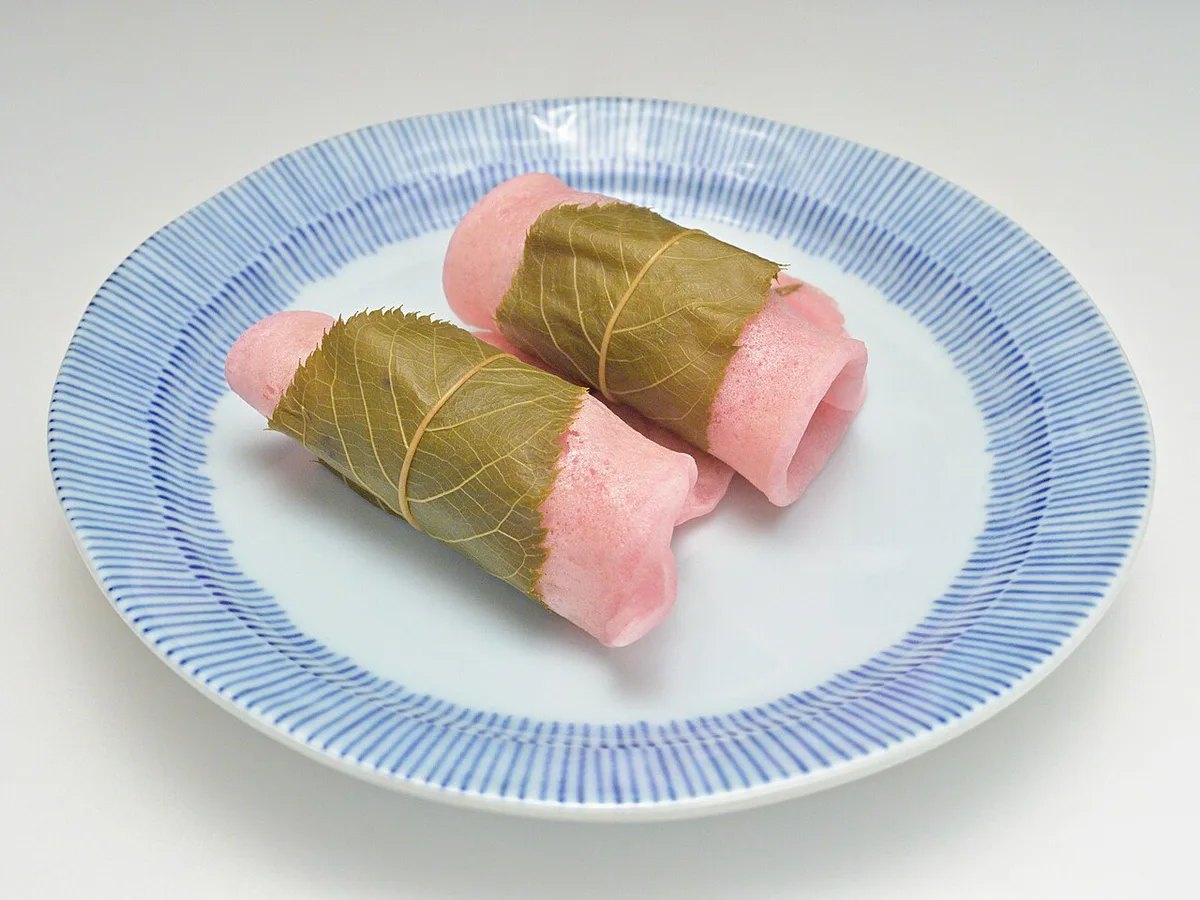
- Sakura mochi: Nara sits in the Kansai region. The sakura mochi sold here is Domyoji-style, made from coarse, chewy glutinous rice rather than the smooth crepe-wrapped version common in eastern Japan. The Domyoji rice is coarser than the eastern-Japan version because it starts from a different processing method, giving it a grainier texture rather than a smooth wrapper. A pickled cherry leaf wraps the outside, and most people eat the leaf along with the mochi.
- Sakura-yu: Salted cherry blossom tea, served hot at teahouses along the mountain path instead of plain green tea during bloom season. Its light saltiness comes from pickled cherry blossoms steeped in hot water, a flavor distinct from the sweetness of sakura mochi. Find it at one of the chaya covered in the Yoshino Teahouses and Chaya: A Guide to Mt. Yoshino's Traditional Rest Stops guide.
- Hanami dango: Tri-color rice dumplings on a skewer, pink for blossom, white for melting snow, and green for new spring growth. Skewers are easy to hold in one hand while carrying a drink in the other, which matters on a crowded path.
Dining by Elevation: Yoshino's Four Tiers
Food changes as you climb Mt. Yoshino, and the four tiers, Shimosenbon, Nakasenbon, Kamisenbon, and Okusenbon, each have a different food profile. Shimosenbon sits near the train station and the base of the Yoshino ropeway, and this is where street stalls concentrate. Nakasenbon holds the densest cluster of sit-down restaurants, plus outposts tied to the Yoshino sake breweries. For a broader restaurant list across the mountain, check 7 Best Places to Eat in Yoshino: Restaurants, Teahouses and Local Specialties (2026). Kamisenbon and Okusenbon have far fewer options, so most visitors carry food up from the lower tiers instead of relying on finding a seat. The Yoshino's Four Cherry-Blossom Tiers Explained (2026) breaks down what else changes tier by tier, beyond food. Which tier to prioritize depends on how much walking you plan to do. Visitors who ride the ropeway up and walk down tend to eat lightly at Shimosenbon in the morning. They save a proper sit-down meal for Nakasenbon on the way back. Those pushing on to Kamisenbon or Okusenbon for quieter blossom views should carry snacks, since food options thin out fast above the village center. Lines for the ropeway itself add to the wait. Many visitors walk down even if they rode up, timing a food stop for the descent instead. Checking which tier a specific restaurant sits in before setting out saves backtracking once the path gets crowded.
| Tier | Location on the Mountain | Food Focus | Dining Style |
|---|---|---|---|
| Shimosenbon (Lower) | Near the station and ropeway base | Street stalls, ekiben, seasonal sakura snacks | Grab-and-go |
| Nakasenbon (Middle) | Village center | Sit-down restaurants, sake breweries | Widest range of seated options |
| Kamisenbon (Upper) | Higher slopes | A handful of teahouses | Longer waits, better bloom views |
| Okusenbon (Inner) | Farthest tier | Very few vendors | Bring your own food |
Logistics: Getting There, Timing Meals, and Trade-offs
Getting to Yoshino determines how much of the day is left for eating. Most visitors arrive via the route from Osaka or Kyoto, then work up through the tiers on foot or by ropeway. Trains run from both cities into the Yoshino area. The last stretch up the mountain is on foot or by ropeway, which limits how much food you can practically carry. Building meals into a single day works best when planned in advance. The Yoshino one-day itinerary lays out a sequence that leaves room for both a sit-down meal and quick stall food. Fitting three specialties, plus a sakura treat, into one day usually means picking two food stops rather than four. Travel between tiers takes real time on foot. During peak bloom, the main trade-off is time. A window seat at a mountain teahouse can mean a wait of 60 minutes or more once the blossoms peak. That cuts into the time left for viewpoints and temples. An ekiben, a boxed meal bought at or near the station, skips that wait entirely and can be eaten anywhere along the path. Neither choice is wrong, but pick based on how much of the day is left before hiking back down. Whichever option you pick, eating away from the single busiest viewpoint tends to cut the wait regardless of tier. Meal timing also depends on when you plan to see the blossoms themselves. Arriving at Shimosenbon in the early morning avoids both the worst crowds and the longest food lines. That leaves the middle of the day free for temples and viewpoints higher up. Saving a sit-down meal at Nakasenbon for the late afternoon is often the easier way to get a table without a long wait. By then, the day-trip crowds have started heading back down.
Where to Buy Yoshino Specialties on the Mountain
Choose shops by elevation to avoid backtracking on Yoshinoyama’s steep main route. In Shimosenbon, Hyoutaro sells takeout-only kakinoha-zushi near the lower sightseeing area. Its leaf-wrapped sushi is practical for carrying toward Kamisenbon or Okusenbon. Buy it before climbing if the upper tiers are your priority.
Nakasenbon offers more choice around the village center. Yakko prepares kakinoha-zushi and has seating, making it better suited to a planned meal. Nearby Nakai Shunpudo specializes in freshly prepared Yoshino kuzu. Kuzu desserts are best eaten promptly because their texture changes as they cool and stand.
For a lower-tier break, Hanamitei sits near the Yoshino Ropeway’s upper station in Shimosenbon. It serves Yoshino ingredients and kuzu-based sweets, including sakura yōkan. This location is convenient before continuing toward Kinpusen-ji.
Cherry blossom crowds can change opening patterns and sell-out times. Check the Yoshinoyama Tourism Association’s current restaurant listings before arrival. Purchase portable food early, then reserve Nakasenbon seating for visitors who specifically want a slower meal.
Frequently Asked Questions
Can you find vegetarian food in Yoshino?
Yes. Yoshino kuzu desserts like kuzumochi and kuzukiri are naturally vegetarian, since they are made from arrowroot starch, water, and sugar. Some temples near the stall clusters, including Kinpusen-ji, occasionally serve seasonal shojin ryori during peak bloom. Confirm current availability locally, since temple offerings change from year to year.
Do you need reservations for restaurants during cherry blossom season?
Most mountain teahouses and stalls in Yoshino run first-come, first-served during bloom season, and few take advance reservations. Arriving early or timing meals outside the midday peak reduces wait times noticeably. Groups larger than two or three should expect longer waits than solo travelers or pairs, simply because bigger tables are scarcer. For restaurants with more formal seating, check 7 Best Places to Eat in Yoshino: Restaurants, Teahouses and Local Specialties (2026) ahead of the trip. Availability shifts from year to year.
Is the tap water safe, or should you buy drinks at the stalls?
Tap water throughout Japan, including in Yoshino, is safe to drink. Bringing a reusable bottle is fine for the hike between tiers. Stalls along the path also sell cold drinks and tea, which is convenient if you prefer not to carry extra weight uphill. Convenience stores and vending machines near the station also sell bottled drinks if you would rather stock up before starting the climb.
What is the best food to take as a souvenir (omiyage)?
Kakinoha-zushi travels well because the persimmon leaf wrapping keeps it fresh without refrigeration. It is still best eaten within a day. Dried Yoshino kuzu powder keeps far longer and packs flat, making it an easy souvenir to bring home. Both are sold at shops covered in the What to Eat in Yoshino: 7 Must-Try Local Delicacies & Best Restaurants guide.
How long does the Yoshino cherry blossom food season last?
Stalls selling seasonal sakura treats and extra food vendors operate for roughly two weeks, centered on early-to-mid April. Exact timing shifts with the bloom itself, so check the Best Time to Visit Yoshino (2026) guide before booking. Outside that window, the Big Three specialties, kakinoha-zushi, kuzu, and ayu, are still available, but the sakura-specific treats are not.
Should you pack food before heading to the upper tiers?
Yes. Kamisenbon and Okusenbon have very few food vendors compared to the lower tiers. A packed lunch or an ekiben bought near the station is the more reliable option. Kakinoha-zushi and kuzu sweets both travel well and hold up for a few hours without refrigeration, which makes them practical choices to carry uphill.
When are the food stalls least crowded?
Early morning, shortly after stalls open, tends to be quieter than midday, when day-trippers from Osaka and Kyoto are at their peak. Weekday visits are calmer than weekends, since the short bloom window draws large crowds on Saturdays and Sundays in particular. If a specific stall or teahouse matters most, visiting it first thing keeps the wait shortest.
Free guide: Japan's Hidden Gems
12 under-the-radar places beyond Tokyo & Kyoto — with the best season to visit each and a local tip you won't find in the guidebooks.
You might also like

Continue reading
More guides you'll find useful