

Ayu Fish in Inuyama: A Guide to Kiso River Sweetfish (2026)
Where to eat ayu fish in Inuyama: castle town shioyaki skewers, riverside ayu-ryori near the ukai boats, prep styles, and season-by-season planning for 2026.
On this page
Last updated July 2026. Ayu fish in Inuyama is the smell of charcoal and salt drifting along Honmachi-dori while the Kiso River runs behind the castle. From June through October, whole sweetfish skewers and multi-course ayu-ryori define the town's food scene alongside its cormorant-fishing tradition. This guide covers where to eat ayu in Inuyama, how it's cooked, and how to time a visit around the Kiso River's ukai season.
What Is Ayu Fish in Inuyama, and Why It Matters
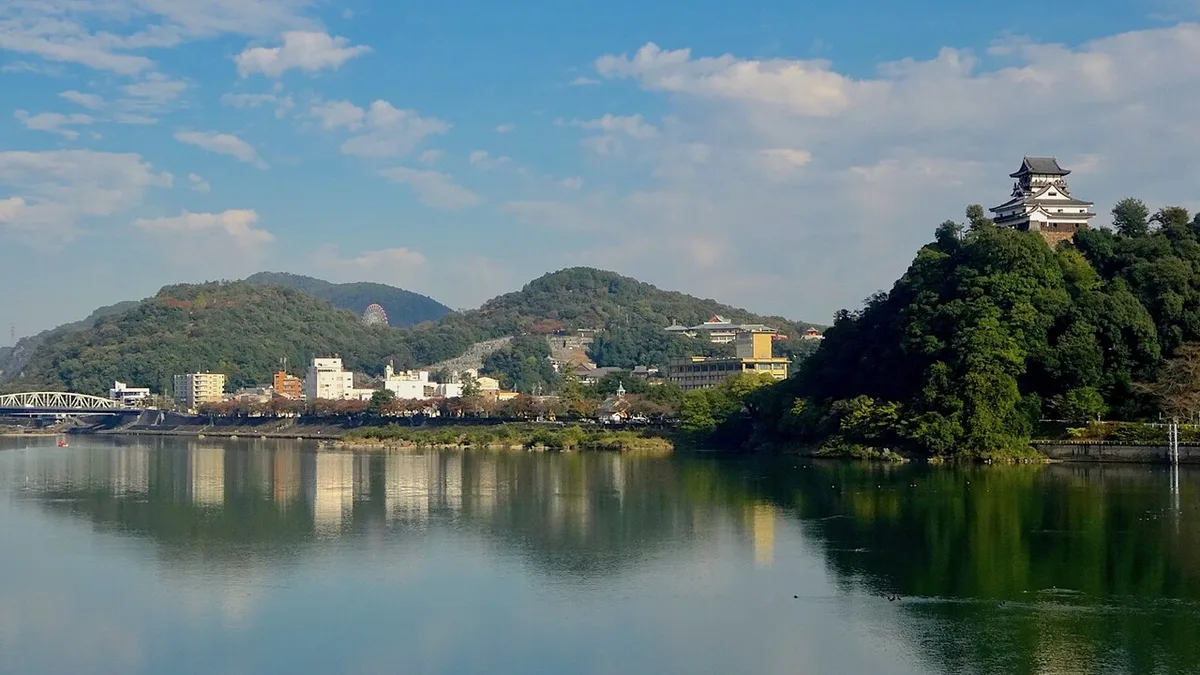
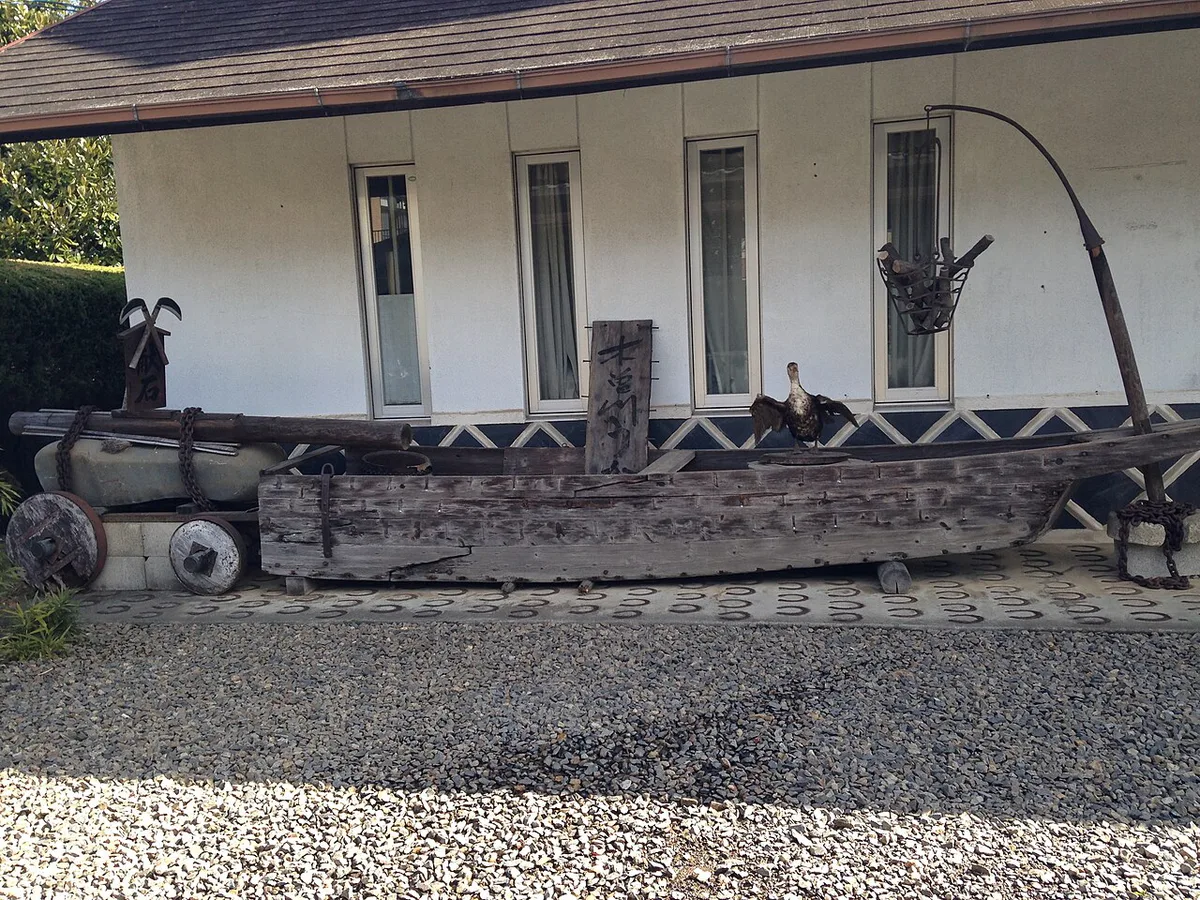
Ayu, often translated as sweetfish, is a small freshwater fish native to the Kiso River and other clean rivers across Japan. Its flavor is mild and slightly sweet, and local cooks often compare the taste to watermelon or cucumber skin. That sweetness comes from a diet of river algae, which depends on clean, fast-moving water. Kiso River clarity near Inuyama Castle explains part of why the fish tastes different here than farmed ayu from elsewhere. Grilled whole, the skin turns dark and crisp while the meat underneath stays white, flaky, and faintly sweet. Inuyama, in Aichi Prefecture, is one of a handful of Japanese towns that still practice ukai, traditional cormorant fishing, on the river below the castle. Cormorants dive for ayu under torchlight while a fisherman controls each bird from a wooden boat. That catch supplies some of the ayu served in town that same night. The pairing of torch-lit cormorant boats and grilled ayu is a long-running part of summer in Inuyama, and the two are still experienced together today. Many diners time a meal to finish right as boats set out for the evening's fishing. That overlap between dinner and the ukai show is part of the appeal of eating in Inuyama specifically, rather than picking up ayu elsewhere. Walk the castle town in summer and charcoal smoke and salt often reach you before the skewers do. For the fuller picture of what else to eat around town, start with the Inuyama food scene guide.
The Ayu Season on the Kiso River
Ayu season in Inuyama runs from June through October, matching the town's ukai cormorant-fishing season on the Kiso River. Cormorant fishing typically runs from mid-May to mid-October. Early June and late October sit near the edges of that season, not its center. Early summer brings wakaayu, young ayu with lighter, more delicate flesh and thinner bones. By autumn, komochi ayu, egg-bearing females, reach shops and restaurants. Their roe adds a richer, slightly bitter note alongside the usual sweetness, and many regular visitors prefer this version. Heavy rain can raise the Kiso River and pause ukai boats for a day or two. Shops sometimes serve farmed ayu from nearby rivers when wild catch runs short, so ask before ordering if river-caught fish matters to you. If the river ran high recently, asking a shop whether the day's ayu is wild-caught or farmed is a reasonable check. Visitors chasing peak flavor generally aim for high summer, when wakaayu are abundant and the river runs clear. For a broader read on seasonal timing, see the ideal months to visit guide.
Where to Eat Ayu in Inuyama: Castle Town vs Riverside
Inuyama serves ayu two distinct ways, and the experience you want shapes where you go first. Vendors along Honmachi-dori in the Honmachi castle town district grill shioyaki skewers over charcoal for a walk-and-eat crowd. Cooks thread each whole fish onto its skewer in an S-curve, so it looks like it is swimming as it grills. The curved skewer is a visual cue as much as a cooking method, meant to signal a freshly grilled, whole fish rather than a fillet. Down by the water, restaurants and boats near Inuyama-yuen Station serve seated, multi-course ayu-ryori instead of a single skewer. Castle town skewers work well for a quick bite between sightseeing stops. Pair one with other castle town street food like grilled dango. Or stop at a stall for gohei mochi rice skewers, another local favorite alongside ayu. A street-side skewer is roughly a fifteen-minute stop between sights. A seated ayu-ryori course can run two hours or more, especially when paired with an ukai boat ride. Many Honmachi-dori shops extend the town's omotenashi hospitality even to a single skewer purchase, offering a bench, a stool, or a shaded spot near the counter. Riverside dining costs more and takes longer, but it pairs a full meal with an evening view of the ukai boats. Reservations are effectively required for kawayuka terrace seating and ukai dinner boats, especially in July and August. Castle town stalls, by contrast, take walk-ins all day. For a curated list of sit-down options on either side of town, check the sit-down restaurants in Inuyama guide.
- Castle Town, Honmachi-dori: charcoal-grilled shioyaki skewers from walk-up stalls, ready in a few minutes, no reservation needed.
- Riverside, near Inuyama-yuen Station: seated ayu-ryori courses at kawayuka terraces and on ukai dinner boats, usually an hour or more, reservations recommended.
How Ayu Is Cooked: Shioyaki, Zousui, Uruka, and Tempura
Ayu shows up in Inuyama kitchens in a handful of classic preparations, and each draws out a different side of the fish. Shioyaki is the default order, and it is the version sold at castle town stalls. Zousui, uruka, and tempura tend to show up on multi-course ayu-ryori menus at sit-down restaurants rather than at street stalls. Diners who want the classic Inuyama experience in one bite generally order shioyaki first and branch out from there. Order it shioyaki-style and the whole fish arrives on its skewer, head, tail, and all. The bone runs soft through the center, so most diners eat straight through rather than filleting it first. Uruka's saltiness and depth pair better with sake than with tea, which is part of why it stays a sit-down order rather than a street snack.
| Preparation | Description | Where Served | Drink Pairing |
|---|---|---|---|
| Shioyaki | Whole fish, salted and grilled over charcoal until the skin crisps and the meat stays flaky and white | Castle town walk-up stalls | Beer, cold green tea |
| Zousui | Rice porridge simmered in ayu stock, often served as the final course after a grilled or hot-pot meal | Sit-down restaurants | Cold green tea |
| Uruka | Salted, fermented ayu entrails with an intense, savory bite | Sit-down restaurants | Sake |
| Tempura | Lightly battered and fried, trading the smoky char of shioyaki for a crisp, delicate bite | Sit-down restaurants | Beer, cold green tea |
- Shioyaki: the whole fish, salted and grilled over charcoal until the skin crisps and the meat stays flaky and white.
- Zousui: a rice porridge simmered in ayu stock, often served as the final course after a grilled or hot-pot meal.
- Uruka: salted, fermented ayu entrails with an intense, savory bite, ordered by adventurous diners rather than newcomers.
- Tempura: lightly battered and fried, trading the smoky char of shioyaki for a crisp, delicate bite.
Getting to Inuyama and Planning an Ayu Meal
Nagoya sits close enough that most visitors treat Inuyama as a day trip from Nagoya. Trains from Nagoya run directly into two different stations, and picking the right one saves a walk. Both stations sit close enough to central Inuyama that a short walk or a quick taxi covers the rest of the distance. Riverside dining and ukai dinner boats require advance reservations, often booked days ahead in peak summer. Street-side shioyaki stalls in the castle town are walk-in only, so no booking is needed for a quick snack. Anyone planning an evening ukai viewing after dinner should check places to stay in Inuyama before committing to a same-day return. Ukai viewings can run later than some direct trains back to Nagoya, so confirm current timetables in advance. Same-day trips from Nagoya suit a castle-and-skewer visit, while an overnight stay suits a full ayu-ryori dinner plus an evening ukai show. For full transit details, see the transit details to Inuyama guide. If ayu is one stop among several, a full-day Inuyama itinerary slots a meal in around the castle and the old town.
- Inuyama Station: the castle town side, closest to Honmachi-dori's skewer stalls and Inuyama Castle.
- Inuyama-yuen Station: the riverside stop, closest to the ukai boat dock and kawayuka restaurants.
Pairing Ayu with Inuyama Castle Town Sightseeing
An ayu meal fits naturally around a walk through Inuyama Castle: A Complete Travel Guide and the streets below it. Most visitors eat a skewer or sit down for ayu-ryori either before or after touring the keep. Afterward, they browse other Inuyama attractions nearby. After a savory meal, a sweet stop rounds things out. A guide to cafes and dessert spots in town covers options near the castle town's main street. Evenings from June through October, dinner can lead straight into watching the ukai boats work the river by torchlight. For a different seasonal draw entirely, the spring Inuyama Matsuri Festival Travel Guide festival fills the same streets months before ayu season begins. Visitors building a longer weekend around the castle, the old town, and the river can spread ayu meals across more than one day rather than rushing a single stop.
For trip-planning details, see Kiso River - Wikipedia.
Frequently Asked Questions
Is ayu fish bony, and how do you eat it?
Whole grilled ayu has a soft central bone that most diners eat right along with the flesh. Start from the head end and work toward the tail. Or lift the fillet off the bone with chopsticks if you would rather skip the bones entirely. The crisped fins and tail are edible too, though that part is optional. Diners uncomfortable eating around bones can ask staff to debone the fish before serving.
Can you find ayu in Inuyama during winter?
Wild river ayu is a warm-season fish, tied to the June-through-October window described above. Some restaurants serve frozen or farmed ayu outside that window, but it is not the same fresh-catch experience. Farmed ayu tends to be milder and more consistent, while river-caught fish varies with the season and the day's conditions. For a winter visit, plan around other Inuyama specialties instead and save ayu for a trip between June and October.
Is ayu shioyaki kid-friendly?
Shioyaki ayu is simple, salted, and grilled whole, which makes it an easy first bite for most kids. The main bone is soft enough to eat, but a server or parent can debone it at the table on request. Skip uruka, the fermented entrails, for younger palates and stick to shioyaki or tempura instead. Portion size is naturally kid-sized already, since a single ayu is a small fish, roughly the length of a hand.
What pairs well with ayu in Inuyama?
Local sake is the traditional pairing, chosen to complement the fish's mild sweetness rather than compete with it. Cold green tea is a common non-alcoholic option at both street stalls and sit-down restaurants. Beer is also common at more casual, street-side settings, especially alongside shioyaki. Either pairing works with shioyaki, zousui, or a full ayu-ryori set menu.
Do you need a reservation to eat ayu in Inuyama?
Street-side shioyaki stalls in the castle town are walk-in only, so no reservation is needed for a quick snack. Riverside kawayuka restaurants and ukai dinner boats typically require booking ahead, especially on summer weekends. Walk-in waits for riverside seating can still happen even with a reservation window, so arriving a few minutes early helps. Reserve those in advance if an evening ukai dinner is part of the plan.
Can you sit down somewhere while eating a castle town skewer?
Many Honmachi-dori shops extend Inuyama's omotenashi hospitality even to a single skewer purchase. Expect a bench, a stool, or a shaded spot near the counter at many stalls. It will not match a sit-down restaurant, but it beats eating standing in the street.
Free guide: Japan's Hidden Gems
12 under-the-radar places beyond Tokyo & Kyoto — with the best season to visit each and a local tip you won't find in the guidebooks.
You might also like


Continue reading
More guides you'll find useful


