

Kegon Falls stands nearly 100 meters tall and serves as the most iconic natural landmark in the Nikko region. This massive cascade formed when lava from Mount Nantai blocked the Daiya River many centuries ago. Visitors often travel from Tokyo to witness the power of the water as it plunges into the gorge below. This kegon falls visitor guide will help you plan your journey to this spectacular natural wonder.
The waterfall is widely ranked among the three most beautiful cascades found throughout the Japanese archipelago, alongside Nachi Falls in Wakayama and Fukuroda Falls in Ibaraki. It offers a dramatic display of nature that changes significantly with each passing season in Tochigi Prefecture. Whether you seek autumn colors or winter ice, this destination provides a memorable experience for every traveler. Understanding the logistics of the viewing decks and transport options is essential for a successful day trip in 2026.
About Kegon Falls: History and Formation
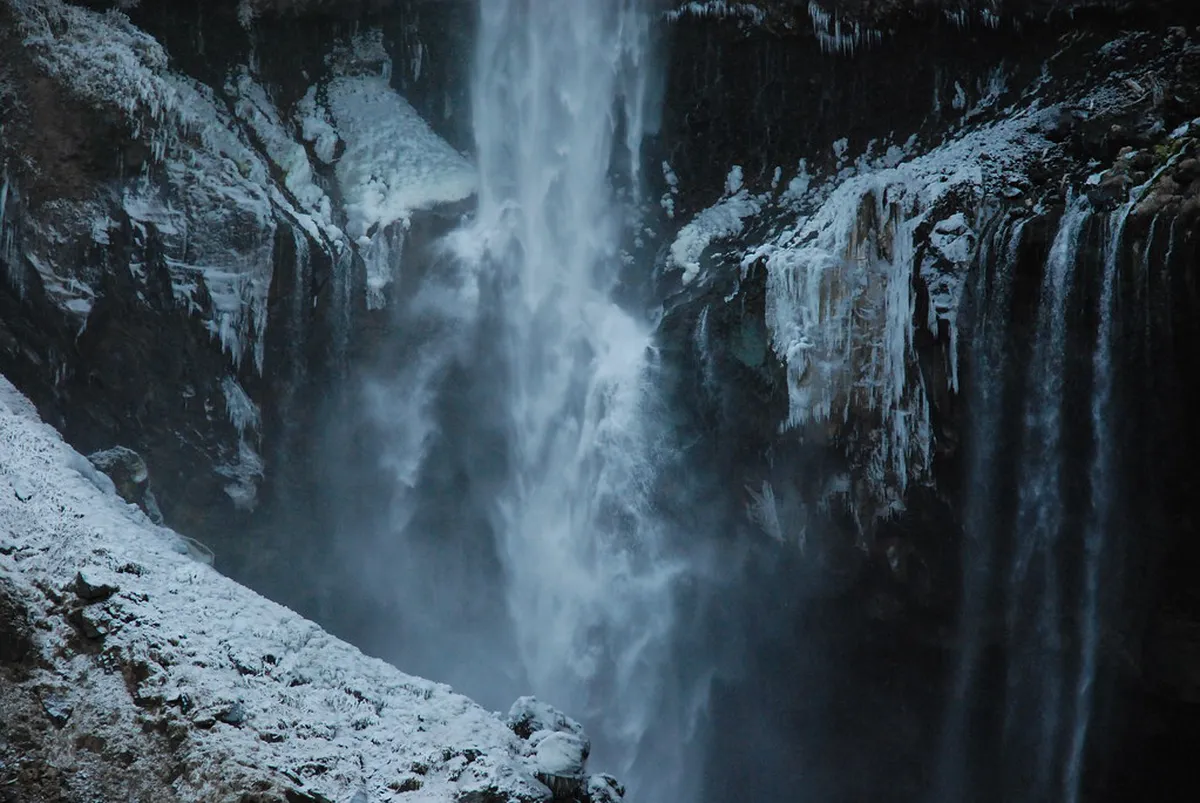
The history of this site dates back to an eruption of Mount Nantai roughly 20,000 years ago. Lava flows effectively dammed the river valley and created the high plateau where the water now falls. This geological event also resulted in the creation of Lake Chuzenji just above the falls. Water from the lake leaks through the rock wall to create the impressive 97-meter vertical drop.
The waterfall takes its name from the Kegon Sutra — a Sanskrit word meaning "Garland" or "Wealth" — which is a significant text in Buddhist philosophy. It was reportedly discovered by a monk named Shodo Shonin during the early Nara period, making it a site of spiritual significance for over 1,200 years. He is the same figure responsible for establishing the first Buddhist temples in the Nikko mountains. Since the Meiji Period, the falls have grown into a major tourism hub for both locals and international guests.
The sheer power of the water flow is regulated by a dam to ensure consistent beauty for visitors. Even during dry spells, the cascade remains a powerful sight due to this careful water management. The surrounding cliffs consist of volcanic rock that provides a rugged backdrop for the white water. Kegon Falls, alongside Nachi Falls and Fukuroda Falls, completes what is collectively known as Japan's Three Great Waterfalls — a designation that underscores the exceptional scale and beauty of each site.
Best Places to View Kegon Falls (Upper vs Lower Decks)
Travelers can choose between two primary viewing areas when they arrive at the waterfall site. The upper observation deck is completely free to access and provides a great side-on perspective from a two-story structure near the parking area. You can reach this platform easily from the bus stop or the main parking area nearby. It offers a wide view of the forest and the top section of the plunging water.
For a more immersive experience, most visitors choose to pay for the elevator to the lower deck. The elevator, which was first built in 1930 and descends 100 meters through solid bedrock in roughly one minute, is an engineering feat in itself. Once you exit the underground tunnel, you will stand directly in front of the massive waterfall. The lower deck consists of three levels that allow you to feel the spray and hear the roar of the full 97-meter drop.
While at the lower deck, look closely at the rock walls surrounding the main cascade. You will notice several smaller streams of water known as Nirvana Falls flowing behind the observation area. These secondary falls are often overlooked by tourists but add a delicate beauty to the rugged canyon walls. The contrast between the raw power of the main fall and these gentle trickles makes the paid ticket well worthwhile.
A third vantage point worth noting is the Akechidaira Ropeway observation deck, which sits partway up the Irohazaka Road. From there you can see Kegon Falls and Lake Chuzenji together in a single panoramic frame — an angle impossible to replicate from either deck at the base. See the Akechidaira section below for a critical timing tip if you are arriving by bus.
How to Get to Kegon Falls (Train, Bus, and Car)
Most visitors begin their journey from Tokyo. The quickest option is the JR Tohoku-Hokkaido Shinkansen from Ueno bound for Koriyama, transferring at Utsunomiya to a Nikko Line train — total journey about 1 hour 44 minutes for around ¥5,270 one way, and JR Pass compatible. The cheapest option is the Tobu Nikko-Kinugawa Kegon Limited Express from Asakusa or Kitasenju to Tobu-Nikko Station, which takes about 1 hour 52 minutes for around ¥3,230 one way.
From either Tobu-Nikko Station or JR Nikko Station, board a Tobu Bus toward Yumoto Onsen via Chuzenji Onsen. At Tobu Nikko use Bus Stops 2A or 2C; at JR Nikko use Bus Stop 1A. Alight at the Chuzenji Onsen Bus Terminal (中禅寺温泉). The ride takes about 50 minutes through the mountains on a very scenic route. Check the Nikko transport guide for pass options that cover these bus fares.
If you are driving a rental car, the journey involves navigating the famous Irohazaka Winding Road. This road features 48 sharp hairpin turns that offer incredible views of the surrounding valley. Be aware that the traffic is strictly one-way — uphill traffic uses Route 2 and downhill traffic uses Route 1 — for safety reasons. Driving allows for more flexibility but requires careful attention during the busy autumn foliage season.
Parking near the falls can be difficult to find during weekends and national holidays. The most convenient option for the falls is the Kenei Kegonnotaki #2 Parking Lot (about 56 spaces, ¥320/hour, 100m from the falls entrance, public restrooms). Kenei Kegonnotaki #1 (130 spaces, ¥320/hour, 290m from the falls) is a good backup. Arriving before 09:00 is the best strategy to secure a space near the entrance during peak season.
Best Times to Visit (Seasonal Guide)
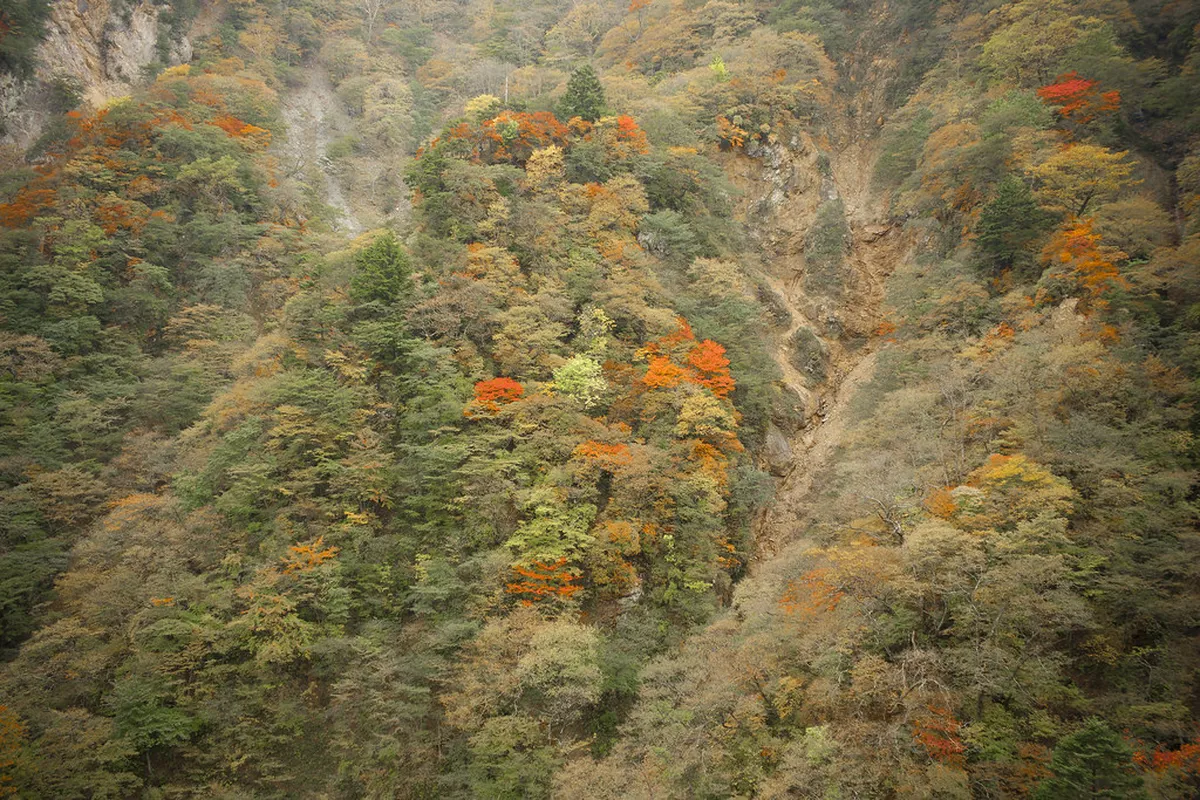
Autumn is the most popular time to visit because the maple trees turn brilliant red and orange. The peak foliage usually occurs from mid-October through the early weeks of November, when temperatures sit in a comfortable 5–10°C range. During this window, the contrast between the white water and colorful leaves is truly breathtaking. Expect very large crowds and longer wait times for the elevator — arriving before 09:00 can save you 20–30 minutes of queuing.
Winter offers a completely different but equally stunning perspective. In January and February, temperatures regularly drop to -3 to -4°C and the smaller streams of water often freeze into solid blue ice. The main fall continues to flow, but it is surrounded by massive icicles and snow-covered rocks. This creates a serene and quiet atmosphere that many photographers prefer over the busy autumn months, and the shorter elevator hours (09:00–16:30) mean fewer visitors in general.
Spring brings the highest water volume of the year as snowmelt from Mount Nantai swells the Daiya River. The elevator runs its longest hours (08:00–17:00) from May through November, giving you maximum flexibility. Summer temperatures at the falls plateau hover around 15–20°C — considerably cooler than Tokyo — making it a pleasant escape from city heat. Visiting in the early morning during summer helps you avoid the midday humidity and weekend day-tripper crowds.
Admission Fees, Hours, and Practical Info
While the upper deck is free and open year-round, the elevator to the lower deck requires a fee. Adult tickets cost ¥600 (junior high school age and older) and children's tickets (elementary school age) cost ¥400. Preschool children ride free. The ticket office is located right next to the elevator entrance in the main plaza. You can pay with cash; IC cards like Suica and Pasmo are also accepted at the ticket machines.
| Ticket / Season | Price / Hours | Notes |
|---|---|---|
| Elevator – adult (junior high+) | ¥600 | Cash or IC card (Suica/Pasmo) |
| Elevator – child (elementary) | ¥400 | Preschool children free |
| Upper observation deck | Free | Open year-round, no elevator needed |
| Elevator hours (Mar–Nov) | 08:00–17:00 | Last entry 16:30 |
| Elevator hours (Dec–Feb) | 09:00–16:30 | Shorter winter schedule |
| Akechidaira Ropeway (adult) | ¥1,000 return / ¥600 one-way | 09:00–15:30; purchase timed card on arrival |
Stop at the Akechidaira Ropeway on your way UP the Irohazaka Road — the road is strictly one-way in each direction, so there is no possibility to backtrack once you have passed it on the ascent.
Operating hours for the elevator change depending on the season. From March through late November the facility opens at 08:00 and closes at 17:00. During the winter months from December through February, hours shorten to 09:00–16:30. No advance reservation is required — admission is first-come, first-served. Group rates are available for parties of 30 or more.
The facility is well-equipped with public restrooms and several souvenir shops near the entrance. Most of the viewing areas are accessible at ground level, though the lower deck's three tiers involve some stairs between platforms. Wear sturdy walking shoes as the platforms become slippery from the constant water mist. Bringing a light waterproof jacket is strongly recommended if you plan to spend time on the lowest observation level.
Arriving before 09:00 during autumn peak (mid-October to early November) can save 20–30 minutes of elevator queuing. The outdoor food stalls near the entrance are cash only, so keep some small notes handy for yuba croquettes (¥300–400) and tamakonnyaku skewers (¥200).
Akechidaira Ropeway and Nearby Attractions
A visit to the Akechidaira Ropeway offers the most famous panoramic view of the entire area. From the top observation point, you can see Kegon Falls and Lake Chuzenji together in a single frame. It is critical to stop here on the way up the mountain, not on the way back — the Irohazaka Road is one-way in each direction, so there is no possibility to backtrack. Bus riders should alight one stop early at "Akechihei" (明智平) before continuing to Chuzenji Onsen for the falls.
The ropeway itself is a short three-minute cable car ride from the base lodge to the top. Operating hours run 09:00–15:30 (last ascent 15:10). Tickets cost ¥1,000 round-trip for adults and ¥500 for children; a one-way ticket is ¥600 for adults. On busy days, purchase your timed boarding card immediately upon arrival — waits can be long during autumn peak weekends. Even on overcast days, the clouds move quickly and the waterfall is usually visible from the deck.
After seeing the falls, you can easily walk to the shores of Lake Chuzenji in about five minutes. The lake area features several historic embassies and scenic boat cruises for a relaxing afternoon. You might also consider visiting Toshogu Shrine back in the main town area. Combining these sites makes for a very full and rewarding day of exploration in Nikko. See our Nikko itinerary guide for complete day-trip sequencing from Tokyo.
Is Kegon Falls Worth Visiting? (Review & Tips)
Many travelers wonder if the ¥600 elevator fee is worth paying for what sounds like a short viewing experience. The consensus among most visitors is clear: the lower deck provides a fundamentally different perspective from the free upper deck. Standing at the base lets you feel the physical force of nearly 4 tonnes of water hitting the pool each second and hear the thundering echo bounce off the canyon walls. It is a sensory experience the upper deck simply cannot replicate.
Comparing this site to Japan's other great waterfalls helps highlight what makes Kegon unique. Nachi Falls in Wakayama (133 meters, the tallest) is reached via a forest pilgrimage trail with a pagoda backdrop — more spiritual in character. Fukuroda Falls in Ibaraki (120 meters, four-tiered) is admired for its elegant width and seasonal freeze. Kegon sits between the two: raw volcanic power with the added convenience of a well-maintained elevator, easy bus access from Tokyo, and a full day's worth of adjacent attractions at Lake Chuzenji and the Irohazaka road.
When comparing against Ryuzu Waterfall, which is closer to the lake and more intimate in scale, Kegon offers sheer height and drama. Ryuzu is a better choice if you want a peaceful stroll with autumn colors reflected in still water pools. Kegon is the right choice if you want the classic postcard shot and the elevator experience. Most visitors who budget two hours can comfortably see both on the same afternoon. Our Nikko travel guide covers how to sequence both waterfalls efficiently.
Local Specialties: What to Eat Near the Falls
The entrance to the waterfall is lined with small stalls selling delicious local snacks that are unique to the Nikko area. You should definitely try the Nikko yuba, which is the delicate skin formed when soy milk is heated. It appears in several forms: as crispy yuba croquettes (roughly 300–400 yen each) and as a topping for hot soba or udon noodles. These snacks provide a quick and tasty way to refuel after your walk to the decks.
Grilled ayu river fish is another popular choice for those looking for a traditional Japanese experience. Ayu are salted and grilled over charcoal on long bamboo skewers for a smoky, slightly bitter flavor that pairs well with cold mountain air. You will also find warm tamakonnyaku, which are konjac balls simmered in a savory soy broth on skewers for around 200 yen. Eating these local treats while overlooking the mountain scenery is a genuine highlight and something no competitor review adequately conveys — the stalls are right outside the falls plaza and require no detour.
Goheimochi, rice cakes coated in sweet miso and grilled until caramelized, rounds out the snack lineup. Most stalls operate from around 09:00 until the late afternoon. Bring cash as card machines are uncommon at the outdoor stalls, though the main souvenir shops inside the plaza accept IC cards.
Lake Chuzenji and the Irohazaka Road
The journey to the falls is just as impressive as the destination itself. The Irohazaka Road consists of two separate winding paths for ascending and descending traffic. Each of the 48 curves is named after a character in the ancient Iroha poem — a well-known Japanese verse that uses every character of the hiragana syllabary exactly once. This cultural connection transforms the mountain road into a kind of living poem, which is why it remains one of the most celebrated mountain drives in Japan even apart from the views.
Once you reach the top, you will find yourself on the shores of Lake Chuzenji. This high-altitude lake was formed by the same volcanic eruption that created the waterfall. It sits at over 1,200 meters above sea level and offers a cool escape from the summer heat. Many visitors enjoy a scenic boat ride before heading to the waterfall observation decks.
The entire area is part of Nikko National Park and remains protected for its natural beauty. Keep an eye out for local wildlife like Japanese macaques and deer along the forest edges — sightings are common on the roadside during early morning hours. The combination of cultural history and natural power makes this a world-class destination. Planning a full day here allows you to appreciate both the lake and the falls.
Frequently Asked Questions
Is Kegon Falls worth the elevator fee?
Yes, the elevator fee is worth it because the lower deck provides a much better view. You can see the full 97-meter drop and feel the power of the water. The free upper deck only offers a partial side view of the cascade.
How do I get from Nikko Station to Kegon Falls?
You can take a Tobu Bus from either Tobu-Nikko or JR Nikko Station. Look for buses bound for Chuzenji Onsen or Yumoto Onsen and get off at the Chuzenji Onsen stop. The trip takes about 50 minutes through the mountains.
What is the best month to see Kegon Falls?
October and November are the best months to see the vibrant autumn colors surrounding the falls. If you prefer a unique frozen landscape, visit in January or February. Each season offers a distinct and beautiful perspective for visitors.
Can you see Kegon Falls for free?
You can see the falls for free from the upper observation deck near the parking lot. However, this view is limited compared to the paid lower deck. Most travelers find that paying for the elevator provides a superior experience.
How much time do you need at Kegon Falls?
Most visitors spend about 45 to 60 minutes exploring the different viewing decks. If you plan to eat local snacks or visit the nearby lake, allow for two hours. Check our Nikko travel guide for full itinerary planning tips.
Kegon Falls remains a must-see destination for anyone visiting the Nikko region in 2026. Its blend of volcanic history and sheer natural power creates an unforgettable visual experience. From the winding Irohazaka Road to the depths of the elevator tunnel, the journey is full of wonder. We hope this kegon falls visitor guide helps you make the most of your mountain adventure.
Remember to arrive early during the autumn season to avoid the heaviest tourist traffic. Take the time to sample the local yuba croquettes and tamakonnyaku at the entrance stalls. Don't forget to stop at the Akechidaira Ropeway on your way up — once past it, the one-way road prevents you from backtracking. Your trip to this iconic waterfall will surely be a highlight of your time in Japan. For deeper insight into Kegon's geology and surrounding attractions, check our Kegon Falls guide.
For authoritative information, refer to the Kegon Falls official site and Kegon Falls on Wikipedia.
