
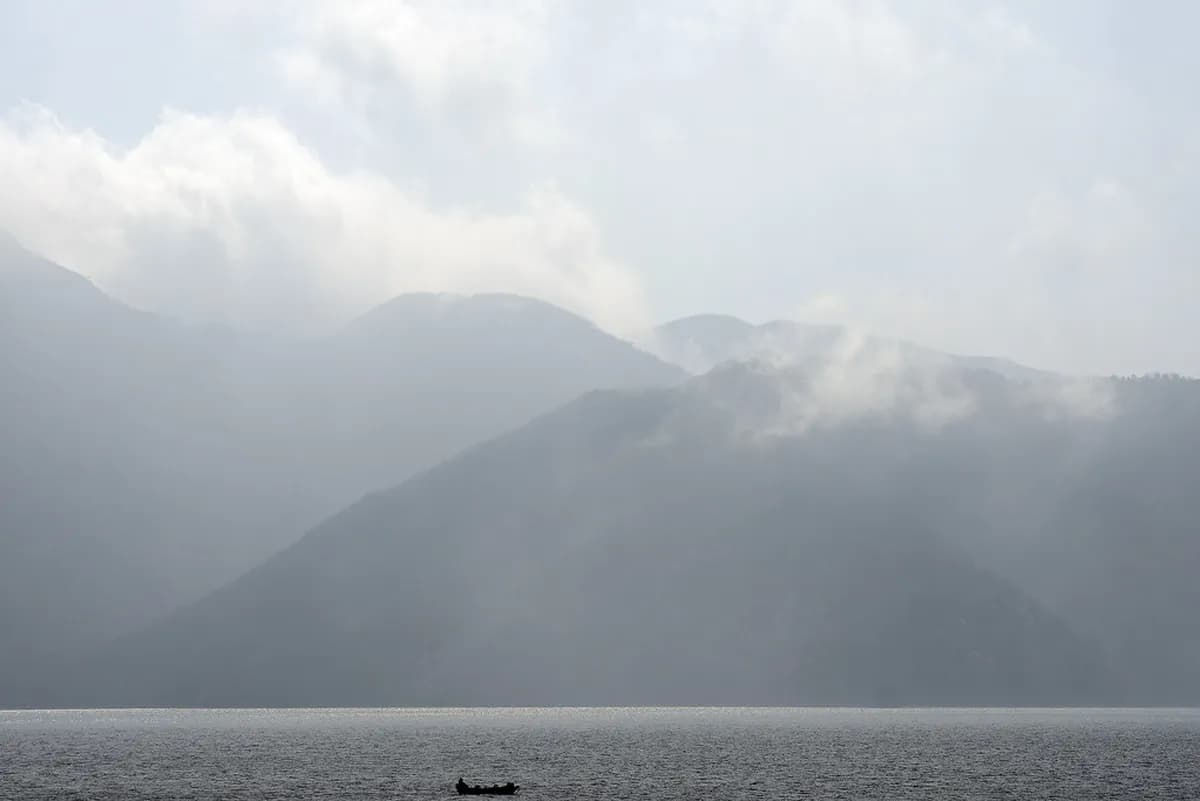
Lake Chuzenji is the highland lake above central Nikko, reached by the hairpin turns of Irohazaka Road and framed by Mount Nantai. This lake chuzenji visitor guide focuses on the practical decisions that matter in 2026: how long to spend, which stops to prioritize, when to avoid peak traffic, and how to combine the lake with nearby Nikko attractions.
The lake was formed by volcanic activity from Mount Nantai, and today it works best as an outdoor attraction hub rather than a single viewpoint. Kegon Falls, Chuzenji Onsen, Chuzenji Temple, the embassy villas, Ryuzu Waterfall, and the Senjogahara trails are all close enough to combine, but not comfortably if you underestimate bus times or autumn crowds.
Top 10 Must-Do Experiences and Attractions in Chuzenji Lake
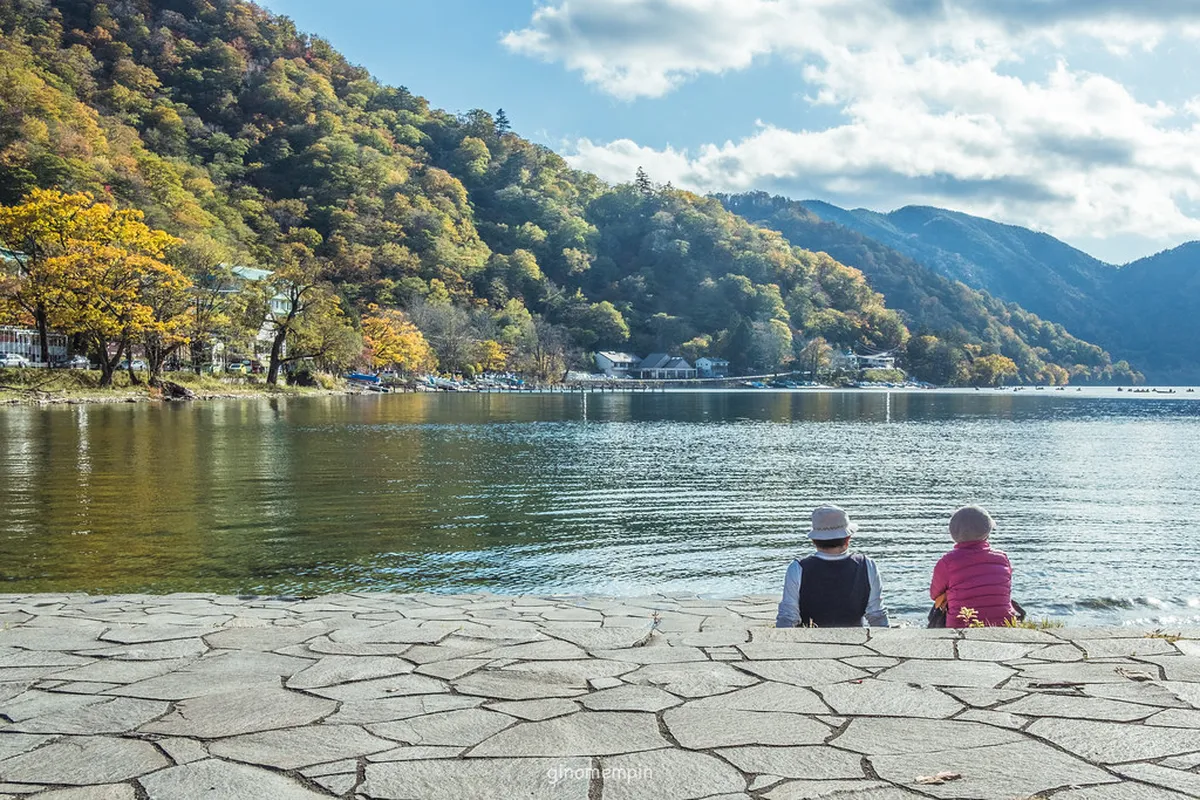
First-time visitors should treat the eastern end of the lake as the base area. It has the bus stops, restaurants, Kegon Falls access, cruise piers, and the easiest lakeside walking. From there, choose two or three add-ons rather than trying to circle every sight in a rushed day trip.
If you have only half a day, pair Kegon Falls with a short lakeside walk and Chuzenji Onsen. With a full day, add either the embassy villas, Ryuzu Waterfall, or Senjogahara Marsh. Travelers with a car can cover more ground, but autumn weekend traffic on Irohazaka can erase that advantage.
For photos, Akechidaira is the classic elevated viewpoint when conditions are clear, while the south shore near the villas gives calmer lake-level views of Mount Nantai. Morning usually has fewer people and softer light; late afternoon can be beautiful, but bus and boat schedules become more limiting.
| Activity | Cost | Duration / Season |
|---|---|---|
| Kegon Falls elevator | 570 yen | Year-round |
| Sightseeing cruise | 1,500 yen | 55 min / Apr–Nov |
| Akechidaira cable car | 1,000 yen | 3 min ride |
| Italian Embassy Villa | 300 yen | Seasonal opening |
| British Embassy Villa | 300 yen | Seasonal opening |
| Mount Nantai climb | Entry fee | May–October |
- Witness the Majesty of Kegon Falls
- Type: Waterfall
- Cost: 570 Yen
- Access: Elevator trip
- Best for: Photos
- Visit the Historic Chuzenji Temple
- Type: Buddhist Temple
- Feature: Eleven-headed Kannon
- View: Lake overlook
- Vibe: Spiritual
- Board a Scenic Sightseeing Cruise
- Duration: 55 minutes
- Cost: 1500 Yen
- Routes: Multiple piers
- Season: April-November
- Relax at Chuzenji Onsen
- Type: Hot Spring
- Water: Sulfur-rich
- Benefit: Skin health
- Access: Near bus terminal
- Explore the Italian Embassy Villa
- Style: Cedar bark walls
- Feature: Lakeside porch
- Cost: 300 Yen
- History: Summer retreat
- Admire Ryuzu Waterfall Colors
- Name: Dragon Head Falls
- Season: Early October
- Access: Free entry
- Activity: Short walk
- Hike the Senjogahara Marshland
- Terrain: Flat boardwalks
- Time: 2-3 hours
- Nature: Bird watching
- Difficulty: Easy
- Ride the Akechidaira Cable Car
- View: Lake and Falls
- Cost: 1000 Yen
- Location: Irohazaka Road
- Time: 3 minutes
- Walk the British Embassy Villa
- Feature: Victorian tea
- Style: Classic wood
- View: South shore
- Cost: 300 Yen
- Climb the Sacred Mount Nantai
- Difficulty: Challenging
- Elevation: 2486 meters
- Season: May-October
- Requirement: Entry fee
Chuzenji Lake Frequently Asked Questions and Useful Information for Travel
Autumn foliage at Lake Chuzenji peaks mid-to-late October — earlier than central Nikko due to the higher elevation. Weekday mornings give you the best chance of calmer crowds and softer light for photos.
From JR Nikko Station or Tobu Nikko Station, take a bus bound for Chuzenji Onsen or Yumoto Onsen. The ride to the lake area usually takes about 45 to 50 minutes, but the road is winding and delays are common during foliage season. A Nikko transport pass can be better value if you are riding beyond the shrine area or continuing toward Yumoto.
Plan at least three hours at the lake if you only want Kegon Falls, a meal, and a short waterfront walk. A comfortable first visit takes five to six hours from arrival at Chuzenji Onsen; a full Nikko day from Tokyo becomes tight if you also want Toshogu Shrine, the lake, and Senjogahara.
For accessibility, the eastern lakeside and Kegon Falls area are the easiest parts to navigate, but routes can still involve slopes, curbs, stairs, and seasonal snow or ice. The embassy villa area and longer nature trails require more walking, so travelers with mobility concerns should prioritize the lakeside promenade, viewpoints near bus stops, and facilities close to Chuzenji Onsen.
Which Lake Chuzenji options fit first-time visitors?
Choose Kegon Falls, a lakeside walk, and either the sightseeing boat or the embassy villas. Add Ryuzu Waterfall or Senjogahara only if you have a full day and have checked return bus times.
What should travelers avoid?
Swimming is not permitted in Lake Chuzenji due to safety and conservation rules. Even in summer the water stays cold, and life jacket rules apply strictly to kayak and canoe rentals.
Do not assume the lake is a quick side stop from Toshogu Shrine. The mountain road, bus queues, and spread-out attractions make timing the main challenge. Avoid driving Irohazaka late on peak autumn weekends unless you are comfortable with slow traffic and limited parking.
Is Lake Chuzenji worth a short itinerary?
Yes, if you want Nikko's mountain scenery and can give the lake its own block of time. If your priority is only temples and shrines, stay in central Nikko; if your priority is waterfalls, cool air, and open views, Lake Chuzenji is one of the strongest additions.
Chuzenji Lake Weather, Climate and Best Time to Visit
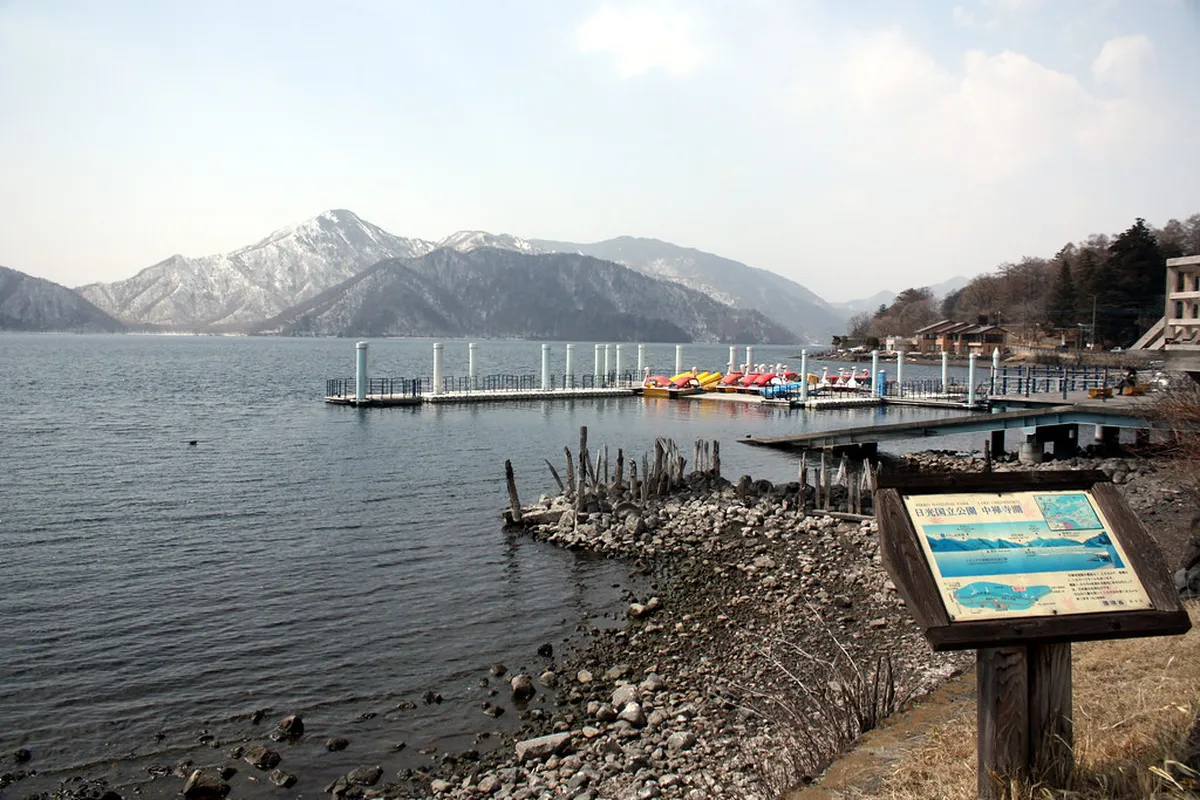
Autumn is the signature season, with foliage usually peaking around mid-to-late October at the lake before colors reach lower central Nikko. This is also the hardest time logistically, so weekday mornings are the safest choice for 2026 travel plans.
Summer is the best fit for boating, kayaking, longer walks, and escaping the heat of Tokyo. Because the lake sits at high elevation, bring a layer even in July or August, especially if you will be on the water or staying into the evening.
Winter is quiet and photogenic, but it changes the trip. Some trails, boat services, and facilities may be limited, and road conditions can affect driving. Always check the official Japan.travel site for updated winter road conditions before driving up.
Latest launches and promotions in Chuzenji Lake
For 2026, treat "latest launches and promotions" around Chuzenji Lake as something to verify close to your travel date rather than a reason to build the whole itinerary around one offer. Seasonal bus passes, cruise combinations, guided kayak products, and day tours from Tokyo appear in search results, but inclusions change by operator and season.
The practical comparison is simple: independent travelers get more flexibility by using trains, buses, and the lakeside sights directly, while guided day tours reduce transfer stress and usually bundle Toshogu Shrine, Kegon Falls, Irohazaka, and Lake Chuzenji into one long day. Check whether entry tickets, cruise time, and lunch are included before booking.
If you are visiting during autumn foliage, a pass or tour can save decision time, but it does not remove traffic delays. Build a buffer before your last train from Nikko, and do not schedule a nonrefundable evening commitment in Tokyo immediately after a peak-season lake visit.
Recommended travel destinations near Chuzenji Lake
A visit to this area pairs naturally with Toshogu Shrine in lower Nikko, but the order matters. If you are day-tripping from Tokyo, visit the shrine area first only if you can still catch a mid-morning bus uphill; otherwise, start at the lake and return to central Nikko later. Use our Nikko itinerary guide to plan the optimal route sequencing.
Just beyond the lake shore, Ryuzu Waterfall is one of the easiest nature extensions. It is especially useful for travelers who want autumn color without committing to a long hike.
Further up the road, Senjogahara Marsh offers flatter boardwalk scenery and open highland views. It is the better choice for walkers, bird watchers, and repeat visitors who have already seen the main Kegon Falls and lakeside sights. Our Nikko travel guide shows how to weave all three into a single day.
Reviews of Chuzenji Lake activities
Visitor feedback is consistent on one point: the scenery is the reason to come, and Kegon Falls is usually the first must-see stop. Many travelers find the lower waterfall viewpoint worthwhile because it changes the scale of the falls, especially after rain or during autumn color.
The sightseeing boat works best for visitors who want broad lake views without a long walk. The embassy villas work better for slower travelers who want architecture, history, and a quiet shoreline. Kayaking is the most memorable option for active travelers, but it depends more heavily on weather, wind, and advance availability.
The common negative reviews are about congestion, not the lake itself. The main mistake is trying to combine too many Nikko sights on a weekend without checking bus times. In foliage season, choose a shorter priority list and let the lake feel spacious instead of treating it as a checklist.
Hike Scenic Trails Around the Lake
The easiest walk is the south-shore route toward the Italian and British Embassy Villas. It is the best fit for visitors who want lake views, shade, and cultural stops without committing to a mountain trail.
For a more serious outing, Mount Nantai is a steep religious mountain climb rather than a casual viewpoint walk. Bring hiking footwear, water, rain protection, and enough time to descend safely before transport options thin out.
The route toward Senjogahara Marshland suits travelers who want a flatter nature day. It pairs well with Ryuzu Waterfall and Yumoto Onsen, but it is less convenient if you are trying to return quickly to central Nikko.
Cast Your Line for Trout and Salmon
Lake Chuzenji is known for trout and landlocked salmon fishing, but this is not a casual "show up anywhere" activity. The fishing season typically runs from April to September when the water temperatures are ideal. Anglers must purchase a daily permit from local tackle shops or the fishery cooperative office before starting.
Fly fishing is particularly popular along the shallower edges of the lake, and dawn is usually the best time for calmer conditions. If fishing is the main reason for your visit, stay near the lake rather than attempting it as a rushed add-on from Tokyo.
Conservation rules matter here. Check current restricted areas, catch limits, and catch-and-release requirements locally before casting. Regulations can vary by zone and season, and they are enforced to protect the lake's fish habitat.
Italian and British Embassy Villas
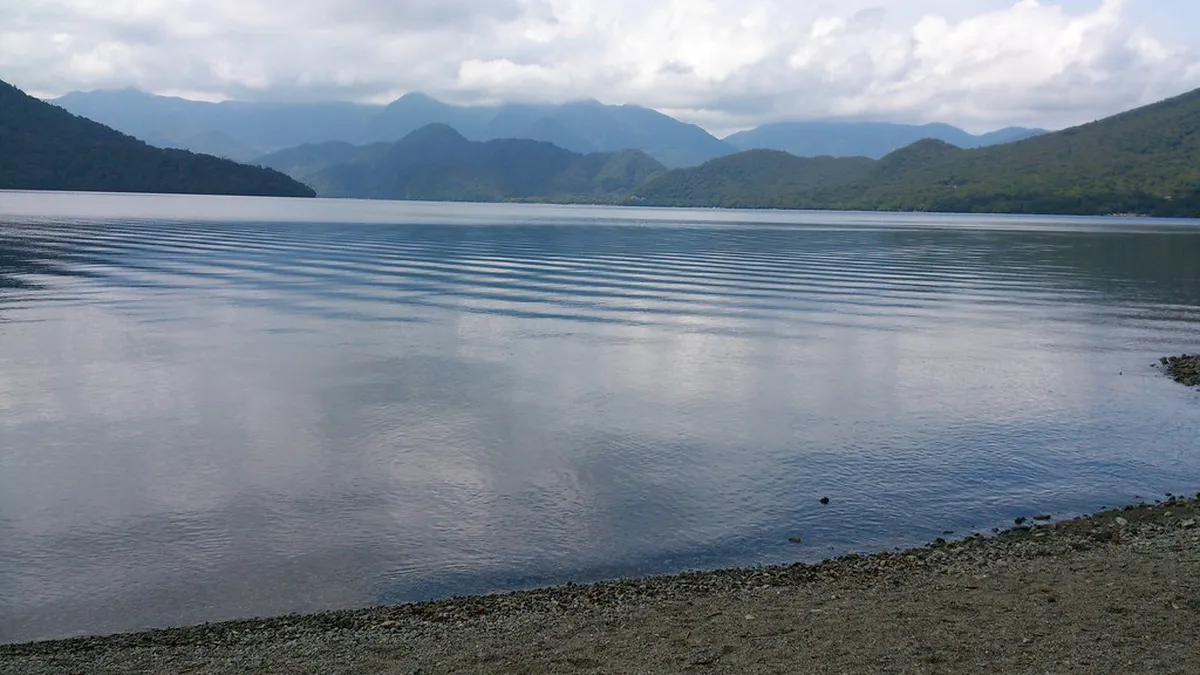
The Italian and British Embassy Villas explain why Lake Chuzenji became more than a scenic stop. Foreign diplomats used the area as a summer retreat, and the preserved villas show the lake's international resort history in a way that ordinary viewpoints do not.
The Italian Villa is the stronger choice for architecture lovers because of its cedar-bark exterior and lakeside veranda. The British Villa is better for a slower break, especially if the tea room is operating during your visit.
Build the villas into a south-shore walk rather than treating them as isolated museums. The route is one of the most pleasant low-effort walks around the lake, but it still requires more time than the Kegon Falls area.
Paddle Through Stunning Landscapes
Kayaking and canoeing give the lake a different rhythm from the sightseeing boat. They are best for active travelers who want quiet water-level views and do not mind adjusting plans around weather.
Beginners should choose a guided experience or a short rental window near the main activity area. Wind can pick up on alpine lakes, and the water stays cold even when the air feels warm, so follow life jacket and route instructions closely.
Morning is usually the safest time to plan paddling because conditions tend to be calmer and schedules are less compressed. During July, August, and autumn weekends, reserve ahead rather than assuming rentals will be available when you arrive.
Pedal Along Scenic Routes
Cycling around the lake appeals to confident riders, but it is not the easiest first-time option. The approach road from central Nikko is steep and winding, and even lakeside riding can involve traffic, tunnels, weather shifts, and limited shoulders.
For most visitors, cycling works best as a local lakeside activity rather than a full ride up Irohazaka. Choose it if you have experience riding in mountain areas and want to link viewpoints at your own pace; skip it if your main goal is a relaxed family day or a tight shrine-and-lake itinerary.
Frequently Asked Questions
How do I get to Lake Chuzenji from Tokyo?
Take the Tobu Limited Express from Asakusa to Nikko Station, which takes about two hours. From there, board a bus bound for Chuzenji Onsen or Yumoto Onsen. The bus ride up the mountain takes roughly 50 minutes. Consider using the Nikko All Area Pass for better value.
Is Lake Chuzenji worth visiting in winter?
Yes, the lake is beautiful in winter, offering snowy landscapes and frozen waterfalls. While it is much colder, the lack of crowds provides a peaceful experience. Some facilities may have shorter hours, so check schedules in advance. The road remains open but requires winter tires or chains.
Can you swim in Lake Chuzenji?
Swimming is generally not permitted in the lake due to safety and conservation reasons. The water remains very cold even during the peak summer months. Instead, enjoy water activities like kayaking, canoeing, or taking a sightseeing boat cruise. These options allow you to enjoy the water safely.
What is the best time for autumn colors at the lake?
The autumn colors usually peak between mid-October and late October. This is earlier than the city of Nikko because of the higher altitude. Expect vibrant reds and yellows across the surrounding mountainsides. Weekdays are recommended to avoid the heaviest tourist traffic during this peak season.
Lake Chuzenji remains one of the most iconic natural landmarks in all of Japan. From powerful waterfalls to historic villas, the area offers a diverse range of experiences for every traveler. Using this lake chuzenji visitor guide will ensure you don't miss any of the highlights during your stay. Plan your trip today to witness the incredible beauty of Nikko's alpine jewel. For deeper context on the lake within a broader Nikko visit, see our Lake Chuzenji guide.
To verify current details, consult the Lake Chuzenji official site and Lake Chuzenji on Wikipedia.
