
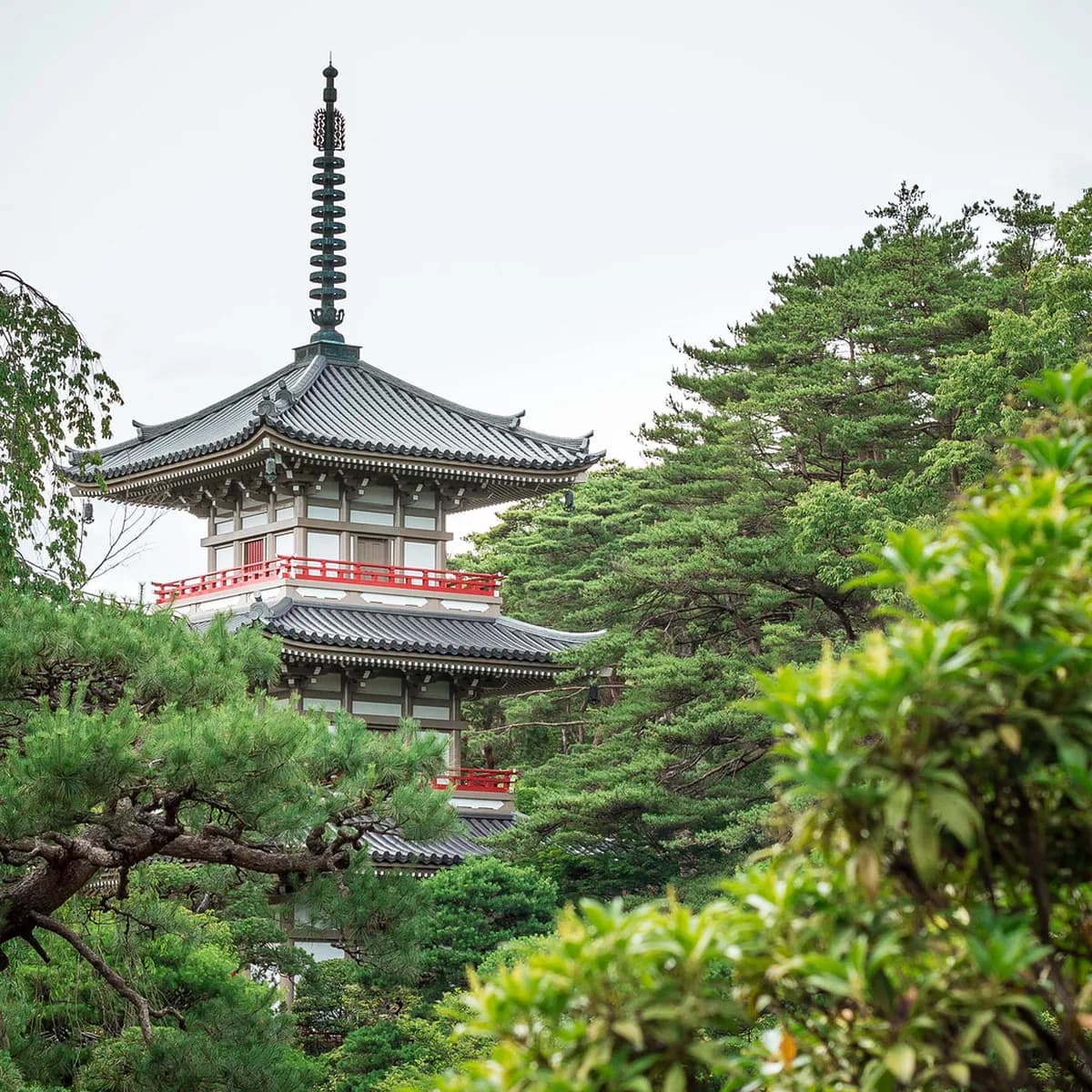
Rinnoji Temple serves as the spiritual heart of the UNESCO World Heritage site in Nikko. This extensive complex offers a deep look into ancient Buddhist traditions, mountain worship, and the Tokugawa-era culture that shaped the Sannai precinct. Our rinnoji temple visitor guide helps you decide what to see first, how long to stay, and how to connect the temple with nearby shrines without rushing. Starting your Nikko adventure here sets a practical tone because the main hall, garden, and onward walking routes are close together.
Must-See Rinnoji Attractions
| Ticket | Adult | Child |
|---|---|---|
| Sanbutsudo Hall only | ¥400 | ¥200 |
| Taiyuin Mausoleum only | ¥550 | ¥250 |
| Combination (both) | ¥900 | ¥400 |
The Sanbutsudo Hall remains the most famous structure within the entire Rinnoji complex. Inside this massive building, you can view three giant gold-leaf statues representing local mountain deities. These impressive figures stand over eight meters tall and create a sense of quiet awe. Photography is strictly forbidden inside the hall, so keep your phone away and focus on the scale, incense, and quiet movement of worshippers.
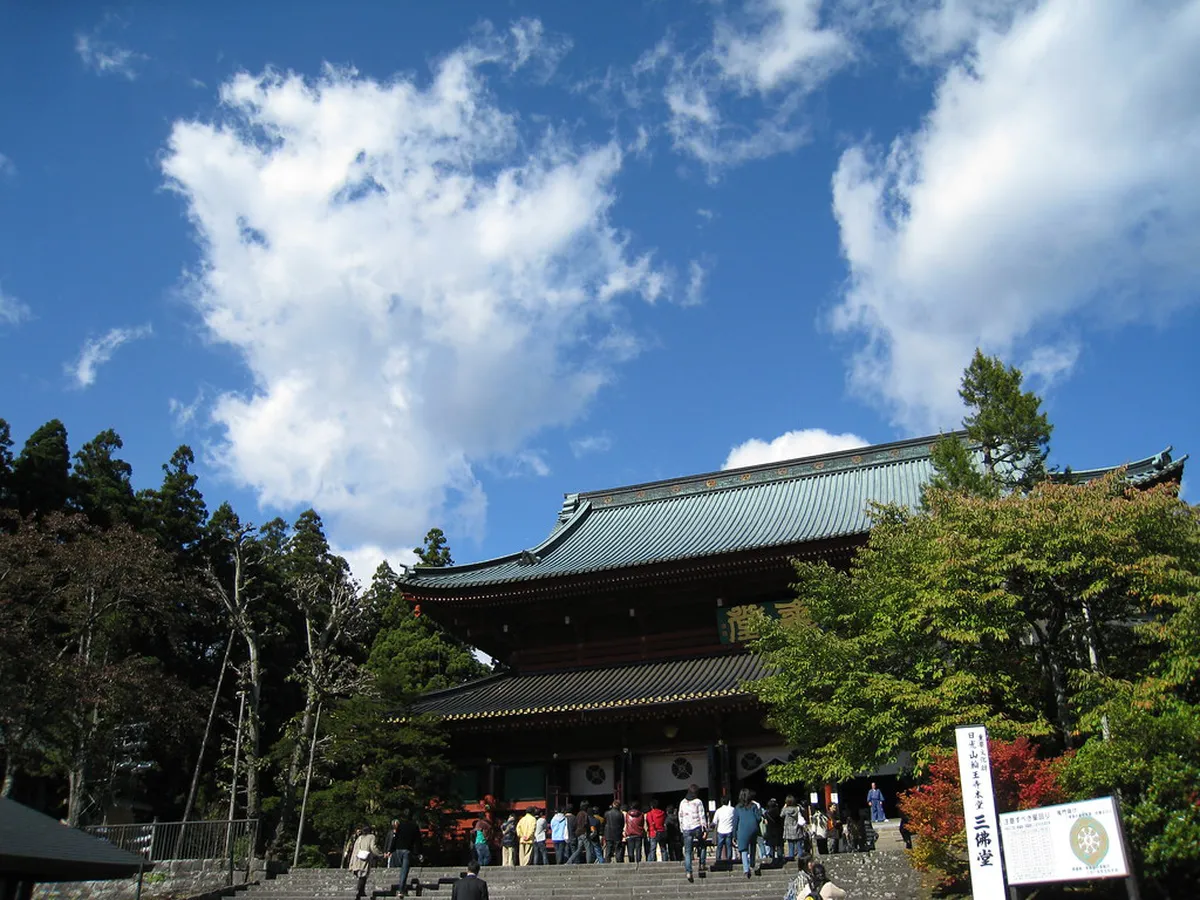
Look for the Sorinto Pillar standing tall near the main entrance of the temple grounds. This bronze pillar contains over one thousand Buddhist sutras meant to protect the surrounding area. It represents a unique piece of religious history that many visitors pass by too quickly. Take a moment to admire the intricate metalwork before heading toward the garden.
For a short itinerary, prioritize Sanbutsudo first, then decide whether to add Shoyoen Garden, the Treasure House, or nearby Toshogu Shrine. Visitors with only 45 minutes should not try to cover every building in the wider Rinnoji complex. If you have half a day in Sannai, plan at least one hour here before continuing toward Taiyuin and Futarasan.
- Sanbutsudo Hall Main Statues
- Type: Gold-leaf wood
- Height: 8.5 meters
- Subject: Three Buddhas
- Cost: 400 yen
- Sorinto Bronze Pillar
- Material: Solid bronze
- Significance: Protective sutras
- Location: Main courtyard
- Access: Included in fee
Museums, Art, and Culture in Rinnoji
The Homutsuden Treasure House displays a rotating collection of significant Buddhist art and artifacts. Visitors can view ancient scrolls, detailed paintings, and ritual tools used by monks throughout history. The museum provides context for why Rinnoji matters beyond its architecture, especially if you want to understand Nikko as a religious center rather than only a photo stop.
Special exhibitions often take place during the spring and autumn tourist seasons. These displays might feature rare items that are usually kept in private storage for protection. Check the official website for current exhibition schedules before you arrive. The museum layout is compact and easy to navigate within thirty to forty minutes.
Art lovers will appreciate the delicate craftsmanship found in the temple's decorative carvings. Each piece of art tells a story about the intersection of nature and spirituality in Japan. If your group includes both history fans and casual sightseers, use the museum as a flexible add-on: it rewards slower visitors but is easy to skip when weather, crowds, or bus timing make the day tight.
Parks, Gardens, and Outdoor Spots in Rinnoji
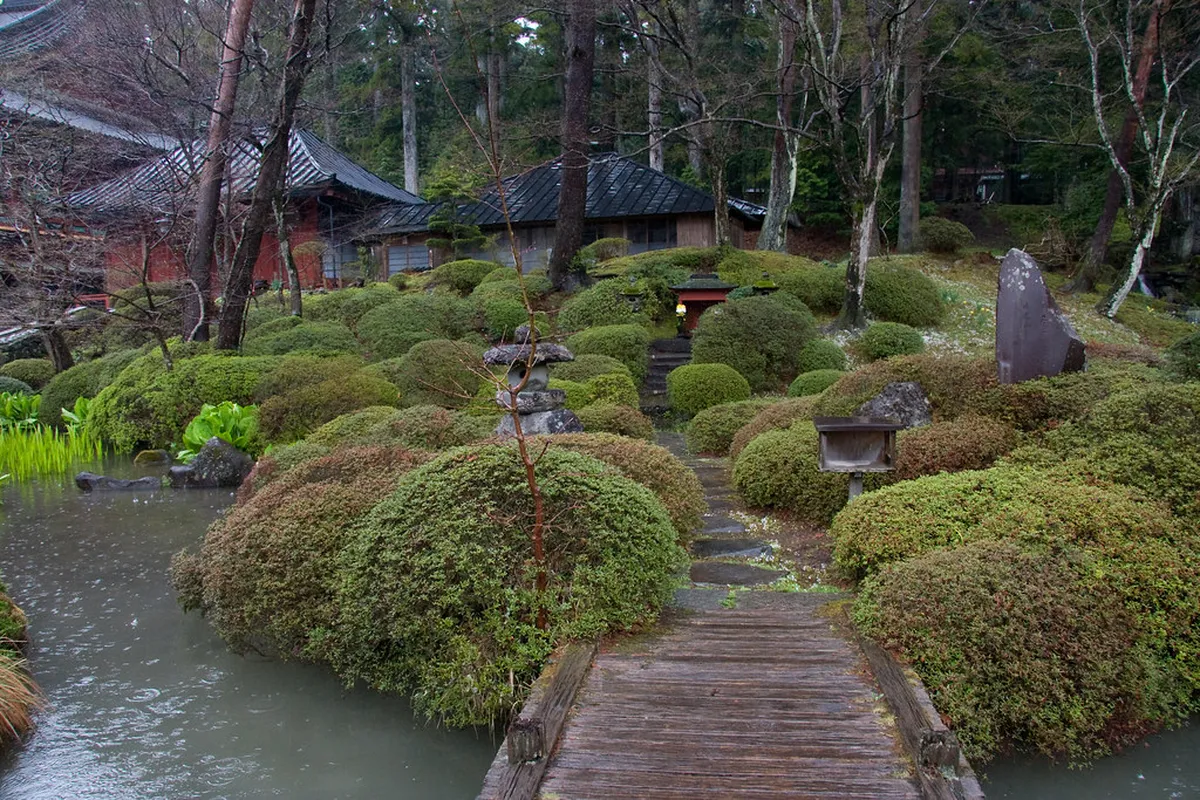
Shoyoen Garden is a classic Japanese stroll garden located just behind the Treasure House. It features a central pond surrounded by maple trees that change colors beautifully in the fall. Walking the circular path offers different viewpoints of the water and stone lanterns. This garden was designed to reflect the natural beauty of the surrounding Nikko mountains.
Rinnoji opens at 08:00 (April–October) and 08:00 (November–March, closing at 16:00 instead of 17:00). Arriving at opening time lets you enjoy the Sanbutsudo Hall and Shoyoen Garden before tour-group crowds arrive around 10:00.
Autumn is the most popular time to visit the garden due to the vibrant red leaves. Night illuminations sometimes occur in late October or early November for a magical experience. During these events, the trees are lit up to highlight their brilliant seasonal colors. Expect larger crowds during the peak foliage weeks in this specific part of the temple.
Nikko weather changes quickly because the temple area sits in the mountains. Spring and autumn mornings can feel cool, summer rain can arrive suddenly, and winter paths may be damp or icy in shaded spots. Bring a light layer, choose shoes with grip, and save the garden for a dry window if the forecast is unstable. It remains one of the best spots in Nikko for a slow and mindful walk.
Family-Friendly and Budget-Friendly Options in Rinnoji
Families can save money by choosing the Rinnoji ticket option that matches their actual route. The combination ticket is useful when you plan to visit both Sanbutsudo and the Taiyuin Mausoleum, while a shorter stop may only need the main-hall ticket. Check the window before paying because ticket counters can be busy when tour groups arrive.
Children often enjoy the large open spaces and the massive scale of the statues. The walking paths are generally well-maintained, though some areas have stairs or gravel. Strollers can be used in the main courtyard but might be difficult inside the historic halls. Consider using a baby carrier if you plan to explore the higher levels of the complex.
Budget travelers can enjoy the exterior views of the temple buildings for free. Walking through the Sannai area allows you to see the grand architecture without spending money. However, the small fee for the garden and main hall is well worth the investment if this is your main cultural stop in Nikko. Pack a lunch to enjoy at nearby public areas, but do not eat inside the temple halls or garden paths.
How to Plan a Smooth Rinnoji Attractions Day
Arriving early in the morning is the best way to avoid the heavy midday crowds. Most tour buses begin to arrive around ten o'clock, making the site much busier. The temple usually opens at eight in the morning during the peak travel months. Starting your day here allows you to walk to the Futarasan Shrine later in the afternoon.
Use the World Heritage Bus from Nikko Station for the most convenient transport option. The bus stops are located very close to the main entrance of the temple grounds. Check the Tobu Nikko Bus website for the latest fare and schedule updates. Walking from the station is possible but takes about thirty minutes uphill, so save that option for travelers who are comfortable with slopes before a full sightseeing day.
Photography is strictly forbidden inside the Sanbutsudo Hall. Keep your camera or phone away as soon as you enter the main hall out of respect for the active worship space.
Common planning mistakes are trying to see every Nikko landmark in one pass, carrying large bags into the heritage precinct, and forgetting that temple interiors may require removing shoes. Lockers are available at the train stations if you need to store heavy bags. For accessibility, expect a mix of paved paths, gravel, stairs, thresholds, and older wooden interiors; visitors with mobility needs should keep the route compact and confirm conditions with staff on arrival.
If you want to personalize this tour, build around your constraint rather than around every famous name. Choose a culture route with Rinnoji, Toshogu, and Taiyuin; a lighter family route with Sanbutsudo and Shoyoen; or a nature-heavy route that continues toward Kanmangafuchi and the bus for Lake Chuzenji. A one-day itinerary works best when you group nearby sights before adding distant stops.
Rinnoji Temple Visitor Guide Overview
Rinnoji was founded over one thousand years ago by the monk Shodo Shonin. He is the same figure traditionally credited with bringing Buddhism to the rugged Nikko mountains. The temple became a major center for the Tendai sect of Japanese Buddhism. Its history is closely tied to the power of the Tokugawa shogunate in later centuries.
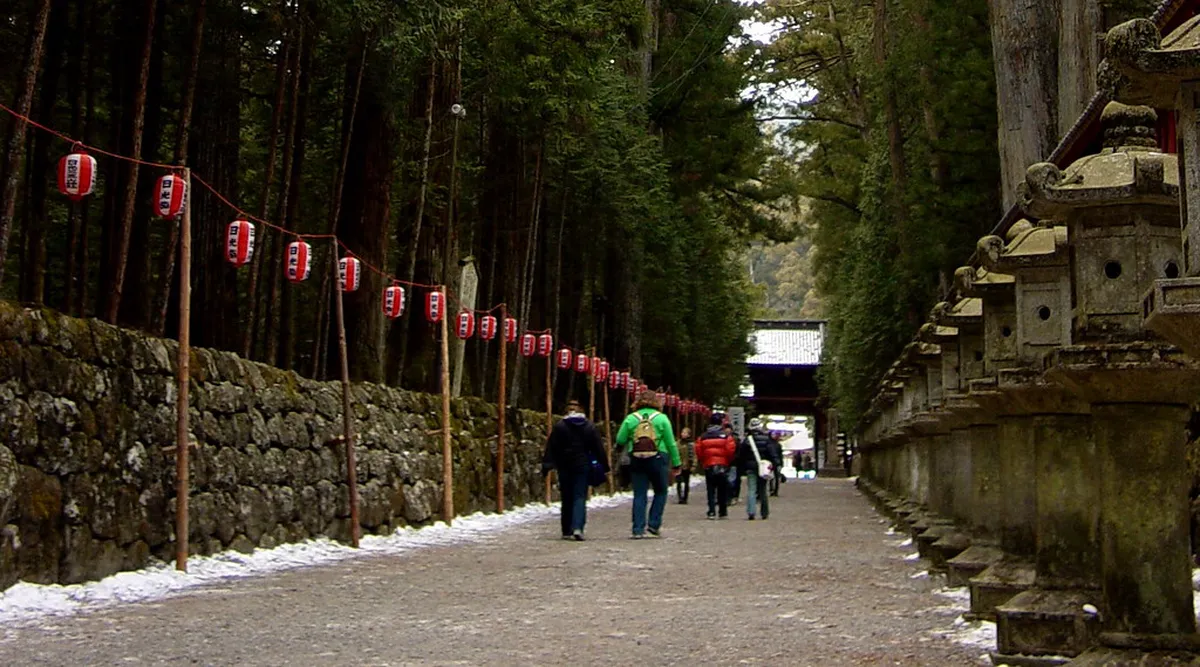
The complex underwent major renovations recently to ensure its survival for future generations. Experts used traditional methods to repair the wooden structures and refresh the gold leaf. Visitors in 2026 will see the buildings in their best condition in decades. Learning about this history adds a layer of meaning to your physical visit.
Rinnoji is not just one building but a collection of fifteen different temple structures. The main hall serves as the focal point for religious ceremonies and daily prayers. Monks still live and work on the grounds, maintaining the spiritual traditions of the site. Respectful behavior is expected from all visitors as they move through the sacred areas: speak quietly, follow no-photo signs, and avoid blocking worshippers near altars.
Deep Oya Experience: The Hidden Gem of the Oya District
The Oya District offers a fascinating alternative to the traditional wooden temples of Nikko. This area is famous for its unique volcanic stone used in buildings across Japan. You can explore the massive underground Oya History Museum located inside an old quarry. The temperature inside the caverns remains cool even during the hottest summer days.
A majestic bamboo forest grows near the stone ruins, providing a beautiful natural backdrop. This area feels much more secluded than the main tourist zones in central Nikko. It is a perfect spot for travelers who enjoy geology and industrial history. Bus access from Utsunomiya Station makes it an easy addition to your itinerary.
Walking through the bamboo groves offers a quiet space for reflection and photography. The contrast between the soft green leaves and the sharp grey stone is striking. Most visitors spend about two hours exploring the museum and the surrounding nature. Make sure to bring a light jacket for the cold underground sections of the tour.
Nikko walking tour (The world heritage site and hidden treasure spots)
A great walking tour often starts at the iconic Shinkyo Bridge near the river. From there, you can walk uphill toward the main World Heritage temple area. The path takes you through tall cedar trees that are hundreds of years old. This route provides a grand entrance to the historic heart of the city.
After visiting Rinnoji, continue your walk toward the Kanmangafuchi Abyss for a change of pace. This riverside path is lined with dozens of stone Jizo statues wearing red caps. It is a peaceful area that feels far away from the main temple crowds. The sound of the rushing river makes the walk very relaxing and scenic.
Looking for day-by-day itineraries in Nikko? Plan your visits with our comprehensive Nikko itinerary and Nikko travel guide to help structure your days. Put Rinnoji, Toshogu, Futarasan, and Shinkyo on day one because they sit close together. Save Lake Chuzenji, Kegon Falls, and higher-elevation viewpoints for day two if you are staying overnight. This split reduces backtracking and gives you more control when bus lines are crowded. For more on religious sites, explore our Nikko temples and shrines guide.
Hidden shrines can be found tucked away in the forest along the walking paths. These smaller sites often have interesting legends and fewer visitors than the main halls. Exploring these spots allows you to discover the 'hidden treasures' of the mountain. Keep an eye out for local wildlife and avoid feeding animals near the trails.
Essential Japanese Phrases While Travelling in Japan
Learning basic greetings will help you feel more comfortable when interacting with temple staff. Saying 'Sumimasen' is very useful for getting someone's attention or apologizing in a crowd. This word is used frequently in Japan and shows that you are being polite. Most locals will appreciate your attempt to use their language during your visit.
Asking for the price or the way to the station is also helpful for independent travelers. Use the phrase 'Ikura desu ka' to ask how much something costs at the gift shop. Knowing 'Toire wa doko desu ka' will help you find the nearest restroom quickly. These simple phrases can solve many small problems during a busy day of sightseeing.
Carry a small phrasebook or use a translation app on your phone for complex needs. Many signs in Nikko are in English, but smaller shops may only have Japanese menus. A friendly 'Arigato' at the end of a transaction always leaves a positive impression. Practicing these words before you arrive will build your confidence for the trip.
Highlights: Oya & Utsunomiya Cultural Discovery Tour
Utsunomiya is the capital of Tochigi and is famous for its delicious gyoza dumplings. Adding a stop here allows you to experience a more modern side of Japanese culture. The city features many specialized restaurants where you can try different types of dumplings. It is a great place to have dinner before catching a train back to Tokyo.
The region is also known for its high-quality sake breweries and traditional crafts. A Nikko highlights and sake brewery plan is best for adults who want culture after the temple precinct, while Oya stone tours fit travelers interested in geology, architecture, and cooler indoor spaces. Both options add transit time, so they work better as a full-day private route or as part of an overnight Tochigi stay.
Other popular highlights tours in Nikko often combine Rinnoji with Toshogu, Kanmangafuchi, Lake Chuzenji, and Kegon Falls. The trade-off is simple: guided or private tours reduce navigation stress and can adapt to weather, while independent travel costs less and gives you more time inside each site. If Rinnoji is your main goal, keep the route tight; if it is one stop among many, visit Sanbutsudo first and treat extra halls as optional.
Frequently Asked Questions
How much time should you plan for a Rinnoji Temple visit?
You should plan for at least 60 to 90 minutes to see the main halls and Shoyoen Garden. If you enjoy museums, add an extra 45 minutes for the Treasure House. Early morning visits help you move through the site faster before crowds arrive.
Which Rinnoji Temple visitor guide options fit first-time visitors?
First-time visitors should focus on the Sanbutsudo Hall and the Shoyoen Garden. These spots offer the most iconic views and historical context. Buying a combination ticket is the best way to see these highlights while saving money on entrance fees.
What should travelers avoid when planning a Rinnoji visit?
Avoid visiting during the middle of the day when tour groups are most active. Also, do not forget to check the Rinnoji Temple official course guide for any temporary closures. Wear shoes that are easy to slip on and off for the temple interiors.
Rinnoji Temple is an essential stop for anyone exploring the historical wonders of Nikko. From the golden statues of Sanbutsudo to the quiet beauty of Shoyoen Garden, there is much to see. We hope this guide helps you plan a meaningful and efficient visit to this sacred site. Enjoy your journey through the rich spiritual landscape of one of Japan's most famous destinations.
For the latest official information, see the Rinnoji Temple on Wikipedia.
