Budget Accommodation In Fukuoka Travel Guide
Plan budget accommodation in fukuoka with top picks, neighborhood context, timing tips, and practical booking advice for a smoother trip.
On this page
Finding budget accommodation in Fukuoka is easier than in most major Japanese cities — the city has an unusually high concentration of affordable hostels, capsule hotels, and no-frills business hotels clustered in its best neighborhoods.
The challenge is not finding a cheap bed. It is choosing the right neighborhood for your itinerary. Staying in the wrong area adds transit time and costs that eat into your savings fast.
This guide breaks Fukuoka down by neighborhood, with honest price benchmarks for 2026 and a clear picture of who each area suits best. Use it alongside the 17-Part Guide to Fukuoka Travel Budget and Daily Costs 2026 guide to plan your full spend.
Where is the Best Place to Stay in Fukuoka on a Budget?
Fukuoka is divided into several distinct wards, but the bulk of budget accommodation clusters in two areas: Hakata Ward and the Tenjin-Daimyo corridor. Hakata is the city's transport hub and the clear winner for capsule hotels and budget hostels. Tenjin is the shopping and nightlife core, with slightly higher prices but more variety in guesthouse-style accommodation.
For 2026, solo travelers on a tight budget should start their search in Hakata. Dorm beds in the Hakata Ward run from ¥2,500 to ¥4,500 per night. Private capsule hotel pods with private lockers and shared bath facilities average ¥3,500 to ¥5,500. Basic business hotel rooms near Hakata Station start around ¥6,500 to ¥9,000 for a single, often including breakfast.
Tenjin and the Daimyo area tend to add ¥1,000 to ¥2,000 to those same room types but put you within walking distance of the city's best nightlife and shopping. If you plan to eat at Yatai stalls on the Nakasu riverfront most evenings, a Nakasu or Tenjin base saves money on transit in the long run. See the full Neighborhoods Where to Stay in Fukuoka neighborhood breakdown for a detailed comparison across all budgets.
Hakata Station Area: Best Base for Budget Travelers
Hakata Station is the single most practical base for budget travelers. From here you can reach Fukuoka Airport in 5 minutes on the subway (¥260), connect to the Shinkansen for day trips to Hiroshima or Nagasaki, and walk to Kushida Shrine or Canal City Hakata in under 15 minutes. The density of affordable accommodation around the station is higher than anywhere else in the city.
Budget hostels in this area include Common de Hostel & Bar in the Hakata Ward — it has large dorm rooms with comfortable beds, a shared lounge, and an on-site bar, making it a top pick for social travelers. Via Inn Hakataguchi is positioned directly opposite Hakata Station and offers private rooms from around ¥7,000 without the sterile feel of a chain hotel. Henn na Hotel Fukuoka Hakata takes the novelty factor seriously with robot check-in staff, but rooms are clean and well-priced for the location.
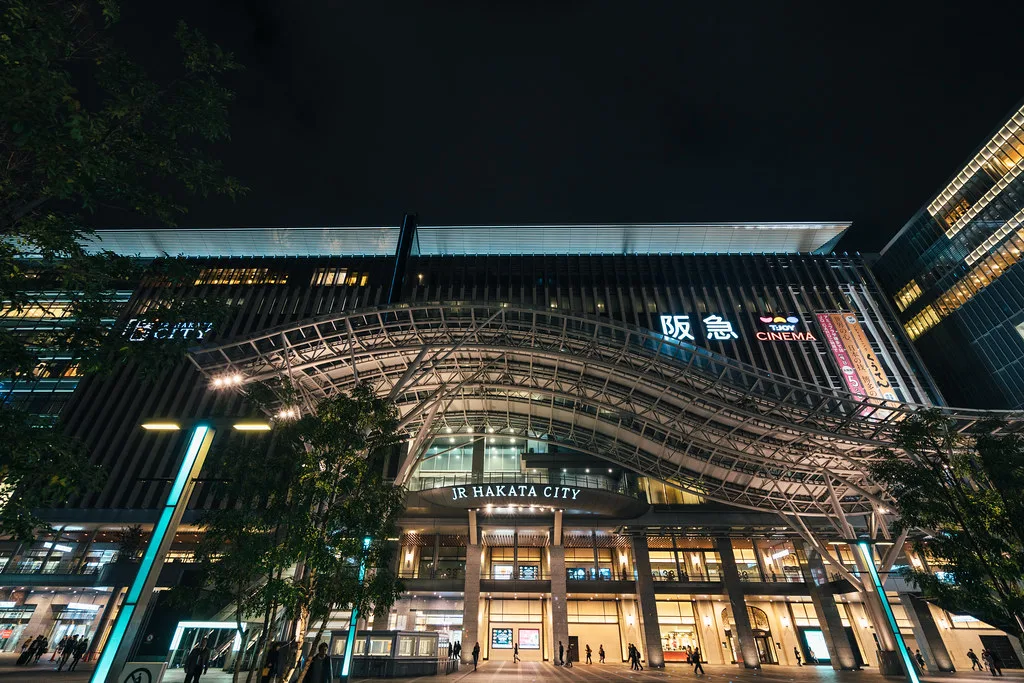
One drawback: the area directly around Hakata Station skews toward business travelers. Bars and restaurants close earlier than in Tenjin. If late-night food and nightlife matter to you, consider basing yourself in Nakasu or Tenjin instead and visiting Hakata by day.
More Hakata Guesthouses Near Gion and Kushida Shrine
Hakata Station's budget hotel cluster extends into the quieter streets around Gion and Reisen-machi, just a short walk from Kushida Shrine. This pocket holds several additional guesthouses and capsule-style stays that don't come up in most neighborhood roundups but sit closer to the shrine and Canal City Hakata than many of the station-front options.
- European House Reisen — a small guesthouse in a converted building near Reisen-machi, with a European-themed interior and dorm beds priced in the same ¥2,500–¥4,500 range as the rest of Hakata Ward.
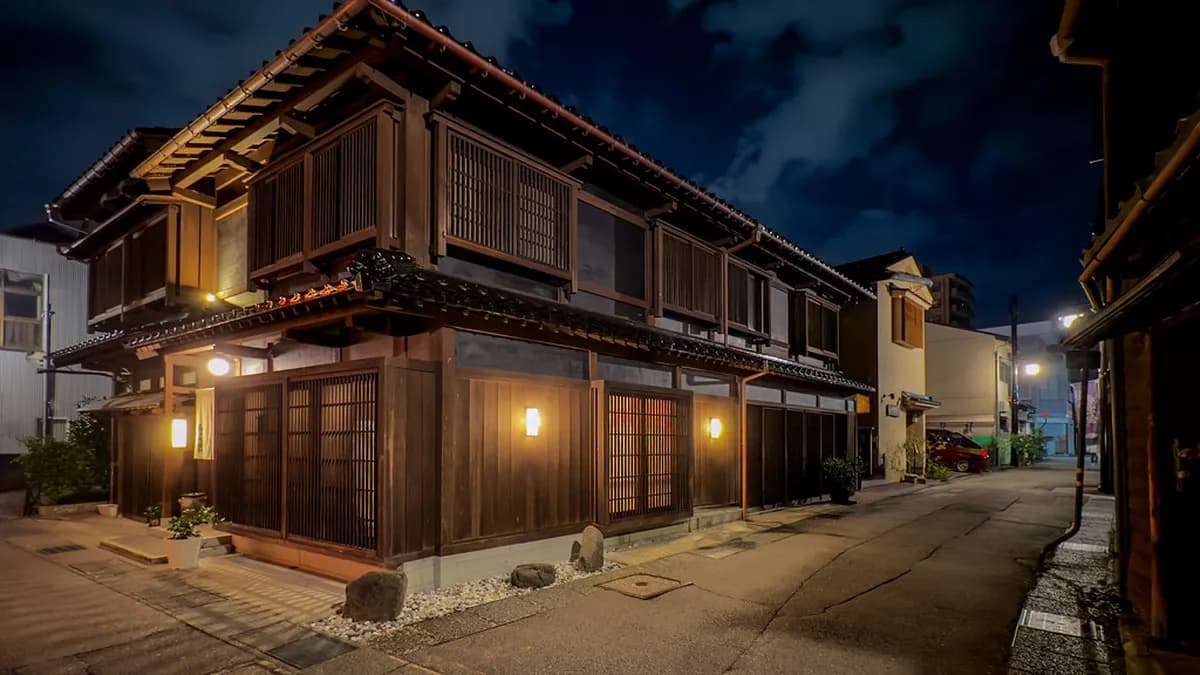
- Guesthouse Matsuo A — a renovated traditional machiya-style house a few minutes from Kushida Shrine, offering a more residential feel than the chain hotels closer to the station concourse.
- ZONK HOTEL Hakata — a compact capsule-style property aimed squarely at solo budget travelers, with private pods and shared bath facilities at rates comparable to the capsule hotels listed above.
- Toyo Hotel — a Kyushu-based business hotel chain with more than one Hakata branch; rooms are basic but reliable, with rates typically landing at the lower end of the ¥6,500–¥9,000 single-room band.
None of these require a taxi or bus transfer from Hakata Station — all are within a 10 to 15 minute walk, or one stop on the subway. They're worth checking directly on booking sites when the main station-front hotels are sold out, which happens often during peak seasons and major conventions at Fukuoka International Congress Center.
Tenjin Area: Best for Shoppers and First-Time Visitors
Tenjin is Fukuoka's downtown core and the city's top pick for first-time visitors who want to be in the middle of everything. The neighborhood holds Fukuoka's largest concentration of department stores, the Tenjin Underground Shopping Centre (the largest underground mall in Kyushu at roughly 1 km), dozens of international restaurants, and the most accessible yatai (street food stall) strip outside Nakasu.
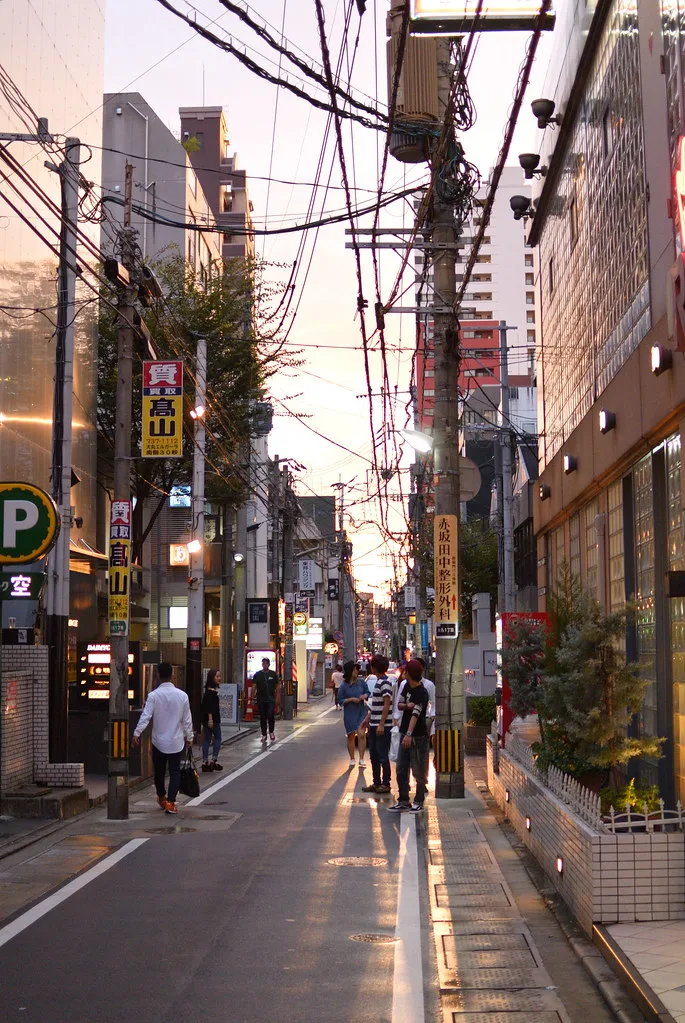
Budget accommodation in Tenjin skews toward small business hotels and guesthouses rather than dormitory hostels. Toyoko Inn Fukuoka Tenjin is a reliable option with single rooms from around ¥7,500 — functional, clean, and steps from the subway. Tokyu Stay Fukuoka Tenjin offers apartment-style rooms with kitchenettes that work well for stays of three or more nights, as cooking some meals yourself quickly offsets the slightly higher nightly rate. KOKO HOTEL Fukuoka Tenjin lands in the affordable mid-range with modern rooms and a location that feels boutique without the boutique price.
There are no major hostels directly in Tenjin, which is the main limitation for solo travelers on a strict dorm budget. The subway ride from Hakata is only two minutes, so many budget travelers base themselves in Hakata and treat Tenjin as a day and evening destination rather than their sleeping base.
Nakasu Island Area: Street Food and Nightlife at Your Door
Nakasu is a small island sitting between the Hakata River and the Naka River, positioned right between Hakata Ward and Tenjin. It is Fukuoka's entertainment and food district: the island holds roughly 3,500 restaurants, bars, ramen shops, and Yatai stalls along its riverside. Staying here puts you within walking distance of the city's best late-night eating at essentially zero transit cost.
Budget options on the island itself are limited, but a few well-priced hotels make it work. Fukuoka Hana Hostel sits just a short walk from Nakasu's bright lights in the Hakata Ward — it offers private and dorm rooms, bike rentals, and free wifi, making it a strong value pick for independent travelers. DEL style Fukuoka Nishinakasu gives a slightly more stylish feel at competitive rates and is ideally placed for both Nakasu nightlife and Tenjin shopping. Mitsui Garden Hotel Fukuoka Nakasu sits at the lower end of the mid-range and provides a quiet, contemporary base with easy access to the riverside stalls.
Nakasu is the right choice if your priority is Fukuoka's food scene. Eating three meals a day from Yatai or nearby ramen shops costs far less than restaurant dining, so the slightly higher cost of Nakasu accommodation is often offset by what you save on food when the stalls are your front yard.
Daimyo Area: Coolest Neighborhood, Mid-Range Budget Required
Daimyo sits at the center of the Chuo Ward, directly west of Tenjin, and functions as Fukuoka's arts, fashion, and coffee district. The streets are narrow and filled with independent boutiques, vintage clothing stores, small galleries, and excellent independent cafes. It is the area of the city most worth wandering without a plan.
Budget accommodation in Daimyo leans toward boutique guesthouses and mid-range hotels rather than hostels or capsule hotels. LAMP LIGHT BOOKS HOTEL fukuoka offers a literary-themed stay with comfortable rooms and a distinctly local atmosphere — not the cheapest option but worth the small premium if you value character over pure function. Hotel JAL City Fukuoka Tenjin (which sits on the Daimyo-Tenjin border) offers reliable quality at business hotel rates. The Ritz-Carlton Fukuoka is also in this neighborhood but is far above budget range — worth knowing for context on the area's premium ceiling.
Daimyo is best suited to travelers who have a slightly larger accommodation budget — say ¥9,000 to ¥14,000 per night for a private room — but want a more local and atmospheric experience than a generic business hotel provides. The free gallery hopping, street art, and small-batch coffee shops make the neighborhood itself a form of entertainment that partially justifies the accommodation premium.
Nishijin: The Overlooked Budget Neighborhood No Competitor Mentions
Almost every "where to stay in Fukuoka" guide focuses on Hakata, Tenjin, Nakasu, and Daimyo. Nishijin, in the Sawara Ward, gets mentioned as a family option and then dropped. That is a missed opportunity for budget travelers who are not backpackers but want good value and a quieter base.
Nishijin is five minutes from Tenjin by subway, putting every major attraction within easy reach. The neighborhood itself has Ohori Park (free, large, one of the best green spaces in the city), the Fukuoka Castle ruins, artificial beach access at Momochihama, and the Fukuoka PayPay Dome for sports events. UNPLAN Fukuoka, a well-reviewed hostel in Nishijin, offers both dorm and private rooms with strong connections to Tenjin and the airport (15 minutes by train). Room rates in Nishijin run ¥500 to ¥1,500 per night cheaper than comparable accommodation in central Hakata, with no meaningful increase in transit time for most daytime sightseeing.
Families in particular benefit from Nishijin. The neighborhood is quieter at night, closer to beach and park space, and less disorienting for children than the commercial density around Hakata Station or Nakasu. If you are traveling with kids or simply want a more residential feel without sacrificing access, Nishijin is the most underrated budget base in Fukuoka.
Staying Right by Ohori Park: A Quiet Alternative to Nishijin
Ohori Park itself has a small number of accommodation options directly on its edges, separate from the Nishijin hostels a subway stop away. These sit closer to the park's running loop and the Fukuoka Castle ruins than anything in Nishijin proper, at a small premium over Nishijin's rates.
Buena Vista Ohori Park sits a few minutes' walk from the park's boating pond, in a residential pocket that stays quiet after dark. Rooms are simple business-hotel style rather than dorm-style, so it suits travelers who want privacy without paying Daimyo's mid-range premium — expect rates in roughly the same ¥6,500 to ¥9,000 single-room band as Hakata's business hotels, sometimes ¥500 to ¥1,000 higher for the park-side location.
The trade-off versus Nishijin is variety: there is no dorm-bed option directly at the park, and the closest convenience stores and restaurants are a short walk rather than on the doorstep. For solo budget travelers, UNPLAN Fukuoka in Nishijin usually remains the better value, but couples or travelers prioritizing early-morning access to the park for jogging or photography before the crowds arrive may prefer the shorter walk from a park-adjacent base.
Either way, both options connect to Tenjin in under ten minutes by subway or bus, so the choice comes down to whether a dorm bed or a quiet private room matters more for the trip.
Momochi Area: Beach Access, Fewer Budget Options
Momochi is Fukuoka's modern seaside district, home to Fukuoka Tower, Momochihama Beach, and the PayPay Dome stadium. It sits to the west of the city center and offers a relaxed, open atmosphere that is very different from the commercial energy of Hakata or Tenjin.
The honest budget note on Momochi: it has fewer low-cost accommodation options than the central wards, and the journey to Hakata Station takes around 25 minutes by bus. Hilton Fukuoka Sea Hawk dominates the accommodation landscape here and is firmly in the upper price bracket. For most budget travelers, Momochi works better as a half-day destination from a Hakata or Nishijin base rather than as a sleeping location. That said, the beach access in summer and the event-driven crowd at the dome make it viable if you specifically plan to spend several days in this part of the city.
Types of Budget Accommodation in Fukuoka
Book Tuesday–Thursday nights for the lowest rates at Hakata business hotels — domestic business travel drops midweek and rack rates fall ¥1,000–2,000 compared to weekends. Also check the hotel's own website before booking via Expedia or Booking.com; chains like Toyoko Inn and Via Inn publish member-only rates (free to join) that consistently beat aggregator prices by 5–10%.
Fukuoka offers the full spectrum of budget lodging common to Japanese cities. Hostels with dorm beds are the cheapest entry point at ¥2,500 to ¥4,500 per night and are concentrated in the Hakata Ward. Common de Hostel & Bar and Fukuoka Hana Hostel are consistently among the top-rated options and both have responsive management, which matters when you have a problem at 23:00. For social travelers, a hostel common room is genuinely the fastest way to find people to share a Yatai dinner with.
Capsule hotels occupy the mid-point between dorm hostels and private rooms. They offer full privacy — you have your own enclosed pod with individual lighting and a personal locker — for around ¥3,500 to ¥6,000 per night. Many Fukuoka capsule hotels also include shared sauna or large public bath facilities, which is a genuine daily value add that Western accommodation rarely offers at this price. The Hakata Ward has the highest density of capsule hotels in the city. For a full comparison of capsule hotel features versus standard business hotels, see the 8 Key Differences: Ryokan vs Business Hotel Fukuoka guide.
Business hotels are the default choice for solo travelers who want a private room without paying mid-range prices. Chains like Toyoko Inn, Via Inn, and APA operate multiple properties in Fukuoka and offer reliable, clean single rooms from ¥6,500 to ¥9,000. These hotels are not atmospheric, but they are efficient: free wifi, private bath, vending machines on every floor, and check-in terminals that work without any Japanese language ability. For travelers on a mixed budget who want free days and paid-experience days, a business hotel near Hakata Station is almost always the most practical base.
| Area | Best for | Dorm (¥/night) | Private room (¥/night) |
|---|---|---|---|
| Hakata | Transit access, capsule hotels | 2,500–4,500 | 6,500–9,000 |
| Tenjin | Shopping, nightlife, first-timers | — | 7,500–11,000 |
| Nakasu | Yatai dining, late-night return | 2,800–4,000 | 8,000–12,000 |
| Nishijin | Quiet base, families, Ohori Park | 2,500–3,800 | 6,000–8,500 |
| Daimyo | Local character, boutique feel | — | 9,000–14,000 |
How to Get the Best Deals on Budget Accommodation in Fukuoka
Booking mid-week reduces rates at most Fukuoka business hotels. Tuesday and Wednesday nights run noticeably cheaper than Friday and Saturday because the city draws a significant domestic business travel crowd. If your travel dates are flexible, even shifting by one night can save ¥1,000 to ¥2,000 on a private room. Avoid the Hakata Gion Yamakasa festival period in mid-July, Golden Week (late April to early May), and cherry blossom peak (late March to early April) — these periods see demand outpace supply and rates spike accordingly.
Japanese hotel chains often have their own direct booking rates that beat aggregator prices by 5 to 10 percent. Toyoko Inn's official site, for example, consistently offers a member rate that is not visible on Booking.com or Expedia. Registration takes two minutes and requires only an email address. Similarly, using a Fukuoka Tourist City Pass vs Subway Pass: 2026 Prices, Coverage & Which to comparison helps you avoid paying retail for individual transit tickets on top of accommodation.
Last-minute mobile booking can unlock deep discounts if hotels have unsold inventory. Apps like Jalan and Rakuten Travel cater specifically to the Japanese domestic market and often show rates not available on Western platforms. A same-day search starting from Fukuoka Airport after landing has genuine potential to find ¥1,500 to ¥2,000 off the standard rate at solid Hakata business hotels. CHECK TOP HOSTEL on Hostelworld for current availability and pricing on the top-rated Hakata hostels.
Final Thoughts on Where to Stay in Fukuoka
For most budget travelers in 2026, Hakata Ward is the practical answer. It has the best transport connections, the highest density of affordable beds, and enough food and culture within walking distance to fill two or three days without needing a transit card. CHECK TOP HOSTEL in Nishijin if you want a quieter base that still connects easily to Tenjin by subway.
Tenjin wins if you prioritize shopping, nightlife, and being in the social center of the city — but budget at least ¥1,000 to ¥2,000 more per night for the privilege. Nakasu makes sense if you plan to eat most of your meals at Yatai stalls and want to roll back to your room at midnight without a subway ride. Daimyo suits travelers who value neighborhood character and are willing to pay a small premium for it.
Whichever area you choose, book at least a week ahead for private rooms during peak periods. Fukuoka's hotel inventory fills fast during festival dates and long weekends, and last-minute prices in peak season can be two to three times the mid-week norm. A bit of advance research on Fukuoka 1-day itinerary for short stay travelers helps you lock in the right neighborhood before you book. View on Hostelworld to check live rates across the top Fukuoka budget properties.
See our Fukuoka attractions hub for the broader city overview. For related Fukuoka planning, see our Best Family Hotels In Fukuoka Travel Guide and How Many Days in Fukuoka: 13 Essential Planning Tips guides.
Frequently Asked Questions
Where is the Best Place to Stay in Fukuoka?
The Hakata and Tenjin areas are the best places for most travelers. Hakata is ideal for transport access, while Tenjin offers the best shopping and dining. Both neighborhoods have plenty of budget accommodation in Fukuoka options ranging from hostels to business hotels.
Which budget accommodation in fukuoka options fit first-time visitors?
First-time visitors should look for business hotels near Hakata Station for maximum convenience. These hotels offer private rooms and consistent quality at a very reasonable price point. They make exploring the city much easier for those unfamiliar with the local transport system.
Is budget accommodation in fukuoka worth including on a short itinerary?
Yes, staying in budget lodging allows you to spend more on dining and experiences. Even a Fukuoka 1-day itinerary for short stay travelers benefits from a well-located, affordable hotel. You will save time on commuting and have more money for local ramen.
Fukuoka is one of Japan's most affordable major cities for budget travelers.
Choosing the right neighborhood makes the difference between a trip that feels effortless and one that wastes time and money on avoidable transit.
Use the neighborhood breakdowns above to match your base to your itinerary, book early for peak periods, and check direct hotel websites alongside the main aggregators for the best rates.
Fukuoka's food, culture, and energy are well within reach on a tight budget — the accommodation just needs a little planning.
Free: The Fukuoka Essentials guide
Top things to do, where to stay, a perfect day plan, getting around, and the best time to go — a Fukuoka mini-guide you can take offline.
You might also like


Continue reading
More guides you'll find useful