

Furano Farm-to-Table Restaurants: A Guide to Hokkaido's Freshest Table
Furano farm-to-table restaurants pair volcanic-soil produce and Hokkaido dairy with forest fine dining, rustic cafes, and station-side hotpots. See where to book and how to get there.
On this page
Last updated August 2026, Furano farm-to-table restaurants source ingredients within roughly 20 kilometers of volcanic-soil fields and dairy farms. Forget Niseko's resort-glossed menus: Furano chefs build short, changing lists around what a nearby farm delivered that morning. This guide covers where to book, what to order, and how to reach restaurants outside the town center.
Why Furano Defines Farm-to-Table Dining in Hokkaido
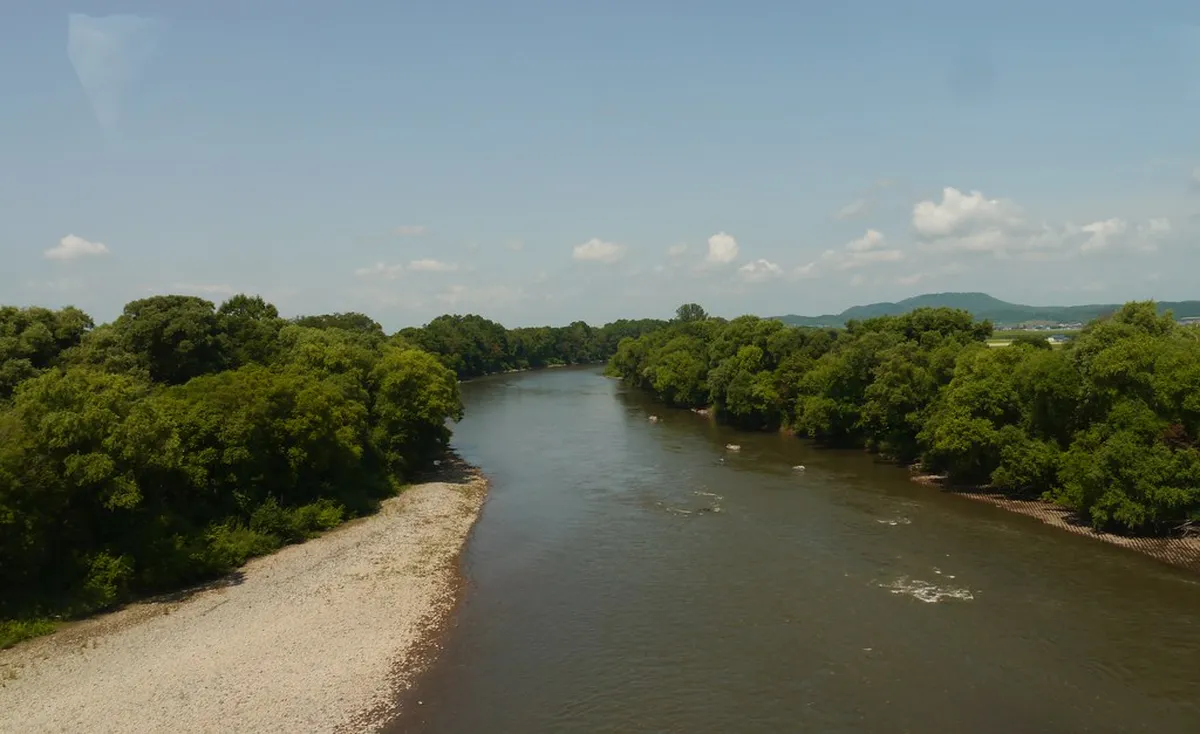
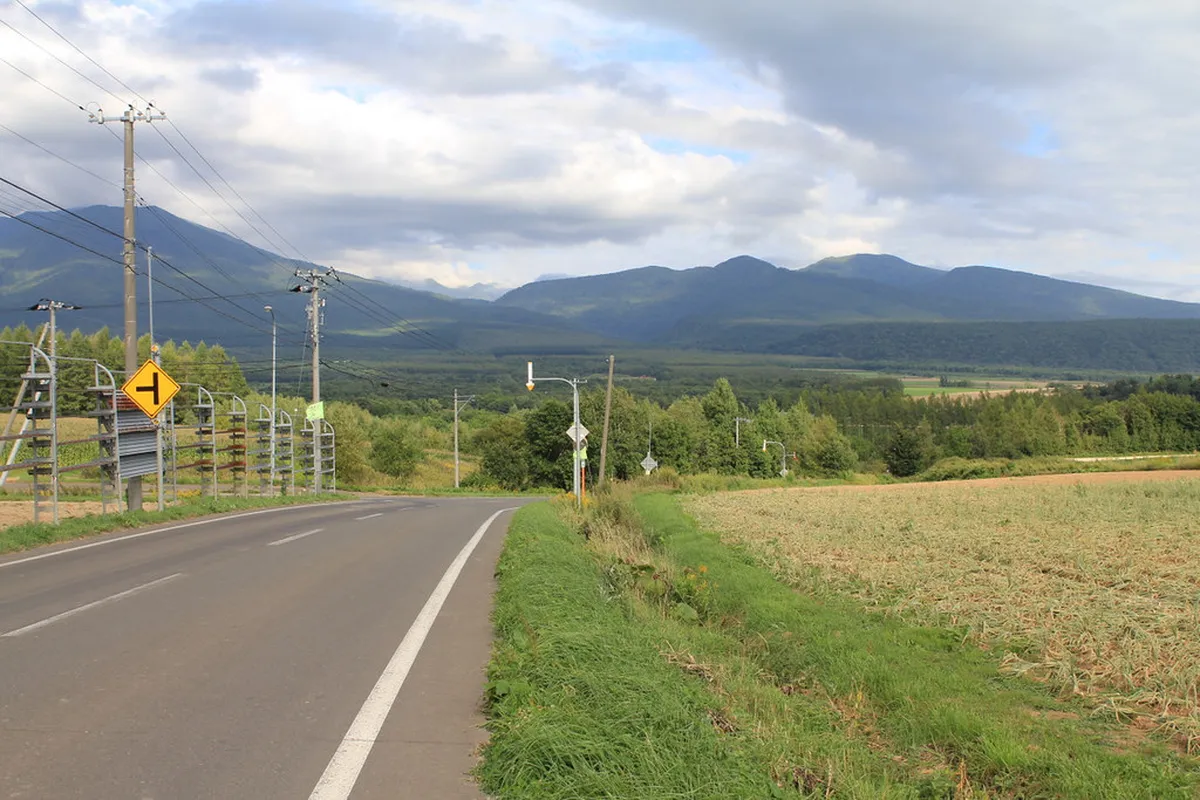
Furano sits in Hokkaido's agricultural core, and its restaurants treat sourcing as logistics rather than marketing. Local chefs describe cooking within a roughly 20-kilometer radius, pulling vegetables, dairy, and grains from nearby fields and creameries. Volcanic soil and sharp day-night temperature swings push extra sugar into Furano's melons and onions. That same climate deepens the fat and flavor in local dairy. Hokkaido supplies close to half of Japan's raw milk, according to the country's agriculture ministry. Furano's creameries and cheesemakers draw directly from that supply. Sweet corn and other summer vegetables get the same treatment, gaining sweetness from cold nights and warm days. The town's farmers market, Furano Marche, makes that supply chain visible, with jams, sauces, and produce from the surrounding fields on open display. The lavender fields at Farm Tomita put Furano on the map decades ago. That same agricultural landscape is what these kitchens cook from today. Naka Furano and Shimogoryo are two of the farming districts that show up repeatedly on local restaurant lists, alongside downtown Furano-shi. For the fuller sightseeing picture, see this Furano attractions guide.
The Best Furano Farm-to-Table Restaurants to Book
These five kitchens anchor Furano's farm-to-table restaurants scene, alongside the wider Furano food guide covering the town's full menu. Each one fits a different mood, from forest fine dining to a quick station-side hotpot. Reservations matter most from late June through August, when lavender season fills every table with a field view. Taberasaru Furano shares its address with Domaine Raison, one of the wineries covered in this Furano wine and drinks guide. Kumagera sits a three-minute walk from Furano Station, making it the easiest stop for a first hotpot dinner without a car. Yuiga Doxon's dining room looks like a treehouse built from reclaimed wood, and its 29-spice curry carries a smokiness few other kitchens match. Vegetarian diners tend to head for Café Goryo, where the daily menu comes largely from its own converted-barn garden. Meat-focused diners lean toward Kumagera's Wagyu sukiyaki or Yuiga Doxon's handmade smoked sausage, both built around local cattle and pork farms.
Furano's five anchor restaurants draw from roughly 20 kilometers of volcanic-soil fields, yet a single day itinerary encompasses farms, markets, and multiple kitchens—all fed by the same concentrated landscape.
| Restaurant | Style | Known For | Reservations |
|---|---|---|---|
| Le Gaulois Furano | Forest fine dining | Seasonal Hokkaido tasting menus in a woodland setting | Book ahead, especially in lavender season |
| Café Goryo | Rustic farmhouse café | Vegetarian-friendly plates from a renovated 1920s barn that grows its own produce | Recommended; seating is limited |
| Taberasaru Furano (Domaine Raison) | Winery bistro | Dutch oven roast pork paired with estate wine | Recommended |
| Kumagera | Station-side hotpot house | Furano Wagyu sukiyaki and Sanzoku Nabe duck-and-venison hot pot | Walk-in possible; arrive early |
| Yuiga Doxon | Treehouse-style curry shack | 29-spice curry and handmade smoked sausage | Walk-in friendly |
Signature Ingredients That Prove the Sourcing
Furano's dairy is the clearest proof of the region's climate advantage. Cold slows the cows, and volcanic pasture concentrates flavor into a silkier milk. The Furano Cheese Factory turns that milk into cheese and soft-serve ice cream. Its hands-on workshops need advance booking, because seats fill fast. See this Furano cheese workshop guide for booking details. Omu-curry, Furano's signature dish, pairs rice and curry under an omelet. The strict local version uses Furano milk, rice, and vegetables rather than generic substitutes. A full breakdown of where to order it correctly lives in this Furano omu-curry guide. Lavender-veined cheese threads through several menus each summer, melting under an omelet or folding into a cheese board. Furano Delice turns the same local milk and eggs into a bottled custard pudding. That dessert style is covered in this Furano sweets and desserts guide. Sweet corn, onions, and Furano melon round out the produce side, each one grown within that same short radius of the kitchen. Furano Wagyu appears on several menus too, most often in Kumagera's sukiyaki and hotpot sets.
Furano vs Niseko: Two Different Hokkaido Dining Scenes
Furano and Niseko sit in the same prefecture but serve very different meals. Niseko's dining directory lists dozens of international restaurants and private-chef bookings. One counter even carries a Michelin-linked sushi chef, built for a resort crowd that expects English menus and premium pricing. Furano runs smaller. Family-run kitchens and farmer-led menus set a slower pace. That pace rewards travelers willing to rent a car or book a taxi. Neither style is better outright, but Furano's farm-to-table restaurants suit travelers who want to taste the fields rather than the resort. Niseko suits travelers who want a concentrated resort scene with English-speaking staff at every turn.
| Category | Furano | Niseko |
|---|---|---|
| Setting | Farmhouses and fields outside town | Concentrated resort village |
| Typical lunch price | About ¥1,500-¥3,500 per person | Premium tasting menus and private-chef dining |
| Kitchen style | Farmer-led, short seasonal menus | International chefs, resort-scale restaurant directory |
| Language | Mostly Japanese, limited English | English widely spoken |
| Getting around | Car or taxi usually required | Mostly walkable between restaurants |
A Simple Day for Combining Sights and Meals
A workable day starts at Farm Tomita, where the lavender fields draw the earliest crowds before the midday heat sets in. From there, a short drive reaches Furano Marche for a look at seasonal produce, jams, and sauces from local growers. Midday works well for a stop at the Furano Cheese Factory, where a soft-serve stand sits right next to the workshop hall. Book lunch afterward at Café Goryo or Le Gaulois Furano, both of which sit closer to the fields than the town center. Evenings shift back toward Furano Station, where Kumagera or Yuiga Doxon make an easy walk-in dinner without a car. Furano Delice works well as a final stop for a bottled milk pudding on the way back to a hotel. Most of this route stays within a short drive of Furano Station, which keeps the day manageable without an early start.
Getting to Furano's Farm Restaurants
Most visitors reach Furano through Asahikawa Airport, followed by a bus into town. That bus has historically run about one hour and ten minutes to Furano Station, with a fare around ¥570. Confirm the current schedule and price before travel. Furano Station works as a base for walkable restaurants like Kumagera. More remote farm kitchens, including Café Goryo and Taberasaru Furano, sit well outside the town grid. A rental car is the most flexible way to reach them. Visitors need an International Driving Permit obtained before arriving in Japan. Taxis work for a single dinner booking, especially when a restaurant can call one back for the return trip. An e-bike is a workable middle option in summer, though distances between farm cafes can still run several kilometers. Reserve Le Gaulois Furano and Café Goryo as early as possible. Lavender season, roughly late June through August, fills every table with a field view fastest. Yuiga Doxon and Kumagera both take walk-ins, which makes them easier fallback options on a tighter schedule. Hours and seasonal closures shift from year to year, so confirm each restaurant's current schedule before finalizing a booking. Google Maps and Japanese ride-hailing apps both work reasonably well around Furano Station, but coverage thins out near the more remote farm cafes.
The bus fare stays around ¥570 year-round, but seasonal restaurant closures flip planning needs entirely. Summer requires early booking, while winter requires phone calls to confirm hours.
Seasonal Timing: Summer Harvest vs Winter Comfort Food
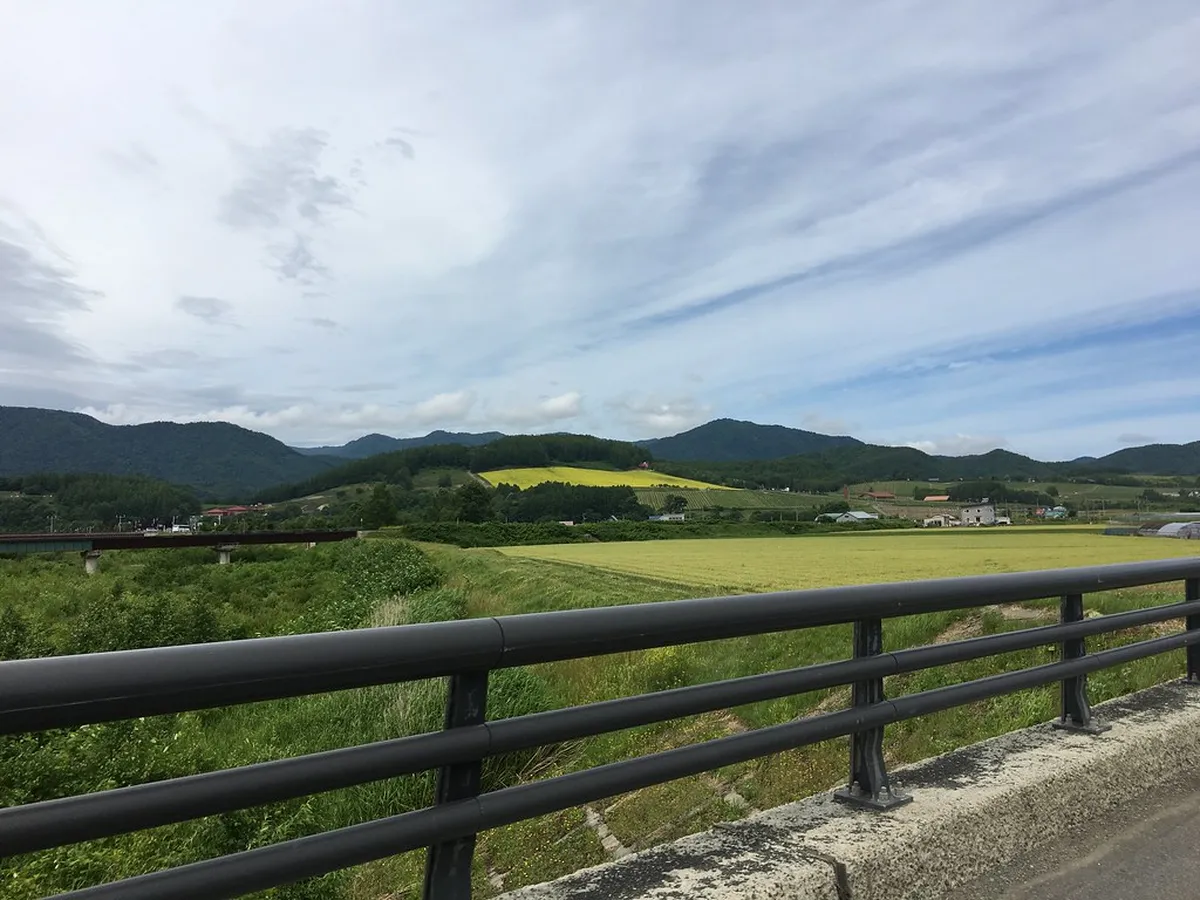
Furano's growing season peaks from June through September, when melons, sweet corn, and fresh vegetables headline most menus. Farm cafes like Café Goryo change their short menus almost daily during these months, following whatever the garden produced that morning. Winter flips the kitchen toward hotpot and stew, because the region stays cold for roughly nine months of the year. Kumagera's sukiyaki and Sanzoku Nabe, a miso-based hot pot with duck and venison, make more sense on a January visit than a July one. Some remote farm cafes reduce hours or close for stretches in the off-season, so calling ahead in winter matters as much as booking ahead in summer. Lavender season overlaps with peak vegetable harvest, which is part of why late June through August books up restaurants fastest.
Vegetarian and Dietary Notes for Furano Dining
Café Goryo is the clearest vegetarian-friendly option in Furano, built around produce grown in its own converted-barn garden. Other kitchens lean toward meat: Kumagera's hotpots feature Wagyu, duck, and venison, and Yuiga Doxon's curry is built around handmade sausage. Vegetarian diners at meat-focused restaurants should call ahead, since a set hotpot or curry base may already include meat stock. Some hotels coordinate directly with farm restaurants on dietary requests, so ask your accommodation to confirm before booking a table. Vegan options are harder to guarantee anywhere in Furano, since dairy and eggs run through most of its signature dishes, including omu-curry and milk pudding. Farm cafes with small, changing menus are usually the most flexible kitchens for last-minute dietary requests.
Mistakes to Avoid in Furano's Farm-to-Table Scene
A few planning errors repeat often enough to flag directly.
- Lavender shops near Farm Tomita mostly sell oil, soap, and gifts, not meals; check that a menu exists before planning lunch there.
- Naka Furano and central Furano-shi are different districts, so do not assume a farm café near one sits within easy walking distance of the other.
- Furano Marche is the local farmers market, not a restaurant chain with a similar name; go there for jams, produce, and seasonal snacks rather than a sit-down meal.
- A summer-only itinerary misses Furano's hotpot season; some of the heartiest local cooking only shows up on winter menus.
Frequently Asked Questions
Do Furano's farm-to-table restaurants require reservations?
Most do, especially Le Gaulois Furano and Café Goryo during lavender season from late June through August. Yuiga Doxon and Kumagera generally accept walk-ins, though arriving early still helps on busy evenings.
How much does a farm-to-table meal cost in Furano?
Lunch at kitchens like Café Goryo or Le Gaulois typically runs about ¥1,500 to ¥3,500 per person, with dinner running higher. Budget hotpot spots near Furano Station have historically charged closer to ¥1,000 to ¥1,600 per set. Confirm current menu prices directly, since figures like these can shift year to year.
Do you need a car to eat at Furano's farm restaurants?
A rental car is the most practical option, since many kitchens sit outside the town grid near Naka Furano and Shimogoryo. Renting requires an International Driving Permit obtained before arrival, and taxis work as a backup for a single dinner trip.
What is the difference between Furano and Niseko dining?
Furano is farmer-led, with smaller seasonal menus, lower prices, and limited English. Niseko is resort-centric, with international chefs, premium tasting menus, and English-speaking staff throughout.
What is omu-curry, and how does it connect to Furano's farm-to-table restaurants?
Omu-curry is Furano's signature dish, an omelet-topped curry that in its strict local form uses Furano milk, rice, and vegetables. Restaurants across town serve their own version, and this Furano omu-curry guide covers where to order it.
Are there vegetarian options at Furano's farm restaurants?
Café Goryo is the most reliable vegetarian-friendly kitchen, since it grows much of its own produce. Meat-focused spots like Kumagera and Yuiga Doxon can sometimes adjust a dish on request, but confirming ahead is safer than assuming.
When is the best time to visit Furano for farm-to-table dining?
Summer, from June through September, brings the widest range of fresh produce and the busiest reservation calendars. Winter suits travelers who want hearty hotpot cooking and a quieter table without a lavender-season wait.
Free guide: Japan's Hidden Gems
12 under-the-radar places beyond Tokyo & Kyoto — with the best season to visit each and a local tip you won't find in the guidebooks.
You might also like


Continue reading
More guides you'll find useful


