Morioka Food Souvenirs and Sweets: A Local Buying Guide
Discover the best Morioka food souvenirs and sweets, from Kamome no Tamago to Nanbu Senbei, plus exactly where to shop at Fesan station.
On this page
Last updated July 2026, Morioka food souvenirs and sweets range from a 70-year-old sponge cake to sake-infused confections and packaged noodle kits. Most of them sit inside Fesan, the shopping floor connected directly to JR Morioka Station. This guide sorts traditional wagashi from modern western-style bakes, and shows which ones survive a long flight home.
Morioka Food Souvenirs and Sweets Start at Fesan Station
Morioka built its food reputation on wanko soba, Morioka reimen, and jajamen, the three noodle dishes locals call the Three Great Noodles. Its castle-town layout dates back roughly 400 years to the Nanbu Domain, a history still traceable at the castle ruins park. Morioka's profile rose after the New York Times featured it on its 2023 "52 Places to Go" list. That attention pushed a handful of local products toward cult status among visiting foodies. Many visitors now plan a souvenir stop as a fixed part of the day, not an afterthought squeezed in before departure. For souvenir shopping, skip searching downtown streets first. Fesan, the building connected directly to JR Morioka Station, stocks nearly every product on this list under one roof. Sweets here split into two broad camps. Traditional wagashi rely on bean paste, mochi, or sake. Modern western-style bakes lean on sponge cake and butter-cookie textures instead. Deeper context on the wider food scene, including where locals actually eat these dishes, lives in the Morioka food guide.
Fesan's Souvenir Floor: Layout, Hours, and Timing Before Your Shinkansen
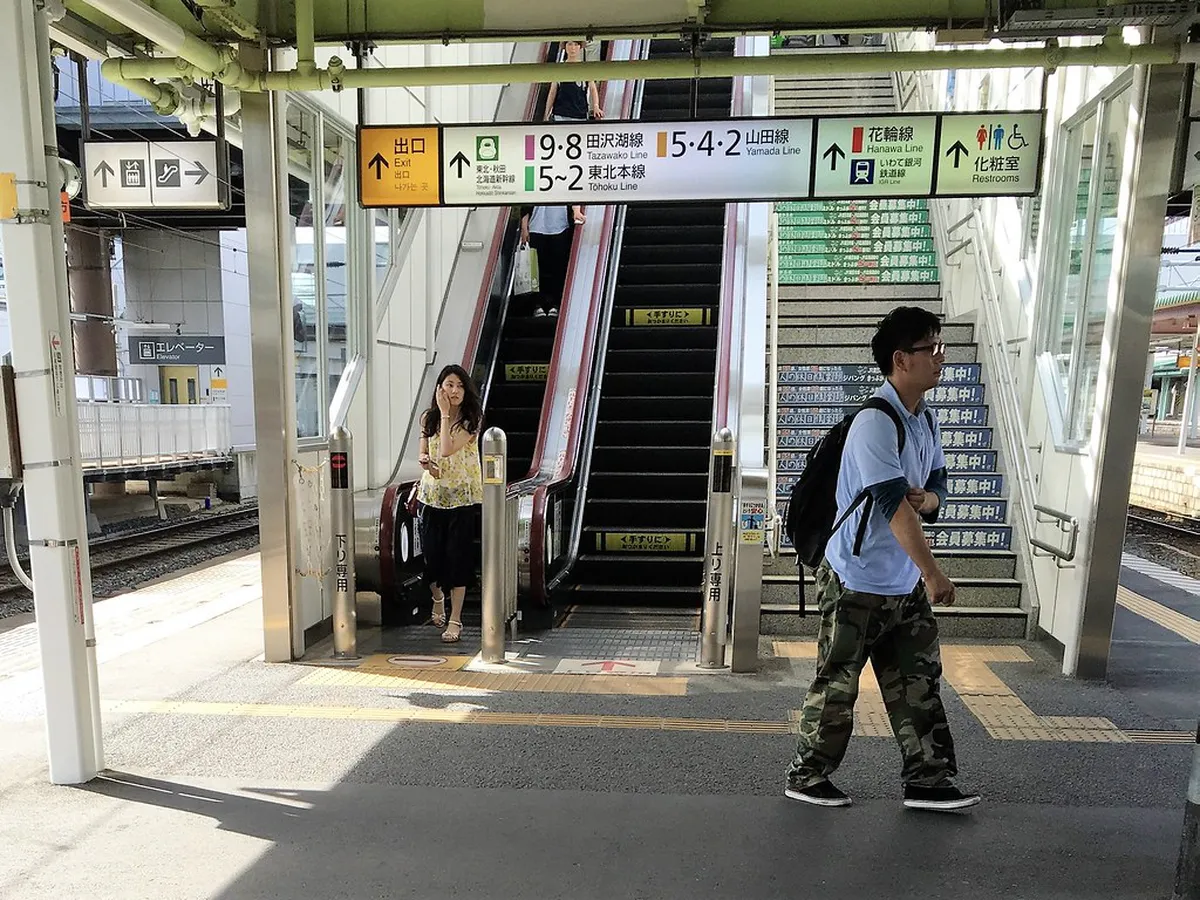
Fesan's souvenir floor sits on the first level of the station building, connected directly to JR Morioka Station's concourse. Because the connection is direct, you do not need to exit the ticket gates to reach it. Shelves are grouped by maker rather than by product type, so Saito Seika's Kamome no Tamago display sits near Iwateya's senbei counter and Sunataya's sake cakes. Most shoppers follow a simple loop through sweets, senbei, and noodle kits, finishing near the exit closest to the Shinkansen gates. Staff at individual counters can usually point you toward whichever maker's booth you are looking for if the layout feels unfamiliar on a first visit. Exact opening hours can shift with the season, so confirm current signage or Fesan's own directory before building a tight schedule around it. If you are timing a same-day arrival from Tokyo or Sendai, the 6 Best Ways to Get to Morioka guide covers Shinkansen options and approximate journey times. Reaching Fesan before the last inbound trains unload keeps the aisles workable instead of packed.
Iconic Morioka Sweets Worth Packing Home
Four sweets account for most of what leaves Fesan's shelves before the evening rush. Not everything sold as a Morioka souvenir is actually made in Morioka. Kamome no Tamago, for instance, comes from Saito Seika's home base in Ofunato but is sold everywhere in the city as a staple gift, including throughout Fesan. Together these four sweets span the range from mass-market recognition to small-batch, alcohol-forward gifting.
- Kamome no Tamago (Saito Seika): a castella sponge and white chocolate shell around a yolk-style filling of white kidney beans, sugar, and northern Tohoku wheat flour, made since 1951. A box of four runs about 756 yen, a box of nine about 1,701 yen, and the 27 g mini box of four about 518 yen. The mini size has won the Award of the President of Honor at the National Confectionery Exhibition. Chocolate softens in summer heat, roughly June through mid-September, so eat it soon after buying and check import rules before flying to Taiwan, Hong Kong, the US, or Australia.
- Nanbu Toji Sake Cake (Sunataya): a moist cake made with sake from Iwate breweries such as Asabiraki, Kiku-no-Tsukasa, and Nanbu Bijin, named for the region's Nanbu toji brewing tradition. Sold by individual brewery flavor, it works best as an adult-oriented gift since it contains alcohol.
- Shiro Sable (Marukiya): a pale, delicate butter cookie built for texture over flash. Its crumbly structure makes it one of the more fragile picks on this list, better suited to carry-on padding than the bottom of a checked bag.
- Oshu Potato (Fleur Kikuya): a sweet-potato cake and a repeat favorite among shoppers who want something sturdier than the sable, a middle option between rich wagashi and lighter bakes.
Traditional Nanbu Senbei and the Three Noodles Kits to Bring Home
Nanbu Senbei is Morioka's other signature souvenir category, and Iwateya is the name most shoppers reach for first. Traditional flavors center on sesame and peanut, pressed into the familiar round cracker shape. Iwateya's newer Shun no Mori line swaps in seasonal and modern flavors for shoppers who already own the classic bag at home. Because the Shun no Mori range rotates with the seasons, the exact flavors on shelf can differ from one visit to the next. Senbei travels well. It is sturdy, stacks flat in a suitcase, and keeps for weeks, which makes it a dependable pick for office gifts. The other essential category is packaged versions of Morioka's own noodles. Wanko soba, Morioka reimen, and jajamen all come as take-home kits, each one bundling the noodles with the sauce or broth that matches what is served locally. The wanko soba guide covers how the dish is traditionally served table-side. The jajamen and reimen guide covers the other two noodles in the same set. If you would rather taste them fresh before deciding which kit to buy, the 13 Best Restaurants in Morioka (2026 Guide): Noodles, Wagyu, and Izakayas lists where locals actually eat all three.
Fresh and Artisanal Finds With a Short Shelf Life
Not every Morioka souvenir is built to survive a long trip home. Tarte des Demoiselles Tatin makes an apple pie from local Iwate apples, best treated as a same-day or short-trip purchase rather than a suitcase item. Apple season and other seasonal specialties are covered in the Seasonal Food in Morioka: 2026 Guide to Noodles, Wagyu, Seafood, worth checking before you decide which fresh bakes to prioritize. Morioka also sits near Koiwai Farm, and dairy products tied to that heritage turn up in the region's cafes and bakeries beyond the souvenir floor itself. None of these fresh finds are sold as ambient, long-life souvenirs, so treat them as a same-trip treat rather than a gift you mail later. If you would rather sit down and taste sweets in person instead of only packing them home, the 6 Best Cafes in Morioka: Specialty Coffee & Historic Kissaten covers where to do that.
Apple pie and other fresh pastries with same-day best portability require immediate consumption. Their absence from the recommended souvenir mix reflects the fundamental difference between gifts you ship later and treats best enjoyed during your stay in Morioka.
Buyer's Guide: Matching Each Souvenir to Shelf Life and Portability
Shelf life and portability decide what should go in your bag first, not just flavor. Use the table below to compare the main options side by side before committing to a full shopping bag. Think about who is receiving each item: a large office needs volume and durability, while a single household back home can handle something more fragile or perishable. None of these categories requires refrigeration at the point of sale, but summer heat still argues for eating chocolate-based sweets sooner rather than later.
| Product | Flavor Profile | Shelf Life | Portability |
|---|---|---|---|
| Kamome no Tamago (Saito Seika) | Sweet: white chocolate, castella sponge, bean filling | Several weeks; chocolate softens in summer heat | Sturdy, individually wrapped |
| Nanbu Toji Sake Cake (Sunataya) | Sweet, alcohol-infused, moist | Best within a couple of weeks | Sturdy, but an adults-only gift |
| Shiro Sable (Marukiya) | Sweet, delicate butter cookie | Medium | Fragile, pack in carry-on |
| Oshu Potato (Fleur Kikuya) | Sweet, sweet-potato | Medium | Fairly sturdy |
| Apple Pie (Tarte des Demoiselles Tatin) | Sweet, fruit-forward | Short, same-day best | Fragile, skip for long trips |
| Nanbu Senbei, traditional and Shun no Mori (Iwateya) | Savory sesame or peanut, or modern seasonal flavors | Long | Sturdy, stacks flat |
| Three Noodles kits: wanko soba, reimen, jajamen | Savory, varies by kit | Long, sealed packaging | Sturdy, compact |
- Best for office gifts: Nanbu Senbei's individually wrapped bags and Kamome no Tamago's standard box, since both hold up for weeks without special storage.
- Best for foodies: the noodle kits and the Nanbu Toji Sake Cake, since both connect directly to Iwate's food and brewing traditions rather than just being a sweet.
- Best for a short layover: anything from Fesan's senbei counter, since it needs no cold storage and survives being carried around all day.
Practical Logistics: Timing, Tax-Free Shopping, and Packing Fragile Sweets
Shop before the evening Shinkansen rush, not after it. Fesan's aisles fill up fast once several inbound trains land within the same half hour, and a rushed pick tends to be a worse one. Tax-free service has historically applied at station shopping floors like Fesan, but participating counters and minimum-spend thresholds shift over time. Confirm current tax-free signage or ask staff directly before assuming a purchase qualifies. Pack fragile items like Shiro Sable and the apple pie in carry-on luggage, ideally still in their original box and wrapped in a layer of clothing. Buy them last, close to departure, so they spend less time jostling around in a warm bag. If you are checking a bag anyway, sturdier boxes can go in with clothing padding around them for extra insurance. Sturdier picks, including senbei, noodle kits, and Kamome no Tamago's standard box, can go in a checked bag without much worry.
Kamome no Tamago's chocolate coating softens June through mid-September, making thermal protection critical during summer travel. This seasonal vulnerability, combined with destination-specific import rules for countries like the US and Australia, requires both careful timing and strategic carry-on packing.
Building Your Perfect Morioka Souvenir Mix
A workable mix covers three categories: one iconic sweet, one savory senbei bag, and one noodle kit. Kamome no Tamago covers the sweet and the brand-recognition box. Iwateya's senbei covers the sturdy office gift. A jajamen or reimen kit covers the story you can actually tell about Morioka's food culture once you are home. That combination reads as considered rather than grabbed at random off a shelf. Whichever mix you land on, buying it inside Fesan keeps the whole errand to one stop before your train leaves. The 9 Best Areas and Tips: Where to Stay in Morioka guide can help you time a Fesan stop against your own schedule if you are staying overnight nearby. For a broader sense of when to plan a return trip around Iwate's food calendar, check the Best Time To Visit Morioka: A Seasonal Travel Guide guide.
Allergy, Alcohol, and Ingredient Checks Before You Buy
Check the Japanese ingredient label before buying several boxes, especially when gifts are intended for people with allergies. Recipes and shared-factory warnings can vary by product size or seasonal edition.
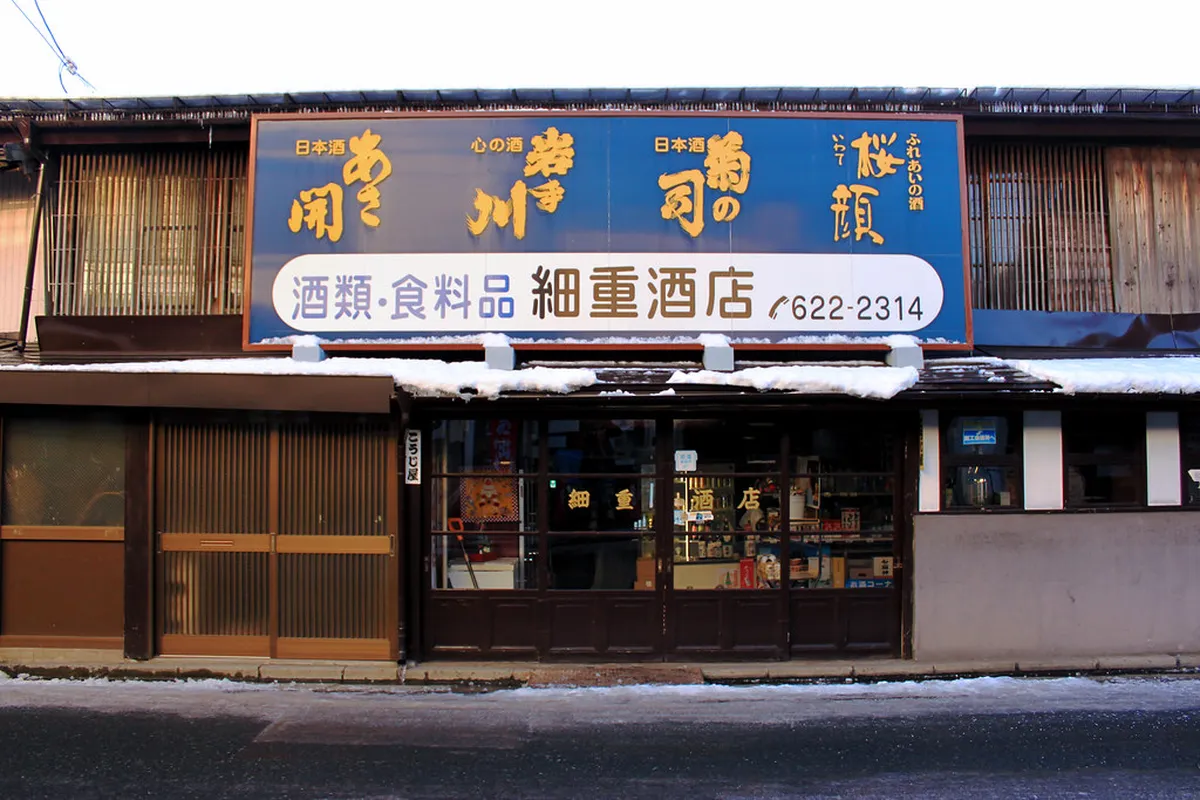
Nanbu Senbei is usually wheat-based, while popular versions may contain sesame or peanuts. Kamome no Tamago combines cake, bean filling, and a white chocolate coating, so confirm its label for wheat, egg, and milk allergens. Shun no Mori seasonal crackers may use different flavorings from Iwateya’s classic varieties.
- Ask Fesan counter staff to identify the allergen panel, marked アレルギー on many packages.
- Keep Nanbu Toji Sake Cake for adults who consume alcohol, and mention its sake content when giving it away.
- Retain sealed packaging for international travel because customs officers may need to inspect ingredients.
Vegetarian travelers should also verify broths and sauces inside Morioka reimen, jajamen, and wanko soba kits. Some seasonings may contain fish or meat extracts even when the noodles themselves appear suitable.
Further reading: Morioka on Wikivoyage · Morioka on Wikipedia
Frequently Asked Questions
What is the single best Morioka food souvenir to buy?
Kamome no Tamago from Saito Seika is the most recognized choice, prized for its castella-and-white-chocolate shell and decades of local reputation. It actually originates in Ofunato, not Morioka itself, though it is sold as a staple gift throughout the city, including at Fesan.
Where exactly should you shop for Morioka food souvenirs?
Fesan, the shopping floor connected directly to JR Morioka Station, stocks nearly every souvenir covered in this guide in one place, making it the most efficient stop before boarding a Shinkansen.
Can you buy Morioka's three famous noodles as souvenirs?
Yes. Wanko soba, Morioka reimen, and jajamen are all sold as packaged take-home kits, letting you cook the dishes yourself once you are back home.
Which Morioka souvenirs are safest for checked luggage?
Sturdier picks like Nanbu Senbei, noodle kits, and Kamome no Tamago's standard box travel well in a checked bag. Fragile items like Shiro Sable and fresh apple pie are safer in carry-on, padded inside their original box.
Is tax-free shopping available for souvenirs at Morioka Station?
Tax-free service has historically applied at station shopping floors like Fesan, but participating counters and minimum-spend thresholds can change. Confirm current signage or ask staff before assuming a purchase qualifies.
Do any Morioka souvenirs need refrigeration?
Most do not. The dairy-based finds tied to nearby Koiwai Farm are the main exception, and those are better treated as same-day purchases rather than packed for later.
What is the difference between Morioka-made and Iwate-wide souvenirs?
Some iconic products, including Kamome no Tamago, are made elsewhere in Iwate Prefecture, in that case Ofunato, but sold throughout Morioka as regional staples. Local specialists like Iwateya's senbei and Sunataya's sake cakes are Morioka-based makers.
How far is Fesan from the Shinkansen gates?
Fesan connects directly to JR Morioka Station, so the walk from its souvenir floor to the Shinkansen gates is short and does not require leaving the building.
Free guide: Japan's Hidden Gems
12 under-the-radar places beyond Tokyo & Kyoto — with the best season to visit each and a local tip you won't find in the guidebooks.
You might also like


Continue reading
More guides you'll find useful