Fuji Shibazakura Festival 2026: Complete Guide to Dates, Tickets, and Transport
Plan the 2026 Fuji Shibazakura Festival at Lake Motosuko: dates, ticket prices, the Shibazakura Liner shuttle, and how to dodge Golden Week crowds.
On this page
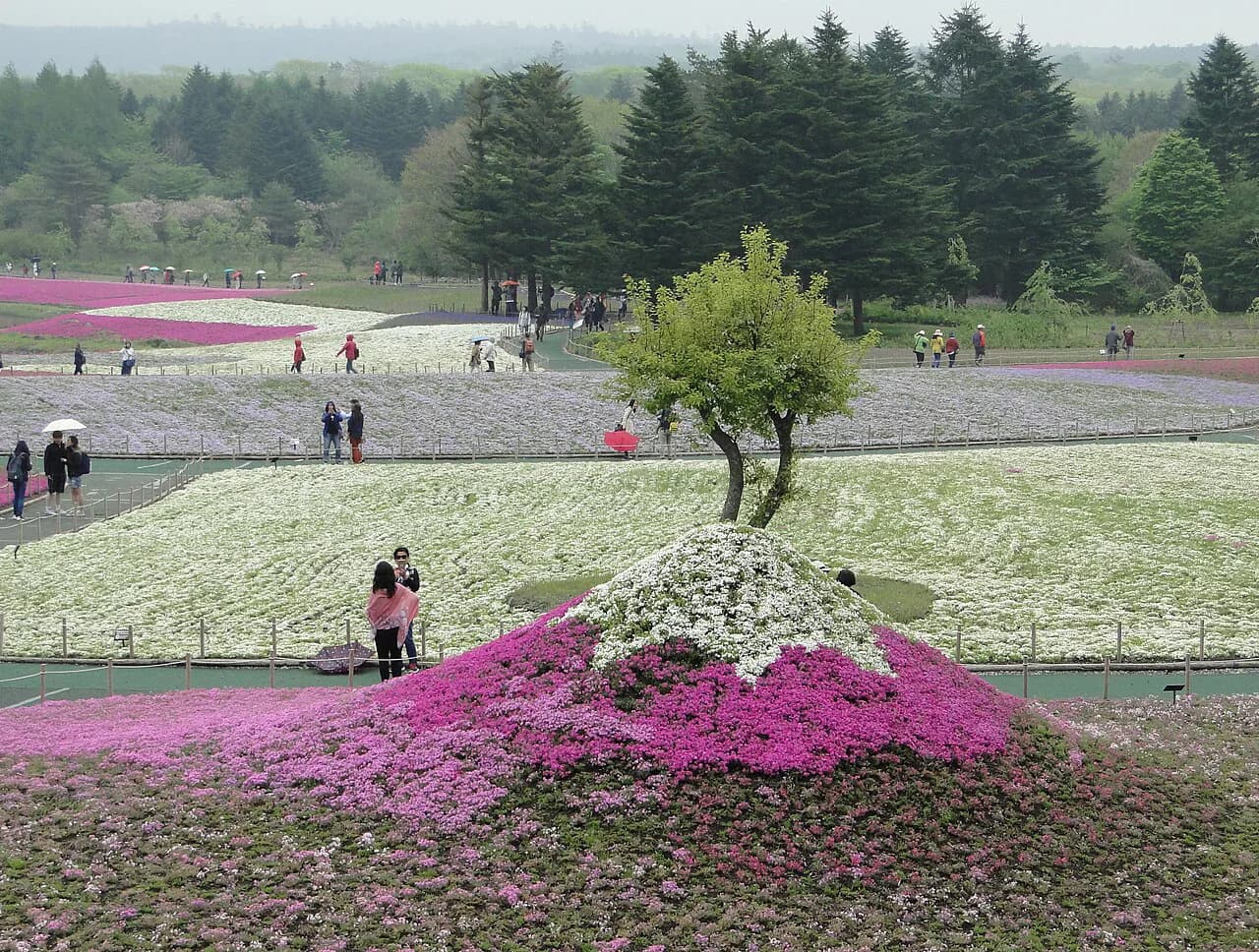
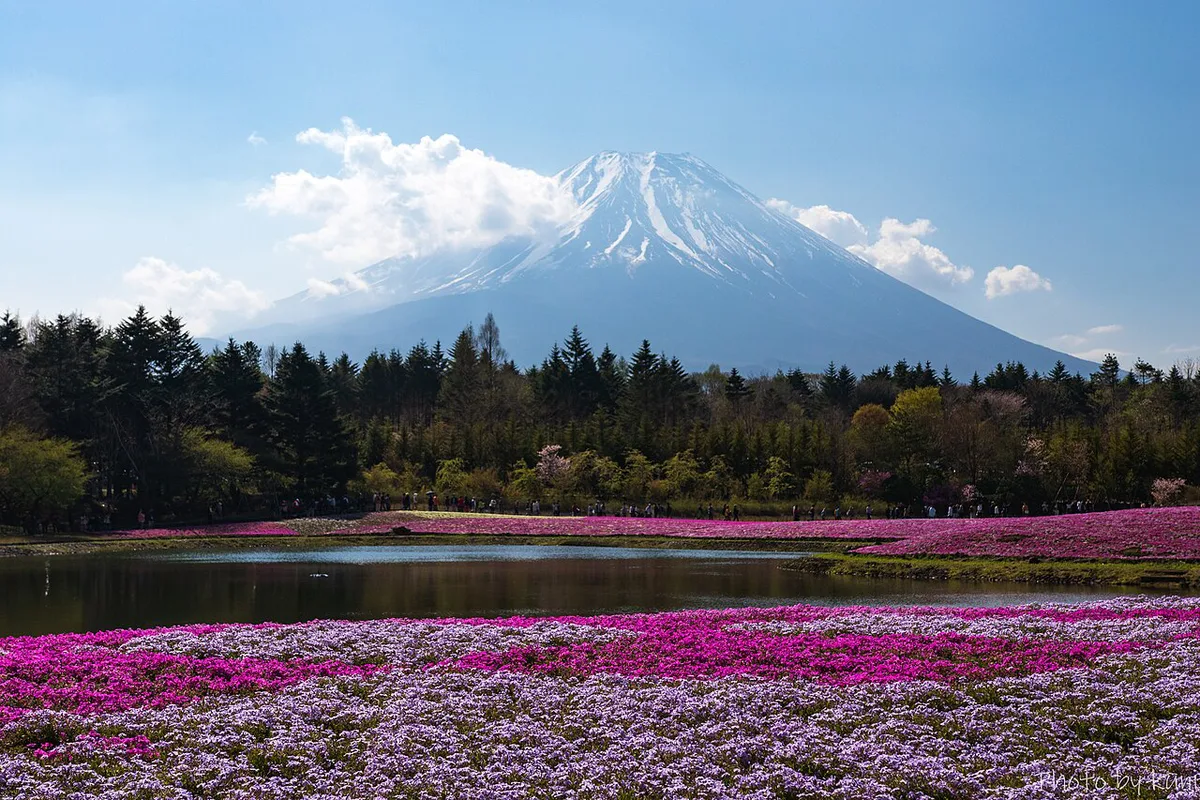
Last updated July 2026, this guide breaks down the Fuji Shibazakura Festival at Fuji Motosuko Resort for travelers who want a plan, not just a photo. Roughly 800,000 moss phlox stalks bloom pink, purple, and white against Mount Fuji's slopes each spring, though cloud cover often hides the peak itself. Expect the transport choices, ticket prices, and crowd timing below to matter more than the weather for how the day actually goes.
Fuji Shibazakura Festival 2026: Quick Start Guide
Shibazakura, or moss phlox, is a low-growing flowering plant that carpets the ground in pink, purple, and white rather than growing on stems. Fuji Motosuko Resort hosts the display each spring, about 3 km (1.9 miles) south of Lake Motosuko in the Fuji Five Lakes Itinerary & Travel Guide: Plan Your Trip area. The 2026 festival is forecast to run April 11 through May 24, with peak color typically falling in the first three weeks of May. Whether the visit is worth the transit time depends heavily on the weather forecast, since Mount Fuji itself is only visible on clear days. For travelers weighing the trip, treat the flower fields as the reliable payoff and Mount Fuji as a bonus that depends on the forecast that morning. The festival also draws heavy crowds on ordinary weekends, not only during Golden Week, so weekday visits stay the more predictable choice for traffic and photos alike.
| Ticket type | Price | Notes |
|---|---|---|
| Gate admission, standard dates | ¥1,000 | April 11–24 and May 11–24 |
| Gate admission, peak dates | ¥1,300 | April 25–May 10 |
| Advance online, adult | From ¥900 | Via the Fever app/website or the Fuji Motosuko site |
| Advance online, child (age 3+) | From ¥400 | Same platforms as above |
| Same-day online, adult | From ¥1,000 | Booked on arrival day |
| Same-day online, child (age 3+) | From ¥500 | Booked on arrival day |
| Parking, peak dates | ¥1,000 per car | April 25–May 10 |
| Parking, off-peak dates | ¥500 per car | Before April 25 and after May 10 |
- 2026 dates: April 11 – May 24 (forecast; confirm nearer to travel on the official Fuji Motosuko Resort site)
- Peak bloom: typically the first three weeks of May
- Hours: 8:00–16:00 standard, extended to 6:00–17:00 during Golden Week (April 29–May 6)
- Venue: Fuji Motosuko Resort, 212 Motosu, Fujikawaguchiko, Minamitsuru District, Yamanashi
Strategic Timing: Beating the Crowds and the Clouds
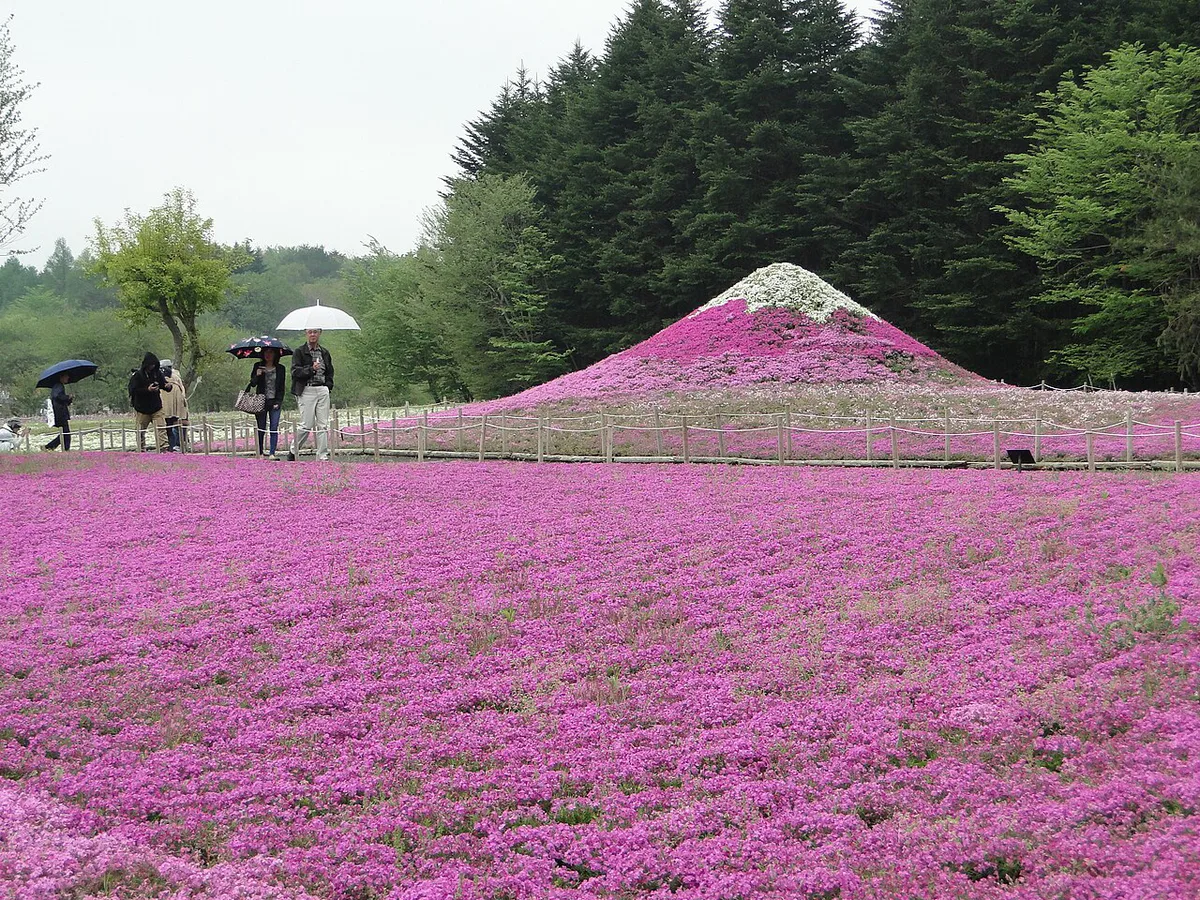
Golden Week, Japan's late-April holiday cluster, runs April 29 through May 6 in 2026 and is the festival's busiest stretch. Gates open at 6:00 during that window instead of the usual 8:00, and arriving at opening is the most reliable way to avoid the worst lines. Morning visits tend to give clearer views of Mount Fuji before afternoon clouds build, while afternoon light generally photographs the pink fields better. Check a live camera feed covering the Kawaguchiko Station area before boarding a bus, since clear skies at the station do not guarantee a clear peak an hour later. Same-day tickets are sold at the gate throughout the run, so an uncertain forecast does not have to cancel the trip outright. Weekday mornings outside Golden Week remain the calmest window for a shorter wait at both the ticket gate and the bus stop.
- April 29 – May 6, 2026: Golden Week, hours extended to 6:00–17:00
- Arrive at opening (6:00 during Golden Week, 8:00 otherwise) to beat tour-bus arrivals
- Mornings: better odds of a clear Mount Fuji; afternoons: better light for flower photos
Getting to Fuji Motosuko Resort: Transport Options
From Tokyo, a direct highway bus reaches the Kawaguchiko area in roughly 2 hours, while the JR Fuji Excursion limited express plus local connections takes closer to 3 hours. The bus usually costs less; the train trades a transfer for a more predictable schedule. From Kawaguchiko Station, the festival-only Shibazakura Liner shuttle runs roughly hourly and bundles a round-trip fare with venue admission. A regular local bus also serves the venue but does not include admission in its fare, and on peak weekends that normally 50-minute ride can stretch past 2 hours in Route 139 traffic. Travelers approaching from the Shizuoka side can instead pick up the regular bus at Shin-Fuji Station. Drivers face the same Route 139 congestion as the bus and should budget extra time on peak dates; parking runs ¥500 to ¥1,000 per car depending on the date.
The Shibazakura Liner shuttle (¥3,000 round-trip with admission) costs roughly the same as separate bus and gate tickets, yet its hourly frequency means missing one departure leaves only a short wait rather than scrambling for alternate transport.
| Option | Route | Price | Travel time | Frequency |
|---|---|---|---|---|
| Shibazakura Liner shuttle | Kawaguchiko Station to venue | About ¥3,000 (round trip + admission bundled) | About 40 minutes each way | Roughly hourly during the festival |
| Regular bus | Kawaguchiko Station to venue | About ¥1,450 | About 50 minutes (2+ hours in Route 139 traffic on peak days) | Every 1–2 hours |
| Regular bus | Shin-Fuji Station to venue | About ¥1,900 | About 75 minutes | Every 1–2 hours |
| Bus tour | Tokyo to venue, round trip | About ¥12,000 | About 2 hours each way to the Kawaguchiko area | Seasonal, operated by Willer Express |
What You'll See and Do at the Venue
The main field displays several varieties of shibazakura in pink, purple, and white, arranged in blocks across the resort grounds. Elevated viewing decks give the clearest sightline over the flowers toward Mount Fuji on clear days. Food stalls sell Yamanashi specialties, including Koshu Fujizakura pork and Yoshida udon, alongside shibazakura-themed snacks and souvenirs. Most stalls run on cash, so carry yen rather than relying on cards. A Peter Rabbit-themed English garden inside the resort grounds gives visitors a backup activity if the flowers alone do not fill the visit, particularly useful on a clouded-out day. Signage across the grounds appears in Japanese and English, making it easy to move between the flower blocks, the food stalls, and the garden without a guide.
Peak-season moss phlox blooms (roughly 800,000 stalks in mid-May) and the Peter Rabbit garden justify the visit regardless of Mount Fuji visibility, even though the mountain often clouds over within an hour of arrival.
- Floral display: pink, purple, and white shibazakura varieties across roughly 800,000 stalks
- Photo spots: elevated decks positioned toward Mount Fuji
- Food: Koshu Fujizakura pork, Yoshida udon, and shibazakura-themed snacks (cash recommended)
- Peter Rabbit English Garden: a secondary attraction inside the resort, useful if Fuji is clouded over
Where to Stay: Kawaguchiko vs Lake Motosuko
Kawaguchiko Station is the transit hub for the festival and the wider Fuji Five Lakes area, making it the practical base for visitors relying on buses and trains. Staying near Lake Motosuko or neighboring Lake Shoji suits travelers who prioritize quiet over transit convenience, including hikers heading to the viewpoint that appeared on Japan's older 1,000-yen banknote. Ryokans in the Motosuko and Shoji area more often offer private in-room onsen than station-area hotels do. Both areas sit within a short bus ride or drive of Fuji Motosuko Resort, so the choice mostly comes down to convenience versus scenery. Book well ahead for stays that fall inside the April 25–May 10 peak window, when the wider Fuji Five Lakes area fills up alongside the festival itself.
- Kawaguchiko Station area: best for bus/train connections and Shibazakura Liner departures
- Lake Motosuko / Lake Shoji area: best for quieter stays, ryokans with private onsen, and the historic banknote viewpoint hike
Practical Facilities and Accessibility: Mistakes to Avoid
The venue is generally accessible to wheelchair users, but no wheelchairs are available to borrow on-site, so bring your own if needed. Paths through the flower fields run over gravel and packed earth rather than pavement, which is also worth planning around for strollers. Luggage storage, restrooms, and dining areas are all available at the resort. Because the grounds sit on resort and farmland, expect uneven footing near the flower blocks even where the main paths are flatter. The layout suits a visit of an hour or two rather than a full day. The most common visitor mistakes are wearing sandals or dress shoes on the uneven ground and arriving without cash for the food stalls.
- Bring your own wheelchair if needed; none are available for loan on-site
- Wear closed, sturdy shoes; paths are gravel and packed earth, not pavement
- Carry cash; most food and souvenir stalls are cash-only
- Luggage storage and restrooms are available at the resort
Combining Your Visit: A One-Day Fuji Five Lakes Itinerary
The festival pairs well with a broader day built around the Kawaguchiko Itinerary: 1-Day and 2-Day Plans for Mt. Fuji Views, since the shuttle and regular bus both return to the same station. A common sequence starts with the flower fields in the morning, returns to Kawaguchiko by early afternoon, then adds Oishi Park or Chureito Pagoda before the Mt. Fuji Panoramic Ropeway closer to sunset. Oishi Park and Chureito Pagoda both sit within the same general loop back toward Kawaguchiko, making them practical add-ons rather than detours. Building the day around the shuttle's roughly hourly schedule keeps the itinerary predictable, since missing one departure just means a short wait rather than a scramble for an alternate route. For a wider view of what else the region offers beyond the festival season, the Kawaguchiko attractions guide covers the rest of the area's sights.
- Morning: Fuji Shibazakura Festival (arrive at or near opening)
- Midday: return shuttle or bus to Kawaguchiko Station
- Afternoon: Oishi Park or Chureito Pagoda
- Late afternoon: Mt. Fuji Panoramic Ropeway before sunset
Advance vs Same-Day Tickets: Which Should You Buy?
Advance online tickets suit visitors with fixed travel dates, especially during the April 25–May 10 peak period. Adult prices start from ¥900, compared with ¥1,000 to ¥1,300 at the gate. Child tickets for ages three and older start from ¥400.
Tickets are available through the Fuji Motosuko Resort website and the Fever app or website. Buying before arrival avoids the main ticket-purchase queue, although visitors may still wait for admission checks. Save the ticket on your phone before leaving Kawaguchiko, since mobile reception can become congested on busy festival mornings.
Same-day online tickets offer more flexibility when cloud cover affects your decision. Adult prices start from ¥1,000, while child tickets start from ¥500. This option lets you check the morning weather and Kawaguchiko live cameras before committing.
Gate tickets remain available throughout the festival. They are the simplest choice for uncertain plans, but queues are longest after tour buses arrive. Confirm current prices, sales platforms, and cancellation conditions on the official resort website before purchasing.
Further reading: Kawaguchiko on Wikivoyage · Kawaguchiko on Wikipedia
Frequently Asked Questions
When is the Fuji Shibazakura Festival in 2026?
The 2026 festival is forecast to run April 11 through May 24, with standard hours of 8:00 to 16:00. Hours extend to 6:00–17:00 during Golden Week, April 29 through May 6. Confirm exact dates on the official Fuji Motosuko Resort site closer to your trip, since bloom-dependent events can shift.
How much does the Fuji Shibazakura Festival cost?
Gate admission runs ¥1,000 on standard dates and ¥1,300 during the April 25–May 10 peak window. Some booking platforms also sell advance online tickets starting from ¥900 for adults and ¥400 for children. Parking adds ¥500 to ¥1,000 per car depending on the date.
What's the best way to get from Kawaguchiko Station to the festival?
The Shibazakura Liner shuttle bundles a round-trip fare with admission for about ¥3,000 and runs roughly hourly in about 40 minutes each way. A regular local bus costs about ¥1,450 but does not include admission, and its 50-minute ride can stretch past 2 hours in Route 139 traffic during peak weekends.
What happens if Mount Fuji is covered in clouds?
Cloud cover is common enough that a visit should not depend on seeing the peak. The flower fields, the food stalls, and the Peter Rabbit English Garden inside the resort remain worth the trip on their own, and morning arrivals generally have better odds of a clear mountain view.
Is the venue accessible for wheelchairs and strollers?
The resort is generally accessible to wheelchair users, but no wheelchairs are available to borrow on-site. Paths run over gravel and packed earth rather than pavement, which is worth planning around for both wheelchairs and strollers.
Free: The Kawaguchiko Essentials guide
Top things to do, where to stay, a perfect day plan, getting around, and the best time to go — a Kawaguchiko mini-guide you can take offline.
You might also like
Continue reading
More guides you'll find useful